Garden

How to Create a Meditation Corner in Your Garden

8 Pro Tips for Designing a Peaceful Meditation Garden at Pretty Purple Door to discover how to transform your outdoor space into a haven.

Key Takeaways:

To create a peaceful and inviting meditation corner in your garden, consider the following points:

  • Choose a Quiet and Secluded spot in your garden, away from noise and distractions, to help you focus on your meditation practice.
  • Incorporate Natural Elements such as plants, water features, and stones to create a calming and serene atmosphere that promotes relaxation and Mindfulness.
  • Consider adding Comfortable Seating and Soothing Lighting to your meditation corner, such as a bench or a hammock, and string lights or lanterns, to create a cozy and inviting space that encourages you to Meditate and unwind.

Preparing the Space

Before creating your meditation corner, take a moment to envision the peaceful atmosphere you wish to cultivate. Consider the elements that will help you achieve a sense of calm and clarity in your garden.

Choosing a Quiet Location

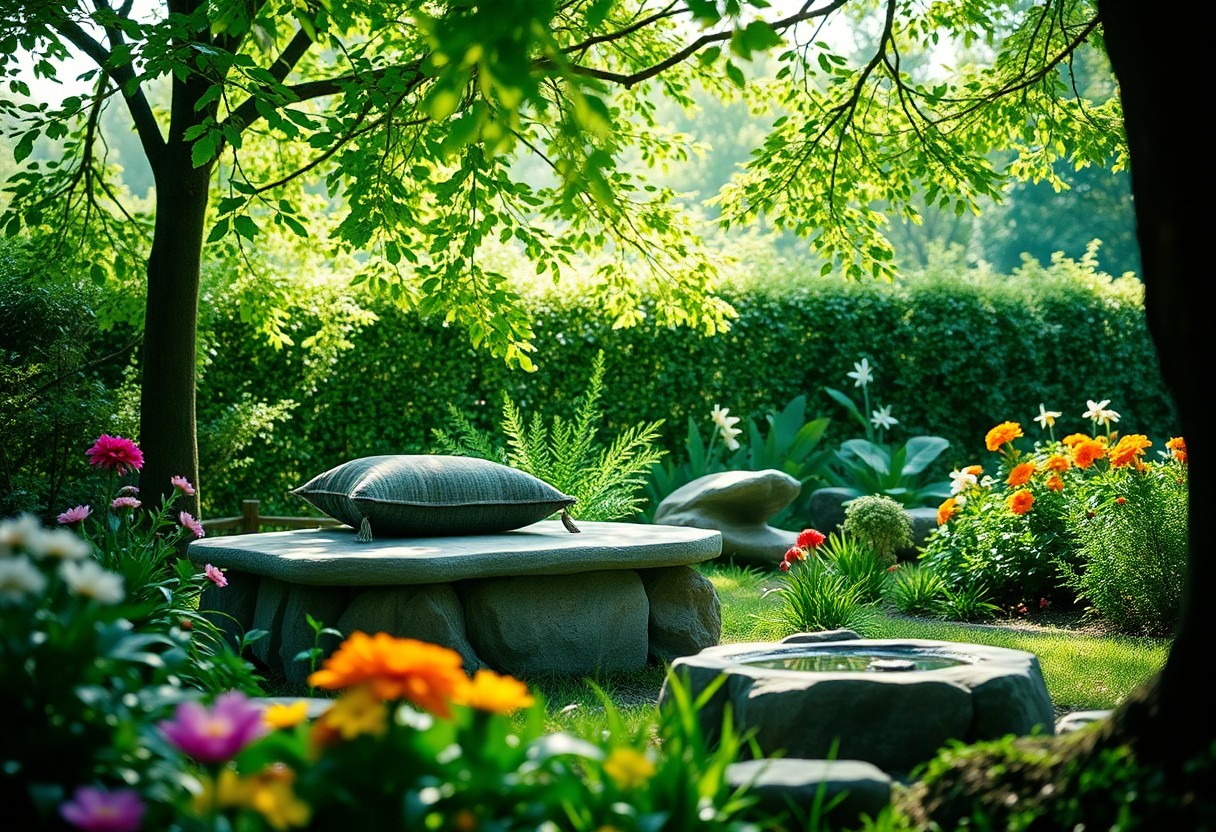
Locating a secluded spot in your garden is vital for a meditation corner. You want to find a place where you can sit comfortably without distractions, surrounded by the soothing sounds of nature.

Selecting Serene Landscaping

On entering your meditation corner, you want to feel a sense of tranquility. You can achieve this by selecting plants and features that promote relaxation, such as a small water feature or a statue.

Quiet surroundings and gentle scenery will help you settle into a meditative state. As you choose the landscaping for your meditation corner, consider the textures, colors, and scents that will help you feel grounded and at peace, allowing you to deepen your practice and connect with your inner self and the natural world around you.

Setting the Atmosphere

The ambiance of your meditation corner is crucial to creating a peaceful space for contemplation. You can achieve this by carefully selecting elements that promote relaxation and serenity in your garden.

Incorporating Calming Colors

Above all, the colors you choose for your meditation corner should be soothing and gentle on the eyes. You can opt for soft hues such as green, blue, or neutral tones to create a calming atmosphere that invites mindfulness and tranquility.

Adding Soothing Sounds

Ambiently, the sounds surrounding your meditation corner can either disrupt or enhance your practice. You can add a water feature or wind chimes to create a peaceful melody that calms your mind and transports you to a state of inner peace.

Even as you sit in stillness, the sounds around you can have a profound impact on your meditation practice. You can further enhance the soothing sounds by placing your meditation corner near a gentle stream or a bird-friendly area, allowing the natural sounds of nature to envelop you in serenity, guiding you deeper into your inner world, and nurturing your connection with your inner self, as you cultivate mindfulness and presence in your garden sanctuary.

Creating a Seating Area

All you need is a peaceful spot to sit and breathe. You can find inspiration for your meditation corner at 10 Meditation Garden Ideas Perfect for Destressing to create a serene atmosphere, allowing you to focus on your mindfulness practice.

Selecting Comfortable Seating Options

Beneath the shade of a tree or a gazebo, you can place a chair or bench that invites you to sit and stay awhile, allowing your body to relax and your mind to calm.

Adding Supportive Cushions and Pillows

Against the gentle breeze, you can add soft cushions and pillows to your seating area, providing comfort and support for your body as you meditate, helping you to settle into the present moment.

At the heart of your meditation corner, you’ll find that supportive cushions and pillows can make all the difference in your practice, allowing you to sit for longer periods without discomfort, and focus on your breath, as you cultivate calm and clarity in your mind and body, surrounded by the serenity of your garden.

Enhancing the Senses

For a truly immersive meditation experience, you’ll want to engage your senses in your garden sanctuary. You can achieve this by incorporating elements that soothe your senses, allowing you to settle into a deeper state of calm and connection with nature.

Incorporating Aromatherapy

Alongside the serene ambiance, you can introduce soothing scents to calm your mind and body. You can place vital oils or fragrant flowers near your meditation corner, allowing their gentle aromas to envelop you as you sit in stillness.

Adding Visual Elements

The visual aspects of your meditation corner can greatly impact your experience, as you surround yourself with natural beauty and tranquility. You can add statues, water features, or vibrant plants to create a peaceful atmosphere that draws you into the present moment.

And as you sit amidst these visual elements, you’ll find that your gaze naturally softens, and your attention turns inward, allowing you to tap into the serenity that surrounds you, and cultivate a deeper sense of inner peace and connection to your garden sanctuary.

Incorporating Mindfulness Elements

Your meditation corner should be a reflection of your inner self, a space where you can connect with nature and find peace. By incorporating mindfulness elements, you can create a serene atmosphere that fosters calmness and clarity.

Adding a Water Feature

With the gentle sound of water, you can create a soothing ambiance that calms your mind and transports you to a state of serenity. A small fountain or a birdbath can be a wonderful addition to your meditation corner.

Incorporating Natural Elements

Along with plants and trees, you can add natural elements like rocks, bamboo, or a wooden bench to create a sense of harmony and balance in your meditation corner. This will help you feel more connected to nature and your inner self.

Mindfulness is the key to creating a meditation corner that truly nourishes your mind, body, and spirit. As you incorporate natural elements, consider the textures, colors, and scents that surround you, and allow yourself to fully immerse in the present moment, letting go of distractions and embracing the serenity of your garden sanctuary, where you can sit, breathe, and simply be, surrounded by the beauty of nature, and the peace that it brings to your heart.

Maintenance and Upkeep

Keep your meditation corner serene and inviting by dedicating time to its care. As you tend to your space, you cultivate a deeper connection with nature and yourself.

Regular Cleaning and Maintenance

Along with the changing seasons, gently sweep away leaves and debris that may accumulate in your meditation corner, allowing you to begin each practice with a clear and peaceful mind.

Seasonal Updates and Refreshers

Updates to your meditation corner can be as simple as adding seasonal flowers or adjusting the seating to accommodate the shifting sunlight, allowing you to stay attuned to the natural world.

Indeed, as you update your meditation corner to reflect the seasons, you create an opportunity to renew your practice and deepen your sense of connection to the world around you, inviting a sense of calm and clarity into your daily life, and nurturing your inner peace as you sit in stillness, surrounded by the beauty of nature that you have carefully cultivated in your garden sanctuary.

Summing up

Presently, you have transformed a part of your garden into a serene meditation corner, where you can breathe, relax, and cultivate mindfulness. As you sit in your peaceful space, you can let go of worries and tune into the beauty of nature. You have created a haven that nurtures your body and soul, allowing you to reconnect with your inner self and the world around you, gently guiding you towards a more balanced and harmonious life.

FAQ

Q: What is the first step in creating a meditation corner in my garden?

A: The first step in creating a meditation corner in your garden is to choose a quiet and peaceful location. Look for a spot that is away from noisy areas, such as roads or playgrounds, and is surrounded by natural beauty, such as trees, flowers, or a water feature. Consider the amount of sunlight and shade the area receives, as well as the type of soil and drainage. This will help you determine the best location for your meditation corner and ensure that it is a comfortable and calming space.

Q: What type of seating is best for a meditation corner in my garden?

A: The type of seating you choose for your meditation corner will depend on your personal preference and the style of your garden. Some popular options include a wooden bench, a hammock, or a meditation chair. You may also consider adding cushions, pillows, or a blanket to make the space more comfortable. Consider the durability and weather-resistance of the seating you choose, as well as its aesthetic appeal. The goal is to create a cozy and inviting space that encourages relaxation and calmness.

Q: How can I incorporate nature into my meditation corner?

A: Incorporating natural elements into your meditation corner can help create a sense of calm and connection to the outdoors. Consider adding plants, such as herbs, flowers, or succulents, that are low-maintenance and easy to care for. You may also add a water feature, such as a small fountain or birdbath, to create a soothing sound. Additionally, consider adding natural elements, such as stones, wood, or bamboo, to create a sense of texture and visual interest. These elements can help create a sense of harmony and balance in your meditation corner.

Q: What type of lighting is best for a meditation corner in my garden?

A: The type of lighting you choose for your meditation corner will depend on the time of day you plan to use the space and the ambiance you want to create. Solar-powered lanterns or string lights can add a warm and cozy glow to the space, while candles or fire pits can create a more dramatic and intimate atmosphere. Consider using LED lights or fairy lights to create a soft and calming ambiance. You may also consider the natural light in the area and how it changes throughout the day, and plan your meditation practice accordingly.

Q: How can I make my meditation corner in my garden a sacred and peaceful space?

A: To make your meditation corner a sacred and peaceful space, consider adding personal and meaningful elements that promote a sense of calm and reflection. This may include a statue, a prayer flag, or a inspirational quote. You may also consider creating a ritual, such as lighting a candle or burning incense, to signal the start of your meditation practice. Keep the space clutter-free and organized, and consider adding a small table or altar for holding meditation accessories, such as a journal or a meditation bell. By creating a sense of intention and purpose in your meditation corner, you can make it a truly sacred and peaceful space.
The Best Perennial Herbs for Every Garden

As you plan your garden, you’re likely considering which herbs will thrive and provide you with fresh flavors year after year. You want to choose perennials that are easy to care for and will complement your cooking style. Your garden’s climate and soil type will also play a role in determining the best perennial herbs for you. By selecting the right varieties, you’ll enjoy a bountiful harvest and add depth to your favorite dishes with your own homegrown herbs.

Key Takeaways:

To create a thriving garden with perennial herbs, consider the following points:

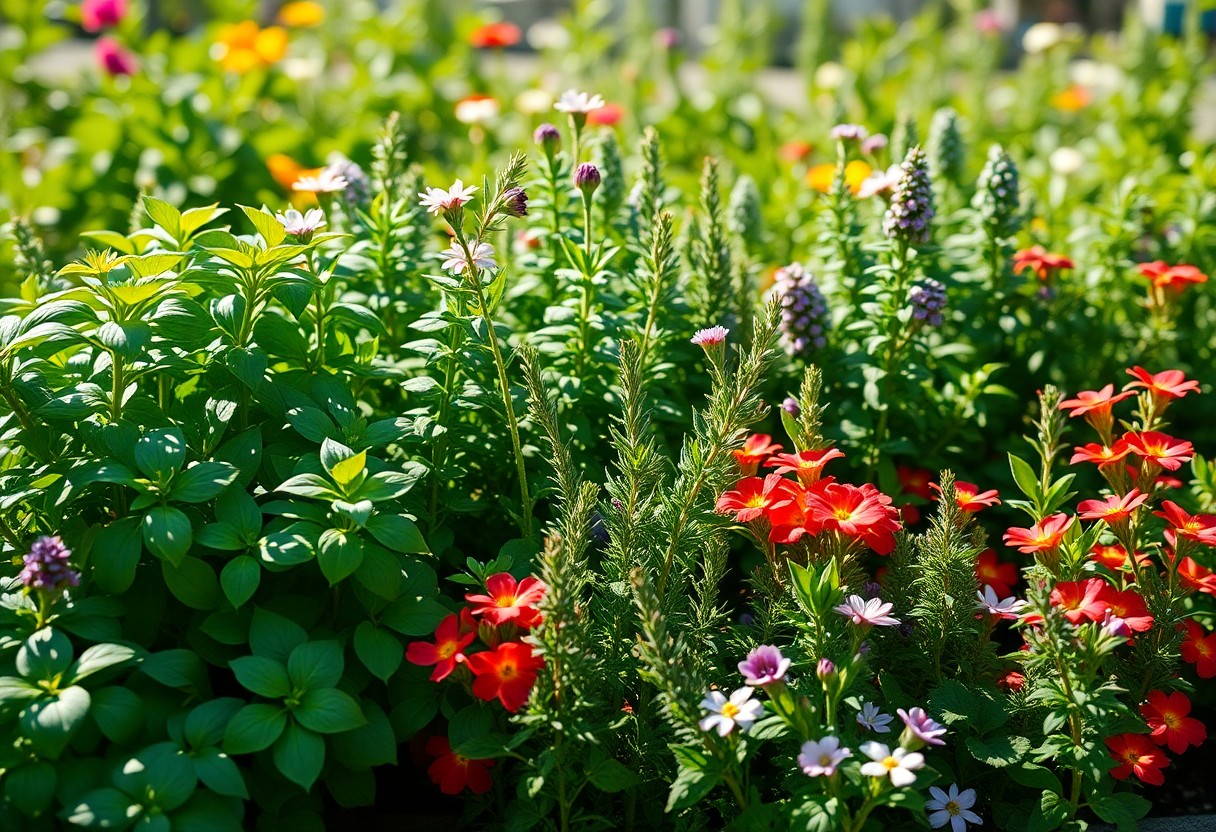
  • Choosing low-maintenance herbs like mint, sage, and thyme can add freshness and flavor to various dishes while requiring minimal upkeep.
  • Incorporating fragrant herbs such as rosemary, lavender, and chamomile can enhance the garden’s aesthetic appeal and attract beneficial insects.
  • Selecting drought-tolerant herbs like oregano and marjoram can help conserve water and ensure a bountiful harvest even in challenging weather conditions, making them ideal for sustainable gardening.

    Choosing the Right Perennial Herbs

    To create a thriving herb garden, you need to consider the specific needs of your plants. Selecting the right perennial herbs for your garden can be overwhelming, but with a little knowledge, you can make informed decisions to ensure your herbs flourish.

    Considerations for Climate and Soil

    For optimal growth, you should choose herbs that are well-suited to your local climate and soil type. You will want to assess the amount of sunlight, moisture, and nutrients your soil provides to determine which herbs will thrive in your garden.

    Popular Varieties for Different Regions

    At the heart of selecting the right perennial herbs is understanding which varieties are best suited for your region. You can choose from a range of herbs that are tailored to specific climates, from cool and temperate to warm and tropical.

    Further, as you explore popular varieties for different regions, you will find that some herbs are more adaptable than others. You can consider herbs like mint, rosemary, and thyme, which are relatively hardy and can thrive in a variety of conditions, or opt for more specialized herbs like lemongrass or chamomile, which are better suited to specific climates and soils, allowing you to create a unique and thriving herb garden that meets your needs.

    Low-Maintenance Perennial Herbs

    There’s no need to spend hours tending to your herbs when you choose low-maintenance options. You can find inspiration for hardy varieties at hardy perennial culinary herbs that thrive with minimal care.

    Hardy and Resilient Options

    Before selecting your herbs, consider the climate and soil conditions in your garden. You’ll want to choose herbs that can withstand the elements and bounce back from adversity, ensuring your garden remains lush and thriving.

    Tips for Easy Care and Maintenance

    To keep your low-maintenance herbs happy, consider the following tips:

    • Water them regularly
    • Provide adequate sunlight
    • Fertilize sparingly

    . Any mistakes you make will be easily forgiven by these resilient plants, allowing you to enjoy a bountiful harvest.

    Tips for maintaining your low-maintenance herbs include selecting varieties that are disease-resistant and pest-tolerant. You can also:

    • Prune them regularly
    • Divide and replant every few years
    • Keep the soil well-draining

    . Any effort you put into caring for your herbs will be well worth it, as you’ll be rewarded with fresh, fragrant flavors to enhance your cooking.

    Fragrant Perennial Herbs

    After selecting the right location for your perennial herbs, you can start thinking about the fragrant varieties that will elevate your garden’s ambiance. Fragrant perennial herbs like lavender, rosemary, and thyme are perfect for adding a sensory experience to your outdoor space.

    Herbs for Aromatic Gardens

    Beneath the lush foliage of your garden, you’ll find a variety of herbs that can add fragrance to your space. You can choose from a range of fragrant herbs, such as mint, chamomile, and lemongrass, to create a unique aromatic experience in your garden.

    Using Scents to Attract Pollinators

    Along with their fragrance, many perennial herbs also attract pollinators to your garden. You can use scents like bee balm, coneflower, and black-eyed susan to draw in bees, butterflies, and hummingbirds, adding a dynamic element to your garden.

    To create a pollinator-friendly garden, you’ll want to plant a variety of fragrant herbs that bloom at different times, providing a constant source of nectar and fragrance for your visitors. As you plan your garden, consider the specific needs of the pollinators you want to attract, and choose herbs that will provide the right combination of scent, color, and texture to draw them in and keep them coming back to your garden.

    Perennial Herbs for Cooking

    Many perennial herbs are perfect for cooking, offering a wide range of flavors and aromas to enhance your dishes. You can grow your own herbs, such as thyme, rosemary, and oregano, to add freshness to your meals.

    Culinary Favorites and Their Uses

    Cuisinely speaking, herbs like basil and mint are staples in many kitchens, and you can use them to create delicious sauces, marinades, and teas to suit your taste.

    Pairing Herbs with Other Garden Plants

    Optimally, you’ll want to pair your herbs with other plants that complement their growth and flavor, such as planting rosemary with carrots or sage with strawberries, to create a harmonious garden ecosystem that benefits your cooking.

    Due to the versatility of perennial herbs, you can experiment with different pairings to find the perfect combinations that work for your garden and your cooking style, and you’ll discover that your herbs will thrive and your dishes will flourish with the added depth of flavor from your homegrown herbs.

    Medicinal Perennial Herbs

    Unlike other types of herbs, medicinal perennial herbs offer a wide range of health benefits. You can learn more about Six Essential Perennial Herbs that can be easily grown in your garden, providing you with a natural way to improve your well-being.

    Herbal Remedies and Benefits

    For many years, herbal remedies have been used to treat various ailments, and you can benefit from growing your own medicinal herbs to create natural remedies. By doing so, you’ll have access to a variety of plants that can help alleviate common health issues.

    Growing Your Own Medicinal Herb Garden

    Medicinal herbs are relatively easy to grow, and you can start your own garden with minimal effort. You can choose from a variety of herbs, such as chamomile, lavender, and echinacea, which are known for their medicinal properties and can be used to create teas, salves, and other natural remedies.

    Hence, as you begin to grow your own medicinal herb garden, you’ll discover the many benefits of having these plants at your fingertips. You’ll be able to harvest your herbs fresh, dry them for later use, or create your own herbal remedies, allowing you to take control of your health and well-being in a natural and effective way.

    Designing with Perennial Herbs

    Your garden’s design can greatly benefit from the addition of perennial herbs, which offer a variety of textures, colors, and fragrances to enhance your outdoor space.

    Creating Beautiful Herb Gardens

    With a little planning, you can create a stunning herb garden that showcases your favorite plants and adds visual interest to your yard, allowing you to enjoy their beauty and fragrance throughout the growing season.

    Incorporating Herbs into Existing Landscapes

    Beautiful perennial herbs can be easily incorporated into your existing landscape, adding a new dimension to your garden’s design and providing you with fresh flavors and fragrances to enjoy, from savory thyme and rosemary to fragrant lavender and chamomile.

    In fact, you can use perennial herbs to fill gaps in your garden, add depth and texture to borders, or create a soothing sensory experience by planting fragrant herbs along walkways and patios, allowing you to fully appreciate their beauty and benefits.

    To wrap up

    Now that you have explored the best perennial herbs for every garden, you can confidently choose the perfect varieties to enhance your outdoor space. You will find that your garden flourishes with these low-maintenance herbs, and your cooking will be elevated by their fresh flavors. With your new knowledge, you can create a thriving and fragrant herb garden that will bring you joy for years to come, and enrich your culinary experiences.

    FAQ

    Q: What are the benefits of growing perennial herbs in my garden?

    A: Growing perennial herbs in your garden provides a constant supply of fresh herbs year after year, eliminating the need to replant every season. Perennial herbs are also often low maintenance, requiring less watering and care compared to annual herbs. Additionally, many perennial herbs have beautiful flowers and foliage, adding visual interest to your garden.

    Q: Which perennial herbs are best for shady gardens?

    A: For shady gardens, some of the best perennial herbs include mint, lemon balm, and sweet woodruff. These herbs thrive in partial shade and can tolerate a range of soil conditions. They also have a tendency to spread, making them great for filling in gaps in the garden. Other options for shady gardens include chamomile, foxglove, and hostas with fragrant flowers.

    Q: Can I grow perennial herbs in containers?

    A: Yes, many perennial herbs can be grown in containers, provided they have good drainage and adequate soil. Some of the best perennial herbs for containers include rosemary, thyme, and oregano. These herbs are compact, producing fewer roots and requiring less soil, making them perfect for small pots and planters. Be sure to choose a container that is at least 6-8 inches deep to provide enough room for the roots to grow.

    Q: How do I care for and maintain my perennial herbs?

    A: To keep your perennial herbs healthy and thriving, make sure to water them regularly, but avoid overwatering, which can lead to root rot. Fertilize your herbs lightly in the spring with a balanced fertilizer, and prune them back after they finish flowering to encourage new growth. Divide and replant your herbs every 3-4 years to maintain their vigor and prevent them from becoming too woody.

    Q: Can I use perennial herbs in cooking and medicinal applications?

    A: Yes, many perennial herbs have been used for centuries in cooking and medicinal applications. For example, perennial herbs like sage, echinacea, and coneflower have anti-inflammatory properties and can be used to make teas, tinctures, and salves. In cooking, perennial herbs like rosemary, thyme, and oregano add flavor to a variety of dishes, from soups and stews to roasted meats and vegetables. Always use fresh, organic herbs and follow proper preparation and dosage instructions when using them for medicinal purposes.

The Best Ways to Utilize Rainwater in Your Garden

As you step into your garden, you’re surrounded by the sights and sounds of nature. You notice the way rainwater nourishes your plants, and you wonder how to harness its power. You can collect and utilize rainwater to create a thriving oasis, reducing your reliance on municipal water sources. By embracing this simple, yet effective approach, you’ll not only conserve water but also foster a deeper connection with the natural world, just as the rhythms of nature intended. You’ll discover the harmony that comes with working in tandem with the environment.

Key Takeaways:

To make the most of rainwater in your garden, consider the following:

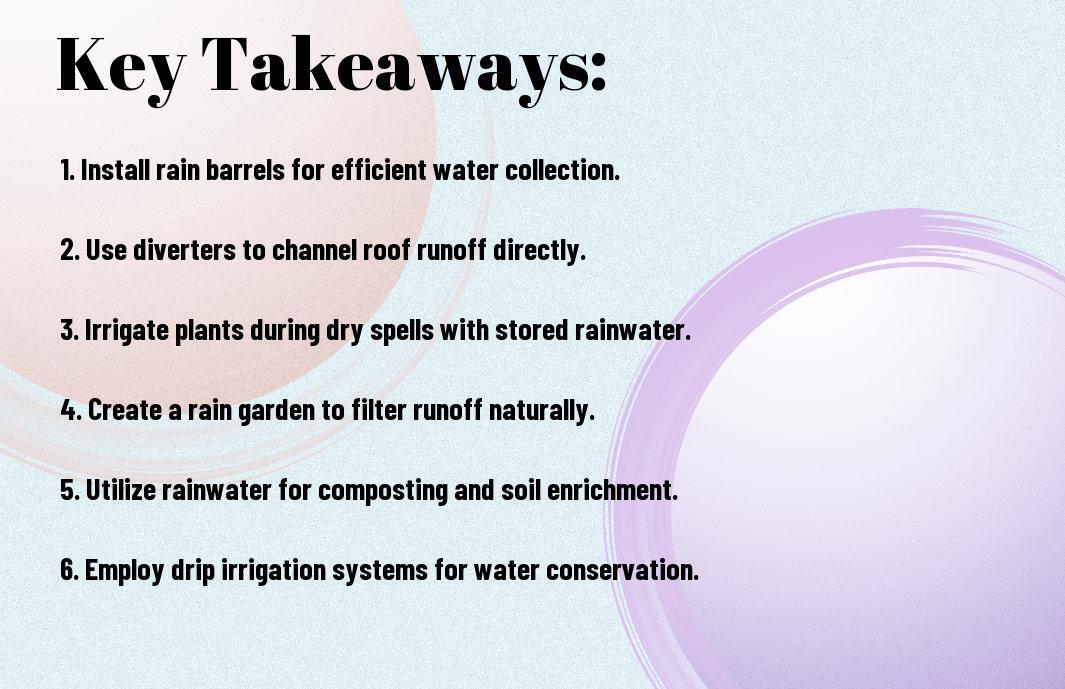
  • Collect and store rainwater in a barrel or tank to reduce your water bill and provide a natural source of water for your plants during dry periods.
  • Use rainwater for irrigation purposes, such as watering plants, gardens, and lawns, as it is free from chemicals and minerals found in tap water.
  • Implement a gray water system to reuse rainwater for activities like washing garden tools and composting, reducing your water consumption and minimizing waste.

Benefits of Rainwater Harvesting

While collecting rainwater, you’ll discover numerous advantages for your garden. Harvesting rainwater reduces your reliance on municipal water supplies, decreasing the demand on local resources.

Reduced Water Bills

Gathering rainwater helps you save money by lowering your water bills. Your collected rainwater can be used for various purposes, such as watering plants and washing garden tools.

Minimal Environmental Impact

For a more sustainable approach, consider the positive effects of rainwater harvesting on the environment. Your efforts will contribute to a reduction in stormwater runoff, decreasing the risk of local flooding and erosion.

Environmental benefits abound when you choose to harvest rainwater. You will be helping to maintain a healthy balance of groundwater, which is vital for your plants and the local ecosystem, allowing you to enjoy a thriving and diverse garden.

Collecting Rainwater

There’s no better way to conserve water than by collecting rainwater for your garden. You can collect rainwater from your roof and store it in a tank or barrel, reducing your water bill and helping the environment. This simple act can make a significant difference in your garden’s health and your community’s water conservation efforts.

Installing Rain Barrels

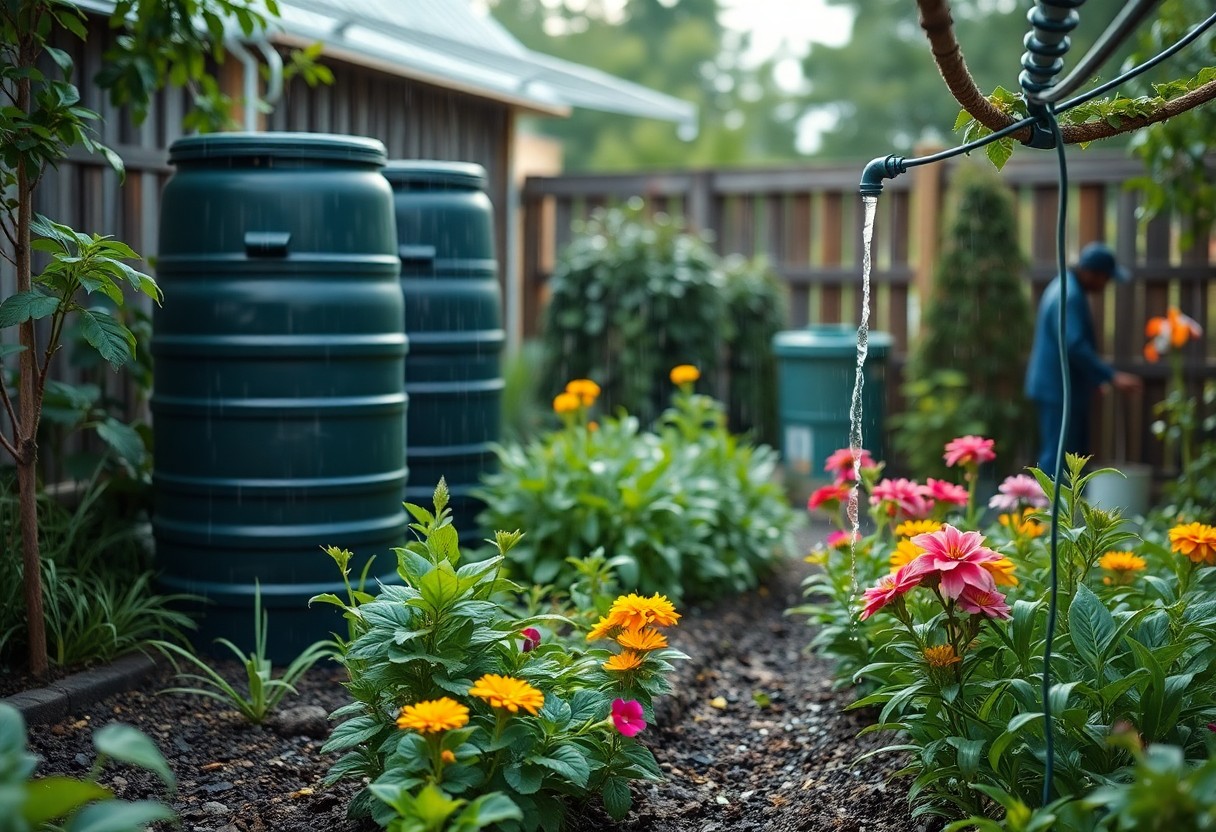
Raining down from the sky, water can be collected and stored in rain barrels, providing you with a free and sustainable source of water for your garden. You can place these barrels under your downspouts to collect rainwater, making it easily accessible for your gardening needs.

Creating a Rainwater Pond

Implementing a rainwater harvesting system can be as simple as creating a rainwater pond, which can be a beautiful addition to your garden. You can use this pond to collect and store rainwater, providing a natural source of water for your plants and wildlife.

Also, as you create a rainwater pond, you’ll be attracting birds, bees, and other beneficial insects to your garden, creating a thriving ecosystem. You can use natural materials like rocks and plants to build your pond, making it a unique and harmonious part of your garden landscape, allowing you to connect with nature and appreciate its beauty.

Filtering and Storing Rainwater

Not all rainwater is suitable for your garden, as it may carry contaminants and debris. You’ll need to filter and store it properly to ensure its quality.

Using Natural Filters

To purify the rainwater, you can use natural filters like sand, gravel, or plants, which will help remove impurities and sediment from the water, making it safe for your garden.

Maintaining Water Quality

After collecting and filtering the rainwater, you’ll need to regularly check its quality to prevent contamination and ensure it remains suitable for your plants.

Even as you take steps to maintain the water quality, you’ll find that your stored rainwater can be a valuable resource for your garden, providing a natural and sustainable way to nourish your plants, and with proper care, it can be a reliable source of water throughout the growing season, allowing you to tend to your garden with greater ease and harmony with nature.

Irrigation Methods

After collecting rainwater, you can use it to irrigate your garden. Visit Collecting Rainwater For The Garden: A Step-by-Step Guide to learn more about this process.

Drip Irrigation Systems

Beside traditional irrigation methods, drip irrigation systems are an efficient way to distribute rainwater directly to your plants’ roots, minimizing evaporation and runoff.

Soaker Hoses and Sprinklers

For a more straightforward approach, consider using soaker hoses and sprinklers to deliver rainwater to your plants, allowing you tokrv them evenly and efficiently.

Sprinklers can be adjusted to suit different areas of your garden, ensuring that each plant receives the right amount of water, while soaker hoses provide a gentle, consistent flow, perfect for delicate plants and seedlings, helping you to nurture your garden with ease and care.

Using Rainwater for Other Purposes

Despite the many benefits of using rainwater for irrigation, you can also utilize it in other ways to reduce your water consumption. You can use collected rainwater for various tasks, making your garden more sustainable and environmentally friendly.

Washing Gardening Tools

The next time you need to clean your gardening tools, consider using rainwater. You can fill a bucket with collected rainwater and use it to wash your tools, keeping them clean and free of debris.

Cleaning Outdoor Surfaces

On a sunny day, you can use rainwater to clean your outdoor surfaces, such as patios and walkways. You can use a gentle detergent and collected rainwater to create a cleaning solution that is gentle on the environment.

Surfaces around your garden, such as decks and furniture, can also be cleaned with rainwater. You can use a soft brush and collected rainwater to gently scrub away dirt and grime, keeping your outdoor spaces looking their best without wasting precious water resources.

Maintenance and Troubleshooting

Many factors can affect the quality and effectiveness of your rainwater harvesting system, so it’s imperative to stay on top of maintenance tasks to ensure your garden remains thriving.

Regular Inspections

Against the forces of nature, your system may deteriorate over time, so you should inspect it regularly to identify any potential issues before they become major problems, allowing you to take corrective action and keep your garden flourishing.

Solving Common Issues

Beside the usual wear and tear, you may encounter issues like clogged gutters or contaminated water, which can be solved with simple repairs and proper maintenance, enabling you to continue using your rainwater harvesting system with confidence.

This approach to solving common issues will help you to develop a deeper understanding of your rainwater harvesting system and enable you to address problems promptly, ensuring that your garden continues to thrive, and you can enjoy the many benefits of using rainwater in your gardening endeavors, from reducing your water bill to creating a more sustainable and self-sufficient outdoor space that reflects your connection to nature.

Conclusion

So, as you begin on this journey to harness the power of rainwater in your garden, you’ll find that it’s a simple yet profound way to connect with nature. By implementing these methods, you’ll not only reduce your water consumption but also create a thriving ecosystem. For a more in-depth look, visit Collecting Rainwater for Your Garden (A Guide) to discover the full potential of rainwater collection and its benefits for your garden. You’ll be nurturing your plants and the environment.

FAQ

Q: What are the benefits of using rainwater in my garden?

A: Using rainwater in your garden has numerous benefits. It reduces the demand on municipal water supplies, decreases your water bills, and provides a natural source of water that is free from chemicals and additives often found in tap water. Additionally, rainwater is slightly acidic, which can help to lower the pH of your soil, creating a more balanced environment for your plants to thrive.

Q: How can I collect and store rainwater for my garden?

A: Collecting and storing rainwater can be done using a rainwater harvesting system, which typically consists of a roof catchment, gutters, downspouts, and a storage tank. The roof catchment collects the rainwater, which then flows through the gutters and downspouts into the storage tank. The storage tank can be made of plastic, metal, or wood, and should be large enough to hold a sufficient amount of water for your garden’s needs. It’s also important to ensure that the system is properly installed and maintained to prevent contamination and mosquito breeding.

Q: What are the best ways to use rainwater in my garden?

A: There are several ways to use rainwater in your garden, including watering plants, filling ponds or fountains, and washing gardening tools. Rainwater can also be used for irrigation, either by directly watering plants or by using a drip irrigation system. Additionally, rainwater can be used to make compost tea, a liquid solution made by steeping compost in water, which can help to provide beneficial microbes to your plants.

Q: Are there any precautions I should take when using rainwater in my garden?

A: Yes, there are several precautions you should take when using rainwater in your garden. First, make sure that the water is free from contamination by using a first flush device, which allows the first flow of water from the roof to be diverted, taking any debris and contaminants with it. Additionally, keep the storage tank covered to prevent mosquito breeding and contamination from animals. It’s also a good idea to test the pH level of the rainwater to ensure it is suitable for your plants.

Q: Can I use rainwater for all of my gardening needs, or are there any limitations?

A: While rainwater can be used for many gardening needs, there may be some limitations. For example, if you live in an area with low rainfall, you may not be able to collect enough rainwater to meet all of your gardening needs. Additionally, rainwater may not be suitable for seed starting or watering young seedlings, as it can be too cold and may contain high levels of bacteria. In these cases, it may be necessary to supplement with other water sources. However, with proper collection and storage, rainwater can be a valuable resource for many gardening applications.

How to Design a Garden Pathway With Style

As you consider enhancing your outdoor space, designing a garden pathway is an excellent way to add visual appeal and functionality to your yard. You can create a beautiful and inviting walkway that reflects your personal style. For inspiration and guidance, you can check out expert advice on how to design a garden path – tips for a stunning outdoor space to help you get started on your project, making your garden a serene oasis that you will enjoy for years to come.

Key Takeaways:

To create a beautiful and functional garden pathway, consider the following points:

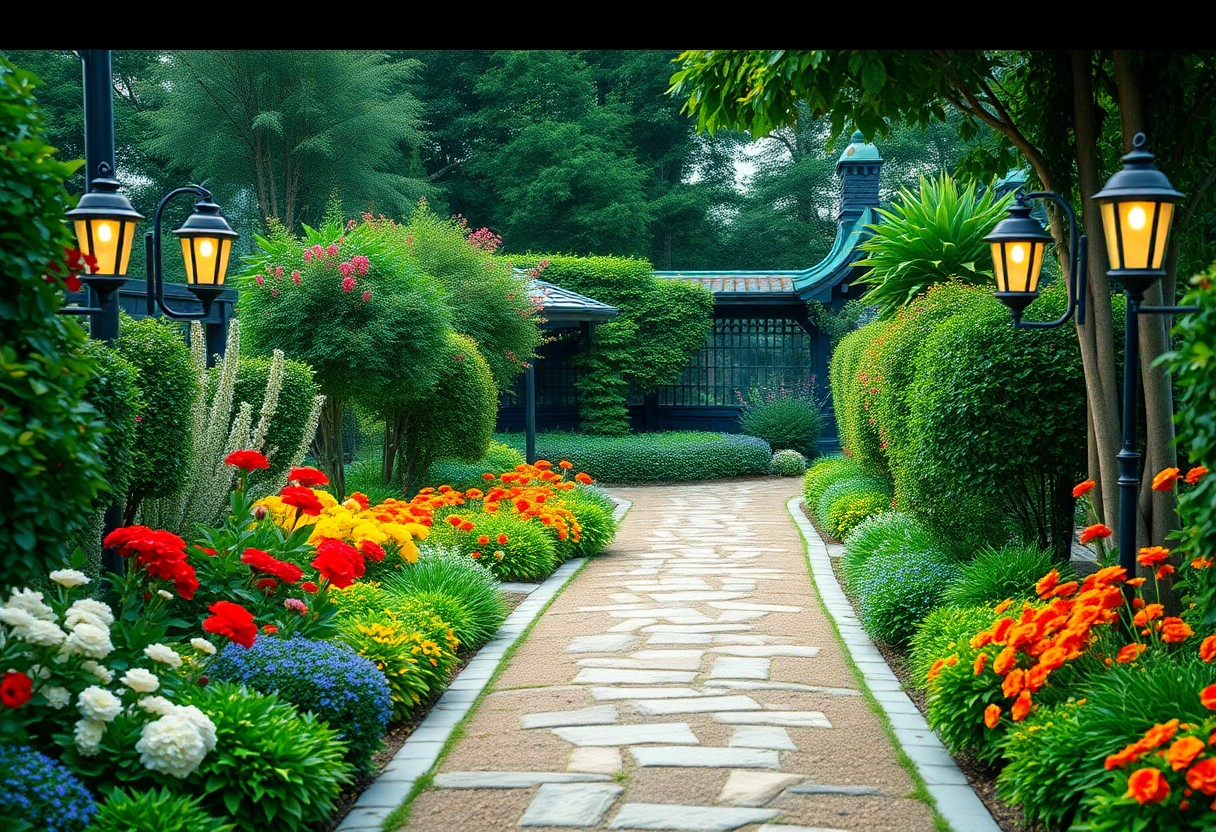
  • Choose a material that complements your garden’s style, such as stone, brick, or gravel, and select a color that blends with the surroundings.
  • Consider the layout of your pathway, taking into account the traffic flow and the purpose of the path, whether it’s for walking, accessibility, or aesthetics.
  • Add decorative elements, such as plants, lighting, or ornaments, to enhance the visual appeal of your garden pathway and create a unique and inviting atmosphere.

Planning Your Garden Pathway

While designing a garden pathway, you’ll want to consider your overall vision and goals. For inspiration and guidance, you can visit How to Design Garden Paths to get started.

Defining the Purpose and Style

With a clear idea of your garden’s purpose, you can define the style and functionality of your pathway, considering factors like accessibility and aesthetics.

Assessing Your Yard’s Layout and Conditions

After identifying your garden’s unique features, you’ll need to assess your yard’s layout and conditions, taking note of slopes, drainage, and existing landscape elements.

But as you evaluate your yard, you’ll need to consider factors like sunlight, soil type, and existing plantings, which can impact your pathway’s design and material choices, ensuring a harmonious and functional integration with your garden’s ecosystem, and ultimately, enhancing your outdoor space.

Choosing the Right Materials

Some of the most popular materials for garden pathways include stone, gravel, and wood. When dicking out materials, consider your personal style, budget, and the overall aesthetic you want to achieve.

Exploring Different Types of Stones and Gravel

You can choose from:

  • Slate
  • Bluestone
  • Pea gravel

Perceiving the variety of options, you’ll find the perfect fit for your garden.

Material Characteristics
Stone Durable, low maintenance
Gravel Permeable, affordable
Wood Natural, rustic
Brick Classic, versatile
Concrete Modern, customizable

Considering Wood, Brick, and Other Options

Choosing the right material depends on your garden’s unique conditions and your personal preferences. You should consider factors like durability, maintenance, and style when making your decision.

Indeed, wood and brick are popular alternatives to stone and gravel, offering a distinct look and feel to your garden pathway. You can use wood to create a cozy, natural atmosphere, while brick can add a touch of elegance and sophistication. By considering these options, you can create a beautiful and functional garden pathway that reflects your personal style.

Designing the Pathway

Many elements come together to create a beautiful garden pathway, and as you begin designing yours, consider the overall aesthetic you want to achieve, taking into account the style of your garden and the surrounding landscape.

Creating a Focal Point and Visual Interest

One key aspect of designing a stunning garden pathway is creating a focal point that draws the eye and adds visual interest, which you can achieve by incorporating decorative elements such as statues, water features, or ornate planters along your path.

Balancing Straight and Curved Lines

Lines and curves are crucial components of a visually appealing pathway, and as you design yours, you’ll want to balance straight lines with curved ones to create a sense of movement and flow, allowing you to guide visitors through your garden with ease.

At the heart of balancing straight and curved lines is the idea of creating a sense of tension and harmony, and you can achieve this by using straight lines to create a sense of structure and curved lines to add a touch of whimsy, allowing you to create a unique and inviting pathway that reflects your personal style and complements your garden’s natural beauty.

Adding Decorative Elements

Your garden pathway can be elevated with decorative elements, such as planters, benches, and sculptures. You can find inspiration for your design on 160 Best Pathway Ideas to create a unique and inviting atmosphere.

Incorporating Plants and Flowers

Following the selection of decorative elements, you can incorporate plants and flowers to add color and texture to your garden pathway, making it more visually appealing and welcoming.

Using Lighting and Other Ornamental Features

Ornamental features such as lanterns, bird baths, and statues can add a touch of personality to your garden pathway, creating a beautiful and functional space.

Indeed, using lighting and other ornamental features effectively can enhance the ambiance of your garden pathway, allowing you to enjoy it during both day and night, and making it a perfect spot to relax and unwind in your own backyard.

Building and Installing the Pathway

Once again, attention to detail is key when building and installing your garden pathway. You’ll need to ensure that your design is brought to life with precision and care, taking into account the materials and techniques you’ve chosen.

Preparing the Site and Laying the Base

Beneath the surface, a solid foundation is vital. You’ll need to clear the area, level the ground, and lay a suitable base material to provide a stable surface for your pathway.

Installing the Pathway Materials and Finishing Touches

Onto the final stages, you’ll start installing your chosen pathway materials, whether it’s stone, brick, or gravel. You’ll need to follow the manufacturer’s instructions and take your time to ensure a professional finish.

In fact, installing the pathway materials and finishing touches can be the most rewarding part of the process, as you see your design come together. You’ll have the opportunity to add personal touches, such as decorative edging or lighting, to enhance the overall look and feel of your garden pathway, making it a unique reflection of your style and personality.

Maintenance and Upkeep

To keep your garden pathway looking its best, regular maintenance is necessary. You’ll need to perform tasks such as weeding, pruning, and inspecting for damage.

Regular Cleaning and Repair

With a regular cleaning schedule, you can prevent debris from building up on your pathway. You should sweep or blow leaves off your pathway regularly and make repairs as needed to prevent damage.

Seasonal Decorating and Refreshing

Beside the regular maintenance tasks, you can also enhance your garden pathway with seasonal decorations. You can add plants, flowers, or other decorative elements that match the current season to give your pathway a fresh look.

Indeed, seasonal decorating can completely transform the appearance of your garden pathway. You can choose decorations that complement the colors and themes of the season, such as vibrant flowers in the spring or warm lighting in the winter, to create a unique and inviting atmosphere that reflects your personal style and complements your outdoor space.

Final Words

Upon reflecting on your garden pathway design, you will find that your choices have transformed your outdoor space. You have successfully combined style and functionality, creating a beautiful and inviting atmosphere. With your newfound knowledge, you can maintain and enhance your garden pathway, ensuring it continues to be a stunning feature of your landscape, and you can enjoy the fruits of your labor for years to come, in your uniquely designed garden.

FAQ

Q: What are the initial steps to consider when designing a garden pathway with style?

A: When designing a garden pathway with style, the initial steps include assessing the garden’s layout, determining the pathway’s purpose, and considering the overall aesthetic you want to achieve. This involves evaluating the existing landscape, including the location of plants, trees, and other features, to decide the most functional and visually appealing route for your pathway. Additionally, think about the materials and colors you want to use to ensure they complement the surrounding environment and match your desired style, whether modern, traditional, or a mix.

Q: How do I choose the right material for my garden pathway?

A: Choosing the right material for your garden pathway depends on several factors, including durability, maintenance requirements, cost, and the style you’re aiming for. Popular options include brick, stone, gravel, and wood, each with its own unique characteristics and advantages. For example, brick and stone pathways are durable and can add a classic, elegant look to your garden, while gravel paths are easier to install and can be more budget-friendly. Wooden pathways, on the other hand, can add a warm, natural aesthetic but may require more maintenance over time.

Q: What role does lighting play in designing a stylish garden pathway?

A: Lighting plays a significant role in designing a stylish garden pathway, as it can dramatically enhance the pathway’s appearance and safety, especially during the evening hours. Solar-powered lights, string lights, or embedded lights along the path can not only illuminate the way but also highlight the pathway’s design and the surrounding garden features. Consider the color temperature and brightness of the lights to ensure they complement the ambiance you want to create, whether it’s warm and inviting or cool and modern.

Q: How can I incorporate plants and flowers into my garden pathway design?

A: Incorporating plants and flowers into your garden pathway design can add color, texture, and depth to your outdoor space. Consider planting flowers, shrubs, or groundcover along the edges of the pathway or in gaps between paving stones. Choose plants that are suitable for the amount of sunlight and foot traffic your pathway receives. Additionally, using planters or pots along the pathway can add a decorative element and allow for more flexibility in changing your plant arrangements seasonally. This integration of hard and soft landscaping elements can create a more dynamic and engaging garden space.

Q: Are there any specific design principles I should follow to ensure my garden pathway is both functional and stylish?

A: To ensure your garden pathway is both functional and stylish, consider following principles such as simplicity, harmony, and balance. A straightforward, easy-to-follow path can guide visitors through the garden, while too many turns or abrupt changes in direction can be confusing. Harmonize your pathway with the garden’s existing features and the style of your home. Balance is also key, as it involves creating a visual equilibrium between different elements like pathway materials, plantings, and decorative features. Finally, consider the scale of your pathway in relation to the garden and the surrounding architecture to ensure everything feels proportionate and inviting.

How to Create a Decorative Garden Border

As you step into your outdoor space, you want to be surrounded by beauty and serenity. Your garden border is the perfect place to start, and with a few simple steps, you can transform it into a stunning focal point. You can use a variety of materials and plants to create a unique and elegant look that reflects your personal style, adding texture, color, and depth to your garden, making it a haven that you’ll enjoy for years to come.

Key Takeaways:

To create a beautiful and functional decorative garden border, consider the following points:

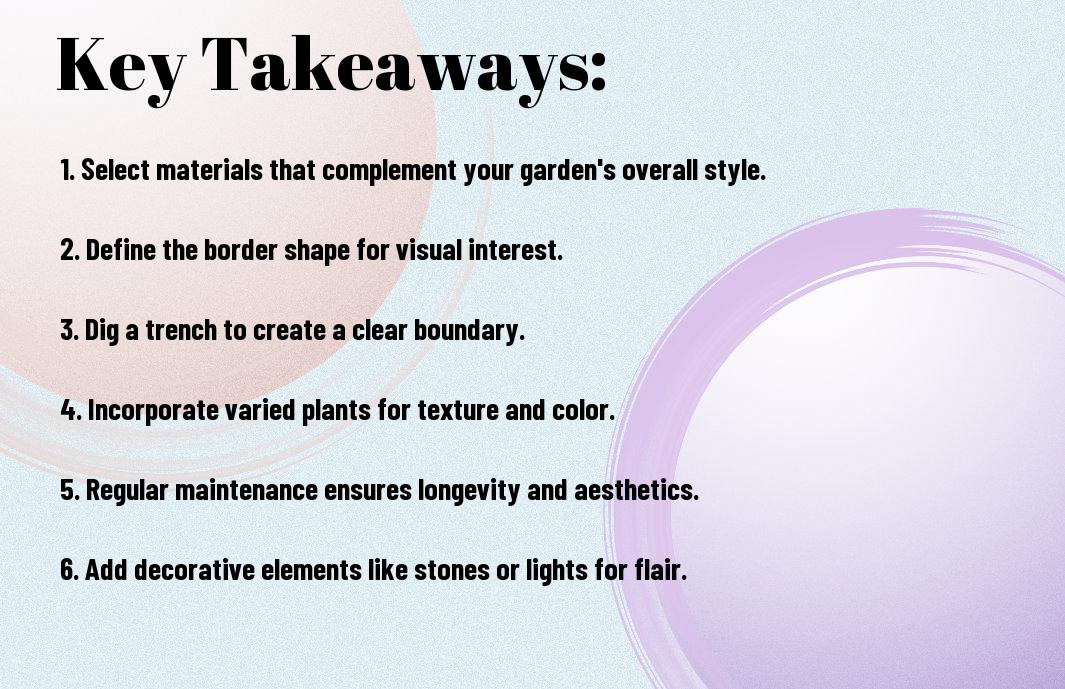
  • Choose a theme that fits your personal style and the overall aesthetic of your garden, such as a formal or cottage style, to guide your plant and material selections.
  • Select a variety of plants with different textures, colors, and heights to add depth and visual interest to your border, and consider factors like sunlight and soil type when making your choices.
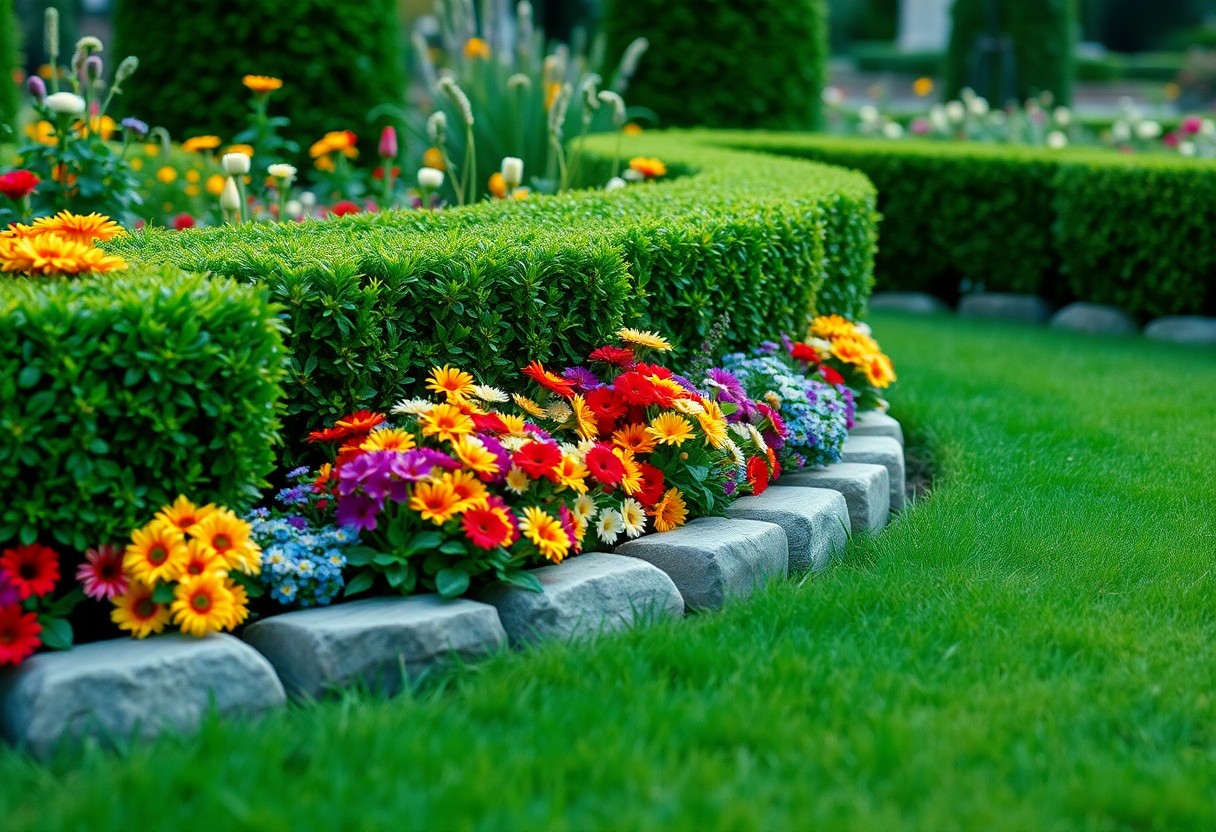
  • Use hardscaping materials like stones, bricks, or wood to define the edge of your border and add a decorative element, and consider adding ornamental features like statues or birdbaths to enhance the overall ambiance of your garden.

Planning Your Garden Border

Your garden border is an opportunity to add a personal touch to your outdoor space. You can create a beautiful and functional border with a little planning and creativity. Consider the style and theme you want to achieve, as well as the plants and materials you will use.

Assessing Your Space

Against the backdrop of your existing landscape, evaluate the area where you want to create your garden border. Consider the amount of sunlight, soil type, and drainage in the area, as these factors will influence your plant choices.

Choosing a Theme

Assessing your personal style and preferences, you can select a theme that reflects your taste and complements your home’s architecture. You may opt for a modern, traditional, or whimsical theme, depending on your desired aesthetic.

In fact, choosing a theme is an exciting part of the process, as it allows you to express your creativity and vision. You can draw inspiration from various sources, such as nature, art, or architecture, to create a unique and beautiful garden border that reflects your personality and style, and enhances your outdoor space, making it a lovely retreat for you to enjoy.

Selecting Border Materials

Some of the most beautiful garden borders start with the right materials, and you can find inspiration online, such as on 37 Garden Edging Ideas To Dress Up Your Landscape Designs, to help you choose the perfect elements for your outdoor space.

Plants and Flowers

Besides the physical borders, you will want to select plants and flowers that complement your garden’s style and your personal taste, considering factors like color, texture, and growth habits to create a stunning display.

Decorative Elements

Bordering your garden with decorative elements can add a touch of elegance, and you can choose from a variety of items like stones, bricks, or wooden ornaments to enhance your garden’s beauty.

Understanding how to balance decorative elements with plants and other features is key to creating a harmonious and inviting garden border, and as you consider your options, think about how you want your garden to feel and look, and select elements that reflect your personal style and complement your outdoor space, allowing you to enjoy your beautiful garden border for years to come.

Designing Your Border

For a beautiful garden border, you’ll want to consider the overall aesthetic you’re aiming to achieve. Think about the style of your garden and the surrounding landscape to ensure your border complements its surroundings.

Creating a Focal Point

Developing a focal point in your border will draw the eye and create visual interest. You can achieve this by using a statement piece, such as a large statue or a vibrant plant, to anchor your design.

Balancing Texture and Color

Only by considering the textures and colors you use in your border can you create a harmonious and visually appealing space. You’ll want to balance smooth leaves with prickly stems and bright flowers with muted foliage to keep your border interesting.

Plus, to add depth and visual interest to your border, you can combine plants with different growing habits, such as upright and trailing varieties, and incorporate decorative elements like stones or bricks to enhance the overall design, ensuring your border is a beautiful frame for your garden.

Preparing the Site

Keep your garden border in mind as you prepare the site, considering the overall aesthetic you want to achieve. For a beautiful and unique edge, consider learning How to Create Natural Edging to add a personal touch to your garden.

Clearing and Cleaning

Beside the area where you plan to create your garden border, clear the space of any debris, weeds, or obstructions to give you a clean slate to work with, allowing you to envision your design more easily.

Edging and Marking

The first step in creating your decorative garden border is to define its boundaries, which will help guide your planting and design decisions, giving your garden a polished look.

Preparing your garden border’s edges and markings is an imperative part of the process, as it will help you establish a clear plan for your garden’s layout, allowing you to make the most of your space and create a beautiful, cohesive design that you will enjoy for years to come, and as you work on your edging and marking, you will start to see your garden vision take shape, helping you to make any necessary adjustments before planting.

Planting and Arranging

Now that you have prepared your garden border, it’s time to think about the fun part – planting and arranging your flowers, shrubs, and other decorative elements. You will want to consider the mature size of each plant, as well as their growing conditions and maintenance needs.

Plant Selection and Placement

One of the most important decisions you will make is selecting the right plants for your garden border. You should choose plants that fit your lifestyle and the specific conditions of your garden, such as sunlight and soil type, and place them in a way that creates a visually appealing arrangement.

Adding Decorative Features

Between the plants, you can add decorative features like stones, shells, or other ornaments to give your garden border a personal touch. You can use these features to create a cohesive look or add a pop of color and texture to your garden.

Features such as sundials, bird baths, or sculpture can add an extra layer of beauty and interest to your garden border. You can place them in a prominent spot, like a corner or a focal point, to draw the eye and create a sense of drama, making your garden border a unique and inviting space that reflects your personal style.

Maintenance and Upkeep

Despite the beauty of your decorative garden border, it will require some attention to keep it looking its best. You’ll need to stay on top of tasks to ensure your garden remains vibrant and healthy.

Watering and Pruning

Maintenance of your garden border involves regular watering and pruning to promote growth and prevent overgrowth. You should water your plants deeply but infrequently to encourage deep root growth, and prune them regularly to maintain shape and size.

Seasonal Refreshers

Beneath the surface of your garden border, there are opportunities to refresh and renew your design with each changing season. You can update your border with seasonal flowers, foliage, and decorations to keep it looking fresh and exciting.

And as you consider seasonal refreshers, think about how you can incorporate holiday-themed decorations, such as pumpkins in the fall or poinsettias in the winter, to add a personal touch to your garden border. You can also divide and replant perennials, and add new plants to keep your garden border looking vibrant and dynamic throughout the year.

To wrap up

With these considerations, you can create a decorative garden border that enhances your outdoor space. You will have a beautiful and thriving garden that showcases your personal style. By following these steps, you will be able to enjoy your lovely garden border for years to come, and your yard will be the envy of your friends and family. Your hard work will pay off, and you will have a stunning garden to enjoy.

FAQ

Q: What is the first step in creating a decorative garden border?

A: The first step in creating a decorative garden border is to plan and design the border. This involves deciding on the theme, style, and size of the border, as well as selecting the plants, materials, and features that will be included. It’s a good idea to sketch out a rough design and make a list of the materials and plants you’ll need before you start.

Q: What types of materials can be used to create a decorative garden border?

A: There are many different types of materials that can be used to create a decorative garden border, including brick, stone, wood, metal, and plastic. The choice of material will depend on the style and theme of the border, as well as the budget and personal preference. Some popular options include brick edging, stone walls, and wooden planters.

Q: How do I choose the right plants for my decorative garden border?

A: Choosing the right plants for your decorative garden border involves considering a number of factors, including the climate, soil type, and amount of sunlight the border will receive. You’ll also want to think about the color, texture, and size of the plants, and how they will work together to create a cohesive look. Some popular plants for garden borders include flowering shrubs, grasses, and perennials.

Q: Can I use recycled materials to create a decorative garden border?

A: Yes, recycled materials can be a great option for creating a decorative garden border. Old brick, stone, and wood can be reclaimed and reused to create a unique and eco-friendly border. Other recycled materials, such as plastic bottles and old CDs, can also be used to create decorative features like planters and wind chimes.

Q: How do I maintain my decorative garden border once it’s been created?

A: Maintaining a decorative garden border involves regular watering, weeding, and pruning to keep the plants healthy and looking their best. You’ll also want to check the border regularly for any damage or wear and tear, and make repairs as needed. Additionally, you may want to consider adding a layer of mulch or compost to the border to help retain moisture and suppress weeds.

Skip to content