As you step into your garden, you’re surrounded by the sights and sounds of nature. You notice the way rainwater nourishes your plants, and you wonder how to harness its power. You can collect and utilize rainwater to create a thriving oasis, reducing your reliance on municipal water sources. By embracing this simple, yet effective approach, you’ll not only conserve water but also foster a deeper connection with the natural world, just as the rhythms of nature intended. You’ll discover the harmony that comes with working in tandem with the environment.
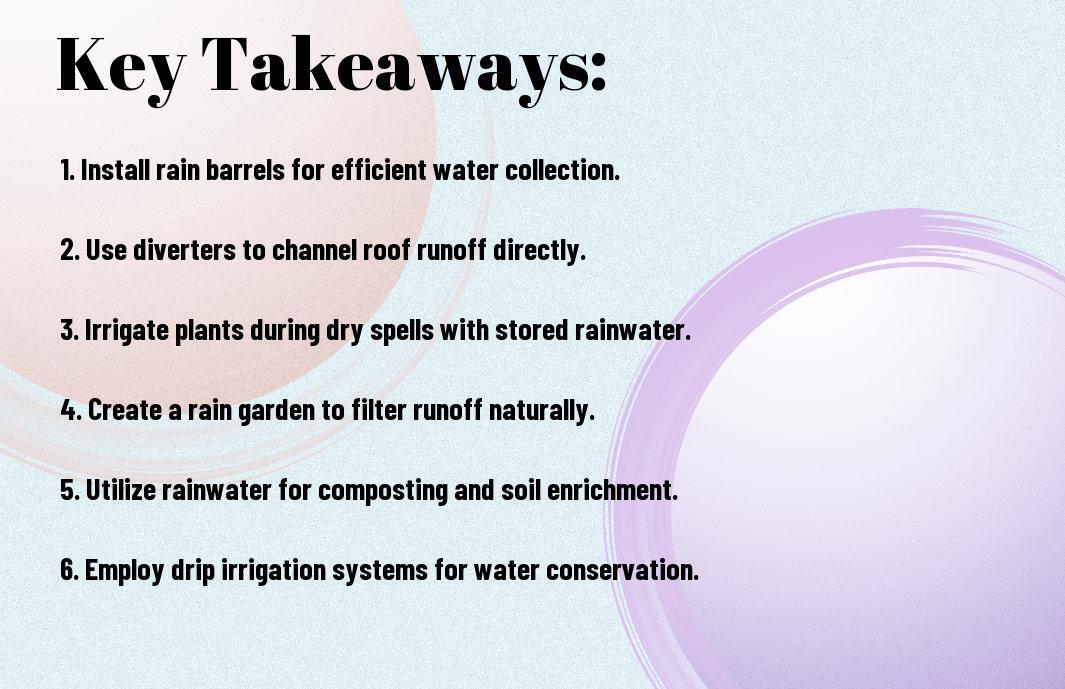
Key Takeaways:
To make the most of rainwater in your garden, consider the following:
- Collect and store rainwater in a barrel or tank to reduce your water bill and provide a natural source of water for your plants during dry periods.
- Use rainwater for irrigation purposes, such as watering plants, gardens, and lawns, as it is free from chemicals and minerals found in tap water.
- Implement a gray water system to reuse rainwater for activities like washing garden tools and composting, reducing your water consumption and minimizing waste.
Benefits of Rainwater Harvesting
While collecting rainwater, you’ll discover numerous advantages for your garden. Harvesting rainwater reduces your reliance on municipal water supplies, decreasing the demand on local resources.
Reduced Water Bills
Gathering rainwater helps you save money by lowering your water bills. Your collected rainwater can be used for various purposes, such as watering plants and washing garden tools.
Minimal Environmental Impact
For a more sustainable approach, consider the positive effects of rainwater harvesting on the environment. Your efforts will contribute to a reduction in stormwater runoff, decreasing the risk of local flooding and erosion.
Environmental benefits abound when you choose to harvest rainwater. You will be helping to maintain a healthy balance of groundwater, which is vital for your plants and the local ecosystem, allowing you to enjoy a thriving and diverse garden.
Collecting Rainwater
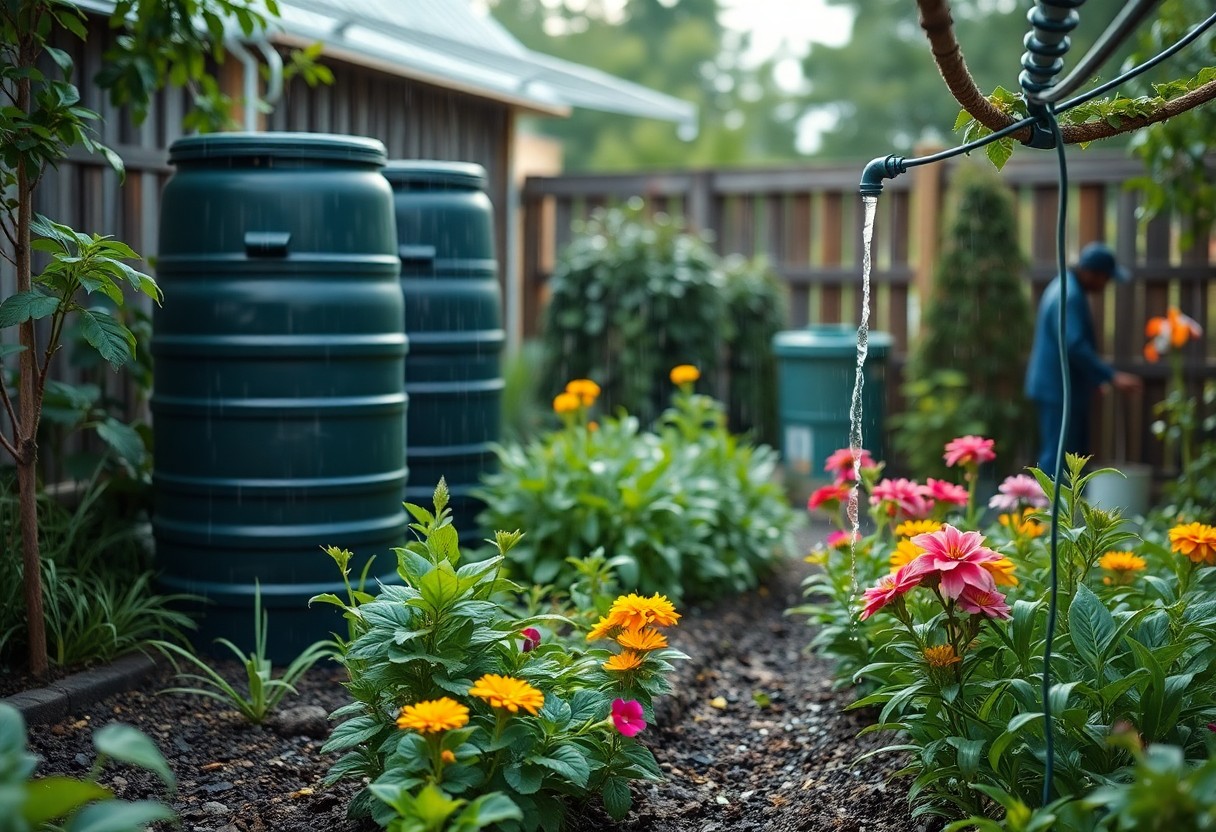
There’s no better way to conserve water than by collecting rainwater for your garden. You can collect rainwater from your roof and store it in a tank or barrel, reducing your water bill and helping the environment. This simple act can make a significant difference in your garden’s health and your community’s water conservation efforts.
Installing Rain Barrels
Raining down from the sky, water can be collected and stored in rain barrels, providing you with a free and sustainable source of water for your garden. You can place these barrels under your downspouts to collect rainwater, making it easily accessible for your gardening needs.
Creating a Rainwater Pond
Implementing a rainwater harvesting system can be as simple as creating a rainwater pond, which can be a beautiful addition to your garden. You can use this pond to collect and store rainwater, providing a natural source of water for your plants and wildlife.
Also, as you create a rainwater pond, you’ll be attracting birds, bees, and other beneficial insects to your garden, creating a thriving ecosystem. You can use natural materials like rocks and plants to build your pond, making it a unique and harmonious part of your garden landscape, allowing you to connect with nature and appreciate its beauty.
Filtering and Storing Rainwater
Not all rainwater is suitable for your garden, as it may carry contaminants and debris. You’ll need to filter and store it properly to ensure its quality.
Using Natural Filters
To purify the rainwater, you can use natural filters like sand, gravel, or plants, which will help remove impurities and sediment from the water, making it safe for your garden.
Maintaining Water Quality
After collecting and filtering the rainwater, you’ll need to regularly check its quality to prevent contamination and ensure it remains suitable for your plants.
Even as you take steps to maintain the water quality, you’ll find that your stored rainwater can be a valuable resource for your garden, providing a natural and sustainable way to nourish your plants, and with proper care, it can be a reliable source of water throughout the growing season, allowing you to tend to your garden with greater ease and harmony with nature.
Irrigation Methods
After collecting rainwater, you can use it to irrigate your garden. Visit Collecting Rainwater For The Garden: A Step-by-Step Guide to learn more about this process.
Drip Irrigation Systems
Beside traditional irrigation methods, drip irrigation systems are an efficient way to distribute rainwater directly to your plants’ roots, minimizing evaporation and runoff.
Soaker Hoses and Sprinklers
For a more straightforward approach, consider using soaker hoses and sprinklers to deliver rainwater to your plants, allowing you tokrv them evenly and efficiently.
Sprinklers can be adjusted to suit different areas of your garden, ensuring that each plant receives the right amount of water, while soaker hoses provide a gentle, consistent flow, perfect for delicate plants and seedlings, helping you to nurture your garden with ease and care.
Using Rainwater for Other Purposes
Despite the many benefits of using rainwater for irrigation, you can also utilize it in other ways to reduce your water consumption. You can use collected rainwater for various tasks, making your garden more sustainable and environmentally friendly.
Washing Gardening Tools
The next time you need to clean your gardening tools, consider using rainwater. You can fill a bucket with collected rainwater and use it to wash your tools, keeping them clean and free of debris.
Cleaning Outdoor Surfaces
On a sunny day, you can use rainwater to clean your outdoor surfaces, such as patios and walkways. You can use a gentle detergent and collected rainwater to create a cleaning solution that is gentle on the environment.
Surfaces around your garden, such as decks and furniture, can also be cleaned with rainwater. You can use a soft brush and collected rainwater to gently scrub away dirt and grime, keeping your outdoor spaces looking their best without wasting precious water resources.
Maintenance and Troubleshooting
Many factors can affect the quality and effectiveness of your rainwater harvesting system, so it’s imperative to stay on top of maintenance tasks to ensure your garden remains thriving.
Regular Inspections
Against the forces of nature, your system may deteriorate over time, so you should inspect it regularly to identify any potential issues before they become major problems, allowing you to take corrective action and keep your garden flourishing.
Solving Common Issues
Beside the usual wear and tear, you may encounter issues like clogged gutters or contaminated water, which can be solved with simple repairs and proper maintenance, enabling you to continue using your rainwater harvesting system with confidence.
This approach to solving common issues will help you to develop a deeper understanding of your rainwater harvesting system and enable you to address problems promptly, ensuring that your garden continues to thrive, and you can enjoy the many benefits of using rainwater in your gardening endeavors, from reducing your water bill to creating a more sustainable and self-sufficient outdoor space that reflects your connection to nature.
Conclusion
So, as you begin on this journey to harness the power of rainwater in your garden, you’ll find that it’s a simple yet profound way to connect with nature. By implementing these methods, you’ll not only reduce your water consumption but also create a thriving ecosystem. For a more in-depth look, visit Collecting Rainwater for Your Garden (A Guide) to discover the full potential of rainwater collection and its benefits for your garden. You’ll be nurturing your plants and the environment.
FAQ
Q: What are the benefits of using rainwater in my garden?
A: Using rainwater in your garden has numerous benefits. It reduces the demand on municipal water supplies, decreases your water bills, and provides a natural source of water that is free from chemicals and additives often found in tap water. Additionally, rainwater is slightly acidic, which can help to lower the pH of your soil, creating a more balanced environment for your plants to thrive.
Q: How can I collect and store rainwater for my garden?
A: Collecting and storing rainwater can be done using a rainwater harvesting system, which typically consists of a roof catchment, gutters, downspouts, and a storage tank. The roof catchment collects the rainwater, which then flows through the gutters and downspouts into the storage tank. The storage tank can be made of plastic, metal, or wood, and should be large enough to hold a sufficient amount of water for your garden’s needs. It’s also important to ensure that the system is properly installed and maintained to prevent contamination and mosquito breeding.
Q: What are the best ways to use rainwater in my garden?
A: There are several ways to use rainwater in your garden, including watering plants, filling ponds or fountains, and washing gardening tools. Rainwater can also be used for irrigation, either by directly watering plants or by using a drip irrigation system. Additionally, rainwater can be used to make compost tea, a liquid solution made by steeping compost in water, which can help to provide beneficial microbes to your plants.
Q: Are there any precautions I should take when using rainwater in my garden?
A: Yes, there are several precautions you should take when using rainwater in your garden. First, make sure that the water is free from contamination by using a first flush device, which allows the first flow of water from the roof to be diverted, taking any debris and contaminants with it. Additionally, keep the storage tank covered to prevent mosquito breeding and contamination from animals. It’s also a good idea to test the pH level of the rainwater to ensure it is suitable for your plants.
Q: Can I use rainwater for all of my gardening needs, or are there any limitations?
A: While rainwater can be used for many gardening needs, there may be some limitations. For example, if you live in an area with low rainfall, you may not be able to collect enough rainwater to meet all of your gardening needs. Additionally, rainwater may not be suitable for seed starting or watering young seedlings, as it can be too cold and may contain high levels of bacteria. In these cases, it may be necessary to supplement with other water sources. However, with proper collection and storage, rainwater can be a valuable resource for many gardening applications.
