Garden

The Best Ways to Use Pebbles in Garden Design

As you contemplate the aesthetics of your outdoor space, you may find yourself drawn to the simple, understated beauty of pebbles. You can use them to create meandering pathways, or as a decorative accent to complement your garden’s existing features. With a little creativity, you can transform your garden into a serene oasis, where the subtle charm of pebbles adds depth and visual interest to your carefully crafted landscape, inviting you to linger and appreciate the beauty of nature.

Key Takeaways:

To create a stunning garden design, incorporating pebbles can add texture, color, and functionality. Here are the main points to consider:

  • Using pebbles as mulch can help retain moisture, suppress weeds, and regulate soil temperature, making it an ideal choice for garden beds and pathways.
  • Incorporating pebble mosaics or patterns can add visual interest and create a unique focal point in the garden, making it a great way to personalize your outdoor space.
  • Choosing the right color and size of pebbles is crucial to complement the overall garden design, as it can enhance the beauty of plants, flowers, and other landscape features, and create a harmonious atmosphere.

Choosing the Right Pebbles

Before selecting pebbles for your garden, consider the overall aesthetic you wish to achieve. You will want to choose pebbles that complement your garden’s style and blend seamlessly with the surrounding landscape, creating a harmonious and balanced atmosphere.

Color and Texture Considerations

Following your initial assessment, you will find that the color and texture of the pebbles play a significant role in enhancing your garden’s beauty. You can opt for pebbles in soothing shades of grey, beige, or white, or introduce a pop of color with vibrant hues to add visual interest to your outdoor space.

Sizes and Shapes to Suit Your Design

Among the numerous options available, you will discover that pebbles come in a variety of sizes and shapes, allowing you to tailor your selection to suit your unique garden design. You can choose from small, rounded pebbles or larger, more irregularly shaped ones, depending on the desired effect.

Design is all about experimentation and creativity, and when it comes to selecting the right pebble size and shape for your garden, you have the freedom to mix and match different types to create a unique and captivating visual display. You can use smaller pebbles to create a sense of fluidity and movement, while larger pebbles can add a sense of stability and structure to your garden, allowing you to create a captivating outdoor space that reflects your personal style.

Pebble Pathways and Walkways

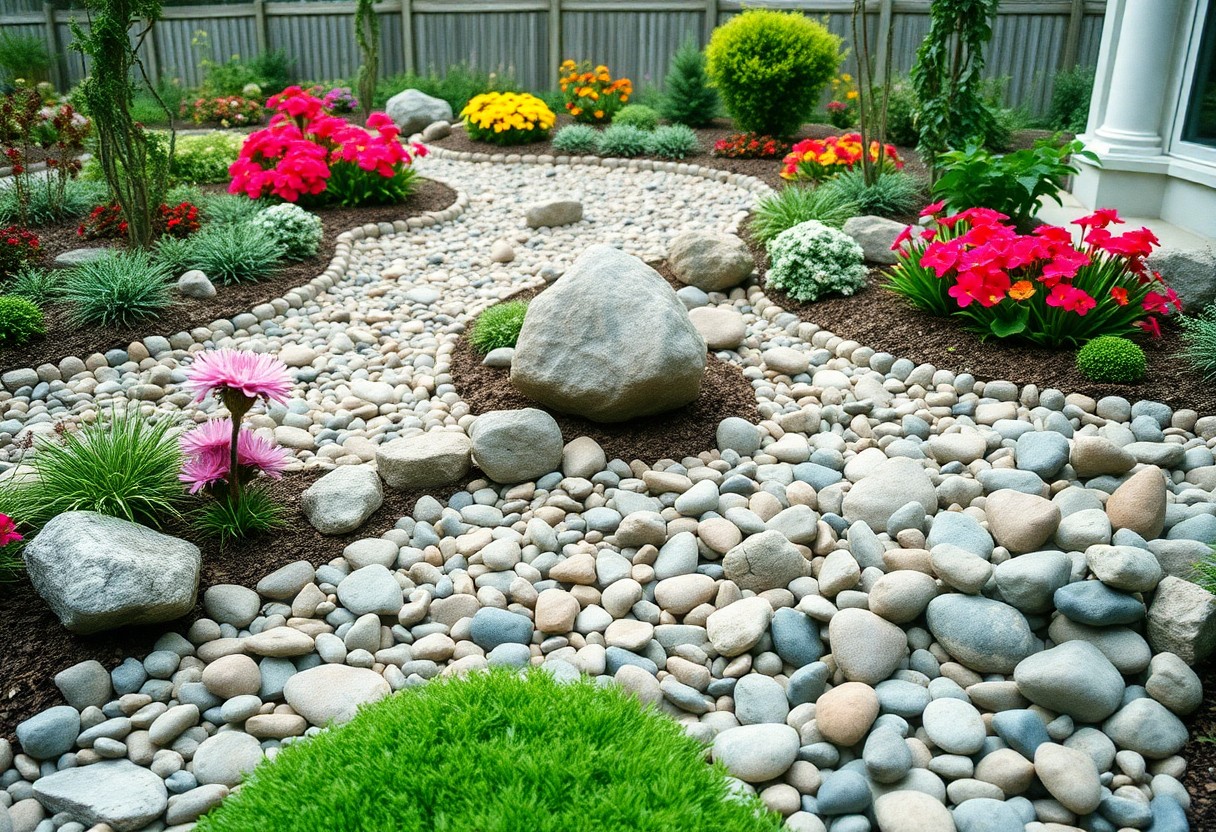
It is in the gentle curves and soft hues of pebble pathways that your garden’s unique character begins to unfold. As you consider incorporating pebbles into your garden design, envision the serene ambiance they can create, inviting you to meander through your outdoor space with ease and tranquility.

Creating Meandering Paths

For a truly enchanting effect, you can use pebbles to craft winding paths that guide you through your garden, pausing at carefully placed benches or beneath a blooming arbor. This thoughtful design element encourages you to slow your pace, allowing the beauty of your surroundings to unfold.

Using Pebbles to Define Gardens Spaces

To add depth and visual interest to your garden, you can use pebbles to demarcate distinct areas, such as a tranquil seating nook or a vibrant flowerbed, drawing your eye to the unique features of each space and creating a sense of harmony throughout your outdoor oasis.

Another delightful aspect of using pebbles to define garden spaces is the ability to create a sense of continuity and flow, as the soft, rounded stones seem to connect each area, inviting you to explore and discover the secrets of your beautifully designed garden, where every step reveals a new delight, and every glance yields a fresh perspective on the beauty that surrounds you.

Decorative Accents

All garden designers know that pebbles can add a touch of elegance to your outdoor space, and when used as decorative accents, they can elevate your garden design to a whole new level, bringing a sense of sophistication and beauty to your surroundings.

Embedding Pebbles in Concrete

Beneath the surface of a well-designed garden, pebbles embedded in concrete can create a stunning visual effect, adding texture and interest to your pathways and patios, allowing you to create a unique and personalized look that reflects your style.

Creating Mosaics and Patterns

Following the placement of pebbles in your garden, you can use them to create intricate mosaics and patterns, adding a decorative element to your outdoor space, and with a little creativity, you can design a beautiful and eye-catching display that showcases your personal taste.

The process of creating mosaics and patterns with pebbles can be a fun and rewarding experience, as you experiment with different colors, shapes, and designs, allowing you to express your creativity and bring your garden to life, and as you work, you can step back and admire the beauty of your handiwork, enjoying the satisfaction of having created something truly unique and special in your garden.
Water Features and Fountains

Unlike other garden design elements, pebbles can add a unique touch to your water features, creating a soothing and serene atmosphere. You can use pebbles to enhance the beauty of your fountains, ponds, and streams, making them a focal point in your garden.

Using Pebbles to Line Ponds and Streams

To create a natural and elegant look, you can use pebbles to line the edges of your ponds and streams, adding a touch of sophistication to your water features. You can choose pebbles in various colors and shapes to complement your garden’s style.

Creating Pebble-Faced Waterfalls

Among the many ways to use pebbles in your garden, creating a pebble-faced waterfall is a stunning option. You can use pebbles to face the waterfall, creating a beautiful and unique feature that will add visual interest to your garden.

But as you initiate on creating a pebble-faced waterfall, you will discover the numerous possibilities it offers. You can experiment with different pebble colors and patterns, and combine them with other natural elements, such as plants and rocks, to create a truly breathtaking feature that will become the centerpiece of your garden, inviting you to sit and contemplate the gentle sound of the water flowing over the pebbles.

Ground Cover and Mulch

Once again, you can elevate your garden design by incorporating pebbles as a ground cover or mulch, and for inspiration, you can watch a video on Landscaping Pebbles Ideas, to explore the possibilities.

Using Pebbles as a Low-Maintenance Ground Cover

LowMaintenance solutions are often the most appealing, and using pebbles as a ground cover is an excellent way to achieve this, as it suppresses weeds and retains moisture, making your garden look effortlessly elegant.

Mixing Pebbles with Other Mulch Materials

Mulch materials can be combined to create a unique look, and mixing pebbles with other elements can add texture and visual interest to your garden, allowing you to personalize your outdoor space.

To create a stunning and functional ground cover, you can combine pebbles with organic materials like bark or leaves, which will not only enhance the aesthetic of your garden but also provide a natural and eco-friendly solution for retaining moisture and suppressing weeds, allowing you to enjoy your beautifully designed garden with minimal upkeep, as you desire.

Creative Ideas and Inspiration

After exploring the various textures and colors of pebbles, you can unlock a world of creative possibilities in your garden design, allowing you to express your unique style and flair, as you envision a space that is both beautiful and serene.

Incorporating Pebbles into Sculptures and Ornaments

For a touch of elegance, you can incorporate pebbles into your garden sculptures and ornaments, adding a sense of sophistication and refinement to your outdoor space, as you carefully select each pebble to complement your design.

Using Pebbles to Create a Sense of Movement and Flow

After considering the layout of your garden, you can use pebbles to create a sense of movement and flow, guiding the eye through your beautifully designed space, as you arrange the pebbles in a pattern that invites exploration and discovery.

In addition, as you work with pebbles to create a sense of movement and flow, you will find that your garden becomes a dynamic and engaging space, with the pebbles drawing your eye to different areas, and encouraging you to meander along the winding paths, taking in the beauty of your surroundings, and savoring the tranquility of your outdoor oasis, as you enjoy the fruits of your labor.

Conclusion

On the whole, you have discovered the elegance pebbles can bring to your garden design. As you plan your outdoor space, consider the ways pebbles can enhance your landscape. For more inspiration, visit 330 Best Pebble garden ideas in 2024 to spark your creativity, and your garden will flourish with the beauty of pebbles, reflecting your unique style and flair.

FAQ

Q: What are the benefits of using pebbles in garden design?

A: Using pebbles in garden design offers several benefits, including improved drainage, weed suppression, and aesthetic appeal. Pebbles can help to prevent waterlogged soil, reduce the need for frequent watering, and create a visually appealing contrast to plants and other garden features. Additionally, pebbles come in a variety of colors and textures, allowing homeowners to choose the perfect style to complement their garden’s unique theme and design.

Q: How can I use pebbles to create a beautiful and functional garden path?

A: To create a beautiful and functional garden path using pebbles, start by clearing the area of any debris and vegetation. Then, lay down a layer of landscaping fabric to prevent weeds from growing up through the pebbles. Next, spread a layer of pebbles over the fabric, using a rake to create a smooth and even surface. You can also use pebbles in combination with other materials, such as brick or stone, to create a unique and visually appealing path. Finally, add some solar-powered lights or lanterns to illuminate the path and create a warm ambiance in the evening.

Q: Can I use pebbles as a mulch alternative in my garden beds?

A: Yes, pebbles can be used as a mulch alternative in garden beds. Unlike organic mulches, such as wood chips or bark, pebbles do not decompose over time and can help to suppress weeds and retain moisture in the soil. Additionally, pebbles can help to regulate soil temperature, keeping it cooler in the summer and warmer in the winter. However, it’s worth noting that pebbles can be more expensive than traditional mulches and may not provide the same level of nutrients to the soil.

Q: How can I incorporate pebbles into my garden’s water feature design?

A: Pebbles can be a beautiful and functional addition to a garden’s water feature design. They can be used to create a decorative border around a pond or fountain, or as a base material for a small stream or waterfall. To incorporate pebbles into your water feature design, start by choosing a color and texture that complements the surrounding landscape. Then, use a combination of large and small pebbles to create a visually appealing pattern or design. Finally, add some aquatic plants or flowers to the water feature to create a natural and soothing oasis.

Q: Are there any special considerations I should keep in mind when using pebbles in my garden design?

A: Yes, there are several special considerations to keep in mind when using pebbles in your garden design. For example, pebbles can be slippery when wet, so it’s a good idea to use them in combination with other materials, such as brick or stone, to create a non-slip surface. Additionally, pebbles can be displaced by heavy foot traffic or weather events, so it’s a good idea to use a landscaping fabric or other stabilizing material to keep them in place. Finally, pebbles can be prone to weed growth, so it’s a good idea to use a pre-emergent herbicide or other weed control method to prevent weeds from growing up through the pebbles.
How to Create a Fire-Resistant Garden

You can protect your home and outdoor space from wildfires by designing a fire-resistant garden. Your garden’s layout and plant selection play a significant role in preventing the spread of fires. By choosing fire-resistant plants and maintaining your garden regularly, you can reduce the risk of fire damage. You will learn how to create a beautiful and safe garden that will help safeguard your property from wildfires.

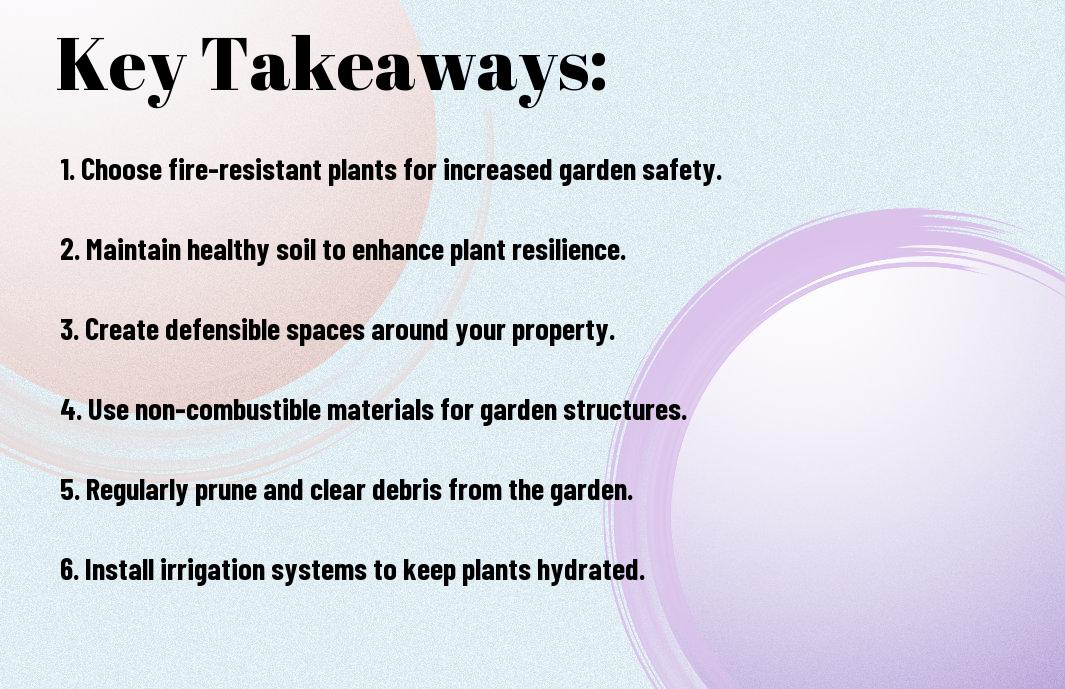
Key Takeaways:

To create a fire-resistant garden, consider the following points:

  • Use drought-tolerant plants that are less likely to catch fire and spread flames, and choose plants with low-growing habits to reduce fuel loads.
  • Employ defensible space techniques, such as clearing leaves and debris, to prevent fires from spreading to your home or other structures.
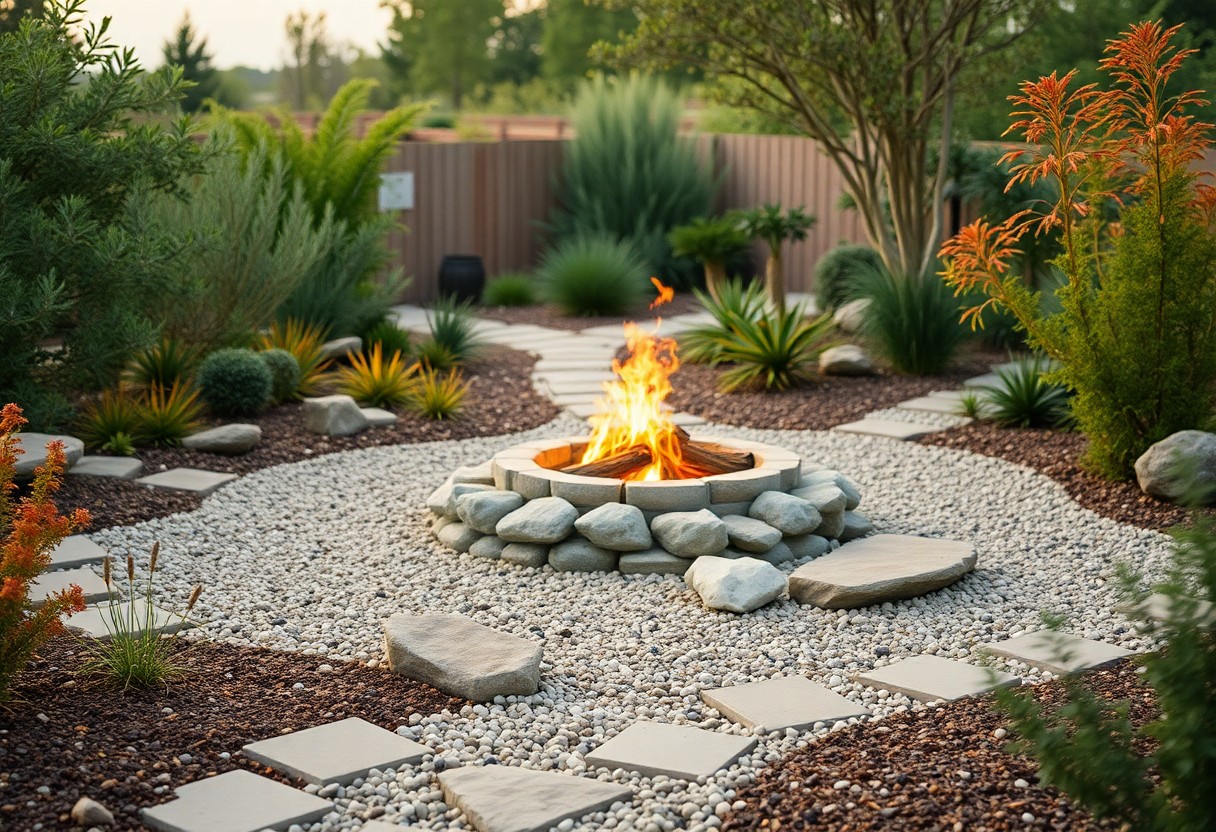
  • Incorporate fire-resistant materials into your garden design, such as gravel or decomposed granite, to help contain or slow the spread of fires.

Section

To create a fire-resistant garden, you can start by learning from existing resources, such as the guide on How to Create Fire-Resistant Landscaping, which provides valuable insights on designing and maintaining a safe outdoor space.

subsection: Land Preparation

Toward preparing your land for a fire-resistant garden, you’ll need to clear away any flammable materials and debris, creating a safe zone around your plants and home.

subsection: Soil Selection

Between the various types of soil, you’ll want to choose one that retains moisture well, as it will help your plants thrive and be more resistant to fires.

With the right soil in place, you can then focus on selecting plants that are naturally fire-resistant, and designing your garden in a way that minimizes the risk of fires spreading, allowing you to enjoy your outdoor space with peace of mind, knowing you’ve taken steps to protect your home and the environment.

Section

Some effective strategies for creating a fire-resistant garden can be found by visiting the Fire-Resistant Landscaping – 6.303 – CSU Extension website, where you can learn more about protecting your property from wildfires.

subsection: Fire-Resistant Plants

Besides choosing the right plants, you should also consider their maintenance needs, as you will want to select plants that are easy to care for and can thrive in your local climate, making your garden more fire-resistant.

subsection: Garden Layout

Below the surface, a well-designed garden layout can help prevent the spread of fires, and as you plan your garden, you should consider the placement of plants, paths, and other features to create a fire-resistant landscape.

FireResistant gardens require careful planning, and as you design your garden layout, you should consider the use of fire-resistant materials, such as gravel or decomposed granite, for paths and groundcover, and keep your garden well-maintained, with regular pruning and watering, to prevent fires from spreading, and by doing so, you can create a beautiful and safe outdoor space.

Section

Your garden’s design and layout play a significant role in creating a fire-resistant garden. You should consider the types of plants, their placement, and the materials used for landscaping to minimize the risk of fire spreading.

subsection: Mulch and Ground Cover

Along with choosing fire-resistant plants, you should also select appropriate mulch and ground cover. You can opt for materials like gravel, decomposed granite, or sand, which are less combustible than organic materials like wood chips or bark.

subsection: Irrigation Systems

The installation of a well-designed irrigation system can help reduce the risk of fire in your garden. You can install sprinklers or drip irrigation systems to keep your plants hydrated and reduce the risk of dry undergrowth.

To further enhance your irrigation system, you can consider installing a smart controller that can adjust the watering schedule based on weather conditions and soil moisture levels. This will help you maintain a healthy and hydrated garden, reducing the risk of fire and ensuring your plants thrive.

Section

Keep your garden fire-resistant by using fire-resistant plants, mulch, and other materials. You can choose plants that are naturally resistant to fire, such as succulents and rocks. Your garden’s design and maintenance also play a significant role in preventing fires.

subsection: Regular Maintenance

On a regular basis, you should clear your garden of debris and dead vegetation. You can also prevent fires by keeping your garden well-watered, especially during hot and dry seasons. Your efforts will help prevent fires from starting and spreading.

subsection: Pruning and Trimming

By pruning and trimming your plants regularly, you can help prevent fires from spreading. You should remove dead or dying branches and leaves, as these can easily catch fire. Your plants will also be healthier and more resilient to fires.

At the start of each season, you should inspect your plants and remove any dead or damaged growth. You can use pruning shears or loppers to trim back overgrown branches and shape your plants to maintain their natural shape. Your regular pruning and trimming efforts will help keep your garden fire-resistant and beautiful.

Section

Despite the challenges, creating a fire-resistant garden is achievable with careful planning and maintenance. You can reduce the risk of fire spreading by using fire-resistant plants, managing debris, and maintaining a safe distance between flammable materials.

subsection: Firebreaks and Barriers

Among the most effective ways to prevent fire spread is by creating firebreaks and barriers. You can use non-combustible materials, such as gravel or stone, to create a barrier between your garden and surrounding wildlands.

subsection: Access and Escape Routes

Routes to and from your garden should be clear of flammable vegetation and debris. You should ensure that your access and escape routes are well-maintained and easily accessible in case of an emergency.

Escape routes are necessary in case of a fire emergency. You should identify at least two escape routes from your garden and ensure that they are clear of obstacles and flammable materials, allowing you to quickly and safely evacuate the area if needed. You can also consider creating a safe zone, such as a patio or a lawn, where you can seek refuge in case of a fire.

Section

Now that you’re planning to create a fire-resistant garden, consider the overall aesthetic and functionality you want to achieve. You’ll want to choose plants and materials that not only resist fires but also complement your outdoor space. Your goal is to create a beautiful and safe garden that you can enjoy for years to come.

subsection: Local Regulations and Guidelines

Before you start designing your fire-resistant garden, check with your local government for any regulations or guidelines you need to follow. You’ll want to ensure that your garden meets all the necessary standards and codes to minimize the risk of fires and ensure your safety.

subsection: Community Resources

Similarly, you’ll find that your community may offer resources to help you create a fire-resistant garden. You can reach out to local nurseries, gardening clubs, or fire departments for guidance and support. Your community may also provide workshops or seminars on fire-resistant gardening, which can be a great way to learn from experts and get started on your project.

Plus, you can also leverage online resources and social media groups to connect with other gardeners who have experience with fire-resistant gardening. You can learn from their experiences, share your own knowledge, and get tips on the best plants and materials to use in your garden. By taking advantage of these resources, you can create a beautiful and safe fire-resistant garden that you’ll enjoy for years to come.

Final Words

With these considerations, you can create a fire-resistant garden that protects your property and the environment. You will be able to enjoy your outdoor space while minimizing the risk of wildfires. By choosing fire-resistant plants and maintaining your garden regularly, you can have peace of mind and a beautiful landscape. Your efforts will pay off, and your garden will be a safe haven for years to come.

FAQ

Q: What are the benefits of creating a fire-resistant garden?

A: Creating a fire-resistant garden can help protect your home and surrounding landscape from wildfires by reducing the amount of flammable vegetation and materials in the area. This type of garden can also provide a safe zone for firefighters to work in and create a defensible space around your property. Additionally, fire-resistant gardens can be beautiful and low-maintenance, featuring plants that are native to your region and adapted to the local climate.

Q: What types of plants are best suited for a fire-resistant garden?

A: The best plants for a fire-resistant garden are those that are naturally resistant to ignition and have a low fuel load. These include plants with high moisture content, such as succulents and cacti, as well as plants with fire-resistant bark, like oak and maple trees. It’s also important to choose plants that are native to your region, as they will be better adapted to the local climate and soil conditions. Some examples of fire-resistant plants include California lilac, Icelandic poppy, and yarrow.

Q: How can I design my garden to be fire-resistant?

A: To design a fire-resistant garden, start by creating a defensible space around your home, keeping the area within 30 feet of your house clear of flammable vegetation and materials. Use hardscaping features like gravel, stone, or pavers to create a firebreak, and choose plants that are spaced far enough apart to prevent fire from spreading easily. Consider using a landscape designer or gardener who has experience with fire-resistant landscaping to help you create a beautiful and safe garden.

Q: What maintenance is required to keep my fire-resistant garden safe and healthy?

A: To keep your fire-resistant garden safe and healthy, it’s important to perform regular maintenance tasks. This includes watering plants regularly, but avoiding overwatering, which can create a fire hazard. Keep your garden free of debris, dead plants, and other flammable materials, and trim back plants to maintain a safe distance from your home and other structures. Also, consider installing a drip irrigation system to deliver water directly to the roots of your plants, reducing evaporation and runoff.

Q: Can I still have a beautiful and functional garden if I create a fire-resistant garden?

A: Yes, you can still have a beautiful and functional garden even if you create a fire-resistant garden. Fire-resistant plants come in a wide range of colors, textures, and shapes, and can be used to create a variety of garden styles, from modern and sleek to natural and rustic. Consider incorporating outdoor living spaces, such as patios and walkways, and using decorative features like planters and sculptures to add visual interest to your garden. With careful planning and design, you can create a fire-resistant garden that is both safe and beautiful.

The Best Ways to Use Color in Your Garden

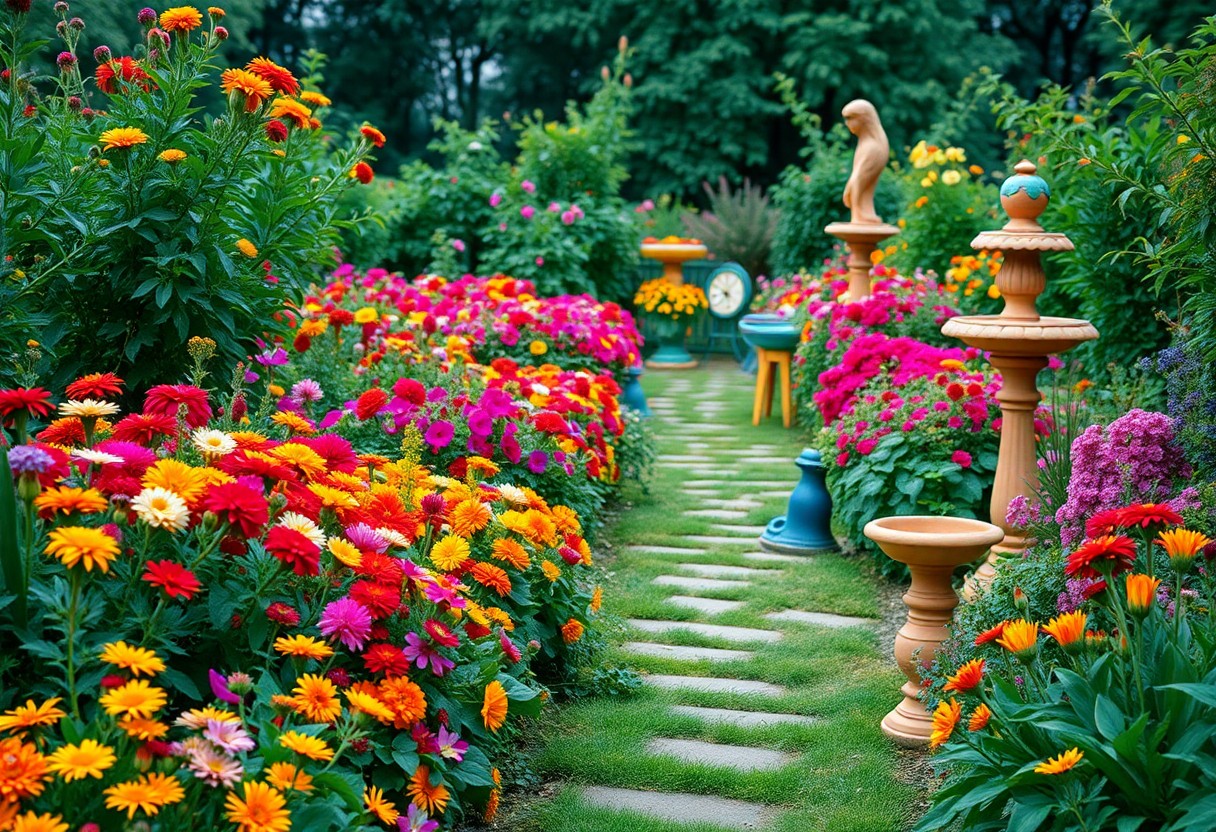
As you plan your garden, you consider various elements to create a beautiful outdoor space. You think about the types of plants, foliage, and flowers that will thrive in your climate. In terms of color, you have numerous options to enhance your garden’s aesthetic appeal. You can use colorful flowers, shrubs, and trees to add vibrancy and texture, or incorporate decorative elements like garden ornaments and seating to create a cohesive look that reflects your personal style and complements your outdoor space.

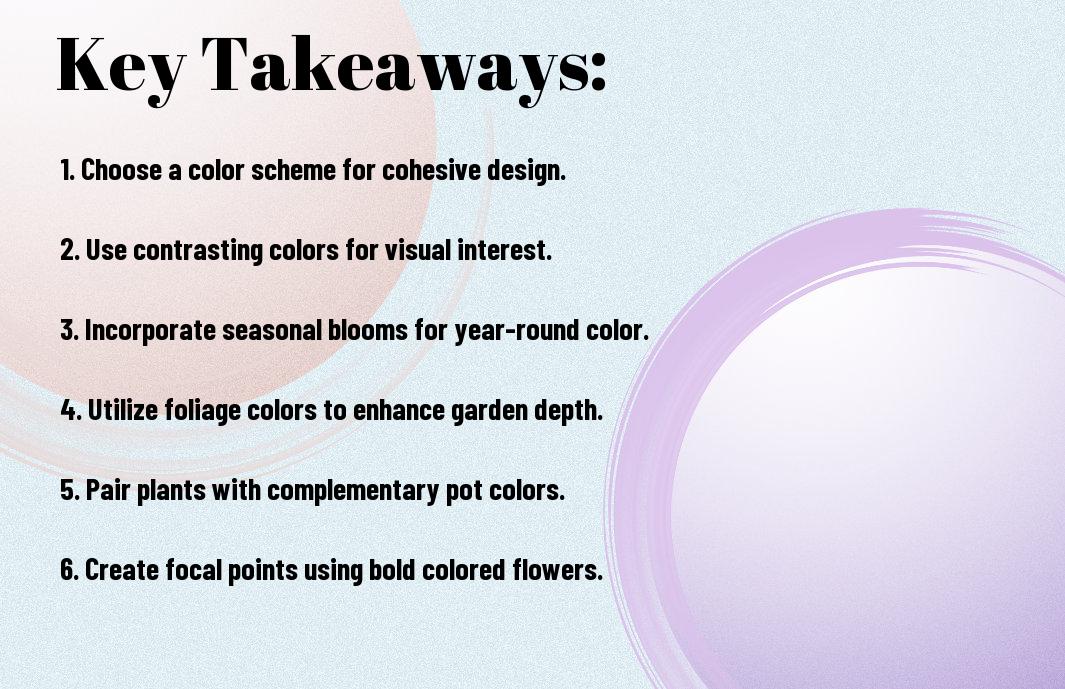
Key Takeaways:

To create a visually appealing garden, consider the following key points:

  • Using Complementary Colors can make your garden more interesting by placing colors that are opposite each other on the color wheel next to each other, such as blue and orange or yellow and purple.
  • Incorporating Monochromatic Colors can create a sense of harmony in your garden by using different shades of the same color, which can add depth and texture to your outdoor space.
  • Considering the Color Temperatures of plants, with cool colors like blues and purples evoking a sense of calm and warm colors like reds and oranges creating a sense of energy, can help you design a garden that suits your desired atmosphere.

Selecting Color Schemes

Before selecting a color scheme for your garden, you should think about the overall aesthetic you want to achieve. You can choose a single color or a combination of colors that reflect your personal style and complement the surroundings.

Considering the Natural Environment

Considering the natural environment of your garden, you will want to select colors that blend harmoniously with the existing landscape. You should take into account the colors of the foliage, flowers, and hardscapes to create a cohesive look.

Complementary and Analogous Colors

After choosing the dominant color, you can explore complementary and analogous colors to add depth and interest to your garden. You can use online tools or consult with a gardening expert to determine the best color combinations for your space.

Even when working with complementary and analogous colors, you can create a stunning visual effect by balancing warm and cool colors. You can pair complementary colors, such as blue and orange, to create a striking contrast, or use analogous colors, like shades of blue and green, to produce a soothing atmosphere, and you will find that your garden becomes a beautiful reflection of your personal style.

Choosing Flowers and Foliage

Any gardener knows that selecting the right flowers and foliage is crucial to creating a visually stunning garden. You can choose from a wide variety of plants to create a unique and personalized space that reflects your style and complements your outdoor decor.

Vibrant Blooms for Seasonal Interest

Almost any type of flower can add a pop of color to your garden, and you can select blooms that thrive during different seasons to ensure year-round interest. You can opt for bright annuals or perennials that flower at various times, creating a dynamic and ever-changing display.

Leafy Greens for Year-Round Texture

Around your garden, you can incorporate leafy greens to add depth and texture, and you can choose from a range of plants with varying leaf shapes, sizes, and colors to create a unique and captivating landscape. You can select plants with broad leaves, fine foliage, or anything in between to add visual interest to your garden.

To add more depth to your garden with leafy greens, you can combine plants with different textures and growth habits, such as compact shrubs, trailing vines, or upright grasses. You can also use leafy greens to create a backdrop for your flowering plants, allowing your blooms to take center stage while the foliage provides a beautiful and lush framework for your garden.

Using Color in Garden Design

All gardens can benefit from a thoughtful approach to color, and this is where your personal taste and style come into play. You can use color to create different moods and atmospheres in your garden, from vibrant and energetic to calm and serene.

Creating Focal Points with Bright Hues

With bold and bright colors, you can draw attention to specific features in your garden, such as a statement piece of art or a beautiful tree. You can use these hues to create focal points that guide the visitor’s eye through the garden.

Balancing Warm and Cool Tones

To achieve a harmonious color scheme, you need to balance warm and cool tones in your garden. You can pair warm colors like orange and red with cool colors like blue and green to create a visually appealing contrast.

Garden designers often use the 60-30-10 rule, where 60% of the garden features a dominant color, 30% a secondary color, and 10% an accent color. You can apply this rule to balance warm and cool tones in your garden, creating a sense of harmony and cohesion that enhances your outdoor space.

Incorporating Hardscapes and Decor

Unlike other elements in your garden, hardscapes and decor can add a lasting pop of color. You can learn more about using color effectively in your garden by visiting the Color Theory in the Garden: Home guide, which provides valuable insights on how to choose the perfect hues for your outdoor space.

Painted Furniture and Decorative Accents

Hardly anything transforms a garden like painted furniture and decorative accents. You can use vibrant colors to add a personal touch to your outdoor space, making it more inviting and unique.

Colored Gravel and Glass Mulch

For a more subtle approach, you can incorporate colored gravel or glass mulch into your garden design, adding a touch of color to your pathways and borders, which can enhance the overall aesthetic of your garden.

Indeed, colored gravel and glass mulch are excellent options for adding color to your garden, as they are low-maintenance and can withstand various weather conditions, allowing you to enjoy your colorful garden all year round, and you can choose from a wide range of colors to match your personal style and garden theme.

Seasonal Color Inspiration

Many gardens change with the seasons, and your color scheme can too. By incorporating seasonal elements, you can create a unique and dynamic garden that reflects the time of year.

Spring Blooms and Pastel Hues

Across the garden, soft pastel colors emerge in spring, offering a gentle contrast to the vibrant blooms that follow. You can incorporate these hues into your garden through flowers, planters, and decorative accents.

Summer Vibrance and Warm Neutrals

Behind the vibrant colors of summer, warm neutrals provide a soothing backdrop for your garden. You can use these earthy tones to balance out bold flowers and foliage, creating a harmonious palette.

Pastel shades may have dominated your spring garden, but summer is the time to embrace bold, vibrant colors. As you plan your summer garden, consider incorporating warm neutrals like beige, sandy brown, or weathered wood to ground your space and provide a sense of warmth, allowing your brightly colored flowers and foliage to take center stage, and you can make the most of your garden’s summer vibrance.

Tips for Maintenance and Evolution

Your garden’s color scheme will evolve over time, and with proper maintenance, it can continue to thrive. Consider the following:

  • Regular watering and fertilization
  • Seasonal plant rotation

Any adjustments you make will help your garden stay vibrant and fresh.

Deadheading and Pruning for Continuous Bloom

Besides regular maintenance, deadheading and pruning are vital for continuous bloom. You can encourage more flowers to grow by removing spent blooms and trimming back overgrown branches, allowing your garden to flourish.

Adapting Color Schemes to Changing Seasons

Pruning back perennials and substituting seasonal flowers can help adapt your color scheme to changing seasons. You can swap out plants to match the current season’s palette, ensuring your garden always looks its best.

It is vital to consider the changing light and temperature conditions when adapting your color scheme to different seasons. You can choose plants with similar bloom times and growth habits to create a cohesive look, and don’t be afraid to experiment with new combinations to keep your garden fresh and exciting throughout the year.

Conclusion

The effective use of color in your garden can elevate its beauty and create a unique ambiance. You can use colors to evoke emotions, convey themes, and even influence the mood of your outdoor space. By considering your personal preferences and the style of your garden, you can select colors that enhance your outdoor experience and make your garden a reflection of your personality, creating a space that you will enjoy and appreciate for years to come.

FAQ

Q: What are the best ways to choose a color scheme for my garden?

A: When opting for a color scheme for your garden, consider the style and architectural elements of your home, as well as the natural surroundings. Choose colors that complement the hues of your siding, trim, and furniture to create a cohesive look. Additionally, think about the mood and atmosphere you want to create in your garden, such as a calming and serene ambiance with blues and purples, or a vibrant and energetic feel with oranges and yellows. You can also consider the colors of the flowers, foliage, and trees in your garden to create a harmonious palette.

Q: How can I use color to create a visually appealing garden layout?

A: To create a visually appealing garden layout, use color to guide the eye through the space. Group plants with similar hues together to create a sense of unity, and use contrasting colors to create focal points and add visual interest. Consider creating a color gradient, with cooler colors like blues and purples towards the bottom and warmer colors like oranges and yellows towards the top, to create a sense of depth and dimension. You can also use color to create a sense of movement, by placing plants with similar colors in a sequence to lead the eye through the garden.

Q: What role does foliage play in adding color to my garden?

A: Foliage plays a significant role in adding color to your garden, as leaves and stems can provide a wide range of colors and textures. From the deep purples of eggplants to the bright chartreuses of coleus, foliage can add depth and interest to your garden. Use foliage to add a pop of color to container gardens, or to create a dramatic backdrop for flowers and other ornamental plants. Consider combining different foliage textures and colors to create a rich and layered look.

Q: How can I incorporate colorful garden decor into my outdoor space?

A: Colorful garden decor can add a fun and playful touch to your outdoor space. Consider adding colorful planters, garden benches, and sculptures to create a cohesive and inviting atmosphere. You can also use colorful outdoor rugs, pillows, and umbrellas to create a cozy and comfortable seating area. Don’t forget to add some colorful lighting, such as string lights or lanterns, to create a warm and welcoming ambiance in the evening.

Q: What are some tips for using color in a small garden or container garden?

A: When working with a small garden or container garden, it’s imperative to keep the color palette simple and focused. Choose a limited number of colors and use them consistently throughout the space to create a sense of cohesion. Consider using plants with bold and bright colors to create a big impact in a small space, and don’t be afraid to use white and other neutral colors to provide contrast and create a sense of calm. Additionally, use vertical elements like trellises and arbors to make the most of your space and create a sense of height and drama.

How to Transform a Small Yard Into a Beautiful Garden

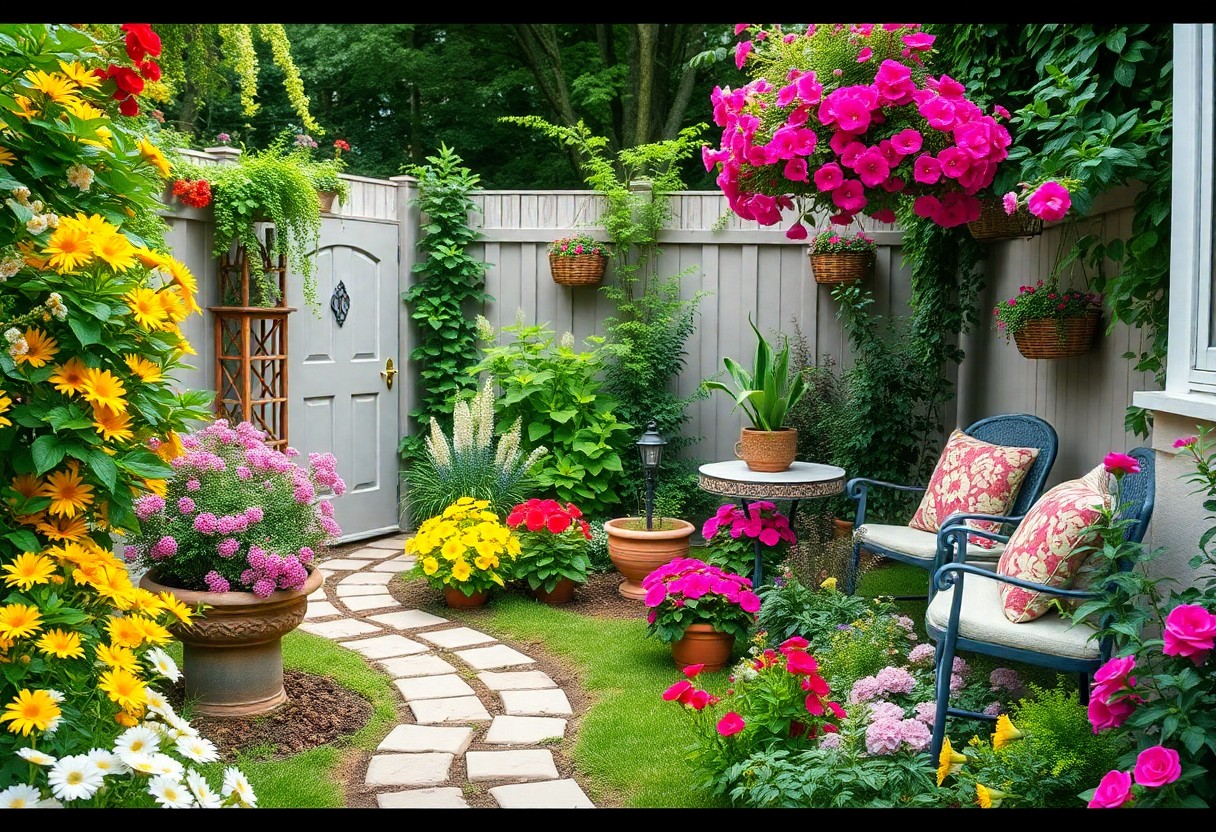
As you step into your small yard, you envision a serene oasis, a haven that reflects your connection to nature. You desire a space that not only brings you peace but also becomes a vibrant tapestry of colors and textures. With a little creativity and planning, you can transform your compact outdoor area into a stunning garden, teeming with life and beauty, where you can escape the hustle and bustle of daily life and bask in the simplicity of nature’s splendor. You are about to launch on this transformative journey.

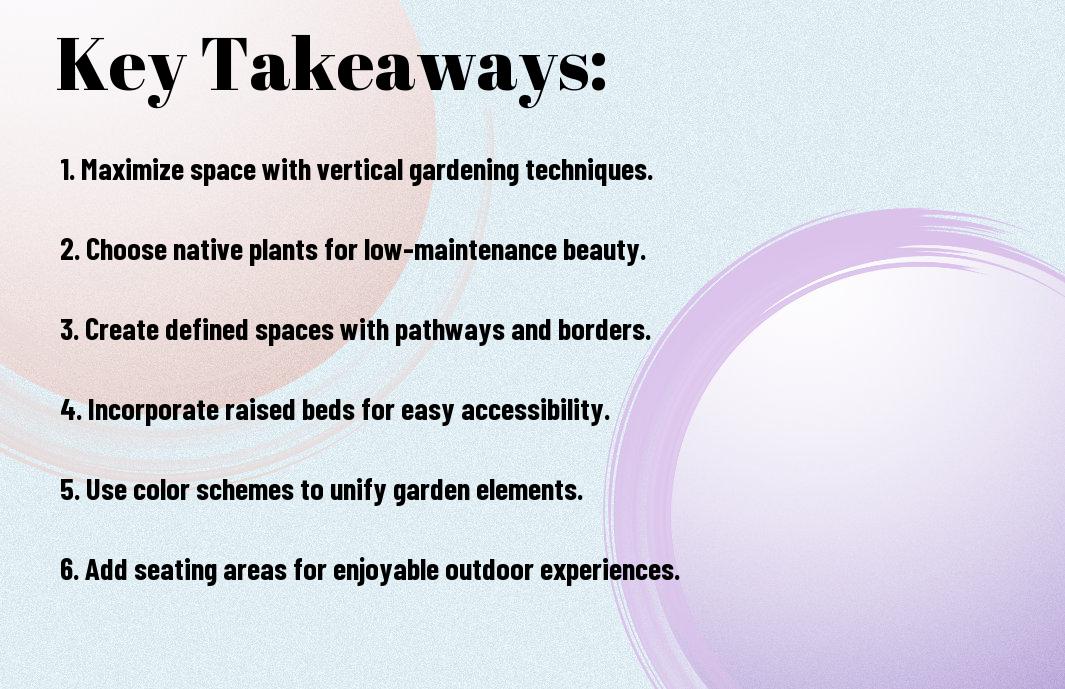
Key Takeaways:

To transform a small yard into a beautiful garden, consider the following points:

  • Start by assessing your yard’s space and lighting to determine the best layout and plant selection for your garden.
  • Use vertical gardening techniques, such as trellises or wall-mounted planters, to maximize space and add visual interest to your garden.
  • Choose low-maintenance plants and sustainable gardening practices to create a beautiful and ecological garden that requires minimal upkeep and care.

Transforming Your Outdoor Space

The key to transforming a small yard into a beautiful garden lies in careful planning and attention to detail, allowing you to create a serene oasis that reflects your personal style and connects you with nature.

Assessing Your Yard

These initial steps involve evaluating your yard’s conditions, including sunlight, soil, and existing features, to determine the best approach for your garden design, helping you to envision the potential of your outdoor space.

Identifying Your Goals

For instance, consider what you want to achieve with your garden, whether it’s a peaceful retreat, a space for entertainment, or a vibrant display of flowers and foliage, and let your goals guide your design decisions.

Consequently, as you clarify your objectives, you’ll be able to prioritize your needs and preferences, allowing you to make intentional choices about the layout, plant selection, and features that will bring your vision to life, and enable you to cultivate a garden that nurtures both your body and soul.

Designing Your Garden

There’s no need for a large yard to create a beautiful garden, as even small spaces can be transformed into serene oases. You can turn your small yard into a stunning garden by making a few simple changes.

Choosing the Right Plants

Similarly, selecting plants that thrive in small spaces is important for your garden’s success. You should opt for compact varieties that won’t overgrow your yard, and consider plants that serve multiple purposes, such as herbs or flowers that attract pollinators.

Selecting Garden Features

Consequently, choosing the right features for your garden will enhance its beauty and functionality. You can add a small fountain, a bench, or a statue to create a peaceful atmosphere, and consider vertical elements like trellises or arbors to maximize space.

Hence, as you select garden features, you’ll want to think about how they will work together to create a cohesive and inviting space. You can experiment with different layouts and designs until you find a balance that reflects your personal style and meets your needs, allowing you to fully enjoy your newly transformed garden oasis.

Transforming Your Yard

All it takes is a little creativity and elbow grease to turn your small yard into a serene oasis. You can start by envisioning your ideal garden, considering the natural surroundings and your personal style.

Preparing the Soil

Before you begin planting, you’ll need to assess your soil quality and make any necessary adjustments to create a fertile foundation for your garden. You’ll want to test the pH levels and amend the soil with organic matter to give your plants the best chance to thrive.

Building Garden Structures

Along with choosing the right plants, you’ll also want to consider the physical elements that will bring your garden to life, such as paths, walls, and seating areas. You’ll need to think about the materials and designs that will complement your garden’s natural beauty.

With a clear plan in place, you can start constructing the structures that will enhance your garden’s functionality and aesthetic appeal. You’ll be able to create a cozy nook for relaxation, a meandering path for exploration, or a decorative wall to add visual interest, all tailored to your unique vision and style, allowing you to fully immerse yourself in your newly created outdoor sanctuary.

Transforming Your Yard

Once again, you find yourself yearning for a serene outdoor space, and a small yard can be just as beautiful as a large one, as seen in 20 Small Backyard Ideas for a Dreamy Outdoor Oasis, with a little creativity.

Designing Your Garden Layout

Aften you’ll want to consider the natural flow of your yard when designing your garden layout, taking into account the paths and areas where you’ll be spending most of your time.

Incorporating Outdoor Lighting

Including outdoor lighting can make a significant impact on the ambiance of your garden, allowing you to enjoy it even after the sun sets.

For instance, you can use solar-powered lanterns or string lights to create a warm and inviting atmosphere, highlighting the beauty of your garden and making it a perfect spot to relax and unwind in the evening, surrounded by the sights and sounds of nature that you’ve carefully cultivated in your own backyard oasis, which you can now enjoy with your loved ones.

Transforming Your Space

Your outdoor area, no matter how small, holds great potential for transformation into a serene and beautiful garden, a haven that nurtures both body and soul, inviting you to step into its tranquility.

Adding Decorative Elements

About the aesthetic appeal of your garden, consider adding elements like sculptures, bird baths, or sundials to enhance its beauty and create a personalized ambiance that reflects your connection with nature.

Creating a Focal Point

Beside the pathways and amidst the greenery, a focal point such as a fountain or a statue can draw your eye, creating a sense of depth and beauty, beckoning you to explore and enjoy your outdoor space.

Section by section, as you develop your focal point, you’ll find that it becomes the heart of your garden, a place where you can sit, contemplate, and find peace, surrounded by the harmony of nature that you’ve carefully crafted, making your small yard a true sanctuary, a beautiful reflection of your inner self and your love for the natural world.

Introduction to Small Yard Transformation

Not every homeowner has a large yard, but that doesn’t mean you can’t create a beautiful garden. With a little planning and effort, you can transform your small yard into a serene oasis that brings you joy and peace.

Maintaining Your Garden

Alongside regular upkeep, tending to your garden becomes a meditative experience, allowing you to connect with nature. You’ll find yourself nurturing your plants, watching them grow, and enjoying the simple pleasures of being outdoors.

Troubleshooting Common Issues

After you’ve planted your garden, you may encounter some challenges, such as pests or diseases. You’ll need to monitor your garden’s health and take action when necessary to ensure its continued thrive.

For instance, if you notice that your plants are being eaten by pests, you can introduce natural predators or use organic pest control methods to resolve the issue, allowing your garden to flourish and become a haven for you to enjoy.

Conclusion

As a reminder, you have the power to transform your small yard into a serene oasis. By embracing simplicity and harmony with nature, you can create a beautiful garden that nourishes both body and soul. You will find that your outdoor space, no matter how small, can become a tranquil retreat that brings you joy and peace, allowing you to reconnect with the natural world and yourself.

FAQ

Q: What are the first steps to take when transforming a small yard into a beautiful garden?

A: When transforming a small yard into a beautiful garden, the first steps to take include assessing the space, considering the climate and sunlight patterns, and defining the purpose of the garden. Start by measuring the yard and creating a rough sketch of the area, noting any existing features such as trees, slopes, or patio spaces. Next, observe the yard at different times of day to determine which areas receive full sun, partial shade, or full shade, as this will inform plant selection. Finally, think about how you want to use the garden – will it be for outdoor dining, relaxation, or entertainment – to help guide design decisions.

Q: How can I maximize space in a small yard to create a beautiful garden?

A: To maximize space in a small yard, consider using vertical elements such as trellises, arbors, or living walls to add depth and interest without taking up too much floor space. Additionally, choose compact or dwarf varieties of plants, and use containers or raised beds to define different areas of the garden. Using multi-functional features, such as a bench with built-in storage or a pond with a fountain, can also help to optimize space. Don’t forget to incorporate pathways and walkways to create a sense of flow and guide visitors through the garden.

Q: What types of plants are best suited for a small yard garden?

A: When opting for plants for a small yard garden, look for varieties that are compact, low-maintenance, and suitable for the local climate. Consider using a mix of flowering plants, shrubs, and groundcovers to add texture and visual interest. Some popular choices for small gardens include succulents, herbs, and dwarf fruit trees. Also, choose plants with varying bloom times to ensure year-round color and interest. Be sure to select plants that are proportional to the size of the garden, and don’t be afraid to use plants with different growth habits, such as upright or trailing, to add depth and variety.

Q: How can I incorporate hardscaping elements into my small yard garden design?

A: Hardscaping elements, such as patios, walkways, and walls, can help define different areas of the garden and create a sense of structure. In a small yard, it’s best to keep hardscaping elements simple and unobtrusive, using materials such as brick, stone, or gravel that complement the surrounding landscape. Consider using a small patio or seating area to create a focal point, and use walkways to guide visitors through the garden. You can also use retaining walls or raised beds to create separate areas for different types of plants or features, such as a vegetable garden or water feature.

Q: What are some tips for maintaining a small yard garden over time?

A: To maintain a small yard garden, establish a regular routine that includes tasks such as watering, pruning, and fertilizing. Keep the garden well-weeded, and mulch or compost to retain moisture and suppress weeds. Regularly inspect the garden for signs of pests or disease, and take action promptly to prevent problems from spreading. Don’t forget to enjoy the garden and make adjustments as needed – a small garden can be a dynamic and evolving space that changes with the seasons, and it’s okay to try new things and make mistakes. By staying on top of maintenance and making adjustments as needed, you can keep your small yard garden looking its best all year round.

How to Make Your Garden More Accessible for Everyone

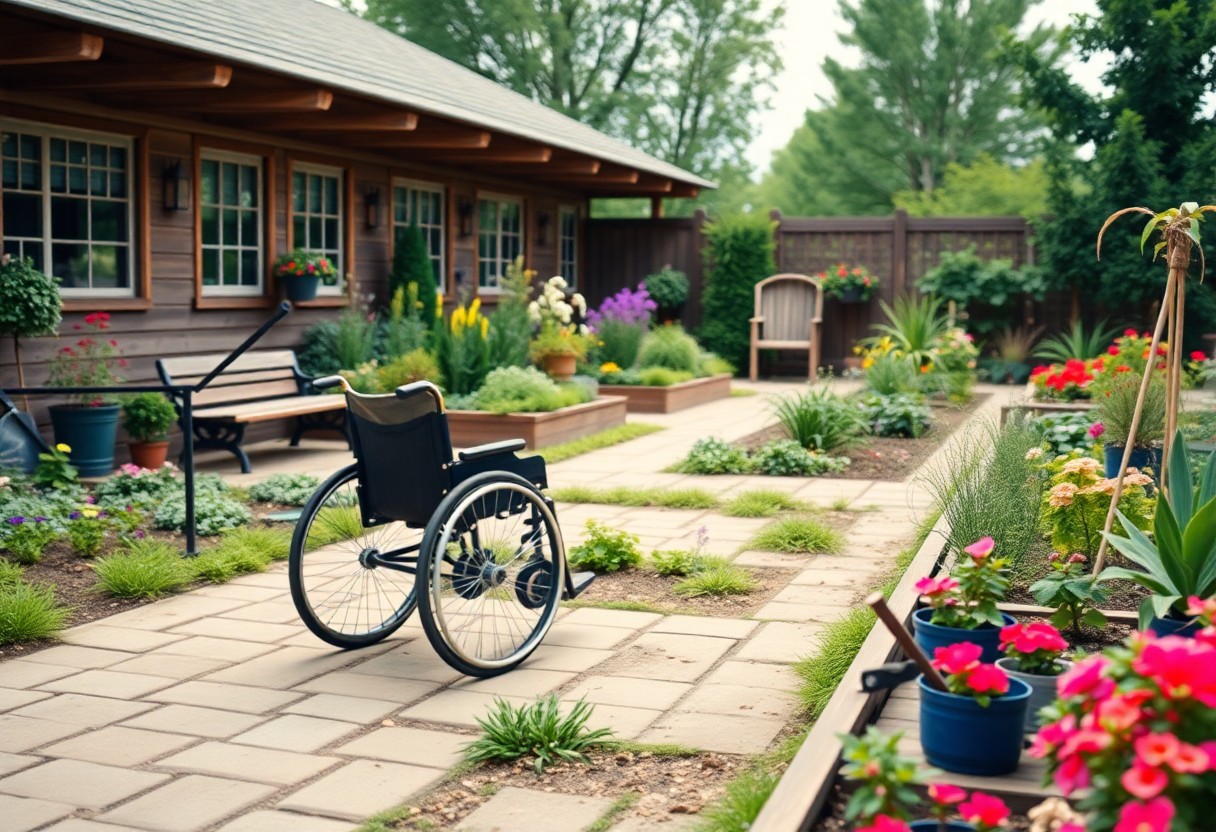
You can create a welcoming outdoor space that everyone can enjoy by making a few simple modifications to your garden. As you consider your garden’s design, you’ll want to think about the needs of all users, including those with mobility or sensory issues. By incorporating accessible features, you can ensure that your garden is a haven for everyone, regardless of age or ability, and that you can share its beauty with friends and family of all backgrounds. You’ll be glad you did.

Key Takeaways:

To create a garden that is enjoyable for all, consider the following points:

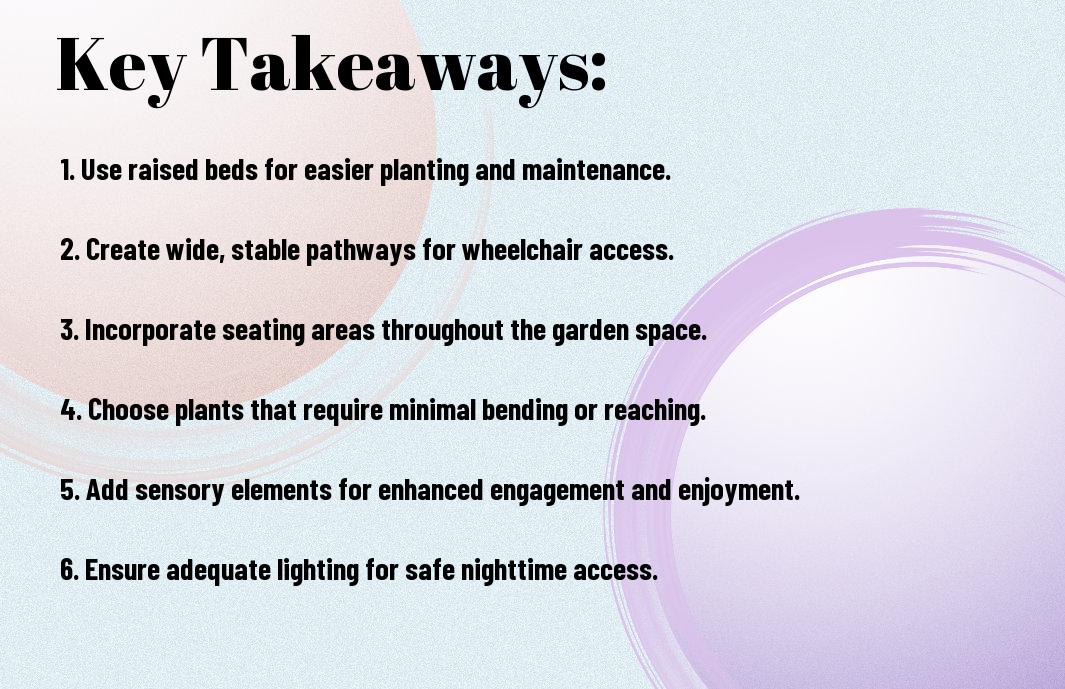
  • Use wheelchair-accessible pathways to ensure everyone can navigate the garden with ease, including those with mobility issues or using strollers.
  • Incorporate sensory-friendly elements, such as fragrant plants, soothing water features, and tactile experiences, to cater to different abilities and preferences.
  • Install adaptive gardening tools and seating areas, allowing people of all ages and abilities to participate in gardening activities and relax in the garden.

Assessing Your Garden

A thorough assessment of your garden is necessary to identify areas that need improvement. You can start by exploring resources like Accessible garden design – Thrive to get inspiration and guidance. This will help you create a more inclusive space for everyone.

Identifying Barriers

One of the first steps is to walk through your garden and note any obstacles that might hinder accessibility. You should consider the needs of all users, including those with mobility or visual impairments, to ensure your garden is welcoming to everyone.

Evaluating Pathways

On evaluating your garden’s pathways, you will need to consider the surface, width, and slope to ensure they are safe and easy to navigate. You should also think about the materials used and whether they are suitable for users with different needs.

At this stage, you can start thinking about how to improve your pathways, such as installing ramps or using smoother surfaces, to make your garden more accessible and enjoyable for all users, including yourself and your guests.

Creating Accessible Paths

Assuming you want to make your garden accessible to everyone, you’ll need to prioritize path design. You should consider the materials and layout to ensure easy navigation for all visitors.

Choosing the Right Materials

Around your garden, you’ll find various materials suitable for paths, such as concrete, brick, or wood. You can select the one that suits your needs and ensures a smooth, stable surface for your visitors.

Designing a Barrier-Free Route

About the route, you should think of a path that allows everyone to move freely, without obstacles or narrow passages. You can achieve this by designing a wide, gentle path with minimal slopes.

Plus, when designing a barrier-free route, you should also consider the path’s surface texture and lighting. You can use tactile markings and adequate lighting to guide visitors with visual impairments, making your garden more enjoyable and accessible for everyone.

Adapting Garden Features

Your garden’s features can be adapted to make it more accessible for everyone, allowing you to enjoy the outdoors with ease and comfort.

Raised Beds and Planters

Outside your traditional gardening methods, consider using raised beds and planters that are at a comfortable height, making it easier for you to plant and maintain your garden without straining your back.

Accessible Seating and Rest Areas

Between the beautiful scenery and peaceful atmosphere, you’ll want to create seating and rest areas that are accessible and comfortable for everyone, allowing you to take breaks and enjoy your garden.

Also, when designing your accessible seating and rest areas, you should consider the type of seating, such as benches or chairs with back support, and ensure that the paths leading to these areas are wide and smooth, allowing you to navigate easily and safely.

Incorporating Sensory Experiences

Unlike traditional gardens, an accessible garden offers a multisensory experience. You can find inspiration for your garden design by visiting Ten Ways to Make Your Home Garden More Accessible resources.

Visual and Auditory Elements

To create a rich sensory experience, you can incorporate visual and auditory elements, such as vibrant flowers, water features, and bird-friendly plants, into your garden design.

Tactile and Olfactory Features

An necessary aspect of sensory experiences is the inclusion of tactile and olfactory features, such as textured paths and fragrant herbs, which allow you to engage your senses in your garden.

Auditory elements can also complement tactile and olfactory features, creating a holistic experience in your garden, allowing you to fully immerse yourself in the natural environment you have created, with your senses heightened by the variety of stimuli.

Ensuring Safety and Maintenance

To create a safe and accessible garden, you can learn from experts, as seen in Gardening can be accessible to all with some adjustments, and follow simple guidelines to ensure your garden is enjoyable for everyone.

Clearing Obstacles and Debris

Cutting through clutter, you can start by removing any obstacles and debris from your garden paths to prevent tripping hazards and make it easier to navigate.

Regular Maintenance Routines

At the start of each season, you should establish a maintenance routine to keep your garden safe and accessible, including regular inspections and upkeep of paths, plants, and features.

With regular maintenance routines in place, you can prevent potential hazards, such as overgrown plants or uneven paths, and ensure your garden remains a welcoming space for everyone to enjoy, allowing you to focus on the beauty and joy it brings to your life, and the lives of your visitors.

Involving the Community

All gardens can benefit from community involvement, and making your garden accessible is no exception. You can involve your neighbors, local schools, and community groups to create a shared space that everyone can enjoy.

Collaborative Gardening Efforts

Beneath the surface of many successful community gardens lies a strong collaborative effort. You can start by reaching out to your neighbors and local gardening groups to see if they would be interested in helping you create a more accessible garden.

Towards creating a more inclusive garden, you can organize educational workshops and events that teach people about accessible gardening practices and provide hands-on experience. You can invite experts to give talks and demonstrations, and also provide opportunities for people to share their own experiences and knowledge.

Further, by hosting educational workshops and events, you can help raise awareness about the importance of accessibility in gardening and provide your community with the skills and knowledge they need to create their own accessible gardens. You can cover topics such as adaptive gardening techniques, accessible garden design, and how to use assistive technology in gardening, making your garden a valuable resource for your community.

To wrap up

Now that you have explored the various ways to make your garden more accessible, you can start implementing these changes to create a welcoming space for everyone. You will be able to enjoy your garden with family and friends, regardless of their abilities. By incorporating accessible pathways, adaptive tools, and inclusive features, you will enhance your overall gardening experience and make your outdoor space a haven for all to enjoy.

FAQ

Q: What are the benefits of making my garden more accessible for everyone?

A: Making your garden more accessible for everyone can have numerous benefits, including allowing people of all ages and abilities to enjoy the outdoor space, promoting social interaction and a sense of community, and increasing the overall usability and value of your garden. By incorporating accessible features, you can create a welcoming and inclusive environment that can be enjoyed by family, friends, and neighbors, regardless of their physical abilities.

Q: What are some simple ways to make my garden more accessible for people with mobility issues?

A: There are several simple ways to make your garden more accessible for people with mobility issues, including installing a smooth and stable pathway made of materials such as concrete, asphalt, or compacted gravel, and ensuring that the path is wide enough to accommodate wheelchairs and walkers. Additionally, you can install ramps or gentle slopes to provide easy access to different areas of the garden, and consider using raised beds or containers to reduce the need for bending and stooping.

Q: How can I make my garden more accessible for people with visual impairments?

A: To make your garden more accessible for people with visual impairments, you can incorporate a variety of sensory features, such as textured pathways, scented plants, and water features that create soothing sounds. You can also use high-contrast colors and clear signage to help visitors navigate the garden, and consider adding Braille or tactile labels to plant markers and other signs. Furthermore, you can create a audio description of the garden, which can be accessed through a mobile app or a website.

Q: What are some ways to make my garden more accessible for people with sensory sensitivities?

A: To make your garden more accessible for people with sensory sensitivities, you can create a calm and soothing environment by incorporating natural elements, such as water features, bird songs, and gentle breezes. You can also reduce noise levels by using sound-absorbing materials, and minimize strong scents and bright lights that can be overwhelming. Additionally, you can create a quiet area or a sensory garden with a variety of textures, colors, and smells that can be enjoyed at a comfortable level.

Q: Can I make my garden more accessible without breaking the bank?

A: Yes, making your garden more accessible does not have to be expensive. There are many affordable ways to create a more accessible garden, such as using recycled materials, repurposing existing structures, and incorporating low-cost features, such as mulch or gravel pathways. You can also start small and prioritize the most important features, and consider seeking advice from gardening experts or disability organizations for cost-effective solutions. Additionally, many local governments and non-profit organizations offer grants and resources to help make outdoor spaces more accessible.

Skip to content