As you plan your garden, you’re likely considering which herbs will thrive and provide you with fresh flavors year after year. You want to choose perennials that are easy to care for and will complement your cooking style. Your garden’s climate and soil type will also play a role in determining the best perennial herbs for you. By selecting the right varieties, you’ll enjoy a bountiful harvest and add depth to your favorite dishes with your own homegrown herbs.
Key Takeaways:
To create a thriving garden with perennial herbs, consider the following points:
- Choosing low-maintenance herbs like mint, sage, and thyme can add freshness and flavor to various dishes while requiring minimal upkeep.
- Incorporating fragrant herbs such as rosemary, lavender, and chamomile can enhance the garden’s aesthetic appeal and attract beneficial insects.
- Selecting drought-tolerant herbs like oregano and marjoram can help conserve water and ensure a bountiful harvest even in challenging weather conditions, making them ideal for sustainable gardening.
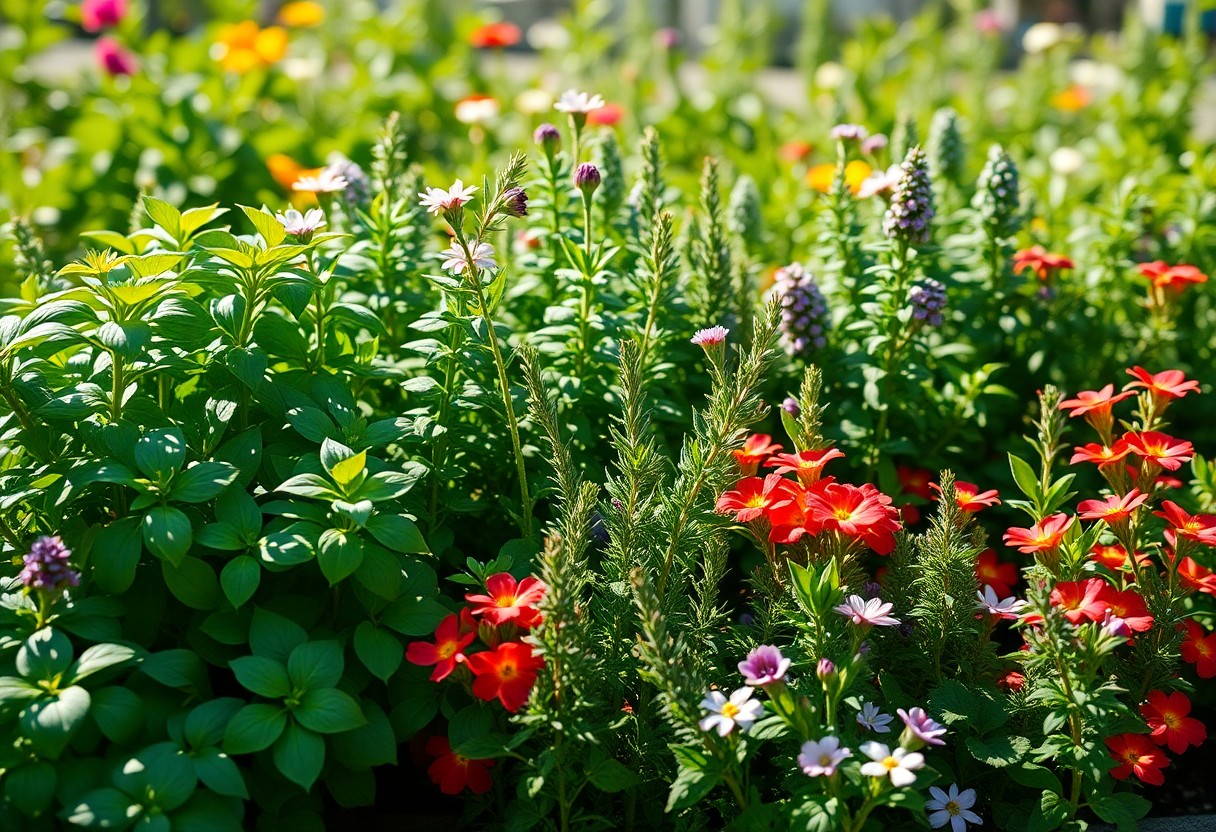
Choosing the Right Perennial Herbs
To create a thriving herb garden, you need to consider the specific needs of your plants. Selecting the right perennial herbs for your garden can be overwhelming, but with a little knowledge, you can make informed decisions to ensure your herbs flourish.
Considerations for Climate and Soil
For optimal growth, you should choose herbs that are well-suited to your local climate and soil type. You will want to assess the amount of sunlight, moisture, and nutrients your soil provides to determine which herbs will thrive in your garden.
Popular Varieties for Different Regions
At the heart of selecting the right perennial herbs is understanding which varieties are best suited for your region. You can choose from a range of herbs that are tailored to specific climates, from cool and temperate to warm and tropical.
Further, as you explore popular varieties for different regions, you will find that some herbs are more adaptable than others. You can consider herbs like mint, rosemary, and thyme, which are relatively hardy and can thrive in a variety of conditions, or opt for more specialized herbs like lemongrass or chamomile, which are better suited to specific climates and soils, allowing you to create a unique and thriving herb garden that meets your needs.
Low-Maintenance Perennial Herbs
There’s no need to spend hours tending to your herbs when you choose low-maintenance options. You can find inspiration for hardy varieties at hardy perennial culinary herbs that thrive with minimal care.
Hardy and Resilient Options
Before selecting your herbs, consider the climate and soil conditions in your garden. You’ll want to choose herbs that can withstand the elements and bounce back from adversity, ensuring your garden remains lush and thriving.
Tips for Easy Care and Maintenance
To keep your low-maintenance herbs happy, consider the following tips:
- Water them regularly
- Provide adequate sunlight
- Fertilize sparingly
. Any mistakes you make will be easily forgiven by these resilient plants, allowing you to enjoy a bountiful harvest.
Tips for maintaining your low-maintenance herbs include selecting varieties that are disease-resistant and pest-tolerant. You can also:
- Prune them regularly
- Divide and replant every few years
- Keep the soil well-draining
. Any effort you put into caring for your herbs will be well worth it, as you’ll be rewarded with fresh, fragrant flavors to enhance your cooking.
Fragrant Perennial Herbs
After selecting the right location for your perennial herbs, you can start thinking about the fragrant varieties that will elevate your garden’s ambiance. Fragrant perennial herbs like lavender, rosemary, and thyme are perfect for adding a sensory experience to your outdoor space.
Herbs for Aromatic Gardens
Beneath the lush foliage of your garden, you’ll find a variety of herbs that can add fragrance to your space. You can choose from a range of fragrant herbs, such as mint, chamomile, and lemongrass, to create a unique aromatic experience in your garden.
Using Scents to Attract Pollinators
Along with their fragrance, many perennial herbs also attract pollinators to your garden. You can use scents like bee balm, coneflower, and black-eyed susan to draw in bees, butterflies, and hummingbirds, adding a dynamic element to your garden.
To create a pollinator-friendly garden, you’ll want to plant a variety of fragrant herbs that bloom at different times, providing a constant source of nectar and fragrance for your visitors. As you plan your garden, consider the specific needs of the pollinators you want to attract, and choose herbs that will provide the right combination of scent, color, and texture to draw them in and keep them coming back to your garden.
Perennial Herbs for Cooking
Many perennial herbs are perfect for cooking, offering a wide range of flavors and aromas to enhance your dishes. You can grow your own herbs, such as thyme, rosemary, and oregano, to add freshness to your meals.
Culinary Favorites and Their Uses
Cuisinely speaking, herbs like basil and mint are staples in many kitchens, and you can use them to create delicious sauces, marinades, and teas to suit your taste.
Pairing Herbs with Other Garden Plants
Optimally, you’ll want to pair your herbs with other plants that complement their growth and flavor, such as planting rosemary with carrots or sage with strawberries, to create a harmonious garden ecosystem that benefits your cooking.
Due to the versatility of perennial herbs, you can experiment with different pairings to find the perfect combinations that work for your garden and your cooking style, and you’ll discover that your herbs will thrive and your dishes will flourish with the added depth of flavor from your homegrown herbs.
Medicinal Perennial Herbs
Unlike other types of herbs, medicinal perennial herbs offer a wide range of health benefits. You can learn more about Six Essential Perennial Herbs that can be easily grown in your garden, providing you with a natural way to improve your well-being.
Herbal Remedies and Benefits
For many years, herbal remedies have been used to treat various ailments, and you can benefit from growing your own medicinal herbs to create natural remedies. By doing so, you’ll have access to a variety of plants that can help alleviate common health issues.
Growing Your Own Medicinal Herb Garden
Medicinal herbs are relatively easy to grow, and you can start your own garden with minimal effort. You can choose from a variety of herbs, such as chamomile, lavender, and echinacea, which are known for their medicinal properties and can be used to create teas, salves, and other natural remedies.
Hence, as you begin to grow your own medicinal herb garden, you’ll discover the many benefits of having these plants at your fingertips. You’ll be able to harvest your herbs fresh, dry them for later use, or create your own herbal remedies, allowing you to take control of your health and well-being in a natural and effective way.
Designing with Perennial Herbs
Your garden’s design can greatly benefit from the addition of perennial herbs, which offer a variety of textures, colors, and fragrances to enhance your outdoor space.
Creating Beautiful Herb Gardens
With a little planning, you can create a stunning herb garden that showcases your favorite plants and adds visual interest to your yard, allowing you to enjoy their beauty and fragrance throughout the growing season.
Incorporating Herbs into Existing Landscapes
Beautiful perennial herbs can be easily incorporated into your existing landscape, adding a new dimension to your garden’s design and providing you with fresh flavors and fragrances to enjoy, from savory thyme and rosemary to fragrant lavender and chamomile.
In fact, you can use perennial herbs to fill gaps in your garden, add depth and texture to borders, or create a soothing sensory experience by planting fragrant herbs along walkways and patios, allowing you to fully appreciate their beauty and benefits.
To wrap up
Now that you have explored the best perennial herbs for every garden, you can confidently choose the perfect varieties to enhance your outdoor space. You will find that your garden flourishes with these low-maintenance herbs, and your cooking will be elevated by their fresh flavors. With your new knowledge, you can create a thriving and fragrant herb garden that will bring you joy for years to come, and enrich your culinary experiences.
FAQ
Q: What are the benefits of growing perennial herbs in my garden?
A: Growing perennial herbs in your garden provides a constant supply of fresh herbs year after year, eliminating the need to replant every season. Perennial herbs are also often low maintenance, requiring less watering and care compared to annual herbs. Additionally, many perennial herbs have beautiful flowers and foliage, adding visual interest to your garden.
Q: Which perennial herbs are best for shady gardens?
A: For shady gardens, some of the best perennial herbs include mint, lemon balm, and sweet woodruff. These herbs thrive in partial shade and can tolerate a range of soil conditions. They also have a tendency to spread, making them great for filling in gaps in the garden. Other options for shady gardens include chamomile, foxglove, and hostas with fragrant flowers.
Q: Can I grow perennial herbs in containers?
A: Yes, many perennial herbs can be grown in containers, provided they have good drainage and adequate soil. Some of the best perennial herbs for containers include rosemary, thyme, and oregano. These herbs are compact, producing fewer roots and requiring less soil, making them perfect for small pots and planters. Be sure to choose a container that is at least 6-8 inches deep to provide enough room for the roots to grow.
Q: How do I care for and maintain my perennial herbs?
A: To keep your perennial herbs healthy and thriving, make sure to water them regularly, but avoid overwatering, which can lead to root rot. Fertilize your herbs lightly in the spring with a balanced fertilizer, and prune them back after they finish flowering to encourage new growth. Divide and replant your herbs every 3-4 years to maintain their vigor and prevent them from becoming too woody.
Q: Can I use perennial herbs in cooking and medicinal applications?
A: Yes, many perennial herbs have been used for centuries in cooking and medicinal applications. For example, perennial herbs like sage, echinacea, and coneflower have anti-inflammatory properties and can be used to make teas, tinctures, and salves. In cooking, perennial herbs like rosemary, thyme, and oregano add flavor to a variety of dishes, from soups and stews to roasted meats and vegetables. Always use fresh, organic herbs and follow proper preparation and dosage instructions when using them for medicinal purposes.
