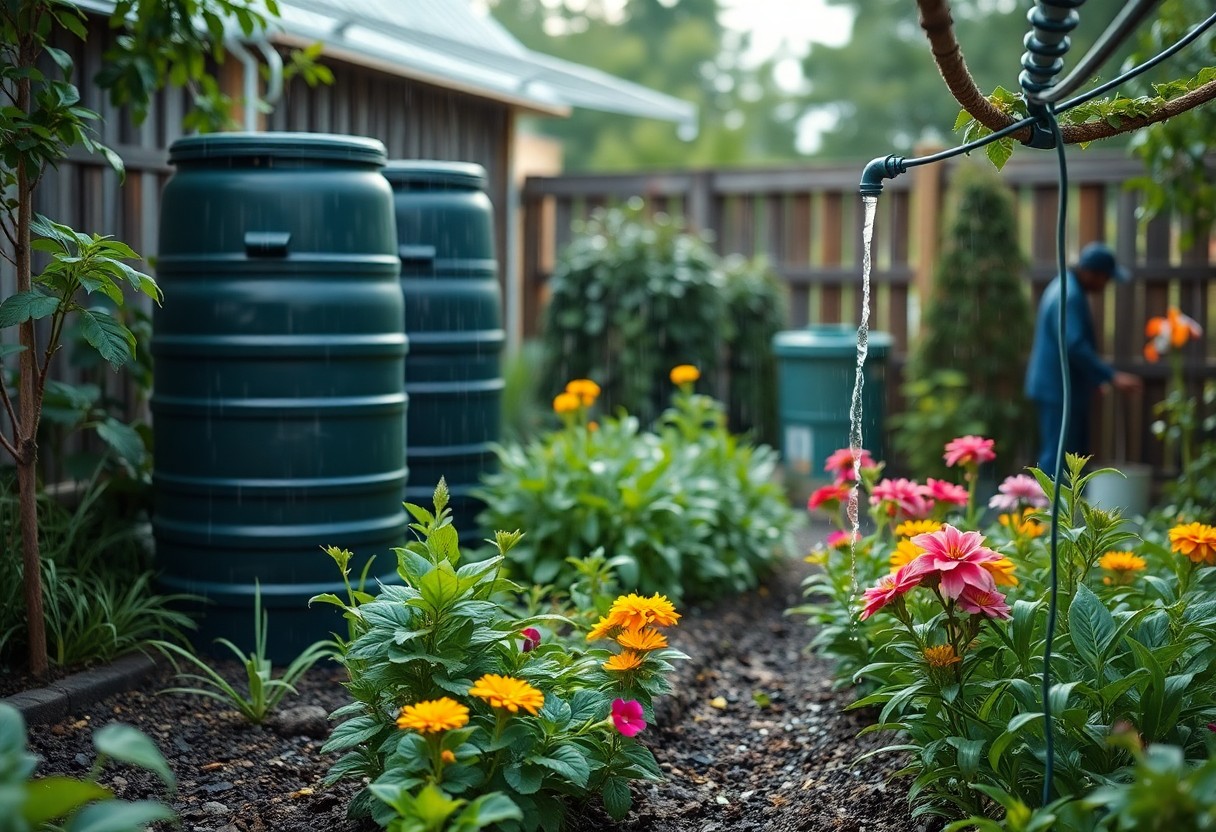
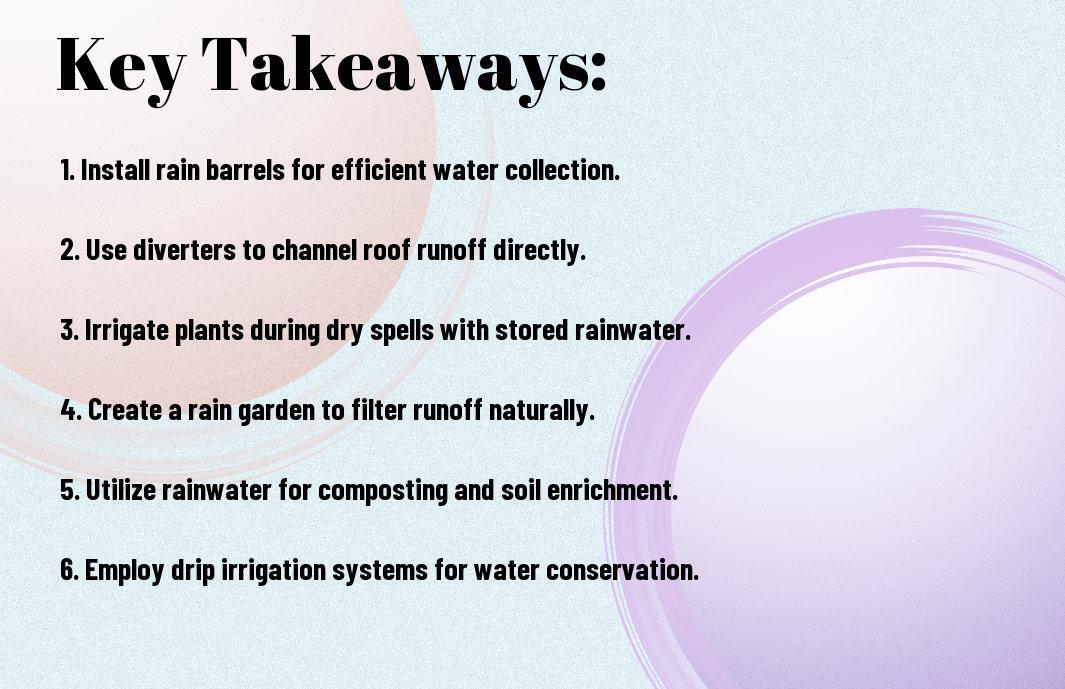
As you consider reducing your water footprint, you may be thinking of collecting rainwater for your household needs. You can do this by installing a rainwater harvesting system, a simple and practical way to conserve water. Your first step will be to assess your roof and gutter system, ensuring they are secure and able to direct rainwater into a storage tank. You will then need to choose a suitable tank and install it, connecting it to your downspout and setting up a system for distributing the collected water.
Key Takeaways:
To effectively install a rainwater harvesting system, consider the following points:
- Choose a suitable location for the system, taking into account the roof catchment area, gutter size, and downspout placement to maximize water collection efficiency.
- Select the right storage tank size and material to hold the harvested rainwater, considering factors such as durability, maintenance, and aesthetics.
- Ensure a proper filtration system is in place to remove debris and contaminants from the collected rainwater, allowing for safe use in irrigation, toilets, or other non-potable applications.
Planning and Design
Before installing a rainwater harvesting system, you need to consider several factors to ensure its effectiveness. You must think about your water usage, available space, and local regulations.
Assessing Water Needs
Water usage patterns will help you determine the size of your system. You should calculate your average water consumption to decide on the tank size and other components.
Choosing System Components
Below the surface of a successful rainwater harvesting system lies a well-planned design. You will need to select the right materials, such as tanks, gutters, and downspouts, to collect and store rainwater efficiently.
In addition to selecting the right components, you will also need to consider factors such as first flush devices, roof catchment area, and overflow systems to ensure your system functions properly and maintains water quality. You should research and evaluate different options to choose the best components for your specific needs and budget.
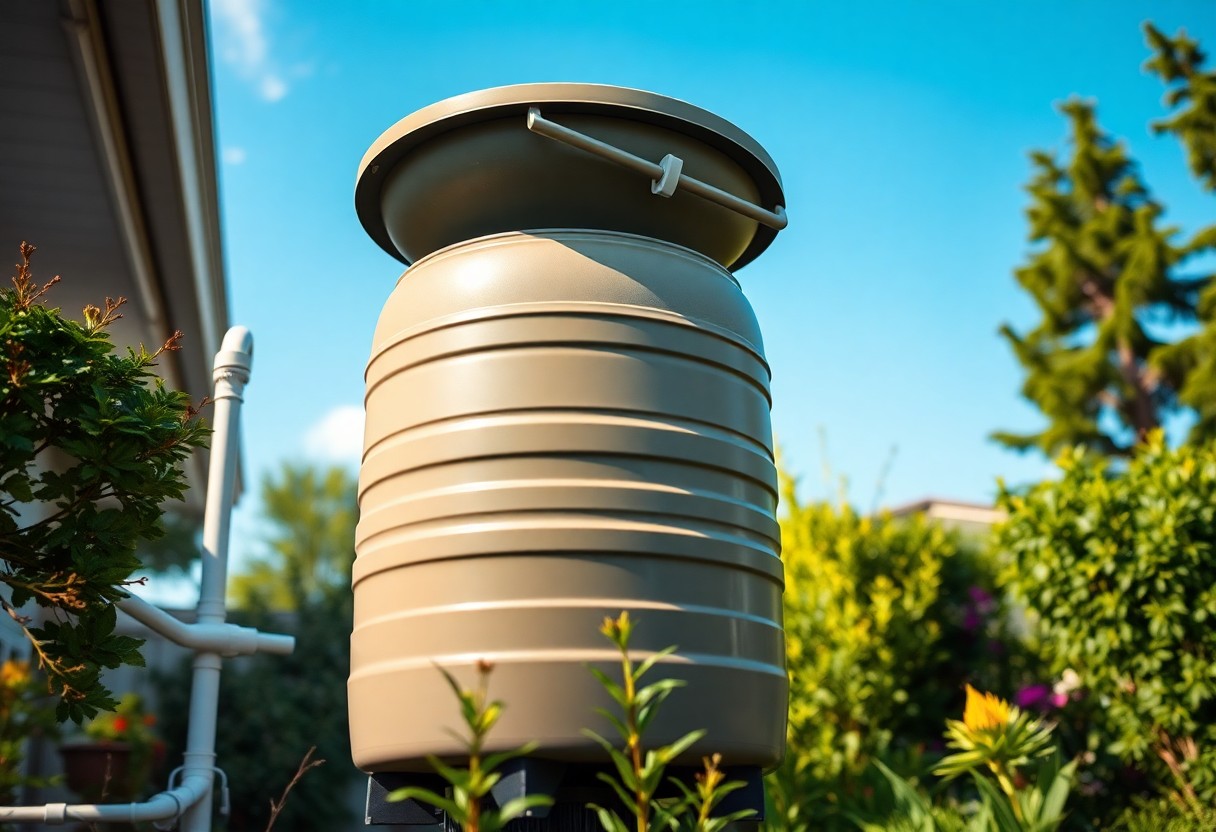
Site Selection and Preparation
It is necessary to choose the right location for your rainwater harvesting system. You can learn more about installing a rainwater catchment system to understand the process. Consider factors like sunlight, wind direction, and accessibility when deciding where to install your system.
Evaluating Roof Catchment Area
Preceding the installation, you’ll need to assess your roof’s condition and size to determine its potential for collecting rainwater. You’ll want to ensure your roof is suitable for a rainwater harvesting system, taking into account its material, slope, and existing drainage system.
Preparing the Ground
Preparing your yard for the system involves clearing the area where the tank will be placed, ensuring it’s level and free of debris. You’ll also need to check for any underground utilities or pipes that may interfere with the installation.
To prepare the ground properly, you’ll need to dig a hole for the tank, taking care not to damage any surrounding structures or plants. As you work, consider your impact on the environment and strive to minimize your footprint, just as you would when installing a rainwater harvesting system to conserve this precious resource. You’ll be laying the groundwork for a sustainable and eco-friendly system that will serve you well for years to come.
Tank Selection and Installation
Your rainwater harvesting system’s success depends on the right tank, so consider visiting 6 Tips for Installing a Rainwater Collection System for guidance.
Types of Tanks
Before choosing, you’ll find options like:
- Plastic
- Metal
- Concrete
- Fiberglass
- Wood
The selection will depend on your needs and preferences, as outlined in the following table:
| Tank Material | Benefits |
|---|---|
| Plastic | Affordable |
| Metal | Durable |
| Concrete | Long-lasting |
| Fiberglass | Lightweight |
| Wood | Natural look |
Installing the Tank
Across your property, you’ll need to select a suitable location, considering factors like drainage and accessibility. You should ensure the tank is level and secure to function properly.
Also, as you install the tank, consider the inlet and outlet positions, as well as the overflow mechanism, to ensure your system operates efficiently and safely, and you can enjoy the benefits of collected rainwater.
Conveyance and Storage
All components of your rainwater harvesting system work together to collect and store rainwater for future use. You will need to consider the size and material of your storage tank, as well as the conveyance system that transports water from your roof to the tank.
Gutters and Downspouts
Beneath your roof, gutters and downspouts play a significant role in collecting and directing rainwater into your storage tank. You should ensure that your gutters are clean and clear of debris to prevent clogs and damage to your system.
First Flush Devices
By incorporating a first flush device into your system, you can divert the initial flow of water from your roof, which may contain debris and contaminants, away from your storage tank. You will be able to collect cleaner water for your needs.
Gutters typically collect a significant amount of debris, such as leaves and twigs, during the first flush of water after a dry spell. By using a first flush device, you can allow this initial flow of water to be diverted, taking the debris with it, and then direct the cleaner water into your storage tank, ensuring that you collect the highest quality water for your needs, and you will be able to use your rainwater harvesting system more efficiently.
Treatment and Distribution
For a reliable rainwater harvesting system, you need to consider how you will treat and distribute the collected water. This step ensures the water is safe for use and accessible when needed.
Filtration and Disinfection
Filtering the collected rainwater is crucial to remove debris and contaminants, and you can use various methods such as screens, sedimentation, or filtration systems to achieve this. You will also need to disinfect the water to kill bacteria and other microorganisms, ensuring it’s safe for your use.
Pumping and Piping
Filtering out the details of your pumping and piping system is vital to ensure efficient water distribution, and you should consider factors such as pipe size, material, and insulation to prevent contamination and damage.
A well-designed pumping and piping system will allow you to easily access and use your harvested rainwater, and you should consider installing floats, valves, and other control devices to regulate water flow and pressure, making it easier for you to manage your system and use the collected water for various purposes, such as irrigation or toilet flushing.
Maintenance and Troubleshooting
Now that your rainwater harvesting system is installed, you’ll want to ensure it continues to function properly. Regular upkeep will help you avoid issues and make the most of your system.
Regular Inspection
Beneath the surface of a well-functioning system lies careful maintenance, and you should check your gutters, downspouts, and tanks regularly for debris and damage.
Common Issues and Solutions
Issues with your system can arise, but you can often address them with simple fixes, such as cleaning clogged gutters or checking for leaks in your storage tank.
A closer look at common issues, such as mosquito infestations or sediment buildup, will help you develop a plan to tackle problems as they arise, allowing you to enjoy the benefits of your rainwater harvesting system with minimal hassle, and you’ll be able to make adjustments as needed to keep your system running smoothly.
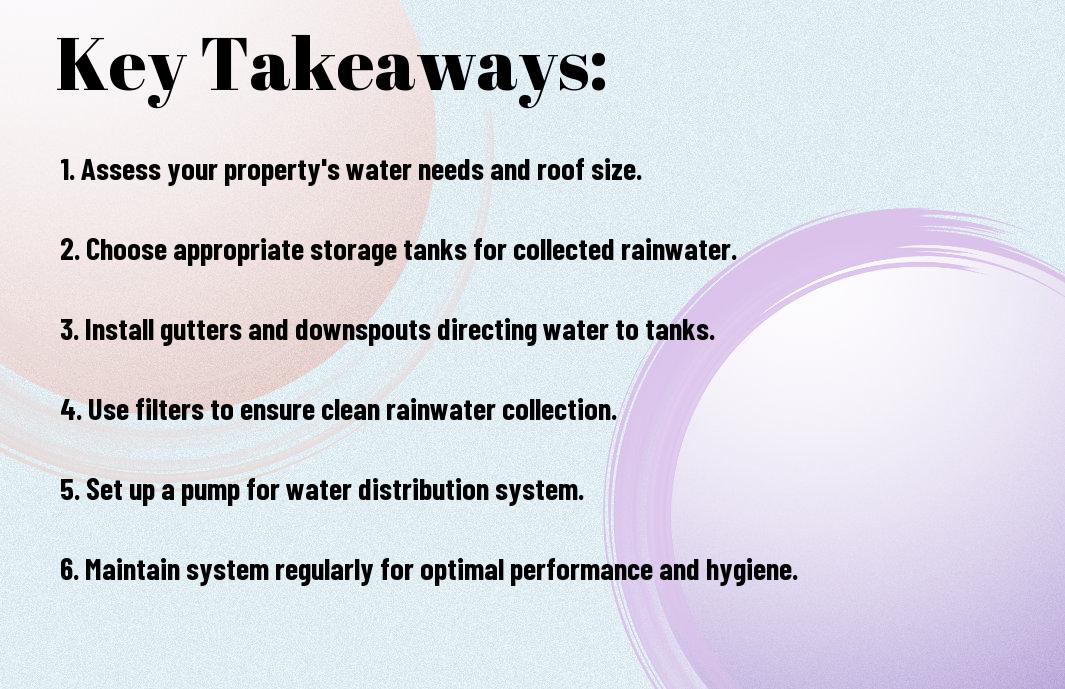
Summing up
Ultimately, you have taken the first step towards a more self-sufficient lifestyle by learning how to install a rainwater harvesting system. You will now be able to collect and conserve rainwater for your needs, reducing your reliance on municipal water supplies. As you implement your system, you will find that your efforts will contribute to a more sustainable future, and you can take pride in your ability to harness nature’s resources to meet your daily needs, making your life simpler and more fulfilling.
FAQ
Q: What are the benefits of installing a rainwater harvesting system, and how does it work?
A: Installing a rainwater harvesting system provides an alternative source of water for non-potable uses such as flushing toilets, washing cars, and irrigating gardens, thereby reducing the demand on municipal water supplies. The system works by collecting and storing rainwater from rooftops in a tank, which is then treated and distributed for use. This not only helps in conservation of groundwater but also reduces the stormwater runoff, decreasing the risk of flooding and erosion.
Q: What are the basic components required to install a rainwater harvesting system?
A: The basic components required for a rainwater harvesting system include a collection system (roofs, gutters, and downspouts), a storage tank, a first flush device, a conduit or pipe for distribution, and treatment systems such as filters and disinfection units. The choice and size of these components depend on the intended use of the harvested water, the size of the collection area, and the average rainfall in the area.
Q: How do I choose the right size of the storage tank for my rainwater harvesting system?
A: Choosing the right size of the storage tank involves calculating the average annual rainfall, the size of the roof catchment area, and the intended use of the harvested water. A general rule of thumb is to use a tank that can hold at least 1 inch of rainfall from the roof catchment area. However, the actual size may need to be adjusted based on local rainfall patterns, storage space available, and budget considerations. It’s also important to consider the tank material, ensuring it is durable and suitable for storing water.
Q: What maintenance is required for a rainwater harvesting system to ensure it functions effectively and safely?
A: Regular maintenance of a rainwater harvesting system is necessary to ensure it functions effectively and safely. This includes inspecting the roof catchment area, gutters, and downspouts to ensure they are free of debris, cleaning the first flush device regularly, checking the storage tank for sediment, and maintaining the treatment systems. Additionally, it’s important to check the distribution system for leaks and ensure all components are in good working condition. Performing these maintenance tasks will help prevent contamination and ensure the water quality is suitable for its intended use.
Q: Are there any regulations or standards that I need to follow when installing a rainwater harvesting system?
A: Yes, there are regulations and standards that govern the installation of rainwater harvesting systems, which vary by location. These regulations may cover aspects such as system design, water quality standards, and cross-connection control to prevent contamination of potable water supplies. It’s important to check with local authorities to understand the specific requirements and standards that apply to your area. Compliance with these regulations ensures the system is installed safely and functions as intended, providing a reliable source of non-potable water.