As you launch on your gardening journey, you’re likely looking for creative ways to showcase your plants. You can turn your old household items into unique planters, adding a personal touch to your space. With a little imagination, you can transform everyday objects into beautiful containers for your plants. You’ll be amazed at how easy it is to create stunning planters using items you might otherwise discard, and your plants will thrive in their new, one-of-a-kind homes.
Key Takeaways:
To create your own unique planters, consider the following points:
- Use recycled materials like old plastic bottles, cardboard tubes, and wooden crates to make ecofriendly planters that are also cost-effective.
- Get creative with upcycled items such as mason jars, tin cans, and glass containers to add a touch of personalized style to your planters.
- Apply a coat of protective paint or varnish to your DIY planters to make them durable and waterproof, ensuring they last for a long time.
Gathering Materials
Before you start creating your DIY planters, take a walk around your home to see what items you can repurpose. Look for things that can be transformed into unique and functional planters.
Household Items to Repurpose
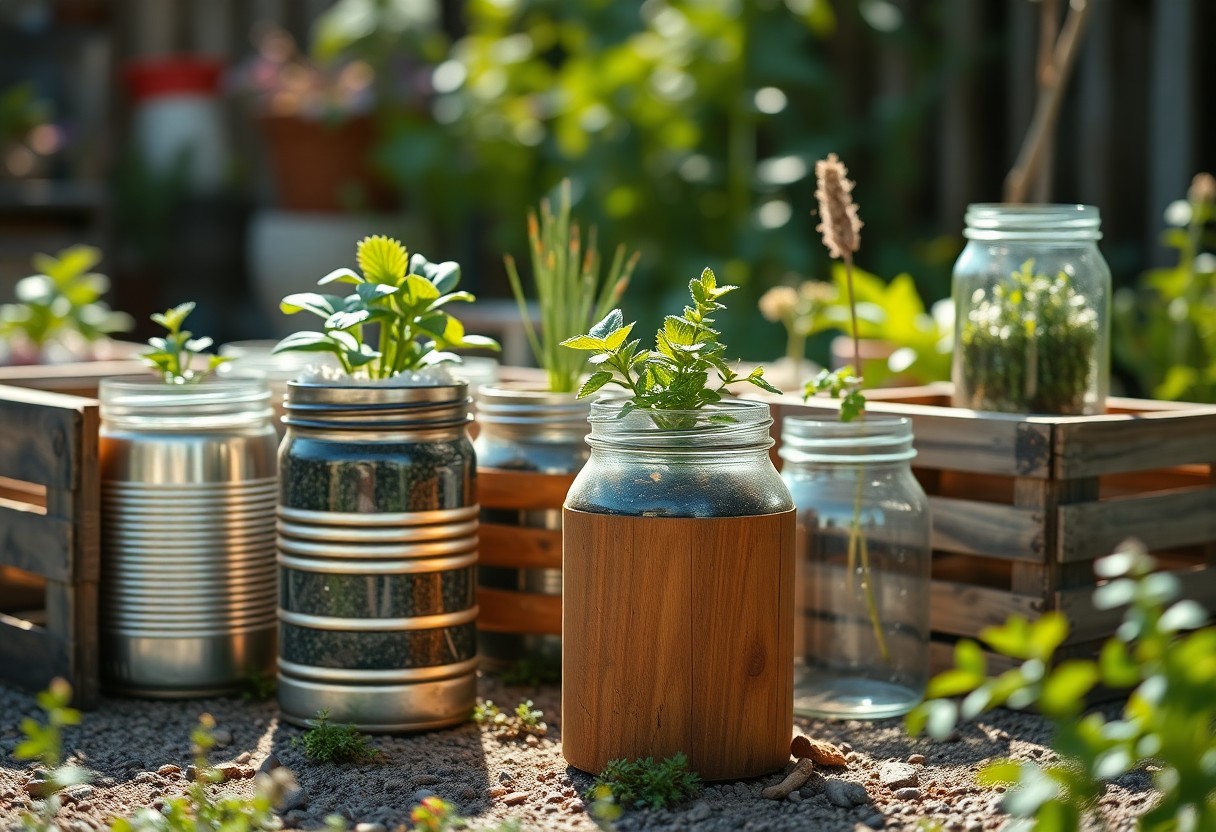
For instance, you’ll find plenty of potential planters in your kitchen, like old jars, containers, and pots. Consider using wooden crates, cardboard tubes, or plastic bottles to add some personality to your planters.
Essential Crafting Tools
Gathering your crafting tools is the next step in preparing for your DIY project. You’ll need items like scissors, glue, and a paintbrush to get started.
To make your planters truly special, you’ll want to have a variety of tools on hand. You’ll be using these tools to clean, prepare, and decorate your planters, so take some time to gather everything you need, including a workspace where you can spread out and get creative with your projects, and think about the look and feel you want to achieve with your DIY planters, and have fun with the process, as you’re making something unique and personalized, just for you and your home.
Preparing the Planters
Assuming you’ve gathered your household items, it’s time to prepare them for planting. For inspiration, check out 29 Insanely Creative DIY Planter Ideas from Household Items to get your creative juices flowing. You’ll be amazed at the possibilities.
Cleaning and Disinfecting
Above all, you want to start with a clean slate, so thoroughly wash your chosen items with soap and water to remove any dirt or debris.
Sanding and Smoothing
The next step is to sand and smooth out any rough edges or surfaces, making it easier to plant and maintain your DIY planter. You’ll find that this step makes a big difference in the overall look and feel of your planter.
Also, as you sand and smooth out your planter, you’ll have the opportunity to add any decorative touches, such as paint or varnish, to give your planter a personalized and unique look that reflects your style, and you can take pride in knowing you created it yourself.
Decorating the Planters
Once again, you’re getting creative with your DIY planters, and now it’s time to add some personality to them. For more inspiration, check out How to Make DIY Planting Containers by Repurposing Old Items for unique ideas. You can decorate your planters in various ways to match your home decor.
Painting and Staining
One of the easiest ways to give your planters a personal touch is by painting or staining them. You can choose colors that complement your garden or home decor, and add a coat of varnish to protect the paint or stain.
Adding Embellishments
On the other hand, you can add embellishments like ribbons, stickers, or decoupage to give your planters a more decorative look. You can get creative with the materials you have at home and experiment with different designs.
Planters with embellishments can add a charming touch to your garden or indoor space. You can use your imagination to create unique and beautiful designs, and make your DIY planters truly special. As you decorate your planters, you’ll find that the process is just as enjoyable as the end result, and you’ll be proud to display your handmade creations.
Planting and Care
All your hard work in creating a beautiful DIY planter will pay off when you fill it with your favorite plants and give them the care they need to thrive.
Choosing the Right Plants
For a beautiful and thriving planter, you’ll want to select plants that fit your lifestyle and the conditions of the spot where the planter will sit.
Soil and Watering Tips
Around the time you’re planting, you’ll also want to think about the soil and watering needs of your plants. You can:
- Use a high-quality potting soil
- Water your plants when the soil feels dry to the touch
. Recognizing the unique needs of your plants will help you keep them happy and healthy.
Watering your plants is an vital part of their care, and you’ll want to make sure you’re giving them just the right amount. You can:
- Check the soil moisture by sticking your finger into the soil
- Water your plants in the morning so the plants have the entire day to absorb the water
. Recognizing the signs of over- or under-watering will help you adjust your care routine to keep your plants thriving.
Creative Variations
For a personalized touch, consider adding your own style to your DIY planters. You can paint, glue, or decoupage your favorite designs onto the planters to give them a unique look that reflects your personality.
Unique Planter Ideas
Contrary to what you might think, old boots, colanders, and even toilet paper rolls can make great planters. You can get creative with the items you have at home and turn them into one-of-a-kind planters that add a touch of whimsy to your garden or indoor space.
Mixing and Matching Materials
Prior to finalizing your planter design, think about combining different materials to add texture and interest. You can pair smooth ceramic pots with rough wooden planters or mix metal and glass containers to create a visually appealing display that showcases your plants.
Unique combinations of materials can elevate your planters from ordinary to extraordinary. You can experiment with different textures, colors, and shapes to create a look that is all your own. As you mix and match materials, consider the style and theme of your home and garden, and have fun with the process of creating one-of-a-kind planters that reflect your personal taste and flair.
Troubleshooting
Your DIY planters may not turn out as expected, but don’t worry, you can easily fix common issues and give your planters a second chance.
Common Mistakes to Avoid
Mistakenly using the wrong materials or techniques can lead to disappointing results, so be sure to follow the instructions carefully to avoid such errors.
Repairing and Upcycling
Repairing your planters can be a fun and creative process, allowing you to breathe new life into your DIY projects and make them even more unique and special.
A great way to approach repairing and upcycling is to think outside the box and consider how you can repurpose or reuse elements of your planter to create something entirely new and exciting, giving you the opportunity to get creative and add your personal touch to your DIY project.
Final Words
As a reminder, you now have the skills to create your own unique planters from household items. With a little creativity, you can turn your old items into beautiful garden decorations. For more inspiration, visit Common Household Items You Can Turn Into Beautiful Planters to discover new ways to repurpose and reuse your items, giving your garden a personal touch that reflects your style, and showcases your ingenuity, making your outdoor space truly special and yours.
FAQ
Q: What household items can I use to make DIY planters?
A: You can use a variety of household items to make DIY planters, such as old plastic bottles, cardboard tubes, wooden crates, old boots, and even plastic bags. Get creative and think outside the box! Some other items you can consider using include mason jars, tin cans, and glass containers. Just make sure to clean and disinfect them before using them as planters.
Q: How do I prepare the household items for use as planters?
A: To prepare the household items for use as planters, start by cleaning them thoroughly with soap and water. Remove any labels and scrub off any dirt or debris. If using wooden items, you may need to sand them down to smooth out the surface. For plastic items, you can use a Drill to make holes in the bottom for drainage. Make sure the items are dry before filling them with soil and plants.
Q: What type of soil and plants are best for DIY planters?
A: The type of soil and plants you use will depend on the type of planter you’re using and the climate you’re in. For most DIY planters, a well-draining potting soil is best. Choose plants that are suitable for the size and material of your planter, such as herbs, succulents, or small flowers. Consider the amount of sunlight and water your plants will need and choose a location that provides the right conditions.
Q: How do I prevent my DIY planters from leaking or falling over?
A: To prevent your DIY planters from leaking, make sure to add a layer of small rocks or broken pottery at the bottom for drainage. You can also use a waterproof coating or liner to prevent leaks. To prevent your planters from falling over, use a wide and stable base or add weights to the bottom. You can also attach the planter to a wall or a fence using screws or a bracket.
Q: How do I care for my plants in DIY planters?
A: Caring for plants in DIY planters is similar to caring for plants in traditional planters. Make sure to water them regularly, but not too much, and provide them with enough sunlight and fertilizer. Check the soil moisture by sticking your finger into the soil up to the first knuckle. If the soil feels dry, it’s time to water. You should also fertilize your plants regularly to promote healthy growth and blooming. With proper care, your plants should thrive in their new DIY planters.
