As you plan your garden, you consider various elements to create a beautiful outdoor space. You think about the types of plants, foliage, and flowers that will thrive in your climate. In terms of color, you have numerous options to enhance your garden’s aesthetic appeal. You can use colorful flowers, shrubs, and trees to add vibrancy and texture, or incorporate decorative elements like garden ornaments and seating to create a cohesive look that reflects your personal style and complements your outdoor space.
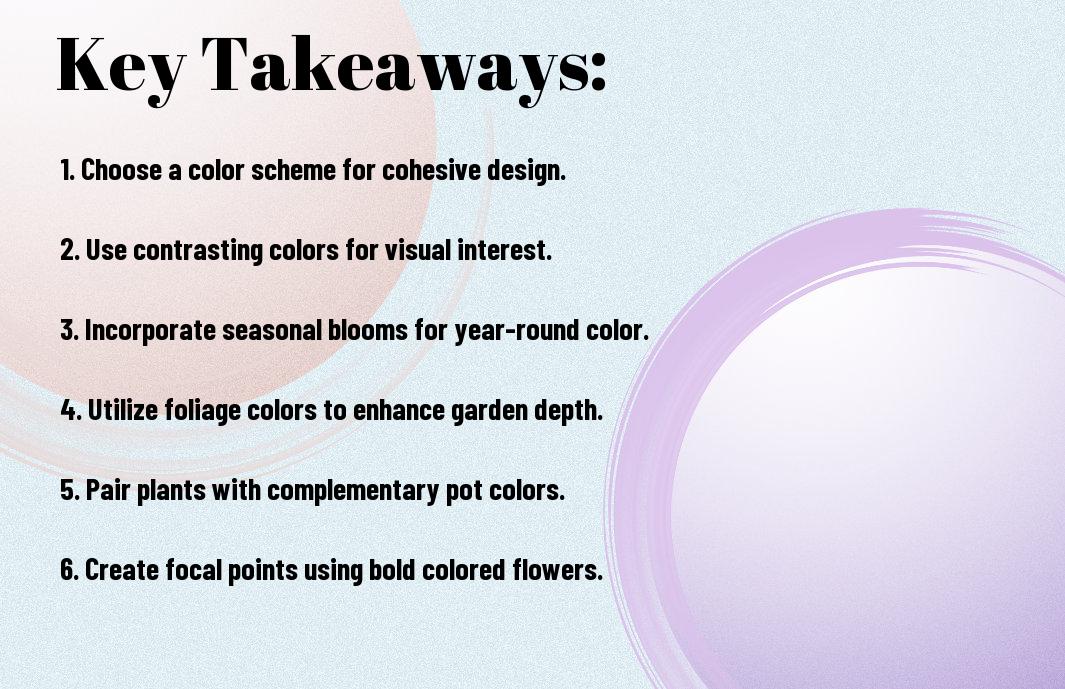
Key Takeaways:
To create a visually appealing garden, consider the following key points:
- Using Complementary Colors can make your garden more interesting by placing colors that are opposite each other on the color wheel next to each other, such as blue and orange or yellow and purple.
- Incorporating Monochromatic Colors can create a sense of harmony in your garden by using different shades of the same color, which can add depth and texture to your outdoor space.
- Considering the Color Temperatures of plants, with cool colors like blues and purples evoking a sense of calm and warm colors like reds and oranges creating a sense of energy, can help you design a garden that suits your desired atmosphere.
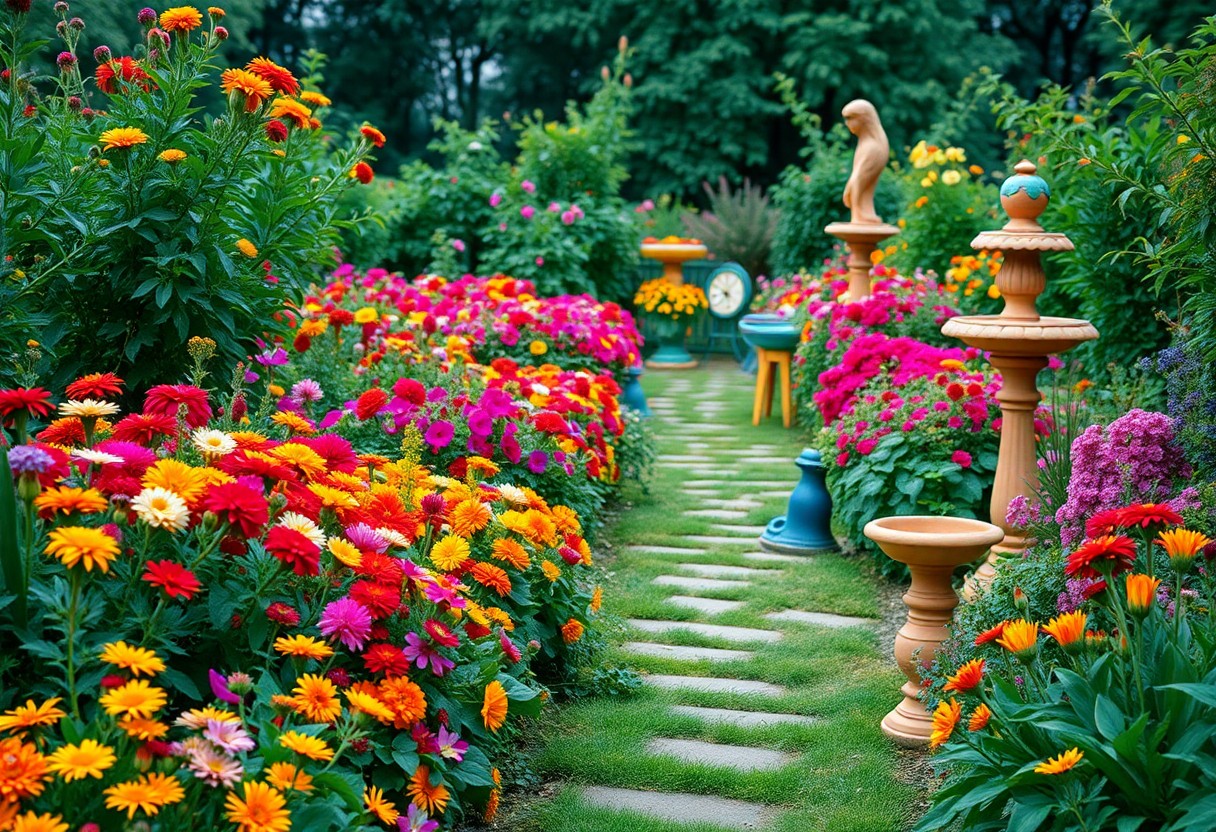
Selecting Color Schemes
Before selecting a color scheme for your garden, you should think about the overall aesthetic you want to achieve. You can choose a single color or a combination of colors that reflect your personal style and complement the surroundings.
Considering the Natural Environment
Considering the natural environment of your garden, you will want to select colors that blend harmoniously with the existing landscape. You should take into account the colors of the foliage, flowers, and hardscapes to create a cohesive look.
Complementary and Analogous Colors
After choosing the dominant color, you can explore complementary and analogous colors to add depth and interest to your garden. You can use online tools or consult with a gardening expert to determine the best color combinations for your space.
Even when working with complementary and analogous colors, you can create a stunning visual effect by balancing warm and cool colors. You can pair complementary colors, such as blue and orange, to create a striking contrast, or use analogous colors, like shades of blue and green, to produce a soothing atmosphere, and you will find that your garden becomes a beautiful reflection of your personal style.
Choosing Flowers and Foliage
Any gardener knows that selecting the right flowers and foliage is crucial to creating a visually stunning garden. You can choose from a wide variety of plants to create a unique and personalized space that reflects your style and complements your outdoor decor.
Vibrant Blooms for Seasonal Interest
Almost any type of flower can add a pop of color to your garden, and you can select blooms that thrive during different seasons to ensure year-round interest. You can opt for bright annuals or perennials that flower at various times, creating a dynamic and ever-changing display.
Leafy Greens for Year-Round Texture
Around your garden, you can incorporate leafy greens to add depth and texture, and you can choose from a range of plants with varying leaf shapes, sizes, and colors to create a unique and captivating landscape. You can select plants with broad leaves, fine foliage, or anything in between to add visual interest to your garden.
To add more depth to your garden with leafy greens, you can combine plants with different textures and growth habits, such as compact shrubs, trailing vines, or upright grasses. You can also use leafy greens to create a backdrop for your flowering plants, allowing your blooms to take center stage while the foliage provides a beautiful and lush framework for your garden.
Using Color in Garden Design
All gardens can benefit from a thoughtful approach to color, and this is where your personal taste and style come into play. You can use color to create different moods and atmospheres in your garden, from vibrant and energetic to calm and serene.
Creating Focal Points with Bright Hues
With bold and bright colors, you can draw attention to specific features in your garden, such as a statement piece of art or a beautiful tree. You can use these hues to create focal points that guide the visitor’s eye through the garden.
Balancing Warm and Cool Tones
To achieve a harmonious color scheme, you need to balance warm and cool tones in your garden. You can pair warm colors like orange and red with cool colors like blue and green to create a visually appealing contrast.
Garden designers often use the 60-30-10 rule, where 60% of the garden features a dominant color, 30% a secondary color, and 10% an accent color. You can apply this rule to balance warm and cool tones in your garden, creating a sense of harmony and cohesion that enhances your outdoor space.
Incorporating Hardscapes and Decor
Unlike other elements in your garden, hardscapes and decor can add a lasting pop of color. You can learn more about using color effectively in your garden by visiting the Color Theory in the Garden: Home guide, which provides valuable insights on how to choose the perfect hues for your outdoor space.
Painted Furniture and Decorative Accents
Hardly anything transforms a garden like painted furniture and decorative accents. You can use vibrant colors to add a personal touch to your outdoor space, making it more inviting and unique.
Colored Gravel and Glass Mulch
For a more subtle approach, you can incorporate colored gravel or glass mulch into your garden design, adding a touch of color to your pathways and borders, which can enhance the overall aesthetic of your garden.
Indeed, colored gravel and glass mulch are excellent options for adding color to your garden, as they are low-maintenance and can withstand various weather conditions, allowing you to enjoy your colorful garden all year round, and you can choose from a wide range of colors to match your personal style and garden theme.
Seasonal Color Inspiration
Many gardens change with the seasons, and your color scheme can too. By incorporating seasonal elements, you can create a unique and dynamic garden that reflects the time of year.
Spring Blooms and Pastel Hues
Across the garden, soft pastel colors emerge in spring, offering a gentle contrast to the vibrant blooms that follow. You can incorporate these hues into your garden through flowers, planters, and decorative accents.
Summer Vibrance and Warm Neutrals
Behind the vibrant colors of summer, warm neutrals provide a soothing backdrop for your garden. You can use these earthy tones to balance out bold flowers and foliage, creating a harmonious palette.
Pastel shades may have dominated your spring garden, but summer is the time to embrace bold, vibrant colors. As you plan your summer garden, consider incorporating warm neutrals like beige, sandy brown, or weathered wood to ground your space and provide a sense of warmth, allowing your brightly colored flowers and foliage to take center stage, and you can make the most of your garden’s summer vibrance.
Tips for Maintenance and Evolution
Your garden’s color scheme will evolve over time, and with proper maintenance, it can continue to thrive. Consider the following:
- Regular watering and fertilization
- Seasonal plant rotation
Any adjustments you make will help your garden stay vibrant and fresh.
Deadheading and Pruning for Continuous Bloom
Besides regular maintenance, deadheading and pruning are vital for continuous bloom. You can encourage more flowers to grow by removing spent blooms and trimming back overgrown branches, allowing your garden to flourish.
Adapting Color Schemes to Changing Seasons
Pruning back perennials and substituting seasonal flowers can help adapt your color scheme to changing seasons. You can swap out plants to match the current season’s palette, ensuring your garden always looks its best.
It is vital to consider the changing light and temperature conditions when adapting your color scheme to different seasons. You can choose plants with similar bloom times and growth habits to create a cohesive look, and don’t be afraid to experiment with new combinations to keep your garden fresh and exciting throughout the year.
Conclusion
The effective use of color in your garden can elevate its beauty and create a unique ambiance. You can use colors to evoke emotions, convey themes, and even influence the mood of your outdoor space. By considering your personal preferences and the style of your garden, you can select colors that enhance your outdoor experience and make your garden a reflection of your personality, creating a space that you will enjoy and appreciate for years to come.
FAQ
Q: What are the best ways to choose a color scheme for my garden?
A: When opting for a color scheme for your garden, consider the style and architectural elements of your home, as well as the natural surroundings. Choose colors that complement the hues of your siding, trim, and furniture to create a cohesive look. Additionally, think about the mood and atmosphere you want to create in your garden, such as a calming and serene ambiance with blues and purples, or a vibrant and energetic feel with oranges and yellows. You can also consider the colors of the flowers, foliage, and trees in your garden to create a harmonious palette.
Q: How can I use color to create a visually appealing garden layout?
A: To create a visually appealing garden layout, use color to guide the eye through the space. Group plants with similar hues together to create a sense of unity, and use contrasting colors to create focal points and add visual interest. Consider creating a color gradient, with cooler colors like blues and purples towards the bottom and warmer colors like oranges and yellows towards the top, to create a sense of depth and dimension. You can also use color to create a sense of movement, by placing plants with similar colors in a sequence to lead the eye through the garden.
Q: What role does foliage play in adding color to my garden?
A: Foliage plays a significant role in adding color to your garden, as leaves and stems can provide a wide range of colors and textures. From the deep purples of eggplants to the bright chartreuses of coleus, foliage can add depth and interest to your garden. Use foliage to add a pop of color to container gardens, or to create a dramatic backdrop for flowers and other ornamental plants. Consider combining different foliage textures and colors to create a rich and layered look.
Q: How can I incorporate colorful garden decor into my outdoor space?
A: Colorful garden decor can add a fun and playful touch to your outdoor space. Consider adding colorful planters, garden benches, and sculptures to create a cohesive and inviting atmosphere. You can also use colorful outdoor rugs, pillows, and umbrellas to create a cozy and comfortable seating area. Don’t forget to add some colorful lighting, such as string lights or lanterns, to create a warm and welcoming ambiance in the evening.
Q: What are some tips for using color in a small garden or container garden?
A: When working with a small garden or container garden, it’s imperative to keep the color palette simple and focused. Choose a limited number of colors and use them consistently throughout the space to create a sense of cohesion. Consider using plants with bold and bright colors to create a big impact in a small space, and don’t be afraid to use white and other neutral colors to provide contrast and create a sense of calm. Additionally, use vertical elements like trellises and arbors to make the most of your space and create a sense of height and drama.
