To achieve long-term harvests from perennial plants, consider the following points:
- Invest in low-maintenance perennials like asparagus, rhubarb, and artichokes, which can thrive for many years with minimal care and provide a continuous yield of fresh produce.
- Choose drought-tolerant plants such as sunchokes and ground nuts, which can survive with minimal watering and still produce an abundance of tubers and roots.
- Consider diverse vegetables like garlic, walking onions, and perennial kale, which offer a range of flavors and textures to add variety to your long-term harvests and keep your diet interesting.
Benefits of Perennial Vegetables
A long-term harvest is just the beginning of the advantages of growing perennial vegetables, as you will soon discover the many benefits they bring to your garden and table.
Less Maintenance
With fewer demands on your time and resources, perennial vegetables allow you to enjoy a bountiful harvest while minimizing your workload, giving you more time to appreciate the simple joys of gardening.
Continuous Harvests
Along with the initial harvest, perennial vegetables will continue to produce for years to come, providing you with a steady supply of fresh, nutritious food and the satisfaction of watching your garden flourish.
Also, as you continue to harvest your perennial vegetables, you will notice the improvement in soil quality and the overall health of your garden, as these plants work to enrich the earth and attract beneficial insects, creating a thriving ecosystem that will sustain you for seasons to come.
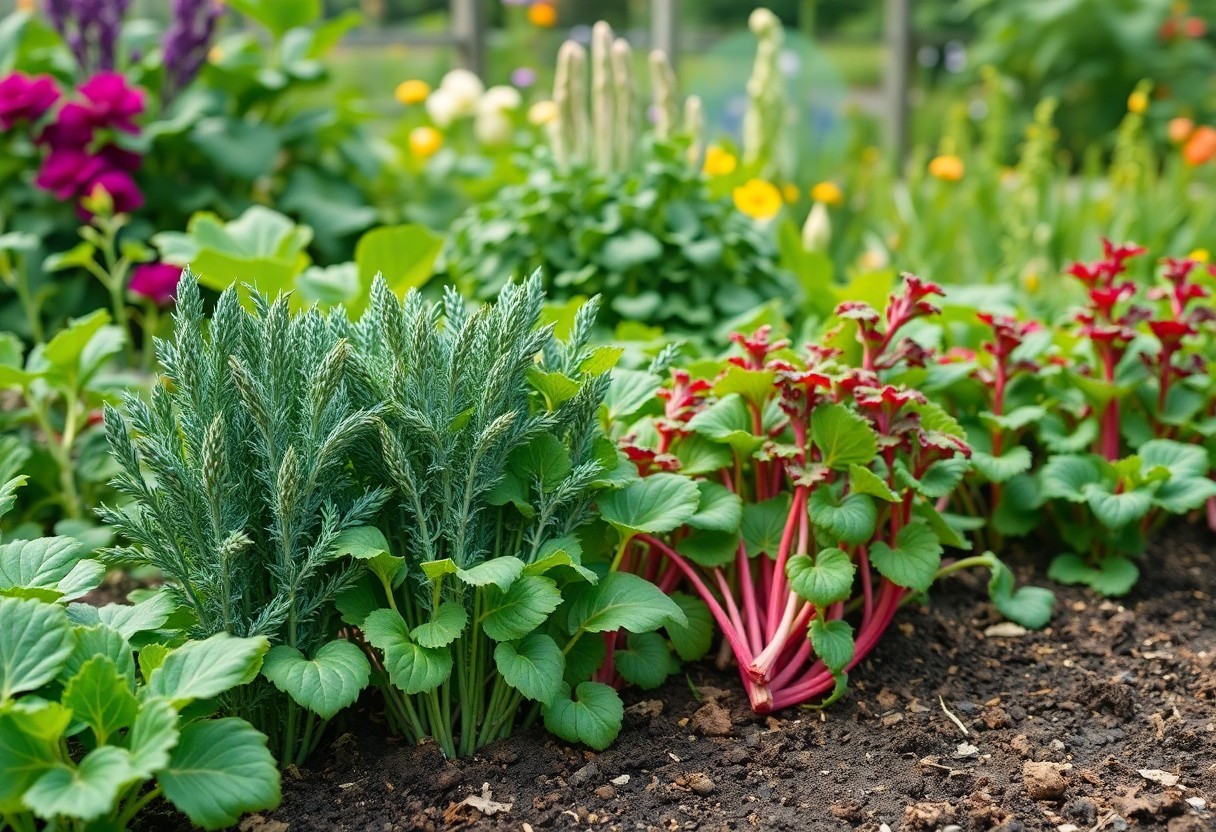
Top Perennial Vegetable Choices
While planning your garden, consider exploring 100+ Perennial Vegetables, and how they can transform your garden into a thriving oasis. This will help you discover the perfect fit for your space and needs.
Asparagus and Rhubarb
Between the many options, asparagus and rhubarb stand out as excellent perennial vegetable choices, offering years of delicious harvests with proper care and maintenance, allowing you to enjoy your labor’s fruits for a long time.
Artichokes and Sunchokes
Below the surface, artichokes and sunchokes provide a unique opportunity for you to cultivate a bountiful harvest, as they are relatively low-maintenance and can thrive in a variety of conditions, making them perfect for your garden.
At the heart of a permaculture design, artichokes and sunchokes can be used to create a thriving and diverse ecosystem, allowing you to grow a wide range of plants together, and as you explore these options, you’ll find that they can bring a new level of excitement and variety to your garden, enabling you to experiment with new recipes and flavors, and enjoy the process of nurturing your own food.
Planting and Care
Your perennial vegetables will thrive with proper attention, and by following a few simple steps, you can enjoy a bountiful harvest for years to come.
Soil Preparation
Adeptly preparing your soil is important, as it will provide the foundation for your perennial vegetables to grow and flourish, so take the time to loosen and enrich the earth before planting.
Watering and Mulching
Forget not to water your perennial vegetables regularly, and apply a layer of mulch to retain moisture and suppress weeds, allowing your plants to grow strong and healthy.
Also, as you tend to your perennial vegetables, you will find that watering and mulching become second nature, and your garden will begin to feel like a natural extension of yourself, with each plant thriving under your care, and you will enjoy the simple joy of nurturing and watching them grow, season after season.
Managing Pests and Diseases
After establishing your perennial vegetable garden, you’ll want to keep a watchful eye out for pests and diseases. You can find valuable advice from experienced gardeners at Perennial vegetables : r/vegetablegardening, where you can learn from others and share your own experiences.
Organic Pest Control
Controlling pests naturally is necessary for the health of your garden. You can use simple methods like hand-picking, crop rotation, and introducing beneficial insects to keep pests at bay, ensuring your perennial vegetables thrive.
Common Diseases to Watch For
Among the most common issues you’ll face are fungal infections and root rot. Keep an eye out for signs of disease, and take action promptly to prevent their spread.
A closer look at common diseases like powdery mildew and leaf spot will help you understand how to prevent and treat them, allowing you to enjoy a bountiful harvest from your perennial vegetable garden for years to come, as you nurture and care for the natural world around you.
Extending the Harvest Season
Unlike annuals, perennials allow you to enjoy a longer harvest season, as they come back year after year. You can expect to harvest your perennial vegetables for months, and with proper care, they will continue to thrive in your garden.
Succession Planting
Against the notion that you must plant all your vegetables at once, succession planting allows you to stagger your plantings, ensuring a continuous harvest. You can plant small batches of vegetables every few weeks, giving you a steady supply of fresh produce.
Cold Frame Gardening
Planting your perennials in a cold frame can extend your harvest season even further. You can start planting earlier in the spring and continue harvesting later into the fall, giving you a longer period to enjoy your favorite vegetables.
Gardening with cold frames is a great way to get a head start on the growing season. You can use cold frames to protect your perennials from harsh weather conditions, such as frost and extreme temperatures, allowing you to harvest your vegetables for a longer period. As you tend to your cold frame, you’ll find that your perennial vegetables will thrive, providing you with a bountiful harvest for months to come.
Tips for a Successful Perennial Garden
For a thriving perennial garden, consider the following tips:
- choose the right plants
- prepare the soil
. Assume that with proper care, your garden will flourish.
Crop Rotation
Along with careful planning, you can create a balanced ecosystem by rotating your crops to maintain soil health and prevent pests and diseases.
Companionship Planting
Around your perennial vegetables, you can plant complementary species to enhance growth and flavor, creating a diverse and resilient garden.
Perennial vegetables benefit from companionship planting, as you can observe how different species interact and support each other, allowing you to create a harmonious and thriving garden that brings you joy and abundance.
Final Words
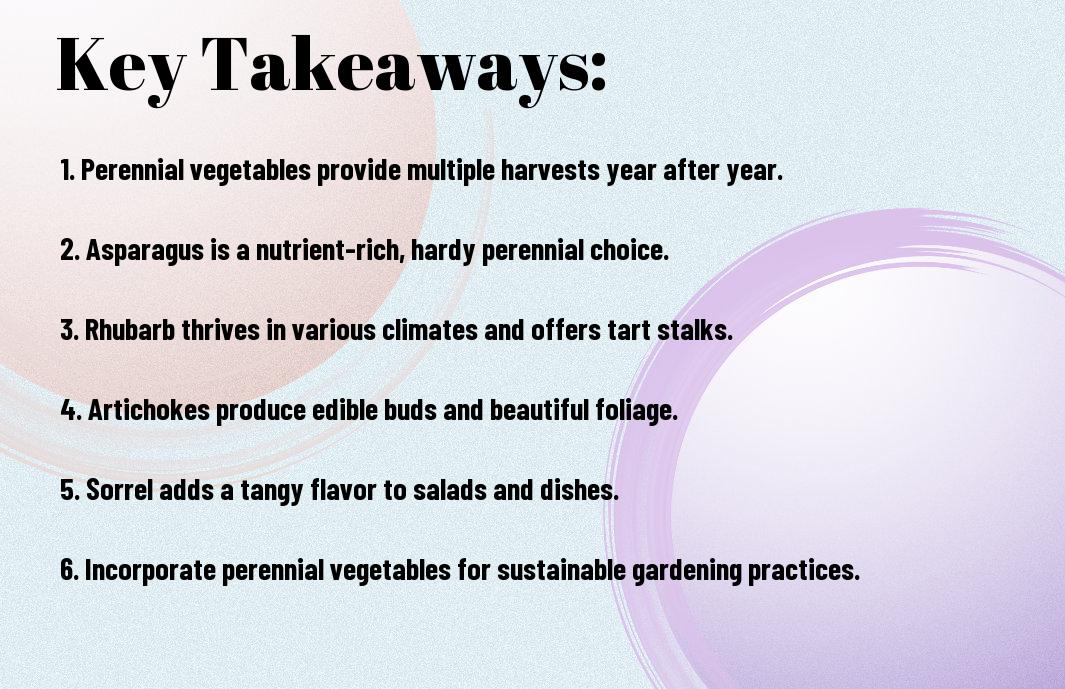
Summing up, you now have the knowledge to cultivate a thriving garden with the best perennial vegetables for long-term harvests. As you initiate on this journey, you’ll find that your garden will flourish with minimal maintenance. For more inspiration, visit 12 Perennial Vegetables That Grow Back Each Year to discover the simplicity and joy of growing your own food, and watch your garden become a haven of abundance and beauty, year after year, in your own backyard.
FAQ
Q: What are the best perennial vegetables for long-term harvests in temperate climates?
A: Some of the best perennial vegetables for long-term harvests in temperate climates include asparagus, rhubarb, artichokes, and sorrel. These plants are perfect for gardeners who want to minimize annual planting and maintenance, as they come back year after year, providing fresh produce with minimal effort. Asparagus, for example, can produce for up to 20 years, while rhubarb can thrive for 10 to 15 years with proper care.
Q: How do I choose the right perennial vegetables for my garden based on the climate and soil type?
A: When opting for perennial vegetables, it’s vital to consider your local climate, soil type, and the amount of sunlight your garden receives. For instance, artichokes prefer well-draining soil and full sun, making them ideal for gardens with these conditions. Meanwhile, sunchokes (also known as Jerusalem artichokes) are more adaptable and can thrive in a variety of soils and sunlight conditions. Understanding the specific needs of each perennial vegetable will help you make informed decisions for a successful and bountiful harvest.
Q: What kind of maintenance do perennial vegetables require to ensure long-term productivity?
A: Perennial vegetables generally require less maintenance than annuals but still need some care to ensure long-term productivity. This includes regular watering, especially during droughts, and fertilizing annually to replenish soil nutrients. Mulching around the plants can help retain moisture, suppress weeds, and regulate soil temperature. Pruning or dividing the plants periodically is also necessary to maintain their health and encourage new growth. For example, asparagus beds should be fertilized in early spring and pruned in late winter to promote healthy spears.
Q: Can perennial vegetables be grown in containers, and if so, what are the best options for container gardens?
A: Yes, many perennial vegetables can be grown in containers, provided the containers are large enough to accommodate the root system of the plants and have good drainage. Rhubarb and sorrel are excellent choices for container gardens because they are relatively compact and can thrive in deep pots. Sunchokes and garlic are also good options, as they have a smaller footprint and can tolerate the confines of a container. When growing perennial vegetables in containers, ensure the soil is well-draining and fertilize regularly to support plant health and productivity.
Q: How can I incorporate perennial vegetables into a permaculture or sustainable garden design to maximize biodiversity and reduce maintenance?
A: Incorporating perennial vegetables into a permaculture or sustainable garden design involves choosing plants that work well together and with other elements of the garden ecosystem. For example, planting comfrey near perennial vegetables can provide a natural fertilizer source, as comfrey acts as a nutrient accumulator. Similarly, combining perennial vegetables with fruit trees or shrubs can create a polyculture that enhances biodiversity and reduces pest and disease issues. By selecting perennial vegetables that fit your climate and soil, and integrating them thoughtfully into your garden design, you can create a sustainable and resilient food system that minimizes external inputs and maximizes long-term harvests.
