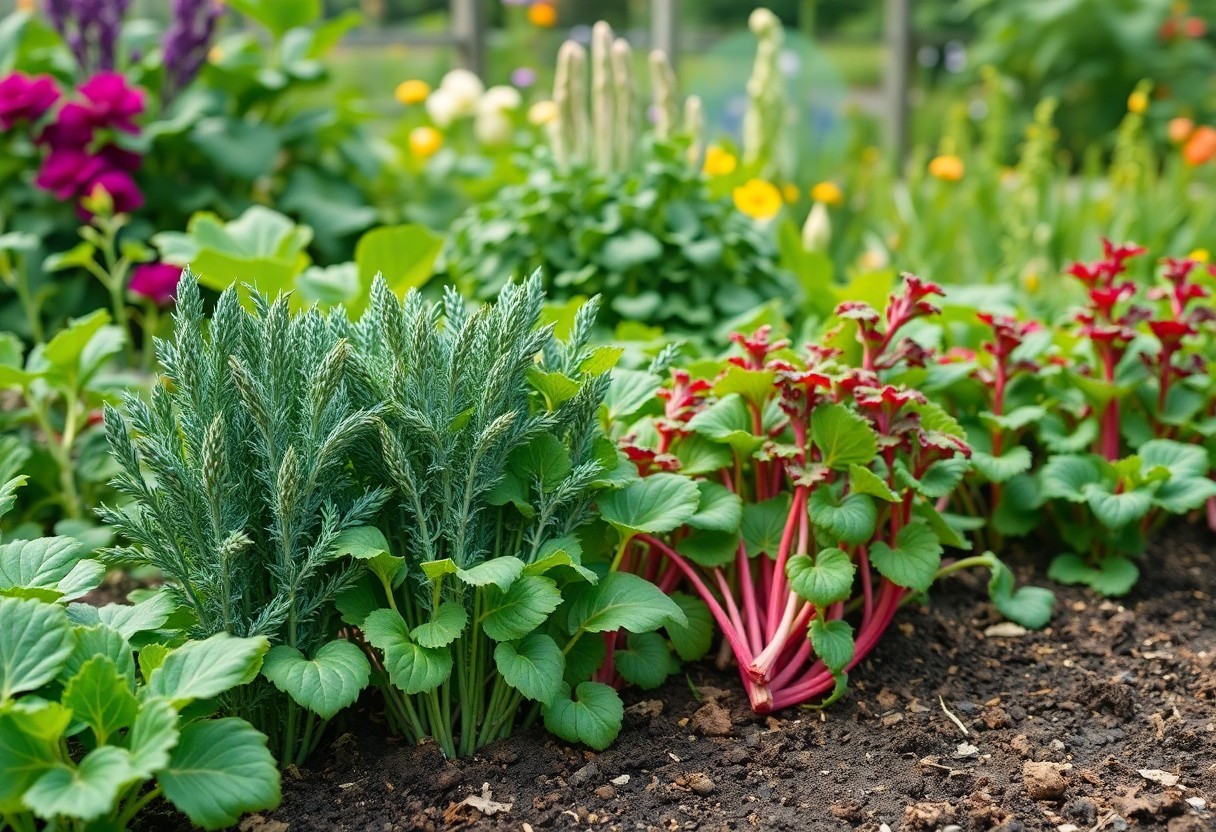
As you step into your yard, you’re surrounded by the vibrant sights and sounds of nature. Consider embracing the simple beauty of perennials, which return year after year, bringing joy and serenity to your outdoor space. You can learn more about the advantages of these plants in Perennial Power: Why You Need Perennials in Your Garden, and discover how they can enhance your yard’s resiliency and charm.
Key Takeaways:
- The low maintenance aspect of growing perennials in your yard is a significant advantage, as they require less care and attention compared to annuals, making them an ideal choice for busy individuals.
- Diversified ecosystems can be created by incorporating perennials into your yard, which attract a variety of pollinators and support local biodiversity, contributing to a healthier environment.
- Adding perennials to your yard can also increase its aesthetic appeal, as they provide a burst of color and texture throughout the growing season, enhancing the overall landscape and curb appeal of your property.
Benefits of Perennials
Your yard can flourish with a vibrant display of perennials, offering numerous advantages for you to enjoy. These plants provide a beautiful and dynamic landscape, attracting wildlife and creating a sense of tranquility.
Low Maintenance
Beneath the surface of perennial care lies a surprisingly simple routine, allowing you to appreciate the beauty of nature with minimal upkeep, letting you focus on the joy of growth and development in your garden.
Year-Round Interest
The changing seasons bring unique charm to your perennial garden, as different plants bloom and flourish, creating a captivating display of color and texture that invites you to step outside and connect with nature.
Due to the diverse range of perennial plants, you can design a garden that remains engaging throughout the year, with some plants providing winter interest, while others bloom in the spring, summer, or fall, ensuring your yard remains a dynamic and ever-changing tapestry of natural beauty.
Choosing the Right Perennials
Some perennials thrive in various conditions, while others have specific needs. As you consider which perennials to grow, think about your yard’s unique characteristics and how they will interact with the plants. You’ll want to select perennials that will flourish in your environment, allowing you to enjoy their beauty for years to come.
Climate Considerations
Above all, you’ll need to consider the climate in your area when choosing perennials. You should think about the average temperature, precipitation, and sunlight your yard receives, and select plants that are tolerant of these conditions. This will help ensure the perennials you choose will thrive and provide beauty to your yard.
Soil Requirements
Towards understanding the needs of your perennials, you’ll need to consider the soil requirements for each plant. You’ll want to test the pH level and nutrient content of your soil to determine which perennials will grow best in it. This information will help you make informed decisions about which plants to choose and how to care for them.
This understanding of your soil will also allow you to prepare it properly for your perennials, if necessary. You may need to amend the soil with organic matter or fertilizers to create a nurturing environment for your plants. By taking the time to understand your soil, you’ll be able to provide your perennials with the best possible foundation for growth and enjoyment, allowing you to appreciate their beauty and simplicity in your yard.
Designing a Perennial Garden
To create a beautiful and thriving perennial garden, you’ll want to consider the overall aesthetic and feel you want to achieve. As you begin designing, think about the unique characteristics of your yard and how you can work with them to create a harmonious space.
Color and Texture
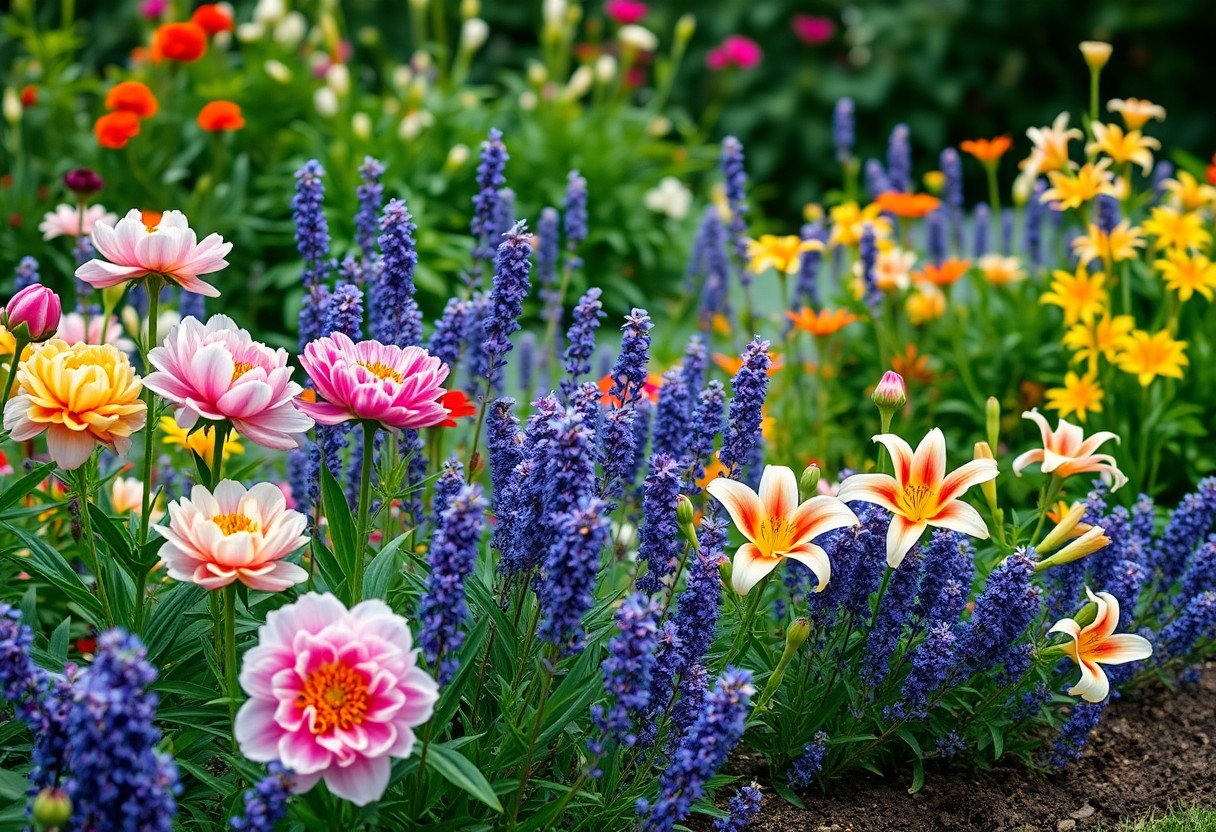
One of the most delightful aspects of perennials is the vast array of colors and textures they offer. You can choose plants with varying bloom times and foliage to create a dynamic display of color and texture that changes throughout the seasons, inviting you to slow down and appreciate the simple beauty of nature.
Structure and Balance
On the path to creating a stunning perennial garden, you’ll need to consider the structure and balance of your space. You can achieve this by selecting plants of varying heights and growth habits, allowing you to craft a visually appealing landscape that reflects your personal style and connection to the natural world.
Garden design is an iterative process, and as you work on achieving structure and balance, you’ll find that your perennial garden begins to take on a life of its own. You’ll start to notice the way the plants interact with each other, and how they contribute to the overall ambiance of your outdoor space, encouraging you to step outside and immerse yourself in the serenity of nature.
Planting and Care
Not all plants are created equal, and perennials are a great choice for your yard. They come back year after year, providing beauty and simplicity to your outdoor space.
Preparation and Planting
Once you have chosen the perfect perennials for your yard, you can begin preparing the soil and planting them. Outside of this initial effort, you will find that they are relatively easy to care for.
Ongoing Maintenance
Within the first few weeks of planting, you will need to water your perennials regularly, but as they become established, they will be more drought-tolerant, allowing you to enjoy your beautiful flowers with minimal upkeep.
Hence, as you tend to your perennials, you will find that the gentle rhythm of nurturing them becomes a soothing part of your daily routine, allowing you to connect with nature and appreciate the simple joys of your outdoor space, and you will be able to sit back and enjoy the beauty that your perennials bring to your yard.
Wildlife and Ecosystem Benefits
All around your yard, perennials can have a profound impact on the local ecosystem. As you consider planting perennials, you may want to learn more about Why Plant Perennials? Top 3 Reasons We Love Them, and how they can benefit your yard.
Attracting Pollinators
Around the time when perennials bloom, you’ll notice an increase in pollinators visiting your yard, bringing life and vibrancy to your outdoor space.
Supporting Local Ecosystems
Any effort you put into planting perennials will be rewarded with a thriving ecosystem, as these plants provide food and shelter for various species, supporting the delicate balance of nature in your yard.
Consequently, as you nurture your perennial garden, you’ll be contributing to the well-being of your local environment, and you’ll have the opportunity to observe the intricate relationships between plants, animals, and insects, fostering a deeper appreciation for the natural world and your place within it.
Creative Uses for Perennials
Many perennials offer a multitude of uses beyond their aesthetic appeal, allowing you to tap into your creativity and make the most of your garden. You can explore various ways to utilize your perennials, from cut flowers to medicinal uses, and discover the joy of self-sufficiency in your own yard.
Cut Flowers and Arrangements
Akin to a painter with a colorful palette, you can select a variety of perennial flowers to create stunning cut flower arrangements, adding a touch of elegance to your home and sharing your bounty with friends and family.
Medicinal and Culinary Uses
Around your garden, you will find perennials with medicinal and culinary properties, waiting to be discovered and utilized in your daily life, allowing you to harness the power of nature to nourish your body and soul.
To research deeper into the medicinal and culinary uses of perennials, you can start by researching the specific properties of the plants in your garden, and then experiment with incorporating them into your cooking and self-care routines, discovering the simple pleasures of using nature’s gifts to enhance your well-being.
Summing up
Drawing together the threads of our conversation, you’ll find that growing perennials in your yard brings numerous benefits. As you cultivate these plants, you’ll discover a deeper connection with nature. For more information on the advantages of perennials, consider exploring the differences between Annual vs. Perennial Plants. By choosing perennials, you’ll create a thriving, low-maintenance oasis that nourishes your soul and enhances your outdoor space.
FAQ
Q: What are the advantages of growing perennials in my yard compared to annuals?
A: Growing perennials in your yard offers several advantages over annuals. Perennials come back year after year, which can save you time and money in the long run. They also tend to have deeper root systems, which can help to prevent soil erosion and improve soil health. Additionally, perennials often require less maintenance than annuals, as they are more adapted to the local climate and soil conditions, and therefore may need less watering, fertilizing, and pruning.
Q: How do perennials contribute to biodiversity in my garden?
A: Perennials play a significant role in contributing to biodiversity in your garden. Since they provide a constant source of food and shelter for various wildlife, such as bees, butterflies, and birds, they help support local ecosystems. Different types of perennials bloom at different times, providing a constant source of nectar and pollen throughout the growing season. This helps to attract a diverse range of pollinators and other beneficial insects to your garden.
Q: Can perennials be used to improve the aesthetic appeal of my yard?
A: Yes, perennials can greatly improve the aesthetic appeal of your yard. With their wide range of colors, textures, and shapes, perennials can add visual interest to your garden throughout the growing season. Many perennials produce beautiful flowers, while others have striking foliage or attractive seed heads. By carefully selecting and combining different perennials, you can create a dynamic and beautiful landscape that changes and evolves over time.
Q: How do perennials help with soil conservation and erosion control?
A: Perennials have an extensive root system that helps to hold soil in place, preventing erosion and landslides. Their deep roots also help to break up compacted soil and improve its structure, allowing for better water infiltration and aeration. This can be especially beneficial in areas with heavy rainfall or sloping land, where soil erosion can be a significant problem. By planting perennials in these areas, you can help to stabilize the soil and prevent erosion.
Q: Are perennials suitable for low-maintenance gardening, and if so, why?
A: Yes, perennials are often well-suited for low-maintenance gardening. Since they are adapted to the local climate and soil conditions, they generally require less care and attention than annuals. Many perennials are drought-tolerant, and once established, they can survive with minimal watering. They also tend to be less prone to pests and diseases, reducing the need for pesticides and other chemicals. Additionally, perennials often require less fertilizing, as they are able to tap into deeper soil nutrients with their extensive root systems.