Vegetables

How to Build a Trellis for Climbing Vegetables

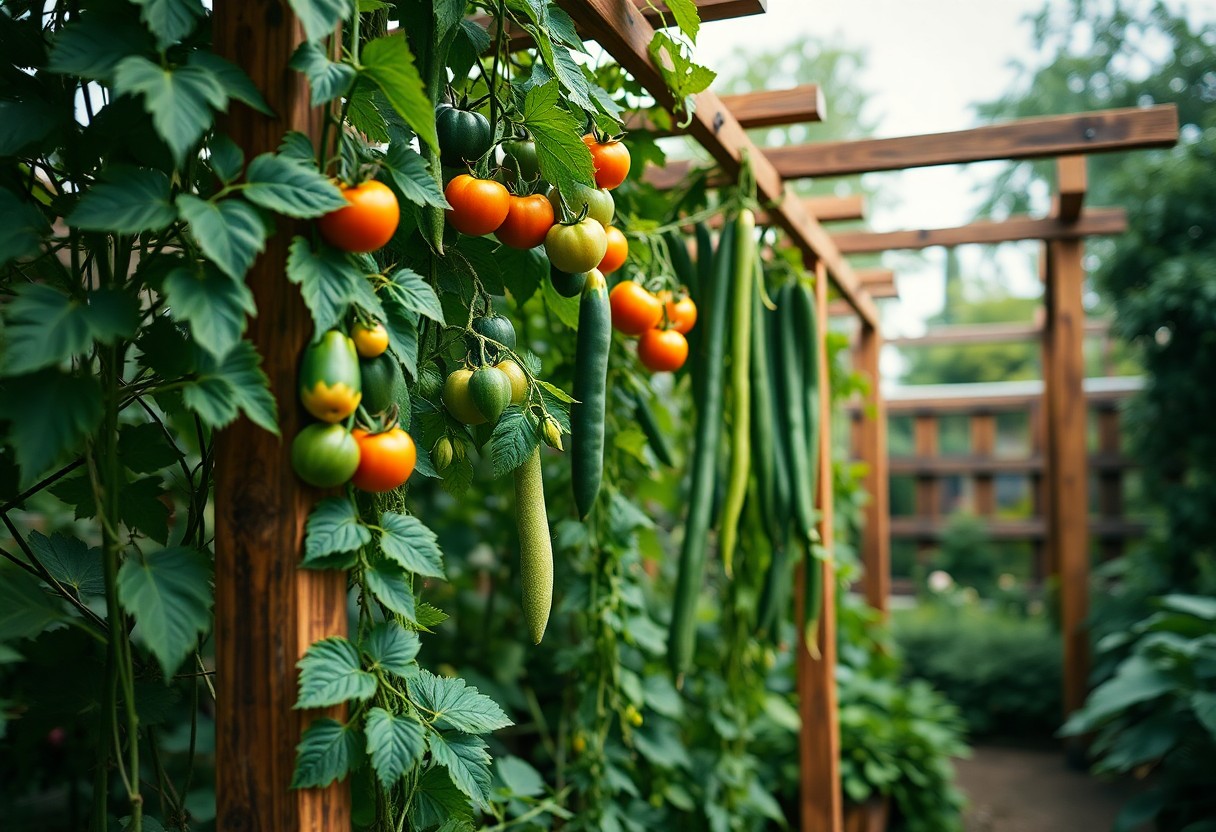
As you initiate on cultivating your own climbing vegetables, you’ll find that providing a supportive structure is vital for their growth. You’ll want to create a space where your plants can thrive, and a trellis is just the thing. With a few simple materials and some thoughtful planning, you can build a sturdy trellis that will allow your vegetables to climb and flourish, bringing joy and abundance to your garden. You’ll be guiding your plants towards the sun, and in turn, they’ll provide you with a bountiful harvest.

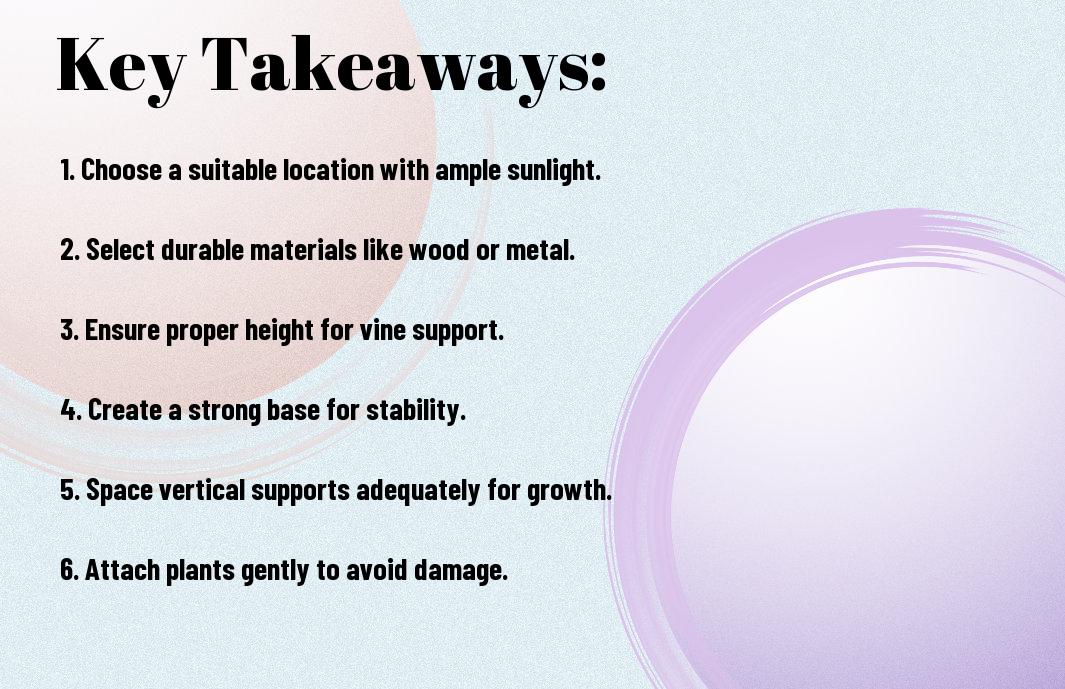
Key Takeaways:

To build an effective support system for your climbing vegetables, consider the following points:

  • Choose the right materials, such as durable woods or metals, to ensure your trellis can support the weight of the plants and withstand various weather conditions.
  • Consider the space and layout of your garden, selecting a spot that receives adequate sunlight and has enough room for the trellis and the plants to grow and expand.
  • Use a sturdy design and secure attachments to guarantee the trellis remains stable and the plants are safely anchored, promoting healthy growth and maximizing yields.

Planning Your Trellis

While building a trellis for climbing vegetables, you’ll want to consider the space and layout of your garden. You’ll need to think about the type of vegetables you want to grow and the amount of space they’ll require.

Choosing the Right Materials

Planning ahead, you’ll need to select materials that are sturdy and suitable for your trellis. You’ll want to choose materials that will support the weight of your climbing vegetables and withstand the elements.

Determining the Best Location

Preparing your garden, you’ll need to determine the best location for your trellis. You’ll want to place it in an area that receives plenty of sunlight and has good air circulation.

But as you consider the location, you’ll also want to think about the accessibility of your trellis and the ease of maintaining your climbing vegetables. You’ll want to place it in a spot where you can easily water, prune, and harvest your vegetables, making the most of your garden’s potential.

Designing Your Trellis

Now that you’re ready to build a trellis for your climbing vegetables, consider your design options. You can find inspiration online, such as this guide on How to Build a Low Cost Vegetable Garden Trellis, to help you get started.

Considering the Type of Climbing Vegetable

Typically, the type of climbing vegetable you’re growing will influence your trellis design. You’ll want to choose a trellis that provides the right amount of support for your plants, whether it’s a pea vine or a cucumber plant.

Selecting a Trellis Style

Among the various trellis styles, you’ll find options ranging from simple wooden frames to intricate metal lattices. You’ll need to consider the space available and the style of your garden when selecting a trellis style that suits your needs.

Another aspect to consider when selecting a trellis style is the material and its durability. You’ll want to choose a material that can withstand the elements and support the weight of your climbing vegetables, such as a sturdy wooden or metal frame. As you design your trellis, you’ll also want to think about the aesthetic you want to achieve in your garden, and choose a style that complements your outdoor space.

Preparing the Site

Not every spot in your garden is suitable for a trellis, so choose wisely. Consider the amount of sunlight and space your climbing vegetables will need to thrive.

Clearing the Area

Before you begin, remove any debris, rocks, or weeds from the area where you plan to build your trellis, giving your vegetables a clean slate to grow.

Testing the Soil

With your area cleared, take a moment to test the soil, checking its pH level and nutrient content to ensure it’s suitable for your climbing vegetables.

Preparing your soil is an imperative step in creating a thriving environment for your climbing vegetables. You will want to check the soil’s drainage, aeration, and nutrient levels, and make any necessary adjustments to create a balanced and fertile ground for your vegetables to flourish, allowing you to build a sturdy trellis that will support their growth.

Building the Trellis

Keep your design simple and functional, as you begin constructing your trellis for climbing vegetables. You will need a few basic materials, such as wood, wire, and a hammer. Your trellis should be sturdy enough to support the weight of your plants.

Constructing the Frame

Beneath the surface of your garden, a well-built frame is necessary. You will start by creating a rectangular frame using your wooden posts and wire, making sure it is level and secure in the ground.

Adding Support and Stability

Only by adding additional support can you ensure your trellis will withstand the elements. You will attach horizontal wires or strings between the posts, providing a lattice for your plants to climb.

Support for your climbing vegetables is key to a successful harvest. As you add more support and stability to your trellis, you will notice your plants beginning to thrive, their tendrils wrapping around the wires and climbing upwards towards the sun. You can further secure your trellis by sinking the posts deeper into the ground or anchoring them with rocks, allowing you to train your plants to grow in a variety of patterns and shapes.

Training Your Climbing Vegetables

Once again, you’ll find that gently guiding your climbing vegetables onto the trellis is imperative for their growth and structure. As they grow, you’ll need to twine them around the frame, encouraging them to climb upward.

Planting and Pruning

With careful attention, you’ll plant your climbing vegetables near the base of the trellis, and prune them regularly to promote healthy growth and prevent overgrowth.

Providing Ongoing Care

Against the forces of nature, you’ll need to ensure your climbing vegetables receive adequate support and nourishment, securing them to the trellis as needed.

A key aspect of providing ongoing care for your climbing vegetables is monitoring their progress, adjusting the trellis as necessary to accommodate their growth, and keeping the surrounding area free from weeds and debris, allowing your plants to thrive in their newfound support system, and you to enjoy the fruits of your labor.
Maintenance and Repair

After your trellis is built, you’ll want to ensure it continues to support your climbing vegetables. For more information on building a trellis, visit How to Build a Vertical Trellis for guidance. Regular upkeep will keep your trellis in good condition.

Regular Inspections

Between watering and harvesting, take a moment to inspect your trellis for any signs of wear or damage. Check for loose screws, rotten wood, or tangled vines, and address these issues promptly to prevent further problems.

Making Adjustments and Repairs

About once a month, take a closer look at your trellis to identify any areas that need adjustment or repair. You may need to tighten loose screws or replace worn-out parts to keep your trellis stable and secure.

Adjustments to your trellis may be necessary as your plants grow and change throughout the season. You may need to add more supports or prune back overgrown vines to keep your trellis functioning properly. By staying on top of these adjustments, you’ll be able to enjoy a bountiful harvest and keep your trellis in good condition for years to come.
To wrap up

On the whole, you have now gained the knowledge to build a trellis for your climbing vegetables. With this simple structure, you can maximize your garden space and enjoy a bountiful harvest. For further guidance on nurturing your plants, visit Vegetable Garden Trellis: A Guide to Planting and Growing to discover the secrets to a thriving vegetable garden, and watch your your hard work flourish.

FAQ

Q: What materials do I need to build a trellis for climbing vegetables?

A: To build a trellis for climbing vegetables, you will need several materials, including wooden or metal stakes, a sturdy frame, wires or strings, and a gardening tool for digging. You can also use recycled materials like old wooden lattices, fencing, or PVC pipes to create a unique and eco-friendly trellis. The specific materials you choose will depend on the type of vegetables you are growing, the size of your garden, and your personal preference.

Q: What type of vegetables can be grown on a trellis?

A: A wide variety of climbing vegetables can be grown on a trellis, including peas, beans, cucumbers, squash, melons, and tomatoes. These plants have a natural tendency to climb and can thrive when given a structure to support their growth. Some vegetables, like peas and beans, have tendrils that can wrap around the trellis, while others, like cucumbers and squash, may need to be gently tied to the trellis as they grow.

Q: How tall should my trellis be for climbing vegetables?

A: The height of your trellis will depend on the type of vegetables you are growing and the amount of space you have available. For smaller vegetables like peas and beans, a trellis that is 3-5 feet tall may be sufficient. For larger vegetables like cucumbers and squash, a trellis that is 6-8 feet tall may be needed. It’s also important to consider the mature size of the plants and leave enough space for them to spread out and receive adequate sunlight and air circulation.

Q: How do I train my climbing vegetables to grow on the trellis?

A: Training your climbing vegetables to grow on the trellis is a simple process. Start by planting the seeds or seedlings at the base of the trellis. As the plants begin to grow, gently twine the stems around the trellis or tie them to the frame using soft ties or clips. You can also use a technique called “weaving” where you weave the stems in and out of the trellis as they grow. This will help the plants grow upwards and outwards, making the most of the space and maximizing their exposure to sunlight.

Q: How do I care for my trellis and climbing vegetables?

A: To keep your trellis and climbing vegetables healthy and thriving, make sure to provide them with adequate water, nutrients, and pruning. Water the plants regularly, but avoid overwatering, which can lead to mold and mildew. Fertilize the plants regularly, using a balanced fertilizer that is high in phosphorus to promote fruiting. Prune the plants regularly to encourage bushy growth and prevent them from becoming too leggy. Finally, keep an eye out for pests and diseases, and take action promptly if you notice any issues with your plants.
The Best Perennial Vegetables for Long-Term Harvests

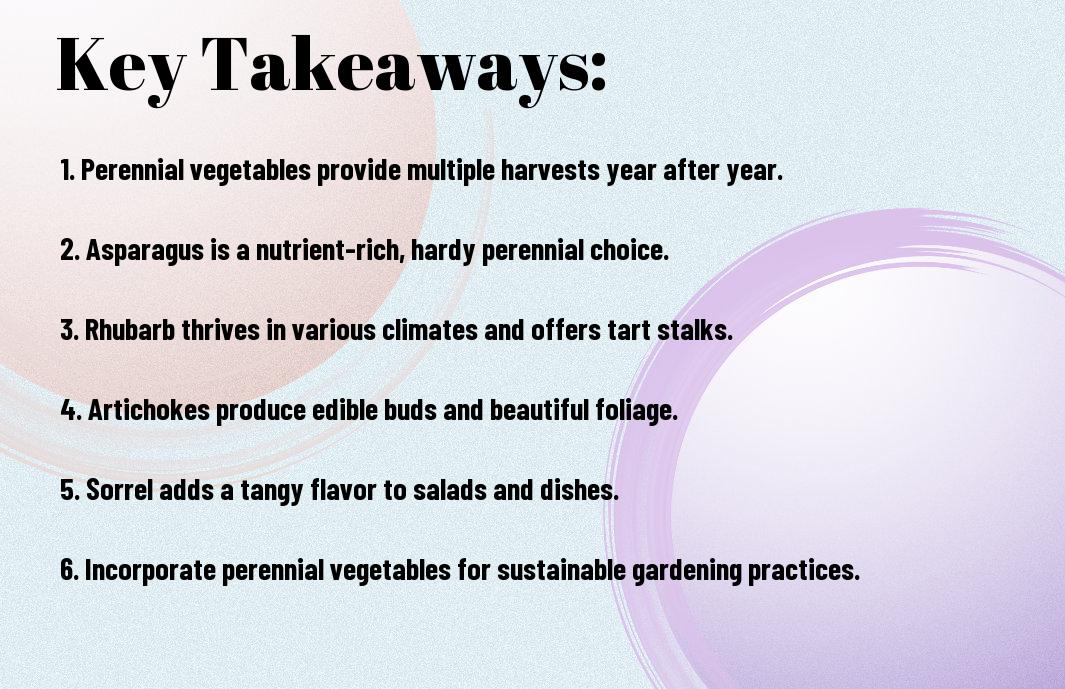
Key Takeaways:

To achieve long-term harvests from perennial plants, consider the following points:

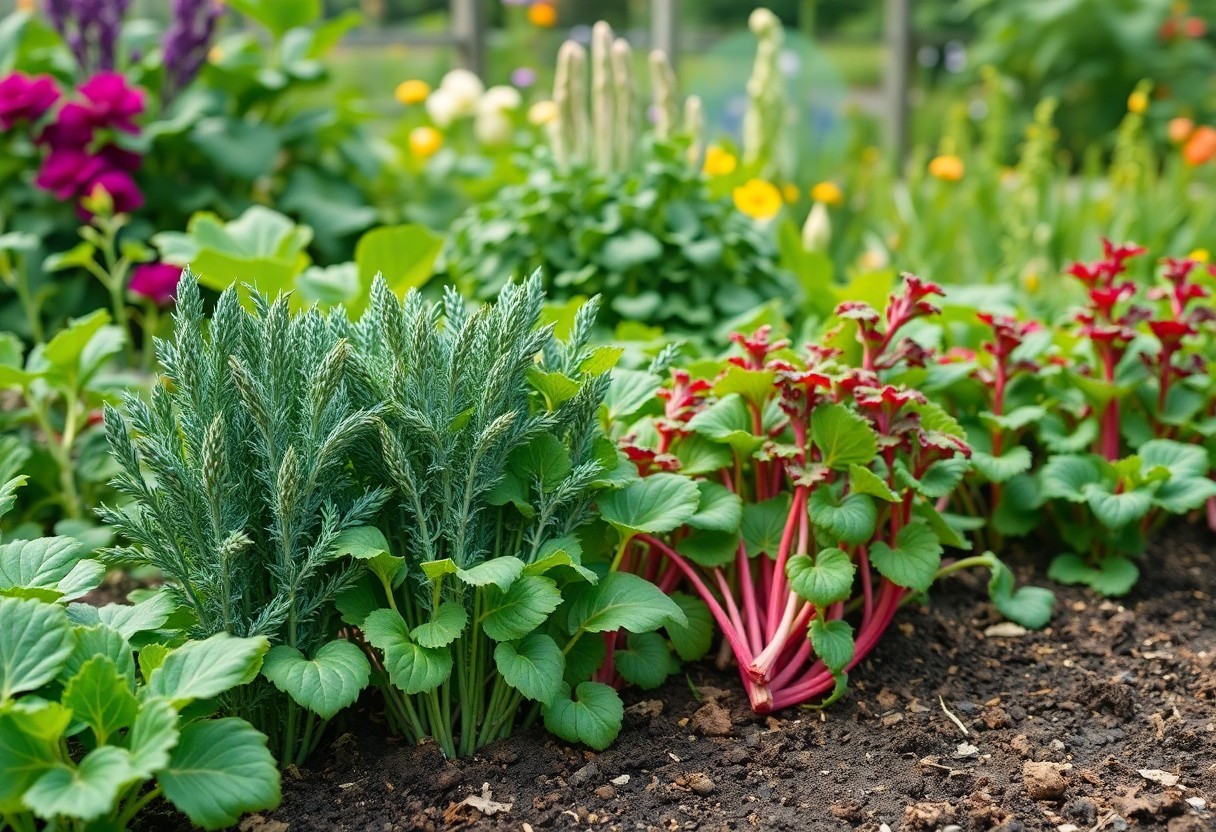
  • Invest in low-maintenance perennials like asparagus, rhubarb, and artichokes, which can thrive for many years with minimal care and provide a continuous yield of fresh produce.
  • Choose drought-tolerant plants such as sunchokes and ground nuts, which can survive with minimal watering and still produce an abundance of tubers and roots.
  • Consider diverse vegetables like garlic, walking onions, and perennial kale, which offer a range of flavors and textures to add variety to your long-term harvests and keep your diet interesting.

Benefits of Perennial Vegetables

A long-term harvest is just the beginning of the advantages of growing perennial vegetables, as you will soon discover the many benefits they bring to your garden and table.

Less Maintenance

With fewer demands on your time and resources, perennial vegetables allow you to enjoy a bountiful harvest while minimizing your workload, giving you more time to appreciate the simple joys of gardening.

Continuous Harvests

Along with the initial harvest, perennial vegetables will continue to produce for years to come, providing you with a steady supply of fresh, nutritious food and the satisfaction of watching your garden flourish.

Also, as you continue to harvest your perennial vegetables, you will notice the improvement in soil quality and the overall health of your garden, as these plants work to enrich the earth and attract beneficial insects, creating a thriving ecosystem that will sustain you for seasons to come.

Top Perennial Vegetable Choices

While planning your garden, consider exploring 100+ Perennial Vegetables, and how they can transform your garden into a thriving oasis. This will help you discover the perfect fit for your space and needs.

Asparagus and Rhubarb

Between the many options, asparagus and rhubarb stand out as excellent perennial vegetable choices, offering years of delicious harvests with proper care and maintenance, allowing you to enjoy your labor’s fruits for a long time.

Artichokes and Sunchokes

Below the surface, artichokes and sunchokes provide a unique opportunity for you to cultivate a bountiful harvest, as they are relatively low-maintenance and can thrive in a variety of conditions, making them perfect for your garden.

At the heart of a permaculture design, artichokes and sunchokes can be used to create a thriving and diverse ecosystem, allowing you to grow a wide range of plants together, and as you explore these options, you’ll find that they can bring a new level of excitement and variety to your garden, enabling you to experiment with new recipes and flavors, and enjoy the process of nurturing your own food.

Planting and Care

Your perennial vegetables will thrive with proper attention, and by following a few simple steps, you can enjoy a bountiful harvest for years to come.

Soil Preparation

Adeptly preparing your soil is important, as it will provide the foundation for your perennial vegetables to grow and flourish, so take the time to loosen and enrich the earth before planting.

Watering and Mulching

Forget not to water your perennial vegetables regularly, and apply a layer of mulch to retain moisture and suppress weeds, allowing your plants to grow strong and healthy.

Also, as you tend to your perennial vegetables, you will find that watering and mulching become second nature, and your garden will begin to feel like a natural extension of yourself, with each plant thriving under your care, and you will enjoy the simple joy of nurturing and watching them grow, season after season.

Managing Pests and Diseases

After establishing your perennial vegetable garden, you’ll want to keep a watchful eye out for pests and diseases. You can find valuable advice from experienced gardeners at Perennial vegetables : r/vegetablegardening, where you can learn from others and share your own experiences.

Organic Pest Control

Controlling pests naturally is necessary for the health of your garden. You can use simple methods like hand-picking, crop rotation, and introducing beneficial insects to keep pests at bay, ensuring your perennial vegetables thrive.

Common Diseases to Watch For

Among the most common issues you’ll face are fungal infections and root rot. Keep an eye out for signs of disease, and take action promptly to prevent their spread.

A closer look at common diseases like powdery mildew and leaf spot will help you understand how to prevent and treat them, allowing you to enjoy a bountiful harvest from your perennial vegetable garden for years to come, as you nurture and care for the natural world around you.

Extending the Harvest Season

Unlike annuals, perennials allow you to enjoy a longer harvest season, as they come back year after year. You can expect to harvest your perennial vegetables for months, and with proper care, they will continue to thrive in your garden.

Succession Planting

Against the notion that you must plant all your vegetables at once, succession planting allows you to stagger your plantings, ensuring a continuous harvest. You can plant small batches of vegetables every few weeks, giving you a steady supply of fresh produce.

Cold Frame Gardening

Planting your perennials in a cold frame can extend your harvest season even further. You can start planting earlier in the spring and continue harvesting later into the fall, giving you a longer period to enjoy your favorite vegetables.

Gardening with cold frames is a great way to get a head start on the growing season. You can use cold frames to protect your perennials from harsh weather conditions, such as frost and extreme temperatures, allowing you to harvest your vegetables for a longer period. As you tend to your cold frame, you’ll find that your perennial vegetables will thrive, providing you with a bountiful harvest for months to come.

Tips for a Successful Perennial Garden

For a thriving perennial garden, consider the following tips:

  • choose the right plants
  • prepare the soil

. Assume that with proper care, your garden will flourish.

Crop Rotation

Along with careful planning, you can create a balanced ecosystem by rotating your crops to maintain soil health and prevent pests and diseases.

Companionship Planting

Around your perennial vegetables, you can plant complementary species to enhance growth and flavor, creating a diverse and resilient garden.

Perennial vegetables benefit from companionship planting, as you can observe how different species interact and support each other, allowing you to create a harmonious and thriving garden that brings you joy and abundance.

Final Words

Summing up, you now have the knowledge to cultivate a thriving garden with the best perennial vegetables for long-term harvests. As you initiate on this journey, you’ll find that your garden will flourish with minimal maintenance. For more inspiration, visit 12 Perennial Vegetables That Grow Back Each Year to discover the simplicity and joy of growing your own food, and watch your garden become a haven of abundance and beauty, year after year, in your own backyard.

FAQ

Q: What are the best perennial vegetables for long-term harvests in temperate climates?

A: Some of the best perennial vegetables for long-term harvests in temperate climates include asparagus, rhubarb, artichokes, and sorrel. These plants are perfect for gardeners who want to minimize annual planting and maintenance, as they come back year after year, providing fresh produce with minimal effort. Asparagus, for example, can produce for up to 20 years, while rhubarb can thrive for 10 to 15 years with proper care.

Q: How do I choose the right perennial vegetables for my garden based on the climate and soil type?

A: When opting for perennial vegetables, it’s vital to consider your local climate, soil type, and the amount of sunlight your garden receives. For instance, artichokes prefer well-draining soil and full sun, making them ideal for gardens with these conditions. Meanwhile, sunchokes (also known as Jerusalem artichokes) are more adaptable and can thrive in a variety of soils and sunlight conditions. Understanding the specific needs of each perennial vegetable will help you make informed decisions for a successful and bountiful harvest.

Q: What kind of maintenance do perennial vegetables require to ensure long-term productivity?

A: Perennial vegetables generally require less maintenance than annuals but still need some care to ensure long-term productivity. This includes regular watering, especially during droughts, and fertilizing annually to replenish soil nutrients. Mulching around the plants can help retain moisture, suppress weeds, and regulate soil temperature. Pruning or dividing the plants periodically is also necessary to maintain their health and encourage new growth. For example, asparagus beds should be fertilized in early spring and pruned in late winter to promote healthy spears.

Q: Can perennial vegetables be grown in containers, and if so, what are the best options for container gardens?

A: Yes, many perennial vegetables can be grown in containers, provided the containers are large enough to accommodate the root system of the plants and have good drainage. Rhubarb and sorrel are excellent choices for container gardens because they are relatively compact and can thrive in deep pots. Sunchokes and garlic are also good options, as they have a smaller footprint and can tolerate the confines of a container. When growing perennial vegetables in containers, ensure the soil is well-draining and fertilize regularly to support plant health and productivity.

Q: How can I incorporate perennial vegetables into a permaculture or sustainable garden design to maximize biodiversity and reduce maintenance?

A: Incorporating perennial vegetables into a permaculture or sustainable garden design involves choosing plants that work well together and with other elements of the garden ecosystem. For example, planting comfrey near perennial vegetables can provide a natural fertilizer source, as comfrey acts as a nutrient accumulator. Similarly, combining perennial vegetables with fruit trees or shrubs can create a polyculture that enhances biodiversity and reduces pest and disease issues. By selecting perennial vegetables that fit your climate and soil, and integrating them thoughtfully into your garden design, you can create a sustainable and resilient food system that minimizes external inputs and maximizes long-term harvests.

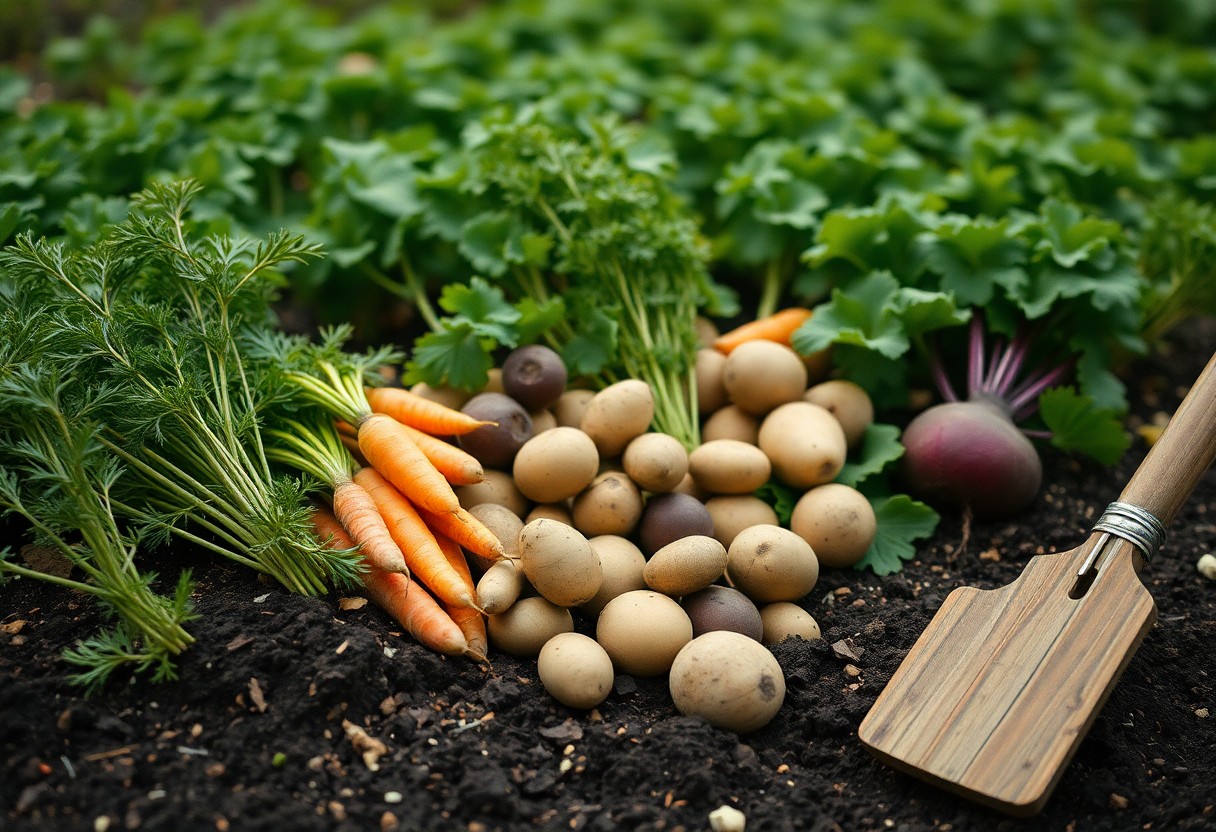
The Best Tips for Growing Root Vegetables

As you begin on your journey to cultivate a thriving garden, you’ll discover the joy of growing your own root vegetables. With a little patience and practice, you can harvest a bounty of delicious, nutritious produce right in your own backyard. To get started, you can learn the basics of How to Grow Root Vegetables in Your Garden – 2024, and then explore the simple, yet effective techniques outlined in this article to take your gardening skills to the next level and enjoy the rewards of your labor.

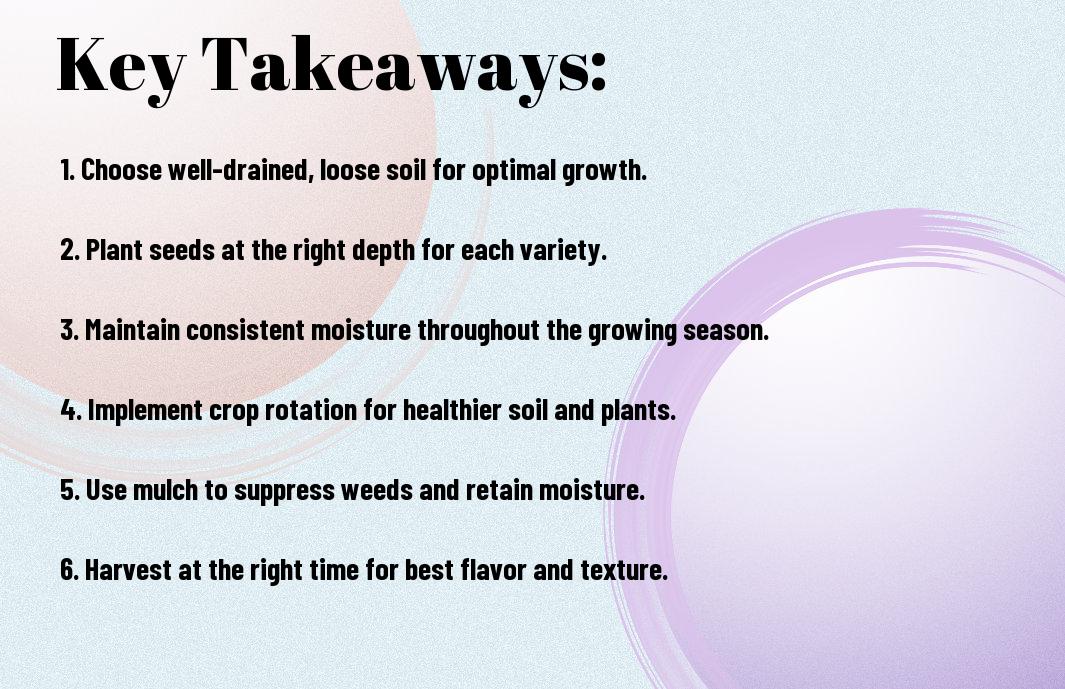
Key Takeaways:

To achieve success in growing root vegetables, consider the following points:

  • Choose a location with full sun to partial shade to promote healthy growth and development of your root vegetables.
  • Prepare the soil with organic matter and ensure it has a loose structure to allow roots to grow deep and evenly.
  • Keep the soil consistently moist but not waterlogged, as this can lead to rot and other problems, and ensure a balanced fertilizer application to support root development.

Choosing the Right Root Vegetables

While selecting the right root vegetables, you’ll want to think about what will thrive in your garden. Consider the space you have and the climate you’re in, as these factors will greatly impact your harvest.

Selecting Varieties for Your Climate

Above all, you should choose varieties that are well-suited to your region’s temperature and moisture levels. This will ensure a healthy and abundant harvest, and make the growing process much easier for you.

Considering factors like Soil and Season

Alike other gardening tasks, you need to think about the specifics of your garden when choosing root vegetables. You should consider:

  • the type of soil you have
  • the time of year you’re planting

Perceiving these factors will help you make informed decisions about which root vegetables to grow.

Factors such as soil quality, sunlight, and water availability will all impact the success of your root vegetable garden. You should consider:

  • the pH level of your soil
  • the amount of sunlight your garden receives
  • the time of year you’re planting

Perceiving these factors will help you create a thriving and diverse garden, full of delicious root vegetables for you to enjoy.

Preparing the Soil

Assuming you want to grow healthy root vegetables, you’ll need to start with well-prepared soil. This involves loosening the soil to a depth of about 12 inches to allow roots to grow freely. You can use a fork or tiller to loosen the soil, and then add organic matter like compost or manure to improve its structure and fertility.

Testing and Amending Soil Quality

Above all, it’s crucial to test your soil to determine its pH level and nutrient content. You can purchase a soil testing kit or send a sample to a lab for analysis. Based on the results, you can amend your soil with lime, fertilizer, or other additives to create a balanced and fertile growing medium.

Creating a Suitable Environment for Root Growth

Across your garden bed, you’ll want to create a smooth, even surface for roots to grow. You can use a rake to remove any debris or stones, and then firm the soil gently to prevent settling. This will help your root vegetables grow straight and true, rather than becoming deformed or forked.

The key to creating a suitable environment for root growth is to pay attention to the details. You’ll want to ensure that your soil is consistently moist, but not waterlogged, as this can lead to rot and other problems. You can also use mulch or cover crops to retain moisture and suppress weeds, giving your root vegetables the best chance to thrive. As you work the soil, think about the roots growing beneath your feet, and take pleasure in providing them with the conditions they need to flourish. By doing so, you’ll be rewarded with a bountiful harvest of delicious and nutritious root vegetables.

Planting and Spacing

After preparing your soil, you’re ready to plant your root vegetables. For a comprehensive guide, check out The Only Root Vegetables Guide You’ll Ever Need to ensure you’re on the right track. By following a few simple steps, you’ll be on your way to a successful harvest.

Techniques for Sowing Seeds and Seedlings

Similar to seedlings, young roots need careful handling when being transplanted into your garden. You’ll want to sow your seeds at the right depth and water them gently to avoid washing away the tiny roots.

Optimal Spacing for Healthy Root Development

Similar to seedlings, your root vegetables will benefit from having enough space to grow. You’ll want to leave enough room between each plant to allow for proper air circulation and growth, giving your roots the best chance to develop.

This optimal spacing will also help prevent disease and pests from spreading, giving you a healthier and more bountiful harvest. As you plant, consider the mature size of your roots and leave enough space for them to reach their full potential, and with a little patience, you’ll be enjoying your delicious homegrown root vegetables in no time.

Watering and Care

Not all root vegetables require the same level of care, but they all need proper watering to thrive. You’ll want to keep the soil consistently moist, especially during the first few weeks after planting.

Providing Adequate Moisture and Nutrients

Among the most important things you can do for your root vegetables is provide them with adequate moisture and nutrients. You can achieve this by watering them deeply and adding organic matter like compost to the soil.

Managing Common Pests and Diseases

Manipulating the environment to prevent pests and diseases is key to growing healthy root vegetables. You can start by rotating your crops and removing any infected plants to prevent the spread of disease.

Pests like aphids and slugs can be a problem for root vegetables, but you can manage them by using natural methods like introducing beneficial insects or spraying soapy water on the affected areas. By taking these steps, you’ll be able to enjoy a bountiful harvest of delicious and healthy root vegetables from your garden.

Mulching and Maintenance

All root vegetables require some level of care to thrive. You will need to mulch and maintain your soil to create an ideal environment for your roots to grow.

Retaining Moisture and Suppressing Weeds

Retaining the right amount of moisture in your soil is vital for healthy root growth. You can achieve this by applying a thick layer of organic mulch, which will also help suppress weeds that compete with your roots for water and nutrients.

Regular Tasks for a Healthy Root Crop

Any gardener knows that regular tasks are necessary to keep your root crop healthy. You should regularly check your soil moisture, remove weeds, and inspect your roots for signs of disease or pests.

Further to these tasks, you will also need to ensure your soil is well-aerated and loose, allowing your roots to grow freely. As you tend to your roots, you will begin to notice the subtle signs of a healthy crop, and with patience and dedication, you will be rewarded with a bountiful harvest of delicious and nutritious root vegetables, all from your own garden, grown with your own care and attention.

Harvesting and Storage

Many root vegetables can be left in the ground until you’re ready to use them, but it’s important to harvest them before they become too old.

Timing and Techniques for Optimal Flavor

Technically, the best time to harvest root vegetables is when they’re at their peak flavor and texture, which is usually in the fall or early spring.

Tips for Storing and Preserving Root Vegetables

By utilizing proper storage methods, you can enjoy your root vegetables year-round:

  • keep them in a cool, dark place
  • store them in a container with good ventilation

After harvesting and storing your root vegetables, you’ll be able to savor their flavor and texture for months to come.

Even with proper storage, root vegetables will eventually go bad, but you can extend their shelf life by following a few simple tips:

  • check on them regularly for signs of spoilage
  • store them in a way that allows for air circulation

After taking the time to properly store and preserve your root vegetables, you’ll be rewarded with a bounty of delicious, homegrown produce.

Final Words

Taking this into account, you now have the knowledge to grow your own delicious root vegetables. You’ve learned the best tips to cultivate a thriving garden, and with patience and practice, your harvest will flourish. As you tend to your garden, you’ll find joy in the simple act of nurturing your own food, and your efforts will be rewarded with a bountiful yield, allowing you to enjoy the fruits of your labor in your own backyard.

FAQ

Q: What are the best conditions for growing root vegetables?

A: Root vegetables such as carrots, beets, and potatoes prefer well-draining, loose soil with a pH between 6.0 and 7.0. They also require full sun to partial shade and consistent moisture, especially when they are producing roots. Additionally, the soil should be free of rocks and debris to allow the roots to grow straight and unobstructed.

Q: How deep should I plant root vegetable seeds?

A: The depth at which you plant root vegetable seeds depends on the type of vegetable. For example, carrot seeds should be planted about ¼ inch deep, while beet seeds can be planted about 1 inch deep. It’s also important to sow the seeds thinly and evenly, as overcrowding can lead to deformities and poor growth. You can check the specific planting depth for each type of root vegetable on the seed package or consult with a gardening expert.

Q: How often should I water root vegetables?

A: Root vegetables need consistent moisture, especially when they are producing roots. The soil should be kept moist but not waterlogged, as this can lead to rot and other problems. Aim to provide about 1-2 inches of water per week, either from rainfall or irrigation. You can also mulch around the plants to help retain moisture and suppress weeds.

Q: Can I grow root vegetables in containers?

A: Yes, you can grow root vegetables in containers, but you’ll need to choose a container that is deep enough to accommodate the roots of the plants. For example, a container that is at least 6-8 inches deep is suitable for growing carrots and beets. Make sure the container has good drainage holes to prevent waterlogged soil, and use a well-draining potting mix to prevent rot. You’ll also need to provide enough space for the plants to grow, so choose a container that is at least 12-18 inches wide.

Q: How do I know when my root vegetables are ready to harvest?

A: The timing of harvest depends on the type of root vegetable and the variety. For example, baby carrots can be harvested as early as 50 days after sowing, while maincrop carrots take around 70 days. You can check the harvest time on the seed package or consult with a gardening expert. You can also check for readiness by gently digging around the plants with a fork, being careful not to damage the roots. For example, if you’re growing beets, you can harvest them when the roots are between 1-3 inches in diameter, depending on the variety.

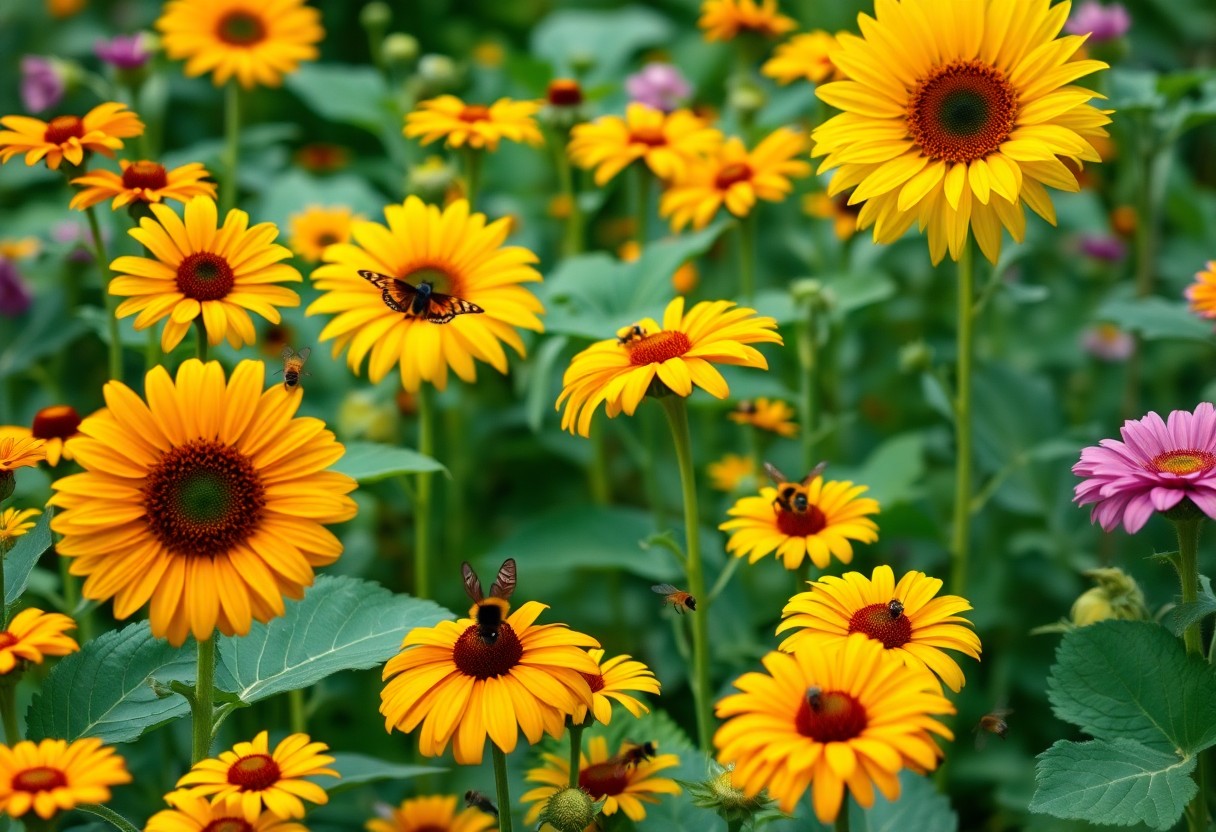
How to Grow Pollinator-Friendly Vegetables

As you tend to your garden, you have the power to create a haven for pollinators. By choosing the right vegetables, you can attract these vital creatures and support the health of your local ecosystem. Your garden can become a thriving oasis, teeming with life and color, as you cultivate a variety of pollinator-friendly vegetables. You will learn how to make informed choices to create a welcoming space for these important visitors, and in doing so, you will be contributing to a larger movement to protect the environment.

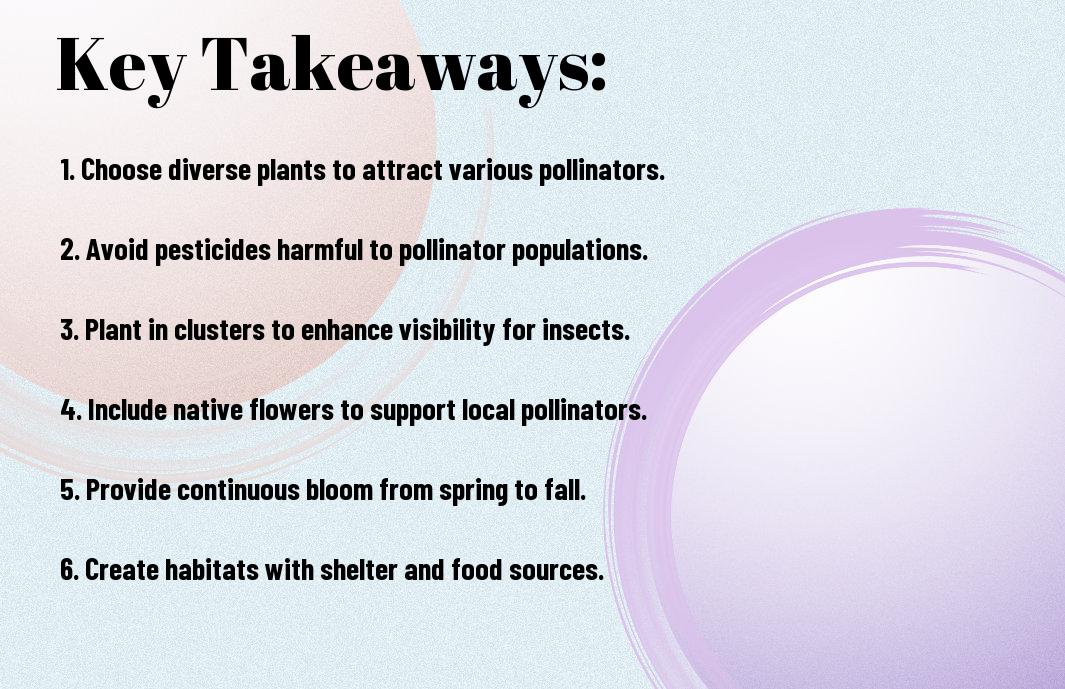
Key Takeaways:

To grow pollinator-friendly vegetables, consider the following points:

  • Choose varieties of vegetables that are rich in nectar and pollen, such as squash, cucumbers, and carrots, which attract a wide range of pollinators like bees and butterflies.
  • Plant a diverse selection of vegetables that bloom at different times to provide a constant source of food for pollinators throughout the growing season.
  • Use organic and sustainable gardening practices, such as avoiding pesticides and herbicides, and incorporating compost and mulch to create a healthy and thriving garden ecosystem that supports pollinator health.

Choosing Pollinator-Friendly Vegetables

While planning your garden, consider the types of vegetables that will attract pollinators. You can find a list of Bee Friendly Fruit And Vegetables: Flowering Food Plants For Bees to guide your selection.

Selecting Vegetable Varieties

To create a pollinator-friendly garden, you should choose vegetable varieties that produce flowers, as these will attract bees and other pollinators to your garden, supporting the health of your vegetables.

Native Vegetables for Local Pollinators

At the heart of a thriving pollinator garden are native vegetables that provide a source of food for local pollinators, and you can choose varieties that are well-suited to your region.

It is especially beneficial to select native vegetables that are naturally attractive to local pollinators, as these will help support the local ecosystem and provide a bounty of produce for you to enjoy, and by choosing these varieties, you are contributing to the preservation of biodiversity in your area.

Preparing the Soil

The foundation of a thriving pollinator-friendly vegetable garden begins with the soil. You’ll want to assess your soil type and consider its potential to support the complex relationships between plants, pollinators, and microorganisms.

Soil Composition for Healthy Vegetables

Along with understanding your soil’s pH level, you should also consider its composition, as this will affect the availability of nutrients for your vegetables. You can test your soil to determine its makeup and make adjustments as needed to create a balanced environment.

Adding Organic Matter for Pollinator Health

The addition of organic matter, such as compost or well-rotted manure, will help to support the health of your soil and the pollinators that visit your garden. You can incorporate these materials into your soil to create a welcoming environment for beneficial microorganisms and insects.

But as you add organic matter to your soil, you’ll also be supporting the broader ecosystem that relies on your garden. By creating a rich, diverse soil environment, you’ll be providing a foundation for a thriving web of life, from the tiniest microbe to the busiest bee, and ultimately, to the health and productivity of your pollinator-friendly vegetables.

Planting and Maintenance

For a thriving pollinator-friendly vegetable garden, you’ll want to focus on creating an environment that attracts and supports these beneficial insects. This involves selecting the right plants, planting them at the optimal time, and maintaining your garden with their needs in mind.

Planting Techniques for Maximum Pollination

Any gardener knows that the way you plant your vegetables can impact their ability to attract pollinators. You can maximize pollination by planting a diverse range of vegetables that bloom at different times, ensuring a constant source of nectar and pollen for your pollinator friends.

Watering and Mulching for Healthy Growth

Any effective garden maintenance plan includes proper watering and mulching techniques. You can help your pollinator-friendly vegetables thrive by watering them deeply but infrequently, and adding a layer of organic mulch to retain moisture and suppress weeds.

Further attention to the specifics of watering and mulching will help you refine your approach. As you water your garden, you’ll want to avoid getting the foliage wet, instead opting for soaker hoses or gentle irrigation methods that deliver water directly to the roots. Additionally, your choice of mulch can have a significant impact, with options like straw, bark chips, or leaves providing a nutrient-rich habitat for your pollinators as they break down over time.

Creating a Pollinator-Friendly Garden

All gardening efforts begin with a well-designed plan, and creating a pollinator-friendly garden is no exception. You will want to consider the specific needs of the vegetables you plan to grow and the pollinators you aim to attract.

Designing a Garden for Maximum Pollination

For maximum pollination, you should design your garden to be diverse and welcoming to a variety of pollinators, including bees, butterflies, and hummingbirds. You can achieve this by incorporating a mix of vegetables, herbs, and flowers that provide nectar and pollen.

Incorporating Native Plants and Flowers

By choosing native plants and flowers, you can create a garden that is tailored to the specific needs of local pollinators. You will be providing them with the food and shelter they need to thrive, and in return, they will help pollinate your vegetables.

Plus, native plants and flowers are often low-maintenance and drought-tolerant, making them a great choice for your garden. As you select native species, you will be supporting the local ecosystem and creating a haven for pollinators, which will in turn help your vegetables grow and flourish, allowing you to enjoy a bountiful harvest.

Managing Pests and Diseases

Once again, you’ll want to prioritize methods that promote a balanced ecosystem, rather than relying on chemical pesticides that can harm pollinators. By creating a diverse and thriving garden, you can reduce the likelihood of pest and disease issues arising in the first place.

Organic Pest Control Methods

Among the most effective approaches to managing pests is to introduce natural predators or parasites that target specific pests, allowing you to maintain a balanced ecosystem in your garden. You can also use physical barriers, crop rotation, and other organic methods to control pest populations.

Preventing Disease in Pollinator-Friendly Vegetables

About the best way to prevent disease in your pollinator-friendly vegetables is to focus on creating healthy soil and providing optimal growing conditions. You can achieve this by using compost, mulch, and other natural amendments to promote soil fertility and structure.

Managing disease in your pollinator-friendly vegetables requires a holistic approach, taking into account the entire garden ecosystem. You should monitor your plants regularly for signs of disease, and take action promptly if you notice any issues. This might involve removing infected plants, improving air circulation, or using organic fungicides to prevent the spread of disease. By taking a proactive and sustainable approach, you can help keep your pollinator-friendly vegetables healthy and thriving.

Supporting Local Pollinators

To create a thriving pollinator-friendly vegetable garden, you can learn about Pollinator-Friendly Companion Plants For Vegetables to enhance your garden’s biodiversity.

Providing Shelter and Food for Pollinators

Pollinators like bees and butterflies need your help to survive, and by planting a variety of flowers and herbs, you can provide them with the shelter and food they need to thrive in your garden.

Creating a Pollinator-Friendly Community

On your journey to creating a pollinator-friendly garden, you will be contributing to a larger effort to protect these vital creatures and preserve the health of your local ecosystem.

Creating a pollinator-friendly community starts with your own garden, where you can make a significant impact by choosing plants that attract and support pollinators, and by sharing your knowledge with others, you can inspire a collective effort to protect these vital creatures and preserve the health of your local ecosystem, and as you do so, you will be joining a growing movement of people who are working together to ensure the long-term health of our planet.

Summing up

Ultimately, as you launch on growing pollinator-friendly vegetables, you will be contributing to a healthier ecosystem. By choosing the right varieties and creating a welcoming environment, you can attract these vital creatures to your garden. Your efforts will not only boost your harvest, but also support the well-being of your local pollinators, fostering a balanced and thriving environment for years to come.

FAQ

Q: What vegetables are best for attracting pollinators to my garden?

A: To create a pollinator-friendly garden, focus on planting a variety of vegetables that are rich in nectar and pollen, such as tomatoes, peppers, cucumbers, squash, and beans. These vegetables are not only delicious but also attract a range of pollinators, including bees, butterflies, and hummingbirds. Consider incorporating a mix of annuals and perennials, and choose open-pollinated or heirloom varieties whenever possible to support genetic diversity.

Q: How can I design my garden to support pollinators?

A: To design a pollinator-friendly garden, consider creating a diverse and dynamic landscape that includes a mix of vegetables, herbs, and flowers. Plant a variety of vegetables that bloom at different times to provide a constant source of nectar and pollen throughout the growing season. Incorporate native plants, shrubs, and trees that provide habitat and food for pollinators, and consider adding a source of water, such as a shallow dish or birdbath, to support pollinators’ hydration needs.

Q: What role do native plants play in supporting pollinators in my vegetable garden?

A: Native plants play a vital role in supporting pollinators in your vegetable garden. These plants have co-evolved with local pollinators over time, providing a source of nectar, pollen, and host plants for caterpillars. Incorporating native plants, such as coneflower, black-eyed susan, or milkweed, into your garden can help support a range of pollinators, from bees and butterflies to hummingbirds and moths. Consider adding native plants to your garden’s borders or interspersing them among your vegetables to create a pollinator-friendly landscape.

Q: How can I minimize pesticide use in my pollinator-friendly garden?

A: To minimize pesticide use in your pollinator-friendly garden, adopt a range of integrated pest management (IPM) strategies. Start by using physical barriers, such as row covers, to prevent pests from reaching your plants. Encourage beneficial insects, such as lady beetles and lacewings, by providing food and habitat. Use organic pest control methods, such as neem oil or diatomaceous earth, and consider introducing beneficial nematodes to control soil-borne pests. If you must use pesticides, choose targeted, pollinator-safe options and apply them at times when pollinators are least active.

Q: Can I still grow pollinator-friendly vegetables in a small or urban garden?

A: Yes, you can still grow pollinator-friendly vegetables in a small or urban garden. Consider using containers or verticle gardens to make the most of limited space, and choose compact or dwarf varieties of vegetables that are well-suited to small gardens. Incorporate a range of pollinator-friendly herbs, such as basil, mint, or oregano, which can thrive in small spaces and provide a source of nectar and pollen for pollinators. Even a small garden or a few pots on a balcony can provide a haven for pollinators and support the local ecosystem.

How to Grow Vegetables Indoors All Year

You can enjoy fresh, homegrown vegetables year-round, and it’s easier than you think. With a little know-how, you can turn your indoor space into a thriving garden. If you’re interested in learning more about Growing Vegetables Indoors 🥗 Under LED Grow Lights, you’re on the right track. In this guide, you’ll learn how to get started and keep your indoor garden flourishing all year round, with your own two hands and a bit of patience.

Key Takeaways:

To successfully grow vegetables indoors all year, consider the following points:

  • Utilize Artificial Lighting to provide your plants with the necessary light spectrum and intensity for healthy growth, especially during periods with limited natural light.
  • Control the Temperature and Humidity levels in your indoor growing space to create an optimal environment for your vegetables to thrive, as different plants have unique requirements.
  • Choose the right Growing Medium, such as soil or hydroponics, and ensure it receives adequate Nutrients and Water to support the healthy development of your indoor vegetables.

Choosing the Right Vegetables

While growing vegetables indoors, you’ll want to select varieties that thrive in controlled environments. Look for compact or dwarf varieties, and consider the mature size of the plants to ensure they fit in your space.

Selecting Varieties for Indoor Growing

The key to successful indoor gardening is choosing varieties that are well-suited for indoor conditions. You’ll find many options, such as leafy greens, herbs, and cherry tomatoes, that are perfect for growing indoors.

Considering Climate and Lighting Requirements

By evaluating the specific needs of each variety, you can create an ideal environment for your plants. You’ll need to consider the temperature, humidity, and lighting requirements for each type of vegetable to ensure they grow well indoors.

Indoor gardens require careful consideration of climate and lighting conditions. You can use grow lights to supplement natural light, and adjust the temperature and humidity levels to meet the needs of your plants, allowing you to grow a wide range of vegetables year-round in the comfort of your own home.

Setting Up Your Indoor Garden

There’s no need for a large outdoor space to grow your own vegetables, as you can easily set up an indoor garden in your home. You can use a variety of containers, such as pots or planters, and place them on a sunny windowsill or under grow lights.

Creating a Suitable Environment

Once you’ve chosen your containers, one of the most important things to consider is the temperature and humidity levels in your home, as you’ll want to create an environment that’s suitable for your plants to thrive. You’ll need to ensure that your indoor garden is in a spot that’s warm enough, but not too hot, and has adequate air circulation.

Essential Equipment and Supplies

Before you start planting, you’ll need to gather some basic equipment and supplies, such as seeds, soil, and fertilizer, which you can easily find at your local gardening store or online, and you’ll be able to get started on your indoor gardening journey.

But as you begin to gather your equipment and supplies, you’ll also want to think about the specific needs of the plants you’re growing, such as the type of soil and fertilizer they require, and you’ll need to make sure you have a good understanding of how to use these supplies to give your plants the best chance of success, and with a little practice, you’ll be harvesting fresh, delicious vegetables from your indoor garden in no time.

Planting and Maintenance

Keep your indoor garden thriving by following a few simple steps. You’ll be on your way to a bountiful harvest in no time.

Preparing the Soil and Planting Seeds

Planting seeds in well-draining soil is key to healthy growth. You’ll want to choose a potting mix that’s designed for indoor gardens and plant your seeds at the right depth.

Watering, Fertilizing, and Pruning

Along with providing your plants with sufficient light, you’ll need to water, fertilize, and prune them regularly. You’ll find that your plants will respond well to a consistent routine.

Considering the specific needs of your plants, you’ll want to water them when the soil feels dry to the touch, fertilize them with a balanced fertilizer, and prune them to encourage bushy growth and prevent legginess. As you care for your plants, you’ll start to notice the signs of healthy growth, and your indoor garden will flourish under your attention.

Managing Lighting and Temperature

To grow vegetables indoors, you’ll want to check out The Best Vegetables to Grow Indoors and How to Get Started for inspiration. Here’s a brief overview:

Lighting Temperature
Natural or artificial light 65-75°F (18-24°C)

Providing Adequate Light for Growth

Mastering the art of providing adequate light for your indoor vegetables is key. You can use natural light or artificial light to help your plants thrive.

Regulating Temperature for Optimal Conditions

Controlling the conditions in your indoor garden is vital. Here’s a breakdown of the ideal temperatures:

Vegetable Temperature
Lettuce 65-70°F (18-21°C)

Temperature control is imperative for your indoor vegetables to flourish. You can maintain the ideal temperature by using thermostats or heat mats. Here’s more information:

Temperature Range Effects on Plants
Below 60°F (15°C) Slow growth

Controlling Pests and Diseases

Unlike outdoor gardens, indoor gardens are more prone to pest and disease issues due to the controlled environment. You’ll need to keep a close eye on your plants to prevent infestations and infections.

Common Indoor Garden Pests and Solutions

Occasionally, you’ll encounter pests like spider mites, mealybugs, and aphids in your indoor garden. You can use neem oil, insecticidal soap, or horticultural oil to control these pests and keep your plants healthy.

Preventing and Treating Diseases

Besides maintaining good air circulation and hygiene, you should also monitor your plants for signs of disease, such as yellowing leaves or black spots. You can treat fungal diseases with fungicides and bacterial diseases with bactericides.

To prevent the spread of disease, you should isolate infected plants, remove affected areas, and improve air circulation around your plants. You can also use organic treatments like copper-based products or sulfur to control fungal diseases, and ensure your plants are getting enough nutrients to stay healthy and resilient, so you can enjoy a thriving indoor garden all year round.

Harvesting and Enjoying

Now that your vegetables have grown, it’s time to enjoy the fruits of your labor. This chapter will guide you through the process of harvesting and using your freshly grown vegetables.

Knowing When to Harvest Your Crops

With your crops mature and ready, check for signs of readiness, such as color, texture, and size, to determine the optimal harvest time.

Tips for Using Your Freshly Grown Vegetables

At this stage, you can use your vegetables in a variety of dishes, including:

  • salads
  • soups
  • stir-fries
  • Perceiving the freshness and flavor of your homegrown vegetables will elevate your cooking to a new level.

    Another aspect of using your freshly grown vegetables is experimenting with different recipes and preservation methods, such as:

    • freezing
    • canning
    • pickling
    • Perceiving the joy of eating your own homegrown vegetables all year round will make the effort of growing them worthwhile.

      Final Words

      On the whole, you’ve now got the basics to grow your own vegetables indoors all year round. With your new skills, you can enjoy fresh produce right in your own home, no matter the season. Your indoor garden will thrive with proper care, and you’ll be harvesting delicious vegetables in no time, feeling proud of your handy work and the bounty you’ve created.

      FAQ

      Q: What are the basic requirements for growing vegetables indoors all year round?

      A: To grow vegetables indoors, you’ll need a few basic elements: a container or pot with good drainage, a high-quality potting soil, and a reliable source of light, such as grow lights or a sunny windowsill. You’ll also need to maintain a consistent temperature between 65-75°F (18-24°C) and provide adequate water and nutrients for your plants. With these elements in place, you can successfully grow a variety of vegetables indoors year-round.

      Q: What types of vegetables are best suited for indoor growing?

      A: Leafy greens like lettuce, kale, and spinach are ideal for indoor growing, as they require minimal space and can thrive in low-light conditions. Other good options include cherry tomatoes, herbs like basil and cilantro, and microgreens like radish and arugula. These vegetables are relatively small, produce quickly, and can tolerate the controlled environment of an indoor space.

      Q: How do I provide sufficient light for my indoor vegetable plants?

      A: If you don’t have a sunny windowsill, you can use artificial lighting to provide the necessary light for your plants. LED grow lights are a popular option, as they are energy-efficient and emit minimal heat. Place the lights 6-12 inches above your plants and adjust the spectrum to match the specific needs of your vegetables. Aim to provide 12-14 hours of light per day to simulate a natural day-night cycle.

      Q: How often should I water and fertilize my indoor vegetable plants?

      A: The frequency of watering and fertilizing will depend on the specific needs of your plants, as well as the humidity and temperature of your indoor space. As a general rule, water your plants when the top inch of soil feels dry to the touch, and fertilize them once a week with a balanced, water-soluble fertilizer. You can also use a moisture meter to monitor the soil moisture levels and adjust your watering schedule accordingly.

      Q: Can I grow vegetables indoors without a lot of space?

      A: Yes, you can grow vegetables indoors even with limited space. Consider using vertical gardening systems, such as trellises or wall-mounted planters, to maximize your space. You can also use compact or dwarf varieties of vegetables that are bred specifically for small spaces. Additionally, you can try using indoor gardening systems like aeroponic or hydroponic systems, which can be designed to fit into small areas and provide optimal growing conditions for your plants.

Opaye Skip to content