plants

How to Grow Plants That Thrive in Shade

Key Takeaways:

To successfully grow plants in shade, consider the following points:

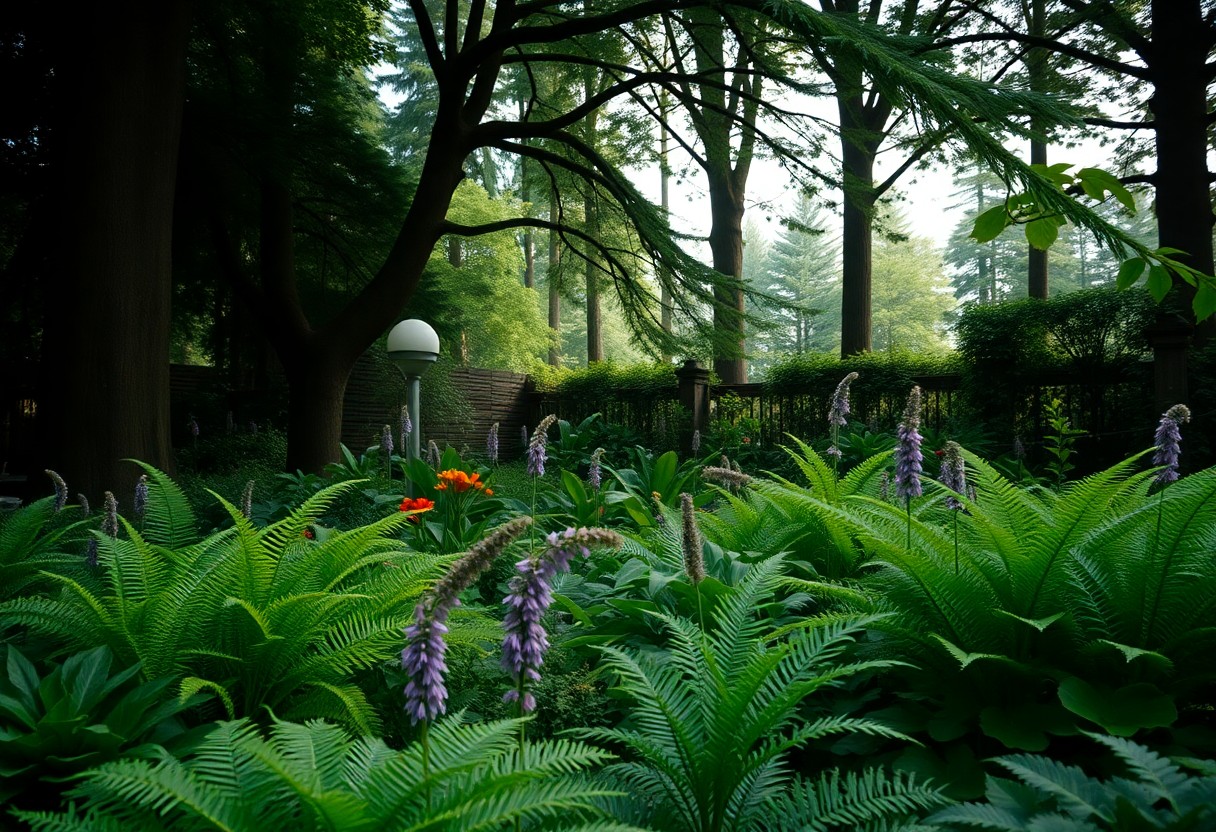
  • Choose plants that are natured to thrive in low-light conditions, such as ferns and hostas, which can add texture and interest to shady areas.
  • Soil quality is vital for shade plants, as it needs to be rich in organic matter to support healthy root growth and Retention of moisture.
  • Provide the right amount of water and nutrients to your shade plants, as overwatering can be detrimental to their health, and a balanced fertilizer can promote healthy growth and development.

    Choosing the Right Shade Plants

    Your shade garden will flourish with the right plants, and you can find inspiration at Five Tips for Planting in Shade. This will guide you in selecting plants that thrive in low-light conditions.

    Native Plants for Shade

    The native plants in your area are often the best choice for shade gardens, as they have adapted to the local climate and soil conditions, making them easier to care for and more likely to thrive.

    Exotic Plants for Shade

    For a unique and interesting shade garden, consider exotic plants that add a touch of the unusual to your outdoor space, with their striking foliage and vibrant colors.

    To create a stunning exotic shade garden, you will want to select plants that not only tolerate shade but also add texture and interest to your garden, such as ferns, peace lilies, or bromeliads, and with the right care, these plants will bring beauty and life to your shade garden, allowing you to enjoy the serenity and tranquility of nature.
    Preparing the Soil

    Now that you’ve chosen the perfect shade-loving plants, it’s time to prepare the soil that will nurture their growth. You’ll want to assess the soil’s condition to create an ideal environment for your plants to thrive.

    Testing the Soil Type

    Soil composition varies greatly, and understanding your soil’s makeup is important. You can test your soil type by observing its texture, or by using a DIY testing kit to determine its pH level and nutrient content.

    Amending the Soil

    Around your plants, the soil may need adjustments to support healthy growth. You can add organic matter like compost or well-rotted manure to enhance its fertility and structure.

    Plus, as you amend your soil, consider the specific needs of your shade-loving plants. You may need to add more acidic or alkaline components, depending on the plants you’ve chosen, and you can also incorporate materials like leaf mold or peat moss to retain moisture and regulate soil temperature, allowing your plants to flourish in their shady habitat.

    Planting and Care

    Once again, you find yourself in the midst of nurturing your shade-loving plants, and it’s time to focus on the necessary steps that will make them flourish. You’ll want to create an environment that mimics their natural habitat, with careful attention to planting techniques, watering, and mulching.

    Planting Techniques

    Across the spectrum of shade-tolerant plants, you’ll discover that each variety has its unique needs, and you’ll need to adapt your planting approach accordingly, taking into account factors like soil type, moisture levels, and sunlight exposure.

    Watering and Mulching

    Between the delicate balance of hydration and drainage, you’ll need to find the perfect harmony for your shade plants, using mulch to retain moisture and regulate soil temperature, allowing your plants to thrive in their shaded surroundings.

    Among the many benefits of proper watering and mulching, you’ll notice that your plants will develop stronger roots, healthier leaves, and a more vibrant appearance, as the soil remains cool and moist, and weeds are suppressed, giving your shade-loving plants the best chance to flourish, and inviting you to bask in the serenity of your thriving shade garden.

    Lighting Considerations

    Many plants thrive in shade, and you can grow a variety of species in low-light conditions.

    Types of Shade

    You’ll encounter different types of shade, including:

    • Dappled shade
    • Partial shade
    • Full shade

    After considering your options, you can choose the best shade for your plants.

    Shade Type Description
    Dappled Shade Filtered sunlight through trees
    Partial Shade 4-6 hours of direct sunlight
    Full Shade
    Deep Shade No direct sunlight

    Supplemental Lighting

    Beneath the shade, you can provide supplemental lighting to enhance plant growth. You can use grow lights to supplement natural light, extending the growing season and increasing yields.

    Even if you have a shaded area, you can still provide your plants with the light they need to thrive. You can place grow lights near your plants, adjusting the duration and intensity of the light to meet their specific needs, and watch your plants flourish in the shade, bringing joy and beauty to your outdoor space, as you nurture and care for them.

    Common Shade Plant Problems

    All gardeners face challenges when growing plants in shade, and you are no exception. As you explore the world of shade gardening, you can find a helpful guide to fruits and vegetables that grow in shade to inform your choices.

    Pest Control

    Toward preventing pest issues, you’ll want to inspect your plants regularly, taking note of any signs of trouble, and address them promptly to keep your shade garden thriving.

    Disease Prevention

    Shade itself can be a factor in disease prevention, as some diseases thrive in moist, shady conditions, so you’ll need to take steps to ensure good air circulation and avoid overwatering your plants.

    Due to the unique conditions of shade gardens, you’ll find that disease prevention requires a thoughtful approach, considering the specific needs of your plants and the environment in which they grow, and by being mindful of these factors, you can create a healthy and thriving shade garden that brings you joy and satisfaction.

    Creative Shade Garden Designs

    Unlike traditional gardens, shade gardens offer a unique opportunity to experiment with creative designs. You can transform your shaded areas into enchanting oases, teeming with life and beauty. By selecting the right plants and incorporating natural elements, you can craft a serene atmosphere that invites contemplation and connection with nature.

    Vertical Gardens

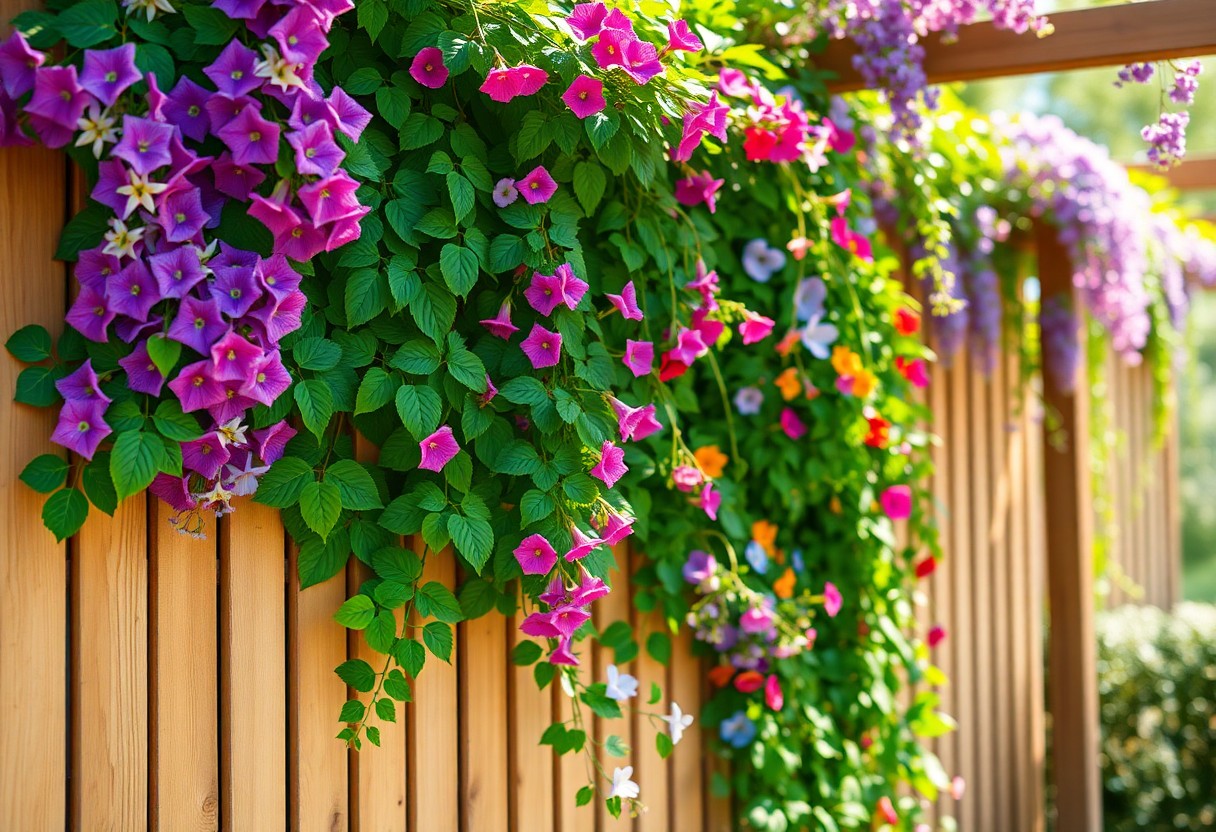
    Gardening in vertical spaces can be a great way to maximize your shade garden’s potential. You can train vines and climbing plants to ascend trellises or walls, adding depth and texture to your garden. This approach also helps to make the most of limited space, allowing you to grow more plants than you thought possible.

    Container Gardens

    About the time you start planning your container garden, you’ll discover the vast array of possibilities. You can choose containers that complement your garden’s style and select plants that thrive in shaded conditions. This flexible approach enables you to rearrange your garden as you see fit, creating a dynamic and ever-changing display.

    Even as you experiment with different container arrangements, you’ll find that your shade garden becomes a reflection of your personality and creativity. You can move containers to capture the perfect amount of shade, ensuring your plants receive the ideal amount of light. As you tend to your container garden, you’ll develop a deeper connection with the natural world and cultivate a sense of serenity in your outdoor space.
    To wrap up

    With this in mind, you can now initiate on cultivating a thriving shade garden, where your plants will flourish under the gentle canopy above. As you tend to your shade-loving flora, you’ll find solace in the serene atmosphere they create, and your connection to nature will deepen. Your efforts will be rewarded with a lush oasis, teeming with life and beauty, where you can retreat from the world and find peace.

    FAQ

    Q: What types of plants are best suited for shade gardens?

    A: Pertaining to growing plants in shade, it’s important to choose varieties that naturally thrive in low-light conditions. Some popular options include ferns, hostas, and impatiens. These plants have adapted to survive and even flourish in shady spots, making them perfect for areas with limited sunlight. Additionally, consider plants like astilbe, coleus, and creeping thyme, which add texture, color, and interest to shade gardens.

    Q: How much shade is too much shade for plants to grow?

    A: The amount of shade that’s too much for plants to grow varies depending on the specific variety. Some plants, like Chinese evergreen and pothos, can tolerate deep shade with as little as 1-2 hours of indirect sunlight per day. Others, like hydrangeas and azaleas, prefer partial shade with 4-6 hours of dappled sunlight. It’s necessary to research the specific shade requirements for each plant to ensure you’re providing the right conditions for optimal growth.

    Q: What soil conditions are necessary for shade plants to thrive?

    A: Shade plants often prefer soil that’s rich in organic matter and has good drainage. Adding compost or well-rotted manure can help improve soil structure and fertility, while also supporting the growth of beneficial microorganisms. It’s also important to maintain a consistent moisture level, as shade plants can be susceptible to root rot if the soil is too wet. A mix of peat moss, perlite, and vermiculite can help create a well-draining and fertile soil environment for shade plants.

    Q: How often should I water plants in shady areas?

    A: Plants in shady areas often require less water than those in full sun, as they’re exposed to less evaporation. However, it’s still necessary to water them regularly to keep the soil consistently moist. Check the soil daily, and water only when the top 1-2 inches of soil feels dry to the touch. Avoid getting water on the leaves to prevent fungal diseases, and instead, water at the base of the plant. During hot summer months, you may need to water more frequently, while during cooler months, you can reduce watering to once a week.

    Q: Can I use fertilizers to promote healthy growth in shade plants?

    A: Yes, fertilizers can be beneficial for shade plants, but it’s necessary to choose the right type and apply it at the right time. Use a balanced, water-soluble fertilizer (10-10-10) at half the recommended strength to avoid burning the roots. Apply fertilizer during the growing season (spring and summer) when the plants are producing new growth. Avoid fertilizing in the fall or winter, as this can promote new growth that may not have time to harden off before frost. Additionally, consider using organic fertilizers like fish emulsion or compost tea, which release nutrients slowly and promote healthy microbial activity in the soil.
The Benefits of Using Native Plants in Landscaping

As you consider your landscaping options, you’ll find that native plants offer numerous advantages. You can create a beautiful and sustainable outdoor space that requires less maintenance and supports local biodiversity. By choosing native plants, you’ll also save resources and reduce costs. For instance, you can learn about 5 Reasons Native Plants Help You Save Money and Enhance Your Landscape, making your landscaping decisions more informed and effective, tailored to your specific needs and environment.

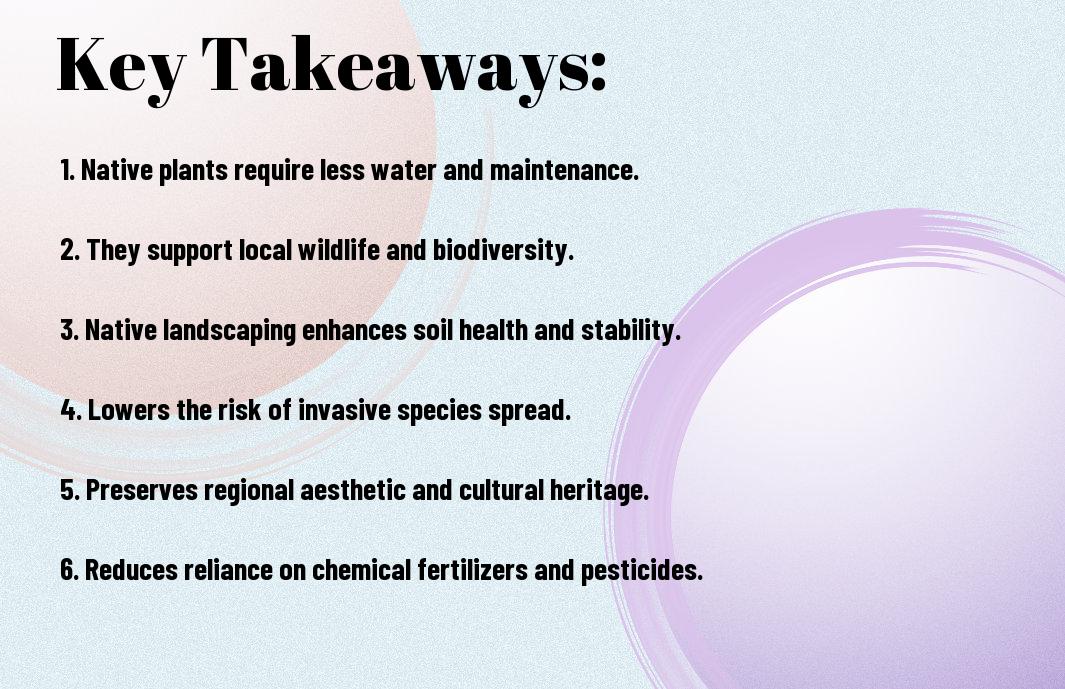
Key Takeaways:

To create an efficient and environmentally friendly landscape, consider the following points about native plants:

  • Using native plants in landscaping can help conserve water and reduce maintenance costs, as they are adapted to the local climate and soil conditions, requiring less irrigation and care.
  • Native species provide a natural source of food and habitat for local wildlife, such as pollinators, birds, and insects, promoting biodiversity and a healthy ecosystem.
  • Sustainable landscaping with native plants can also help to mitigate climate change by absorbing carbon dioxide, reducing soil erosion, and filtering pollutants from the air and water, creating a more resilient and environmentally friendly outdoor space.

Benefits of Native Plants

Before incorporating native plants into your landscaping, consider the advantages they offer. Native plants provide numerous benefits, including improved biodiversity, low maintenance, and enhanced aesthetic appeal, making them an excellent choice for your outdoor space.

Improved Biodiversity

Benefits like supporting local ecosystems and attracting native wildlife make native plants an attractive option for you. By choosing native plants, you can create a thriving ecosystem that supports a diverse range of flora and fauna.

Low Maintenance

Across various climates and soil types, native plants generally require less upkeep, allowing you to enjoy your outdoor space without excessive gardening work. You will find that native plants are more disease-resistant and require less watering.

Even when it comes to pruning and fertilizing, native plants are often easier to care for, as they have adapted to the local environment. You can spend less time tending to your garden and more time enjoying the beauty and benefits of your native plant landscape, knowing that you are supporting the local ecosystem and conserving natural resources.

Environmental Advantages

The use of native plants in landscaping offers numerous environmental benefits, allowing you to create a sustainable and eco-friendly outdoor space. By choosing native plants, you can reduce your carbon footprint and support local biodiversity, ultimately enhancing your overall landscape.

Water Conservation

To minimize water consumption, you can select native plants that are adapted to your region’s climate, requiring less irrigation and maintenance. This approach enables you to conserve water while maintaining a beautiful and thriving landscape.

Soil Erosion Prevention

At the root of a stable landscape is soil erosion prevention, which native plants help achieve through their deep root systems. You can effectively prevent soil erosion by incorporating native plants into your landscape design, protecting your property from water runoff and soil degradation.

Hence, as you consider the benefits of native plants in preventing soil erosion, you’ll find that their extensive root systems hold soil in place, allowing you to enjoy a more stable and resilient landscape, while also preserving the natural beauty of your surroundings, and you will be able to appreciate the long-term benefits of your landscaping choices.

Aesthetic Appeal

For homeowners, native plants offer a unique opportunity to enhance the beauty of your landscape. By incorporating native species, you can create a visually striking outdoor space that reflects the natural beauty of your region.

Unique Landscaping Features

Among the many benefits of native plants, their ability to add distinct character to your landscape is particularly noteworthy. You can use native plants to create unique features, such as meadows, gardens, or wildlife habitats, that set your yard apart from others.

Vibrant Colors and Textures

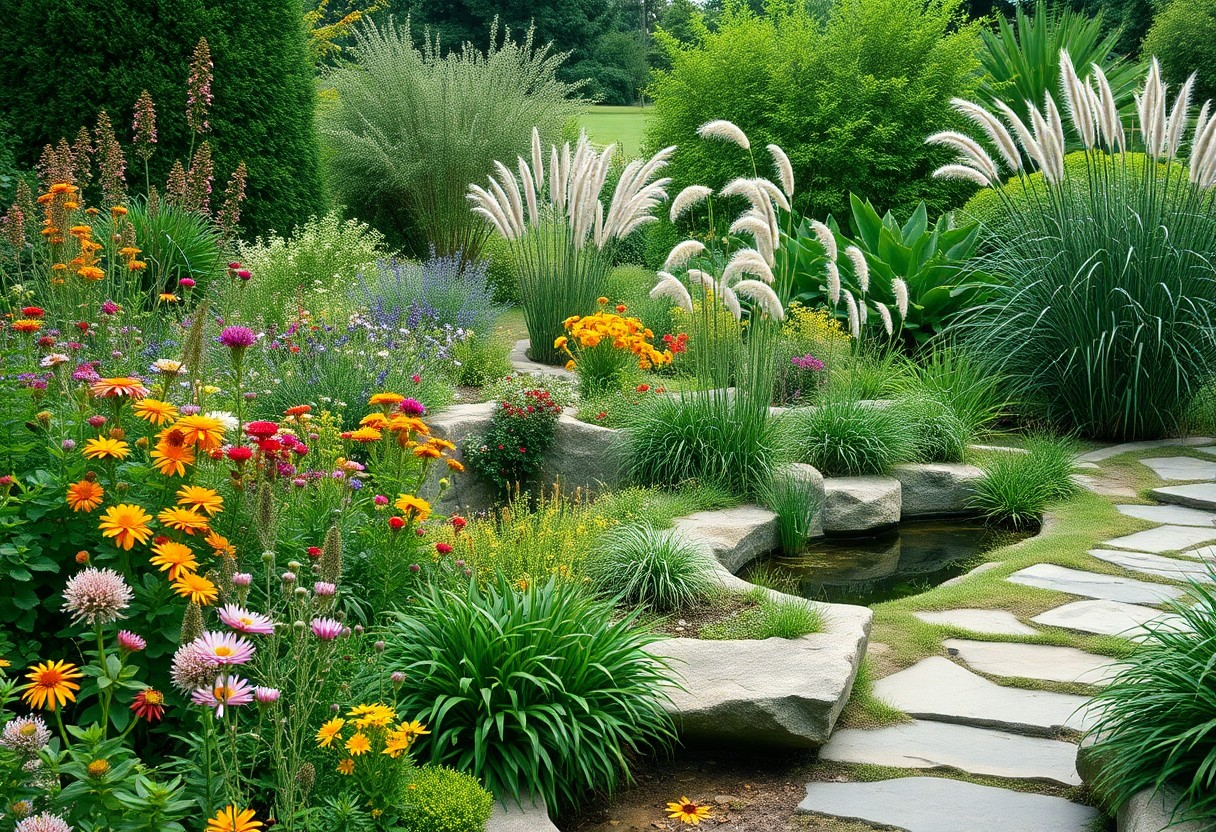
Before selecting plants for your landscape, consider the vibrant colors and textures that native species can provide. You can choose plants with striking blooms, varied foliage, or interesting seed heads to add depth and visual interest to your outdoor space.

Appeal of native plants lies in their ability to provide a dynamic display of colors and textures throughout the growing season. As you plan your landscape, consider how you can use native plants to create a stunning display of blooms, foliage, and seed heads that will attract visitors and enhance your outdoor enjoyment.

Economic Benefits

Once again, you can benefit from using native plants in your landscaping, as they offer numerous economic advantages. You can learn more about the Benefits of Native Plants and how they can save you money in the long run.

Reduced Watering Costs

The use of native plants in your landscaping can lead to reduced watering costs, as they are adapted to the local climate and require less water to thrive, saving you money on your water bill.

Increased Property Value

Behind the beauty of native plants lies a significant increase in your property value, as they enhance the aesthetic appeal of your landscape and create a unique atmosphere that attracts potential buyers.

Another advantage of increased property value is that it can lead to a higher selling price, making your investment in native plants a worthwhile decision, as you can reap the financial benefits when you decide to sell your property, and you will be able to demand a premium price due to the beautiful and low-maintenance landscape.

Choosing the Right Native Plants

After selecting native plants, you’ll want to consider various factors to ensure they thrive in your landscape. This involves assessing your local climate, soil type, and moisture levels to create an optimal environment for your plants.

Climate Considerations

Climatic conditions play a significant role in determining which native plants will flourish in your area. You should consider the average temperature, sunlight, and precipitation in your region when choosing native plants.

Soil Type and Moisture Levels

Leveling the playing field for your native plants involves understanding your soil’s characteristics, such as its pH level and nutrient content, as well as its moisture levels, to select plants that are well-suited to these conditions.

Further investigation into your soil type and moisture levels will help you determine the best native plants for your landscape. You can test your soil to determine its pH level and nutrient content, and observe the moisture levels in different areas of your yard to choose plants that will thrive in those conditions, allowing you to create a beautiful and sustainable landscape that requires minimal maintenance.

Implementation and Maintenance

All aspects of native plant landscaping require careful consideration, from initial planting to ongoing care, to ensure the success and longevity of your landscape.

Planting and Care Techniques

For optimal results, you should choose plants that are well-suited to your climate and soil type, and plant them at the right time of year to minimize stress and promote healthy growth.

Ongoing Maintenance and Upkeep

Planting native plants is just the first step; you will also need to commit to regular maintenance, including watering, pruning, and monitoring for pests and diseases, to keep your landscape thriving.

Understanding the specific needs of your native plants is key to providing the right level of care, and you will need to adjust your maintenance routine accordingly, taking into account factors such as weather patterns, soil conditions, and the unique characteristics of each plant species in your landscape, allowing you to create a beautiful and sustainable outdoor space that benefits both you and the environment.

To wrap up

To wrap up, you can enhance your outdoor space by incorporating native plants into your landscaping, which provides numerous benefits. You will not only support local biodiversity, but your landscape will also require less maintenance and care. By choosing native plants, you can create a beautiful and sustainable outdoor environment that thrives with minimal effort, allowing you to enjoy your yard while doing your part for the environment.

FAQ

Q: What are the benefits of using native plants in landscaping, and why should I consider them for my garden or yard?

A: Using native plants in landscaping offers numerous benefits. Native plants are adapted to the local climate and soil conditions, which means they require less watering, pruning, and fertilization. This leads to a significant reduction in maintenance costs and environmental impact. Additionally, native plants provide a natural habitat for local wildlife, such as birds, bees, and butterflies, which helps to support biodiversity and ecosystem health.

Q: How do native plants help with soil conservation and erosion control in landscaping projects?

A: Native plants have deep root systems that help to hold soil in place, preventing erosion and landslides. Their roots also help to improve soil structure and fertility, which reduces the need for fertilizers and other soil amendments. Furthermore, native plants help to filter rainwater and prevent runoff, which reduces the amount of pollutants that enter nearby waterways. This makes native plants an effective and sustainable solution for soil conservation and erosion control.

Q: Can native plants be used in decorative landscaping, or are they limited to wild or naturalized areas?

A: Native plants can be used in a variety of decorative landscaping applications, from formal gardens to informal meadows. Many native plants have beautiful flowers, foliage, and textures that can add visual interest and depth to a landscape. They can be used as specimen plants, in borders, or as groundcovers, and can be combined with other plants to create a unique and diverse landscape design. With a little creativity, native plants can be used to create beautiful and functional landscapes that are both aesthetically pleasing and environmentally beneficial.

Q: How do native plants support local wildlife, and what types of plants are most beneficial for attracting pollinators and other beneficial insects?

A: Native plants provide a source of food, shelter, and habitat for local wildlife, including pollinators like bees, butterflies, and hummingbirds. Plants with nectar-rich flowers, such as coneflowers, black-eyed susans, and lavender, are particularly attractive to pollinators. Native plants also provide host plants for caterpillars and other insects, which helps to support the entire food chain. By incorporating native plants into your landscape, you can create a welcoming habitat for local wildlife and help to support the health of ecosystems.

Q: Are native plants more resistant to pests and diseases, and do they require fewer pesticides and other chemicals?

A: Yes, native plants are often more resistant to pests and diseases than non-native plants, which means they require fewer pesticides and other chemicals. Native plants have evolved alongside local pests and diseases, and have developed natural defenses to protect themselves. This reduces the need for chemical interventions, which can harm people, pets, and the environment. By using native plants in landscaping, you can create a healthier and more sustainable landscape that is better equipped to withstand pests and diseases, and requires fewer chemical inputs.

How to Incorporate Edible Plants Into Decorative Landscaping

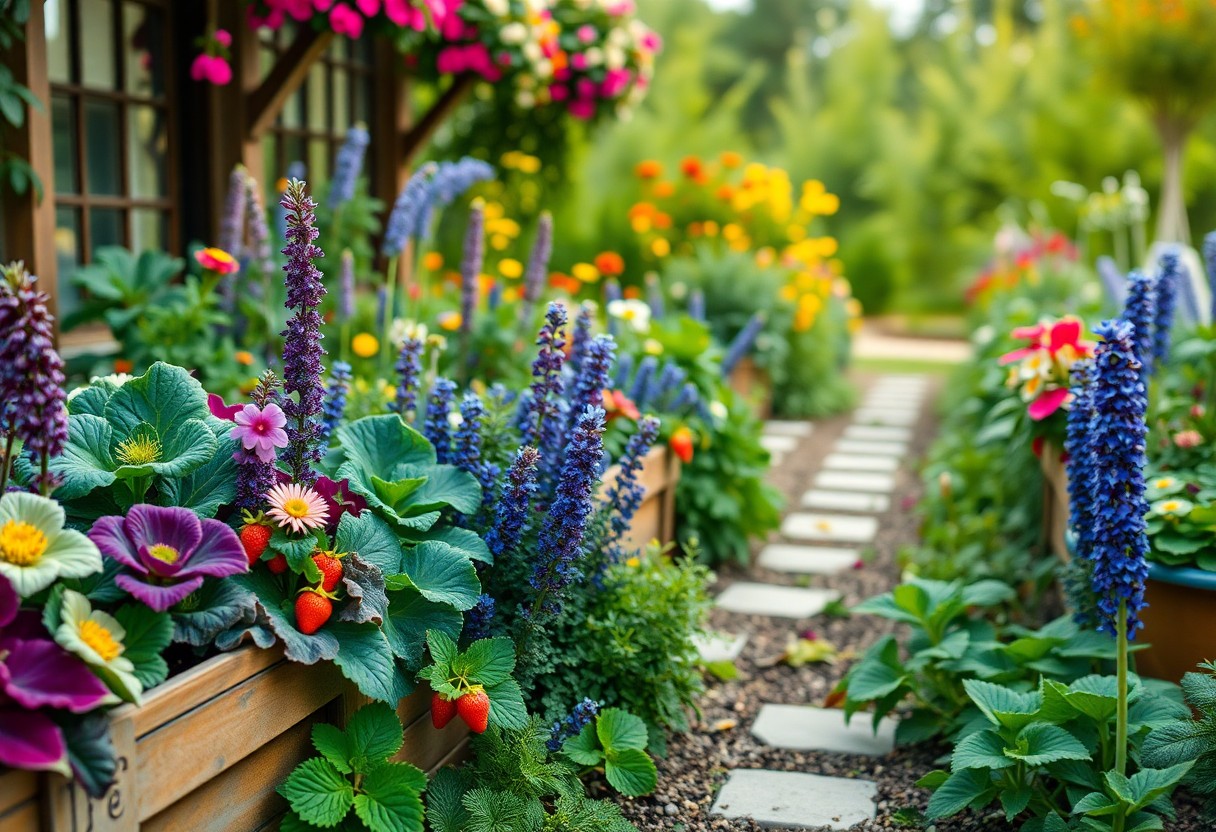
As you step into your garden, you’re surrounded by the vibrant sights and scents of nature. You can elevate this experience by blending edible plants into your decorative landscaping, creating a harmonious union of beauty and functionality. To get started, consider learning How to Mix Ornamental and Edible Plants in Your Garden, and discover the joy of cultivating your own edible oasis, where your senses come alive amidst the lush foliage and thriving flora that you’ve carefully nurtured.

Key Takeaways:

To successfully incorporate edible plants into decorative landscaping, consider the following points:

  • Choose edible plants that are both visually appealing and productive, such as flowering herbs like roses or lavender, to add color and texture to your landscape.
  • Consider the climate and soil conditions of your area when selecting edible plants, and group them with other plants that have similar watering and sunlight requirements.
  • Incorporate edible plants into your landscape design by using them as border plants, hedges, or groundcovers, and combine them with ornamental plants to create a unique and sustainable landscape.

    Choosing Edible Plants

    For a harmonious blend of beauty and bounty, you’ll want to select edible plants that thrive in your local climate and complement your landscape’s aesthetic. As you wander through your yard, consider the textures, colors, and growth habits of various plants, imagining how they might enhance your outdoor space.

    Selecting Plants for Climate and Soil

    One of the most important factors in choosing edible plants is ensuring they are well-suited to your region’s climate and soil type, allowing you to create a lush and vibrant landscape that requires minimal care.

    Considering Space and Maintenance

    Maintenance of your edible plants will depend on the specific varieties you choose and the space in which they are planted, so you’ll want to think carefully about how much time you can devote to tending your landscape.

    It is in the quiet moments spent tending to your edible plants that you’ll come to appreciate the beauty of nature and the joy of cultivating your own food, as you watch your landscape flourish under your care, and you harvest the fruits of your labor, savoring the sweetness of your homegrown treasures.

    Designing the Landscape

    While designing your landscape, consider the interplay of edible plants with the existing environment, allowing you to cultivate a space that is both beautiful and bountiful, much like a lush forest that yields its secrets to the attentive eye.

    Combining Edible Plants with Ornamental Plants

    Besides the aesthetic appeal, combining edible plants with ornamental plants will add depth and diversity to your landscape, inviting you to meander through the vibrant tapestry of colors and textures that you have so thoughtfully woven.

    Creating a Visually Appealing Layout

    Behind every successful landscape lies a thoughtful design, and as you launch on this creative journey, you will find that the deliberate placement of edible plants amidst ornamental ones yields a harmonious balance that delights the senses and nourishes the soul.

    Hence, as you craft your visually appealing layout, you will begin to notice the subtle dance between form and function, where the edible plants not only provide sustenance but also become an integral part of the landscape’s beauty, inspiring you to slow down and appreciate the simple joys of nature that unfold before your eyes.

    Incorporating Fruits and Vegetables

    Many of the same plants that thrive in your kitchen garden can also add beauty and interest to your decorative landscaping, allowing you to harvest fresh produce right in your own yard. You can grow a variety of fruits and vegetables, such as strawberries, blueberries, and leafy greens, amidst your flowers and shrubs.

    Using Vertical Space for Vines and Climbers

    Akin to the way a verdant trellis can transform a blank wall, you can train vines like peas, beans, and cucumbers to climb up arbors or trellises, making the most of your space and adding a touch of whimsy to your garden.

    Adding Color with Fruit-Bearing Shrubs

    Comparable to the vibrant hues of a sunset, you can introduce colorful fruit-bearing shrubs like currants, gooseberries, and elderberries into your landscape, providing a pop of color and attracting pollinators to your garden.

    In fact, as you wander through your garden, you’ll discover that the fruit-bearing shrubs not only add visual interest, but also provide a bounty of fresh fruit for you to enjoy, inviting you to slow down and savor the simple pleasures of nature, and encouraging you to explore the intersection of beauty and utility in your outdoor space.

    Adding Herbs and Flowers

    After considering the overall aesthetic you want to achieve, you can start incorporating herbs and flowers into your decorative landscaping. For inspiration, visit Creating a Permaculture-Inspired Edible Landscape to discover new ideas for your outdoor space.

    Using Herbs as Border Plants

    Above all, herbs like rosemary and thyme make excellent border plants, adding a fragrant and rustic touch to your landscape. You can plant them along pathways or around the perimeter of your garden, creating a beautiful and functional border.

    Incorporating Edible Flowers into the Landscape

    Across your landscape, edible flowers like violas and pansies can add a pop of color and whimsy. You can plant them in containers or directly in the ground, and use them to attract pollinators and add beauty to your outdoor space.

    Another way to incorporate edible flowers into your landscape is to use them as a garnish for your outdoor dining area. Imagine sipping lemonade surrounded by a garden filled with fragrant herbs and colorful flowers, and being able to pick a few to add to your drink or salad. As you wander through your garden, you can harvest a few flowers to add to your meal, creating a truly immersive and delicious experience.

    Maintaining the Landscape

    Unlike traditional decorative landscaping, incorporating edible plants requires attention to their unique needs. As you explore the world of edible landscaping, consider visiting 6 Design Guidelines for Edible Landscaping to learn more about harmonious coexistence with nature.

    Watering and Mulching Techniques

    Lush landscapes demand thoughtful watering and mulching practices, allowing you to nourish your edible plants while preserving the beauty of your outdoor space.

    Managing Pests and Diseases

    Managing the health of your edible landscape is an ongoing process, as you observe and respond to the needs of your plants, fostering a balanced ecosystem that thrives under your care.

    This mindful approach to maintaining your edible landscape allows you to cultivate a deeper connection with the natural world, as you tend to the intricate web of relationships between plants, soil, and wildlife, and you will find that your efforts yield a bountiful harvest, not just of food, but of serenity and wonder.

    Benefits of Edible Landscaping

    Keep in mind that incorporating edible plants into your decorative landscaping can have a significant impact on your life and the environment. You will not only enjoy the aesthetic appeal, but also reap numerous benefits.

    Environmental Benefits

    To truly appreciate the value of edible landscaping, consider the positive effects it has on the ecosystem. You will be supporting local biodiversity, reducing your carbon footprint, and creating a more sustainable outdoor space.

    Personal and Community Benefits

    Benefits such as fresh produce, savings on groceries, and a sense of accomplishment will enrich your life as you tend to your edible landscape. You will feel more connected to nature and your community as you share your harvest.

    The personal and community benefits of edible landscaping extend beyond the individual, fostering a sense of community and cooperation. You will have the opportunity to share your knowledge, skills, and fresh produce with neighbors and friends, strengthening your relationships and building a stronger, more supportive community around you.

    Final Words

    With these considerations, you can harmoniously weave edible plants into your decorative landscaping, blending functionality and beauty. As you tend to your landscape, you’ll find that the intersection of nature and nurture fosters a deeper connection to the earth and your own well-being. Your outdoor space will flourish, inviting you to slow down and savor the simple joys of growth and abundance, surrounded by the vibrant textures and colors of the natural world.

    FAQ

    Q: What are some popular edible plants that can be used in decorative landscaping?

    A: Some popular edible plants that can be used in decorative landscaping include herbs like rosemary, thyme, and oregano, as well as fruits like strawberries, blueberries, and raspberries. Vegetables like lettuce, kale, and carrots can also be used to add a pop of color and texture to your landscape. Additionally, flowering plants like nasturtiums and violas can add a decorative touch and are also edible.

    Q: How can I incorporate edible plants into my existing landscape design?

    A: To incorporate edible plants into your existing landscape design, start by assessing your yard’s conditions, including sunlight, soil type, and moisture levels. Choose edible plants that thrive in your climate and soil type, and consider using container gardens or raised beds to add visual interest. You can also mix edible plants with ornamental plants to create a unique and dynamic landscape. Consider adding a statement piece, like a beautifully crafted planter or trellis, to showcase your edible plants.

    Q: What are some tips for maintaining edible plants in a decorative landscape?

    A: To maintain edible plants in a decorative landscape, make sure to water them regularly, but avoid overwatering, which can lead to disease and pests. Fertilize your edible plants regularly, using organic or natural fertilizers whenever possible. Prune your edible plants regularly to keep them looking their best and to encourage healthy growth. Also, keep an eye out for pests and diseases, and take action quickly if you notice any problems. Finally, harvest your edible plants regularly to encourage continued production and to prevent them from becoming leggy or flowering.

    Q: Can I use edible plants in shady areas of my landscape?

    A: Yes, there are many edible plants that can thrive in shady areas of your landscape. Consider using plants like lettuce, kale, and herbs like mint and cilantro, which prefer partial shade. You can also use shade-tolerant fruits like currants and gooseberries. When planting in shady areas, make sure to choose plants that are specifically bred for shade tolerance, and consider using a mixture of plants with different textures and growth habits to add visual interest. Keep in mind that shady areas may require more frequent watering, as the soil can dry out quickly.

    Q: Are there any potential drawbacks to using edible plants in decorative landscaping?

    A: While edible plants can be a wonderful addition to a decorative landscape, there are some potential drawbacks to consider. For example, edible plants can be more prone to pests and diseases, which can spread to other plants in your landscape. Additionally, edible plants may require more maintenance than ornamental plants, as they need to be harvested and pruned regularly. Finally, some edible plants can be invasive, so make sure to choose plants that are well-behaved and won’t spread beyond their boundaries. With proper planning and maintenance, however, edible plants can be a beautiful and functional addition to your landscape.

The Best Climbing Plants for Fences and Trellises

As you tend to your garden, you likely seek to create a sense of harmony with nature. You want your outdoor space to be a reflection of the beauty that surrounds you. By choosing the right climbing plants for your fences and trellises, you can add a touch of elegance and vibrancy to your yard, inviting the splendor of the natural world into your own little corner of it. You’ll find that with the right plants, your garden will flourish.

Key Takeaways:

  • When dicking out climbing plants for fences and trellises, consider the amount of sunlight and moisture the area receives to ensure the plants thrive in their environment.
  • Fast-growing plants like English Ivy and Clematis are great options for quickly covering fences and trellises, while slow-growing plants like Roses and Honeysuckle provide a more gradual and delicate display.
  • Choose low-maintenance plants like Morning Glory and Trumpet Vine for a hassle-free option, or opt for fragrant plants like Jasmine and Wisteria to add a sensory experience to your outdoor space.

    Choosing the Right Climbing Plant

    Your choice of climbing plant will depend on your personal style and the conditions of your garden. For inspiration, you can visit Top 10 Climbing Plants to explore various options.

    Considerations for Climate and Soil

    Climatic conditions play a significant role in selecting the perfect climbing plant for your garden. You should consider the temperature, sunlight, and soil type to ensure the plant thrives in your environment.

    Popular Climbing Plant Varieties

    Astonishing varieties of climbing plants are available, offering a range of colors, textures, and fragrances to enhance your garden’s beauty. You can choose from flowering plants like roses or clematis, or opt for foliage plants like ivy or Boston ivy.

    Due to the diversity of climbing plants, you can easily find one that suits your garden’s theme and your personal taste. You may prefer plants with showy flowers, like wisteria or honeysuckle, or those with delicate, lacy foliage, like sweet peas or morning glories, to adorn your fences and trellises, bringing charm and character to your outdoor space.

    Types of Climbing Plants

    Now, as you consider climbing plants for your fence or trellis, you’ll find various types to choose from, including:

    • Flowering
    • Evergreen

    Any of these can enhance your outdoor space.

    Type Description
    Flowering Annual bloom
    Evergreen
    Vining Long stems
    Twining Stem wrapping
    Succulent Fleshy leaves

    Flowering Climbers

    Above all, flowering climbers can add vibrant colors to your garden, attracting pollinators and beautifying your fence or trellis with their blooms.

    Evergreen Climbers

    Across your garden, evergreen climbers can provide year-round interest, with foliage that stays green even in winter, offering a sense of continuity and structure.

    It is worth noting that evergreen climbers can be particularly useful for creating a sense of privacy and screening, as they maintain their foliage throughout the year, making them an excellent choice for your garden.

    Benefits of Climbing Plants

    To enhance your outdoor space, consider the advantages of climbing plants. They add beauty and functionality to your fences and trellises, creating a lush and inviting atmosphere.

    Aesthetic Appeal

    Benefits such as softening harsh lines and adding color to your garden make climbing plants a great choice. You can train them to grow up your fences, creating a beautiful display of blooms and foliage.

    Functional Uses

    The functional aspects of climbing plants are numerous, as they provide shade, act as a natural screen, and attract wildlife to your garden. You can use them to conceal unsightly areas or create a sense of seclusion.

    Also, by choosing the right climbing plants, you can create a habitat for birds and insects, adding to the biodiversity of your garden. You can enjoy watching them thrive and flourish in their new environment, bringing joy and tranquility to your outdoor space.

    Tips for Training Climbing Plants

    All climbing plants benefit from proper training to maximize their growth and beauty. You can train your plants using:

    • gentle guidance
    • soft ties

    . Knowing these simple techniques will help your plants thrive on your fence or trellis.

    Pruning and Maintenance

    Practically, trimming your climbing plants regularly will keep them healthy and encourage new growth, allowing you to enjoy their beauty throughout the seasons.

    Supporting Structures

    Typically, providing a sturdy support for your climbing plants is vital, as it allows them to grow upwards and outwards, showcasing their natural beauty, and you can achieve this with your fence or trellis.

    At the heart of a thriving garden, you will often find carefully selected supporting structures, such as trellises, arbors, or fences, that complement your climbing plants, and as you tend to your garden, you will find that these structures become an integral part of the landscape, blending seamlessly into the natural beauty of your outdoor space, and you will appreciate the way they enhance the growth and display of your climbing plants.

    Common Mistakes to Avoid

    After selecting the perfect climbing plant for your fence or trellis, you’ll want to ensure you provide it with the right care to thrive. Carefully consider your plant’s needs to avoid common pitfalls.

    Overwatering and Underwatering

    One of the most frequent errors you’ll encounter is overwatering or underwatering your plants, which can lead to root rot or withered foliage, so be mindful of your plant’s watering needs.

    Poor Plant Selection

    On the path to creating a lush, vibrant garden, you may choose a climbing plant that doesn’t suit your climate or soil type, which can ultimately lead to disappointment and plant failure.

    Poor plant selection can be a significant setback for your garden, so take the time to research and understand your plant’s specific needs and limitations, and consider factors such as sunlight, soil quality, and moisture levels to ensure you choose a plant that will flourish in your care.

    Creative Ideas for Climbing Plants

    Unlike traditional garden designs, incorporating climbing plants into your fence or trellis can add a touch of elegance and whimsy to your outdoor space, allowing you to explore new dimensions of beauty and functionality.

    Vertical Gardens

    By utilizing climbing plants, you can create stunning vertical gardens that not only save space but also provide a unique way to showcase your favorite blooms, bringing a sense of serenity to your surroundings as you tend to your lush, growing wall.

    Arbors and Pergolas

    Above the ordinary, your garden can become a tranquil oasis with climbing plants adorning your arbors and pergolas, inviting you to linger beneath their shaded beauty and bask in the serene atmosphere they create.

    And as you wander through your garden, you’ll find that the arbors and pergolas covered in climbing plants become a haven, providing a sense of seclusion and peace, while also serving as a breathtaking backdrop for outdoor gatherings and quiet moments of contemplation, allowing you to connect with nature and your own inner self.

    Final Words

    Following this journey through climbing plants, you now possess the knowledge to transform your outdoor space into a lush oasis. As you tend to your fences and trellises, you’ll find that these plants bring a sense of serenity to your surroundings, and your connection to nature will deepen. With your thoughtful selection, your garden will flourish, and you’ll bask in the beauty that your climbing plants bring to your little corner of the world.

    FAQ

    Q: What are the best climbing plants for fences and trellises in terms of ease of growth and maintenance?

    A: Some of the best climbing plants for fences and trellises that are easy to grow and maintain include clematis, honeysuckle, and ivy. These plants are adaptable to various conditions, can thrive in different types of soil, and require minimal care. They also provide beautiful blooms or foliage, making them perfect for decorating outdoor spaces.

    Q: How do I train climbing plants to grow up a trellis or fence without causing damage to the structure?

    A: To train climbing plants to grow up a trellis or fence, start by gently twining the stems around the structure or using soft ties to secure them. As the plant grows, it will naturally cling to the trellis or fence. For plants with tendrils, like peas or cucumbers, you can guide them onto the trellis. Avoid using wire or anything that might constrict the plant’s growth or damage the fence. Regular pruning also helps maintain the plant’s shape and promotes healthy growth.

    Q: What climbing plants are suitable for shaded areas and can thrive with limited sunlight?

    A: For shaded areas, climbing plants like English ivy, Creeping Fig, and Boston Ivy are excellent choices. These plants can thrive in partial to full shade and can add beauty to areas with limited sunlight. They are also relatively low maintenance and can grow well in a variety of soil conditions. For flowering options, consider plants like Clematis montana or Shade-loving Clematis varieties that can bloom well in shadier spots.

    Q: How often should I water and fertilize climbing plants on fences and trellises to ensure they remain healthy?

    A: Climbing plants on fences and trellises generally require regular watering, especially during hot or dry spells. Check the soil moisture by inserting your finger into the soil up to the knuckle; if the soil feels dry, it’s time to water. As for fertilization, a balanced, water-soluble fertilizer applied during the growing season (spring to early fall) can promote healthy growth and flowering. However, be sure to follow the instructions on the fertilizer package to avoid over-fertilizing, which can harm the plants.

    Q: Are there any climbing plants that are resistant to pests and diseases, making them ideal for low-maintenance gardening?

    A: Yes, several climbing plants are known for their resistance to pests and diseases, making them perfect for low-maintenance gardening. Roses, for instance, have varieties that are bred for disease resistance. Similarly, Clematis and Honeysuckle have species that are less susceptible to common garden pests and diseases. Additionally, plants like Passionflower and Trumpet Vine are known for their hardiness and resistance to pests. Always choose disease-resistant varieties when possible, and maintain good garden hygiene to prevent the spread of diseases.

The Best Plants for Windy Gardens

As you stand in your garden, feeling the breeze rustle your hair, you’re likely thinking about how to make the most of this sometimes challenging space. You want to create a beautiful and thriving outdoor area, despite the wind. You’ll be pleased to know that there are plenty of plants that will not only tolerate, but actually flourish in windy conditions. You can choose from a variety of stunning species that will bring colour, texture, and life to your garden, and in this post, you’ll discover some of the best options for your windy garden.

Key Takeaways:

To create a beautiful and thriving garden in a windy area, consider the following points:

  • Choose Native Plants that are adapted to the local climate and can withstand Strong Winds, as they will be more resilient and require less maintenance.
  • Select Low-Growing Plants or Ground Covers that can help to reduce Wind Speed and prevent soil erosion, while also providing a visually appealing landscape.
  • Incorporate Windbreaks such as Hedges or Fences to protect your garden from Harsh Winds and create a more sheltered environment for your plants to thrive.

Selecting Plants for Windy Conditions

The key to creating a thriving garden in a windy spot is to choose plants that can withstand the gusts and gales. You’ll want to look for plants with strong roots, compact growth habits, and flexible stems that can bend in the wind. Consider the specific conditions in your garden, including the direction and speed of the wind, to select the best plants for your space.

Choosing the Right Trees and Shrubs

Before selecting trees and shrubs for your windy garden, think about their shape, size, and growth habit. You’ll want to opt for compact, sturdy varieties that won’t get blown about or knocked off balance by strong winds. Look for trees and shrubs with a low center of gravity and a wide, spreading root system to keep them anchored firmly in the ground.

Considering Perennials and Grasses

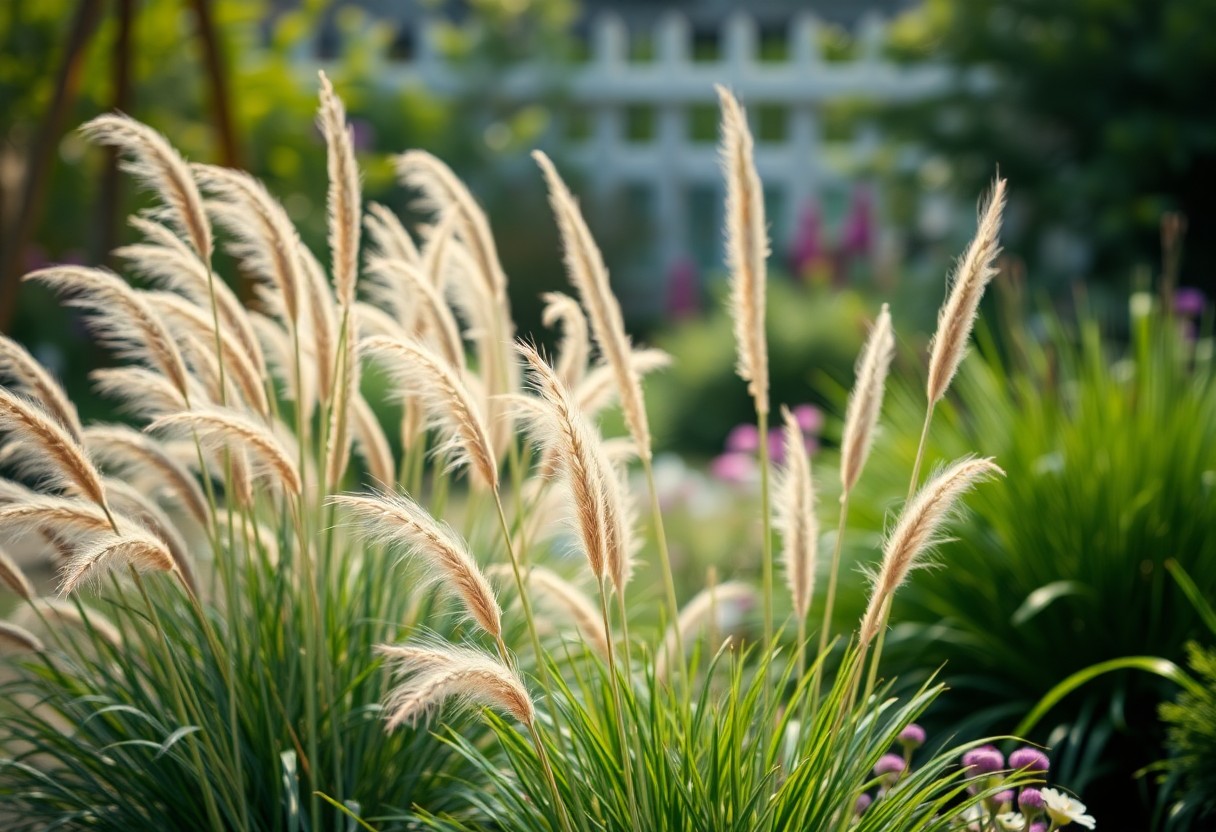
The type of perennials and grasses you choose can make all the difference in a windy garden. You’ll want to select varieties with strong, deep roots and flexible stems that can sway in the wind without breaking. Consider plants with a low, spreading habit that won’t get battered by strong gusts, and opt for species that are native to windy areas, as they’ll be more adapted to the conditions.

Plus, when it comes to perennials and grasses, you’ll find that many varieties have evolved clever strategies to cope with wind, such as producing compact, dense foliage or developing deep roots to anchor themselves in place. By choosing plants that have these adaptations, you can create a beautiful, thriving garden that will withstand even the strongest winds, and bring joy and interest to your outdoor space throughout the year.

Factors to Consider

Now, when choosing plants for your windy garden, consider the following factors:

  • Exposure
  • Soil type

You can learn more about Wind Resistant Gardening. Knowing these will help you make informed decisions for your garden.

Exposure and Microclimate

Behind every successful garden is a thorough understanding of its exposure and microclimate. You’ll want to assess how much sun and wind your garden receives, as this will impact the types of plants that will thrive.

Soil Type and Drainage

To begin, assess your soil type and drainage, as these factors will significantly influence the plants you can grow. You’ll want to determine whether your soil is clay, sandy, or loamy, and whether it drains well or waterlogs easily.

Consequently, once you have a clear understanding of your soil type and drainage, you can start selecting plants that are well-suited to these conditions. You’ll find that some plants are more tolerant of wet or dry soils, and choosing the right ones will ensure your garden flourishes, even in windy conditions.

Wind-Tolerant Plants for Different Gardens

All gardens are unique, and the right plants can make all the difference in withstanding windy conditions. You’ll find a variety of plants suitable for your garden, depending on its specific conditions.

Coastal Gardens

With coastal gardens, you’ll want to choose plants that can thrive in salty air and high winds. You can opt for plants like sea lavender or beach morning glories, which are perfect for these conditions.

Mountainous or Exposed Areas

Beside the challenges of high winds, mountainous gardens often face extreme temperatures. You’ll need plants that are resilient and adaptable, such as low-growing shrubs or grasses that can bend with the wind.

Also, consider plants with deep roots, which will help anchor them in the soil, protecting them from being uprooted by strong gusts. As you choose plants for your mountainous garden, think about their ability to withstand harsh weather and provide year-round interest, and you’ll be well on your way to creating a beautiful, thriving landscape.

Plant Care and Maintenance

Once again, you’ll find that choosing the right plants for your windy garden is only half the battle. To keep them thriving, you’ll need to provide the right care and attention, taking into account the unique conditions of your garden.

Pruning and Training

Around this time of year, you may need to prune or train your plants to maintain their shape and promote healthy growth, especially in windy conditions where they may be more prone to damage.

Mulching and Irrigation

Above all, you should consider the mulching and irrigation needs of your plants, as windy gardens can be particularly prone to drying out, and a layer of mulch can help to retain moisture in the soil.

Plant selection will also play a significant role in determining your mulching and irrigation schedule, as some plants will be more tolerant of dry conditions than others, allowing you to adjust your care routine accordingly to ensure your garden stays healthy and thriving.

Designing a Wind-Resistant Garden

Not every garden is blessed with still air, but with thoughtful design, you can create a beautiful and thriving space even in the windiest of spots. As you plan your garden, consider the direction of the wind and how it will affect your plants.

Layout and Bedding

Alongside the existing landscape, you’ll want to think about how to lay out your garden to minimize the impact of the wind. You can use natural features like hills or valleys to your advantage, and choose plants that will thrive in the conditions you have.

Using Windbreaks and Screens

Wind-resistant, you’ll find that using physical barriers can be a great way to protect your plants from the harshest gusts. You can use screens, fences, or even plantings to block the wind and create a more sheltered microclimate.

Another approach to using windbreaks and screens is to think creatively about the materials you use. For example, you can use a trellis or a hedge to filter the wind, rather than blocking it entirely, which will allow you to still enjoy the breeze on a warm day while protecting your plants from damage.

Common Mistakes to Avoid

To create a thriving garden in a windy spot, you’ll want to steer clear of a few common pitfalls that can leave your plants struggling. By taking the time to consider these potential issues, you can set your garden up for success and enjoy a beautiful, resilient outdoor space.

Over-Exposure to Wind

By not providing sufficient protection from harsh gusts, you may find that your plants become damaged or disfigured, which can be a real setback for your garden. You’ll want to think carefully about how to shield your plants from the worst of the wind.

Inadequate Plant Support

Overexposing your plants to wind without proper support can lead to broken stems and weakened roots, so it’s important to provide the right kind of structural help to keep them upright and secure. You’ll need to consider the specific needs of each plant and choose the most suitable support system.

Common mistakes in supporting plants can be easily avoided by understanding the unique requirements of each species and selecting the most appropriate method, whether that’s staking, pruning, or using a trellis, to ensure your plants stay healthy and stable in windy conditions, allowing you to enjoy their beauty for years to come, and making the most of your garden’s potential.

Conclusion

Following this guide, you should now have a better understanding of the best plants for your windy garden. You can choose from a variety of species that will thrive in these conditions, and with a little care, your garden will be a haven of beauty and tranquility. As you tend to your garden, you’ll find that the right plants will make all the difference, and your outdoor space will become a peaceful retreat that you’ll cherish for years to come, enjoying the fruits of your labor in your beautifully designed windy garden.

FAQ

Q: What types of plants are suitable for windy gardens?

A: For windy gardens, it’s best to choose plants that are tolerant of strong winds and can withstand vigorous air movement. These include native grasses, shrubs like lavender and rosemary, and perennials such as coneflower and black-eyed susan. These plants have deep roots or flexible stems that help them resist wind damage and maintain their structure.

Q: How can I protect young plants from wind in my garden?

A: To protect young plants from wind, you can use a combination of methods. Start by planting them in a location that provides some natural shelter, such as near a wall or a group of larger plants. You can also use individual plant stakes or a trellis to support the stems of young plants. Another option is to cover the soil around the plants with a layer of mulch or a windbreak like burlap to reduce wind speed near the ground.

Q: Are there any flowering plants that do well in windy conditions?

A: Yes, there are many flowering plants that thrive in windy conditions. Some popular options includebee balm, catmint, and salvia, which produce attractive flowers that can withstand wind and attract pollinators like bees and butterflies. Other flowering plants like daylilies, sedum, and yarrow are also good choices, as they have sturdy stems and can tolerate strong gusts of wind.

Q: How can I design my windy garden to minimize damage from strong winds?

A: When designing a windy garden, it’s a good idea to create a layered landscape with a mix of plants of different heights and growth habits. Start by planting larger shrubs or trees on the windward side of the garden to act as a windbreak, then add mid-sized perennials and finally lower-growing ground covers. This will help to dissipate the wind energy and protect more delicate plants. You can also use garden features like walls, fences, or berms to block or redirect wind.

Q: Can I still have a productive vegetable garden in a windy location?

A: Yes, you can still have a productive vegetable garden in a windy location. Choose varieties of vegetables that are naturally more resistant to wind, such as root vegetables like carrots and beets, or vining plants like peas and beans that can be supported with trellises or stakes. You can also use row covers or individual plant covers to shield your vegetable plants from wind and protect them from drying out. Make sure to water your vegetables regularly, as windy conditions can cause the soil to dry out quickly.

Opaye Skip to content