As you stand in your garden, feeling the breeze rustle your hair, you’re likely thinking about how to make the most of this sometimes challenging space. You want to create a beautiful and thriving outdoor area, despite the wind. You’ll be pleased to know that there are plenty of plants that will not only tolerate, but actually flourish in windy conditions. You can choose from a variety of stunning species that will bring colour, texture, and life to your garden, and in this post, you’ll discover some of the best options for your windy garden.
Key Takeaways:
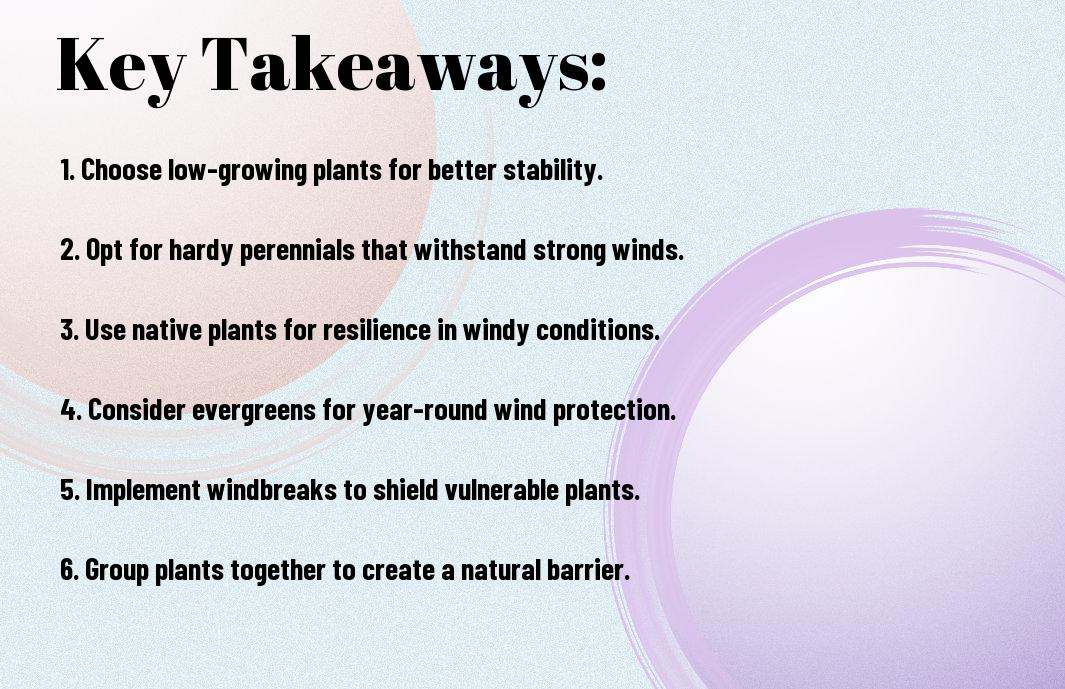
To create a beautiful and thriving garden in a windy area, consider the following points:
- Choose Native Plants that are adapted to the local climate and can withstand Strong Winds, as they will be more resilient and require less maintenance.
- Select Low-Growing Plants or Ground Covers that can help to reduce Wind Speed and prevent soil erosion, while also providing a visually appealing landscape.
- Incorporate Windbreaks such as Hedges or Fences to protect your garden from Harsh Winds and create a more sheltered environment for your plants to thrive.
Selecting Plants for Windy Conditions
The key to creating a thriving garden in a windy spot is to choose plants that can withstand the gusts and gales. You’ll want to look for plants with strong roots, compact growth habits, and flexible stems that can bend in the wind. Consider the specific conditions in your garden, including the direction and speed of the wind, to select the best plants for your space.
Choosing the Right Trees and Shrubs
Before selecting trees and shrubs for your windy garden, think about their shape, size, and growth habit. You’ll want to opt for compact, sturdy varieties that won’t get blown about or knocked off balance by strong winds. Look for trees and shrubs with a low center of gravity and a wide, spreading root system to keep them anchored firmly in the ground.
Considering Perennials and Grasses
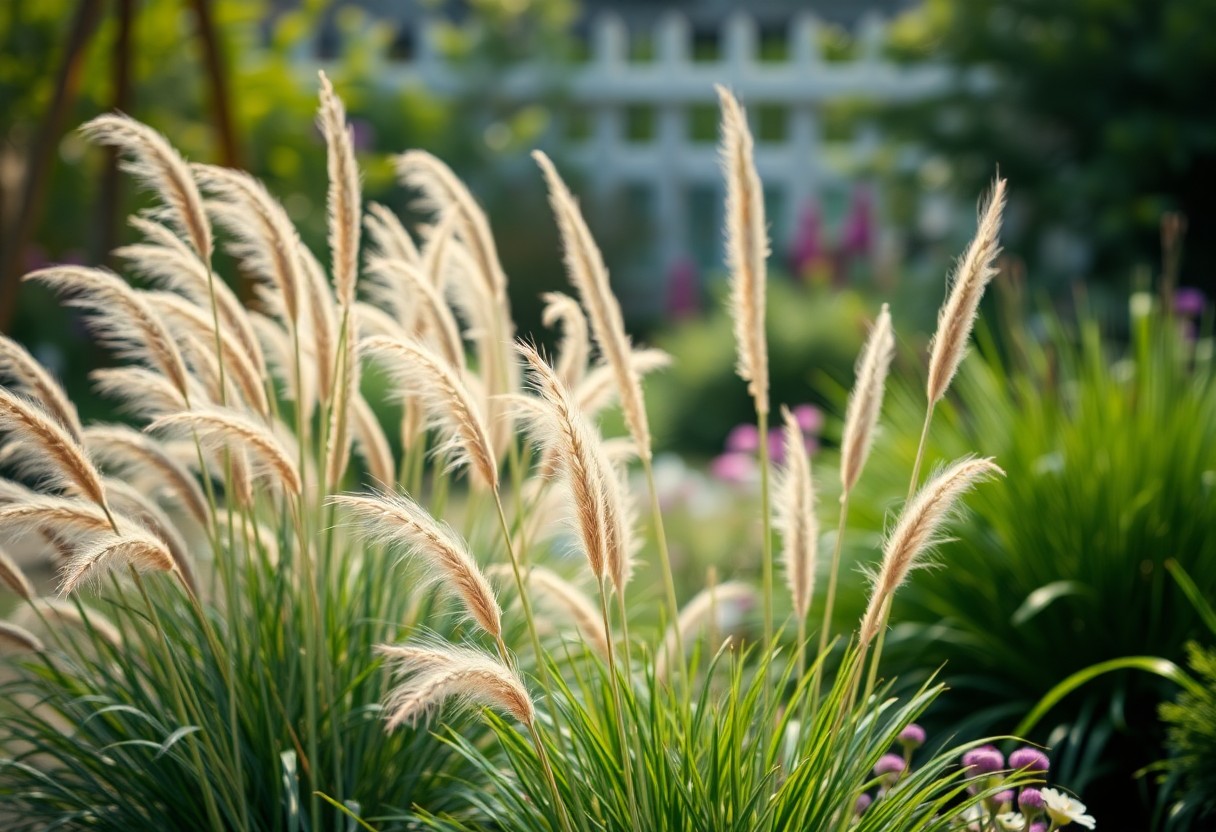
The type of perennials and grasses you choose can make all the difference in a windy garden. You’ll want to select varieties with strong, deep roots and flexible stems that can sway in the wind without breaking. Consider plants with a low, spreading habit that won’t get battered by strong gusts, and opt for species that are native to windy areas, as they’ll be more adapted to the conditions.
Plus, when it comes to perennials and grasses, you’ll find that many varieties have evolved clever strategies to cope with wind, such as producing compact, dense foliage or developing deep roots to anchor themselves in place. By choosing plants that have these adaptations, you can create a beautiful, thriving garden that will withstand even the strongest winds, and bring joy and interest to your outdoor space throughout the year.
Factors to Consider
Now, when choosing plants for your windy garden, consider the following factors:
- Exposure
- Soil type
You can learn more about Wind Resistant Gardening. Knowing these will help you make informed decisions for your garden.
Exposure and Microclimate
Behind every successful garden is a thorough understanding of its exposure and microclimate. You’ll want to assess how much sun and wind your garden receives, as this will impact the types of plants that will thrive.
Soil Type and Drainage
To begin, assess your soil type and drainage, as these factors will significantly influence the plants you can grow. You’ll want to determine whether your soil is clay, sandy, or loamy, and whether it drains well or waterlogs easily.
Consequently, once you have a clear understanding of your soil type and drainage, you can start selecting plants that are well-suited to these conditions. You’ll find that some plants are more tolerant of wet or dry soils, and choosing the right ones will ensure your garden flourishes, even in windy conditions.
Wind-Tolerant Plants for Different Gardens
All gardens are unique, and the right plants can make all the difference in withstanding windy conditions. You’ll find a variety of plants suitable for your garden, depending on its specific conditions.
Coastal Gardens
With coastal gardens, you’ll want to choose plants that can thrive in salty air and high winds. You can opt for plants like sea lavender or beach morning glories, which are perfect for these conditions.
Mountainous or Exposed Areas
Beside the challenges of high winds, mountainous gardens often face extreme temperatures. You’ll need plants that are resilient and adaptable, such as low-growing shrubs or grasses that can bend with the wind.
Also, consider plants with deep roots, which will help anchor them in the soil, protecting them from being uprooted by strong gusts. As you choose plants for your mountainous garden, think about their ability to withstand harsh weather and provide year-round interest, and you’ll be well on your way to creating a beautiful, thriving landscape.
Plant Care and Maintenance
Once again, you’ll find that choosing the right plants for your windy garden is only half the battle. To keep them thriving, you’ll need to provide the right care and attention, taking into account the unique conditions of your garden.
Pruning and Training
Around this time of year, you may need to prune or train your plants to maintain their shape and promote healthy growth, especially in windy conditions where they may be more prone to damage.
Mulching and Irrigation
Above all, you should consider the mulching and irrigation needs of your plants, as windy gardens can be particularly prone to drying out, and a layer of mulch can help to retain moisture in the soil.
Plant selection will also play a significant role in determining your mulching and irrigation schedule, as some plants will be more tolerant of dry conditions than others, allowing you to adjust your care routine accordingly to ensure your garden stays healthy and thriving.
Designing a Wind-Resistant Garden
Not every garden is blessed with still air, but with thoughtful design, you can create a beautiful and thriving space even in the windiest of spots. As you plan your garden, consider the direction of the wind and how it will affect your plants.
Layout and Bedding
Alongside the existing landscape, you’ll want to think about how to lay out your garden to minimize the impact of the wind. You can use natural features like hills or valleys to your advantage, and choose plants that will thrive in the conditions you have.
Using Windbreaks and Screens
Wind-resistant, you’ll find that using physical barriers can be a great way to protect your plants from the harshest gusts. You can use screens, fences, or even plantings to block the wind and create a more sheltered microclimate.
Another approach to using windbreaks and screens is to think creatively about the materials you use. For example, you can use a trellis or a hedge to filter the wind, rather than blocking it entirely, which will allow you to still enjoy the breeze on a warm day while protecting your plants from damage.
Common Mistakes to Avoid
To create a thriving garden in a windy spot, you’ll want to steer clear of a few common pitfalls that can leave your plants struggling. By taking the time to consider these potential issues, you can set your garden up for success and enjoy a beautiful, resilient outdoor space.
Over-Exposure to Wind
By not providing sufficient protection from harsh gusts, you may find that your plants become damaged or disfigured, which can be a real setback for your garden. You’ll want to think carefully about how to shield your plants from the worst of the wind.
Inadequate Plant Support
Overexposing your plants to wind without proper support can lead to broken stems and weakened roots, so it’s important to provide the right kind of structural help to keep them upright and secure. You’ll need to consider the specific needs of each plant and choose the most suitable support system.
Common mistakes in supporting plants can be easily avoided by understanding the unique requirements of each species and selecting the most appropriate method, whether that’s staking, pruning, or using a trellis, to ensure your plants stay healthy and stable in windy conditions, allowing you to enjoy their beauty for years to come, and making the most of your garden’s potential.
Conclusion
Following this guide, you should now have a better understanding of the best plants for your windy garden. You can choose from a variety of species that will thrive in these conditions, and with a little care, your garden will be a haven of beauty and tranquility. As you tend to your garden, you’ll find that the right plants will make all the difference, and your outdoor space will become a peaceful retreat that you’ll cherish for years to come, enjoying the fruits of your labor in your beautifully designed windy garden.
FAQ
Q: What types of plants are suitable for windy gardens?
A: For windy gardens, it’s best to choose plants that are tolerant of strong winds and can withstand vigorous air movement. These include native grasses, shrubs like lavender and rosemary, and perennials such as coneflower and black-eyed susan. These plants have deep roots or flexible stems that help them resist wind damage and maintain their structure.
Q: How can I protect young plants from wind in my garden?
A: To protect young plants from wind, you can use a combination of methods. Start by planting them in a location that provides some natural shelter, such as near a wall or a group of larger plants. You can also use individual plant stakes or a trellis to support the stems of young plants. Another option is to cover the soil around the plants with a layer of mulch or a windbreak like burlap to reduce wind speed near the ground.
Q: Are there any flowering plants that do well in windy conditions?
A: Yes, there are many flowering plants that thrive in windy conditions. Some popular options includebee balm, catmint, and salvia, which produce attractive flowers that can withstand wind and attract pollinators like bees and butterflies. Other flowering plants like daylilies, sedum, and yarrow are also good choices, as they have sturdy stems and can tolerate strong gusts of wind.
Q: How can I design my windy garden to minimize damage from strong winds?
A: When designing a windy garden, it’s a good idea to create a layered landscape with a mix of plants of different heights and growth habits. Start by planting larger shrubs or trees on the windward side of the garden to act as a windbreak, then add mid-sized perennials and finally lower-growing ground covers. This will help to dissipate the wind energy and protect more delicate plants. You can also use garden features like walls, fences, or berms to block or redirect wind.
Q: Can I still have a productive vegetable garden in a windy location?
A: Yes, you can still have a productive vegetable garden in a windy location. Choose varieties of vegetables that are naturally more resistant to wind, such as root vegetables like carrots and beets, or vining plants like peas and beans that can be supported with trellises or stakes. You can also use row covers or individual plant covers to shield your vegetable plants from wind and protect them from drying out. Make sure to water your vegetables regularly, as windy conditions can cause the soil to dry out quickly.
