As you consider your landscaping options, you’ll find that native plants offer numerous advantages. You can create a beautiful and sustainable outdoor space that requires less maintenance and supports local biodiversity. By choosing native plants, you’ll also save resources and reduce costs. For instance, you can learn about 5 Reasons Native Plants Help You Save Money and Enhance Your Landscape, making your landscaping decisions more informed and effective, tailored to your specific needs and environment.
Key Takeaways:
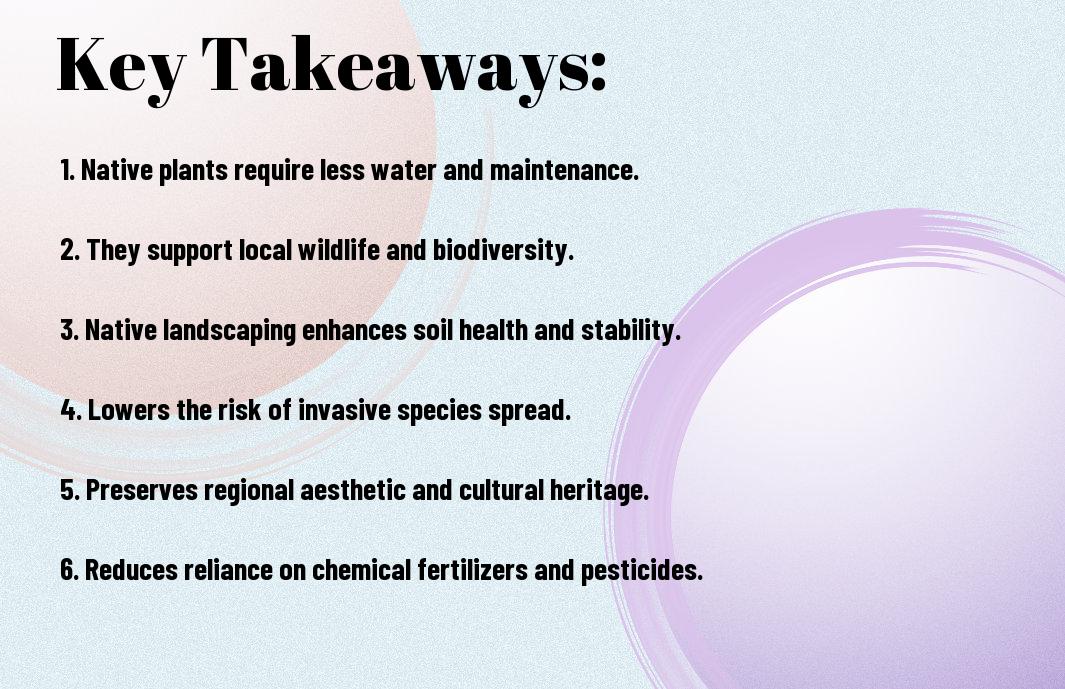
To create an efficient and environmentally friendly landscape, consider the following points about native plants:
- Using native plants in landscaping can help conserve water and reduce maintenance costs, as they are adapted to the local climate and soil conditions, requiring less irrigation and care.
- Sustainable landscaping with native plants can also help to mitigate climate change by absorbing carbon dioxide, reducing soil erosion, and filtering pollutants from the air and water, creating a more resilient and environmentally friendly outdoor space.
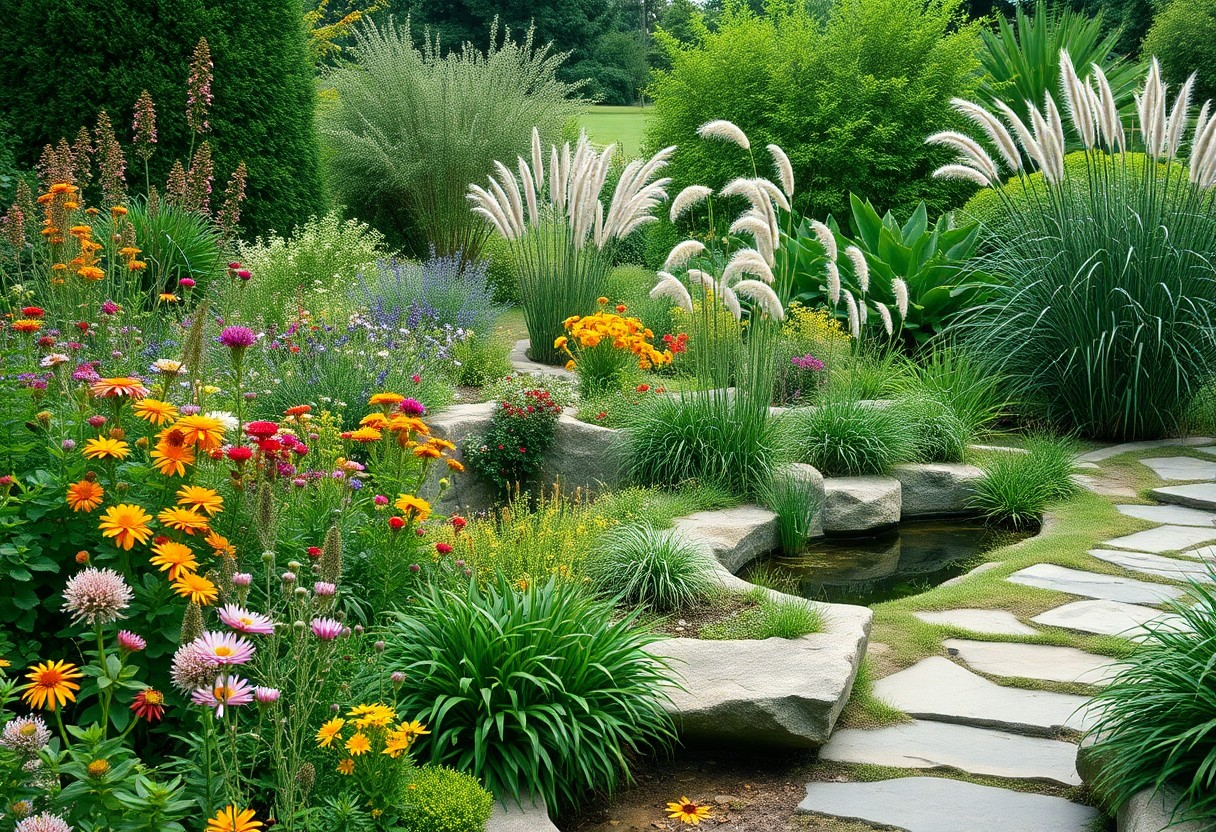
Benefits of Native Plants
Before incorporating native plants into your landscaping, consider the advantages they offer. Native plants provide numerous benefits, including improved biodiversity, low maintenance, and enhanced aesthetic appeal, making them an excellent choice for your outdoor space.
Improved Biodiversity
Benefits like supporting local ecosystems and attracting native wildlife make native plants an attractive option for you. By choosing native plants, you can create a thriving ecosystem that supports a diverse range of flora and fauna.
Low Maintenance
Across various climates and soil types, native plants generally require less upkeep, allowing you to enjoy your outdoor space without excessive gardening work. You will find that native plants are more disease-resistant and require less watering.
Even when it comes to pruning and fertilizing, native plants are often easier to care for, as they have adapted to the local environment. You can spend less time tending to your garden and more time enjoying the beauty and benefits of your native plant landscape, knowing that you are supporting the local ecosystem and conserving natural resources.
Environmental Advantages
The use of native plants in landscaping offers numerous environmental benefits, allowing you to create a sustainable and eco-friendly outdoor space. By choosing native plants, you can reduce your carbon footprint and support local biodiversity, ultimately enhancing your overall landscape.
Water Conservation
To minimize water consumption, you can select native plants that are adapted to your region’s climate, requiring less irrigation and maintenance. This approach enables you to conserve water while maintaining a beautiful and thriving landscape.
Soil Erosion Prevention
At the root of a stable landscape is soil erosion prevention, which native plants help achieve through their deep root systems. You can effectively prevent soil erosion by incorporating native plants into your landscape design, protecting your property from water runoff and soil degradation.
Hence, as you consider the benefits of native plants in preventing soil erosion, you’ll find that their extensive root systems hold soil in place, allowing you to enjoy a more stable and resilient landscape, while also preserving the natural beauty of your surroundings, and you will be able to appreciate the long-term benefits of your landscaping choices.
Aesthetic Appeal
For homeowners, native plants offer a unique opportunity to enhance the beauty of your landscape. By incorporating native species, you can create a visually striking outdoor space that reflects the natural beauty of your region.
Unique Landscaping Features
Among the many benefits of native plants, their ability to add distinct character to your landscape is particularly noteworthy. You can use native plants to create unique features, such as meadows, gardens, or wildlife habitats, that set your yard apart from others.
Vibrant Colors and Textures
Before selecting plants for your landscape, consider the vibrant colors and textures that native species can provide. You can choose plants with striking blooms, varied foliage, or interesting seed heads to add depth and visual interest to your outdoor space.
Appeal of native plants lies in their ability to provide a dynamic display of colors and textures throughout the growing season. As you plan your landscape, consider how you can use native plants to create a stunning display of blooms, foliage, and seed heads that will attract visitors and enhance your outdoor enjoyment.
Economic Benefits
Once again, you can benefit from using native plants in your landscaping, as they offer numerous economic advantages. You can learn more about the Benefits of Native Plants and how they can save you money in the long run.
Reduced Watering Costs
The use of native plants in your landscaping can lead to reduced watering costs, as they are adapted to the local climate and require less water to thrive, saving you money on your water bill.
Increased Property Value
Behind the beauty of native plants lies a significant increase in your property value, as they enhance the aesthetic appeal of your landscape and create a unique atmosphere that attracts potential buyers.
Another advantage of increased property value is that it can lead to a higher selling price, making your investment in native plants a worthwhile decision, as you can reap the financial benefits when you decide to sell your property, and you will be able to demand a premium price due to the beautiful and low-maintenance landscape.
Choosing the Right Native Plants
After selecting native plants, you’ll want to consider various factors to ensure they thrive in your landscape. This involves assessing your local climate, soil type, and moisture levels to create an optimal environment for your plants.
Climate Considerations
Climatic conditions play a significant role in determining which native plants will flourish in your area. You should consider the average temperature, sunlight, and precipitation in your region when choosing native plants.
Soil Type and Moisture Levels
Leveling the playing field for your native plants involves understanding your soil’s characteristics, such as its pH level and nutrient content, as well as its moisture levels, to select plants that are well-suited to these conditions.
Further investigation into your soil type and moisture levels will help you determine the best native plants for your landscape. You can test your soil to determine its pH level and nutrient content, and observe the moisture levels in different areas of your yard to choose plants that will thrive in those conditions, allowing you to create a beautiful and sustainable landscape that requires minimal maintenance.
Implementation and Maintenance
All aspects of native plant landscaping require careful consideration, from initial planting to ongoing care, to ensure the success and longevity of your landscape.
Planting and Care Techniques
For optimal results, you should choose plants that are well-suited to your climate and soil type, and plant them at the right time of year to minimize stress and promote healthy growth.
Ongoing Maintenance and Upkeep
Planting native plants is just the first step; you will also need to commit to regular maintenance, including watering, pruning, and monitoring for pests and diseases, to keep your landscape thriving.
Understanding the specific needs of your native plants is key to providing the right level of care, and you will need to adjust your maintenance routine accordingly, taking into account factors such as weather patterns, soil conditions, and the unique characteristics of each plant species in your landscape, allowing you to create a beautiful and sustainable outdoor space that benefits both you and the environment.
To wrap up
To wrap up, you can enhance your outdoor space by incorporating native plants into your landscaping, which provides numerous benefits. You will not only support local biodiversity, but your landscape will also require less maintenance and care. By choosing native plants, you can create a beautiful and sustainable outdoor environment that thrives with minimal effort, allowing you to enjoy your yard while doing your part for the environment.
FAQ
Q: What are the benefits of using native plants in landscaping, and why should I consider them for my garden or yard?
A: Using native plants in landscaping offers numerous benefits. Native plants are adapted to the local climate and soil conditions, which means they require less watering, pruning, and fertilization. This leads to a significant reduction in maintenance costs and environmental impact. Additionally, native plants provide a natural habitat for local wildlife, such as birds, bees, and butterflies, which helps to support biodiversity and ecosystem health.
Q: How do native plants help with soil conservation and erosion control in landscaping projects?
A: Native plants have deep root systems that help to hold soil in place, preventing erosion and landslides. Their roots also help to improve soil structure and fertility, which reduces the need for fertilizers and other soil amendments. Furthermore, native plants help to filter rainwater and prevent runoff, which reduces the amount of pollutants that enter nearby waterways. This makes native plants an effective and sustainable solution for soil conservation and erosion control.
Q: Can native plants be used in decorative landscaping, or are they limited to wild or naturalized areas?
A: Native plants can be used in a variety of decorative landscaping applications, from formal gardens to informal meadows. Many native plants have beautiful flowers, foliage, and textures that can add visual interest and depth to a landscape. They can be used as specimen plants, in borders, or as groundcovers, and can be combined with other plants to create a unique and diverse landscape design. With a little creativity, native plants can be used to create beautiful and functional landscapes that are both aesthetically pleasing and environmentally beneficial.
Q: How do native plants support local wildlife, and what types of plants are most beneficial for attracting pollinators and other beneficial insects?
A: Native plants provide a source of food, shelter, and habitat for local wildlife, including pollinators like bees, butterflies, and hummingbirds. Plants with nectar-rich flowers, such as coneflowers, black-eyed susans, and lavender, are particularly attractive to pollinators. Native plants also provide host plants for caterpillars and other insects, which helps to support the entire food chain. By incorporating native plants into your landscape, you can create a welcoming habitat for local wildlife and help to support the health of ecosystems.
Q: Are native plants more resistant to pests and diseases, and do they require fewer pesticides and other chemicals?
A: Yes, native plants are often more resistant to pests and diseases than non-native plants, which means they require fewer pesticides and other chemicals. Native plants have evolved alongside local pests and diseases, and have developed natural defenses to protect themselves. This reduces the need for chemical interventions, which can harm people, pets, and the environment. By using native plants in landscaping, you can create a healthier and more sustainable landscape that is better equipped to withstand pests and diseases, and requires fewer chemical inputs.
