Gardening

The Top Tips for Growing Healthy Cucumbers

If you’re looking to add a refreshing twist to your garden, growing cucumbers is a great idea. As you initiate on this journey, you’ll want to ensure your cucumbers are healthy and thriving. You can start by checking out a comprehensive guide on How to Grow Cucumbers: Beginner’s Starter Guide to get the basics right. With the right techniques, you’ll be enjoying your homegrown cucumbers in no time, and your harvest will be plentiful and delicious.

Key Takeaways:

To achieve success in growing healthy cucumbers, consider the following points:

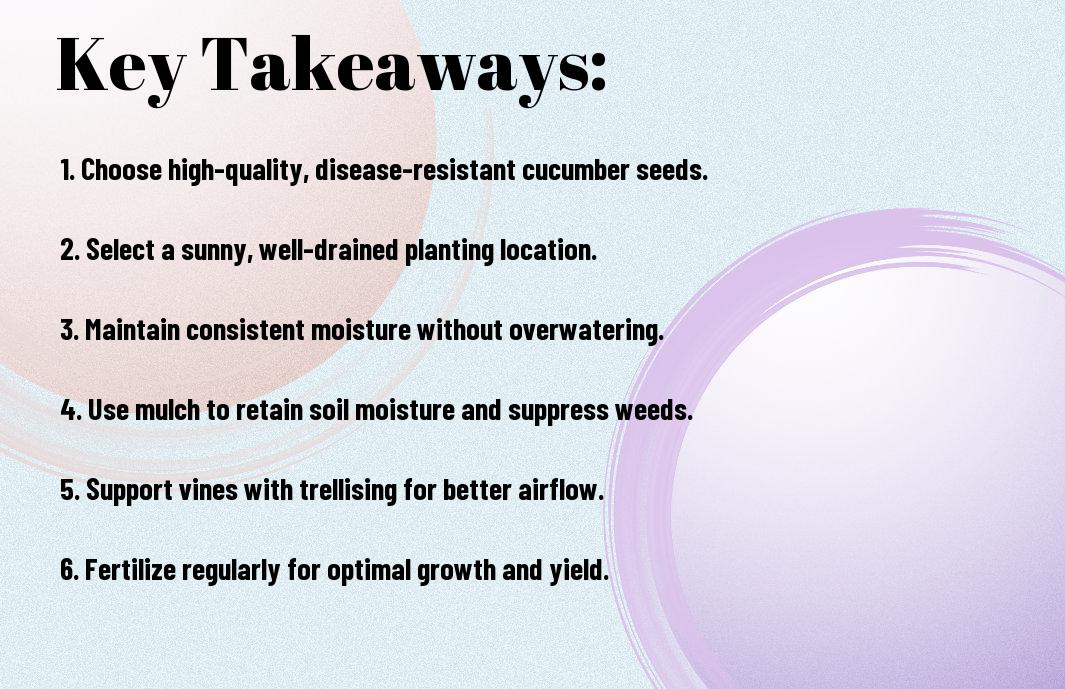
  • Provide your cucumbers with adequate sunlight and water to promote healthy growth and development.
  • Use well-draining soil and a trellis to support the cucumber plants as they grow, keeping them off the ground to prevent disease.
  • Keep an eye out for pests and diseases, and take action promptly if you notice any issues to prevent them from spreading and damaging your crop.

    Soil Preparation

    A key factor in growing healthy cucumbers is preparing the right soil, you can learn more about it at How To Grow Cucumbers: Tips on Planting And Caring.

    Choosing the Right Soil

    Beneath the surface, you’ll find that well-draining soil with a pH between 6.0 and 7.0 is ideal for cucumbers, allowing your plants to thrive.

    Preparing the Soil for Planting

    By loosening the soil to a depth of 12-18 inches, you’ll be able to create a suitable environment for your cucumber seeds to grow.

    Soil preparation is an necessary step in the process, as it allows you to create a fertile ground for your cucumbers to develop, you can add organic matter like compost to improve soil structure and fertility, which will help your plants grow strong and healthy.

    Selecting the Right Variety

    Any gardener looking to grow healthy cucumbers should consider the type of variety that suits their needs.

    Types of Cucumbers

    You can choose from:

    • Slicing cucumbers
    • Pickling cucumbers

    Any variety you choose will have its unique characteristics.

    Variety Characteristics
    Slicing Long, thin, and dark green
    Pickling Short, stout, and light green
    English Long, thin, and seedless
    Persian Short, thin, and sweet

    Considerations for Climate and Space

    One of the key factors in selecting a cucumber variety is considering your climate and available space. You should think about the temperature, humidity, and sunlight your garden receives.

    Plus, you need to ensure that your cucumber plants have enough space to spread out and grow, taking into consideration the mature size of the plant and its watering needs, so you can provide your cucumbers with the best conditions for optimal growth.

    Sowing and Germination

    After preparing your soil, you can start sowing your cucumber seeds, and for more information, you can visit How to Grow Cucumber Plants: The Complete Guide to get the best results.

    Sowing Seeds

    Adept gardeners know that sowing seeds at the right depth and spacing is crucial for healthy growth, and you should sow your seeds about 1 inch deep and 6-8 inches apart.

    Providing Adequate Water and Light

    By ensuring your cucumber plants receive sufficient water and light, you will be able to promote healthy growth and development, and your plants will thrive in a sunny location with well-drained soil.

    Indeed, providing adequate water and light is vital for your cucumber plants, and you should water them deeply once or twice a week, depending on weather conditions, and ensure they receive full sun to partial shade, which will help them grow strong and produce plenty of fruit.
    Supporting and Training

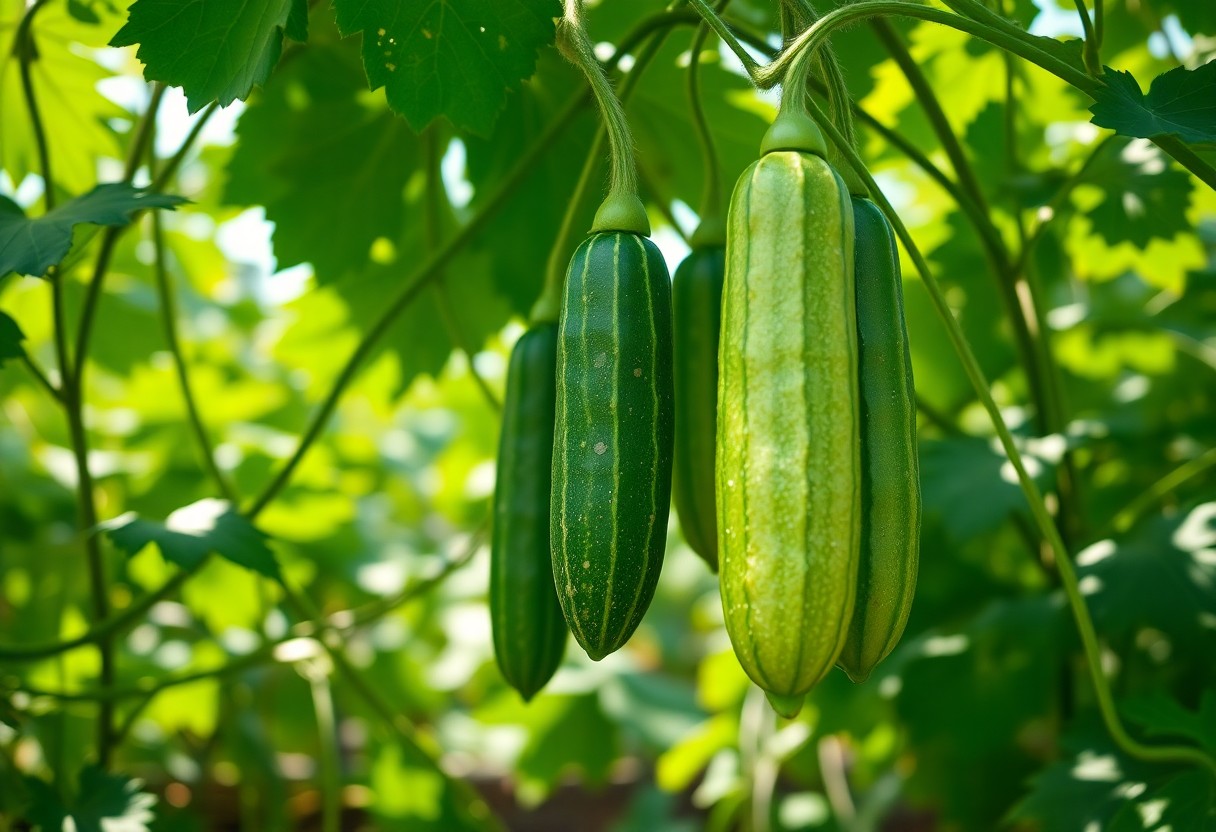
    Many cucumber plants need support as they grow, and providing the right structure can help you maximize your harvest. You can use a variety of methods to train your cucumbers, from simple stakes to more complex trellises and cages.

    Using Trellises and Cages

    Previously, gardeners had to rely on makeshift supports, but now you have access to a wide range of trellises and cages specifically designed for cucumbers, allowing you to provide your plants with the support they need to thrive.

    Pruning and Training Vines

    Teaching your cucumber vines to climb can be a simple process, and you can start by gently twining the stems around the support, encouraging them to grow upwards and outwards, making the most of your space.

    Trellises can be especially useful when pruning and training vines, as they provide a clear structure for you to follow, allowing you to trim back any stray growth and encourage your cucumbers to focus their energy on producing fruit, resulting in a healthier and more productive plant, and a better harvest for you.

    Pest and Disease Management

    To ensure your cucumbers grow healthy, you need to manage pests and diseases effectively. This involves monitoring your plants regularly and taking action at the first sign of trouble.

    Common Pests and Diseases

    Besides regular inspections, you should be aware of common pests and diseases that can affect your cucumber plants, such as aphids, whiteflies, and powdery mildew.

    Organic and Integrated Pest Management

    Behind every successful cucumber crop is a well-planned pest management strategy, which includes using organic methods to control pests and diseases, such as introducing beneficial insects or using physical barriers.

    Pests can quickly destroy your cucumber crop if left unchecked, so you will want to use a combination of techniques, including crop rotation, biological control, and organic pesticides, to keep them under control and maintain a healthy balance in your garden, allowing your cucumbers to thrive.

    Harvesting and Enjoying

    Unlike other vegetables, cucumbers are ready to harvest when they are dark green and around 6-8 inches long. You can enjoy your cucumbers in a variety of ways, from slicing them up for a refreshing snack to incorporating them into your favorite recipes.

    When to Harvest

    Beneath the vine, you’ll find your cucumbers ready to be picked when they reach the desired size. You can check on them daily, as they can quickly become too large and seedy.

    Using Cucumbers in Recipes

    Beyond the classic salad, you can use your cucumbers in a wide range of dishes, from sandwiches and wraps to yogurts and smoothies. You can also pickle or ferment them for a tangy snack.

    Hence, as you explore the various ways to use your cucumbers, you’ll discover that they can add a cool and refreshing touch to many of your favorite recipes. You can slice them thinly and add them to sandwiches, or dice them up and toss them into a salad. Your cucumbers will be a versatile and delicious addition to your kitchen, and you’ll enjoy finding new ways to incorporate them into your meals.
    To wrap up

    Summing up, you now have the imperative knowledge to grow healthy cucumbers. You can apply these top tips to your gardening practice, ensuring your cucumber plants receive the right amount of water, nutrients, and support. By following these guidelines, you will be able to enjoy a bountiful harvest of delicious and refreshing cucumbers from your own garden, and your efforts will be rewarded with a successful growing season.

    FAQ

    Q: What are the ideal growing conditions for healthy cucumbers?

    A: Cucumbers are a warm-season crop and thrive in full sun with well-drained soil that is rich in organic matter. They prefer a slightly acidic to neutral soil pH, ranging from 6.0 to 7.0. Consistent moisture, especially when they are producing fruit, is necessary for healthy growth. Support, such as a trellis, can also be beneficial to keep the vines organized and promote better fruiting.

    Q: How often should I water my cucumber plants?

    A: Cucumber plants need consistent moisture to produce well. It is recommended to water them deeply about 1-2 times a week, depending on weather conditions. The soil should be kept moist but not waterlogged, as this can lead to root rot and other problems. Mulching around the plants can help retain moisture in the soil and suppress weeds that compete for water.

    Q: What are some common pests and diseases that affect cucumber plants, and how can they be managed?

    A: Common pests that affect cucumber plants include aphids, whiteflies, and cucumber beetles. Regularly inspecting the plants and using organic control methods such as neem oil or introducing beneficial insects can help manage these pests. Diseases such as powdery mildew and fungal infections can be managed by ensuring good air circulation, removing infected leaves, and using fungicides as a last resort. Practicing crop rotation and using resistant varieties can also help prevent disease issues.

    Q: How do I optimize fertilizer application for my cucumber plants?

    A: Cucumbers are heavy feeders and benefit from a balanced fertilizer applied at planting time and again when they start to vine. A fertilizer that is high in phosphorus (such as a 10-20-10 NPK formula) can promote fruit production. Side-dressing with a balanced fertilizer when the plants are about 6 inches tall and again when they start to bloom can provide them with necessary nutrients for optimal growth and fruiting.

    Q: Are there any specific pruning or training techniques for cucumber plants to enhance their productivity and health?

    A: Pruning and training cucumber vines can significantly enhance their productivity and health. Removing lower leaves when the plant is about 12 inches tall can help prevent soil-borne diseases from splashing up onto the plant. Training the vines to climb a trellis or other support can improve air circulation, make harvesting easier, and promote even fruiting. Regularly removing any weak or spindly growth can also help direct the plant’s energy into producing more fruit.
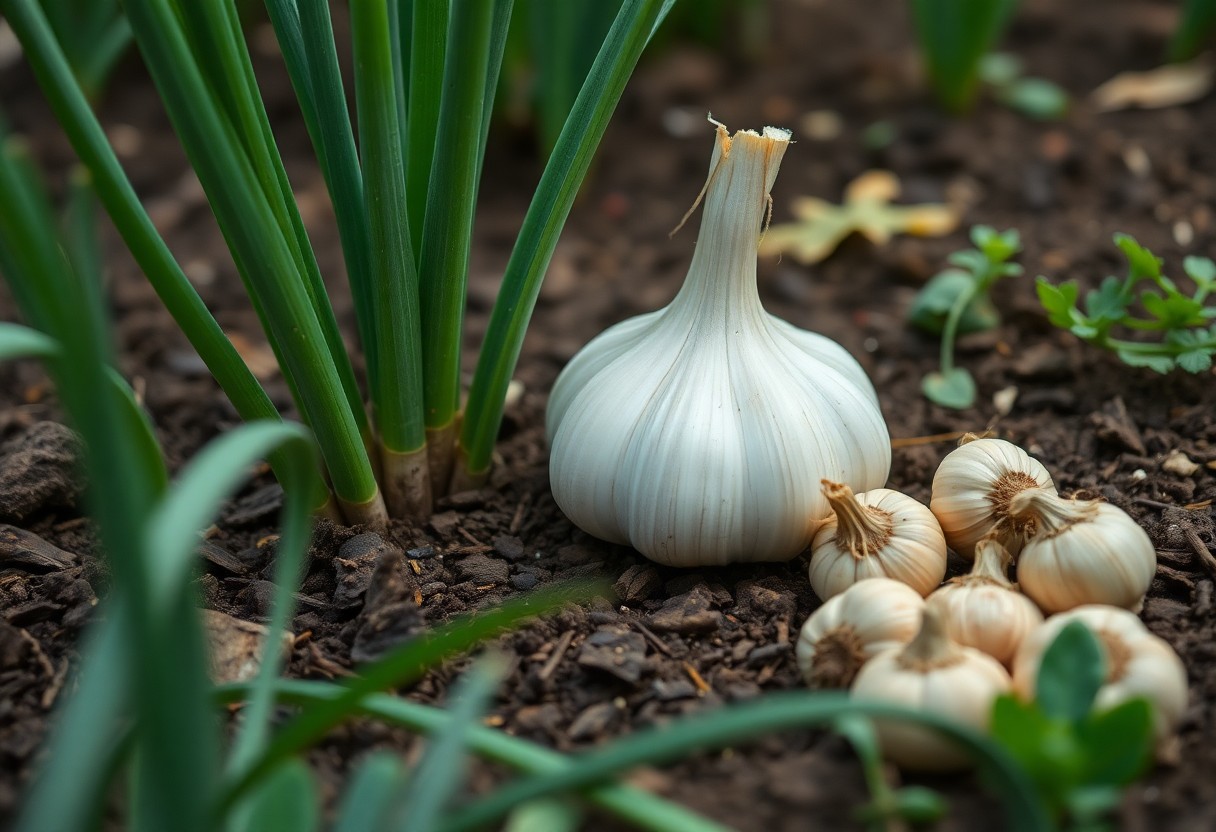
The Best Tips for Growing Garlic at Home

As you consider growing your own garlic, you’re likely looking for ways to ensure a successful harvest. You can start by learning from experts and experienced gardeners. For a comprehensive guide, you can visit 6 Top Tips for Growing Garlic to get started. By following the right techniques, you’ll be able to grow delicious and healthy garlic in your own home, and enjoy the numerous benefits that come with it, including fresh flavors and improved health.

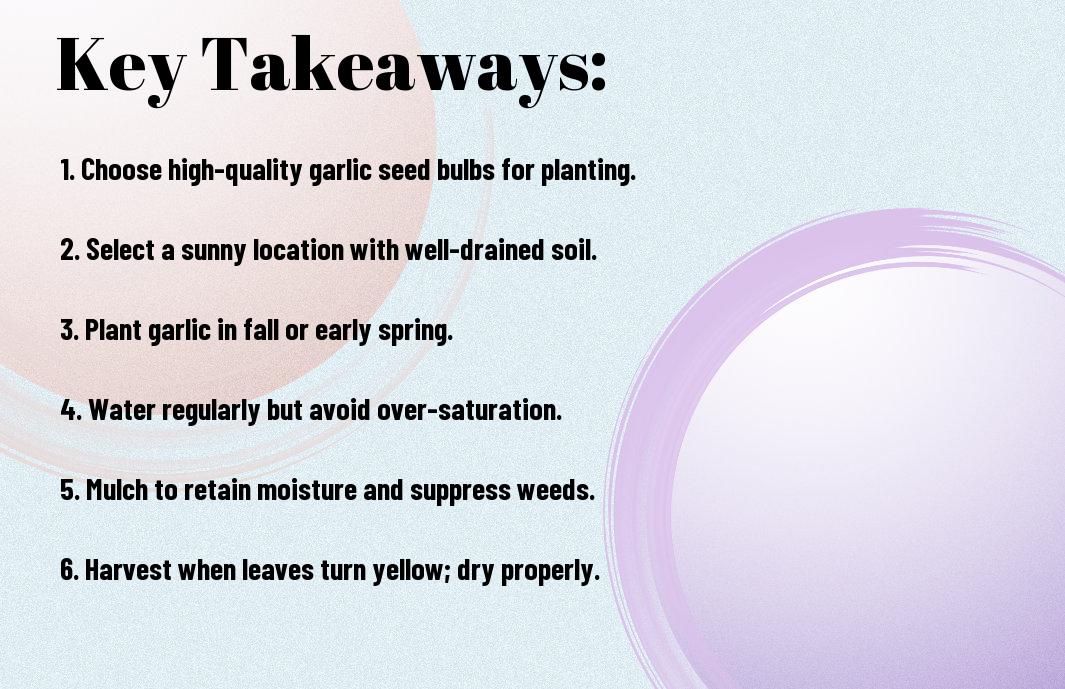
Key Takeaways:

To achieve success in growing garlic at home, consider the following points:

  • Choose the right variety of garlic for your climate and desired flavor profile, as different types of garlic have varying hardiness levels and maturity dates.
  • Prepare the soil by adding organic matter and ensuring it has good drainage, as garlic prefers well-draining soil with a pH between 6.0 and 7.0.
  • Plant individual cloves 4-6 inches apart and 2-3 inches deep, with the basal plate facing down, to give the garlic roots room to grow and develop properly.

Preparation

While getting started with growing garlic at home, you’ll want to explore resources to ensure you’re doing it right. Check out discussions like Garlic decided it wanted to grow, can I bury it and maybe get some actual garlic? for insights from experienced gardeners.

Choosing the Right Garlic Variety

About the type of garlic you want to grow, you should consider factors like climate, flavor, and storage life to select the best variety for your needs, allowing you to make an informed decision for your garden.

Preparing the Soil

Preparing the soil for garlic involves testing its pH level and adjusting it if necessary, as garlic prefers a slightly acidic to neutral soil pH, and you should also add organic matter like compost to improve soil structure and fertility, which will help your garlic grow strong and healthy, allowing you to achieve a bountiful harvest.

Planting

If you want to grow garlic at home, you’ll need to start by planting individual cloves. This process is relatively straightforward and can be done in the fall or early spring, depending on your climate.

When to Plant Garlic

For optimal growth, you should plant garlic when the weather is cool, as this will help the cloves establish a strong root system before the heat of summer. Typically, this means planting in late summer or early fall, about 6-8 weeks before the first frost.

How to Plant Garlic

Generally, garlic planting involves separating the individual cloves from the bulb and planting them in well-draining soil, with the pointed end facing upwards. You’ll want to space them about 4-6 inches apart, and plant them at a depth of about 2-3 inches.

Understanding the specifics of how to plant garlic is key to a successful harvest. As you prepare to plant, make sure your soil is loose and well-draining, with a pH between 6.0 and 7.0. You should also consider adding compost or well-rotted manure to the soil to provide your garlic with imperative nutrients. By following these steps, you’ll be well on your way to growing healthy, flavorful garlic that you can enjoy for months to come.

Care and Maintenance

Not much is needed to keep your garlic healthy, but regular care will ensure a bountiful harvest. You’ll need to provide your garlic with the right conditions to thrive.

Watering and Mulching

Betwixt the planting and harvesting seasons, you should maintain a consistent moisture level in your soil, and apply a layer of mulch to retain water and suppress weeds, which will help your garlic grow.

Dealing with Pests and Diseases

Along with proper care, you’ll need to watch out for signs of pests and diseases, such as yellowing leaves or black spots, which can damage your garlic crop if left unchecked.

Indeed, dealing with pests and diseases requires swift action, and you should inspect your garlic plants regularly to catch any issues early, treating them with organic or chemical solutions as needed to prevent the problem from spreading and to protect your harvest.

Harvesting

To ensure a successful garlic harvest, you’ll want to check out expert advice, such as How to Grow Garlic Indoors the Right Way, for valuable insights.

Knowing When to Harvest

One of the most important steps in harvesting garlic is determining when the time is right, typically when the tops of the plants begin to yellow and fall over, indicating that the bulbs are ready to be dug up.

How to Harvest and Store Garlic

The process of harvesting and storing garlic requires care, as you’ll need to gently dig up the bulbs, being careful not to damage them, and then dry them in a cool, dry place to preserve for future use.

Hence, you will be able to enjoy your homegrown garlic for months to come, adding flavor to a variety of dishes, from soups to salads, and you can also share your bounty with friends and family, or store it for later use, allowing you to savor the fruits of your labor.

Common Mistakes to Avoid

Unlike other plants, growing garlic requires attention to detail to achieve a successful harvest. You need to be aware of the common pitfalls that can affect your garlic crop, such as overwatering, underwatering, and inadequate sunlight, to ensure your garlic grows healthy and strong.

Overwatering and Underwatering

Any inconsistency in watering can be detrimental to your garlic plants, so you should aim to find a balance that keeps the soil moist but not waterlogged, as this can lead to rot and poor growth.

Not Providing Enough Sunlight

Between planting and harvesting, your garlic needs sufficient sunlight to photosynthesize and grow, so you should choose a location that receives plenty of direct sunlight for most of the day.

Overwatering can be a problem, but not providing enough sunlight can also stunt the growth of your garlic plants, so you should ensure that your garlic receives at least 6 hours of direct sunlight per day, as this will help to promote healthy growth and development, and you will be rewarded with a bountiful harvest.

Tips for Success

After establishing your garlic garden, you’ll want to ensure its success. Consider the following:

  • Choose the right variety
  • Plant at the right time

. Knowing these tips will help you achieve a bountiful harvest.

Rotating Crops

Around the same time, you’ll need to think about rotating your crops to avoid depleting the soil of nutrients. This will help maintain the health of your garlic plants and prevent disease.

Composting and Fertilizing

Often, you’ll find that composting and fertilizing are necessary for promoting healthy growth. You can use natural fertilizers to enrich the soil and support your garlic plants.

Even if you’re new to gardening, you can easily start composting and fertilizing your garlic plants. You can create your own compost using kitchen scraps and yard waste, or purchase organic fertilizers from a gardening store. As you add these nutrients to the soil, you’ll begin to notice improvements in your garlic plants’ growth and flavor, and you’ll be able to enjoy a successful harvest from your home garden.

Summing up

On the whole, you now have the necessary knowledge to grow garlic at home. You can successfully cultivate your own garlic by following the tips outlined, from selecting the right variety to harvesting at the optimal time. With your newfound understanding, you will be able to enjoy your homegrown garlic and appreciate the benefits of having this flavorful ingredient in your kitchen, enhancing your cooking with your own fresh produce.

FAQ

Q: What are the best conditions for growing garlic at home?

A: Garlic prefers well-draining soil and full sun to partial shade. It thrives in areas with rich, fertile soil that has a pH between 6.0 and 7.0. Additionally, garlic needs adequate moisture, especially when the bulbs are forming. Aim to provide about 1 inch of water per week, either through rainfall or irrigation.

Q: How do I prepare the soil for planting garlic?

A: To prepare the soil for planting garlic, start by loosening the soil to a depth of about 12 inches. Then, mix in a 2-inch layer of compost or well-rotted manure to improve soil fertility and drainage. It’s also a good idea to add a balanced fertilizer according to the manufacturer’s instructions. Avoid using fresh manure, as it can burn the garlic’s roots.

Q: When is the best time to plant garlic at home?

A: In most regions, the best time to plant garlic is in the fall, about 6-8 weeks before the first frost. This allows the garlic to establish itself over the winter and produces a larger harvest. If you live in a warmer climate, you can also plant garlic in late winter or early spring, as soon as the soil can be worked. Avoid planting garlic in the summer, as the heat can cause the bulbs to rot.

Q: How do I care for garlic plants as they grow?

A: To care for garlic plants, keep the soil consistently moist during the first few weeks after planting. As the plants grow, you can reduce watering to about 1 inch per week. It’s also crucial to keep the area around the garlic plants weed-free, as weeds can compete for water and nutrients. You can use a layer of mulch to suppress weeds and retain moisture in the soil.

Q: How do I know when my garlic is ready to harvest?

A: Garlic is typically ready to harvest when the tops of the plants begin to yellow and fall over. This usually occurs about 3-4 months after planting, depending on the variety. Check the bulbs by carefully digging around the plant with a fork, being careful not to damage the bulbs. If the bulbs are divided into separate cloves and the necks have started to dry, it’s time to harvest. Use a garden fork to carefully lift the bulbs out of the ground, and then let them dry in a warm, dry place for a few weeks before storing.

The Best Ways to Use Recycled Materials in Gardening

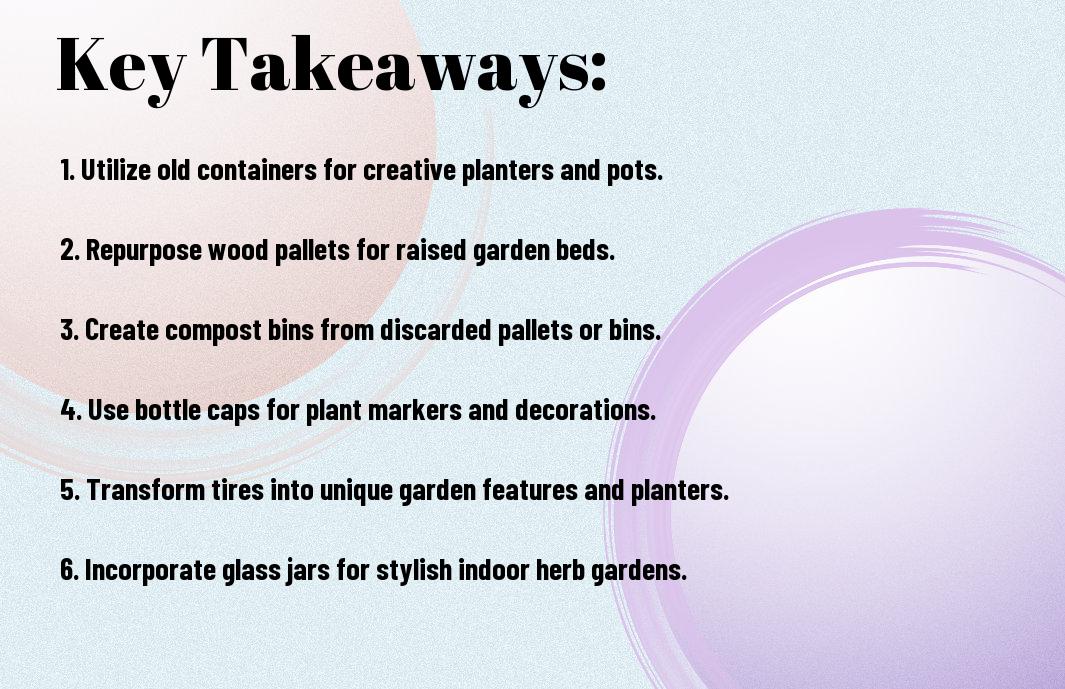
Key Takeaways:

To make the most of recycled materials in gardening, consider the following points:

  • Using compost made from food waste and yard trimmings can greatly improve soil fertility and overall plant health, reducing the need for synthetic fertilizers.
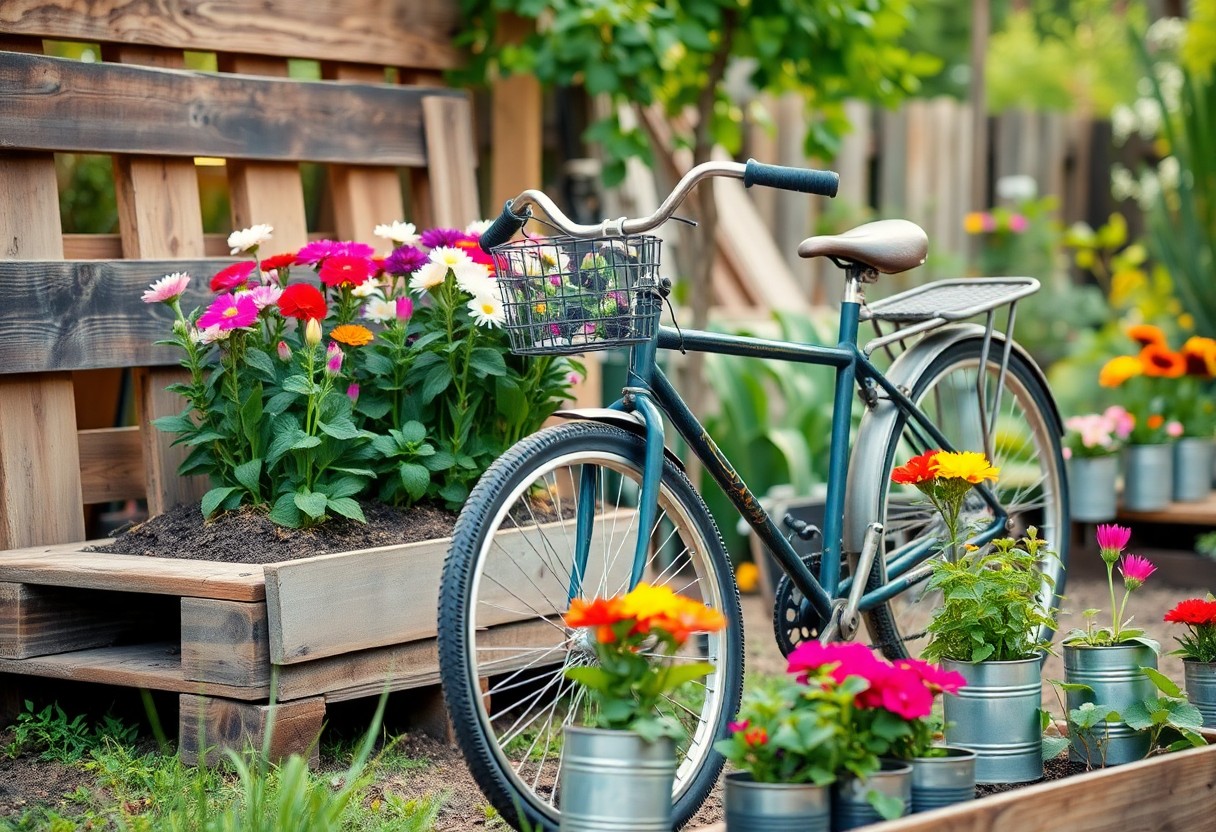
  • Repurposed containers, such as old plastic bottles and wooden pallets, can be transformed into planters and trellises, adding a creative touch to your garden while reducing waste.
  • Incorporating mulch made from recycled organic materials like cardboard and straw can help with weed suppression and soil erosion control, creating a more sustainable gardening practice.

Benefits of Using Recycled Materials

While cultivating your garden, you’ll find that using recycled materials has numerous advantages. It not only helps the environment, but also adds a touch of uniqueness to your outdoor space. By repurposing old items, you’ll create a one-of-a-kind garden that reflects your resourcefulness and creativity.

Reducing Waste

Benefits like these are undeniable: you’ll significantly decrease the amount of waste sent to landfills, conserving space and reducing pollution. Your garden will flourish, and so will the planet, as you give new life to discarded materials.

Saving Resources

Behind every recycled material lies an opportunity to conserve natural resources. You’ll be surprised at how many items can be repurposed in your garden, from old containers to broken tools, reducing the need for new, resource-intensive products.

Another advantage of saving resources is that it allows you to allocate them more efficiently. As you reuse and recycle, you’ll find that your garden becomes more self-sufficient, relying less on external inputs and more on your own ingenuity and creativity, ultimately leading to a more sustainable and thriving outdoor space, one that you can enjoy for years to come.

Creative Ways to Reuse Materials

Some of the most innovative gardening ideas come from reusing materials you might otherwise discard. You can breathe new life into old items, reducing waste and adding character to your garden.

Turning Old Pots into Planters

Akin to giving old things a fresh purpose, you can convert old pots into unique planters, adding a touch of personality to your garden with your thoughtful reuse of materials.

Transforming Wooden Crates into Garden Beds

Around your home, you may have wooden crates that can be repurposed as garden beds, providing a rustic and charming space for your plants to flourish, and allowing you to make the most of your available space.

With your wooden crates transformed into garden beds, you can create a beautiful and functional garden, showcasing your plants and flowers in a way that reflects your personal style, and you will be able to enjoy the fruits of your labor in a serene and peaceful environment that you have created yourself.

DIY Projects for Gardeners

Not only can you reduce waste, but you can also create unique and functional items for your garden by using recycled materials in your DIY projects, allowing you to express your creativity and connect with nature.

Building a Compost Bin from Recycled Wood

Around the garden, you can find many uses for recycled wood, and building a compost bin is an excellent way to repurpose old pallets or wooden crates, giving you a place to turn your kitchen scraps into fertile soil.

Creating a Self-Watering System from Plastic Bottles

Crafting a self-watering system from plastic bottles is a simple and efficient way to provide your plants with a constant supply of water, and you can make it by cutting the bottom off a plastic bottle and burying it in the soil next to your plants.

From this basic design, you can expand and create a more complex system that meets the specific needs of your garden, allowing you to customize the watering schedule and prevent overwatering, which can be detrimental to your plants’ health, and as you work on your self-watering system, you will find that it brings you a sense of satisfaction and connection to the natural world.

Soil and Compost Strategies

For a thriving garden, you can explore innovative methods to enhance your soil and compost. Check out Gardening Ideas Using Recycled Materials and Tips to discover new ways to create a more productive garden.

Using Kitchen Scraps to Enrich Soil

Across your kitchen, you likely have scraps that can be used to enrich your soil, such as eggshells, coffee grounds, and vegetable peels, which can add necessary nutrients to your garden.

Making Compost Tea from Food Waste

Utilizing food waste, you can make compost tea, a liquid solution that promotes healthy microbial growth in your soil, leading to a more balanced ecosystem in your garden.

Hence, as you investigate into making compost tea from food waste, you’ll find that it’s a simple process that involves steeping your compost in water, creating a nutrient-rich liquid that can be used as a fertilizer, helping your plants grow strong and resilient, much like the natural world that surrounds you.

Decorative Ideas for the Garden

All around your garden, you can find opportunities to get creative with recycled materials, and one great place to start is by exploring DIY Recycled Seedling Pots & Seed Starting Ideas to give your plants a unique touch.

Creating a Mosaic from Broken Tiles

Besides using recycled materials for functional purposes, you can also create beautiful decorative pieces, like a mosaic from broken tiles, to add a personal touch to your garden.

Hanging Wind Chimes from Recycled Metal

About the sounds that fill your garden, consider creating wind chimes from recycled metal to produce a soothing melody.

Tiles and other materials can be used to complement your wind chimes, but when it comes to hanging them, you’ll want to focus on the metal components, shaping and tuning them to produce the desired sounds, allowing you to enjoy the music of your garden.

Tips for Successful Recycling

Despite the challenges, you can recycle effectively by following a few simple tips:

  • choosing the right materials
  • preparing them properly

. Knowing these basics will help you get started on your recycling journey.

Sorting and Cleaning Materials

Besides proper preparation, you need to sort and clean your materials carefully to ensure they can be reused in your garden, which will help you create a sustainable and thriving environment for your plants.

Getting Creative with Repurposing

Materially speaking, you have endless possibilities when it comes to repurposing items in your garden, and with a little imagination, you can turn old items into functional and beautiful elements.

A good approach to getting creative with repurposing is to think about the original purpose of an item and how it can be adapted to serve a new function in your garden, allowing you to give old items a new life and reduce waste, which is a key aspect of maintaining a sustainable and environmentally friendly garden, and as you explore your creativity, you will find that your garden becomes a unique reflection of your personality and values.

To wrap up

With this in mind, you can now launch on your journey to create a more sustainable garden. You will find that using recycled materials not only reduces waste, but also adds character to your outdoor space. As you explore your creativity, your garden will flourish, and you will be living in harmony with nature, just as you intended. Your simple, yet thoughtful approach to gardening will yield a bountiful harvest, and a sense of fulfillment that comes from living a more rustic, self-sufficient lifestyle.

FAQ

Q: What are the benefits of using recycled materials in gardening?

A: Using recycled materials in gardening offers numerous benefits, including reducing waste, conserving natural resources, and creating a more sustainable and environmentally friendly garden. Recycled materials can also add unique textures and visual interest to your garden, making it more aesthetically pleasing. Additionally, using recycled materials can help to reduce the financial cost of gardening by repurposing items that would otherwise be discarded.

Q: What types of recycled materials can be used in gardening?

A: A wide variety of recycled materials can be used in gardening, including plastic containers, old bricks, broken ceramics, and wooden pallets. Other creative options include using old glass bottles as planters, transforming old fences into trellises, and utilizing cardboard tubes as seed starters. You can also reuse natural materials like leaves, branches, and pine needles to create compost or mulch for your garden.

Q: How can I use recycled materials to improve soil quality in my garden?

A: Recycled materials can be used to improve soil quality in several ways. For example, adding compost made from food waste and yard trimmings can enrich the soil with nutrients, while using recycled organic materials like straw or grass clippings as mulch can help to retain moisture and suppress weeds. You can also use recycled paper products like newspaper or cardboard to create a layer of compost that will break down and add nutrients to the soil over time.

Q: Can I use recycled materials to create garden features like paths and planters?

A: Yes, recycled materials can be used to create a variety of garden features, including paths, planters, and decorative accents. For example, you can use old bricks or stones to create a winding path, or transform an old wooden pallet into a planter box. You can also use recycled glass or plastic bottles to create a unique and colorful border for your garden beds. With a little creativity, the possibilities are endless.

Q: How can I get started with using recycled materials in my garden?

A: Getting started with using recycled materials in your garden is easy. Begin by taking stock of the materials you have available, such as old containers, cardboard tubes, and yard trimmings. Then, think creatively about how you can repurpose these items to create a more sustainable and environmentally friendly garden. You can also search online for inspiration and ideas, or visit local gardening stores and nurseries to see what types of recycled materials are available for use in gardening. Start small and have fun experimenting with different projects and ideas.

The Best Tips for Growing Basil Indoors

You’re about to uncover the secrets to cultivating a thriving basil plant in the comfort of your own home. Your indoor space can be a perfect spot to grow this fragrant herb, and with the right approach, you’ll be enjoying fresh basil in no time. You’ll learn how to provide your basil with the right conditions, from lighting to watering, and harvest it like a pro, bringing a touch of freshness to your cooking.

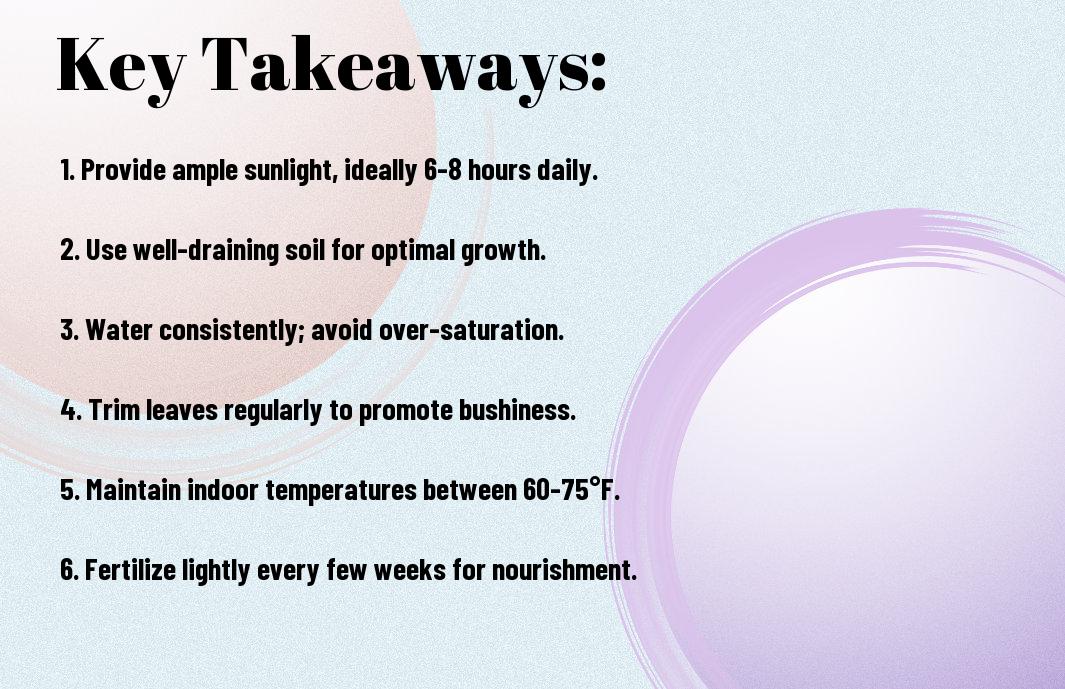
Key Takeaways:

To achieve success in growing basil indoors, consider the following points:

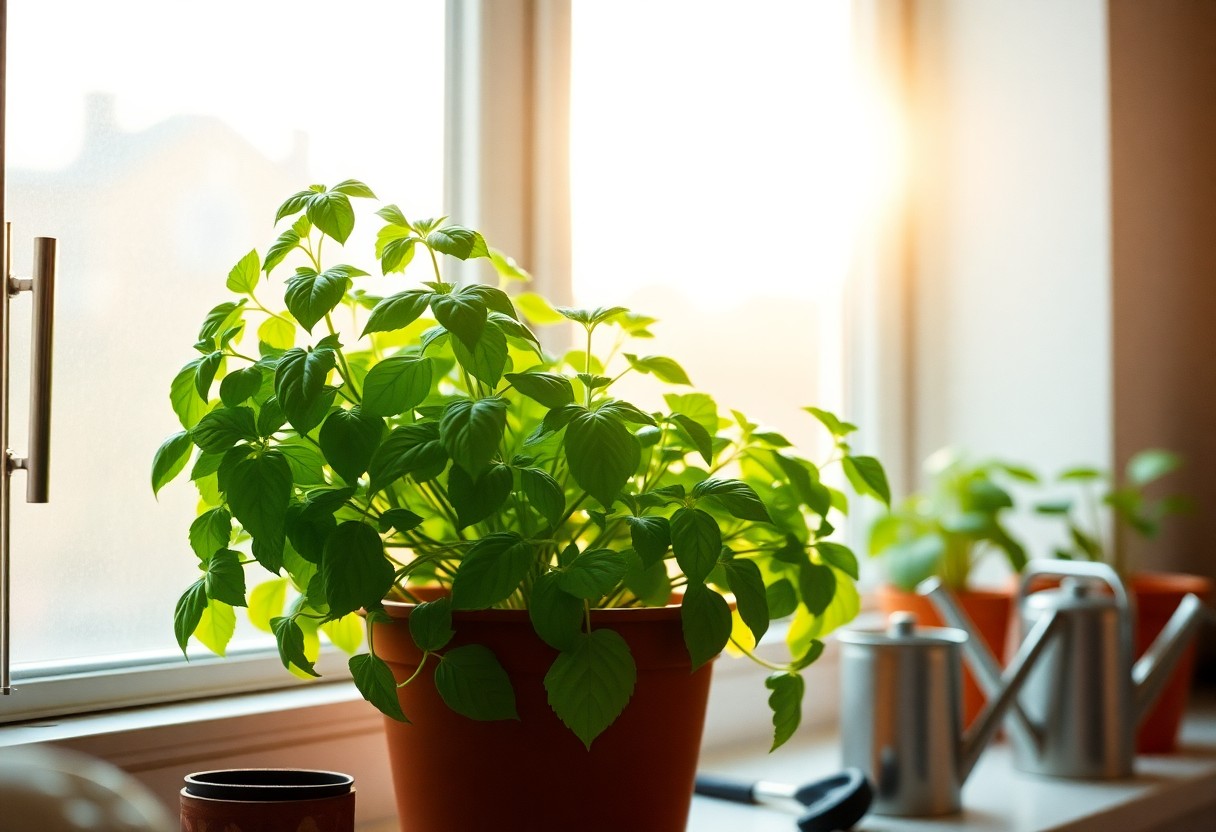
  • Provide adequate lighting for your basil plants, as they require a significant amount of light to photosynthesize and grow. Place them near a sunny window or use grow lights to supplement the natural light.
  • Ensure optimal temperature and humidity levels for your basil plants. They thrive in temperatures between 65-75°F (18-24°C) and a relatively high humidity, which can be achieved by placing the pot on a tray filled with water and pebbles.
  • Use well-draining soil and fertilize your basil plants regularly to promote healthy growth. A balanced fertilizer will provide the necessary nutrients for your basil to flourish, and a well-draining soil will prevent waterlogged soil and root rot.

Preparing the Environment

A well-prepared environment is vital for growing basil indoors. You will need to consider the container, location, and lighting to create an ideal space for your basil to thrive.

Choosing the Right Container

Along with the quality of the soil, a suitable container is vital for your basil’s growth. You should look for a container that is at least 6-8 inches deep and has good drainage holes to prevent waterlogged soil.

Selecting the Ideal Location

Similar to other plants, selecting the right location for your basil is key. You want to place your basil in a spot that gets plenty of sunlight, ideally 4-6 hours of direct sunlight per day.

Considering the amount of sunlight your space receives, you may need to supplement with grow lights to ensure your basil gets enough light to photosynthesize. You should also keep your basil away from drafts and extreme temperatures to promote healthy growth.

Soil and Nutrition

There’s no substitute for good soil when growing basil indoors. You can find valuable advice on caring for your basil plant by checking out threads like Any tips on how to take care of a basil plant inside a condo?

Using High-Quality Potting Soil

Anything less than the best potting soil can hinder your basil’s growth. You should opt for a well-draining mix specifically designed for indoor plants to give your basil the best chance to thrive.

Fertilizing for Optimal Growth

The key to a healthy basil plant is balanced fertilization. You will need to fertilize your plant regularly, using a fertilizer that is high in nutrients, to promote healthy growth and flavor.

Understanding how to fertilize your basil properly is vital to its success. You need to strike a balance, as over-fertilization can be just as harmful as under-fertilization, so you should follow the instructions on the fertilizer package carefully and monitor your plant’s response to the fertilizer, adjusting as necessary to ensure your basil receives the nutrients it needs to flourish.

Watering and Humidity

Once again, you’ll find that growing basil indoors requires attention to detail, and you can learn more about How to Grow and Care for Basil Indoors to master the technique.

Watering Techniques for Indoor Basil

Along with providing sufficient light, you need to water your basil plant carefully, making sure not to overwater or underwater, as this can lead to root rot or weak growth.

Maintaining the Right Humidity Level

The right humidity level is necessary for your basil plant to thrive, and you should aim to keep it between 40-60% to promote healthy growth.

Maintaining this level can be achieved by placing the pot on a tray filled with water and pebbles or using a humidifier, allowing you to create an ideal environment for your basil plant to flourish, and you can enjoy the benefits of fresh, fragrant basil all year round.

Lighting and Temperature

Now, you’ll want to consider the lighting and temperature for your indoor basil. The ideal conditions are outlined in the following table:

Condition Requirement
Light Bright, indirect light
Temperature 65-75°F (18-24°C)

Providing Adequate Light for Basil

To give your basil the best chance, place it near a sunny window or use grow lights. This will help it thrive and produce plenty of leaves.

Keeping the Temperature Just Right

Before you settle on a spot, check the temperature. The ideal range is outlined in the following table:

Temperature Effect
Below 60°F (15°C) Slow growth
Above 80°F (27°C) Wilting

Lighting and temperature are closely linked. You’ll find that the right light and temperature combination is key to healthy growth, as shown in the following table:

Lighting Temperature
Bright, indirect 65-75°F (18-24°C)
Low, indirect 55-65°F (13-18°C)

You can adjust your setup to find the perfect balance for your basil, and with a little practice, you’ll be harvesting fresh leaves in no time.

Pruning and Maintenance

Many indoor gardeners overlook the importance of pruning and maintenance when growing basil indoors. You will need to trim your basil plants regularly to promote healthy growth and prevent them from flowering.

Pruning Techniques for Healthy Growth

Around the time your basil plant reaches 6 inches tall, you should start pruning it to encourage bushy growth. You can pinch off the top leaves to direct the plant’s energy towards leaf production.

Regular Maintenance Tasks

Once you have pruned your basil, you will need to perform regular maintenance tasks to keep it thriving. You should check your plant daily to ensure it is getting enough water and light.

Indeed, checking your plant’s condition daily will help you identify any potential issues before they become major problems. You can then take action to adjust your care routine, such as increasing the frequency of watering or fertilizing your basil plant, to keep it healthy and productive. As you continue to care for your basil, you will develop a sense of what it needs to thrive, and you will be able to enjoy fresh, fragrant leaves all year round.

Common Challenges

Keep in mind that growing basil indoors comes with its own set of challenges. You’ll need to navigate issues like limited light, temperature fluctuations, and pests to keep your plants healthy.

Dealing with Pests and Diseases

About the time you notice your basil leaves turning yellow or developing black spots, you’ll know you have a problem. You’ll need to identify the issue and take action to prevent it from spreading to your other plants.

Overcoming Common Growing Issues

Overcoming the hurdles of indoor growing requires patience and attention to detail. You’ll need to monitor your plants closely, adjusting their care as needed to ensure they thrive in their indoor environment.

Common issues like root bound plants, nutrient deficiencies, and inadequate light can be solved by taking a closer look at your care routine. You can start by checking your plants’ roots, fertilizing them regularly, and making sure they’re getting enough light. By making a few simple adjustments, you can help your basil plants overcome these common growing issues and continue to produce fresh, fragrant leaves for your cooking needs.

Summing up

The key to growing basil indoors lies in your hands. You’ve learned the basics: provide your basil with sufficient light, water, and nutrients. You’ll harvest fresh leaves in no time. Keep your pots clean, prune your plants, and maintain a comfortable temperature. With these tips, you’ll enjoy your homegrown basil all year round, adding flavor to your favorite dishes with ease.

FAQ

Q: What are the best conditions for growing basil indoors?

A: To grow basil indoors, it’s best to provide it with plenty of sunlight, warm temperatures, and high humidity. Place your basil plant in a south-facing window or under grow lights, and maintain a consistent temperature between 65-75°F (18-24°C). You can also use a humidifier to maintain a humid environment, which will help your basil plant thrive.

Q: How often should I water my indoor basil plant?

A: Basil plants need consistent moisture to grow well indoors. Water your basil plant when the top inch of soil feels dry to the touch, usually every 1-2 days in the summer and less often in the winter. Make sure not to overwater, as this can lead to root rot and other problems. Check the soil daily, and adjust your watering schedule accordingly.

Q: What type of soil is best for growing basil indoors?

A: Basil plants prefer well-draining soil that is rich in organic matter. Use a high-quality potting mix that contains ingredients like peat moss, vermiculite, or perlite. Avoid using garden soil from your outdoor garden, as it can compact and prevent proper drainage. You can also add fertilizers or compost to the soil to provide your basil plant with necessary nutrients.

Q: How can I prevent pests from infesting my indoor basil plant?

A: Indoor basil plants can be susceptible to pests like aphids, whiteflies, and spider mites. To prevent infestations, inspect your plant regularly and isolate it from other plants. Use neem oil or insecticidal soap to control infestations, and make sure your plant has good air circulation. You can also introduce natural predators, like ladybugs or lacewings, to your plant to control pest populations.

Q: Can I grow basil indoors year-round, and how do I prune it to encourage new growth?

A: Yes, you can grow basil indoors year-round, as long as you provide it with the right conditions. To encourage new growth and prevent your basil plant from flowering, prune it regularly. Pinch off flower buds as soon as they form, and trim back leggy stems to encourage branching. You can also harvest individual leaves or stems to use in cooking, which will help your plant bush out and produce more foliage. Regular pruning will help you enjoy a continuous supply of fresh basil leaves throughout the year.

The Benefits of Vertical Gardening for Urban Homes

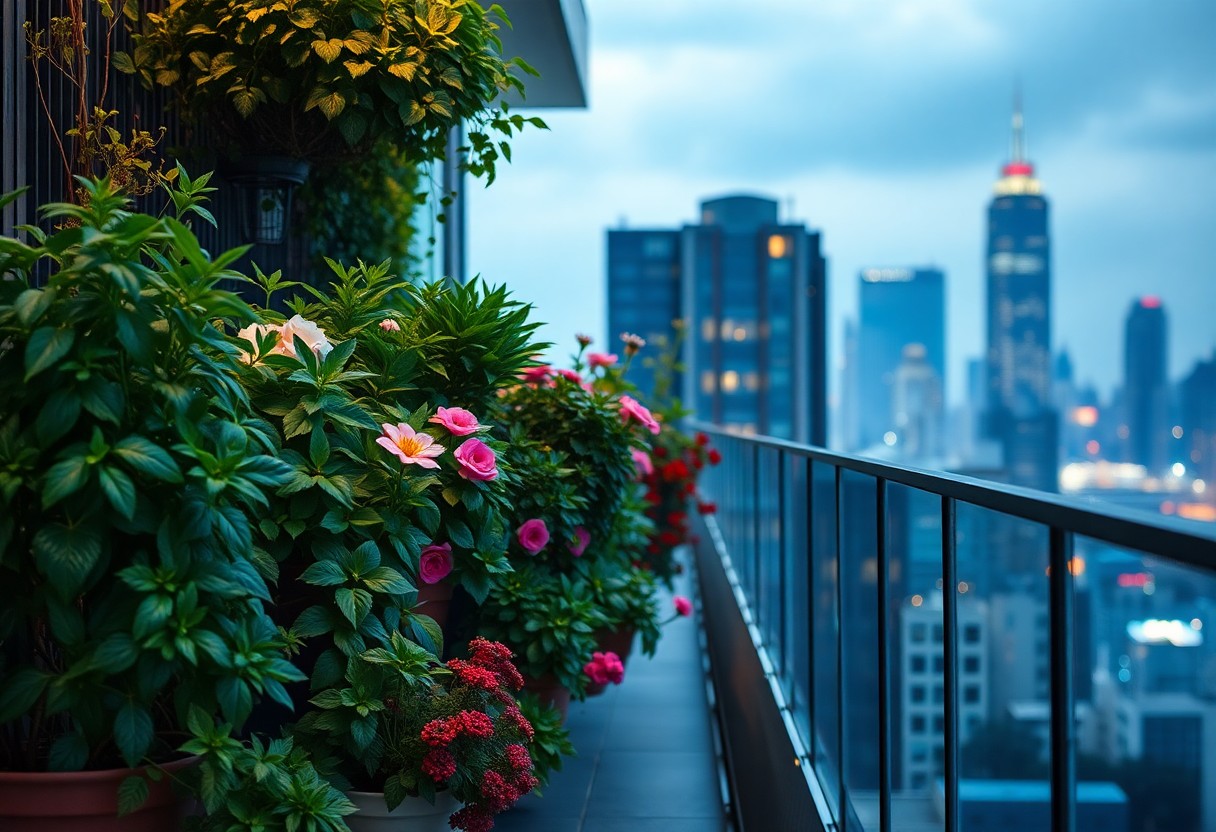
As you consideryour options for cultivating a garden in your urban home, you may find that vertical gardening is an appealing solution. With limited space, you can still enjoy the benefits of gardening by growing plants upwards. By exploring the 10 Benefits of Vertical Gardening, you will discover how this innovative approach can enhance your living space and provide a soothing oasis amidst the hustle and bustle of city life, allowing you to reap the rewards of your labor.

Key Takeaways:

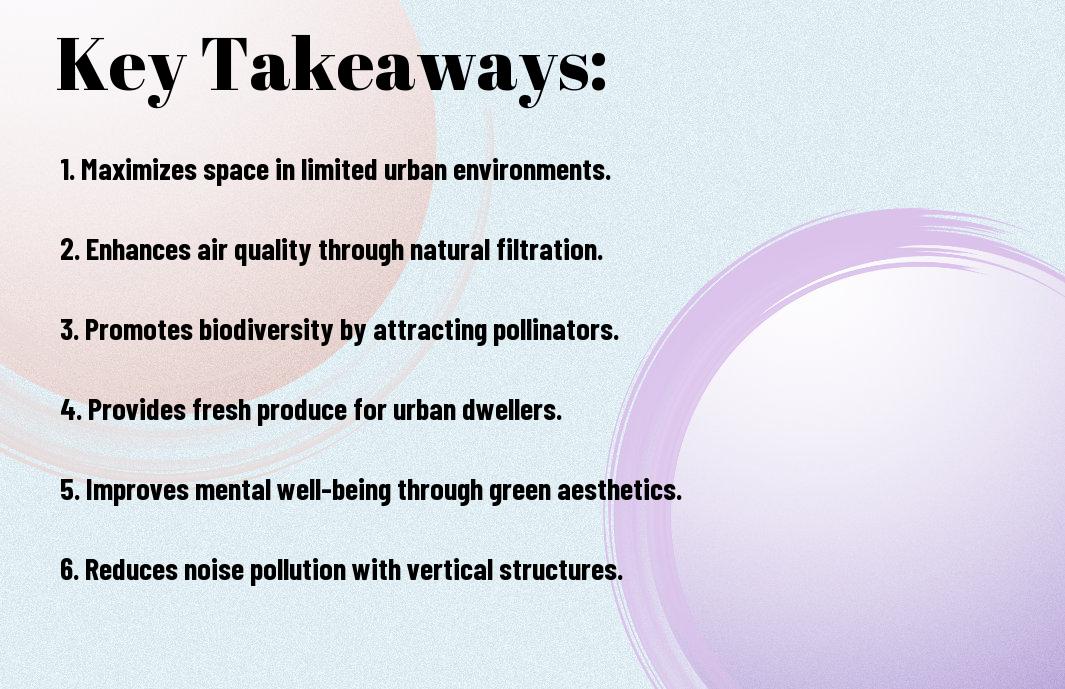
To maximize space and promote sustainable living in urban areas, consider the following advantages of vertical gardening:

  • Increased space efficiency: Vertical gardening allows homeowners to make the most of their limited outdoor space, providing an opportunity to grow a variety of plants and flowers in a small area.
  • Improved air quality: By incorporating greenery into urban homes, vertical gardens help to purify the air and reduce pollution, creating a healthier living environment.
  • Enhanced aesthetic appeal: Vertical gardens can be a beautiful addition to any home, providing a unique and visually striking display of plants and flowers that can boost the overall curb appeal of a property.

    Benefits of Vertical Gardening

    While indulging in the pleasures of urban living, you may find that your living space is limited, but this does not mean you must forgo the joys of gardening. Vertical gardening offers a most delightful solution, allowing you to cultivate a lush oasis amidst the hustle and bustle of city life.

    Space Efficiency

    One of the most significant advantages of vertical gardening is that it enables you to make the most of your available space, allowing you to grow a multitude of plants in a relatively small area, thereby maximizing your yard’s potential.

    Aesthetic Appeal

    For a touch of elegance and sophistication, vertical gardening is an excellent choice, as it adds a decorative element to your home’s exterior or interior, with the lush greenery and vibrant flowers creating a most pleasing visual display.

    Indeed, as you behold your vertical garden, you will be struck by the sheer beauty it brings to your surroundings, and you will find that the soothing presence of nature has a most calming effect on your mind and spirit, making it an invaluable addition to your urban home.

    Environmental Advantages

    Any urban homeowner can appreciate the numerous benefits of vertical gardening, as you will discover in this article, and as noted in Vertical gardens: Wellness oases in the urban jungle, which highlights the positive impact on your surroundings.

    Air Quality Improvement

    Around your urban home, the air quality can be significantly improved by implementing a vertical garden, as you breathe in the fresh air and enjoy the aesthetic appeal it brings to your living space.

    Water Conservation

    Quality of life is deeply connected to the conservation of water, and you will find that vertical gardening allows for a more efficient use of this precious resource, reducing your water waste and promoting a healthier environment.

    A key aspect of water conservation in vertical gardening is the use of a well-designed irrigation system, which you can tailor to your specific needs, ensuring that your plants receive the right amount of water, and minimizing excess water usage, thus contributing to a more sustainable urban lifestyle for you and your community.

    Increased Crop Yield

    Your urban home can reap the rewards of bountiful harvests with vertical gardening, as it allows for a greater variety of plants to be grown in a smaller space, thereby increasing your overall crop yield.

    Maximizing Space

    By utilizing walls and trellises, you can make the most of your available space, creating a lush oasis in even the smallest of areas, and enabling you to grow more plants than traditional gardening methods would allow.

    Optimized Growing Conditions

    After carefully selecting the ideal plants for your vertical garden, you will be able to provide them with the perfect balance of sunlight, water, and nutrients, resulting in healthier and more productive plants.

    At the heart of optimized growing conditions lies your ability to control the environment, allowing you to tailor the care of your plants to their specific needs, and thus, you will be delighted to observe your plants thriving in their carefully curated space, yielding a more abundant and diverse harvest for you to enjoy.

    Urban Gardening Challenges

    Unlike traditional gardening, urban gardening presents a unique set of obstacles that you must navigate to create a thriving garden in your home. Your urban space is likely to be limited, and you will need to find innovative ways to make the most of it.

    Limited Space

    Above all, the lack of available space is a significant hindrance to your urban gardening endeavors, forcing you to think creatively about how to utilize every inch of your property.

    Harsh Weather Conditions

    Beside the physical constraints, you must also contend with the often-unforgiving weather conditions that can beset your urban garden, from scorching heat to freezing cold.

    Challenges posed by harsh weather conditions can be particularly daunting, as you will need to find ways to protect your plants from extreme temperatures, pollution, and other environmental stressors that can threaten their very survival, and it is up to you to devise strategies to mitigate these effects and create a nurturing environment for your garden to flourish.

    Design and Implementation

    Once again, you find yourself pondering the particulars of vertical gardening, and how to bring this delightful concept to life in your urban home. As you consider the design, you must think about the space you have available, the amount of sunlight it receives, and the type of plants you wish to feature.

    Choosing the Right Plants

    Obviously, one of the most important aspects of vertical gardening is selecting the plants that will thrive in your unique environment. You will want to choose plants that are well-suited to the amount of sunlight and water your space provides, and that will flourish in a vertical setting.

    DIY Vertical Gardening Systems

    Beneath the surface of commercial vertical gardening systems lies a world of creative possibilities for you to explore. You can create your own DIY system using materials like wooden planks, trellises, or even repurposed pallets, allowing you to add a personal touch to your garden.

    Plus, as you research into the world of DIY vertical gardening systems, you will discover a myriad of benefits, including the ability to customize your garden to fit your specific needs and aesthetic preferences. You can experiment with different materials, designs, and plants to create a truly one-of-a-kind oasis in your urban home, showcasing your ingenuity and green thumb.

    Maintenance and Care

    For the urban gardener, maintaining a vertical garden is quite straightforward, requiring only a few minutes of your time each day to ensure your plants thrive. You will find that with a little attention, your garden will flourish, bringing joy and beauty to your home.

    Watering and Nutrient Management

    Fortunately, vertical gardens often have built-in watering systems, making it easy for you to provide your plants with the right amount of moisture and nutrients, thus simplifying your role as a caretaker of your little green oasis.

    Pruning and Pest Control

    Around the time your plants begin to grow, you will need to prune them to maintain their shape and encourage healthy growth, all while keeping a watchful eye out for any pests that might threaten the well-being of your garden.

    In addition, as you prune and inspect your plants, you will develop a deeper understanding of their needs, allowing you to tailor your care to the specific requirements of each species, and thus creating a truly thriving and beautiful vertical garden that brings you delight and satisfaction.

    To wrap up

    Summing up, you have discovered the numerous advantages of vertical gardening for your urban home. As you ponder the possibilities, you will find that this innovative approach not only saves space but also brings a touch of natural elegance to your residence, allowing you to bask in the beauty of your own making, and reap the rewards of your cleverness in cultivating a lush oasis amidst the hustle and bustle of city life, making your home a true haven.

    FAQ

    Q: What are the benefits of vertical gardening for urban homes in terms of space-saving?

    A: Vertical gardening is an excellent solution for urban homes with limited space. By utilizing walls, balconies, or even fences, you can create a lush garden without occupying valuable floor space. This method allows you to grow a variety of plants, from herbs and vegetables to flowers and succulents, making the most of your available space and enhancing the aesthetic appeal of your home.

    Q: How does vertical gardening improve air quality in urban homes?

    A: Vertical gardening plays a significant role in improving air quality in urban homes. Plants are natural air purifiers, absorbing pollutants and toxins from the air while releasing oxygen. By incorporating a vertical garden into your home, you can significantly reduce the levels of harmful substances in the air, creating a healthier environment for you and your family to breathe.

    Q: Can vertical gardening help reduce urban heat island effect?

    A: Yes, vertical gardening can help mitigate the urban heat island effect. The urban heat island effect occurs when built-up areas absorb and retain heat from the sun, making cities warmer than surrounding rural areas. By covering walls and roofs with plants, vertical gardening helps to insulate buildings, reducing the amount of heat that is absorbed and retained. This can lead to a decrease in energy consumption for cooling and a more comfortable living environment.

    Q: What are the water conservation benefits of vertical gardening in urban homes?

    A: Vertical gardening can be designed to be highly water-efficient. Many vertical gardening systems incorporate hydroponics or drip irrigation, which deliver water directly to the roots of the plants, minimizing evaporation and runoff. Additionally, using a trellis or a wall-mounted planter can help to collect and recycle rainwater, further reducing the demand on municipal water supplies. This makes vertical gardening an attractive option for urban homes looking to reduce their water footprint.

    Q: How does vertical gardening impact the mental health and well-being of urban residents?

    A: Vertical gardening has a profoundly positive impact on the mental health and well-being of urban residents. Being surrounded by nature, even in a small way, can reduce stress levels, improve mood, and provide a sense of tranquility. The act of gardening itself is also therapeutic, offering an opportunity for physical activity, social interaction (if done in a community setting), and a sense of accomplishment. In densely populated urban areas, vertical gardens can serve as oases, providing residents with a much-needed connection to nature.

Skip to content