Garden

How to Transform Your Balcony Into a Garden Oasis

As you consider enhancing your outdoor space, you can turn your balcony into a serene retreat. You can start by exploring ideas that suit your style and budget. For inspiration, visit 12 ways to transform your balcony into an oasis to discover the perfect blend of plants, decor, and design to create your garden oasis, allowing you to unwind and enjoy the fresh air in your own private haven.

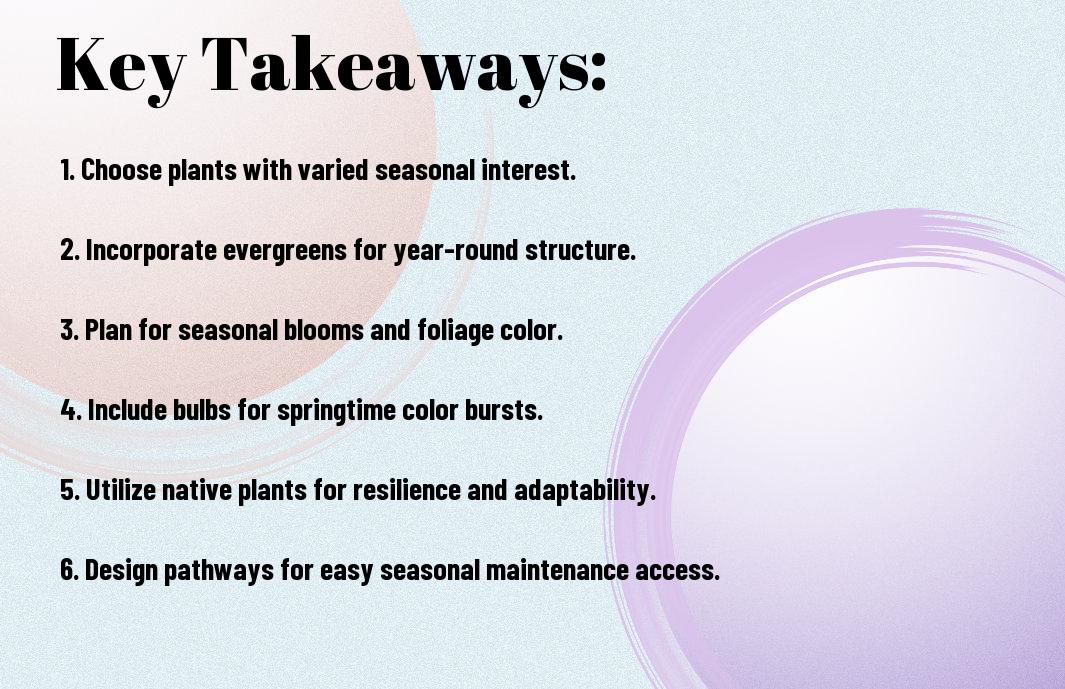
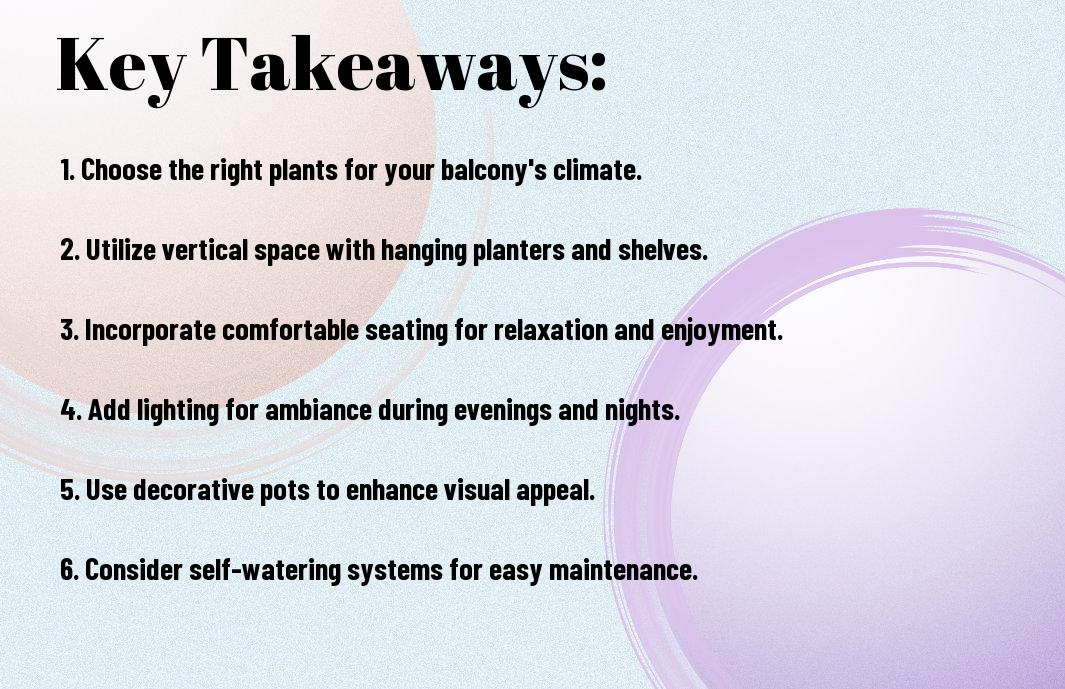
Key Takeaways:

To create a beautiful outdoor space, consider the following points:

  • Start by assessing your balcony’s sunlight and wind conditions to determine the best plants and layout for your garden oasis.
  • Use vertical space efficiently by incorporating trellises, wall-mounted planters, and hanging baskets to maximize your balcony’s potential.
  • Incorporate comfortable seating and decorative elements, such as lighting and textiles, to create a cozy and inviting atmosphere in your balcony garden oasis.

Assessing Your Balcony

The first step in transforming your balcony into a garden oasis is to assess the space you have available. This involves taking note of the size, shape, and condition of your balcony, as well as the direction it faces and the amount of sunlight it receives.

Evaluating the Space

By taking a closer look at your balcony, you can determine the best layout for your garden oasis and identify any potential challenges or limitations.

Considering the Climate

One of the most important factors to consider when designing your balcony garden is the climate in your area, including the temperature, humidity, and wind patterns.

Your climate will play a significant role in determining the types of plants you can grow and the design of your garden oasis. You should consider the average temperature and precipitation levels in your area, as well as any extreme weather conditions, such as intense sunlight or strong winds, to ensure that your garden oasis is tailored to your specific climate and will thrive throughout the year.

Choosing the Right Plants

Some of the most beautiful balcony gardens are those that are well-planned and thoughtfully designed, you can get inspiration from 24 Balcony Makeover Ideas: Create Your Personal Oasis to find the perfect plants for your space.

Selecting Flowers and Greenery

Besides considering the amount of sunlight your balcony receives, you should also think about the types of flowers and greenery that will thrive in your garden oasis, and choose plants that fit your personal style and preferences.

Incorporating Herbs and Vegetables

Following the selection of flowers, you can also incorporate herbs and vegetables into your balcony garden, allowing you to grow your own food and add fresh flavors to your cooking.

But as you start to incorporate herbs and vegetables into your balcony garden, you’ll want to consider the specific growing conditions and space requirements for each plant, and make sure you have the right containers and soil to support their growth, so you can enjoy the benefits of homegrown produce and a beautiful outdoor space.

Designing Your Oasis

Keep in mind that designing your balcony garden oasis requires careful consideration of the space and your personal style. You’ll want to maximize the area while creating a peaceful atmosphere, so take your time and think about what you want to achieve.

Creating a Layout

Often, a well-planned layout is the key to a beautiful balcony garden. You can start by measuring your space and deciding on the placement of plants, seating, and other elements to create a functional and inviting area.

Adding Decorative Elements

Conceiving a cohesive look for your balcony garden involves selecting decorative elements that reflect your personal taste. You can choose from a variety of items, such as planters, lighting, and furniture, to add visual interest and create a welcoming ambiance.

Adding decorative elements to your balcony garden can completely transform the space, making it feel more like a serene oasis. You can add a statement piece, like a sculpture or a water feature, to create a focal point, or use smaller items, such as candles or throw pillows, to add texture and color to your space, making it truly feel like your own retreat.

Building Your Garden

Once again, you’re taking a significant step towards creating your balcony garden oasis, and it’s time to build your garden by selecting the right plants, structures, and features that fit your space and style.

Installing Planters and Containers

Among the many options available, you’ll find planters and containers that suit your balcony’s dimensions and your personal taste, allowing you to add a touch of greenery to your outdoor space.

Assembling the necessary Furniture

For a comfortable and inviting atmosphere, you’ll need to assemble the necessary furniture, such as a seating area, tables, and lighting, to create a cozy ambiance in your balcony garden.

To create the perfect seating area, you’ll want to choose furniture that is not only aesthetically pleasing but also durable and weather-resistant, considering the outdoor conditions your balcony is exposed to, and arranging it in a way that maximizes your space and provides the most comfort for you and your guests.

Maintaining Your Oasis

All it takes is a little effort to keep your balcony garden thriving. You’ll need to perform regular tasks to ensure your plants stay healthy and happy.

Watering and Pruning

The key to a lush garden is proper care. You should water your plants when the soil feels dry, and prune them to maintain shape and promote growth.

Pest Control and Fertilization

Among the most important tasks is protecting your plants from pests and providing necessary nutrients. You can use organic pest control methods and fertilizers to keep your garden healthy.

In addition, you can use natural pest control methods like introducing beneficial insects or using neem oil to keep pests at bay, and fertilize your plants with compost or balanced fertilizers to provide them with the necessary nutrients for optimal growth, allowing you to enjoy your balcony garden oasis all year round.

Adding the Finishing Touches

Unlike other outdoor spaces, your balcony garden oasis requires thoughtful consideration of every detail to create a cohesive and inviting atmosphere. You can add decorative elements, such as planters, sculptures, and ornaments, to enhance the aesthetic appeal of your garden.

Incorporating Lighting and Textiles

Besides the natural beauty of your plants, you can incorporate lighting and textiles to create a warm and welcoming ambiance. You can use string lights, lanterns, or fairy lights to add a touch of magic to your garden, and choose textiles like cushions, rugs, and throws to add color and texture.

Adding Personal Decor

Along with the functional elements, you can add personal decor to make your garden oasis truly unique. You can display your favorite artwork, collectibles, or personal mementos to give your garden a personal touch.

Consequently, as you add personal decor to your garden, you will start to feel a sense of pride and ownership. You can experiment with different styles and themes to reflect your personality, and make your garden a true extension of your indoor living space, a place where you can relax, unwind, and enjoy the beauty of nature.
Final Words

With this in mind, you can now transform your balcony into a serene garden oasis. You will be able to unwind and connect with nature in your own personal space. By following these steps, you can create a beautiful and functional outdoor area that reflects your style and meets your needs, allowing you to enjoy your garden oasis for years to come, and making your home a more peaceful retreat.

FAQ

Q: What are the first steps to transform my balcony into a garden oasis?

A: To start transforming your balcony into a garden oasis, begin by assessing the space and determining its potential. Consider the amount of sunlight it receives, the direction of the wind, and the type of flooring or surface you have. Measure your balcony to decide on the best layout for your plants, furniture, and decorative elements. Make a list of the materials and plants you need, and set a budget for your project. Start cleaning and preparing the space by removing any clutter, sweeping, and possibly repainting or refinishing the floor and walls to create a fresh base for your garden oasis.

Q: How do I choose the right plants for my balcony garden oasis?

A: Choosing the right plants for your balcony garden oasis depends on several factors including the amount of sunlight your balcony receives, the climate in your area, and the level of maintenance you are willing to commit to. Look for plants that thrive in containers and can tolerate wind if your balcony is on a high floor or in an exposed location. Consider a mix of flowering plants for color, herbs for freshness, and possibly some small trees or shrubs for privacy and texture. Don’t forget to select plants with varying bloom times to ensure your garden oasis looks vibrant throughout the seasons.

Q: What type of containers should I use for my balcony garden?

A: The type of containers you choose for your balcony garden oasis can greatly impact its overall aesthetic and the health of your plants. Consider using containers that are durable, can withstand outdoor weather conditions, and have good drainage to prevent waterlogged soil. Wooden, ceramic, and recycled plastic containers are popular options. The size of the containers will depend on the mature size of the plants you choose and the space available on your balcony. Ensure that the containers are large enough to hold a sufficient amount of soil to support root growth and are not so heavy that they exceed the weight limit of your balcony when filled with soil and plants.

Q: How can I optimize the use of space on my small balcony for a garden oasis?

A: To optimize the use of space on your small balcony, consider using vertical gardening techniques such as trellises, wall-mounted planters, or a living wall. These methods allow you to grow more plants without taking up valuable floor space. Utilize corners with corner planters or tiered plant stands to maximize every inch. Choose compact or dwarf varieties of plants that are naturally smaller in size but still offer a lot of appeal. Consider multi-functional furniture pieces like storage benches or a table with a planter built into it to save space and keep your balcony clutter-free.

Q: How do I maintain my balcony garden oasis to keep it thriving and beautiful?

A: Maintaining your balcony garden oasis involves regular watering, fertilizing, pruning, and monitoring for pests. Establish a routine for watering your plants, taking care not to overwater, which can be detrimental in containers. Use a balanced fertilizer during the growing season to promote healthy plant growth. Prune your plants regularly to maintain their shape, encourage blooming, and remove any dead or diseased foliage. Keep an eye out for common balcony garden pests like aphids, spider mites, and slugs, and treat any infestations promptly. Finally, protect your plants from extreme weather conditions like strong winds, frost, or intense sunlight by providing shading or bringing sensitive plants indoors when necessary.
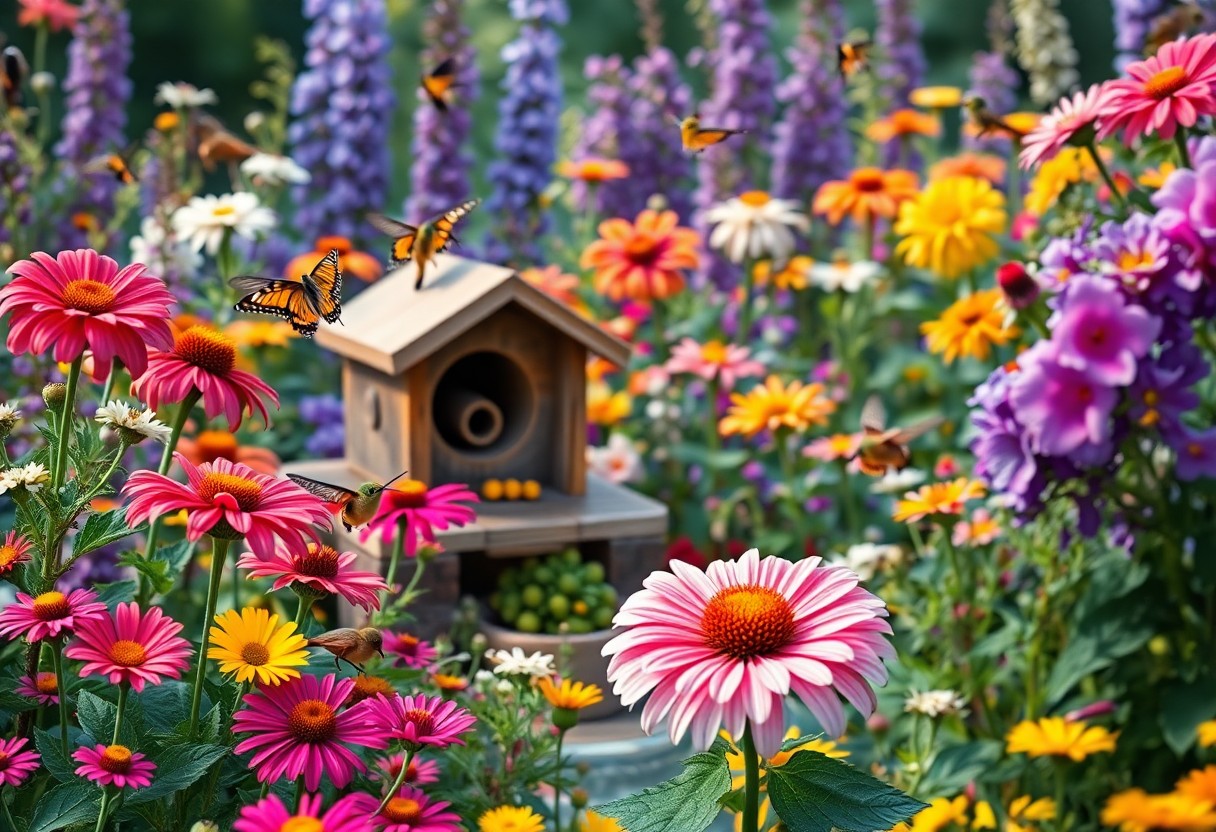
How to Create a Pollinator-Friendly Garden

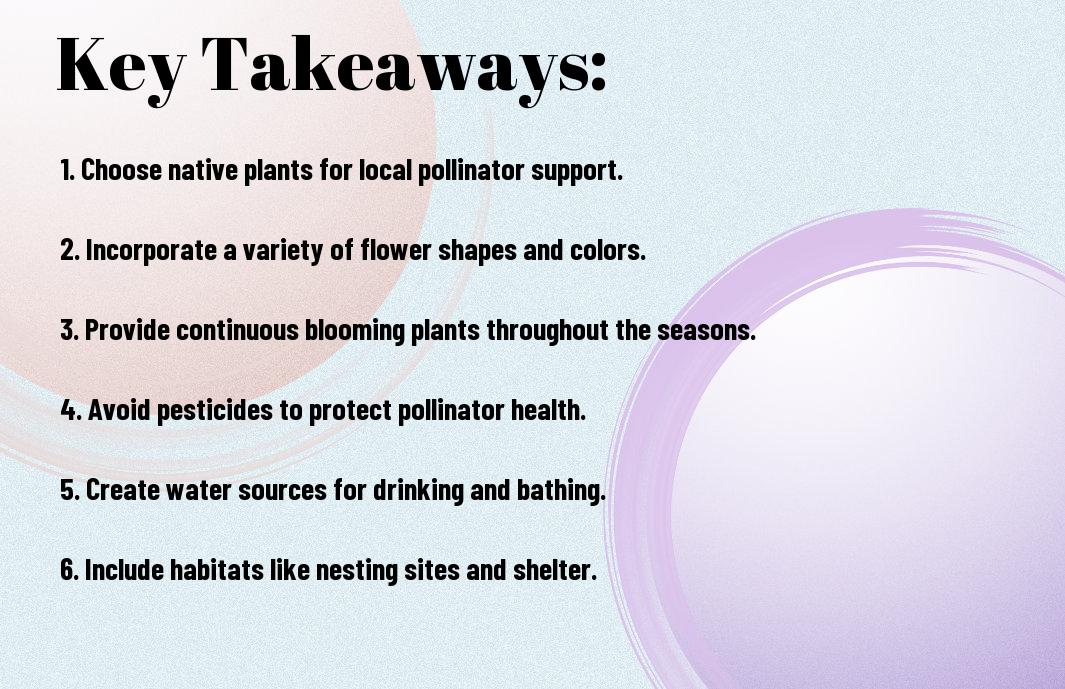
Key Takeaways:

To create a sustainable and thriving garden that supports pollinators, consider the following points:

  • Choose native plants that provide nectar and pollen for a variety of pollinators, including bees, butterflies, and hummingbirds.
  • Incorporate a diversity of flowering plants that bloom at different times to provide a constant source of food and shelter for pollinators throughout the growing season.
  • Opt for organic gardening methods and avoid using pesticides, which can harm or kill pollinators, and instead use natural methods to control pests and diseases in your garden.

Planning Your Garden

A well-designed garden starts with a plan, and you can get inspiration from resources like Planting a Pollinator Garden: A Quick Start Guide to create a beautiful and functional space.

Choosing the Right Plants

Against the backdrop of your garden’s unique conditions, you’ll want to select plants that attract pollinators and thrive in your local climate, considering factors like soil type and sunlight exposure.

Selecting a Location

One of the first decisions you’ll make is where to locate your pollinator garden, taking into account the amount of sunlight and wind protection your plants will need to flourish.

A key aspect of selecting a location is assessing your yard’s microclimate, considering factors like the slope, soil moisture, and existing vegetation, to determine the best spot for your pollinator garden, allowing you to create an optimal environment for your plants to grow and attract pollinators.

Preparing the Soil

There’s no denying that a pollinator-friendly garden starts with healthy soil. You’ll want to assess your soil’s condition and make any necessary adjustments to create a welcoming environment for your plants and pollinators. This involves testing the pH level and adding organic matter to ensure optimal growth and fertility.

Testing the pH Level

Along with assessing your soil’s structure, you’ll need to test its pH level to determine if it’s suitable for the plants you want to grow. You can purchase a soil testing kit or send a sample to a lab for analysis, which will help you determine if your soil is acidic, alkaline, or neutral.

Adding Organic Matter

Adding organic matter such as compost or well-rotted manure will help improve your soil’s fertility and structure. You can also incorporate other organic materials like leaf mold or green waste to create a nutrient-rich soil that will support healthy plant growth.

Further to adding organic matter, you’ll find that your soil’s biodiversity will increase, supporting a wide range of microorganisms and insects that are vital for a thriving pollinator-friendly garden. As you continue to add organic matter, you’ll notice improvements in your soil’s water-holding capacity and overall health, making it an ideal environment for your plants to flourish and attract pollinators.

Creating a Pollinator-Friendly Environment

All gardens can become a haven for pollinators by following simple tips. You can learn more about designing your garden by visiting 10 Tips for Starting a Pollinator Garden to create a welcoming space for these beneficial insects.

Providing Water Sources

Ecologically, you will want to provide water sources for your pollinators, such as shallow dishes or birdbaths with fresh water, to ensure they have a place to drink and cool off.

Minimizing Pesticide Use

Across your garden, you should be mindful of the products you use, opting for natural methods to control pests and minimize harm to pollinators.

In fact, you can adopt integrated pest management techniques, such as introducing beneficial insects or using physical barriers, to protect your garden while preserving the health of pollinators, allowing you to enjoy the beauty and benefits of your pollinator-friendly garden.

Planting a Variety of Flowers

To create a pollinator-friendly garden, you’ll want to plant a diverse range of flowers that provide nectar and pollen for different types of pollinators. This will attract a variety of bees, butterflies, and other beneficial insects to your garden.

Native Plants and Their Benefits

Alongside other flowers, native plants offer numerous benefits, as they have co-evolved with local pollinators, providing the perfect source of food and shelter. You can choose native plants that are suitable for your region and climate, ensuring your garden is pollinator-friendly.

Incorporating Herbs and Vegetables

With a mix of herbs and vegetables, you can add more variety to your garden, providing a constant source of nectar and pollen for pollinators. You can plant herbs like lavender, rosemary, and thyme, which are rich in nectar, alongside vegetables like tomatoes and cucumbers.

In fact, incorporating herbs and vegetables into your pollinator-friendly garden can have a significant impact on the local ecosystem, as they provide a source of food for pollinators and attract beneficial insects that can help with pest control, making your garden more sustainable and thriving. You can experiment with different combinations of herbs and vegetables to find what works best for your garden and the pollinators that visit it.

Maintaining Your Garden

Your garden requires regular maintenance to ensure the health and happiness of your pollinator friends. This involves a range of tasks that will keep your garden thriving.

Mulching and Composting

To keep your soil healthy, you’ll need to add a layer of mulch and compost regularly, which will help retain moisture and suppress weeds, creating a favorable environment for your plants to grow.

Pruning and Deadheading

One of the most effective ways to encourage your plants to produce more flowers is by pruning and deadheading, which will help promote new growth and attract more pollinators to your garden.

In fact, as you prune and deadhead your plants, you’ll notice an increase in flower production, which will in turn attract a wider variety of pollinators, including bees, butterflies, and hummingbirds, making your garden a vibrant and thriving ecosystem that you can enjoy all season long.

Observing and Enjoying Your Garden

Unlike other types of gardens, a pollinator-friendly garden is a dynamic and ever-changing environment. You will find yourself observing the different species of pollinators that visit your garden, and enjoying the beauty and wonder of nature up close.

Identifying Pollinators

To take your garden to the next level, take time to identify the various pollinators that visit. You can use field guides or online resources to learn about the different species of bees, butterflies, and other pollinators that are common in your area.

Learning from Your Garden

Behind every successful garden is a willingness to learn and adapt. You will discover what plants are most attractive to pollinators, and how to create a welcoming environment for these important visitors.

Your garden will become a valuable resource for learning about pollinators and the importance of conservation. You will be able to observe the different life cycles of various pollinators, and learn about the role that your garden plays in supporting these vital species. As you continue to nurture and observe your garden, you will gain a deeper appreciation for the complex relationships between plants and pollinators.

To wrap up

Considering all points, you now have the knowledge to create a pollinator-friendly garden. You can attract these beneficial insects by selecting the right plants, providing a source of water, and minimizing pesticide use in your garden. By following these steps, you will be supporting your local ecosystem and contributing to the health of your environment, making your garden a haven for pollinators and a beautiful space for you to enjoy.

FAQ

Q: What is a pollinator-friendly garden and why is it important to create one?

A: A pollinator-friendly garden is a type of garden that is designed to attract and support pollinators such as bees, butterflies, and hummingbirds. Creating a pollinator-friendly garden is important because pollinators play a vital role in maintaining the health of our ecosystem and food supply. By planting a variety of flowers, herbs, and shrubs that provide nectar and pollen, you can help support the local pollinator population and contribute to the overall health of your community.

Q: What types of plants are best suited for a pollinator-friendly garden?

A: The best plants for a pollinator-friendly garden are those that are native to your region and provide a source of nectar and pollen. Some examples of pollinator-friendly plants include coneflowers, black-eyed susans, lavender, and mint. You should also consider planting a mix of annuals and perennials, as well as a variety of plants that bloom at different times of the year. This will provide a constant source of food for pollinators throughout the growing season.

Q: How can I design my pollinator-friendly garden to be most effective?

A: To design an effective pollinator-friendly garden, consider creating a diverse and layered garden with a variety of plants of different heights and growth habits. Incorporate a mix of flowers, shrubs, and trees, and consider using a meandering path or other features that will encourage pollinators to explore the garden. You should also consider the amount of sunlight and water that your garden receives, and choose plants that are well-suited to those conditions.

Q: Are there any special maintenance considerations for a pollinator-friendly garden?

A: Yes, there are several special maintenance considerations for a pollinator-friendly garden. For example, you should avoid using pesticides, which can harm or kill pollinators. Instead, consider using natural methods of pest control, such as introducing beneficial insects or using physical barriers to protect plants. You should also consider leaving some areas of the garden unmanicured, as pollinators often nest in undisturbed soil or vegetation.

Q: Can I create a pollinator-friendly garden in a small or urban space?

A: Yes, you can create a pollinator-friendly garden in a small or urban space. Even a small balcony or patio can be turned into a pollinator-friendly garden with the use of containers or a vertical garden. Consider using compact or dwarf varieties of plants, and choose plants that are well-suited to urban conditions, such as high temperatures and low soil quality. You can also consider incorporating a pollinator-friendly garden into a larger urban landscape, such as a community garden or green roof.

The Best Ways to Protect Your Garden During Drought

As you tend to your garden, you notice the withering effects of drought on your once-thriving plants. You watch as the soil dries and cracks, leaving your garden vulnerable to damage. Your green oasis, once full of life and color, now faces the threat of dehydration. You must take action to preserve the beauty and vitality of your garden, and fortunately, there are simple yet effective ways to do so, which you will discover as you probe into the world of drought-resistant gardening techniques.

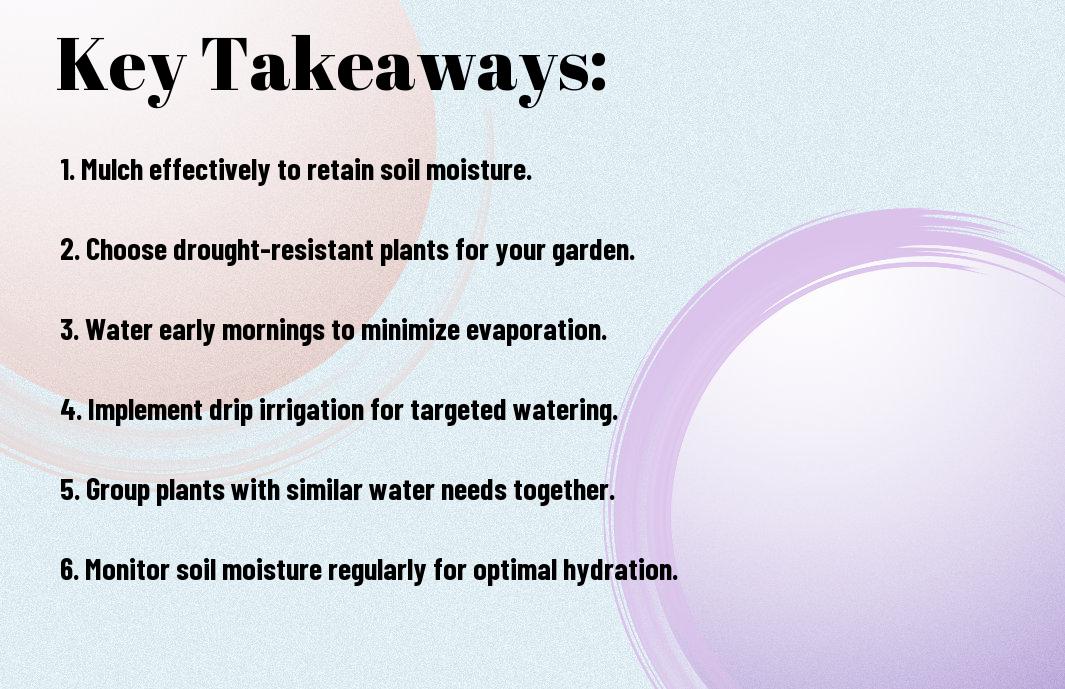
Key Takeaways:

To shield your garden from the harsh effects of drought, consider the following points:

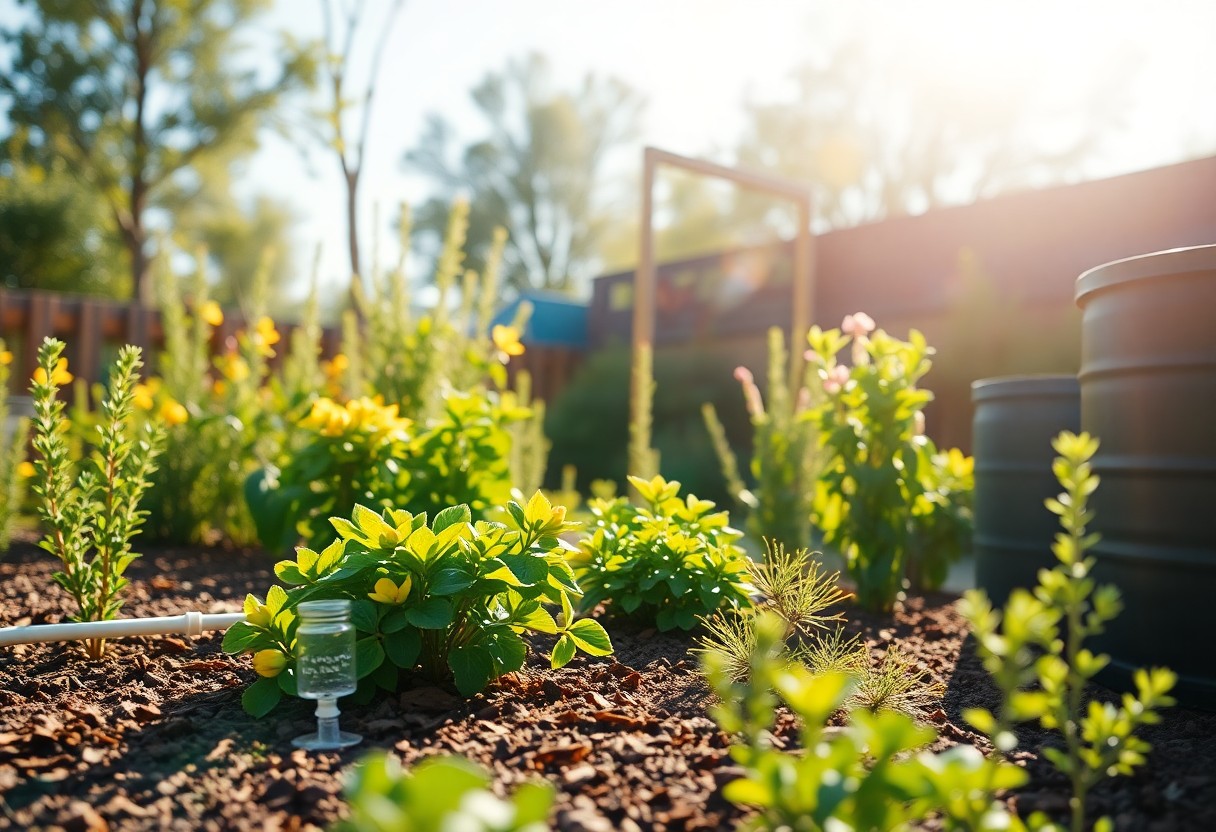
  • Implement Water Conservation methods such as using drip irrigation systems or soaker hoses to minimize water waste and deliver water directly to the roots of plants.
  • Apply a layer of Organic Mulch to help retain soil moisture, suppress weeds, and regulate soil temperature, thereby reducing the need for frequent watering.
  • Choose Drought-Tolerant Plants that are adapted to survive with minimal watering, and group them together to create a cohesive and resilient garden landscape that can thrive during dry periods.

Preparing for Drought

Your garden’s resilience depends on your ability to prepare for drought, and this requires a thoughtful approach to conservation and planning, allowing you to nurture your plants through times of scarcity.

Assessing Your Garden’s Needs

To determine the best course of action, you must evaluate your garden’s unique needs, considering factors such as soil type, plant species, and climate, which will guide your decisions and help you create a tailored plan.

Creating a Water Conservation Plan

Your water conservation plan should prioritize efficiency and effectiveness, using techniques such as mulching and drip irrigation to minimize waste and maximize absorption, ensuring your garden receives the water it needs to thrive.

Preparing a comprehensive water conservation plan involves considering multiple factors, including the water needs of different plants, the most efficient irrigation methods, and strategies for harvesting and conserving rainwater, all of which will help you maintain a healthy and vibrant garden even in the face of drought, and allow you to tend to your plants with the care and attention they deserve.

Soil Conservation

Even in the driest of times, your garden’s soil can be preserved with mindful practices. You can protect the soil’s structure and fertility, allowing it to retain moisture and support plant life.

Mulching and Composting

Beneath the surface, mulch and compost work together to shield your soil from the harsh effects of drought. You can apply a layer of organic mulch to prevent moisture loss and regulate soil temperature.

Using Cover Crops

With the right approach, cover crops can be a powerful tool in your drought-fighting arsenal. You can plant them to hold the soil in place, reducing erosion and retaining precious moisture.

Further, as you explore the use of cover crops, you’ll find that they can also attract beneficial insects and add nutrients to the soil, creating a resilient and thriving ecosystem that will help your garden weather the drought and bounce back stronger than ever, allowing you to tend to your land with greater ease and harmony.

Efficient Watering

Many of you are seeking ways to conserve water in your garden, and one effective method is to adopt efficient watering techniques. You can learn more about how to save water in all your gardens for a drought-filled future by exploring online resources.

Drip Irrigation and Soaker Hoses

Similarly, one approach to efficient watering is using drip irrigation and soaker hoses, which deliver water directly to the roots of your plants, reducing evaporation and runoff.

Rainwater Harvesting

Likewise, one way to collect and conserve water is through rainwater harvesting, which allows you to gather and store rainwater for later use in your garden.

Further, by implementing rainwater harvesting, you can reduce your reliance on municipal water supplies and create a more sustainable gardening practice, allowing you to tend to your garden with a clearer conscience, knowing you are preserving this precious resource for future generations.

Drought-Tolerant Plants

Once again, you find yourself pondering the best ways to protect your garden from drought. Drought-tolerant plants are an excellent choice, as they can thrive with minimal watering, allowing your garden to flourish even in arid conditions.

Native Plants and Succulents

Prior to selecting plants, you should consider native plants and succulents, which have adapted to survive with limited water, making them perfect for your drought-stricken garden, and will undoubtedly bring a touch of natural beauty to your outdoor space.

Drought-Resistant Grasses

Personally, you may find that drought-resistant grasses are an attractive option, as they can withstand dry spells and require less maintenance, allowing you to enjoy a lush lawn without the burden of frequent watering.

Considering your options for drought-resistant grasses, you may want to explore Buffalo Grass or Blue Grama Grass, which are both excellent choices for dry climates, and can add a soft, natural texture to your garden, while also being environmentally friendly and low-maintenance, allowing you to focus on other aspects of your outdoor space.

Garden Maintenance

All gardens require regular maintenance to thrive, especially during drought. You must focus on preserving water and protecting your plants from harm.

Pruning and Trimming

By cutting back dead or dying branches, you help your plants conserve water and energy. This simple task can make a significant difference in your garden’s overall health.

Weeding and Pest Control

Maintenance of your garden’s soil and ecosystem is vital, as it prevents weeds from competing with your plants for water. You can achieve this by regularly inspecting your garden and removing any unwanted growth.

Hence, as you take care of your garden’s weeding and pest control, you will notice a significant reduction in water loss and an improvement in your plants’ overall health. You will be able to enjoy your lush and thriving garden, even in the midst of a drought, by being mindful of these simple yet effective techniques.

Alternative Solutions

Unlike traditional methods, alternative solutions can help you conserve water and protect your garden during drought. You can consider using grey water systems or DIY irrigation solutions to reduce your water consumption.

Grey Water Systems

After installing a grey water system, you will be able to reuse water from your household for irrigation purposes, reducing your water bill and minimizing waste. You can use this system to water your plants, trees, and even fill your pond.

DIY Irrigation Solutions

Any gardener can create their own DIY irrigation solutions using materials like plastic bottles, pipes, and tubes. You can make a drip irrigation system or a sprinkler system to deliver water directly to the roots of your plants.

Also, as you explore DIY irrigation solutions, you will find that they can be tailored to your specific garden needs, allowing you to control the amount of water each plant receives, and reducing evaporation and runoff, thus making the most of the water you have, and keeping your garden thriving even in drought conditions.

Summing up

Summing up, as you tend to your garden during drought, you nurture not just your plants, but your connection to the natural world. By adopting mindful watering habits, mulching, and choosing resilient species, you create a haven that thrives in harmony with the environment. As you care for your garden, you cultivate a sense of balance and respect for the land, allowing your outdoor space to flourish even in the most challenging conditions, and bringing you closer to the beauty of nature.

FAQ

Q: What are the most effective ways to protect my garden from drought?

A: To protect your garden from drought, start by using drought-tolerant plants, which require less water to thrive. Additionally, applying a layer of mulch can help retain moisture in the soil. Implementing efficient irrigation systems, such as drip irrigation, can also significantly reduce water waste. Furthermore, watering your plants during the cooler parts of the day can minimize evaporation, ensuring that more water reaches the roots of your plants.

Q: How can I conserve water in my garden during a drought?

A: Conserving water in your garden during a drought involves several strategies. One method is to harvest rainwater using barrels or tanks, which can be used for watering plants. Another approach is to avoid overwatering by checking the soil moisture before irrigating. Using covers or plastic sheets to reduce evaporation from the soil surface is also beneficial. Moreover, employing greywater, which is wastewater generated from domestic activities, can be a valuable source of irrigation water for your garden.

Q: What are some drought-tolerant plants that can thrive in dry conditions?

A: There are numerous drought-tolerant plants that can thrive in dry conditions. These include succulents like aloe and agave, which store water in their leaves. Other examples are cacti and plants with deep roots that can access water deep in the soil, such as mesquite trees. Additionally, certain grass species like buffalo grass and blue grama grass are also drought-tolerant and can be excellent choices for lawns. These plants are ideal for gardens in areas prone to drought as they require less maintenance and watering.

Q: How often should I water my plants during a drought?

A: The frequency of watering your plants during a drought depends on the type of plants, the climate, and the soil type. Generally, it is better to water plants deeply but infrequently to encourage deep root growth, making them more resistant to drought. Watering in the early morning or evening helps reduce evaporation. It’s also important to monitor the soil moisture by inserting a finger into the soil or using a moisture meter to determine the best watering schedule for your plants.

Q: Are there any long-term solutions to protect my garden from future droughts?

A: YES, there are several long-term solutions to protect your garden from future droughts. Implementing sustainable gardening practices such as permaculture, which aims to create a self-sufficient ecosystem, can enhance your garden’s resilience to drought. Another approach is to improve soil health through the addition of organic matter, which increases the soil’s water-holding capacity. Investing in advanced irrigation systems that can automatically adjust watering based on weather forecasts and soil conditions can also provide long-term protection against drought. Lastly, designing your garden with drought tolerance in mind from the outset can significantly reduce the impact of future droughts.

How to Design a Garden for Wildlife

You can create a thriving oasis for local wildlife by designing your garden with their needs in mind. As you plan your outdoor space, you’ll want to consider the types of plants, features, and habitats that will attract and support a variety of species. By making a few intentional design choices, you can turn your garden into a haven for birds, bees, and other wildlife, enhancing your outdoor experience and contributing to the local ecosystem.

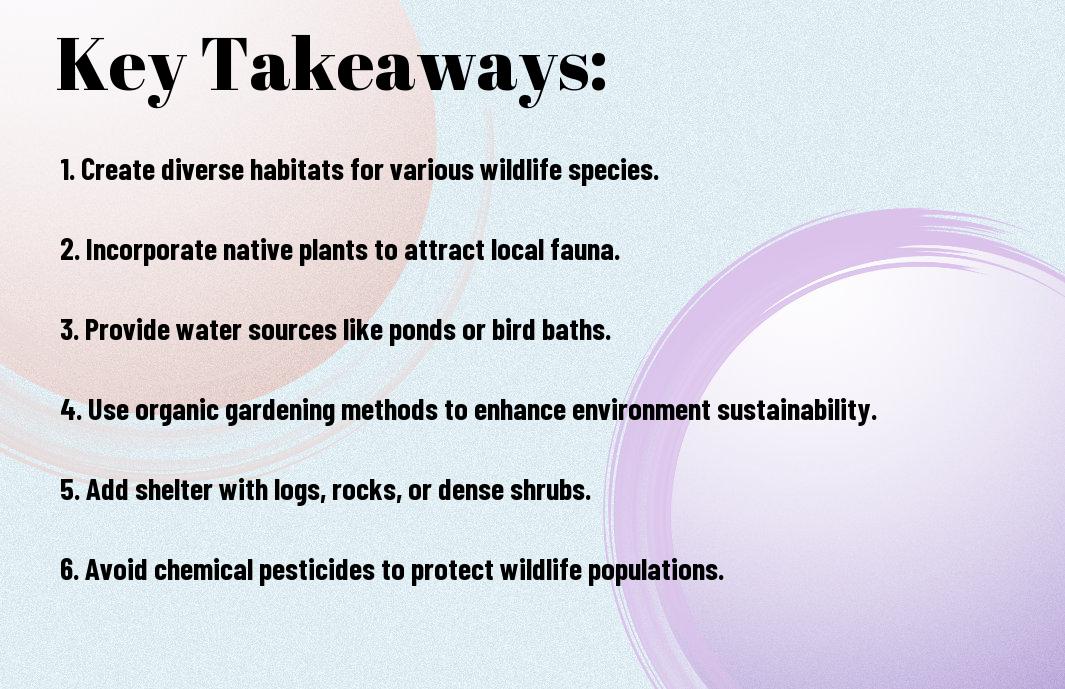
Key Takeaways:

To create a garden that attracts and supports local wildlife, consider the following points:

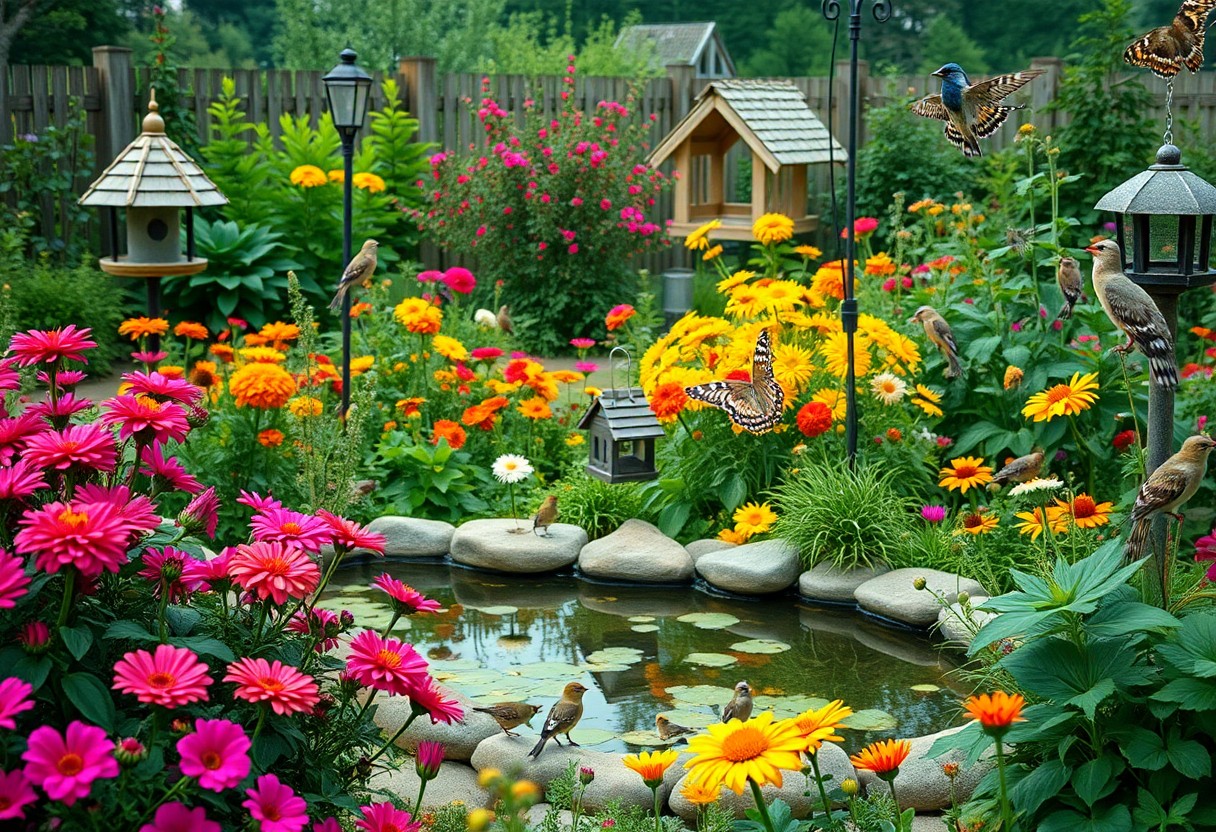
  • Provide a source of water, such as a pond or birdbath, to attract a variety of species and support their hydration needs.
  • Incorporate a mix of native plants that offer food and shelter for animals, such as birds, bees, and butterflies, and choose plants that thrive in your local climate.
  • Create a diverse garden landscape with a variety of habitats, including trees, shrubs, and flower beds, to support a wide range of wildlife and promote biodiversity.

Assessing Your Yard

Your yard’s potential for supporting wildlife can be determined by assessing its current state, considering factors like sunlight, water sources, and existing vegetation, and taking cues from resources like Cues to Care – Wild by Design for inspiration.

Evaluating Soil and Climate

Around your yard, observe the soil type, moisture levels, and climate conditions to determine which plants and features will thrive, helping you create a welcoming environment for wildlife.

Identifying Native Species

The types of plants and animals native to your area will be crucial in designing a garden that supports local wildlife, so take note of the species you already have in your yard.

Evaluating the native species in your area will help you choose plants that provide the right food and shelter for local wildlife, allowing you to create a balanced and sustainable ecosystem that benefits both you and the environment, as you design your garden with their needs in mind, you will be able to attract a diverse range of species to your yard.

Choosing the Right Plants

Clearly, the type of plants you choose will greatly impact the wildlife that visits your garden. You’ll want to select plants that provide a source of food, shelter, and habitat for various species, taking into account the local climate and soil conditions.

Selecting Plants for Pollinators

Beneath the surface of a thriving garden, you’ll find a variety of plants that attract pollinators like bees and butterflies, and you can achieve this by incorporating a mix of native flowers, shrubs, and trees that provide nectar and pollen.

Incorporating Plants for Wildlife Shelter

Similar to designing a home, you’ll want to choose plants that provide shelter and protection for wildlife, such as native grasses, shrubs, and trees that offer hiding places and nesting sites.

This type of shelter can be especially beneficial for small animals, like birds and insects, which need a safe place to hide from predators and harsh weather conditions, and by incorporating these plants into your garden design, you can create a haven for wildlife to thrive, and as you do so, you’ll be able to observe and enjoy the various species that visit your garden.

Creating a Water Feature

Once again, you have the opportunity to get creative and make a significant impact on your garden’s ecosystem by incorporating a water feature, which will attract a wide variety of wildlife to your outdoor space.

Designing a Pond or Birdbath

Among the various options available, you can choose a design that suits your garden’s style and size, considering factors such as depth, material, and placement to create an ideal spot for wildlife to drink, bathe, and thrive.

Maintaining a Healthy Water Source

Hygienic practices are important to prevent the growth of harmful bacteria and algae, ensuring your water feature remains a safe haven for visiting wildlife, and you can achieve this by regularly cleaning and monitoring your pond or birdbath.

Water quality is vital to the well-being of the wildlife that visits your garden, and you can maintain a healthy water source by ensuring adequate circulation, using natural methods to control algae, and avoiding the use of harsh chemicals, which will help you create a thriving ecosystem that supports a diverse range of wildlife.

Providing Food Sources

After designing your garden layout, it’s time to think about the food sources you’ll provide for wildlife. You’ll want to create a diverse and abundant supply of food to attract a variety of species to your garden.

Planting Fruit and Berry-Bearing Shrubs

The key to attracting wildlife is to plant a variety of fruit and berry-bearing shrubs that produce food throughout the year. You can choose shrubs like dogwood, hawthorn, or elderberry that produce berries in winter, and perennials like coneflower or black-eyed susan that produce seeds in summer.

Installing a Bird Feeder or Suet Station

Birds are attracted to easy food sources, so installing a bird feeder or suet station is a great way to provide them with energy-rich food. You can choose from a variety of feeder types, such as tube feeders or hopper feeders, and offer different types of seed or suet to attract different species.

With a bird feeder or suet station in place, you can expect to attract a variety of bird species to your garden, from finches and sparrows to woodpeckers and nuthatches. You’ll need to maintain your feeder or suet station regularly, refilling it with fresh seed or suet and cleaning it to prevent mold and bacterial growth, to keep your feathered visitors happy and healthy.

Minimizing Hazards

Many gardeners are unaware of the hazards that their gardens can pose to wildlife. You can learn more about creating a safe garden by visiting 10 Ways to Start Building a Garden for Wildlife to get started on your wildlife-friendly garden journey.

Removing Pesticides and Herbicides

The first step in minimizing hazards is to remove pesticides and herbicides from your garden, as these can harm or kill wildlife that come into contact with them, so you should prioritize their removal.

Creating a Safe Haven for Wildlife

Behind every successful wildlife garden is a safe and welcoming space, you can achieve this by considering the needs of the wildlife you want to attract and taking steps to meet those needs.

To create a safe haven for wildlife, you should consider providing a source of water, such as a pond or birdbath, and incorporating native plants that provide food and shelter for wildlife, allowing you to create a thriving ecosystem in your garden that will attract a variety of wildlife species.

Maintenance and Enjoyment

Despite the initial effort, maintaining a wildlife garden is relatively easy, allowing you to enjoy the fruits of your labor and the company of the wildlife that inhabits it.

Regularly Monitoring and Maintaining Your Garden

For instance, you will need to regularly inspect your garden to ensure that it continues to meet the needs of the wildlife that visits it, making adjustments as necessary to maintain a balanced ecosystem.

Observing and Appreciating Wildlife

With patience and practice, you can develop a deeper understanding and appreciation of the wildlife that inhabits your garden, learning to identify the different species and their habits.

A key part of enjoying your wildlife garden is taking the time to observe and appreciate the variety of species that visit, from the birds and bees to the butterflies and other insects, allowing you to connect with nature and feel a sense of wonder and awe at the beauty and complexity of the natural world, and you can do this by sitting quietly in your garden, equipped with a pair of binoculars and a field guide to help you identify the different species.

Final Words

So, you have learned how to design a garden for wildlife, now it’s time to put your knowledge into practice. You will be creating a haven for local wildlife, and your efforts will contribute to a larger conservation effort. By following these steps, you can make a positive impact on the environment and enjoy the benefits of a thriving ecosystem in your own backyard, enhancing your outdoor experience and connecting with nature through your beautifully designed wildlife garden.

FAQ

Q: What are the key elements to consider when designing a garden for wildlife?

A: When designing a garden for wildlife, it’s crucial to consider the needs of various species, including plants, animals, and insects. Key elements to include are a source of water, such as a pond or birdbath, a variety of native plants that provide food and shelter, and a mix of open spaces and dense areas for habitat diversity. Additionally, consider the types of wildlife you want to attract, such as birds, bees, or butterflies, and incorporate features that cater to their specific needs.

Q: How can I choose the right plants for a wildlife-friendly garden?

A: Choosing the right plants is vital for creating a wildlife-friendly garden. Opt for native plants, shrubs, and trees that are adapted to your local climate and soil type. Consider plants that provide nectar, pollen, seeds, or berries, as these will attract a variety of wildlife. Also, include a mix of plants that offer different heights, textures, and growth habits to provide shelter and habitat for various species. Consult with local nurseries, gardening experts, or online resources to select the best plants for your area and the type of wildlife you want to attract.

Q: What features can I include to provide a source of water for wildlife in my garden?

A: Providing a source of water is crucial for attracting wildlife to your garden. Consider installing a pond, fountain, or birdbath, and make sure it’s shallow and has a rough surface for easy access. You can also add a few rocks or twigs for perching and a source of fresh water, such as a dripping faucet or a rainwater harvesting system. Change the water regularly to keep it clean and free of bacteria, and avoid using chemicals or pesticides that can harm wildlife.

Q: How can I create a wildlife-friendly garden in a small or urban space?

A: Even in small or urban spaces, you can create a wildlife-friendly garden by incorporating a few key elements. Start by choosing compact or dwarf varieties of plants that are suitable for small spaces, and consider using containers or vertical planters to maximize space. Incorporate a small water feature, such as a birdbath or a self-watering planter, and add a few rocks or logs to provide shelter and habitat for wildlife. You can also use a trellis or a pergola to provide a climbing structure for plants and a habitat for insects and small animals.

Q: How can I maintain my wildlife-friendly garden and ensure its continued success?

A: To maintain your wildlife-friendly garden and ensure its continued success, adopt a few simple habits. Avoid using pesticides, herbicides, or fertilizers, as these can harm wildlife and the environment. Instead, use natural methods to control pests and weeds, such as hand-picking or using physical barriers. Keep your garden well-watered, but avoid overwatering, which can lead to erosion and water waste. Also, consider keeping a gardening journal to track the types of wildlife that visit your garden and the plants that attract them, and make adjustments as needed to create a thriving wildlife-friendly ecosystem.

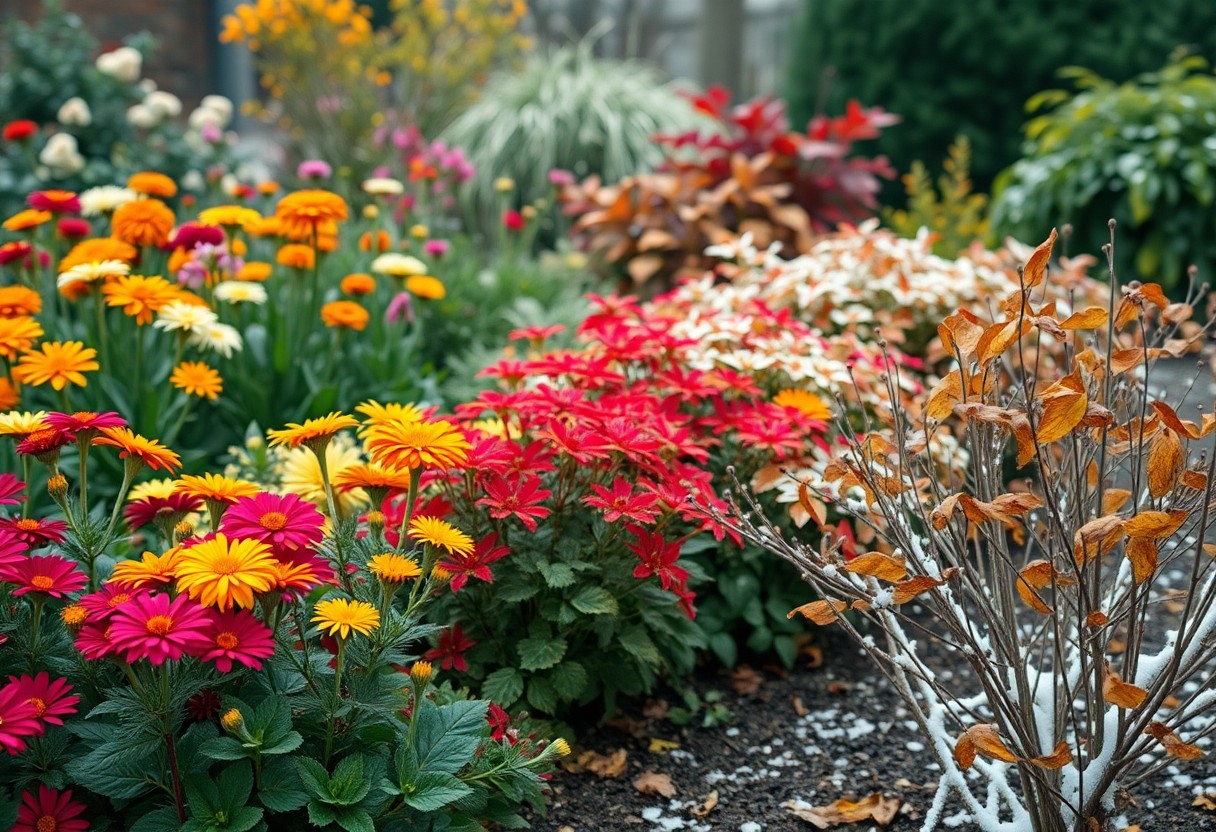
How to Create a Garden That Changes With the Seasons

You can create a dynamic outdoor space that evolves with the passage of time. As you plan your garden, consider the changing seasons and how your outdoor space can transform with them. Your garden can be a vibrant and engaging reflection of the time of year, with blooms and foliage that shift and change as the seasons come and go, offering you a unique and exciting experience throughout the year.

Key Takeaways:

To create a garden that evolves with the seasons, consider the following points:

  • Choose plants with different bloom times to ensure year-round color and interest in your garden, such as spring bulbs, summer flowers, and fall foliage.
  • Select shrubs and trees with varying growth habits and texture to add depth and dimension to your garden throughout the seasons, including deciduous and evergreen species.
  • Incorporate seasonal elements, such as ornamental grasses, pumpkins, or winter berries, to create a dynamic garden that changes with the seasons and reflects the unique character of each time of year.

Planning for Seasonal Change

The key to creating a garden that changes with the seasons is to plan ahead. You need to consider the different times of year and how your garden will look during each one. This involves thinking about the types of plants you want to include and how they will grow and change throughout the year.

Choosing the Right Plants

Plant selection is vital when it comes to creating a seasonal garden. You should choose plants that thrive during different times of year, ensuring your garden always looks its best. By selecting a variety of plants, you can enjoy a dynamic and interesting garden that changes with the seasons.

Considering Climate and Soil

Above all, you must consider your local climate and soil type when planning your garden. You need to choose plants that are suitable for your area and can thrive in the conditions you have. This will help you create a beautiful and thriving garden that changes with the seasons.

In addition, you should take into account the amount of sunlight and rainfall your garden receives, as well as the temperature and soil pH. By understanding these factors, you can make informed decisions about the plants you choose and create a garden that flourishes throughout the year, with your careful planning and attention to detail, you will be able to enjoy a stunning seasonal garden.

Spring Gardens

Any gardener knows that spring is the perfect time to create a vibrant and dynamic garden. You can find inspiration for your spring garden design by visiting All Season Flower Gardens – Designing Year Round Beauty to get ideas for your own outdoor space.

Planting Bulbs and Seeds

Around this time, you’ll want to start planting bulbs and seeds to ensure a lush garden in the spring. You can choose from a variety of flowers, such as tulips, daffodils, and hyacinths, to add color and texture to your garden.

Creating a Colorful Landscape

For a stunning spring garden, you’ll want to focus on creating a colorful landscape that will bloom throughout the season. You can achieve this by selecting a mix of early-blooming flowers, such as crocuses and pansies, and later-blooming flowers, like peonies and roses.

Planting a mix of annuals and perennials will also help you achieve a dynamic and ever-changing garden. You can plant cool-season annuals like snapdragons and petunias, and perennials like daylilies and coneflowers, to create a vibrant and colorful landscape that will change with the seasons, keeping your garden interesting and beautiful all year round.

Summer Bloom

All your hard work in the spring will pay off as your garden bursts into bloom during the summer months. You’ll enjoy vibrant colors and lush textures, and your outdoor space will be perfect for relaxation and entertainment.

Managing Growth and Pruning

Following a regular pruning schedule, you’ll be able to keep your plants healthy and thriving, and prevent overgrowth from taking over your garden. You’ll need to deadhead flowers and trim back foliage to maintain shape and promote new growth.

Incorporating Summer Flowers

Mastering the art of combining summer flowers, you’ll create a stunning display of color and texture in your garden. You can choose from a wide range of blooms, such as sunflowers, zinnias, and cosmos, to add vibrancy to your outdoor space.

In addition, as you select summer flowers, consider their growth habits, bloom times, and soil requirements to ensure that they thrive in your garden. You can also incorporate summer-blooming shrubs and trees to add depth and structure to your landscape, and provide a beautiful backdrop for your summer flowers.

Autumn Harvest

Many gardeners look forward to the autumn season, as it brings a new wave of colorful blooms and fruitful harvests. You can create a beautiful and thriving garden during this time by preparing your soil, planting seasonal flowers, and maintaining your garden’s health.

Preparing for the Fall Season

About this time, you should start cleaning up your garden, removing dead plants and debris, and adding a layer of compost to your soil. You will be preparing your garden for the upcoming season, and setting it up for success.

Planting Autumnal Blooms

Around autumn, you can start planting flowers that thrive in cooler temperatures, such as pansies, asters, and chrysanthemums. You can choose from a variety of colors and textures to add depth and interest to your garden.

Autumnal blooms can add a pop of color to your garden, and you can enjoy them well into the fall season. You can plant them in containers or directly in the ground, and with proper care, they will bloom for weeks, providing you with a beautiful display of color and a sense of accomplishment in your gardening endeavors.

Winter Wonderland

Despite the cold temperatures, your garden can still be a beautiful and inviting space during the winter months. With a little planning, you can create a winter wonderland that showcases the season’s unique charm.

Creating Interest in Snowy Landscapes

Conceptualizing a snowy landscape can be a fun and creative process. You can add interest to your winter garden by incorporating elements like snow-covered sculptures, frosted berries, and bare tree branches that create a beautiful silhouette against the sky.

Planting Evergreens and Winter Flowers

Before you start planting, consider the types of evergreens and winter flowers that thrive in your climate. You can choose from a variety of plants like holly, boxwood, and winter heather to add some color and texture to your garden.

Understanding how to care for your evergreen and winter flower plantings is key to keeping them healthy and thriving. You’ll want to make sure to water them regularly, but avoid overwatering, which can be detrimental to their health. By choosing the right plants and providing proper care, you can enjoy a beautiful and vibrant garden even in the dead of winter, and your garden will be a beautiful reflection of your personal style and creativity.

Maintenance and Care

For a garden that changes with the seasons, you’ll need to stay on top of maintenance and care tasks to ensure your outdoor space remains beautiful and thriving.

Seasonal Cleanup and Preparation

Around the changing of the seasons, take time to clean up your garden, removing dead plants and debris, and prepare for the upcoming season by planting new flowers, shrubs, or trees that will bloom during that time.

Tips for Year-Round Garden Health

Genuinely, you can keep your garden healthy year-round by following a few simple tips:

  • watering plants regularly
  • mulching to retain moisture
  • pruning to promote growth

, Recognizing the unique needs of your garden will help you create a space that flourishes in every season.

YearRound garden health is your goal, and you can achieve it by staying on top of tasks such as:

  • monitoring temperature and weather changes
  • adjusting your watering schedule accordingly
  • adding fertilizers or soil conditioners as needed

, Recognizing the importance of adaptability and flexibility in your gardening routine will help you create a thriving and dynamic outdoor space.

Conclusion

Ultimately, you now have the tools to create a garden that changes with the seasons. You can design and plant your garden to showcase vibrant colors and textures throughout the year. By choosing the right plants and incorporating seasonal elements, you will enjoy your outdoor space in every season, and your garden will be a dynamic reflection of your personal style and connection to nature.

FAQ

Q: What are the key elements to consider when creating a garden that changes with the seasons?

A: To create a garden that changes with the seasons, consider the climate, soil type, and the amount of sunlight your garden receives. Choose a mix of plants that bloom or change color during different times of the year, such as spring bulbs, summer flowers, autumn foliage, and winter berries. Incorporate decorative elements like seasonal decor, lighting, and furniture to enhance the garden’s ambiance throughout the year.

Q: How can I select plants that will provide year-round interest in my garden?

A: Selecting a variety of plants with different growth habits, textures, and bloom times is crucial for a garden that changes with the seasons. Consider plants with interesting foliage, such as ornamental grasses, or those with attractive bark, like deciduous trees. Incorporate plants that produce showy flowers, berries, or seeds, and include a mix of evergreen and deciduous plants to provide year-round structure and interest.

Q: What role does maintenance play in keeping my seasonal garden looking its best?

A: Regular maintenance is necessary to keep your garden looking its best throughout the year. This includes tasks like pruning, deadheading, and dividing plants as needed. Add a layer of mulch or compost to retain moisture, suppress weeds, and regulate soil temperature. Stay on top of seasonal tasks like planting spring bulbs, trimming summer growth, and protecting plants from harsh winter weather to ensure your garden continues to thrive.

Q: How can I incorporate seasonal decor and furniture into my garden design?

A: Incorporating seasonal decor and furniture can add an extra layer of interest to your garden. Consider adding seasonal-themed planters, garden ornaments, and outdoor lighting to create ambiance and highlight your plants. Use outdoor furniture like benches, tables, and chairs to create inviting spaces for relaxation and entertainment during different times of the year. Switch out decorative elements seasonally to keep your garden looking fresh and updated.

Q: Are there any specific design principles I should follow when creating a garden that changes with the seasons?

A: When designing a garden that changes with the seasons, consider the principles of layering, texture, and movement. Create layers of plants with different heights, textures, and growth habits to add depth and interest. Incorporate a variety of textures, from smooth to rough, to create visual appeal. Use plants with movement, like grasses or perennials with flowing foliage, to add dynamic energy to your garden. Balance these elements with resting spaces, like a quiet seating area, to create a harmonious and engaging outdoor space.

Opaye Skip to content