As you tend to your garden, you notice the withering effects of drought on your once-thriving plants. You watch as the soil dries and cracks, leaving your garden vulnerable to damage. Your green oasis, once full of life and color, now faces the threat of dehydration. You must take action to preserve the beauty and vitality of your garden, and fortunately, there are simple yet effective ways to do so, which you will discover as you probe into the world of drought-resistant gardening techniques.
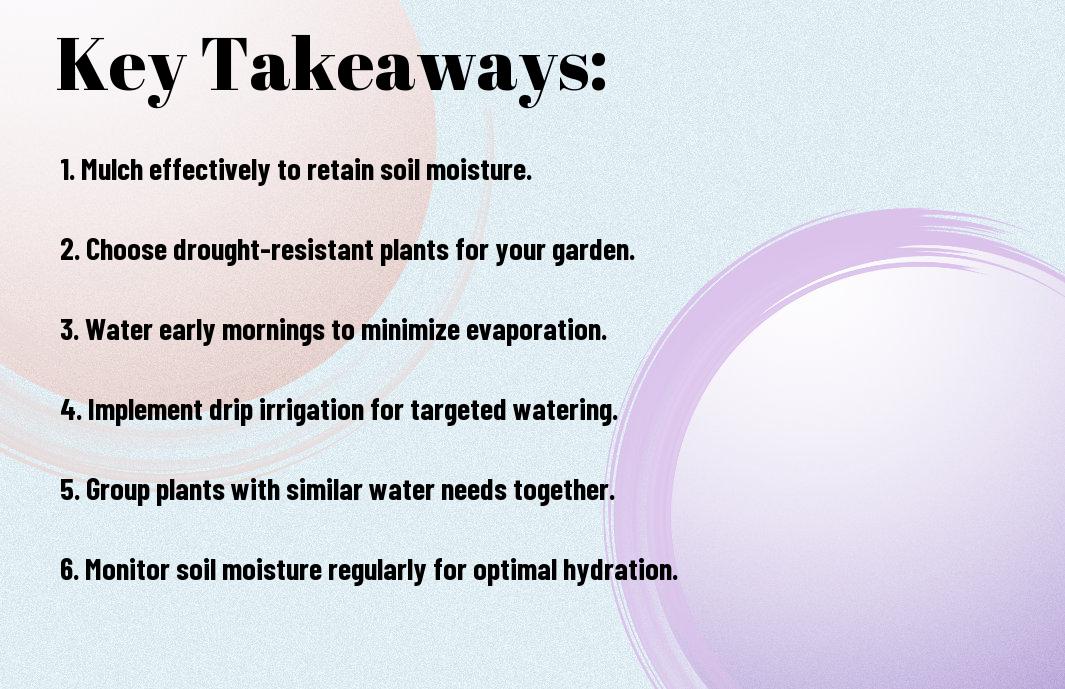
Key Takeaways:
To shield your garden from the harsh effects of drought, consider the following points:
- Implement Water Conservation methods such as using drip irrigation systems or soaker hoses to minimize water waste and deliver water directly to the roots of plants.
- Apply a layer of Organic Mulch to help retain soil moisture, suppress weeds, and regulate soil temperature, thereby reducing the need for frequent watering.
- Choose Drought-Tolerant Plants that are adapted to survive with minimal watering, and group them together to create a cohesive and resilient garden landscape that can thrive during dry periods.
Preparing for Drought
Your garden’s resilience depends on your ability to prepare for drought, and this requires a thoughtful approach to conservation and planning, allowing you to nurture your plants through times of scarcity.
Assessing Your Garden’s Needs
To determine the best course of action, you must evaluate your garden’s unique needs, considering factors such as soil type, plant species, and climate, which will guide your decisions and help you create a tailored plan.
Creating a Water Conservation Plan
Your water conservation plan should prioritize efficiency and effectiveness, using techniques such as mulching and drip irrigation to minimize waste and maximize absorption, ensuring your garden receives the water it needs to thrive.
Preparing a comprehensive water conservation plan involves considering multiple factors, including the water needs of different plants, the most efficient irrigation methods, and strategies for harvesting and conserving rainwater, all of which will help you maintain a healthy and vibrant garden even in the face of drought, and allow you to tend to your plants with the care and attention they deserve.
Soil Conservation
Even in the driest of times, your garden’s soil can be preserved with mindful practices. You can protect the soil’s structure and fertility, allowing it to retain moisture and support plant life.
Mulching and Composting
Beneath the surface, mulch and compost work together to shield your soil from the harsh effects of drought. You can apply a layer of organic mulch to prevent moisture loss and regulate soil temperature.
Using Cover Crops
With the right approach, cover crops can be a powerful tool in your drought-fighting arsenal. You can plant them to hold the soil in place, reducing erosion and retaining precious moisture.
Further, as you explore the use of cover crops, you’ll find that they can also attract beneficial insects and add nutrients to the soil, creating a resilient and thriving ecosystem that will help your garden weather the drought and bounce back stronger than ever, allowing you to tend to your land with greater ease and harmony.
Efficient Watering
Many of you are seeking ways to conserve water in your garden, and one effective method is to adopt efficient watering techniques. You can learn more about how to save water in all your gardens for a drought-filled future by exploring online resources.
Drip Irrigation and Soaker Hoses
Similarly, one approach to efficient watering is using drip irrigation and soaker hoses, which deliver water directly to the roots of your plants, reducing evaporation and runoff.
Rainwater Harvesting
Likewise, one way to collect and conserve water is through rainwater harvesting, which allows you to gather and store rainwater for later use in your garden.
Further, by implementing rainwater harvesting, you can reduce your reliance on municipal water supplies and create a more sustainable gardening practice, allowing you to tend to your garden with a clearer conscience, knowing you are preserving this precious resource for future generations.
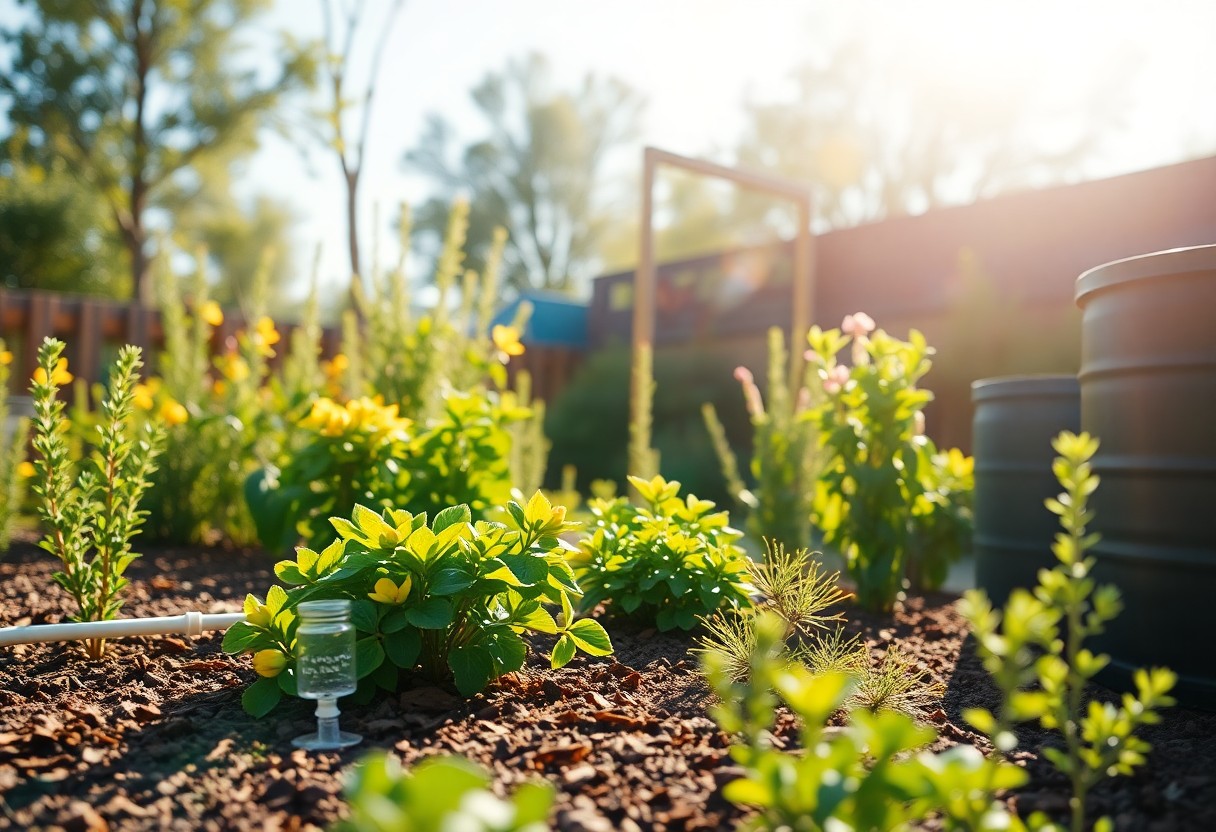
Drought-Tolerant Plants
Once again, you find yourself pondering the best ways to protect your garden from drought. Drought-tolerant plants are an excellent choice, as they can thrive with minimal watering, allowing your garden to flourish even in arid conditions.
Native Plants and Succulents
Prior to selecting plants, you should consider native plants and succulents, which have adapted to survive with limited water, making them perfect for your drought-stricken garden, and will undoubtedly bring a touch of natural beauty to your outdoor space.
Drought-Resistant Grasses
Personally, you may find that drought-resistant grasses are an attractive option, as they can withstand dry spells and require less maintenance, allowing you to enjoy a lush lawn without the burden of frequent watering.
Considering your options for drought-resistant grasses, you may want to explore Buffalo Grass or Blue Grama Grass, which are both excellent choices for dry climates, and can add a soft, natural texture to your garden, while also being environmentally friendly and low-maintenance, allowing you to focus on other aspects of your outdoor space.
Garden Maintenance
All gardens require regular maintenance to thrive, especially during drought. You must focus on preserving water and protecting your plants from harm.
Pruning and Trimming
By cutting back dead or dying branches, you help your plants conserve water and energy. This simple task can make a significant difference in your garden’s overall health.
Weeding and Pest Control
Maintenance of your garden’s soil and ecosystem is vital, as it prevents weeds from competing with your plants for water. You can achieve this by regularly inspecting your garden and removing any unwanted growth.
Hence, as you take care of your garden’s weeding and pest control, you will notice a significant reduction in water loss and an improvement in your plants’ overall health. You will be able to enjoy your lush and thriving garden, even in the midst of a drought, by being mindful of these simple yet effective techniques.
Alternative Solutions
Unlike traditional methods, alternative solutions can help you conserve water and protect your garden during drought. You can consider using grey water systems or DIY irrigation solutions to reduce your water consumption.
Grey Water Systems
After installing a grey water system, you will be able to reuse water from your household for irrigation purposes, reducing your water bill and minimizing waste. You can use this system to water your plants, trees, and even fill your pond.
DIY Irrigation Solutions
Any gardener can create their own DIY irrigation solutions using materials like plastic bottles, pipes, and tubes. You can make a drip irrigation system or a sprinkler system to deliver water directly to the roots of your plants.
Also, as you explore DIY irrigation solutions, you will find that they can be tailored to your specific garden needs, allowing you to control the amount of water each plant receives, and reducing evaporation and runoff, thus making the most of the water you have, and keeping your garden thriving even in drought conditions.
Summing up
Summing up, as you tend to your garden during drought, you nurture not just your plants, but your connection to the natural world. By adopting mindful watering habits, mulching, and choosing resilient species, you create a haven that thrives in harmony with the environment. As you care for your garden, you cultivate a sense of balance and respect for the land, allowing your outdoor space to flourish even in the most challenging conditions, and bringing you closer to the beauty of nature.
FAQ
Q: What are the most effective ways to protect my garden from drought?
A: To protect your garden from drought, start by using drought-tolerant plants, which require less water to thrive. Additionally, applying a layer of mulch can help retain moisture in the soil. Implementing efficient irrigation systems, such as drip irrigation, can also significantly reduce water waste. Furthermore, watering your plants during the cooler parts of the day can minimize evaporation, ensuring that more water reaches the roots of your plants.
Q: How can I conserve water in my garden during a drought?
A: Conserving water in your garden during a drought involves several strategies. One method is to harvest rainwater using barrels or tanks, which can be used for watering plants. Another approach is to avoid overwatering by checking the soil moisture before irrigating. Using covers or plastic sheets to reduce evaporation from the soil surface is also beneficial. Moreover, employing greywater, which is wastewater generated from domestic activities, can be a valuable source of irrigation water for your garden.
Q: What are some drought-tolerant plants that can thrive in dry conditions?
A: There are numerous drought-tolerant plants that can thrive in dry conditions. These include succulents like aloe and agave, which store water in their leaves. Other examples are cacti and plants with deep roots that can access water deep in the soil, such as mesquite trees. Additionally, certain grass species like buffalo grass and blue grama grass are also drought-tolerant and can be excellent choices for lawns. These plants are ideal for gardens in areas prone to drought as they require less maintenance and watering.
Q: How often should I water my plants during a drought?
A: The frequency of watering your plants during a drought depends on the type of plants, the climate, and the soil type. Generally, it is better to water plants deeply but infrequently to encourage deep root growth, making them more resistant to drought. Watering in the early morning or evening helps reduce evaporation. It’s also important to monitor the soil moisture by inserting a finger into the soil or using a moisture meter to determine the best watering schedule for your plants.
Q: Are there any long-term solutions to protect my garden from future droughts?
A: YES, there are several long-term solutions to protect your garden from future droughts. Implementing sustainable gardening practices such as permaculture, which aims to create a self-sufficient ecosystem, can enhance your garden’s resilience to drought. Another approach is to improve soil health through the addition of organic matter, which increases the soil’s water-holding capacity. Investing in advanced irrigation systems that can automatically adjust watering based on weather forecasts and soil conditions can also provide long-term protection against drought. Lastly, designing your garden with drought tolerance in mind from the outset can significantly reduce the impact of future droughts.
