DIY

How to Build a DIY Greenhouse on a Budget

As you consider building a greenhouse, you’re likely aware of the high costs associated with traditional kits. However, with some planning and creativity, you can create your own DIY greenhouse without breaking the bank. Before you start, you can check out this video on DIY Greenhouse | Don’t Buy a Kit Until You See This to get inspired and learn valuable tips. You’ll be able to grow your own plants year-round, and your DIY greenhouse will be a valuable addition to your backyard.

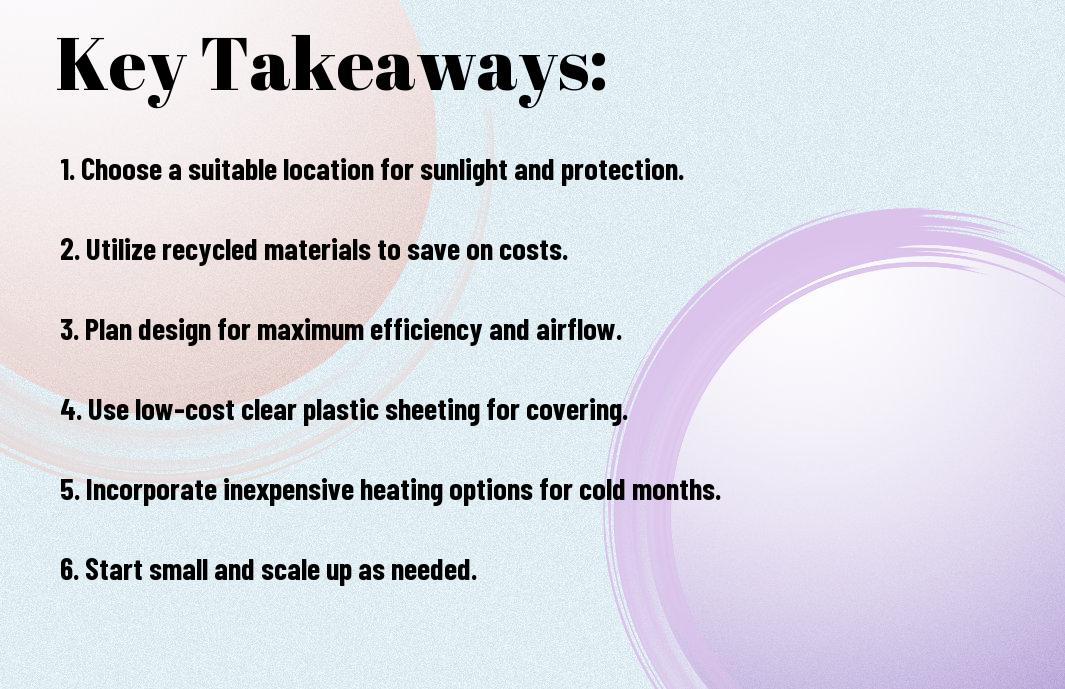
Key Takeaways:

To build a DIY greenhouse on a budget, consider the following points:

  • Use recycled materials such as old windows, doors, and lumber to minimize costs and reduce waste. This approach can help you save money on initial construction expenses.
  • Opt for a simple design that is easy to build and maintain, such as a hoop house or a cold frame. This will not only reduce construction costs but also make it easier to manage and repair your greenhouse.
  • Utilize natural lighting and ventilation to regulate the temperature and atmosphere inside the greenhouse, reducing the need for artificial lighting and heating/cooling systems. This will help you save money on energy costs and create a healthier environment for your plants.
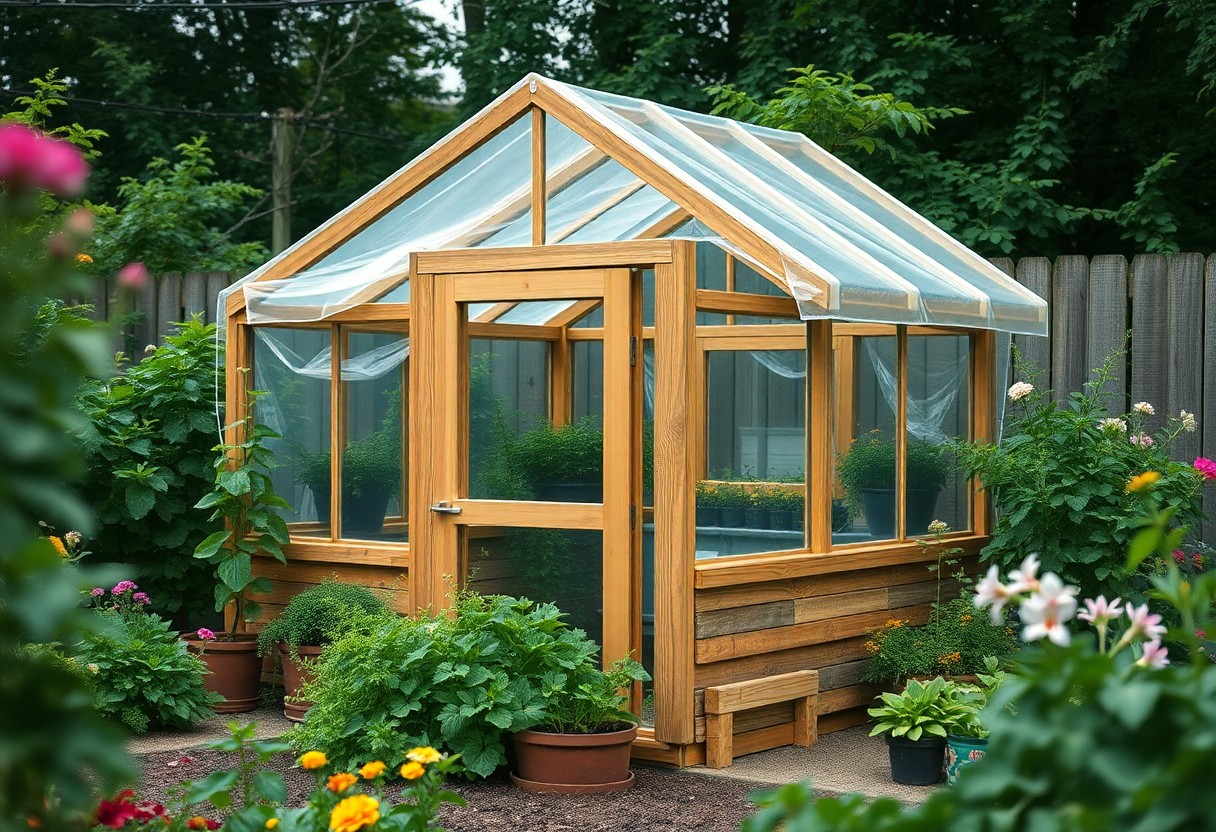
Planning Your DIY Greenhouse

A well-planned DIY greenhouse is necessary for a successful project. You need to consider your space, resources, and budget to build a functional and efficient greenhouse.

Assessing Your Space and Resources

Your available space and resources will determine the size and type of greenhouse you can build. You should evaluate your yard, considering factors like sunlight, wind direction, and accessibility.

Setting a Budget and Timeline

By establishing a clear budget and timeline, you can ensure your project stays on track. You should set realistic goals and priorities to achieve your desired outcome.

It is necessary to break down your budget into components like materials, tools, and labor to get a clear picture of your expenses. You can then allocate your resources effectively, making adjustments as needed to stay within your budget and complete your greenhouse on time, allowing you to enjoy your new space sooner.

Choosing the Right Materials

If you’re looking to build a DIY greenhouse on a budget, selecting the right materials is vital. You’ll want to consider the durability, sustainability, and cost of the materials you choose, as they will impact the overall structure and functionality of your greenhouse.

Selecting Frames and Coverings

One of the most important decisions you’ll make is choosing the frames and coverings for your greenhouse. You’ll need to decide on a frame material, such as wood or metal, and a covering, such as glass or plastic, that fits your budget and meets your needs.

Considering Insulation and Ventilation Options

Covering the basics of insulation and ventilation is vital to creating a stable environment for your plants. You’ll want to explore different options, such as shading materials and venting systems, to ensure your greenhouse maintains a healthy temperature and humidity level.

Options for insulation and ventilation will depend on your climate and the specific needs of your plants. You’ll need to consider factors such as heat retention, air circulation, and moisture control when selecting your insulation and ventilation materials, and you can choose from a range of products, including foam board, straw bales, and automatic vent openers, to create a well-regulated environment for your plants to thrive.

Building the Greenhouse Structure

Once again, you’ll need to plan carefully to ensure your greenhouse structure is sturdy and well-built. You’ll be using your DIY skills to create a functional and comfortable space for your plants to thrive.

Constructing the Frame

Prior to starting, you should gather all the necessary materials, such as wooden beams and screws, to construct the frame of your greenhouse. You will need to ensure that it is square and level to provide a solid foundation.

Installing Roofing and Walls

Anyway, you will need to install roofing and walls to enclose your greenhouse, using materials like polycarbonate panels or glass. You should follow the manufacturer’s instructions to ensure a secure and watertight seal.

But as you install the roofing and walls, you should consider factors like ventilation, insulation, and drainage to create an optimal growing environment for your plants. You will need to balance these factors to ensure your greenhouse functions effectively and provides the best conditions for your plants to grow and thrive.

Installing Essential Systems

Unlike other projects, building a DIY greenhouse requires careful planning of its systems. You can find inspiration and guidance on how to Build a DIY Greenhouse with One of These Easy Kits to ensure your project is a success.

Heating and Cooling Systems

Before installing any systems, consider your greenhouse’s heating and cooling needs to maintain a stable temperature for your plants.

Irrigation and Lighting Systems

At this stage, you’ll need to plan your irrigation and lighting systems to provide your plants with the necessary water and light.

Another important aspect of irrigation and lighting systems is automating them to ensure your plants receive the right amount of water and light, even when you’re not around to monitor them, allowing you to optimize your greenhouse’s conditions for optimal growth.

Adding Finishing Touches

After completing the structure of your DIY greenhouse, you can now focus on the final details. For inspiration, you can visit Build a Simple, Inexpensive Greenhouse to get ideas on how to enhance your greenhouse.

Shelving and Bedding

On the inside of your greenhouse, you will need to install shelving and bedding to accommodate your plants. You can use recycled materials or purchase affordable options to fit your budget.

Decorative Elements and Features

Any additional features you add will enhance the overall aesthetic of your greenhouse. Consider adding a trellis or a small seating area to make your space more inviting.

With your shelving and bedding in place, you can now think about the decorative elements that will make your greenhouse unique. You can add personal touches such as wind chimes, statues, or a sundial to create a peaceful atmosphere, making your DIY greenhouse a haven for you to relax and tend to your plants.

Maintenance and Upkeep

Despite the initial effort of building your DIY greenhouse, you’ll need to perform regular tasks to ensure its longevity and optimal performance. You’ll be checking for damage, cleaning, and making adjustments as needed to maintain a healthy environment for your plants.

Regular Cleaning and Inspection

Upkeeping your greenhouse involves regularly cleaning and inspecting the structure, removing debris and dirt that can accumulate and obstruct sunlight and ventilation, allowing you to identify potential issues before they become major problems and affect your plants.

Seasonal Preparations and Repairs

Maintenance of your greenhouse varies by season, with tasks such as insulating for winter, ventilating for summer, and preparing for extreme weather conditions, you’ll be able to adapt your greenhouse to the changing seasons and protect your plants from harsh weather.

Hence, as you prepare your greenhouse for each season, you’ll be taking proactive steps to prevent damage and ensure your plants thrive, by doing so, you’ll be able to enjoy a healthy and productive greenhouse all year round, and make any necessary repairs to extend the life of your greenhouse, saving you time and money in the long run.
Summing up

On the whole, you now have the knowledge to build a DIY greenhouse on a budget. You can construct your own mini indoor garden using recycled materials and basic tools. By following the steps and tips provided, you can create a functional and cost-effective greenhouse that suits your needs, allowing you to grow your favorite plants year-round and enjoying the benefits of your own DIY project in your backyard.

FAQ

Q: What materials do I need to build a DIY greenhouse on a budget?

A: To build a DIY greenhouse on a budget, you will need a variety of materials, including a frame made of PVC pipes or wooden beams, transparent plastic sheeting or polycarbonate panels for the walls and roof, a door and windows for ventilation, and a foundation such as concrete or gravel. You may also want to consider using recycled or repurposed materials, such as old windows or a plastic bottle wall, to save money and make your greenhouse more sustainable. Additionally, you will need tools such as a drill, saw, and hammer to assemble the structure.

Q: What is the best location for a DIY greenhouse on a budget?

A: The best location for a DIY greenhouse on a budget is a spot that receives plenty of sunlight, is level, and is well-drained. It’s also important to consider the direction of the sun and the prevailing winds in your area, as this can affect the temperature and ventilation inside the greenhouse. A south-facing location is ideal, as it will receive the most sunlight throughout the day. You should also consider the accessibility of the location, as you will need to be able to easily get to the greenhouse to tend to your plants.

Q: How do I construct the frame of a DIY greenhouse on a budget?

A: Constructing the frame of a DIY greenhouse on a budget can be done using a variety of materials, including PVC pipes, wooden beams, or metal framing. The frame should be sturdy and able to support the weight of the plastic sheeting or polycarbonate panels, as well as any snow or wind loads. You can use a simple hoop house design or a more complex gable or Gothic arch style, depending on your needs and skill level. It’s a good idea to use a pre-made frame kit or consult with a professional if you are not experienced with building or construction.

Q: How do I provide ventilation and climate control in a DIY greenhouse on a budget?

A: Providing ventilation and climate control in a DIY greenhouse on a budget is important to prevent overheating and maintain a healthy environment for your plants. You can use a variety of methods, including automatic vents, manual windows, and shading materials such as shade cloth or louvers. You can also use fans or solar-powered ventilation systems to circulate the air and cool the greenhouse. Additionally, you can use thermal mass materials such as concrete or brick to absorb and release heat, helping to regulate the temperature inside the greenhouse.

Q: How much does it cost to build a DIY greenhouse on a budget, and what are some ways to save money?

A: The cost of building a DIY greenhouse on a budget can vary widely, depending on the size, materials, and complexity of the design. On average, a small DIY greenhouse can cost anywhere from $100 to $1,000 or more, depending on the materials and features. To save money, you can use recycled or repurposed materials, shop for second-hand or discounted materials, and keep the design simple. You can also consider building a mini or micro greenhouse, or using a pre-made kit or plan to simplify the construction process and reduce costs. Additionally, you can consider enlisting the help of friends or family members to share the labor and costs.
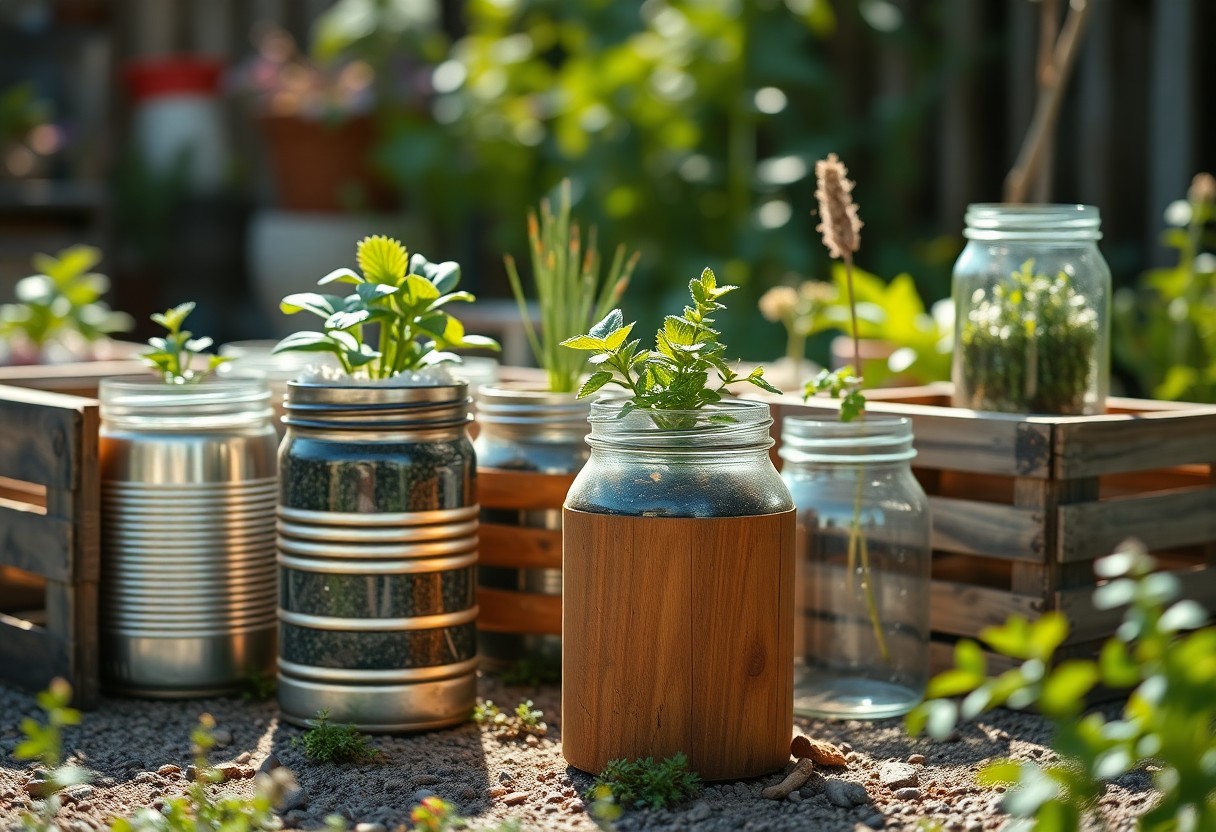
How to Make DIY Planters From Household Items

As you launch on your gardening journey, you’re likely looking for creative ways to showcase your plants. You can turn your old household items into unique planters, adding a personal touch to your space. With a little imagination, you can transform everyday objects into beautiful containers for your plants. You’ll be amazed at how easy it is to create stunning planters using items you might otherwise discard, and your plants will thrive in their new, one-of-a-kind homes.

Key Takeaways:

To create your own unique planters, consider the following points:

  • Use recycled materials like old plastic bottles, cardboard tubes, and wooden crates to make ecofriendly planters that are also cost-effective.
  • Get creative with upcycled items such as mason jars, tin cans, and glass containers to add a touch of personalized style to your planters.
  • Apply a coat of protective paint or varnish to your DIY planters to make them durable and waterproof, ensuring they last for a long time.

Gathering Materials

Before you start creating your DIY planters, take a walk around your home to see what items you can repurpose. Look for things that can be transformed into unique and functional planters.

Household Items to Repurpose

For instance, you’ll find plenty of potential planters in your kitchen, like old jars, containers, and pots. Consider using wooden crates, cardboard tubes, or plastic bottles to add some personality to your planters.

Essential Crafting Tools

Gathering your crafting tools is the next step in preparing for your DIY project. You’ll need items like scissors, glue, and a paintbrush to get started.

To make your planters truly special, you’ll want to have a variety of tools on hand. You’ll be using these tools to clean, prepare, and decorate your planters, so take some time to gather everything you need, including a workspace where you can spread out and get creative with your projects, and think about the look and feel you want to achieve with your DIY planters, and have fun with the process, as you’re making something unique and personalized, just for you and your home.

Preparing the Planters

Assuming you’ve gathered your household items, it’s time to prepare them for planting. For inspiration, check out 29 Insanely Creative DIY Planter Ideas from Household Items to get your creative juices flowing. You’ll be amazed at the possibilities.

Cleaning and Disinfecting

Above all, you want to start with a clean slate, so thoroughly wash your chosen items with soap and water to remove any dirt or debris.

Sanding and Smoothing

The next step is to sand and smooth out any rough edges or surfaces, making it easier to plant and maintain your DIY planter. You’ll find that this step makes a big difference in the overall look and feel of your planter.

Also, as you sand and smooth out your planter, you’ll have the opportunity to add any decorative touches, such as paint or varnish, to give your planter a personalized and unique look that reflects your style, and you can take pride in knowing you created it yourself.

Decorating the Planters

Once again, you’re getting creative with your DIY planters, and now it’s time to add some personality to them. For more inspiration, check out How to Make DIY Planting Containers by Repurposing Old Items for unique ideas. You can decorate your planters in various ways to match your home decor.

Painting and Staining

One of the easiest ways to give your planters a personal touch is by painting or staining them. You can choose colors that complement your garden or home decor, and add a coat of varnish to protect the paint or stain.

Adding Embellishments

On the other hand, you can add embellishments like ribbons, stickers, or decoupage to give your planters a more decorative look. You can get creative with the materials you have at home and experiment with different designs.

Planters with embellishments can add a charming touch to your garden or indoor space. You can use your imagination to create unique and beautiful designs, and make your DIY planters truly special. As you decorate your planters, you’ll find that the process is just as enjoyable as the end result, and you’ll be proud to display your handmade creations.

Planting and Care

All your hard work in creating a beautiful DIY planter will pay off when you fill it with your favorite plants and give them the care they need to thrive.

Choosing the Right Plants

For a beautiful and thriving planter, you’ll want to select plants that fit your lifestyle and the conditions of the spot where the planter will sit.

Soil and Watering Tips

Around the time you’re planting, you’ll also want to think about the soil and watering needs of your plants. You can:

  • Use a high-quality potting soil
  • Water your plants when the soil feels dry to the touch

. Recognizing the unique needs of your plants will help you keep them happy and healthy.

Watering your plants is an vital part of their care, and you’ll want to make sure you’re giving them just the right amount. You can:

  • Check the soil moisture by sticking your finger into the soil
  • Water your plants in the morning so the plants have the entire day to absorb the water

. Recognizing the signs of over- or under-watering will help you adjust your care routine to keep your plants thriving.

Creative Variations

For a personalized touch, consider adding your own style to your DIY planters. You can paint, glue, or decoupage your favorite designs onto the planters to give them a unique look that reflects your personality.

Unique Planter Ideas

Contrary to what you might think, old boots, colanders, and even toilet paper rolls can make great planters. You can get creative with the items you have at home and turn them into one-of-a-kind planters that add a touch of whimsy to your garden or indoor space.

Mixing and Matching Materials

Prior to finalizing your planter design, think about combining different materials to add texture and interest. You can pair smooth ceramic pots with rough wooden planters or mix metal and glass containers to create a visually appealing display that showcases your plants.

Unique combinations of materials can elevate your planters from ordinary to extraordinary. You can experiment with different textures, colors, and shapes to create a look that is all your own. As you mix and match materials, consider the style and theme of your home and garden, and have fun with the process of creating one-of-a-kind planters that reflect your personal taste and flair.

Troubleshooting

Your DIY planters may not turn out as expected, but don’t worry, you can easily fix common issues and give your planters a second chance.

Common Mistakes to Avoid

Mistakenly using the wrong materials or techniques can lead to disappointing results, so be sure to follow the instructions carefully to avoid such errors.

Repairing and Upcycling

Repairing your planters can be a fun and creative process, allowing you to breathe new life into your DIY projects and make them even more unique and special.

A great way to approach repairing and upcycling is to think outside the box and consider how you can repurpose or reuse elements of your planter to create something entirely new and exciting, giving you the opportunity to get creative and add your personal touch to your DIY project.

Final Words

As a reminder, you now have the skills to create your own unique planters from household items. With a little creativity, you can turn your old items into beautiful garden decorations. For more inspiration, visit Common Household Items You Can Turn Into Beautiful Planters to discover new ways to repurpose and reuse your items, giving your garden a personal touch that reflects your style, and showcases your ingenuity, making your outdoor space truly special and yours.

FAQ

Q: What household items can I use to make DIY planters?

A: You can use a variety of household items to make DIY planters, such as old plastic bottles, cardboard tubes, wooden crates, old boots, and even plastic bags. Get creative and think outside the box! Some other items you can consider using include mason jars, tin cans, and glass containers. Just make sure to clean and disinfect them before using them as planters.

Q: How do I prepare the household items for use as planters?

A: To prepare the household items for use as planters, start by cleaning them thoroughly with soap and water. Remove any labels and scrub off any dirt or debris. If using wooden items, you may need to sand them down to smooth out the surface. For plastic items, you can use a Drill to make holes in the bottom for drainage. Make sure the items are dry before filling them with soil and plants.

Q: What type of soil and plants are best for DIY planters?

A: The type of soil and plants you use will depend on the type of planter you’re using and the climate you’re in. For most DIY planters, a well-draining potting soil is best. Choose plants that are suitable for the size and material of your planter, such as herbs, succulents, or small flowers. Consider the amount of sunlight and water your plants will need and choose a location that provides the right conditions.

Q: How do I prevent my DIY planters from leaking or falling over?

A: To prevent your DIY planters from leaking, make sure to add a layer of small rocks or broken pottery at the bottom for drainage. You can also use a waterproof coating or liner to prevent leaks. To prevent your planters from falling over, use a wide and stable base or add weights to the bottom. You can also attach the planter to a wall or a fence using screws or a bracket.

Q: How do I care for my plants in DIY planters?

A: Caring for plants in DIY planters is similar to caring for plants in traditional planters. Make sure to water them regularly, but not too much, and provide them with enough sunlight and fertilizer. Check the soil moisture by sticking your finger into the soil up to the first knuckle. If the soil feels dry, it’s time to water. You should also fertilize your plants regularly to promote healthy growth and blooming. With proper care, your plants should thrive in their new DIY planters.

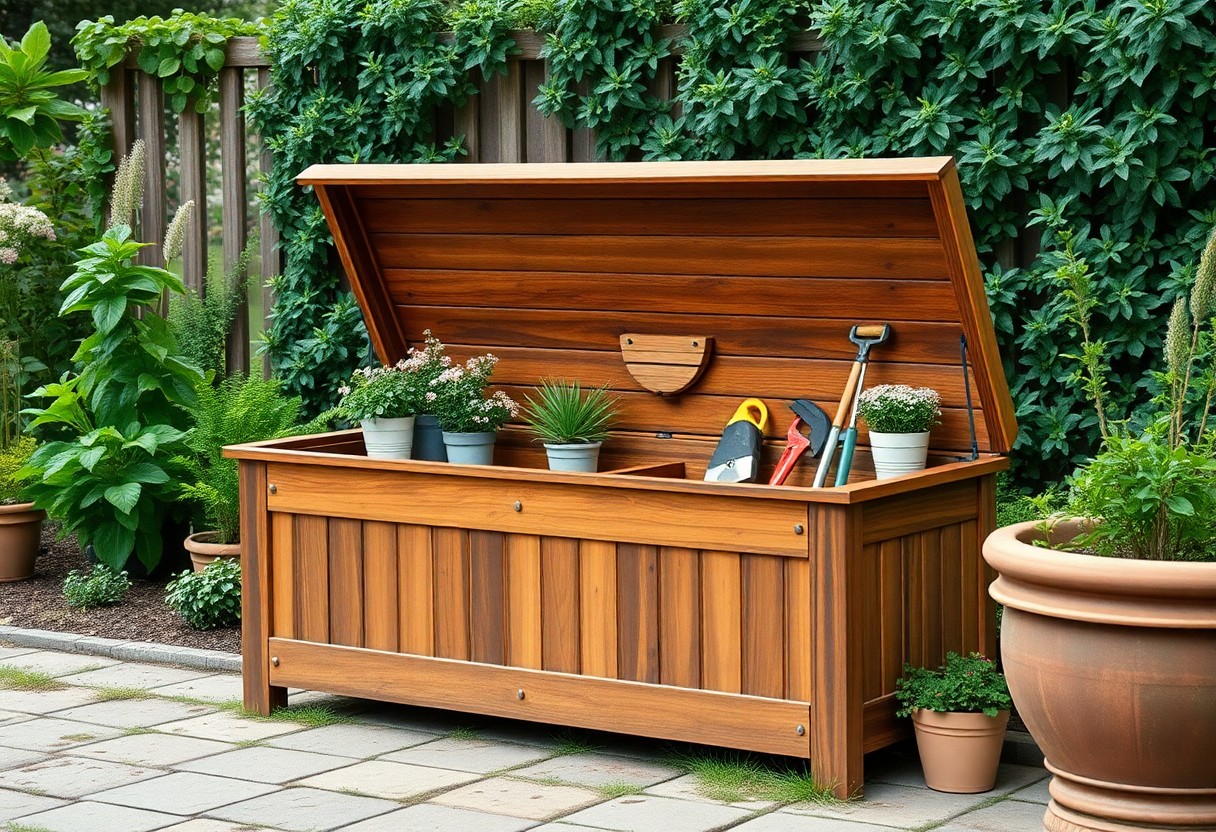
How to Build a DIY Outdoor Storage Bench

You’re fixin’ to build yourself a storage bench, and I’m here to guide you through it. With your trusty tools and a bit of elbow grease, you’ll be sittin’ pretty on your new bench in no time. Your backyard is about to get a whole lot more organized, and your neighbors will be green with envy. So, grab your hammer and let’s get started on this DIY adventure, where you’ll learn to build a sturdy outdoor storage bench that’s perfect for stashing your gear.

Key Takeaways:

To build a DIY outdoor storage bench, consider the following points:

  • Choose the right materials, such as weather-resistant wood or composite materials, to ensure the bench can withstand various weather conditions.
  • Consider the design and size of the bench to fit your outdoor space and storage needs, taking into account the style and functionality you want to achieve.
  • Follow a step-by-step guide or plan to ensure a successful build, and don’t hesitate to add personal touches, such as cushions or decorations, to make the bench more comfortable and inviting.

Planning and Design

While planning your DIY outdoor storage bench, you’ll want to get some inspiration from the pros, so head on over to How to Build an Outdoor Storage Bench for some sweet ideas. This will help you get a sense of what you like and what will work for your space.

Measuring Your Space

To determine the perfect size for your bench, take stock of the area where it’ll live, considering the length, width, and any obstructions.

Choosing Materials

An imperative part of the process is selecting the right materials for your project, so consider what will withstand the elements and fit your style.

In fact, you’ll have a plethora of options to choose from, including cedar, reclaimed wood, and composite materials, each with its own unique characteristics and benefits, so take your time and pick the one that’s right for you and your outdoor storage bench vision.

Building the Frame

It seems like a daunting task, but building the frame of your outdoor storage bench is a straightforward process, and with the right tools, you’ll be done in no time, crafting a sturdy foundation for your bench.

Cutting the Lumber

Around this stage, you’ll start to see your project come together, and with your measurements in hand, you’ll begin cutting the lumber into the required pieces, making sure to follow your plan closely, as you set the stage for a solid frame.

Assembling the Structure

Against the backdrop of a well-cut set of lumber pieces, you’ll start assembling the structure, using your trusty drill and screws to bring the frame together, carefully ensuring that all corners are square and the entire thing is level, a feat that requires some patience, but yields great results.

Due to the simplicity of this design, you’ll find that assembling the structure is a breeze, and as you tighten the last screw, you’ll feel a sense of pride and accomplishment, knowing that your outdoor storage bench is starting to take shape, and with a few more steps, you’ll be enjoying your new creation, complete with a sturdy frame that will withstand the elements and provide ample storage for your outdoor gear, all thanks to your hard work and attention to detail.

Adding the Seat and Back

All the pieces are coming together, and now it’s time to add the seat and back to your outdoor storage bench. You’ll be attaching the seat slats and backrest, which will provide a comfortable place to sit and a sturdy back support.

Installing the Seat Slats

Across the frame, you’ll be placing the seat slats, spacing them evenly apart to create a sturdy and comfortable surface. You’ll use screws to secure them in place, making sure they’re level and evenly aligned.

Attaching the Backrest

By this point, you’re getting close to finishing your bench, and attaching the backrest is a significant step. You’ll be using screws to secure the backrest to the frame, making sure it’s at a comfortable angle and evenly aligned with the seat.

Plus, when attaching the backrest, you’ll want to make sure it’s sturdy enough to support your weight, so don’t be shy with the screws. You’ll also want to consider adding some extra support, like a horizontal slat or two, to give it some extra stability and ensure it can withstand the elements and frequent use. As you’re building this, you’re probably thinking about all the times you’ll be sitting on this bench, enjoying the outdoors, and you want to make sure it’s built to last. So, take your time, and get it just right, you’ll be glad you did.

Installing Storage

Your outdoor storage bench is starting to take shape, and now it’s time to add the storage component, because let’s face it, you’ve got some stuff to stow.

Building the Storage Compartment

After constructing the frame, you’ll need to build the storage compartment. Here’s a breakdown of the materials you’ll need:

Material Quantity
Lumber 2-3 pieces
Hinges 2-3 sets

Adding a Lid or Door

With the compartment built, you can now add a lid or door to keep your stored items secure and out of the elements. You’ll want to choose a design that fits your needs, whether it’s a simple lid or a more complex door system.

Indeed, adding a lid or door is where you can get creative and add some personality to your storage bench. You can choose from a variety of materials, such as wood or metal, and add decorative hardware to give it a unique look. As you’re building, you’ll be thinking about how you’ll use this bench, and what kind of items you’ll be storing, so choose a design that fits your lifestyle, and don’t be afraid to add your own personal touch.

Finishing Touches

Keep in mind that the final steps are just as important as the initial build, and you can find more information on How to Build a Simple and Beautiful Outdoor Storage Bench at this detailed guide. Now, let’s get to the fun part – making your bench look sharp!

Sanding and Staining

Behind the scenes of a beautiful finish lies a whole lot of sanding and staining, so get ready to put in some elbow grease, you’ll be happy with the outcome, trust me.

Adding Hardware and Decor

Any decorate details you add will give your bench some serious personality, so pick something that reflects your style, and have fun with it, you’re almost done!

Sanding down the wood to a smooth finish, you’ll be ready to add the hardware and decor that will make your outdoor storage bench truly shine, now it’s time to add a coat of polyurethane and attach the lid hinges, and any other decorative elements you like, you’ve earned it, your bench is looking great!

Safety Precautions

For your own well-being, take necessary precautions when building your DIY outdoor storage bench. You’ll be working with power tools and materials that can cause injury if not handled properly.

Protective Gear

Gearing up with the right equipment is vital, you’ll need safety glasses, a dust mask, and gloves to protect yourself from debris and splinters.

Electrical Safety

Avoiding electrical hazards is key, you should keep your work area clear of cords and wires, and never use power tools near water or in wet conditions.

It is also important to use ground fault circuit interrupter (GFCI) protected outlets when working with power tools, and to keep your tools well-maintained to prevent electrical shock, you don’t want to become a human lightning rod, so take your time and be mindful of your surroundings.

Summing up

Now that you’ve hammered your last nail, you’re left with a DIY outdoor storage bench that’s all your own. You’ve built something with your hands, and that’s something to be darn proud of. Your new bench is ready to hold all your outdoor goodies, and with a little maintenance, it’ll be serving you well for years to come. Pat yourself on the back, friend, you’ve earned it!

FAQ

Q: What materials do I need to build a DIY outdoor storage bench?

A: To build a DIY outdoor storage bench, you will need several materials, including 2×4 lumber for the frame, 3/4 inch plywood for the seat and shelf, exterior-grade wood screws, hinges, and a latch for the lid. You will also need weather-resistant wood glue, wood filler, and a waterproof sealant to protect the wood from the elements. Additionally, you may want to add a finish, such as paint or stain, to match the bench with your outdoor decor.

Q: What are the steps involved in building a DIY outdoor storage bench?

A: The steps involved in building a DIY outdoor storage bench include planning and designing the bench, cutting and assembling the frame, attaching the seat and shelf, installing the lid and hinges, and adding a finish. You will also need to add a back and armrests, if desired, and attach the lid with a latch or other closing mechanism. It’s also important to ensure that the bench is level and secure to prevent it from tipping over.

Q: How do I ensure that my DIY outdoor storage bench is waterproof and durable?

A: To ensure that your DIY outdoor storage bench is waterproof and durable, you should use exterior-grade materials and apply a waterproof sealant to all surfaces. You should also install a lid with a watertight seal and use hinges and a latch that are designed for outdoor use. Additionally, you can add a layer of protection by applying a finish, such as paint or stain, and regularly inspecting and maintaining the bench to prevent damage from the elements.

Q: Can I customize my DIY outdoor storage bench to fit my specific needs and decor?

A: Yes, you can customize your DIY outdoor storage bench to fit your specific needs and decor. You can choose the size, style, and materials to match your outdoor space and add features, such as cup holders, a storage compartment, or a planter. You can also add a cushion or pillows to make the bench more comfortable and inviting. Additionally, you can use different types of wood or finishes to match the bench with your existing outdoor furniture and decor.

Q: What safety considerations should I keep in mind when building and using a DIY outdoor storage bench?

A: When building and using a DIY outdoor storage bench, you should keep in mind several safety considerations, including ensuring that the bench is stable and level, using secure latches and hinges, and keeping the bench away from hazards, such as water and electrical sources. You should also use proper lifting techniques when moving the bench and avoid overloading it with heavy items. Additionally, you should regularly inspect the bench for damage and wear, and make repairs as needed to prevent accidents and injuries.

How to Build a DIY Compost Bin

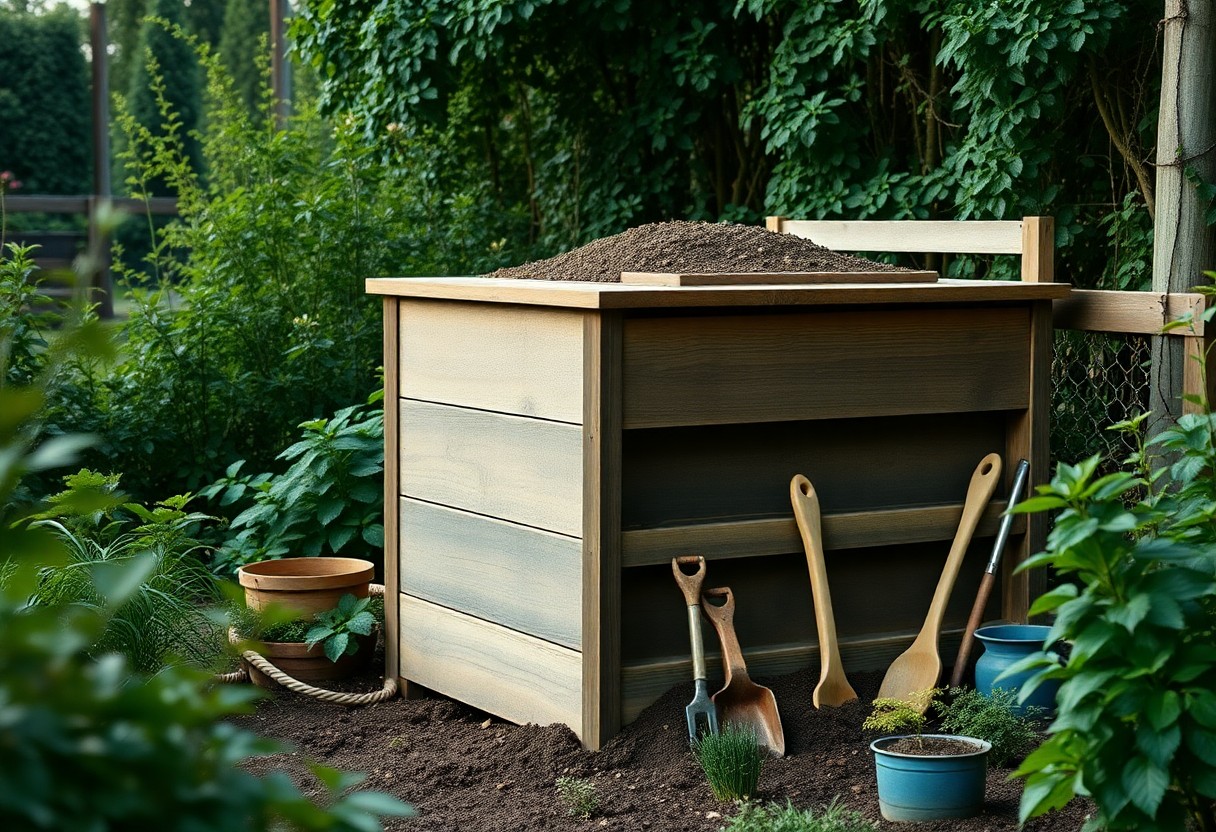
You can create a sustainable and eco-friendly way to manage your food waste by building your own compost bin. With a few simple materials and some basic tools, you can construct a bin that meets your needs and helps your garden thrive. Your compost bin will allow you to turn kitchen scraps and yard waste into a nutrient-rich soil amendment, reducing your environmental impact and creating a healthier garden. You will learn how to do this in the following steps.

Key Takeaways:

To build a DIY compost bin, consider the following points:

  • Start by selecting a location for your compost bin that is well-ventilated and accessible, with a drainage system to prevent water accumulation.
  • Choose the right materials for your compost bin, such as wood or wire mesh, and ensure they are durable and can withstand outdoor conditions.
  • Consider the of your compost bin and the aeration needs of your compost pile, as a bin that is too small may not allow for adequate airflow and decomposition.

Choosing the Right Materials

A well-planned compost bin requires the right materials to ensure effective decomposition and durability. You will need to select materials that are resistant to rot and can withstand outdoor weather conditions.

Selecting the Wood

With a focus on sustainability, you can choose reclaimed or untreated wood for your compost bin, considering the type of wood that will best suit your needs and budget.

Gathering Other Necessary Items

Around your workshop or home, you will find other necessary items such as wires, screws, and a hammer to assemble your compost bin, making it easy to get started on your project.

A closer look at gathering other necessary items reveals that you will also need a saw, drill, and measuring tape to ensure accurate cuts and a sturdy structure, allowing you to build a functional compost bin that meets your needs and complies with your local regulations.

Designing the Compost Bin

Even before you begin building your compost bin, it’s crucial to consider your design options. You’ll want to think about the size, style, and materials you’ll use to ensure your bin is functional and suits your needs.

Determining the Size

To determine the size of your compost bin, you’ll need to consider the amount of waste you generate and the space available in your yard. You should choose a size that is large enough to hold all your compost materials, but not so large that it becomes difficult to manage.

Considering the Style

Against the backdrop of your yard’s aesthetics, you’ll want to choose a style that fits in with your landscape. You can opt for a traditional wooden bin or a more modern plastic one, depending on your personal preference and the style of your outdoor space.

It is worth noting that the style of your compost bin can also impact its functionality. For example, a bin with a lid will help to keep pests out and retain heat, while a bin with aeration holes will improve airflow and speed up the composting process. As you consider the style of your bin, think about how it will affect the overall composting process and choose a design that meets your needs.

Building the Frame

Many DIY enthusiasts find building a compost bin to be a straightforward project, and you can get started by checking out tutorials like Make This Super-Easy DIY Compost Bin in a Flash for inspiration. You’ll need to gather your materials and begin constructing the frame, which will provide the foundation for your compost bin.

Constructing the Base

With your materials in hand, you can start by building the base of your compost bin, using wooden pallets or planks to create a sturdy floor. You will need to ensure the base is level and secure to prevent your compost from spilling over.

Adding the Sides

Adding the sides to your compost bin is the next step, and you can use wooden boards or wire mesh to create the walls. You will need to attach these to the base, making sure they are secure and evenly spaced.

Consequently, as you add the sides, you should consider the size and ventilation of your compost bin, ensuring that it is well-aerated and easy to turn. You can add doors or lids to make it simpler to access and maintain your compost, and you can customize the design to fit your specific needs and available space.

Adding the Walls and Roof

Unlike other DIY projects, building a compost bin requires careful consideration of the materials and design. You will need to choose materials that are durable and can withstand the elements.

Installing the Walls

Beneath the frame, you will start installing the walls of your compost bin, using wooden planks or wire mesh to create a secure enclosure. You will need to ensure that the walls are sturdy and can hold the weight of the compost.

Completing the Roof

Among the final steps in building your compost bin is completing the roof, which will protect the compost from the elements. You can use wooden planks or corrugated metal to create a roof that is both durable and waterproof.

Walls and roof in place, you can now focus on adding the final touches to your compost bin, including a door or lid that allows you to easily add materials and turn the compost. You should also consider adding aeration holes to ensure that your compost gets enough oxygen to break down efficiently, and you can start using your bin to turn food scraps and yard waste into nutrient-rich soil for your garden.

Adding Ventilation and Access

Despite the importance of a solid structure, your compost bin needs openings for airflow and maintenance. You will need to add ventilation and access points to ensure your compost pile gets enough oxygen and can be easily turned.

Creating Vents

Venting your compost bin is vital for aerating the compost pile. You can create vents by drilling holes in the sides and bottom of the bin, allowing air to circulate and speed up the decomposition process.

Installing a Door

Beside the vents, you will need to install a door to access the compost pile. You can use a hinge and a latch to secure the door, making it easy to open and close.

Also, consider adding a door that is large enough to allow you to easily turn the compost pile, and make sure it is securely attached to the bin to prevent it from falling off. This will make maintaining your compost bin much easier and more efficient, allowing you to add new materials and turn the pile as needed.

Finishing Touches

For a polished look, you’ll want to put the final details on your compost bin. This includes adding a lid and applying a finish to protect the wood.

Adding a Lid

Against the elements, a lid will help keep your compost pile moist and warm, so you’ll want to attach it securely to the bin. You can use hinges and a latch to make it easy to open and close.

Applying a Finish

Between the wood and the weather, a finish will provide a barrier to prevent rot and decay, so you’ll want to choose a durable option like a waterproof sealant or a natural oil.

Plus, when applying a finish, you’ll have the opportunity to add a personal touch to your compost bin, such as a stain or paint color that matches your outdoor decor, making it a unique and functional addition to your garden or yard, and you can feel confident that your compost bin will withstand the elements and last for years to come.

Final Words

So, you have now gained the knowledge to build your own DIY compost bin. You can find more details on the process at How to Build a Compost Bin | MU Extension. With your new compost bin, you will be able to turn your food scraps into nutrient-rich soil, reducing your waste and creating a sustainable garden. You will be amazed at the positive impact it has on your garden and the environment.

FAQ

Q: What materials do I need to build a DIY compost bin?

A: To build a DIY compost bin, you will need some basic materials such as wooden pallets, wire mesh, a hammer, nails, and a saw. You can also use an old trash can or a plastic container as an alternative. Additionally, you will need some bedding materials like straw or shredded newspaper, and a mix of “green” materials (like food scraps and grass clippings) and “brown” materials (like dried leaves and twigs) to start the composting process.

Q: What is the ideal size for a DIY compost bin?

A: The ideal size for a DIY compost bin depends on the amount of waste you generate and the space you have available. A good size to start with is a bin that is at least 3x3x3 feet in size, as this will allow for adequate aeration and mixing of the materials. However, you can also build a smaller or larger bin depending on your specific needs and preferences.

Q: How do I assemble the DIY compost bin?

A: Assembling a DIY compost bin is a straightforward process. Start by collecting your materials and cutting the wooden pallets to the desired size. Use wire mesh to cover the sides and bottom of the bin to provide aeration and keep pests out. Use nails to attach the pallets together and form a sturdy structure. Make sure the bin is well-ventilated and has a lid to keep animals out and heat in.

Q: What can I compost in my DIY compost bin?

A: You can compost a wide variety of materials in your DIY compost bin, including food scraps, grass clippings, dried leaves, twigs, and shredded newspaper. Avoid adding meat, dairy, and oily foods as they can attract pests and create unpleasant odors. You can also add coffee grounds, tea bags, and eggshells to your compost pile. It’s also a good idea to balance “green” materials (like food scraps and grass clippings) with “brown” materials (like dried leaves and twigs) to create a healthy mix.

Q: How do I maintain my DIY compost bin?

A: To maintain your DIY compost bin, make sure to add materials regularly and mix them well to ensure aeration and decomposition. Keep the bin moist, like a damp sponge, and avoid overwatering, which can lead to unpleasant odors and pests. Every few weeks, turn the compost pile to aerate it and speed up the decomposition process. After a few months, you should have a rich, earthy compost that you can use to fertilize your plants and improve the soil structure in your garden.

How to Create a DIY Outdoor Workspace

Planning

A well-planned outdoor workspace is imperative for a successful DIY project. You’ll want to consider the layout, materials, and purpose of your space to ensure it meets your needs.

Assessing Your Space

On the path to creating your ideal outdoor workspace, you’ll need to evaluate the area where you plan to build. You’ll be looking at the size, shape, and condition of your yard or patio.

Defining Your Needs

Your needs and goals will drive the design of your outdoor workspace. You’ll want to think about what you’ll be using the space for, whether it’s woodworking, gardening, or another activity.

Also, as you define your needs, consider the tools and equipment you’ll require, as well as any storage or seating you’ll need. You’ll be using this space regularly, so make sure it’s functional and comfortable for you.

Key Takeaways:

To create a productive and functional DIY outdoor workspace, consider the following points:

  • Choose a shaded area or create a canopy to protect yourself from the elements, ensuring a comfortable working environment.
  • Invest in durable and weather-resistant materials for your outdoor furniture and decor to withstand various weather conditions.
  • Consider ergonomic and space-saving designs for your workspace to maximize productivity and minimize clutter, allowing you to focus on your work in a peaceful outdoor setting.

    Designing

    Even with a solid plan, designing your outdoor workspace can be a daunting task. You’ll need to consider the space you have available, the type of work you’ll be doing, and the style you’re aiming for. Take your time, and don’t be afraid to get creative and try out different ideas.

    Choosing a Layout

    After you have a sense of your space and style, it’s time to think about the layout. You’ll want to consider the flow of your workspace, where you’ll place your tools and materials, and how you’ll move around the area. Think about your workflow and how you can optimize your space to make your projects easier and more efficient.

    Selecting Materials

    Before you start building, you’ll need to decide on the materials you’ll use. You’ll want to choose materials that are durable, weather-resistant, and suitable for outdoor use. Consider using recycled or reclaimed materials to add some character to your space.

    Layout is everything when it comes to your outdoor workspace, and the materials you choose will play a big role in determining the overall look and feel of your space. You’ll want to think about the type of projects you’ll be working on and choose materials that will withstand the elements and your workflow. Consider using materials like cedar, redwood, or composite materials that are designed to withstand the outdoors, and don’t be afraid to add some personal touches to make your space truly unique and functional for your needs.

    Building

    There’s no denying that building your DIY outdoor workspace is the most exciting part of the process. You get to see your vision come to life, and with the right tools and materials, you’ll be well on your way to creating the perfect spot to tackle your projects.

    Preparing the Site

    Upon arriving at your building site, you’ll need to clear the area of any debris and level the ground to ensure a stable foundation for your workspace. You’ll be surprised at how much of a difference a clean slate can make in the overall quality of your build.

    Constructing the Workspace

    Across the board, the key to a successful build is a solid plan and attention to detail. You’ll want to consider the size and layout of your workspace, as well as the materials you’ll need to bring it all together. As you start constructing, take your time and don’t be afraid to get creative.

    Considering the type of projects you’ll be working on, you may want to add specialty features to your workspace, such as built-in shelving or a workbench. You’ll appreciate the extra storage and functionality as you start tackling your outdoor projects, and your workspace will quickly become your new favorite spot to spend time.

    Furnishing

    Your outdoor workspace needs the right stuff to get the job done. You’ll want to choose furniture that’s durable and comfortable, so you can work outside without a hitch.

    Choosing Outdoor-Friendly Furniture

    About the furniture, consider using recycled plastic or cedar wood, they’re perfect for withstanding the elements. Look for pieces that are sturdy and can handle your work style.

    Adding Lighting and Electronics

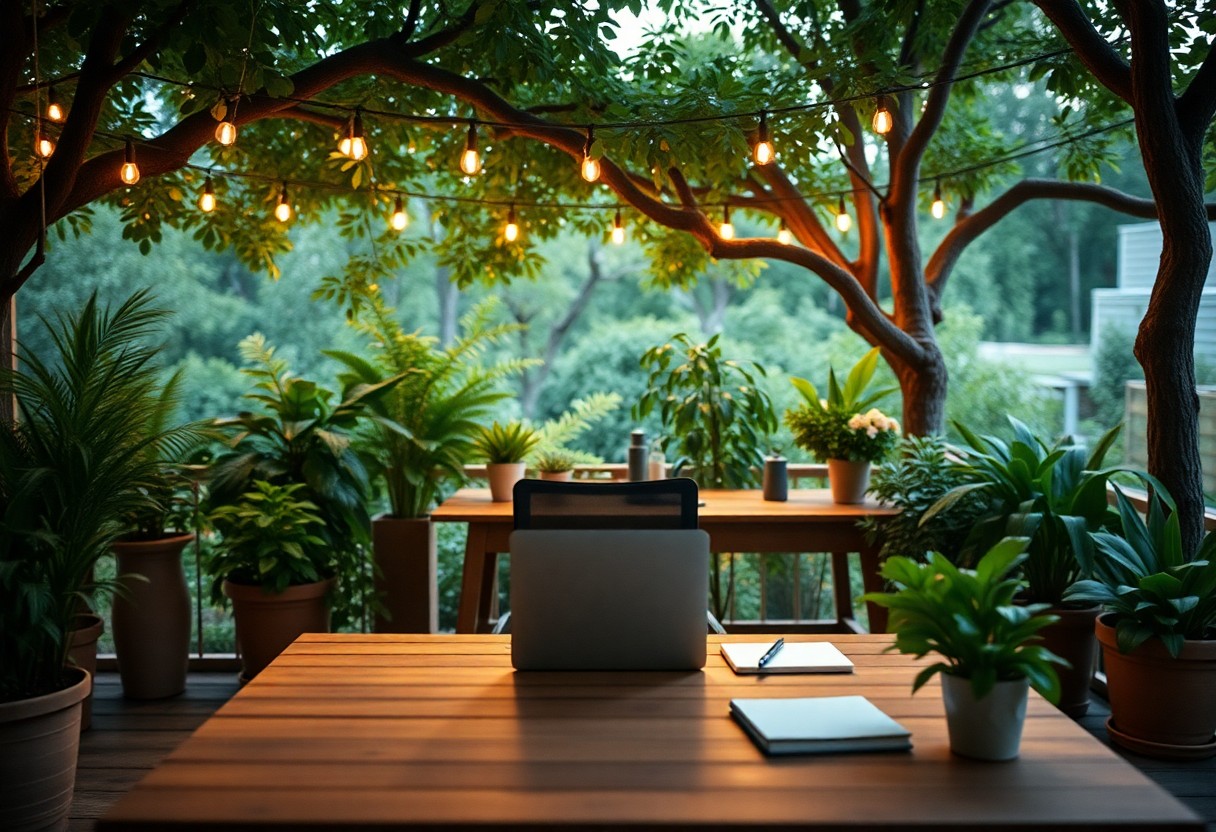
    About the illumination, string lights or lanterns can add a nice ambiance, and make sure to get outdoor-rated electronics to keep you working safely and efficiently.

    At this point, you’re probably thinking about how to power all these fancy lights and gadgets. You can use solar panels or outdoor outlets to keep your workspace lit and charged, just make sure to follow safety guidelines to avoid any electrical mishaps.

    Decorating

    Not only does your outdoor workspace need to be functional, but it also needs to be a space that inspires you. You’ll want to add some decorative elements that reflect your personal style and make you feel good about spending time outside.

    Adding Personal Touches

    Against the backdrop of your outdoor setting, you can add personal touches that make your workspace feel truly yours. You can hang artwork, add colorful rugs, or bring in vibrant textiles to create a space that feels like an extension of your indoor office.

    Incorporating Plants and Greenery

    Around your outdoor workspace, you can incorporate plants and greenery to bring in a natural touch. You can choose low-maintenance plants like succulents or herbs that are easy to care for and add a pop of color to your space.

    Also, when incorporating plants and greenery, you’ll want to consider the amount of sunlight and water your outdoor workspace gets. You can choose plants that thrive in shady areas or use self-watering planters to make maintenance a breeze. As you add plants and greenery, you’ll start to feel like your outdoor workspace is a peaceful oasis that inspires your best work.

    Safety and Maintenance

    Once again, you’ll want to prioritize your well-being while working outdoors, so be sure to check out some expert advice on How to Create a Functional Outdoor Workspace to get your project started on the right foot.

    Ensuring Electrical Safety

    To avoid any electrical hazards, you’ll need to take necessary precautions when setting up your outdoor workspace, especially if you’re using power tools or lighting.

    Regular Maintenance Tips

    Maintenance is key to keeping your outdoor workspace in top shape, so you’ll want to:

    • check your tools regularly
    • keep your workspace clean

    The right maintenance routine will help you stay safe and productive.

    With your safety and maintenance plan in place, you can focus on the fun part – creating your DIY outdoor workspace. You’ll want to:

    • oil your tools
    • cover your workspace

    The end result will be a space that’s both functional and enjoyable to work in.

    You’re probably itching to get outside and start building something with your own two hands. Well, you’ve come to the right place. Creating a DIY outdoor workspace is a great way to expand your workshop and take advantage of fresh air and natural light. Your backyard is just waiting to be transformed into a functional and comfortable spot where you can tinker, build, and create to your heart’s content. Get ready to hammer out a space that’s all your own.

    Final Words

    The journey to creating your DIY outdoor workspace is now complete, and you should be proud of your handy work. You’ve transformed your outdoor space into a functional area where you can work and enjoy nature. For more inspiration, check out DIY Outdoor Desk – How to Build projects to take your workspace to the next level, and make your outdoor workspace truly your own.

    FAQ

    Q: What are the necessary materials needed to create a DIY outdoor workspace?

    A: To create a DIY outdoor workspace, you will need a few necessary materials, including a durable and weather-resistant outdoor table or desk, a comfortable and sturdy chair, a reliable source of power, such as a solar-powered generator or an outdoor outlet, and a reliable internet connection, such as a mobile hotspot or a wireless range extender. Additionally, you may also want to consider investing in a waterproof canopy or umbrella to provide shade and protection from the elements.

    Q: How do I choose the perfect location for my DIY outdoor workspace?

    A: Choosing the perfect location for your DIY outdoor workspace is important to ensure that you have a comfortable and productive working environment. Consider a spot that receives plenty of natural light, is protected from harsh weather conditions, and is close to a power source. You should also consider the noise level and distractions in the area, and choose a location that is quiet and private. Additionally, think about the accessibility of the location, and choose a spot that is easy to get to and has enough space to accommodate your outdoor workspace.

    Q: What are some ways to optimize my DIY outdoor workspace for productivity?

    A: There are several ways to optimize your DIY outdoor workspace for productivity, including adding plants and greenery to improve air quality and reduce stress, investing in a comfortable and ergonomic chair and desk, and using a noise-cancelling headset or playing calming music to minimize distractions. You can also use a task management tool or app to stay organized and focused, and consider implementing a schedule or routine to help you stay on track. Additionally, you can also add some decorative elements, such as artwork or inspirational quotes, to create a motivating and creative environment.

    Q: How can I ensure that my DIY outdoor workspace is safe and secure?

    A: Ensuring that your DIY outdoor workspace is safe and secure is important to protect your equipment and prevent accidents. Make sure that your outdoor workspace is well-lit, especially at night, and consider investing in motion-sensitive lights or security cameras to deter intruders. You should also keep your valuables, such as laptops and tools, secure and out of sight, and consider using a lockbox or safe to store sensitive equipment. Additionally, be mindful of weather conditions, such as strong winds or heavy rain, and take necessary precautions to protect your equipment and workspace.

    Q: What are some creative ways to decorate and personalize my DIY outdoor workspace?

    A: There are many creative ways to decorate and personalize your DIY outdoor workspace, including adding colorful rugs, pillows, and throws to create a cozy and inviting atmosphere, using string lights or lanterns to add ambiance and warmth, and incorporating natural elements, such as branches or stones, into your decor. You can also add personal touches, such as family photos or artwork, to make your outdoor workspace feel more like your own. Consider adding a few plants or a small herb garden to bring in some greenery and freshness, and don’t be afraid to experiment and try out new and unique decorating ideas to make your outdoor workspace truly one-of-a-kind.

Skip to content