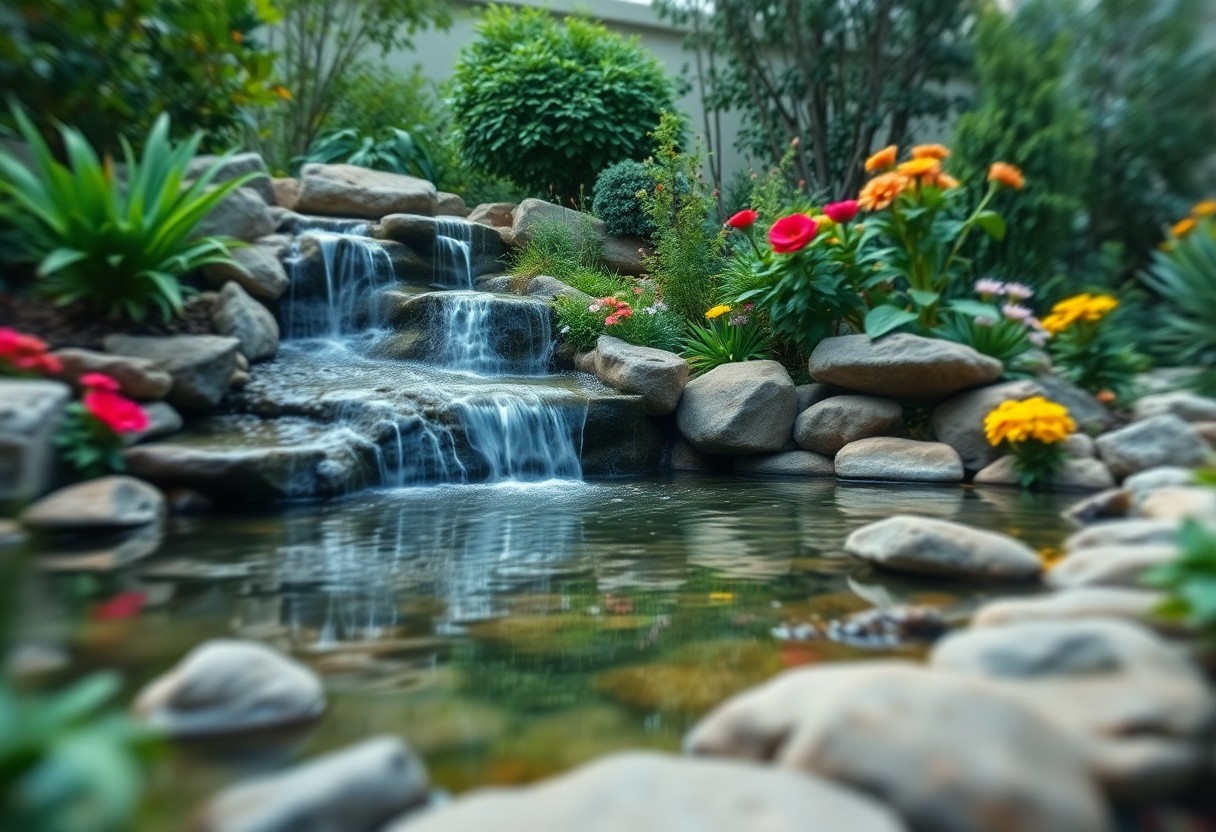
As you consider enhancing your outdoor space, building a backyard pond with a waterfall can be a great way to create a serene atmosphere. You can achieve this by following a step-by-step guide. For a comprehensive overview, you can visit How To Build A Pond Waterfall In 11 Steps 🛠️ 💧 to get started. Your backyard will soon feature a beautiful pond with a soothing waterfall, increasing your property’s aesthetic value and providing a peaceful retreat.
Key Takeaways:
To construct a beautiful backyard pond with a waterfall, consider the following points:
- Design and planning are vital steps in building a backyard pond with a waterfall, as they help determine the size, shape, and location of the pond and waterfall.
- A liner is necessary to prevent leaks and ensure the pond holds water, and a pump is required to circulate water and create the waterfall effect.
- A filter system and regular maintenance are necessary to keep the pond clean and healthy, and to prevent the growth of algae and other unwanted organisms.
Planning and Design
The first step in building a backyard pond with a waterfall is to plan and design your project. You will need to consider several factors, including the space available, the style of your yard, and the type of plants and animals you want to feature.
Choosing the Right Location
One of the most important decisions you will make is where to place your pond. You should look for a spot that receives partial shade to full sun, depending on the type of plants you want to include, and is level to ensure your pond holds water evenly.
Determining the Size and Shape
By considering the space you have available and the style you want to achieve, you can determine the size and shape of your pond. You should think about the type of waterfall you want, as well as the type of plants and animals you want to feature, to ensure your pond is the right size and shape to support them.
Location plays a significant role in determining the size and shape of your pond. As you consider the layout of your yard, you should think about how your pond will fit in with the existing landscape, and how you can use the natural contours of your yard to create a beautiful and functional pond with a waterfall that complements your outdoor space, and you can enjoy it for years to come with your family and friends.
Preparing the Site
Now that you’ve decided to build a backyard pond with a waterfall, it’s time to start preparing your site. You’ll need to assess your yard’s terrain and determine the best location for your pond.
Clearing the Area
One of the first steps in preparing your site is to clear the area where you plan to build your pond. You’ll need to remove any debris, trees, or other obstacles that could interfere with your project.
Leveling the Ground
Against the natural slope of your yard, you’ll need to create a level surface for your pond. You’ll use a level tool to ensure the ground is even and stable.
At this stage, you’ll need to check for any underground utilities, such as electric or gas lines, and mark their locations to avoid damaging them. You’ll also need to consider the drainage pattern of your yard to ensure that water will flow away from your pond and not towards it. You should also check the soil type and stability to ensure it can support the weight of the pond and waterfall.
Building the Pond
Once again, you’ll need to consider the size and shape of your yard when building the pond, as this will dictate the scope of your project and the materials you’ll need to acquire.
Digging the Pond
Adeptly, you will start by digging the pond, using a shovel or backhoe to excavate the area to the desired depth and shape, taking care to level the bottom and sides.
Lining the Pond
Even if you’ve never worked with pond liners before, you’ll find that the process is relatively straightforward, and with the right tools and materials, you can achieve a professional-looking result, and your liner will be securely in place, ready for the next step in building your backyard pond with a waterfall.
Creating the Waterfall
For a breathtaking backyard pond, a waterfall is a must-have feature. You will need to design and install it carefully to achieve the desired effect. This involves planning the layout, choosing the right materials, and considering the overall aesthetic you want to create.
Designing the Waterfall
To determine the best design for your waterfall, consider the size and shape of your pond, as well as the surrounding landscape. You should think about the style and sound you want to achieve, from a gentle trickle to a roaring cascade.
Installing the Pump and Plumbing
Against the backdrop of your carefully designed waterfall, you will need to install a pump and plumbing system to circulate the water. You should select a pump that is suitable for your pond’s size and choose plumbing materials that are durable and resistant to corrosion.
It is necessary to follow the manufacturer’s instructions when installing the pump and plumbing, and to test the system thoroughly to ensure it is working correctly. You should also consider installing a filter and other features to maintain the health and clarity of the water, and to reduce maintenance tasks. As you work on this step, you will be getting closer to enjoying the soothing sounds and sights of your backyard waterfall.
Adding Features and Landscaping
Many backyard pond owners enjoy adding unique features to their outdoor space. You can incorporate a variety of elements, such as rocks, plants, and decorative ornaments, to enhance the beauty of your pond.
Installing Lighting and Filtration
Following the installation of your pond, you’ll want to consider adding lighting and filtration systems. You can install submersible lights to illuminate your pond at night, and a filtration system to keep your water clean and clear.
Planting Aquatic Plants and Landscaping
Once your pond is built, you can start planting aquatic plants and landscaping your surrounding area. You will have the opportunity to choose from a wide variety of plants, and design a beautiful landscape that complements your pond.
Further, when planting aquatic plants and landscaping, you’ll want to consider the specific needs of the plants you choose, such as lighting and water requirements. You can also add surrounding features like a patio or seating area, allowing you to fully enjoy your new backyard pond and its surroundings.
Maintenance and Upkeep
After installing your backyard pond with a waterfall, you’ll need to perform regular tasks to keep it looking its best and functioning properly.
Regular Cleaning and Maintenance
Cleansing your pond and waterfall regularly will help prevent the buildup of debris and algae, keeping your water feature clean and clear, and you can do this by skimming leaves and emptying the filter.
Troubleshooting Common Issues
Maintaining your pond’s ecosystem requires monitoring for common issues such as leaks, clogged filters, and excessive algae growth, and you should be prepared to address these problems as they arise to keep your pond healthy and thriving.
Indeed, as you continue to monitor your pond’s condition, you’ll become more familiar with its unique needs and be better equipped to handle any issues that may arise, and by staying on top of maintenance and upkeep, you can enjoy your backyard pond with a waterfall for years to come, and you will be able to appreciate the serene ambiance it brings to your outdoor space.
Final Words
Upon reflecting on the process, you now have the knowledge to create a beautiful backyard pond with a waterfall. You can design your own escape, complete with the soothing sounds of water. With your newfound understanding, you can bring your vision to life, transforming your outdoor space into a serene oasis that you will enjoy for years to come, enhancing your home’s beauty and your overall well-being.
FAQ
Q: What are the basic materials needed to build a backyard pond with a waterfall?
A: To build a backyard pond with a waterfall, you will need several basic materials, including a pond liner, a pump, a filter, tubing, and a waterfall kit. Additionally, you will need gravel, rocks, and edging material to surround and decorate the pond. You may also want to consider adding plants, such as water lilies or cattails, to enhance the aesthetic and ecological value of the pond. It’s also important to choose materials that are durable and suitable for outdoor use, and to follow the manufacturer’s instructions for installation and maintenance.
Q: How do I determine the size and location of my backyard pond with a waterfall?
A: When determining the size and location of your backyard pond with a waterfall, consider the space available in your yard, as well as the amount of sunlight and shade the area receives. A pond should be located in an area that receives partial shade to full sun, depending on the type of plants you plan to include. It’s also important to choose a location that is level and well-drained, to prevent water from accumulating around the pond. Consider the size of the pond in relation to your yard, and choose a size that is proportional to the surrounding landscape. A larger pond will require more maintenance and equipment, so it’s crucial to consider your abilities and resources before making a decision.
Q: What type of pump and filter should I use for my backyard pond with a waterfall?
A: The type of pump and filter you should use for your backyard pond with a waterfall will depend on the size of the pond and the amount of water that needs to be circulated. A submersible pump is a good option for smaller ponds, while a external pump may be more suitable for larger ponds. A biological filter, such as a biofilter or a bog filter, is ideal for maintaining good water quality and supporting the growth of aquatic plants and animals. It’s crucial to choose a pump and filter that are compatible with each other and with the size and type of your pond, and to follow the manufacturer’s instructions for installation and maintenance.
Q: How do I install a waterfall in my backyard pond?
A: Installing a waterfall in your backyard pond involves creating a gradient or slope, using rocks and gravel to direct the water flow, and installing a waterfall kit or a DIY waterfall system. Start by creating a slope or gradient in the pond liner, using rocks and gravel to direct the water flow. Then, install the waterfall kit or DIY system, following the manufacturer’s instructions. Make sure the waterfall is level and securely positioned, and test the water flow to ensure it is working properly. You may need to adjust the position or flow rate of the waterfall to achieve the desired effect.
Q: How do I maintain my backyard pond with a waterfall to keep it clean and healthy?
A: To maintain your backyard pond with a waterfall, regular cleaning and maintenance are necessary. This includes removing debris and sediment from the pond, cleaning the filter and pump, and monitoring the water quality. You should also perform partial water changes regularly to maintain optimal water chemistry and prevent the buildup of toxins. Additionally, trim or prune plants as needed to maintain their health and appearance, and consider adding beneficial bacteria or other treatments to maintain a balanced ecosystem. By following a regular maintenance routine, you can keep your backyard pond with a waterfall clean, healthy, and beautiful, and enjoy it for years to come.
