gardens

The Best Plants for Small Apartment Gardens

You live in a small apartment, but your desire for a garden doesn’t have to be limited by space. Your options are plentiful, and with the right plants, you can bring life to your indoor or outdoor space. You can choose from a variety of low-maintenance plants that thrive in small areas, purifying the air and brightening your surroundings. In this post, you’ll discover the best plants for your small apartment garden, and how to make the most of your space.

Key Takeaways:

To create a thriving small apartment garden, consider the following points:

  • Choose low-maintenance plants that are easy to care for and can thrive in small spaces with limited natural light, such as herbs and succulents.
  • snake plants and peace lilies to improve the indoor air quality and create a healthier living environment.
  • Consider vertical gardening options like trellises and wall-mounted planters to maximize space and add a decorative element to your apartment garden.

Choosing the Right Plants

A good starting point for your small apartment garden is selecting plants that fit your space and lifestyle. You can find inspiration at The Best Indoor Plants for Small Spaces to get started.

Low-Maintenance Options

Before deciding on plants, consider low-maintenance options that are easy to care for, allowing you to enjoy your garden without too much hassle.

Plants that Thrive in Small Spaces

To create a thriving garden, look for plants that are tailored to small spaces, such as compact herbs or flowering plants.

Spaces like yours can be ideal for plants that thrive in small areas, and by choosing the right ones, you can have a lush and vibrant garden that brings you joy and serenity, with minimal upkeep, allowing you to sit back and enjoy your little oasis.

Considering Lighting Conditions

Now that you’re planning your small apartment garden, you need to consider the lighting conditions. Your space may have areas with varying light levels, and choosing the right plants is key to their survival.

Plants for Low-Light Areas

Against the odds, some plants can thrive in low-light conditions. You can opt for plants like Chinese Evergreen or Pothos, which can tolerate low light and still add some greenery to your space.

Plants for Sunny Spots

Around your apartment, you’ll find spots that get plenty of sunlight. You can place plants like Succulents or Herbs in these areas, which love basking in the sun’s warm rays.

But as you choose plants for your sunny spots, you should also consider the temperature and humidity levels. You’ll want to ensure your plants get the right amount of moisture and aren’t scorched by the sun’s intense heat, so you can enjoy their beauty and freshness in your small apartment garden.

Maximizing Space

All you need to do is get creative with your small apartment garden. You can find helpful tips on Apartment Gardening For Beginners to make the most of your space.

Vertical Gardening Ideas

Vertically, you can use walls and ceilings to grow plants, making the most of your limited floor space. This way, you can have more plants in your garden.

Compact Plant Varieties

Maximizing your space also involves choosing the right plants. You should opt for compact varieties that grow upwards or outwards, taking up less space.

Another key aspect of compact plant varieties is their maintenance. You will find that they are often easier to care for, as they require less pruning and training, making them perfect for your small apartment garden.

Air Purification and Aesthetic Appeal

After selecting the right plants for your small apartment garden, you’ll enjoy the benefits of air purification and aesthetic appeal. Your space will feel fresher and more inviting.

Plants that Purify the Air

At this point, you’re likely considering which plants can help purify the air in your apartment. You can choose from a variety of plants like spider plants or peace lilies.

Plants with Visual Interest

With a range of colorful options, you can add visual interest to your small apartment garden. You can select plants with unique foliage or vibrant flowers to enhance your space.

Purification aside, plants with visual interest can elevate your mood and create a cozy atmosphere. You can arrange them in a way that adds texture and depth to your apartment, making it feel more like home. As you explore different plants, you’ll find the perfect combination to suit your style and preferences.

Easy-to-Care-for Plants

Once again, you’ll find that plants can thrive in small spaces with minimal upkeep. You can grow a variety of plants that fit your lifestyle, from succulents to leafy greens.

Succulents and Cacti

Beyond the basics, succulents and cacti are perfect for your small apartment garden, needing only occasional watering and indirect sunlight to flourish.

Herbs and Leafy Greens

By choosing herbs and leafy greens, you’ll have fresh produce at your fingertips, and they’re easy to care for, requiring only adequate light and watering.

Succulents may be low-maintenance, but herbs and leafy greens offer you a chance to harvest your own food, and with proper care, you can enjoy a continuous crop, adding freshness to your cooking and bringing life to your small apartment garden.
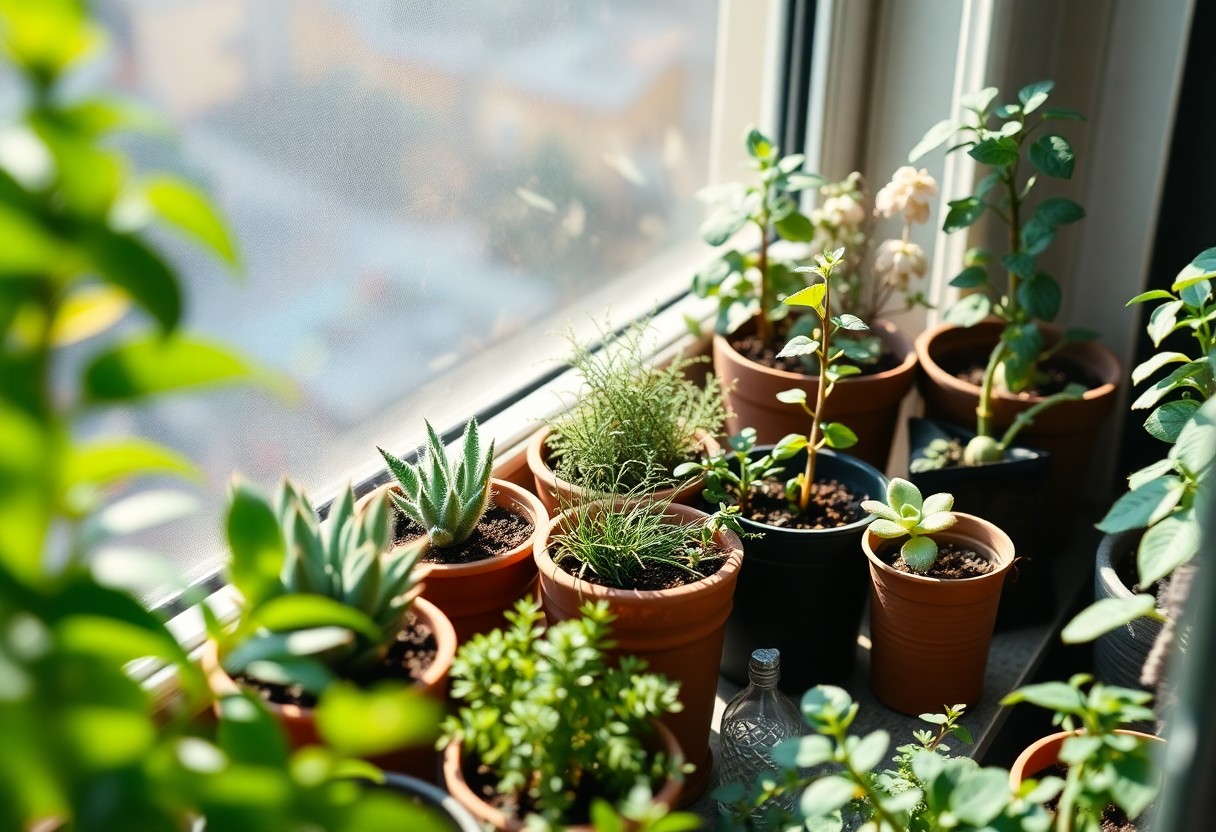
Creative Planters and Containers

Despite limited space, your small apartment garden can thrive with creative planters and containers. You can use them to add a personal touch and make the most of your space.

Repurposed Containers

Across your home, you’ll find items that can be repurposed as planters, such as old boots, bottles, or colanders. You can give new life to these items and add character to your garden.

DIY Planters

Around your workshop, you’ll find materials to create your own planters, like wood, metal, or concrete. You can design and build planters that fit your style and space.

Understanding the basics of DIY planters, you can create unique containers that reflect your personality and complement your plants. You can experiment with different materials and designs to find the perfect fit for your small apartment garden, and make it a reflection of your personal style.

To wrap up

Hence, you’ve got the lowdown on the best plants for your small apartment garden. You can now pick the ones that fit your space and style. Your small garden will thrive with a little care and the right choices. You’ll enjoy the benefits of having some greenery in your home, and it’ll be a space that’s all your own.

FAQ

Q: What are the best plants for small apartment gardens with limited natural light?

A: For small apartment gardens with limited natural light, the best plants to consider are Chinese Evergreen, Pothos, and Snake Plant. These plants are known to thrive in low-light conditions and can survive with minimal direct sunlight. They are also low-maintenance and can be easily cared for, making them perfect for busy apartment dwellers.

Q: How often should I water my plants in a small apartment garden?

A: The frequency of watering your plants in a small apartment garden depends on the type of plants you have and the humidity level in your apartment. As a general rule, allow the soil to dry out slightly between waterings. Overwatering can be detrimental to your plants, so it’s best to check the soil moisture by sticking your finger into the soil up to the first knuckle. If the soil feels dry, it’s time to water your plants.

Q: What are some space-saving ideas for small apartment gardens?

A: For small apartment gardens, consider using vertical planters or wall-mounted planters to maximize space. You can also use hanging baskets or trellises to add more plants to your garden without taking up too much floor space. Additionally, choose plants that are compact or dwarf varieties, such as dwarf citrus trees or compact herbs, which can thrive in small spaces.

Q: How can I keep my small apartment garden pest-free?

A: To keep your small apartment garden pest-free, inspect your plants regularly for signs of pests such as spider mites, mealybugs, or aphids. Use organic pest control methods such as neem oil or insecticidal soap to control infestations. You can also introduce natural predators, such as ladybugs or lacewings, to your garden to control pest populations. Regularly cleaning and disinfecting your planters and tools can also help prevent the spread of pests.

Q: Can I grow edible plants in my small apartment garden?

A: Yes, you can grow edible plants in your small apartment garden. Consider growing compact varieties of herbs such as basil, mint, or cilantro, which can thrive in small spaces. You can also grow leafy greens such as lettuce, kale, or spinach, which can be harvested continuously. If you have a sunny windowsill, you can even grow cherry tomatoes or peppers in containers. Just make sure to choose varieties that are compact or dwarf, and use a well-draining potting mix and a container that is at least 5-7 gallons in size.
The Best Plants for Windy Gardens

As you stand in your garden, feeling the breeze rustle your hair, you’re likely thinking about how to make the most of this sometimes challenging space. You want to create a beautiful and thriving outdoor area, despite the wind. You’ll be pleased to know that there are plenty of plants that will not only tolerate, but actually flourish in windy conditions. You can choose from a variety of stunning species that will bring colour, texture, and life to your garden, and in this post, you’ll discover some of the best options for your windy garden.

Key Takeaways:

To create a beautiful and thriving garden in a windy area, consider the following points:

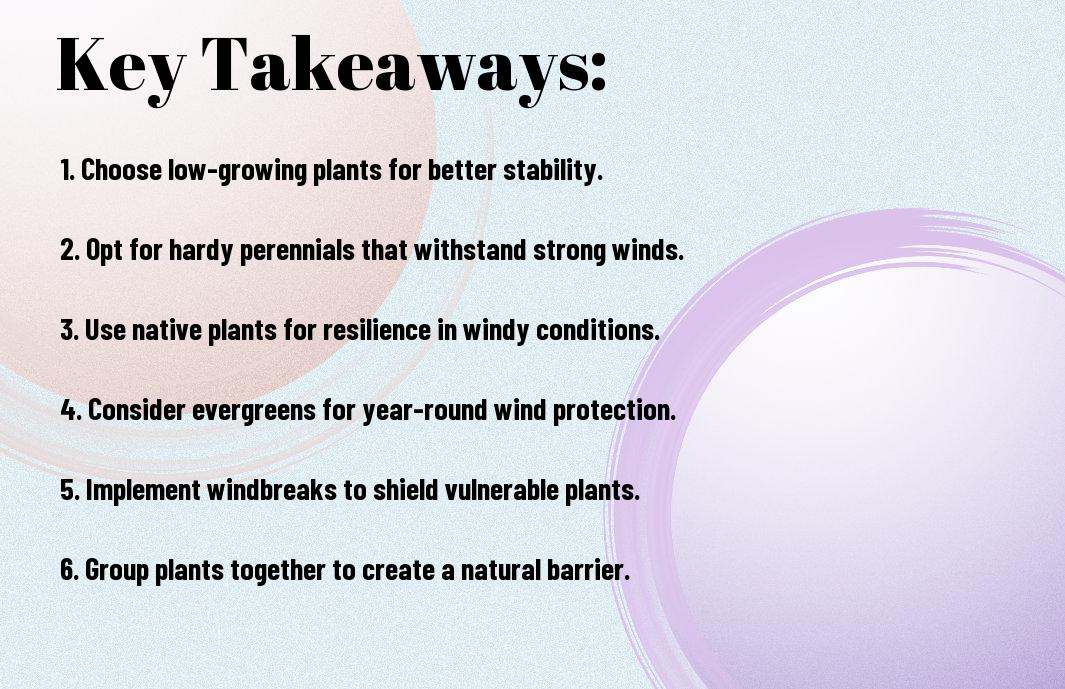
  • Choose Native Plants that are adapted to the local climate and can withstand Strong Winds, as they will be more resilient and require less maintenance.
  • Select Low-Growing Plants or Ground Covers that can help to reduce Wind Speed and prevent soil erosion, while also providing a visually appealing landscape.
  • Incorporate Windbreaks such as Hedges or Fences to protect your garden from Harsh Winds and create a more sheltered environment for your plants to thrive.

Selecting Plants for Windy Conditions

The key to creating a thriving garden in a windy spot is to choose plants that can withstand the gusts and gales. You’ll want to look for plants with strong roots, compact growth habits, and flexible stems that can bend in the wind. Consider the specific conditions in your garden, including the direction and speed of the wind, to select the best plants for your space.

Choosing the Right Trees and Shrubs

Before selecting trees and shrubs for your windy garden, think about their shape, size, and growth habit. You’ll want to opt for compact, sturdy varieties that won’t get blown about or knocked off balance by strong winds. Look for trees and shrubs with a low center of gravity and a wide, spreading root system to keep them anchored firmly in the ground.

Considering Perennials and Grasses

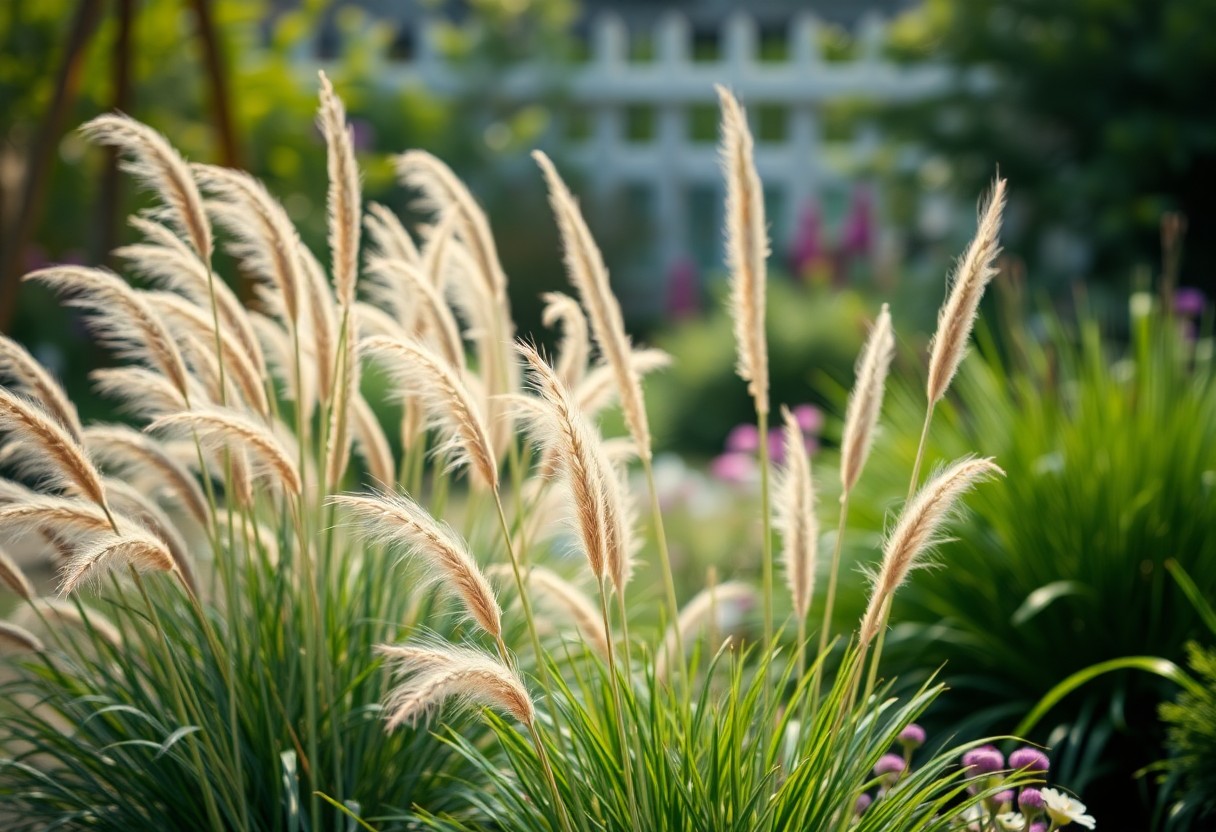
The type of perennials and grasses you choose can make all the difference in a windy garden. You’ll want to select varieties with strong, deep roots and flexible stems that can sway in the wind without breaking. Consider plants with a low, spreading habit that won’t get battered by strong gusts, and opt for species that are native to windy areas, as they’ll be more adapted to the conditions.

Plus, when it comes to perennials and grasses, you’ll find that many varieties have evolved clever strategies to cope with wind, such as producing compact, dense foliage or developing deep roots to anchor themselves in place. By choosing plants that have these adaptations, you can create a beautiful, thriving garden that will withstand even the strongest winds, and bring joy and interest to your outdoor space throughout the year.

Factors to Consider

Now, when choosing plants for your windy garden, consider the following factors:

  • Exposure
  • Soil type

You can learn more about Wind Resistant Gardening. Knowing these will help you make informed decisions for your garden.

Exposure and Microclimate

Behind every successful garden is a thorough understanding of its exposure and microclimate. You’ll want to assess how much sun and wind your garden receives, as this will impact the types of plants that will thrive.

Soil Type and Drainage

To begin, assess your soil type and drainage, as these factors will significantly influence the plants you can grow. You’ll want to determine whether your soil is clay, sandy, or loamy, and whether it drains well or waterlogs easily.

Consequently, once you have a clear understanding of your soil type and drainage, you can start selecting plants that are well-suited to these conditions. You’ll find that some plants are more tolerant of wet or dry soils, and choosing the right ones will ensure your garden flourishes, even in windy conditions.

Wind-Tolerant Plants for Different Gardens

All gardens are unique, and the right plants can make all the difference in withstanding windy conditions. You’ll find a variety of plants suitable for your garden, depending on its specific conditions.

Coastal Gardens

With coastal gardens, you’ll want to choose plants that can thrive in salty air and high winds. You can opt for plants like sea lavender or beach morning glories, which are perfect for these conditions.

Mountainous or Exposed Areas

Beside the challenges of high winds, mountainous gardens often face extreme temperatures. You’ll need plants that are resilient and adaptable, such as low-growing shrubs or grasses that can bend with the wind.

Also, consider plants with deep roots, which will help anchor them in the soil, protecting them from being uprooted by strong gusts. As you choose plants for your mountainous garden, think about their ability to withstand harsh weather and provide year-round interest, and you’ll be well on your way to creating a beautiful, thriving landscape.

Plant Care and Maintenance

Once again, you’ll find that choosing the right plants for your windy garden is only half the battle. To keep them thriving, you’ll need to provide the right care and attention, taking into account the unique conditions of your garden.

Pruning and Training

Around this time of year, you may need to prune or train your plants to maintain their shape and promote healthy growth, especially in windy conditions where they may be more prone to damage.

Mulching and Irrigation

Above all, you should consider the mulching and irrigation needs of your plants, as windy gardens can be particularly prone to drying out, and a layer of mulch can help to retain moisture in the soil.

Plant selection will also play a significant role in determining your mulching and irrigation schedule, as some plants will be more tolerant of dry conditions than others, allowing you to adjust your care routine accordingly to ensure your garden stays healthy and thriving.

Designing a Wind-Resistant Garden

Not every garden is blessed with still air, but with thoughtful design, you can create a beautiful and thriving space even in the windiest of spots. As you plan your garden, consider the direction of the wind and how it will affect your plants.

Layout and Bedding

Alongside the existing landscape, you’ll want to think about how to lay out your garden to minimize the impact of the wind. You can use natural features like hills or valleys to your advantage, and choose plants that will thrive in the conditions you have.

Using Windbreaks and Screens

Wind-resistant, you’ll find that using physical barriers can be a great way to protect your plants from the harshest gusts. You can use screens, fences, or even plantings to block the wind and create a more sheltered microclimate.

Another approach to using windbreaks and screens is to think creatively about the materials you use. For example, you can use a trellis or a hedge to filter the wind, rather than blocking it entirely, which will allow you to still enjoy the breeze on a warm day while protecting your plants from damage.

Common Mistakes to Avoid

To create a thriving garden in a windy spot, you’ll want to steer clear of a few common pitfalls that can leave your plants struggling. By taking the time to consider these potential issues, you can set your garden up for success and enjoy a beautiful, resilient outdoor space.

Over-Exposure to Wind

By not providing sufficient protection from harsh gusts, you may find that your plants become damaged or disfigured, which can be a real setback for your garden. You’ll want to think carefully about how to shield your plants from the worst of the wind.

Inadequate Plant Support

Overexposing your plants to wind without proper support can lead to broken stems and weakened roots, so it’s important to provide the right kind of structural help to keep them upright and secure. You’ll need to consider the specific needs of each plant and choose the most suitable support system.

Common mistakes in supporting plants can be easily avoided by understanding the unique requirements of each species and selecting the most appropriate method, whether that’s staking, pruning, or using a trellis, to ensure your plants stay healthy and stable in windy conditions, allowing you to enjoy their beauty for years to come, and making the most of your garden’s potential.

Conclusion

Following this guide, you should now have a better understanding of the best plants for your windy garden. You can choose from a variety of species that will thrive in these conditions, and with a little care, your garden will be a haven of beauty and tranquility. As you tend to your garden, you’ll find that the right plants will make all the difference, and your outdoor space will become a peaceful retreat that you’ll cherish for years to come, enjoying the fruits of your labor in your beautifully designed windy garden.

FAQ

Q: What types of plants are suitable for windy gardens?

A: For windy gardens, it’s best to choose plants that are tolerant of strong winds and can withstand vigorous air movement. These include native grasses, shrubs like lavender and rosemary, and perennials such as coneflower and black-eyed susan. These plants have deep roots or flexible stems that help them resist wind damage and maintain their structure.

Q: How can I protect young plants from wind in my garden?

A: To protect young plants from wind, you can use a combination of methods. Start by planting them in a location that provides some natural shelter, such as near a wall or a group of larger plants. You can also use individual plant stakes or a trellis to support the stems of young plants. Another option is to cover the soil around the plants with a layer of mulch or a windbreak like burlap to reduce wind speed near the ground.

Q: Are there any flowering plants that do well in windy conditions?

A: Yes, there are many flowering plants that thrive in windy conditions. Some popular options includebee balm, catmint, and salvia, which produce attractive flowers that can withstand wind and attract pollinators like bees and butterflies. Other flowering plants like daylilies, sedum, and yarrow are also good choices, as they have sturdy stems and can tolerate strong gusts of wind.

Q: How can I design my windy garden to minimize damage from strong winds?

A: When designing a windy garden, it’s a good idea to create a layered landscape with a mix of plants of different heights and growth habits. Start by planting larger shrubs or trees on the windward side of the garden to act as a windbreak, then add mid-sized perennials and finally lower-growing ground covers. This will help to dissipate the wind energy and protect more delicate plants. You can also use garden features like walls, fences, or berms to block or redirect wind.

Q: Can I still have a productive vegetable garden in a windy location?

A: Yes, you can still have a productive vegetable garden in a windy location. Choose varieties of vegetables that are naturally more resistant to wind, such as root vegetables like carrots and beets, or vining plants like peas and beans that can be supported with trellises or stakes. You can also use row covers or individual plant covers to shield your vegetable plants from wind and protect them from drying out. Make sure to water your vegetables regularly, as windy conditions can cause the soil to dry out quickly.

Opaye Skip to content