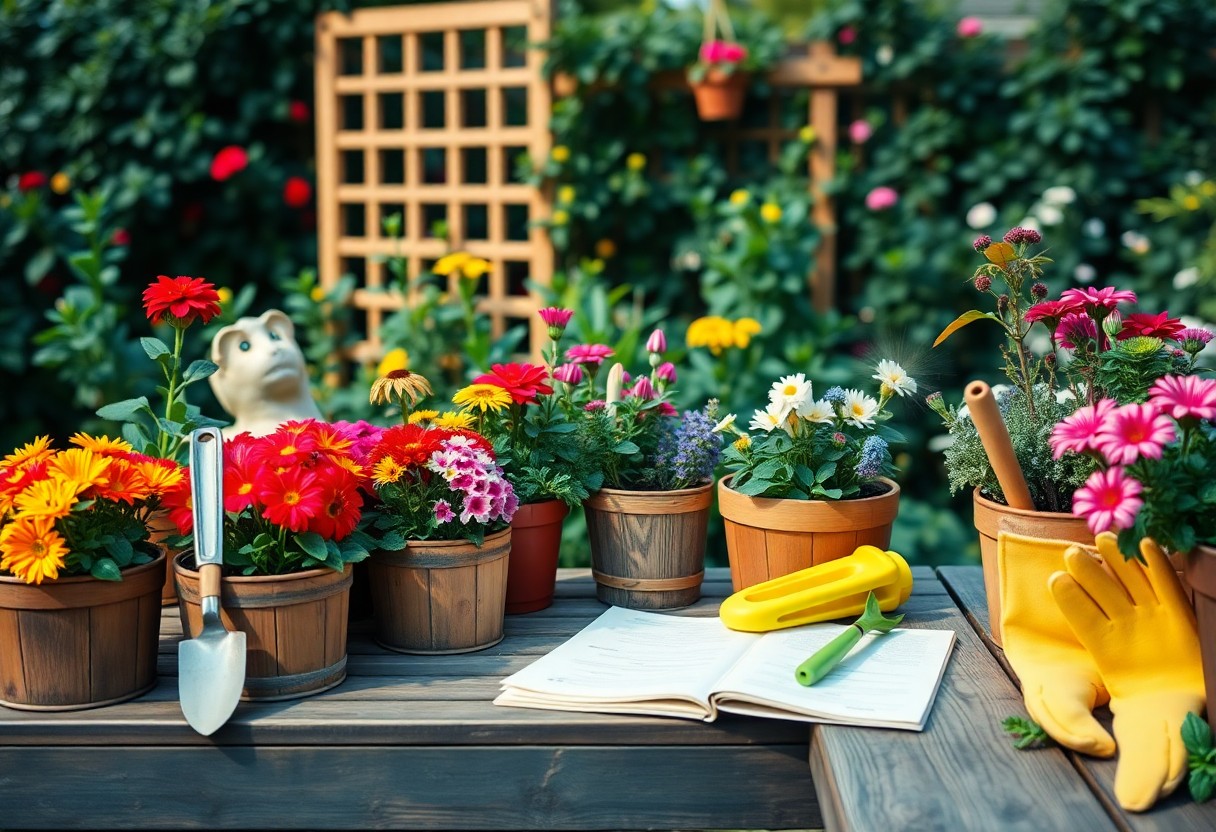
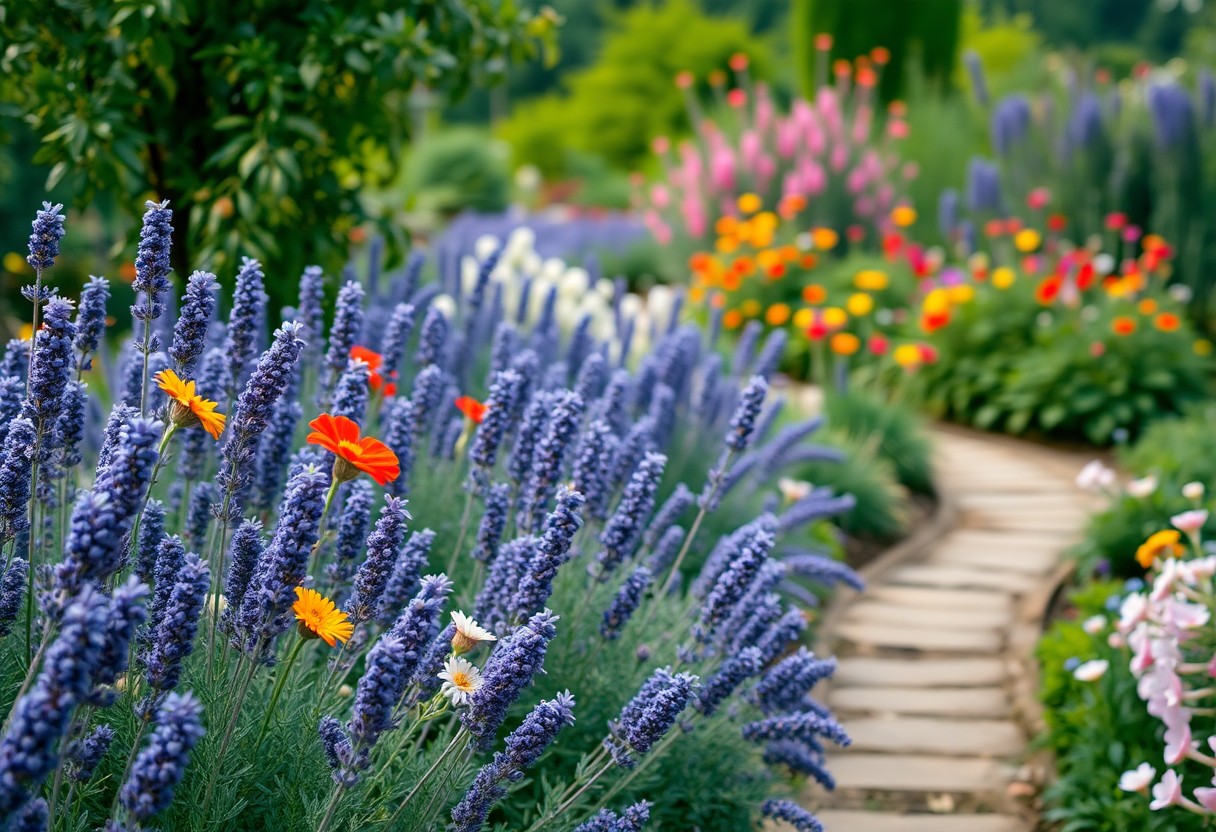
Garden

How to Add Modern Elements to Your Garden

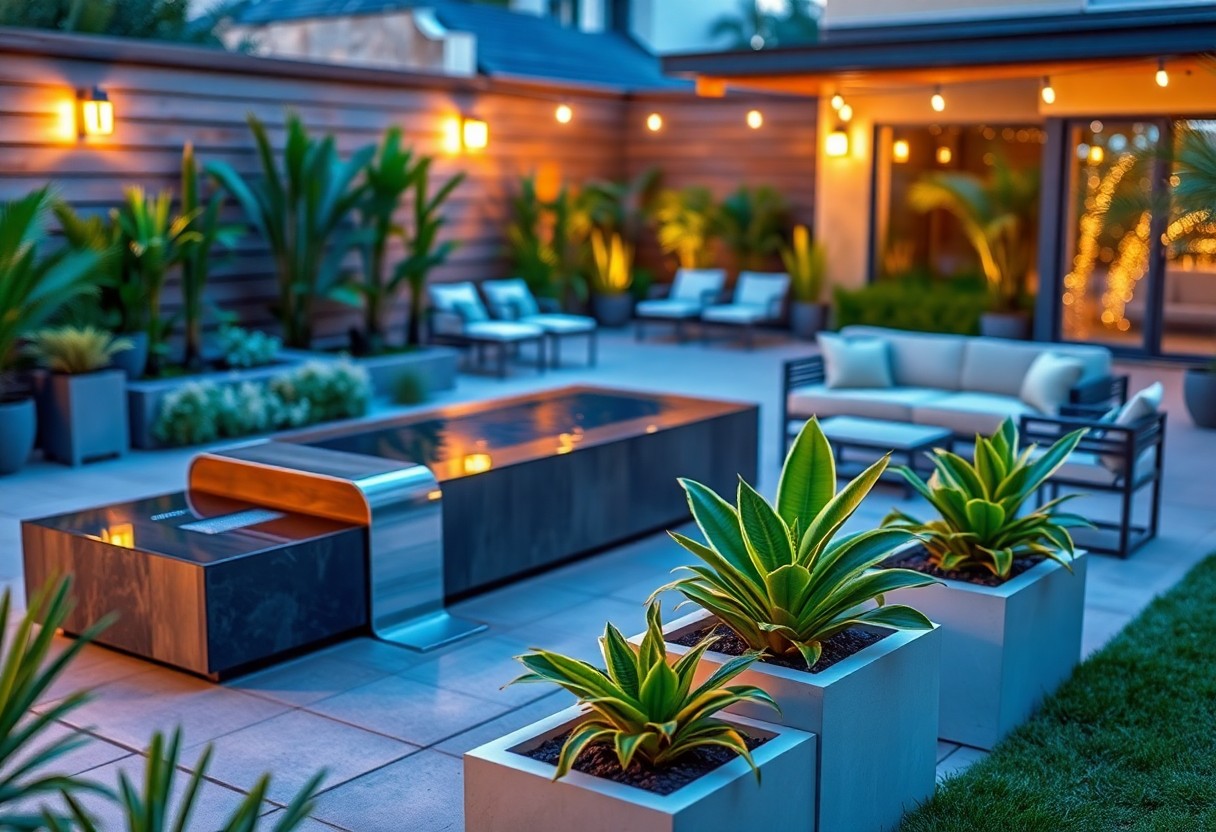
As you step into your outdoor space, you envision a seamless blend of natural beauty and contemporary style. You want your garden to be an extension of your home, reflecting your personal taste and flair. With a few thoughtful touches, you can transform your garden into a modern oasis that showcases your unique aesthetic, incorporating sleek lines, innovative materials, and clever design elements that enhance your outdoor living experience.
Key Takeaways:

To give your garden a fresh look, consider the following tips:

  • Incorporate Contemporary Materials such as metal, glass, or recycled plastic to add a modern touch to your garden’s design, including Planters, PATHWAYS, and decorative features.
  • Use Sustainable Practices like rainwater harvesting, drought-tolerant plants, and energy-efficient lighting to create an eco-friendly and modern garden that not only looks good but also does good for the environment.
  • Emphasize Clean Lines and Minimalist Design by using simple shapes, limited color palettes, and plenty of negative space to create a modern and sleek aesthetic in your garden, making it perfect for relaxation and entertainment.

Assessing Your Garden

Before you begin adding modern elements to your garden, take a step back and evaluate the space you have. Consider the layout, soil quality, and existing features to determine the best approach for your garden redesign.

Evaluating Your Outdoor Space

To start, take a walk around your garden and note the areas that receive sunlight and shade, as well as any existing landscaping features such as trees, plants, or water elements.

Identifying Your Personal Style

According to your tastes and preferences, your garden should reflect your unique personality and aesthetic. Think about the styles and elements that appeal to you, such as modern, traditional, or eclectic.

In fact, identifying your personal style is vital to creating a garden that you will truly enjoy spending time in. You can gather inspiration from various sources, such as gardening books, magazines, or online resources, to help you define your style and make informed decisions about the modern elements you want to incorporate into your garden.

Choosing Modern Elements

There’s a wide range of modern elements you can incorporate into your garden, from sleek furniture to cutting-edge technology. You can choose items that reflect your personal style and complement your outdoor space. Consider the overall aesthetic you want to achieve and select elements that fit with your vision.

Selecting Furniture and Decor

Along with considering the style of your home, you should also think about the function of each piece of furniture and decor you choose. You want your outdoor space to be inviting and comfortable, so select items that are both beautiful and functional.

Incorporating Lighting and Technology

Behind every beautiful garden is a thoughtful plan, and incorporating lighting and technology can elevate your space. You can install solar-powered lights, speakers, or even a smart irrigation system to make your garden more enjoyable and efficient.

A key aspect of incorporating lighting and technology into your garden is to consider how you will use the space. You may want to install pathway lights to highlight your favorite plants or a smart thermostat to control the temperature of your outdoor heater. By thinking about your needs and desires, you can create a garden that is both modern and functional, allowing you to enjoy your outdoor space to the fullest.

Adding Contemporary Landscaping

Many homeowners are looking to update their outdoor spaces with modern elements. You can achieve this by incorporating clean lines, simple shapes, and a limited color palette into your garden design. This will create a sleek and sophisticated look that complements your home’s architecture.

Creating a Modern Layout

Layout is key to a modern garden. You can start by dividing your garden into different zones, each with its own unique character and purpose. This will help you create a sense of flow and visual interest in your outdoor space.

Incorporating Sustainable Features

The emphasis on sustainability is a hallmark of modern garden design. You can incorporate eco-friendly features such as rain gardens, solar-powered lighting, and drought-resistant plants into your landscape to reduce your environmental impact.

Creating a sustainable garden not only helps the environment, but also adds a touch of modern elegance to your outdoor space. You can start by assessing your garden’s conditions and choosing plants that are well-suited to your climate and soil type. From there, you can explore other sustainable features that fit your style and budget, such as a rain barrel or a compost bin, to create a beautiful and eco-friendly garden that you can enjoy for years to come.

Incorporating Art and Accessories

To add a touch of modernity to your garden, consider visiting Designing a Contemporary Garden with Warmth for inspiration. This will help you create a unique and inviting outdoor space that reflects your personal style.

Adding Sculptures and Statues

Upon entering your garden, you’ll notice the impact of strategically placed sculptures and statues, which can elevate the entire ambiance and create a sense of sophistication.

Incorporating Textiles and Patterns

Beyond the traditional garden decor, you can add an extra layer of depth by incorporating textiles and patterns, such as outdoor rugs, throw pillows, and statement planters, to create a cozy and inviting atmosphere.

Sculptures and textiles aside, when it comes to incorporating textiles and patterns, you can experiment with various colors, textures, and designs to find the perfect fit for your garden. You can choose from a wide range of materials, such as weather-resistant fabrics, natural fibers, and recycled materials, to add a personalized touch to your outdoor space, making it truly reflective of your taste and style.

Implementing Smart Gardening Systems

Unlike traditional gardening methods, smart gardening systems offer a more efficient and effective way to manage your outdoor space. You can automate tasks, such as watering and pruning, to create a low-maintenance yet thriving garden.

Installing Irrigation and Lighting Systems

Between the various options available, you can choose from drip irrigation systems, sprinkler systems, and solar-powered lighting to enhance your garden’s ambiance and functionality. You can install these systems yourself or hire a professional to ensure a seamless integration.

Using Technology to Monitor and Maintain

Beside the numerous benefits of smart gardening, you can utilize sensors and apps to monitor your garden’s conditions, such as soil moisture and temperature, to make informed decisions about its care. You can adjust your gardening strategies accordingly to optimize your garden’s growth.

Another advantage of using technology to monitor and maintain your garden is that you can receive alerts and notifications when your plants need attention, allowing you to take prompt action to prevent damage or disease. You can also access a wealth of gardening expertise and advice through online resources and communities, helping you to refine your gardening skills and create a truly exceptional outdoor space that reflects your personal style and flair.

Balancing Modern and Traditional Elements

Keep your garden’s unique character by blending modern and traditional elements, creating a unique harmony that reflects your personal style and taste.

Combining Old and New Features

By thoughtfully incorporating old and new features, you can add depth and visual interest to your garden, making it a captivating outdoor space that showcases your creativity.

Creating a Cohesive Look

Achieving a cohesive look in your garden is about selecting elements that work together in harmony, allowing you to create a beautiful and inviting space that you will enjoy spending time in.

Modern garden design is all about finding a balance between sleek, contemporary pieces and timeless, traditional elements, and as you work on creating a cohesive look, you will find that your garden begins to reflect your personality and style, making it a true extension of your home, where you can relax and unwind amidst the beauty of nature, surrounded by the things that bring you joy and serenity, and that you have carefully selected to enhance your outdoor space.

To wrap up

On the whole, you have now gained insight into adding modern elements to your garden. You can further enhance your knowledge by visiting Top 10 Tips for creating a Modern Garden to discover more innovative ideas, allowing you to transform your outdoor space into a beautiful oasis that reflects your personal style and flair.

FAQ

Q: What are some modern elements I can add to my garden to give it a contemporary look?

A: You can add a variety of modern elements to your garden, such as outdoor lighting, water features, sculptures, and statement furniture pieces. Consider incorporating materials like steel, glass, and recycled plastic to give your garden a sleek and modern aesthetic. Additionally, adding some green walls or a living roof can bring a touch of modernity to your outdoor space.

Q: How can I incorporate technology into my garden to make it more modern and functional?

A: There are several ways to incorporate technology into your garden, including installing smart irrigation systems, outdoor speakers, and Wi-Fi enabled lighting. You can also consider adding a outdoor heating or cooling system to extend the use of your garden into different seasons. Furthermore, you can use mobile apps to control and monitor your garden’s systems, making it easier to maintain and enjoy your outdoor space.

Q: What types of plants and flowers are best suited for a modern garden design?

A: For a modern garden design, consider using plants and flowers with clean lines, bold textures, and vibrant colors. Some popular options include succulents, grasses, and flowering shrubs like hydrangeas and boxwoods. You can also incorporate native plants and flowers to add a touch of natural beauty to your garden. Additionally, consider using plants with interesting foliage, like coleus or heuchera, to add depth and visual interest to your garden.

Q: How can I use outdoor furniture to create a modern and inviting garden space?

A: To create a modern and inviting garden space, choose outdoor furniture with clean lines, minimalist designs, and durable materials like steel, wood, or recycled plastic. Consider using sectionals, daybeds, and lounge chairs to create cozy conversation areas. Add some decorative pillows and throws in bold colors and patterns to add texture and visual interest to your space. You can also incorporate outdoor rugs and planters to define different areas of your garden and add a touch of warmth and personality.

Q: Are there any eco-friendly options I can consider when adding modern elements to my garden?

A: Yes, there are many eco-friendly options you can consider when adding modern elements to your garden. For example, you can use solar-powered lights, rain barrels, and drought-tolerant plants to reduce your garden’s environmental impact. You can also incorporate recycled materials, like reclaimed wood or repurposed containers, into your garden design. Additionally, consider using organic gardening practices, like composting and natural pest control, to maintain a healthy and sustainable garden ecosystem.
How to Build a Vertical Herb Garden on a Balcony

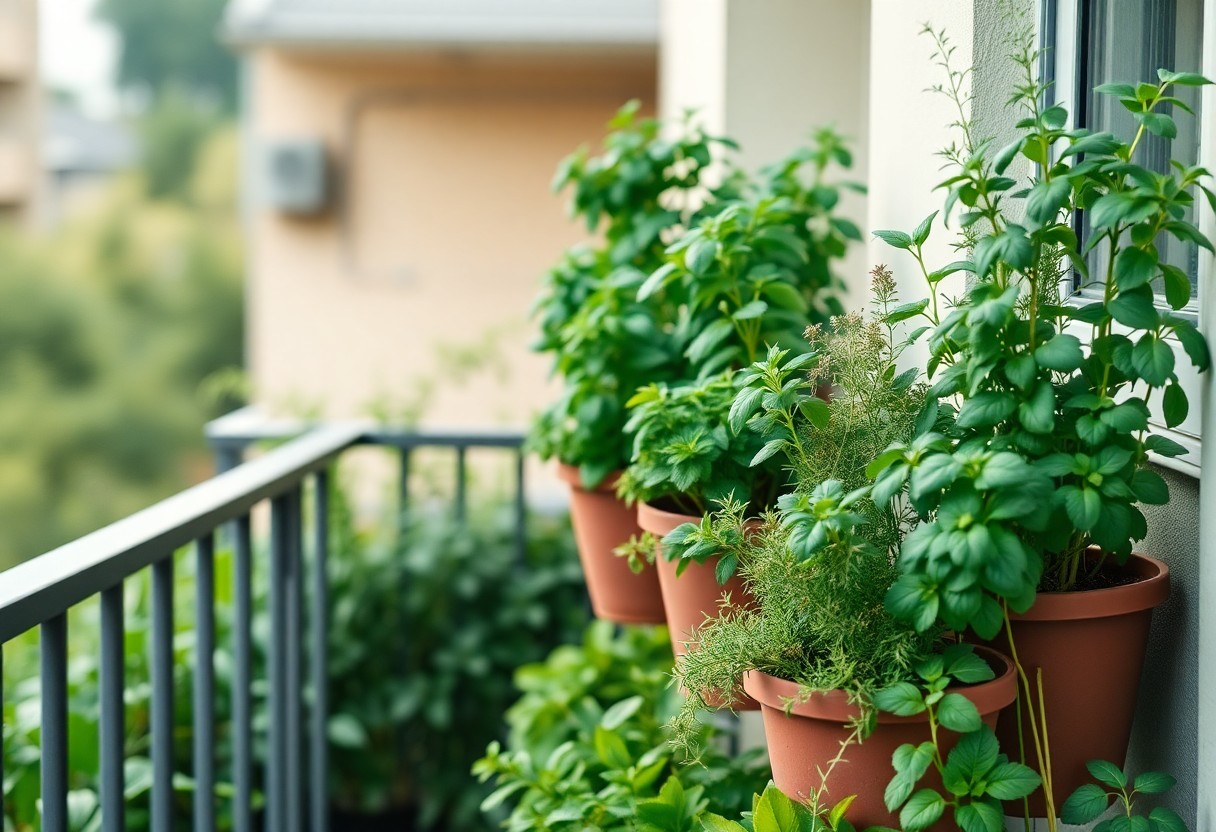
If you’re looking to maximize your outdoor space, you can create a thriving herb garden on your balcony. You can start by learning the basics of A Beginner’s Guide to Creating a Balcony Herb Garden. As you plan your vertical garden, you’ll consider the amount of sunlight your balcony receives and choose the right herbs for your climate. With a little planning, you can enjoy fresh herbs year-round, right in your own home. You’ll be harvesting your favorite herbs in no time.

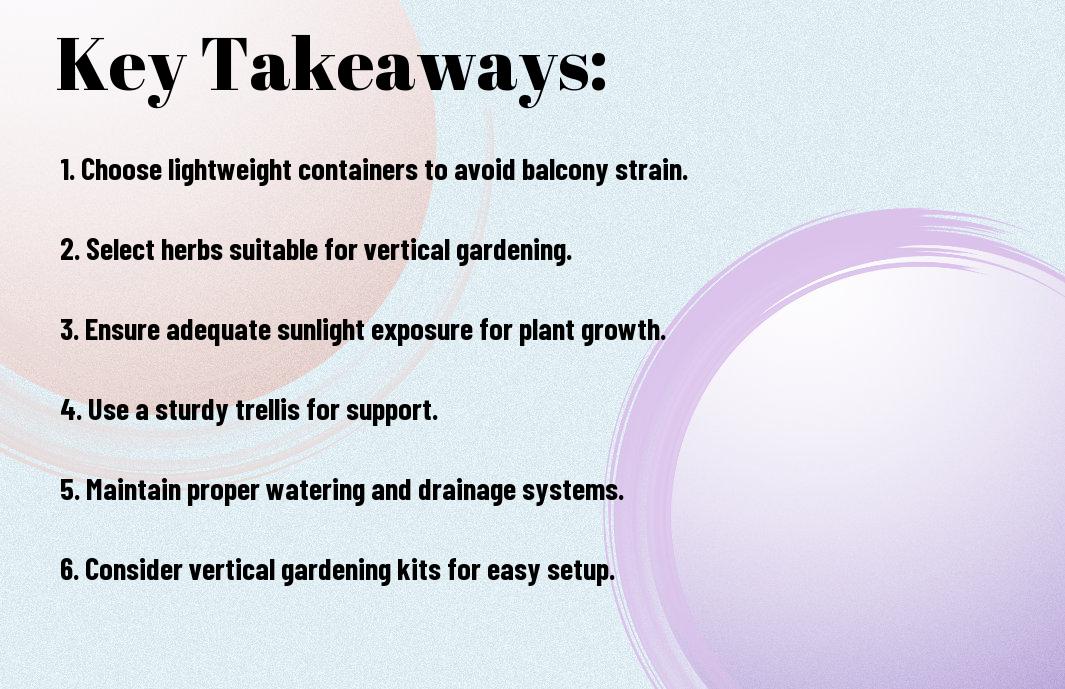
Key Takeaways:

To create a thriving vertical herb garden on a balcony, consider the following points:

  • Choose a location with the right amount of sunlight and shade to support the growth of your herbs, as different plants have varying requirements.
  • Select a container or planter that is suitable for vertical gardening, such as a trellis or a wall-mounted planter, and make sure it has good drainage to prevent waterlogged soil.
  • Use a well-draining potting mix and fertilize your herbs regularly to promote healthy growth, and consider using a self-watering system to make maintenance easier and more efficient.

Choosing the Right Herbs

Before selecting herbs for your vertical garden, consider the conditions on your balcony and the space available. You want to choose herbs that will thrive in your specific environment and make the most of your garden’s space.

Selecting Herbs for Balcony Conditions

One of the key factors to consider is the amount of sunlight your balcony receives, as this will affect the types of herbs you can grow. You should choose herbs that are suitable for the level of sunlight your balcony gets, whether it’s full sun, partial shade, or full shade.

Considering Herb Growth and Space Requirements

Along with sunlight, you should also think about the growth habits of different herbs and how much space they require. You need to consider the mature size of each herb and leave enough space for proper air circulation and growth.

Further, considering the growth and space requirements of your herbs will help you plan your vertical garden layout. You can group herbs with similar needs together, such as placing tall herbs like rosemary and sage towards the top and shorter herbs like thyme and mint towards the bottom, allowing you to make the most of your space and create a thriving herb garden.

Designing the Garden

Any good garden design starts with a clear plan, and your vertical herb garden is no exception. You’ll need to consider the space you have available on your balcony and the type of herbs you want to grow.

Vertical Garden Options and Layouts

Options for vertical gardens include trellises, wall-mounted planters, and tiered systems, allowing you to choose the best layout for your herbs and available space. You can mix and match these options to create a unique design that suits your balcony and personal style.

Incorporating Watering and Drainage Systems

Laying out a watering and drainage system is vital for your vertical herb garden, as you’ll need to ensure your plants receive the right amount of moisture. You should consider a system that allows excess water to drain easily, preventing waterlogged soil and root rot.

The key to a successful watering and drainage system is to balance the amount of water your herbs receive with the need to prevent excess moisture from building up. You can achieve this by using a combination of watering cans, drip irrigation systems, and well-draining potting soil, allowing you to enjoy healthy and thriving herbs in your vertical garden.

Building the Structure

Many homeowners and balcony enthusiasts are turning to vertical gardens as a way to maximize space and grow their favorite herbs. You can build a beautiful and functional vertical herb garden on your balcony with a few simple materials and some basic construction skills.

Materials and Tools Needed

After gathering your ideas and planning your design, you will need to make a list of the materials and tools required to bring your project to life. You will need a wooden or plastic frame, planters, soil, herbs, and a few basic tools like a drill and screws.

Constructing the Garden Frame and Planters

Before you start constructing your garden frame and planters, make sure you have a clear plan and design in mind. You will need to assemble the frame and attach the planters, making sure they are secure and evenly spaced.

Further, as you construct your garden frame and planters, consider the size and type of herbs you want to grow, and adjust the size and depth of the planters accordingly. You will also need to ensure that the frame is sturdy and can support the weight of the planters, soil, and herbs, and that it is securely attached to the balcony railing or wall to prevent it from tipping over.

Planting and Maintenance

Once again, as you start planting your vertical herb garden, consider learning more about Starting a Balcony Herb Garden for the best results. You will find that with proper care, your herbs will thrive in their new home.

Soil and Fertilization for Herbs

Between selecting the right herbs and planting them, you should focus on using a well-draining potting mix and balanced fertilizer to ensure healthy growth. You can choose organic options to keep your herbs chemical-free.

Pruning and Pest Control Techniques

Maintenance is key when it comes to keeping your herbs healthy, and this includes regular pruning and pest control. You will need to inspect your plants regularly for signs of pests or disease.

Hence, as you prune your herbs, you will encourage new growth and prevent the plants from becoming leggy. You should also keep an eye out for common pests like aphids and spider mites, and use natural methods to control infestations, such as neem oil or insecticidal soap, to keep your herbs thriving.

Light and Temperature Considerations

Keep your herbs thriving by considering the light and temperature conditions on your balcony.

Factor Consideration
Light Most herbs need 4-6 hours of direct sunlight
Temperature Average temperature between 65-75°F (18-24°C)

Balcony Orientation and Lighting Needs

Around the time you’re planning your vertical herb garden, consider the orientation of your balcony and the lighting needs of your herbs. Most herbs require bright, indirect light, so a south-facing balcony is ideal.

Protecting Herbs from Extreme Temperatures

The temperature fluctuations on your balcony can affect your herbs’ growth.

Temperature Effect on Herbs
Below 50°F (10°C) May cause damage or kills herbs
Above 90°F (32°C) May cause stress or wilting

Even with proper lighting, extreme temperatures can still harm your herbs.

Temperature Protection Methods
Insulation Use thermal blankets or straw to keep roots warm
Shading Use shade cloth or umbrellas to filter intense sunlight

As you plan your vertical herb garden, you should take into account the temperature fluctuations on your balcony and take steps to protect your herbs from extreme temperatures, ensuring they thrive in their new environment.

Tips and Variations

To enhance your vertical herb garden, consider the following:

  • using a trellis for climbing plants
  • incorporating self-watering planters

. Assume that with a little creativity, you can create a unique and thriving garden.

Adding Decorative Elements and Themes

Augmenting your garden with decorative elements can make it more visually appealing. You can add your personal touch by incorporating colors, textures, and themes that fit your style, making your garden a beautiful addition to your balcony.

Expanding the Garden and Trying New Herbs

After establishing your initial garden, you can start to expand and experiment with new herbs. You will find that growing your own herbs is a fun and rewarding experience, and you will be eager to try new varieties and arrangements.

Tips for expanding your garden include selecting herbs that thrive in similar conditions and providing adequate space for each plant to grow. As you gain experience, you can try more exotic or unusual herbs, and experiment with different container sizes and shapes to create a unique and dynamic garden that reflects your personality and style, allowing you to enjoy the benefits of your vertical herb garden to the fullest.

Summing up

Summing up, you now have the knowledge to build a thriving vertical herb garden on your balcony. You can utilize your space efficiently by choosing the right plants, materials, and design. With your balcony herb garden, you will be able to grow your favorite herbs and enjoy fresh flavors throughout the year, adding a personal touch to your cooking and enhancing your outdoor living experience. Your vertical herb garden will bring you joy and freshness.

FAQ

Q: What are the benefits of building a vertical herb garden on a balcony?

A: Building a vertical herb garden on a balcony provides several benefits, including maximizing space, improving air quality, and adding a touch of greenery to your outdoor area. It also allows you to grow your favorite herbs year-round, regardless of the season, and provides easy access for harvesting and maintenance. With a vertical garden, you can grow a variety of herbs, such as basil, mint, and rosemary, in a small footprint, making it perfect for small balconies or patios.

Q: What materials do I need to build a vertical herb garden on a balcony?

A: To build a vertical herb garden on a balcony, you will need a few basic materials, including a wooden or plastic planter, a trellis or other support system, potting soil, herbs of your choice, and a watering system. You may also want to consider adding a drip irrigation system or a self-watering planter to make maintenance easier. Additionally, you can use recycled materials, such as old pallets or containers, to create a unique and eco-friendly garden.

Q: How do I choose the right herbs for my vertical garden on a balcony?

A: When choosing herbs for your vertical garden on a balcony, consider the amount of sunlight your balcony receives, as well as the temperature and humidity levels. Herbs such as basil, mint, and cilantro prefer full sun and warm temperatures, while herbs like parsley and rosemary prefer partial shade and cooler temperatures. You should also consider the mature size of the herbs and choose compact or dwarf varieties that will thrive in a small space. Finally, choose herbs that you use frequently in your cooking to ensure you get the most out of your garden.

Q: How often should I water my vertical herb garden on a balcony?

A: The frequency of watering your vertical herb garden on a balcony will depend on the climate, weather, and type of herbs you are growing. As a general rule, herbs prefer well-draining soil and should be watered when the top inch of soil feels dry to the touch. Avoid overwatering, which can lead to root rot and other problems. You can also use a moisture meter to check the soil moisture levels and adjust your watering schedule accordingly. It’s also important to provide good air circulation to prevent fungal diseases.

Q: How do I maintain and harvest my vertical herb garden on a balcony?

A: To maintain your vertical herb garden on a balcony, make sure to fertilize your herbs regularly, prune them to encourage bushy growth, and keep an eye out for pests and diseases. When harvesting your herbs, pinch or cut off individual leaves or stems to encourage new growth and prevent the plant from flowering. Regular harvesting will also help to keep your herbs healthy and prevent them from becoming leggy. You can also use scissors or clippers to trim back overgrown herbs and keep your garden looking neat and tidy. By following these simple tips, you can enjoy a thriving and productive vertical herb garden on your balcony all year round.

The Best DIY Projects for Garden Enthusiasts

As you initiate on enhancing your outdoor space, you’re likely looking for innovative and creative ideas to make your garden truly unique. You can find inspiration from various sources, including online platforms like 900+ Best DIY Garden ideas in 2024, to help you get started on your next project. With your skills and imagination, you can transform your garden into a breathtaking oasis, and this post will guide you through the best DIY projects to achieve that.

Key Takeaways:

To get the most out of your garden, consider the following DIY projects:

  • Creating a succulent garden is a great way to add some low-maintenance beauty to your outdoor space, and can be done with minimal equipment and expertise.
  • Building a compost bin is an excellent eco-friendly project that will help reduce your waste and create nutrient-rich soil for your plants.
  • Designing a vertical garden is a fantastic way to make the most of small spaces, and can be customized to fit your personal style and gardening needs using a variety of materials and plants.

    Easy Gardening Projects

    While getting started with gardening, you’ll find numerous projects to enhance your outdoor space. You can begin with simple tasks like planting flowers or building a small fence, and then move on to more complex projects as you gain experience.

    Building a garden bench

    Prior to constructing a garden bench, you’ll need to choose the right materials and design, considering your garden’s style and the space available, to ensure your bench complements your outdoor area.

    Creating a sundial

    The first step in creating a sundial is to understand how it works, using the sun’s shadow to tell time, and then selecting a suitable location in your garden with direct sunlight.

    At this point, you can start designing your sundial, taking into account the latitude of your location to accurately calculate the time, and choosing materials such as stone or wood to build your sundial, allowing you to add a unique and functional feature to your garden.

    Indoor Gardening Ideas

    It is a great way to bring some greenery into your home, and with a little creativity, you can create a stunning indoor garden. You can grow a variety of plants, from herbs to flowers, and even trees, in the comfort of your own home.

    Growing herbs indoors

    Prior to starting your indoor herb garden, you will need to choose the right herbs to grow, considering the amount of light your space receives, and you will be able to enjoy fresh herbs all year round.

    Making a terrarium

    Among the many indoor gardening projects, making a terrarium is a fun and easy one, you can create a beautiful mini indoor garden in a glass container, with your choice of plants, rocks, and soil.

    Indoor gardening with a terrarium allows you to control the environment, and you can place it anywhere in your home, making it a great option for those with limited space, and you will be able to enjoy the beauty of nature in a self-sustaining ecosystem.

    Outdoor Decorations

    For a beautiful outdoor space, you can create your own decorations. This can include garden stones, mosaic tabletops, and other decorative elements that reflect your personal style and enhance your garden’s ambiance.

    Making a garden stone

    Around your garden, you can place personalized stones with your name or a special message, adding a touch of warmth and character to your outdoor space. You can paint or decoupage your stones to match your garden’s theme.

    Creating a mosaic tabletop

    To add a pop of color and visual interest, you can create a mosaic tabletop using broken tiles, glass, or stone, arranged in a pattern or design that complements your outdoor furniture and decor.

    Outdoor spaces can greatly benefit from a mosaic tabletop, as you can place it in a seating area or near a garden path, creating a beautiful focal point that invites you to relax and enjoy your surroundings. You can customize your mosaic tabletop to fit your style and preferences, using your favorite materials and colors to create a unique piece that enhances your garden’s beauty.

    Gardening for Beginners

    Now that you’re starting your gardening journey, you’ll find that it’s an exciting and rewarding experience. You’ll have the opportunity to grow your own plants, enjoy the outdoors, and connect with nature.

    Starting a compost pile

    At this stage, you’ll need to collect organic materials like food scraps and leaves to create a nutrient-rich compost for your garden. You’ll be amazed at how this simple step can make a significant difference in your plants’ health and productivity.

    Planting a vegetable garden

    Along with composting, planting a vegetable garden is an excellent way to get started with gardening. You’ll be able to grow your favorite vegetables and enjoy the satisfaction of harvesting your own produce.

    Indeed, planting a vegetable garden can be a fun and educational experience, allowing you to learn about different types of vegetables, their growth patterns, and the best ways to care for them. As you plant and tend to your garden, you’ll develop a deeper understanding of the importance of soil quality, sunlight, and water, and you’ll be able to apply these skills to other areas of your gardening journey.

    Creative Garden Features

    Not every garden is complete without unique features that showcase your personality and style. You can add visual interest to your outdoor space with DIY projects that are easy to make and require minimal maintenance.

    Building a trellis

    Among the many creative garden features you can make, a trellis is a great option to provide support for climbing plants and add texture to your garden. You can use wooden or metal frames and train your plants to grow upwards, creating a beautiful display of flowers or foliage.

    Making a garden pond

    About the most serene feature you can add to your garden is a pond, which attracts birds and other wildlife, creating a peaceful atmosphere. You can build a small pond using a liner and a pump, and add plants and decorative stones to create a unique feature.

    Features of a garden pond can be tailored to your preferences, and you can choose from a variety of plants, such as water lilies or cattails, to create a stunning display. You can also add a fountain or a waterfall to create movement and sound, making your garden a tranquil oasis that you will enjoy spending time in.

    Seasonal Projects

    All garden enthusiasts know that each season brings new opportunities for DIY projects. You can create a beautiful and thriving garden by tackling seasonal tasks and decorating your outdoor space to reflect the current time of year.

    Winter garden maintenance

    Wintry weather brings a unique set of challenges to your garden, and you’ll need to prepare your plants and outdoor space for the cold months ahead. You can protect your garden from harsh weather by insulating plants and repairing any damage to fences or other structures.

    Summer garden decorating

    Among the many joys of summer is the chance to decorate your garden with vibrant colors and lively textures. You can add personality to your outdoor space with DIY projects like handmade planters, garden ornaments, and outdoor lighting.

    The summer garden decorating projects you choose will depend on your personal style and the overall aesthetic you want to achieve in your outdoor space. You can create a relaxing atmosphere with soft lighting and comfortable seating, or a lively ambiance with bright colors and playful decorations, and make your garden a beautiful reflection of your unique taste and preferences.

    To wrap up

    Conclusively, you now have a wealth of ideas for the best DIY projects to enhance your garden. You can transform your outdoor space into a beautiful oasis with your own hands. By choosing a project that suits your style and skill level, you can add a personal touch to your garden, making it a perfect reflection of your personality and taste, and you will be able to enjoy the fruits of your labor in your newly renovated garden.

    FAQ

    Q: What are some easy and budget-friendly DIY projects for garden enthusiasts?

    A: For garden enthusiasts on a budget, some easy and affordable DIY projects include building a vertical garden using a wooden pallet, creating a self-watering planter using a plastic bottle, and making a garden marker using a stone and paint. These projects are not only budget-friendly but also add a personal touch to your garden. You can also try making a compost bin using a wooden crate, or a bird feeder using a pinecone and peanut butter.

    Q: What DIY projects can I do to improve the aesthetic of my garden?

    A: To improve the aesthetic of your garden, you can try making a garden bench using reclaimed wood, building a trellis using a wooden frame and wire mesh, or creating a mosaic pathway using broken tiles and cement. You can also make a garden sculpture using recycled materials like old CDs and wire, or a wind chime using metal tubes and sea glass. These projects will not only add beauty to your garden but also create a unique and personalized outdoor space.

    Q: How can I use recycled materials to create DIY garden projects?

    A: Using recycled materials is a great way to create unique and eco-friendly DIY garden projects. You can use old plastic containers to make self-watering planters, transform wooden crates into garden planters or shelves, or turn old glass bottles into beautiful garden decorations. You can also use old CDs to make a garden mobile, or use cardboard tubes to make a garden trellis. The possibilities are endless, and you can get creative with the materials you have at home.

    Q: What are some DIY projects that can help with garden maintenance and organization?

    A: To improve garden maintenance and organization, you can try making a garden cart using a wooden frame and wheels, building a potting bench using a wooden table and storage bins, or creating a garden tool organizer using a wooden board and hooks. You can also make a garden hose holder using a wooden reel and rope, or a garden seed starter using a plastic tray and soil. These projects will help you keep your garden tidy and make maintenance easier and more efficient.

    Q: What are some safety precautions to take when working on DIY garden projects?

    A: When working on DIY garden projects, it’s crucial to take necessary safety precautions to avoid injuries. Always wear protective gear like gloves and safety glasses, and use proper tools and equipment for the task. Make sure to follow instructions and tutorials carefully, and avoid working with power tools or sharp objects when alone. Additionally, be mindful of the materials you’re using and ensure they are non-toxic and safe for your garden and the environment. By taking these precautions, you can ensure a fun and safe DIY gardening experience.

How to Design a Garden With Fragrant Plants

As you step into your garden, you’re enveloped in a sensory experience, and fragrance plays a significant role in this delight. You can create a haven that tantalizes your senses with sweet scents and aromas. Your garden can be a masterpiece of fragrance, with plants that bloom at different times, filling the air with perfume. You’ll learn how to select and arrange fragrant plants to craft a beautiful, scent-filled oasis that invites you to linger and savor its beauty.

Key Takeaways:

To create a beautiful and aromatic outdoor space, consider the following points when designing a garden with fragrant plants:

  • Choose fragrant flowers and herbs that bloom at different times to ensure a constant stream of pleasant scents throughout the growing season.
  • Select plants with strong fragrances that are suitable for your climate and soil type to ensure they thrive and produce the desired aroma.
  • Consider the layout and placement of fragrant plants in your garden, placing them in areas where you will appreciate their scent the most, such as near seating areas or walkways.

Choosing Fragrant Plants

Your garden’s fragrance is a sensory delight, and selecting the right plants is key. For inspiration, visit Building a Fragrance-Focused Garden to discover the perfect blooms for your space.

Selecting Plants for Different Seasons

To create a garden that delights your senses year-round, choose plants that bloom at different times, ensuring a constant fragrance in your garden, and consider your personal preferences when selecting plants.

Considering Climate and Soil Conditions

Above all, think about the conditions in your garden, including the amount of sunlight and type of soil, when selecting fragrant plants, as this will affect their growth and fragrance.

Another important aspect to consider is the specific climate and soil conditions of your region, as some fragrant plants may thrive in your area while others may not, and you can choose plants that are native to your region or have similar conditions, and this will help you create a lush and fragrant garden that you will enjoy for years to come.

Garden Design Principles

While designing a garden with fragrant plants, you’ll want to consider the overall aesthetic you’re trying to achieve. Your garden should be a reflection of your personal style, and the principles of good design will help guide your decisions. Think about the shape and size of your garden, as well as the amount of sunlight and shade it receives.

Balancing Scent and Visual Appeal

For a beautiful and functional garden, you’ll need to balance the scent of your fragrant plants with their visual appeal. You can achieve this by selecting plants with attractive foliage, flowers, or textures that complement their fragrance, creating a multisensory experience for you and your guests.

Creating a Harmonious Color Scheme

An integral part of designing a garden with fragrant plants is creating a harmonious color scheme. You can select plants with blossoms or foliage in colors that complement each other, such as soft pastels, vibrant hues, or soothing greens, to create a visually appealing atmosphere in your garden.

Even as you focus on the fragrance of your plants, you’ll find that a well-designed color scheme can enhance your overall gardening experience. You can group plants by color, creating a gradient of hues that guide the eye through your garden, or choose a limited palette to create a sense of calm and serenity, allowing you to fully appreciate the scents and sounds of nature in your outdoor space.

Fragrant Plant Combinations

Despite the vast array of fragrant plants available, combining them thoughtfully can elevate your garden’s sensory experience. You can create a harmonious balance of scents by selecting plants that bloom at different times, ensuring a constant fragrance in your garden. This approach will allow you to appreciate the unique fragrance of each plant, while also discovering how they complement one another.

Pairing Plants for Maximum Fragrance

Around the garden, you’ll find opportunities to pair plants that enhance each other’s fragrance, such as roses and lavender, or jasmine and gardenias. You can place them in close proximity to create a beautiful, fragrant display that delights your senses.

Using Herbs and Flowers for Added Depth

Between the variety of herbs and flowers, you’ll discover a wealth of options to add depth and complexity to your fragrant garden. You can combine rosemary and thyme, or marjoram and chamomile, to create a unique and inviting scent that reflects your personal taste.

Combinations of herbs and flowers can be used to create a layered fragrance experience in your garden, with different scents emerging throughout the day. As you wander through your garden, you’ll discover the sweet fragrance of blooming flowers, followed by the pungency of herbs, creating a rich and dynamic sensory experience that you’ll cherish and enjoy.

Garden Layout and Structure

After considering the types of fragrant plants you wish to include, think about the overall layout and structure of your garden. You’ll want to create a harmonious balance between different elements, taking into account the mature size of your plants and the paths that will guide visitors through the space.

Designing Paths and Borders

To create a beautiful and functional garden, consider the shape and material of your paths and borders. You can use a variety of materials, such as brick, stone, or gravel, to define different areas and lead the eye through the garden, highlighting your fragrant plants along the way.

Incorporating Water Features and Seating Areas

At the heart of your garden, consider incorporating water features, such as a small pond or fountain, and seating areas where you can sit and enjoy the sights and scents of your fragrant plants. This will create a peaceful and inviting atmosphere, allowing you to fully appreciate the beauty of your garden.

Areas of rest and contemplation are necessary in a fragrant garden, as they allow you to pause and take in the heady aromas that surround you. As you sit by the water’s edge or on a bench, you can breathe in the perfume of your flowers and herbs, and let the stresses of everyday life drift away, surrounded by the serene beauty of nature.

Plant Care and Maintenance

Once again, your garden’s beauty and fragrance depend on proper care. To keep your fragrant plants thriving, you’ll need to consider pruning and deadheading, as well as managing pests and diseases.

Tips for Pruning and Deadheading

Plant your fragrant flowers with care, and when pruning, consider the following tips:

  • Prune in the morning
  • Use sharp tools

Any well-maintained garden will be a haven for you and your family.

Managing Pests and Diseases

Deadheading will keep your garden looking its best, but disposing of infected plants is also vital. You should inspect your plants regularly to prevent the spread of disease.

In addition, you will want to use organic methods to manage pests, such as introducing beneficial insects or using neem oil, to keep your garden healthy and thriving, allowing you to enjoy the beauty and fragrance of your plants for months to come, surrounded by the soothing scents and vibrant colors you have carefully cultivated.

Special Considerations

Not all fragrant plants are suitable for every garden, so you’ll need to consider factors like climate, soil type, and maintenance when selecting plants for your garden.

Incorporating Fragrant Plants into Small Gardens

The key to incorporating fragrant plants into small gardens is to choose compact varieties that won’t overwhelm the space, allowing you to enjoy their fragrance without sacrificing aesthetics in your garden.

Using Fragrant Plants for Wildlife Support

After selecting fragrant plants that attract pollinators and other wildlife, you can create a welcoming habitat in your garden, providing a haven for beneficial insects and animals that will thrive in your beautiful outdoor space.

This approach not only enhances the beauty of your garden but also supports the local ecosystem, as fragrant plants like lavender and rosemary provide a source of food and shelter for various species, allowing you to enjoy the sights and scents of nature while also contributing to the well-being of your environment, and you can take pride in your garden’s role in supporting the local wildlife.

Conclusion

On the whole, designing a garden with fragrant plants can be a delightful experience, and with these tips, you can create a sensory paradise in your own backyard. As you begin on this journey, you will find that your garden becomes a haven, filled with sweet scents and vibrant colors. For more inspiration, visit How to Create a Fragrant Garden to discover new ways to make your garden a fragrant oasis, tailored to your unique taste and style, and enjoy the beauty and tranquility it brings to your life.

FAQ

Q: What types of fragrant plants are suitable for a garden design?

A: When designing a garden with fragrant plants, consider including a variety of flowers, herbs, and shrubs that emit pleasant aromas. Some popular options include roses, lavender, jasmine, gardenias, and herbs like mint, basil, and rosemary. These plants can be selected based on their growth habits, bloom times, and fragrance intensity to create a dynamic and smellscape-rich garden experience.

Q: How do I choose the right fragrant plants for my garden’s climate and soil type?

A: To select fragrant plants that thrive in your garden, consider the specific climate, soil type, and amount of sunlight your garden receives. For example, plants like jasmine and gardenias prefer warmer temperatures and well-draining soil, while lavender and rosemary are more tolerant of dry conditions and can thrive in cooler climates. Research the specific needs of each plant to ensure they will flourish in your garden’s conditions.

Q: What is the best way to design a fragrant garden to maximize the scent experience?

A: To maximize the scent experience in your garden, consider designing a layered and diverse planting scheme. Plant fragrant flowers, herbs, and shrubs in close proximity to walking paths and seating areas, allowing the fragrances to waft up and envelop visitors. Incorporate a mix of plants with different bloom times and fragrance intensities to create a dynamic and engaging sensory experience throughout the growing season.

Q: Can I incorporate fragrant plants into an existing garden design, or do I need to start from scratch?

A: You can easily incorporate fragrant plants into an existing garden design by selecting plants that complement your current garden’s style and conditions. Consider adding a few fragrant herbs or flowers to containers or beds, or replacing non-fragrant plants with fragrant alternatives. This will allow you to enhance your garden’s sensory experience without completely overhauling the design.

Q: How do I maintain and care for fragrant plants in my garden to ensure they continue to thrive and emit fragrance?

A: To keep your fragrant plants thriving and emitting their signature scents, provide them with regular maintenance and care. This includes watering, fertilizing, and pruning as needed, as well as protecting them from extreme weather conditions and pests. Some fragrant plants, like herbs, may need to be harvested or pruned regularly to encourage new growth and prevent them from becoming leggy or losing their fragrance.

The Best Ways to Repurpose Old Garden Tools

As you tidy up your garden, you often come across old tools that are still in good condition but no longer serve their original purpose. You can breathe new life into these items by repurposing them. Your old garden tools can be transformed into unique planters, decorative pieces, or even functional items for other areas of your home. By getting creative, you can reduce waste and give your old tools a new lease on life, making your garden and home more sustainable and interesting.

Key Takeaways:

To give old garden tools a new life, consider the following points:

  • Upcycle old tools into decorative pieces, such as turning an old rake into a garden trellis or using an old hose as a planter for small plants or herbs.
  • Repurpose old garden tools as storage containers, like converting an old wheelbarrow into a planter or using old buckets to store gardening supplies.
  • Transform old tools into functional items, such as turning an old garden fork into a fire poker or using an old trowel as a scoop for pet food or birdseed.

Breathing New Life into Old Tools

Your old garden tools can be given a new lease on life with a little creativity and some basic maintenance, allowing you to continue using them for years to come and reducing waste in the process.

Revamping Handles and Hafting

Behind every worn-out tool is an opportunity to replace or refurbish its handle, allowing you to give your tool a fresh look and feel, and you can choose materials that suit your needs and preferences.

Refurbishing Metal Parts

Behind the rusty exterior of your old garden tools lies the potential for a full refurbishment, and you can use techniques such as sanding, cleaning, and applying a protective coating to restore your tools to their former glory.

Further refurbishment of metal parts can involve more complex processes like welding or replacing damaged components, and you will need to assess the condition of your tools to determine the best course of action, taking into account the level of damage and the tools’ overall value to you.

Creative Repurposing Ideas

Some of the most innovative ways to breathe new life into old garden tools involve transforming them into entirely new objects. You can turn your old tools into planters, decorative items, or even functional pieces of art. This not only reduces waste but also adds a personal touch to your garden or home decor. By thinking outside the box, you can create unique and functional items that reflect your personality and style.

Transforming Tools into Planters

Into the world of gardening, old tools can be converted into planters for small plants or herbs. You can use old boots, buckets, or even toolboxes to create a unique planter that adds character to your garden. This is a great way to reuse old items and create a personalized garden feature that showcases your creativity.

Upcycling Tool Handles into Decorative Items

Into home decor, old tool handles can be upcycled into decorative items such as coat racks, shelves, or wall art. You can paint, stain, or varnish the handles to match your home’s aesthetic, creating a one-of-a-kind piece that reflects your personal style. This is a great way to add a touch of rustic charm to your home while also reducing waste.

A key aspect of upcycling tool handles into decorative items is the creative freedom it offers. You can experiment with different shapes, sizes, and materials to create a unique piece that suits your taste and decor. As you explore this creative outlet, you’ll find that the possibilities are endless, and your old tool handles can be transformed into beautiful and functional pieces that enhance your living space. You can hang them on walls, use them as coat racks, or even create a unique headboard for your bed, giving your old tools a new lease on life.

Tool-Specific Repurposing

For a more creative approach to repurposing, consider the original function of each tool. You can breathe new life into your old garden tools by reimagining their purposes.

Old Rake Repurposing

Against all odds, an old rake can become a unique planter or a decorative piece for your garden. You can hang it on a wall or use it as a base for a DIY craft project.

Former Hoe Uses

With a little creativity, your old hoe can be transformed into a tool for other tasks. You can use it to mark straight lines in your garden or as a plant label holder.

Uses for your old hoe extend beyond its original purpose as a weeding tool. You can also utilize it as a scoop for potting soil or a makeshift trowel for transplanting small plants, giving your old hoe a new life in your garden, and you can get the most out of your old tools by experimenting with different uses.

Garden Decor from Old Tools

Now that you have a collection of old garden tools, consider transforming them into unique garden decor pieces. You can hang them on a wall, use them as planters, or even create a sculpture. This will not only add a personal touch to your garden but also give new life to your old tools.

Creating a Tool-Themed Garden

From vintage rakes to old watering cans, you can use your old tools to create a charming garden theme. You can arrange them in a decorative pattern or use them as a border, adding a touch of rustic charm to your outdoor space.

Tool-Based Garden Markers

After gathering your old tools, you can use them to create garden markers that will help you identify your plants. You can attach a small plaque or a tag to each tool, making it easy for you to keep track of your garden’s layout.

In fact, tool-based garden markers can be a great way to add a personal touch to your garden. You can use old hoes, cultivators, or even broken tool handles to create markers that are both functional and decorative. As you get creative with your old tools, you’ll find that your garden becomes a unique reflection of your personality and style, making it a truly special place to spend time in.

Safety Precautions and Tips

All safety measures should be taken when repurposing old garden tools. Consider the following:

  • Wearing protective gloves and goggles
  • Working in a well-ventilated area

Any accidents can be avoided by being mindful of your surroundings and taking necessary precautions.

Handling Sharp Edges and Points

Across various garden tools, you will encounter sharp edges and points that can cause injury, so you must handle them with care, ensuring your safety while repurposing.

Proper Disinfection and Storage

Storing your garden tools properly is vital, you should disinfect and dry them before storing to prevent rust and bacterial growth.

But as you probe deeper into the process of disinfection and storage, you will find that it’s not just about preventing rust and bacterial growth, it’s also about maintaining the quality and extending the life of your garden tools, so you can continue to use them for years to come, and you should take your time to learn the best practices for your specific tools.

Getting Creative with Repurposed Tools

Once again, you can breathe new life into old garden tools by repurposing them into unique garden features, such as a DIY Garden Trellis from Vintage Garden Tools, adding a touch of personality to your outdoor space.

Making a Garden Obelisk

With a little imagination, you can create a beautiful garden obelisk using old garden tools, such as rakes, hoes, and trowels, to add a decorative element to your garden.

Constructing a Tool-Based Trellis

Between the various types of repurposed tool projects, constructing a trellis is a great way to provide support for climbing plants, and you can use old tools like pitchforks and shovels to create a unique and functional piece.

Even as you explore different designs for your tool-based trellis, you will find that the process of repurposing old garden tools can be a fun and rewarding experience, allowing you to get creative and add a personal touch to your garden, while also reducing waste and giving new life to old, worn-out tools.

Conclusion

Ultimately, you can breathe new life into your old garden tools by repurposing them into unique items. You can explore various creative ideas, such as turning them into garden art. For inspiration, you can visit 20 Ideas to Turn Old Tools into Garden Art to discover how to transform your old tools into beautiful pieces for your garden, making your outdoor space more personalized and functional.

FAQ

Q: What are some creative ways to repurpose old garden tools?

A: There are several creative ways to repurpose old garden tools, such as turning old rakes into plant markers, using old watering cans as planters, or transforming old gardening gloves into knee pads. You can also repurpose old garden tools as decorative items, like hanging them on a wall or using them as bookends. Additionally, you can donate or sell old garden tools to someone who may still find them useful.

Q: How can I clean and prepare old garden tools for repurposing?

A: To clean and prepare old garden tools for repurposing, start by removing any dirt or debris with a wire brush or hose. Then, soak the tools in a mixture of soap and water to loosen any stubborn grime. Use a scrub brush to scrub away any remaining dirt, and dry the tools thoroughly with a towel. You may also want to apply a rust-inhibiting coating or paint to protect the tools from further damage. This will help ensure your old garden tools are clean and ready for their new purpose.

Q: What are some popular materials to use for repurposing old garden tools into planters?

A: Some popular materials to use for repurposing old garden tools into planters include old boots, wooden crates, and ceramic pots. You can also use old gardening containers, such as plastic or metal buckets, or even old wheelbarrows. When choosing a material, consider the size, shape, and durability of the item, as well as its drainage capabilities. Make sure to add a layer of drainage material, such as gravel or broken pottery, to prevent waterlogged soil and root rot.

Q: Can I repurpose old garden tools into decorative items for my home or garden?

A: Yes, old garden tools can make unique and interesting decorative items for your home or garden. For example, you can hang an old garden fork or rake on a wall as a wall hanging, or use an old watering can as a vase for fresh flowers. You can also use old garden tools as bookends, coat hooks, or even as a base for a DIY wind chime. Get creative and think outside the box when it comes to repurposing old garden tools into decorative items.

Q: Are there any safety precautions I should take when repurposing old garden tools?

A: Yes, there are several safety precautions you should take when repurposing old garden tools. First, make sure the tools are clean and free of any sharp edges or points. Wear protective gloves and safety glasses when handling old tools, and avoid using any tools that are damaged or rusted beyond repair. Additionally, be mindful of any potential hazards, such as sharp points or heavy weights, and take steps to mitigate them. By taking these precautions, you can ensure a safe and successful repurposing project.

Skip to content