If you’re looking to maximize your outdoor space, you can create a thriving herb garden on your balcony. You can start by learning the basics of A Beginner’s Guide to Creating a Balcony Herb Garden. As you plan your vertical garden, you’ll consider the amount of sunlight your balcony receives and choose the right herbs for your climate. With a little planning, you can enjoy fresh herbs year-round, right in your own home. You’ll be harvesting your favorite herbs in no time.
Key Takeaways:
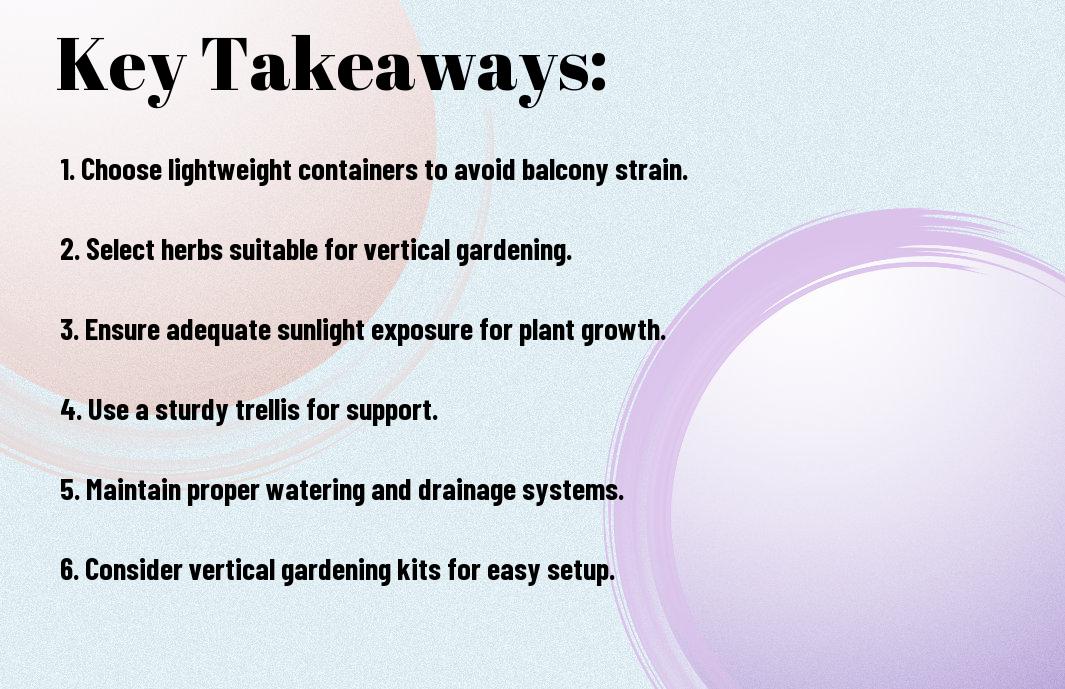
To create a thriving vertical herb garden on a balcony, consider the following points:
- Choose a location with the right amount of sunlight and shade to support the growth of your herbs, as different plants have varying requirements.
- Select a container or planter that is suitable for vertical gardening, such as a trellis or a wall-mounted planter, and make sure it has good drainage to prevent waterlogged soil.
- Use a well-draining potting mix and fertilize your herbs regularly to promote healthy growth, and consider using a self-watering system to make maintenance easier and more efficient.
Choosing the Right Herbs
Before selecting herbs for your vertical garden, consider the conditions on your balcony and the space available. You want to choose herbs that will thrive in your specific environment and make the most of your garden’s space.
Selecting Herbs for Balcony Conditions
One of the key factors to consider is the amount of sunlight your balcony receives, as this will affect the types of herbs you can grow. You should choose herbs that are suitable for the level of sunlight your balcony gets, whether it’s full sun, partial shade, or full shade.
Considering Herb Growth and Space Requirements
Along with sunlight, you should also think about the growth habits of different herbs and how much space they require. You need to consider the mature size of each herb and leave enough space for proper air circulation and growth.
Further, considering the growth and space requirements of your herbs will help you plan your vertical garden layout. You can group herbs with similar needs together, such as placing tall herbs like rosemary and sage towards the top and shorter herbs like thyme and mint towards the bottom, allowing you to make the most of your space and create a thriving herb garden.
Designing the Garden
Any good garden design starts with a clear plan, and your vertical herb garden is no exception. You’ll need to consider the space you have available on your balcony and the type of herbs you want to grow.
Vertical Garden Options and Layouts
Options for vertical gardens include trellises, wall-mounted planters, and tiered systems, allowing you to choose the best layout for your herbs and available space. You can mix and match these options to create a unique design that suits your balcony and personal style.
Incorporating Watering and Drainage Systems
Laying out a watering and drainage system is vital for your vertical herb garden, as you’ll need to ensure your plants receive the right amount of moisture. You should consider a system that allows excess water to drain easily, preventing waterlogged soil and root rot.
The key to a successful watering and drainage system is to balance the amount of water your herbs receive with the need to prevent excess moisture from building up. You can achieve this by using a combination of watering cans, drip irrigation systems, and well-draining potting soil, allowing you to enjoy healthy and thriving herbs in your vertical garden.
Building the Structure
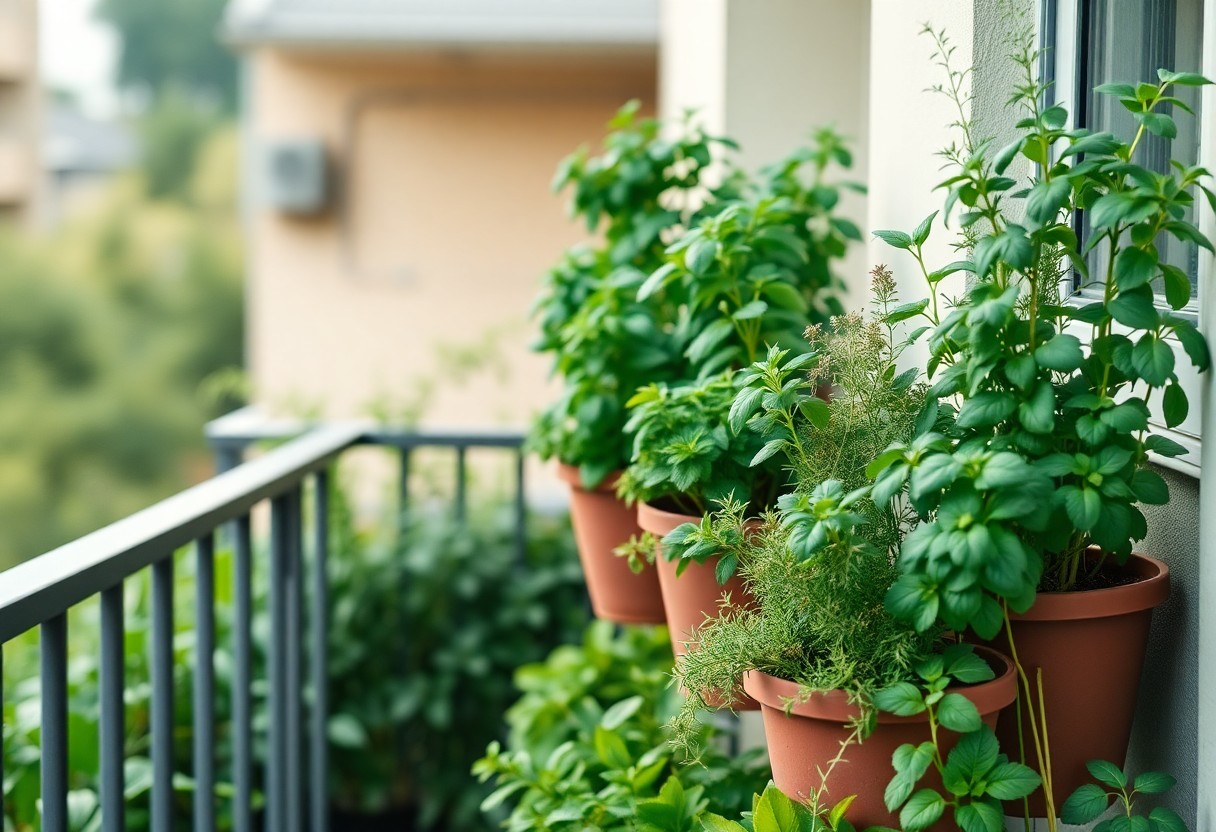
Many homeowners and balcony enthusiasts are turning to vertical gardens as a way to maximize space and grow their favorite herbs. You can build a beautiful and functional vertical herb garden on your balcony with a few simple materials and some basic construction skills.
Materials and Tools Needed
After gathering your ideas and planning your design, you will need to make a list of the materials and tools required to bring your project to life. You will need a wooden or plastic frame, planters, soil, herbs, and a few basic tools like a drill and screws.
Constructing the Garden Frame and Planters
Before you start constructing your garden frame and planters, make sure you have a clear plan and design in mind. You will need to assemble the frame and attach the planters, making sure they are secure and evenly spaced.
Further, as you construct your garden frame and planters, consider the size and type of herbs you want to grow, and adjust the size and depth of the planters accordingly. You will also need to ensure that the frame is sturdy and can support the weight of the planters, soil, and herbs, and that it is securely attached to the balcony railing or wall to prevent it from tipping over.
Planting and Maintenance
Once again, as you start planting your vertical herb garden, consider learning more about Starting a Balcony Herb Garden for the best results. You will find that with proper care, your herbs will thrive in their new home.
Soil and Fertilization for Herbs
Between selecting the right herbs and planting them, you should focus on using a well-draining potting mix and balanced fertilizer to ensure healthy growth. You can choose organic options to keep your herbs chemical-free.
Pruning and Pest Control Techniques
Maintenance is key when it comes to keeping your herbs healthy, and this includes regular pruning and pest control. You will need to inspect your plants regularly for signs of pests or disease.
Hence, as you prune your herbs, you will encourage new growth and prevent the plants from becoming leggy. You should also keep an eye out for common pests like aphids and spider mites, and use natural methods to control infestations, such as neem oil or insecticidal soap, to keep your herbs thriving.
Light and Temperature Considerations
Keep your herbs thriving by considering the light and temperature conditions on your balcony.
| Factor | Consideration |
|---|---|
| Light | Most herbs need 4-6 hours of direct sunlight |
| Temperature | Average temperature between 65-75°F (18-24°C) |
Balcony Orientation and Lighting Needs
Around the time you’re planning your vertical herb garden, consider the orientation of your balcony and the lighting needs of your herbs. Most herbs require bright, indirect light, so a south-facing balcony is ideal.
Protecting Herbs from Extreme Temperatures
The temperature fluctuations on your balcony can affect your herbs’ growth.
| Temperature | Effect on Herbs |
|---|---|
| Below 50°F (10°C) | May cause damage or kills herbs |
| Above 90°F (32°C) | May cause stress or wilting |
Even with proper lighting, extreme temperatures can still harm your herbs.
| Temperature Protection | Methods |
|---|---|
| Insulation | Use thermal blankets or straw to keep roots warm |
| Shading | Use shade cloth or umbrellas to filter intense sunlight |
As you plan your vertical herb garden, you should take into account the temperature fluctuations on your balcony and take steps to protect your herbs from extreme temperatures, ensuring they thrive in their new environment.
Tips and Variations
To enhance your vertical herb garden, consider the following:
- using a trellis for climbing plants
- incorporating self-watering planters
. Assume that with a little creativity, you can create a unique and thriving garden.
Adding Decorative Elements and Themes
Augmenting your garden with decorative elements can make it more visually appealing. You can add your personal touch by incorporating colors, textures, and themes that fit your style, making your garden a beautiful addition to your balcony.
Expanding the Garden and Trying New Herbs
After establishing your initial garden, you can start to expand and experiment with new herbs. You will find that growing your own herbs is a fun and rewarding experience, and you will be eager to try new varieties and arrangements.
Tips for expanding your garden include selecting herbs that thrive in similar conditions and providing adequate space for each plant to grow. As you gain experience, you can try more exotic or unusual herbs, and experiment with different container sizes and shapes to create a unique and dynamic garden that reflects your personality and style, allowing you to enjoy the benefits of your vertical herb garden to the fullest.
Summing up
Summing up, you now have the knowledge to build a thriving vertical herb garden on your balcony. You can utilize your space efficiently by choosing the right plants, materials, and design. With your balcony herb garden, you will be able to grow your favorite herbs and enjoy fresh flavors throughout the year, adding a personal touch to your cooking and enhancing your outdoor living experience. Your vertical herb garden will bring you joy and freshness.
FAQ
Q: What are the benefits of building a vertical herb garden on a balcony?
A: Building a vertical herb garden on a balcony provides several benefits, including maximizing space, improving air quality, and adding a touch of greenery to your outdoor area. It also allows you to grow your favorite herbs year-round, regardless of the season, and provides easy access for harvesting and maintenance. With a vertical garden, you can grow a variety of herbs, such as basil, mint, and rosemary, in a small footprint, making it perfect for small balconies or patios.
Q: What materials do I need to build a vertical herb garden on a balcony?
A: To build a vertical herb garden on a balcony, you will need a few basic materials, including a wooden or plastic planter, a trellis or other support system, potting soil, herbs of your choice, and a watering system. You may also want to consider adding a drip irrigation system or a self-watering planter to make maintenance easier. Additionally, you can use recycled materials, such as old pallets or containers, to create a unique and eco-friendly garden.
Q: How do I choose the right herbs for my vertical garden on a balcony?
A: When choosing herbs for your vertical garden on a balcony, consider the amount of sunlight your balcony receives, as well as the temperature and humidity levels. Herbs such as basil, mint, and cilantro prefer full sun and warm temperatures, while herbs like parsley and rosemary prefer partial shade and cooler temperatures. You should also consider the mature size of the herbs and choose compact or dwarf varieties that will thrive in a small space. Finally, choose herbs that you use frequently in your cooking to ensure you get the most out of your garden.
Q: How often should I water my vertical herb garden on a balcony?
A: The frequency of watering your vertical herb garden on a balcony will depend on the climate, weather, and type of herbs you are growing. As a general rule, herbs prefer well-draining soil and should be watered when the top inch of soil feels dry to the touch. Avoid overwatering, which can lead to root rot and other problems. You can also use a moisture meter to check the soil moisture levels and adjust your watering schedule accordingly. It’s also important to provide good air circulation to prevent fungal diseases.
Q: How do I maintain and harvest my vertical herb garden on a balcony?
A: To maintain your vertical herb garden on a balcony, make sure to fertilize your herbs regularly, prune them to encourage bushy growth, and keep an eye out for pests and diseases. When harvesting your herbs, pinch or cut off individual leaves or stems to encourage new growth and prevent the plant from flowering. Regular harvesting will also help to keep your herbs healthy and prevent them from becoming leggy. You can also use scissors or clippers to trim back overgrown herbs and keep your garden looking neat and tidy. By following these simple tips, you can enjoy a thriving and productive vertical herb garden on your balcony all year round.
