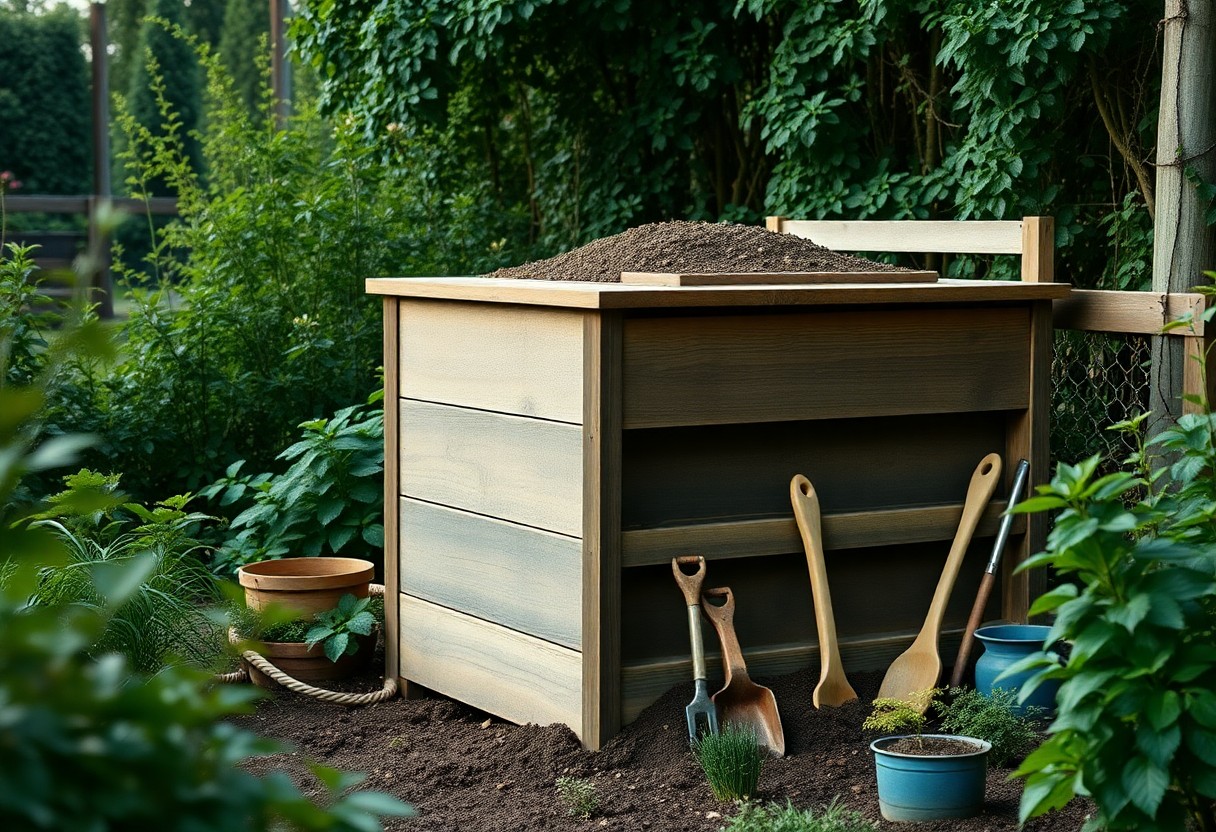
The Benefits of Using Native Plants in Landscaping

As you consider your landscaping options, you’ll find that native plants offer numerous advantages. You can create a beautiful and sustainable outdoor space that requires less maintenance and supports local biodiversity. By choosing native plants, you’ll also save resources and reduce costs. For instance, you can learn about 5 Reasons Native Plants Help You Save Money and Enhance Your Landscape, making your landscaping decisions more informed and effective, tailored to your specific needs and environment.

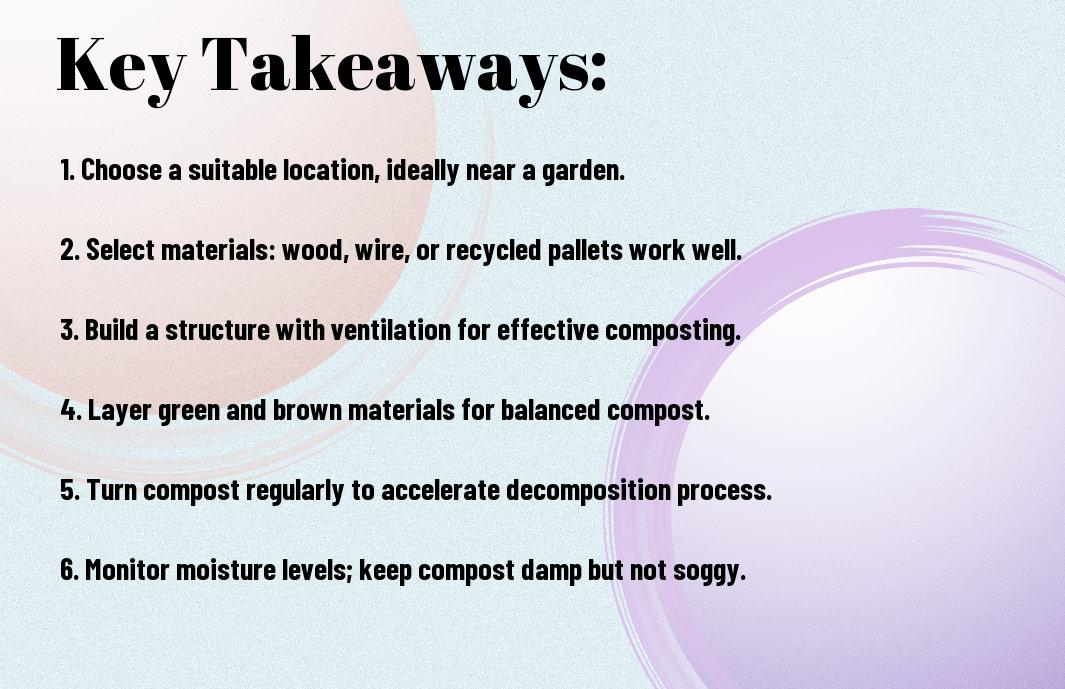
Key Takeaways:

To create an efficient and environmentally friendly landscape, consider the following points about native plants:

  • Using native plants in landscaping can help conserve water and reduce maintenance costs, as they are adapted to the local climate and soil conditions, requiring less irrigation and care.
  • Native species provide a natural source of food and habitat for local wildlife, such as pollinators, birds, and insects, promoting biodiversity and a healthy ecosystem.
  • Sustainable landscaping with native plants can also help to mitigate climate change by absorbing carbon dioxide, reducing soil erosion, and filtering pollutants from the air and water, creating a more resilient and environmentally friendly outdoor space.
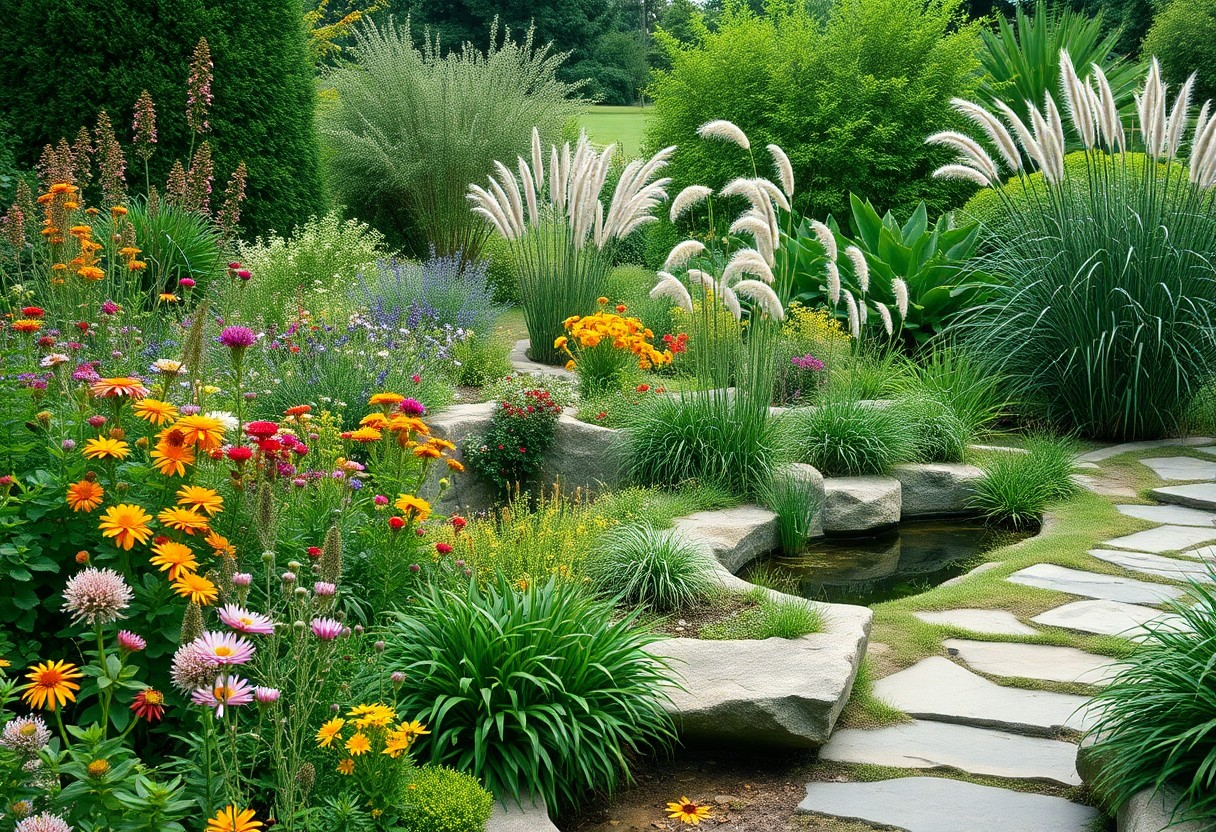
Benefits of Native Plants

Before incorporating native plants into your landscaping, consider the advantages they offer. Native plants provide numerous benefits, including improved biodiversity, low maintenance, and enhanced aesthetic appeal, making them an excellent choice for your outdoor space.

Improved Biodiversity

Benefits like supporting local ecosystems and attracting native wildlife make native plants an attractive option for you. By choosing native plants, you can create a thriving ecosystem that supports a diverse range of flora and fauna.

Low Maintenance

Across various climates and soil types, native plants generally require less upkeep, allowing you to enjoy your outdoor space without excessive gardening work. You will find that native plants are more disease-resistant and require less watering.

Even when it comes to pruning and fertilizing, native plants are often easier to care for, as they have adapted to the local environment. You can spend less time tending to your garden and more time enjoying the beauty and benefits of your native plant landscape, knowing that you are supporting the local ecosystem and conserving natural resources.

Environmental Advantages

The use of native plants in landscaping offers numerous environmental benefits, allowing you to create a sustainable and eco-friendly outdoor space. By choosing native plants, you can reduce your carbon footprint and support local biodiversity, ultimately enhancing your overall landscape.

Water Conservation

To minimize water consumption, you can select native plants that are adapted to your region’s climate, requiring less irrigation and maintenance. This approach enables you to conserve water while maintaining a beautiful and thriving landscape.

Soil Erosion Prevention

At the root of a stable landscape is soil erosion prevention, which native plants help achieve through their deep root systems. You can effectively prevent soil erosion by incorporating native plants into your landscape design, protecting your property from water runoff and soil degradation.

Hence, as you consider the benefits of native plants in preventing soil erosion, you’ll find that their extensive root systems hold soil in place, allowing you to enjoy a more stable and resilient landscape, while also preserving the natural beauty of your surroundings, and you will be able to appreciate the long-term benefits of your landscaping choices.

Aesthetic Appeal

For homeowners, native plants offer a unique opportunity to enhance the beauty of your landscape. By incorporating native species, you can create a visually striking outdoor space that reflects the natural beauty of your region.

Unique Landscaping Features

Among the many benefits of native plants, their ability to add distinct character to your landscape is particularly noteworthy. You can use native plants to create unique features, such as meadows, gardens, or wildlife habitats, that set your yard apart from others.

Vibrant Colors and Textures

Before selecting plants for your landscape, consider the vibrant colors and textures that native species can provide. You can choose plants with striking blooms, varied foliage, or interesting seed heads to add depth and visual interest to your outdoor space.

Appeal of native plants lies in their ability to provide a dynamic display of colors and textures throughout the growing season. As you plan your landscape, consider how you can use native plants to create a stunning display of blooms, foliage, and seed heads that will attract visitors and enhance your outdoor enjoyment.

Economic Benefits

Once again, you can benefit from using native plants in your landscaping, as they offer numerous economic advantages. You can learn more about the Benefits of Native Plants and how they can save you money in the long run.

Reduced Watering Costs

The use of native plants in your landscaping can lead to reduced watering costs, as they are adapted to the local climate and require less water to thrive, saving you money on your water bill.

Increased Property Value

Behind the beauty of native plants lies a significant increase in your property value, as they enhance the aesthetic appeal of your landscape and create a unique atmosphere that attracts potential buyers.

Another advantage of increased property value is that it can lead to a higher selling price, making your investment in native plants a worthwhile decision, as you can reap the financial benefits when you decide to sell your property, and you will be able to demand a premium price due to the beautiful and low-maintenance landscape.

Choosing the Right Native Plants

After selecting native plants, you’ll want to consider various factors to ensure they thrive in your landscape. This involves assessing your local climate, soil type, and moisture levels to create an optimal environment for your plants.

Climate Considerations

Climatic conditions play a significant role in determining which native plants will flourish in your area. You should consider the average temperature, sunlight, and precipitation in your region when choosing native plants.

Soil Type and Moisture Levels

Leveling the playing field for your native plants involves understanding your soil’s characteristics, such as its pH level and nutrient content, as well as its moisture levels, to select plants that are well-suited to these conditions.

Further investigation into your soil type and moisture levels will help you determine the best native plants for your landscape. You can test your soil to determine its pH level and nutrient content, and observe the moisture levels in different areas of your yard to choose plants that will thrive in those conditions, allowing you to create a beautiful and sustainable landscape that requires minimal maintenance.

Implementation and Maintenance

All aspects of native plant landscaping require careful consideration, from initial planting to ongoing care, to ensure the success and longevity of your landscape.

Planting and Care Techniques

For optimal results, you should choose plants that are well-suited to your climate and soil type, and plant them at the right time of year to minimize stress and promote healthy growth.

Ongoing Maintenance and Upkeep

Planting native plants is just the first step; you will also need to commit to regular maintenance, including watering, pruning, and monitoring for pests and diseases, to keep your landscape thriving.

Understanding the specific needs of your native plants is key to providing the right level of care, and you will need to adjust your maintenance routine accordingly, taking into account factors such as weather patterns, soil conditions, and the unique characteristics of each plant species in your landscape, allowing you to create a beautiful and sustainable outdoor space that benefits both you and the environment.
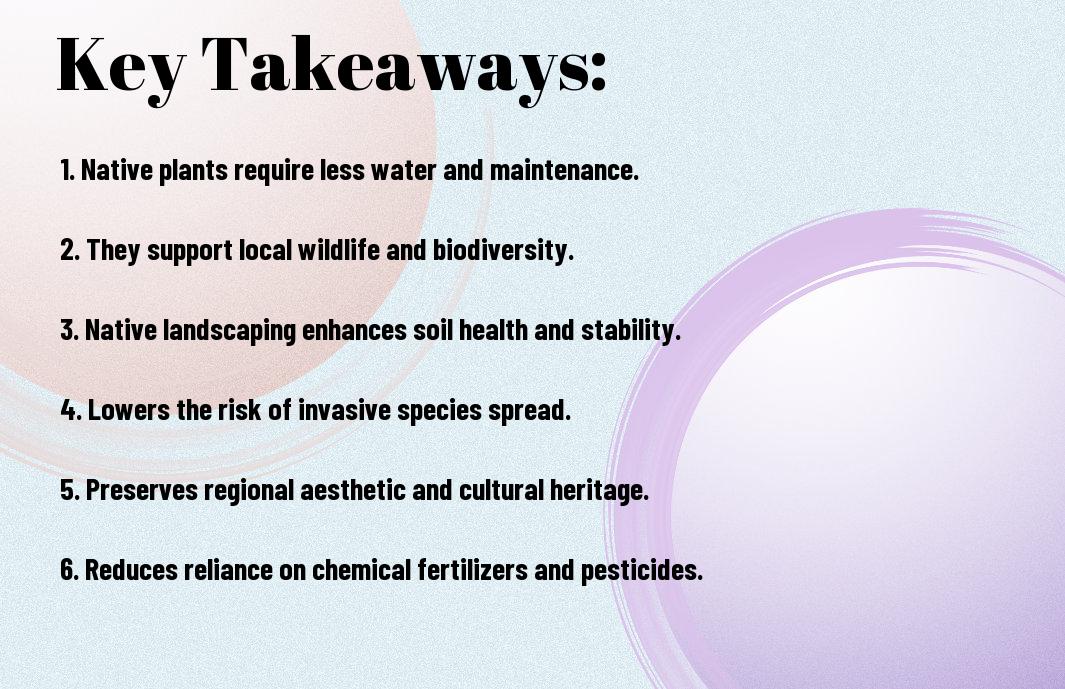
To wrap up

To wrap up, you can enhance your outdoor space by incorporating native plants into your landscaping, which provides numerous benefits. You will not only support local biodiversity, but your landscape will also require less maintenance and care. By choosing native plants, you can create a beautiful and sustainable outdoor environment that thrives with minimal effort, allowing you to enjoy your yard while doing your part for the environment.

FAQ

Q: What are the benefits of using native plants in landscaping, and why should I consider them for my garden or yard?

A: Using native plants in landscaping offers numerous benefits. Native plants are adapted to the local climate and soil conditions, which means they require less watering, pruning, and fertilization. This leads to a significant reduction in maintenance costs and environmental impact. Additionally, native plants provide a natural habitat for local wildlife, such as birds, bees, and butterflies, which helps to support biodiversity and ecosystem health.

Q: How do native plants help with soil conservation and erosion control in landscaping projects?

A: Native plants have deep root systems that help to hold soil in place, preventing erosion and landslides. Their roots also help to improve soil structure and fertility, which reduces the need for fertilizers and other soil amendments. Furthermore, native plants help to filter rainwater and prevent runoff, which reduces the amount of pollutants that enter nearby waterways. This makes native plants an effective and sustainable solution for soil conservation and erosion control.

Q: Can native plants be used in decorative landscaping, or are they limited to wild or naturalized areas?

A: Native plants can be used in a variety of decorative landscaping applications, from formal gardens to informal meadows. Many native plants have beautiful flowers, foliage, and textures that can add visual interest and depth to a landscape. They can be used as specimen plants, in borders, or as groundcovers, and can be combined with other plants to create a unique and diverse landscape design. With a little creativity, native plants can be used to create beautiful and functional landscapes that are both aesthetically pleasing and environmentally beneficial.

Q: How do native plants support local wildlife, and what types of plants are most beneficial for attracting pollinators and other beneficial insects?

A: Native plants provide a source of food, shelter, and habitat for local wildlife, including pollinators like bees, butterflies, and hummingbirds. Plants with nectar-rich flowers, such as coneflowers, black-eyed susans, and lavender, are particularly attractive to pollinators. Native plants also provide host plants for caterpillars and other insects, which helps to support the entire food chain. By incorporating native plants into your landscape, you can create a welcoming habitat for local wildlife and help to support the health of ecosystems.

Q: Are native plants more resistant to pests and diseases, and do they require fewer pesticides and other chemicals?

A: Yes, native plants are often more resistant to pests and diseases than non-native plants, which means they require fewer pesticides and other chemicals. Native plants have evolved alongside local pests and diseases, and have developed natural defenses to protect themselves. This reduces the need for chemical interventions, which can harm people, pets, and the environment. By using native plants in landscaping, you can create a healthier and more sustainable landscape that is better equipped to withstand pests and diseases, and requires fewer chemical inputs.
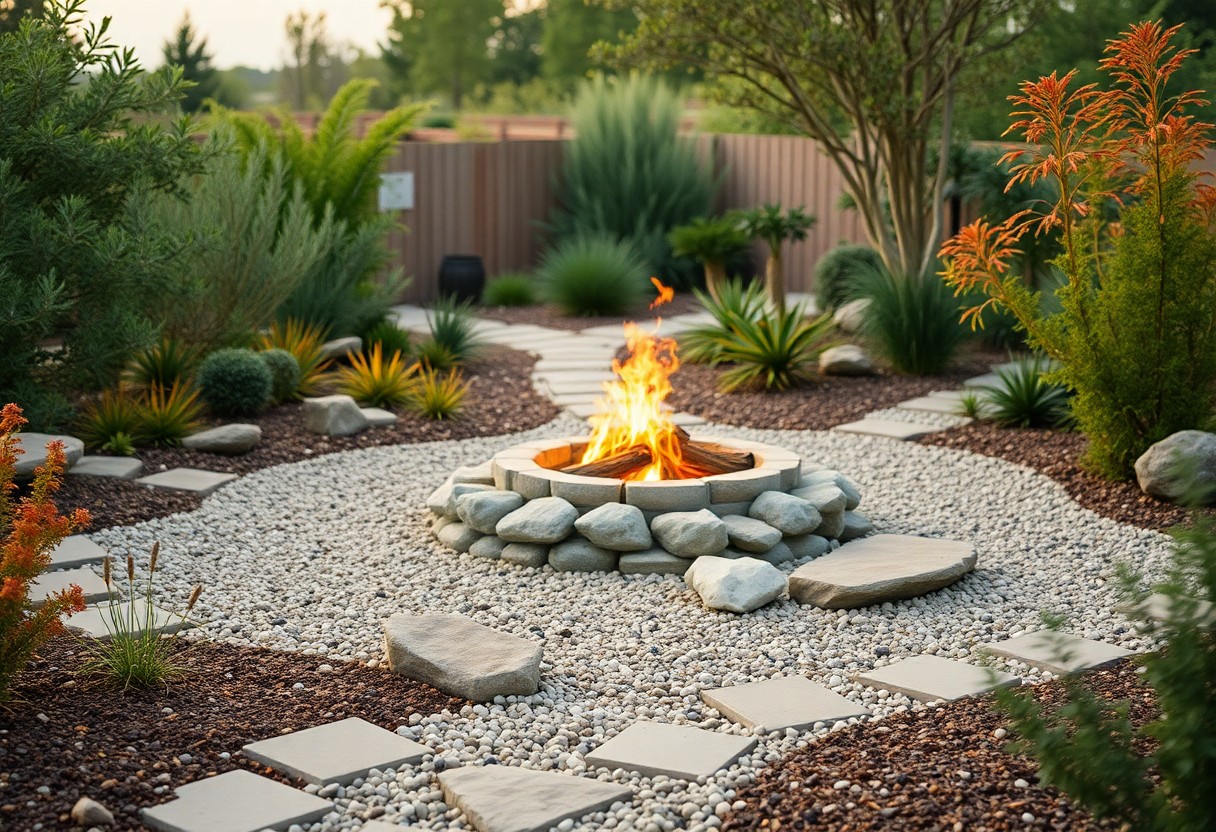
How to Create a Fire-Resistant Garden

You can protect your home and outdoor space from wildfires by designing a fire-resistant garden. Your garden’s layout and plant selection play a significant role in preventing the spread of fires. By choosing fire-resistant plants and maintaining your garden regularly, you can reduce the risk of fire damage. You will learn how to create a beautiful and safe garden that will help safeguard your property from wildfires.

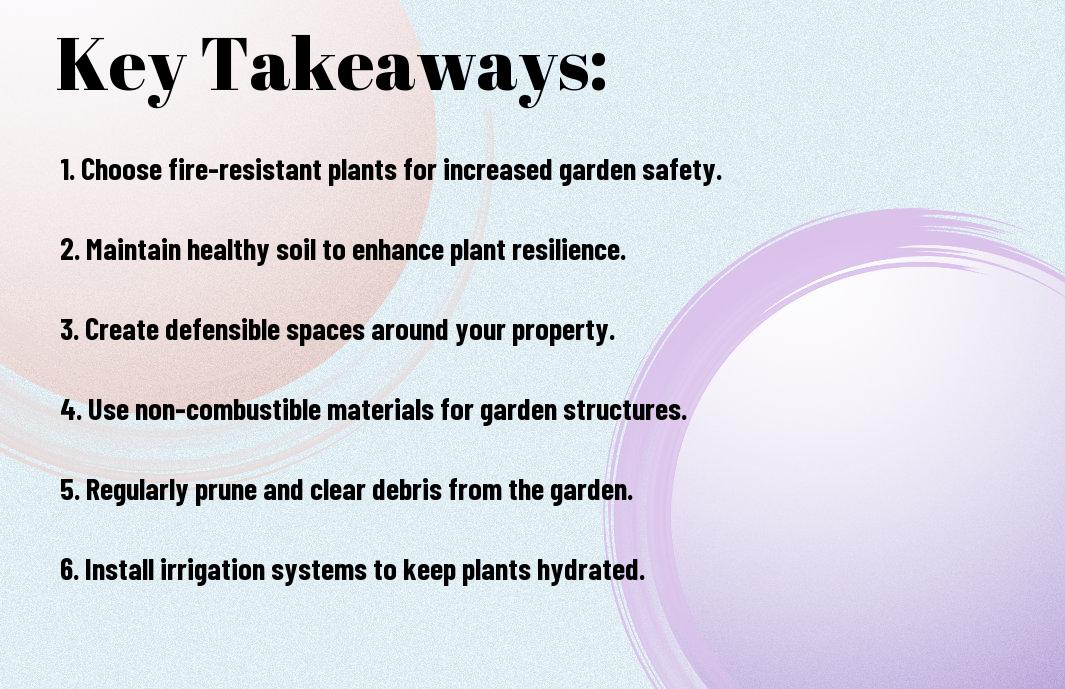
Key Takeaways:

To create a fire-resistant garden, consider the following points:

  • Use drought-tolerant plants that are less likely to catch fire and spread flames, and choose plants with low-growing habits to reduce fuel loads.
  • Employ defensible space techniques, such as clearing leaves and debris, to prevent fires from spreading to your home or other structures.
  • Incorporate fire-resistant materials into your garden design, such as gravel or decomposed granite, to help contain or slow the spread of fires.

Section

To create a fire-resistant garden, you can start by learning from existing resources, such as the guide on How to Create Fire-Resistant Landscaping, which provides valuable insights on designing and maintaining a safe outdoor space.

subsection: Land Preparation

Toward preparing your land for a fire-resistant garden, you’ll need to clear away any flammable materials and debris, creating a safe zone around your plants and home.

subsection: Soil Selection

Between the various types of soil, you’ll want to choose one that retains moisture well, as it will help your plants thrive and be more resistant to fires.

With the right soil in place, you can then focus on selecting plants that are naturally fire-resistant, and designing your garden in a way that minimizes the risk of fires spreading, allowing you to enjoy your outdoor space with peace of mind, knowing you’ve taken steps to protect your home and the environment.

Section

Some effective strategies for creating a fire-resistant garden can be found by visiting the Fire-Resistant Landscaping – 6.303 – CSU Extension website, where you can learn more about protecting your property from wildfires.

subsection: Fire-Resistant Plants

Besides choosing the right plants, you should also consider their maintenance needs, as you will want to select plants that are easy to care for and can thrive in your local climate, making your garden more fire-resistant.

subsection: Garden Layout

Below the surface, a well-designed garden layout can help prevent the spread of fires, and as you plan your garden, you should consider the placement of plants, paths, and other features to create a fire-resistant landscape.

FireResistant gardens require careful planning, and as you design your garden layout, you should consider the use of fire-resistant materials, such as gravel or decomposed granite, for paths and groundcover, and keep your garden well-maintained, with regular pruning and watering, to prevent fires from spreading, and by doing so, you can create a beautiful and safe outdoor space.

Section

Your garden’s design and layout play a significant role in creating a fire-resistant garden. You should consider the types of plants, their placement, and the materials used for landscaping to minimize the risk of fire spreading.

subsection: Mulch and Ground Cover

Along with choosing fire-resistant plants, you should also select appropriate mulch and ground cover. You can opt for materials like gravel, decomposed granite, or sand, which are less combustible than organic materials like wood chips or bark.

subsection: Irrigation Systems

The installation of a well-designed irrigation system can help reduce the risk of fire in your garden. You can install sprinklers or drip irrigation systems to keep your plants hydrated and reduce the risk of dry undergrowth.

To further enhance your irrigation system, you can consider installing a smart controller that can adjust the watering schedule based on weather conditions and soil moisture levels. This will help you maintain a healthy and hydrated garden, reducing the risk of fire and ensuring your plants thrive.

Section

Keep your garden fire-resistant by using fire-resistant plants, mulch, and other materials. You can choose plants that are naturally resistant to fire, such as succulents and rocks. Your garden’s design and maintenance also play a significant role in preventing fires.

subsection: Regular Maintenance

On a regular basis, you should clear your garden of debris and dead vegetation. You can also prevent fires by keeping your garden well-watered, especially during hot and dry seasons. Your efforts will help prevent fires from starting and spreading.

subsection: Pruning and Trimming

By pruning and trimming your plants regularly, you can help prevent fires from spreading. You should remove dead or dying branches and leaves, as these can easily catch fire. Your plants will also be healthier and more resilient to fires.

At the start of each season, you should inspect your plants and remove any dead or damaged growth. You can use pruning shears or loppers to trim back overgrown branches and shape your plants to maintain their natural shape. Your regular pruning and trimming efforts will help keep your garden fire-resistant and beautiful.

Section

Despite the challenges, creating a fire-resistant garden is achievable with careful planning and maintenance. You can reduce the risk of fire spreading by using fire-resistant plants, managing debris, and maintaining a safe distance between flammable materials.

subsection: Firebreaks and Barriers

Among the most effective ways to prevent fire spread is by creating firebreaks and barriers. You can use non-combustible materials, such as gravel or stone, to create a barrier between your garden and surrounding wildlands.

subsection: Access and Escape Routes

Routes to and from your garden should be clear of flammable vegetation and debris. You should ensure that your access and escape routes are well-maintained and easily accessible in case of an emergency.

Escape routes are necessary in case of a fire emergency. You should identify at least two escape routes from your garden and ensure that they are clear of obstacles and flammable materials, allowing you to quickly and safely evacuate the area if needed. You can also consider creating a safe zone, such as a patio or a lawn, where you can seek refuge in case of a fire.

Section

Now that you’re planning to create a fire-resistant garden, consider the overall aesthetic and functionality you want to achieve. You’ll want to choose plants and materials that not only resist fires but also complement your outdoor space. Your goal is to create a beautiful and safe garden that you can enjoy for years to come.

subsection: Local Regulations and Guidelines

Before you start designing your fire-resistant garden, check with your local government for any regulations or guidelines you need to follow. You’ll want to ensure that your garden meets all the necessary standards and codes to minimize the risk of fires and ensure your safety.

subsection: Community Resources

Similarly, you’ll find that your community may offer resources to help you create a fire-resistant garden. You can reach out to local nurseries, gardening clubs, or fire departments for guidance and support. Your community may also provide workshops or seminars on fire-resistant gardening, which can be a great way to learn from experts and get started on your project.

Plus, you can also leverage online resources and social media groups to connect with other gardeners who have experience with fire-resistant gardening. You can learn from their experiences, share your own knowledge, and get tips on the best plants and materials to use in your garden. By taking advantage of these resources, you can create a beautiful and safe fire-resistant garden that you’ll enjoy for years to come.

Final Words

With these considerations, you can create a fire-resistant garden that protects your property and the environment. You will be able to enjoy your outdoor space while minimizing the risk of wildfires. By choosing fire-resistant plants and maintaining your garden regularly, you can have peace of mind and a beautiful landscape. Your efforts will pay off, and your garden will be a safe haven for years to come.

FAQ

Q: What are the benefits of creating a fire-resistant garden?

A: Creating a fire-resistant garden can help protect your home and surrounding landscape from wildfires by reducing the amount of flammable vegetation and materials in the area. This type of garden can also provide a safe zone for firefighters to work in and create a defensible space around your property. Additionally, fire-resistant gardens can be beautiful and low-maintenance, featuring plants that are native to your region and adapted to the local climate.

Q: What types of plants are best suited for a fire-resistant garden?

A: The best plants for a fire-resistant garden are those that are naturally resistant to ignition and have a low fuel load. These include plants with high moisture content, such as succulents and cacti, as well as plants with fire-resistant bark, like oak and maple trees. It’s also important to choose plants that are native to your region, as they will be better adapted to the local climate and soil conditions. Some examples of fire-resistant plants include California lilac, Icelandic poppy, and yarrow.

Q: How can I design my garden to be fire-resistant?

A: To design a fire-resistant garden, start by creating a defensible space around your home, keeping the area within 30 feet of your house clear of flammable vegetation and materials. Use hardscaping features like gravel, stone, or pavers to create a firebreak, and choose plants that are spaced far enough apart to prevent fire from spreading easily. Consider using a landscape designer or gardener who has experience with fire-resistant landscaping to help you create a beautiful and safe garden.

Q: What maintenance is required to keep my fire-resistant garden safe and healthy?

A: To keep your fire-resistant garden safe and healthy, it’s important to perform regular maintenance tasks. This includes watering plants regularly, but avoiding overwatering, which can create a fire hazard. Keep your garden free of debris, dead plants, and other flammable materials, and trim back plants to maintain a safe distance from your home and other structures. Also, consider installing a drip irrigation system to deliver water directly to the roots of your plants, reducing evaporation and runoff.

Q: Can I still have a beautiful and functional garden if I create a fire-resistant garden?

A: Yes, you can still have a beautiful and functional garden even if you create a fire-resistant garden. Fire-resistant plants come in a wide range of colors, textures, and shapes, and can be used to create a variety of garden styles, from modern and sleek to natural and rustic. Consider incorporating outdoor living spaces, such as patios and walkways, and using decorative features like planters and sculptures to add visual interest to your garden. With careful planning and design, you can create a fire-resistant garden that is both safe and beautiful.

How to Incorporate Sustainable Practices in Home Design

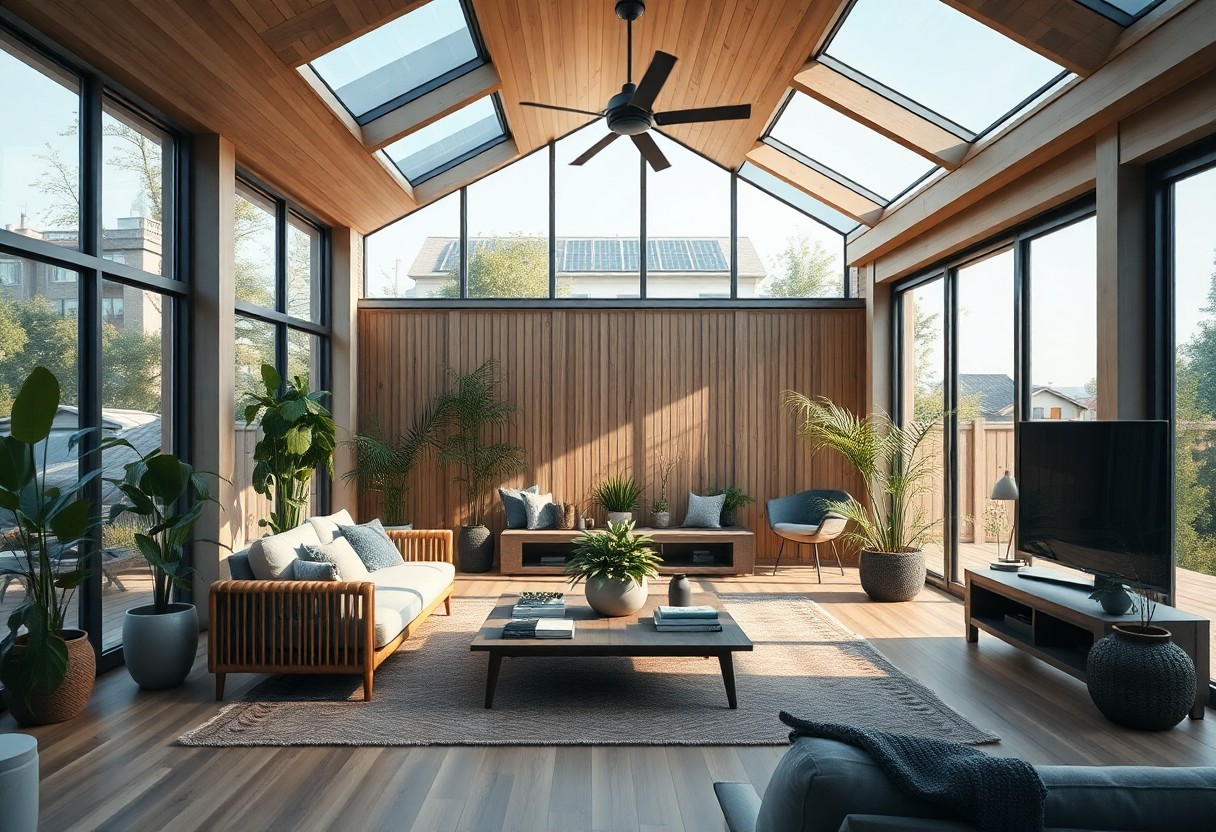
You’re building or renovating your home, and you want it to be more than just a shelter – you want it to be eco-friendly. Your home’s design can significantly impact the environment, and making sustainable choices can have a lasting effect. You can start by considering your daily habits and how your home’s layout can support a greener lifestyle. By incorporating sustainable practices into your design, you can reduce your carbon footprint and create a healthier living space for yourself and your family.

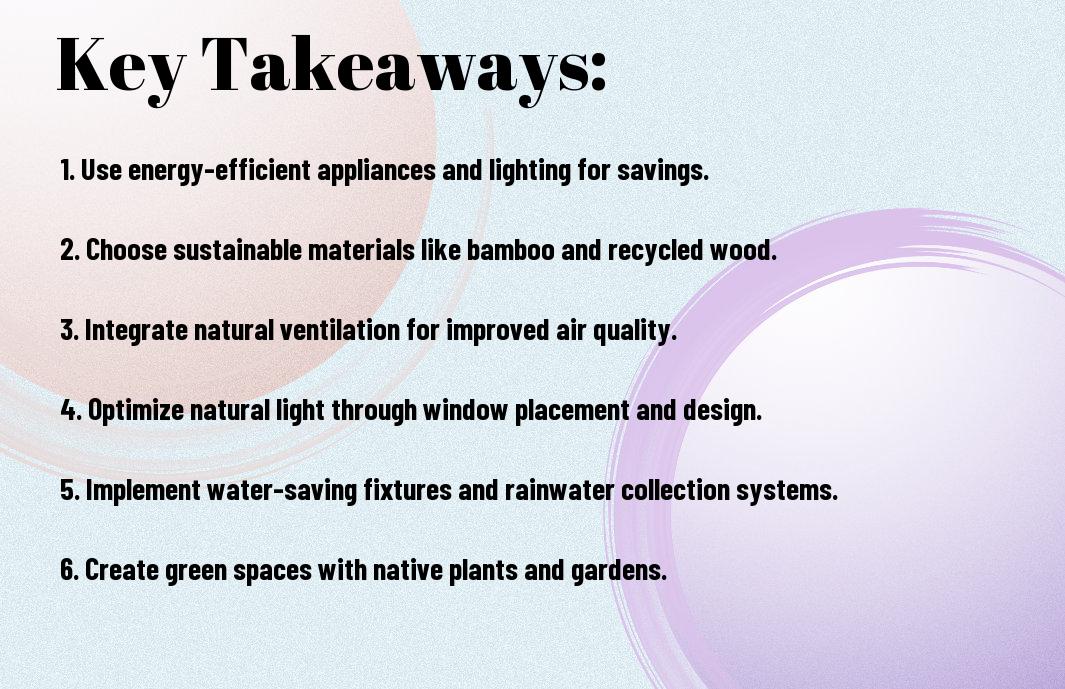
Key Takeaways:

To create an eco-friendly home, consider the following key points:

  • Use renewable materials in your design, such as bamboo or reclaimed wood, to reduce the environmental impact of your home construction.
  • Incorporate energy-efficient systems, including solar panels and rainwater harvesting, to reduce your reliance on non-renewable energy sources and lower your utility bills.
  • Implement sustainable design principles, such as natural ventilation and passive heating, to minimize your home’s carbon footprint and create a healthier living space.

    Principles

    Before you start designing your home, consider the principles of sustainable design. You’ll want to focus on reducing your environmental footprint, conserving resources, and creating a healthy living space. Your goal is to strike a balance between aesthetics and eco-friendliness.

    Embracing Eco-Friendly Materials

    With a thoughtful approach, you can choose materials that are gentle on the planet. You’ll look for materials that are sustainable, recycled, or locally sourced, reducing the demand on natural resources and minimizing waste.

    Optimizing Natural Light and Ventilation

    By designing your home to maximize natural light and ventilation, you can reduce your reliance on artificial lighting and heating and cooling systems. You’ll position windows and doors to capture natural light and breeze, creating a comfortable and healthy living space.

    Plus, when you optimize natural light and ventilation, you can also reduce your energy consumption and lower your utility bills. You’ll feel the benefits of a well-designed home, from the natural light pouring in to the fresh air circulating throughout, creating a sense of well-being and connection to the outdoors.

    Design

    It starts with your design, where you can find inspiration from resources like Eco-Friendly Living: Sustainable Home Design Tips and Ideas to create a space that is both functional and environmentally friendly.

    Sustainable Layout and Space Planning

    Sensibly, you’ll want to consider a layout that maximizes natural light and reduces waste, making the most of your space while minimizing your environmental footprint.

    Incorporating Recycled and Reclaimed Materials

    By incorporating eco-friendly materials, you can reduce your impact on the environment and create a unique, character-filled space that reflects your values.

    Plus, using recycled and reclaimed materials can add a touch of warmth and personality to your design, making your space feel truly one-of-a-kind, and you can explore various options, such as reclaimed wood, low-VOC paints, and sustainable flooring, to create a space that is both beautiful and eco-friendly.

    Energy Efficiency

    After considering your home’s design, you’ll want to focus on energy efficiency to minimize your environmental impact. You can achieve this by optimizing your home’s insulation, windows, and doors to reduce heat loss and gain.

    Renewable Energy Sources and Systems

    To effectively incorporate sustainable practices, you’ll need to explore renewable energy sources and systems, such as solar or wind power, to reduce your reliance on non-renewable energy sources.

    Energy-Saving Appliances and Lighting

    Renergizing your approach to home design, you’ll want to select energy-saving appliances and lighting to minimize your energy consumption, such as LED bulbs and energy-efficient refrigerators.

    It is important to choose appliances with high energy ratings and consider smart home devices to optimize your energy usage, allowing you to monitor and control your energy consumption, making your home more sustainable and environmentally friendly, which will help you to reduce your carbon footprint and save on your energy bills.

    Water Conservation

    Once again, you’ll find that incorporating sustainable practices into your home design has its benefits, and for more information on this, you can visit sustainable design resources. You’ll learn how to reduce your water consumption.

    Low-Flow Fixtures and Greywater Systems

    Any homeowner can install low-flow fixtures and greywater systems to reduce water waste, and you’re no exception. You can start by replacing old faucets and toilets with low-flow models.

    Rainwater Harvesting and Storage

    After assessing your water needs, you can consider installing a rainwater harvesting system. You’ll be able to collect and reuse rainwater for non-potable purposes.

    Storage is key when it comes to rainwater harvesting. You’ll need to invest in a suitable tank to store the collected water, and consider factors like size, material, and placement to ensure your system runs efficiently. You’ll be surprised at how much you can save on your water bill by implementing this simple yet effective system in your home.

    Indoor Air Quality

    Keep your home’s air clean by incorporating sustainable practices into your design. This includes using natural ventilation, air purification systems, and non-toxic materials.

    Natural Ventilation and Air Purification

    Naturally, a well-ventilated home is necessary for good air quality. You can achieve this by installing windows, vents, and fans that promote air circulation and bring in fresh air from outside.

    Non-Toxic and Low-VOC Materials

    To ensure your home’s air stays clean, you should choose materials with low VOCs (volatile organic compounds). You can look for products labeled as non-toxic and eco-friendly.

    This approach will help you create a healthier indoor environment. You can opt for natural materials like wood, bamboo, and wool, which are known for their low VOC emissions. By making these choices, you’ll be able to breathe easier in your own home.

    Maintenance and Upkeep

    Your home’s sustainability depends on regular maintenance, learn more about The Key Elements of a Sustainable House Design to ensure your space remains eco-friendly.

    Sustainable Cleaning and Maintenance Practices

    Any measures you take to maintain your home’s sustainability will pay off in the long run, using eco-friendly cleaning products and repurposing materials will reduce waste and minimize your environmental footprint.

    Regular Inspections and Repairs

    Against all odds, your sustainable home will thrive with regular inspections, checking for leaks, and repairing damaged systems to prevent further issues.

    Another key aspect of regular inspections is identifying areas where you can improve energy efficiency, such as sealing air leaks or upgrading to energy-efficient appliances, allowing you to make adjustments and maintain your home’s sustainability over time.

    Conclusion

    Ultimately, you can make a significant impact on the environment by incorporating sustainable practices in your home design. You’ll reduce your carbon footprint and create a healthier living space by using eco-friendly materials, minimizing waste, and optimizing energy efficiency. Your efforts will benefit both your well-being and the planet, making your home a haven for years to come.

    FAQ

    Q: What are the benefits of incorporating sustainable practices in home design?

    A: Incorporating sustainable practices in home design offers numerous benefits, including reduced energy consumption, lower utility bills, and a minimized carbon footprint. Sustainable design can also improve indoor air quality, enhance natural lighting, and create a healthier living environment. Additionally, sustainable homes can increase property value and appeal to environmentally conscious buyers if you decide to sell in the future.

    Q: How can I reduce energy consumption through sustainable home design?

    A: To reduce energy consumption, consider incorporating features such as solar panels, energy-efficient windows, and insulation into your home design. You can also optimize natural lighting by strategically placing windows and skylights, reducing the need for artificial lighting. Furthermore, installing energy-efficient appliances and lighting fixtures, such as LED bulbs, can significantly decrease energy consumption. Smart home technology can also help monitor and control energy usage, allowing you to make data-driven decisions to minimize waste.

    Q: What materials should I use for sustainable home construction?

    A: Concerning sustainable home construction, it’s important to choose materials that are environmentally friendly, durable, and require minimal maintenance. Consider using reclaimed or recycled materials, such as reclaimed wood, bamboo, or low-VOC (volatile organic compound) paints. Sustainable materials like low-carbon concrete, sustainably sourced wood, and recycled glass can also reduce the environmental impact of your home. Additionally, look for materials with certifications like FSC (Forest Stewardship Council) or Greenguard Gold, which ensure that the materials meet rigorous sustainability standards.

    Q: How can I incorporate water conservation into my home design?

    A: To incorporate water conservation into your home design, consider installing low-flow fixtures, such as faucets, showerheads, and toilets. You can also implement a rainwater harvesting system to collect and reuse rainwater for irrigation, toilet flushing, or washing machines. Greywater systems, which reuse wastewater from sinks, showers, and washing machines, can also significantly reduce water consumption. Furthermore, choosing drought-resistant plants and implementing efficient irrigation systems can minimize outdoor water usage.

    Q: Are there any government incentives for incorporating sustainable practices in home design?

    A: Yes, there are various government incentives for incorporating sustainable practices in home design. Many governments offer tax credits, rebates, or grants for homeowners who invest in energy-efficient appliances, solar panels, or other sustainable features. Additionally, some governments have programs that provide low-interest loans or financing options for sustainable home upgrades. It’s important to research and explore the specific incentives available in your area, as they can help offset the costs of sustainable design and construction. Be sure to consult with a tax professional or sustainable design expert to ensure you’re taking advantage of all the incentives available to you.

The Best Ways to Use Color in Your Garden

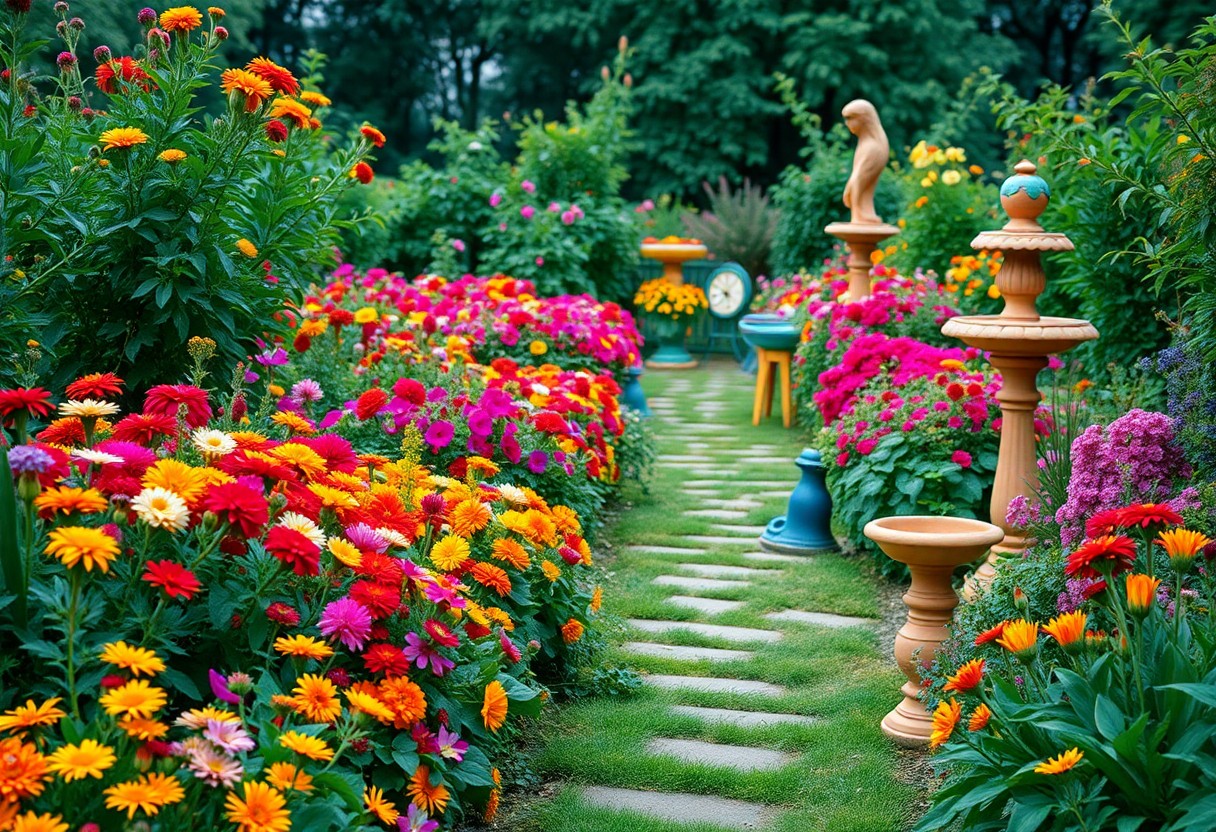
As you plan your garden, you consider various elements to create a beautiful outdoor space. You think about the types of plants, foliage, and flowers that will thrive in your climate. In terms of color, you have numerous options to enhance your garden’s aesthetic appeal. You can use colorful flowers, shrubs, and trees to add vibrancy and texture, or incorporate decorative elements like garden ornaments and seating to create a cohesive look that reflects your personal style and complements your outdoor space.

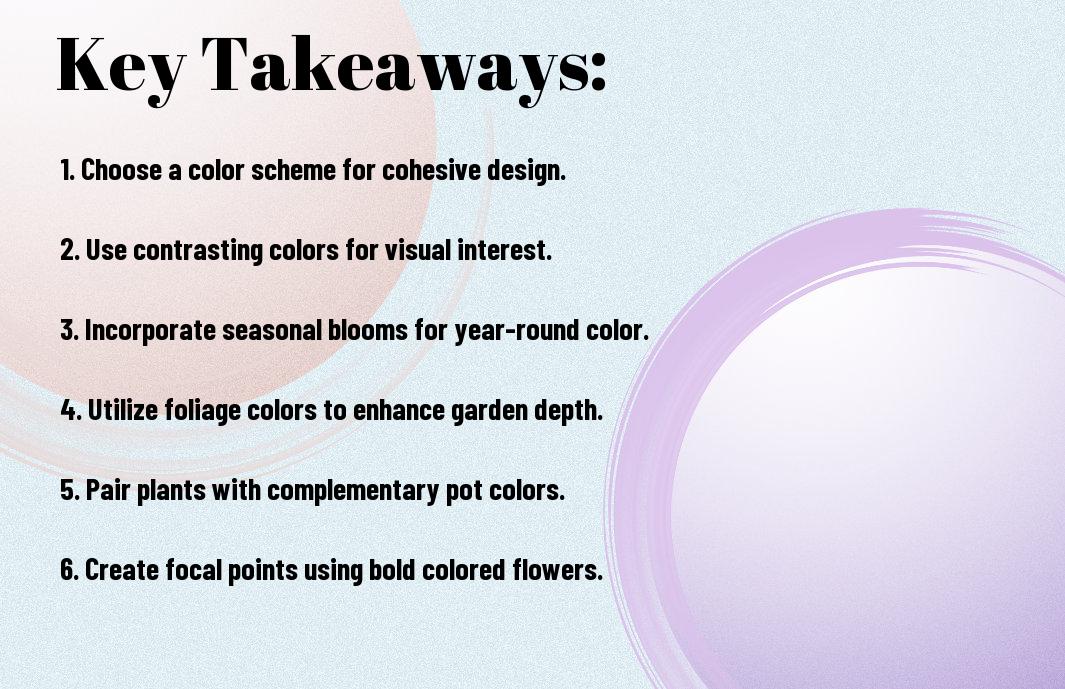
Key Takeaways:

To create a visually appealing garden, consider the following key points:

  • Using Complementary Colors can make your garden more interesting by placing colors that are opposite each other on the color wheel next to each other, such as blue and orange or yellow and purple.
  • Incorporating Monochromatic Colors can create a sense of harmony in your garden by using different shades of the same color, which can add depth and texture to your outdoor space.
  • Considering the Color Temperatures of plants, with cool colors like blues and purples evoking a sense of calm and warm colors like reds and oranges creating a sense of energy, can help you design a garden that suits your desired atmosphere.

Selecting Color Schemes

Before selecting a color scheme for your garden, you should think about the overall aesthetic you want to achieve. You can choose a single color or a combination of colors that reflect your personal style and complement the surroundings.

Considering the Natural Environment

Considering the natural environment of your garden, you will want to select colors that blend harmoniously with the existing landscape. You should take into account the colors of the foliage, flowers, and hardscapes to create a cohesive look.

Complementary and Analogous Colors

After choosing the dominant color, you can explore complementary and analogous colors to add depth and interest to your garden. You can use online tools or consult with a gardening expert to determine the best color combinations for your space.

Even when working with complementary and analogous colors, you can create a stunning visual effect by balancing warm and cool colors. You can pair complementary colors, such as blue and orange, to create a striking contrast, or use analogous colors, like shades of blue and green, to produce a soothing atmosphere, and you will find that your garden becomes a beautiful reflection of your personal style.

Choosing Flowers and Foliage

Any gardener knows that selecting the right flowers and foliage is crucial to creating a visually stunning garden. You can choose from a wide variety of plants to create a unique and personalized space that reflects your style and complements your outdoor decor.

Vibrant Blooms for Seasonal Interest

Almost any type of flower can add a pop of color to your garden, and you can select blooms that thrive during different seasons to ensure year-round interest. You can opt for bright annuals or perennials that flower at various times, creating a dynamic and ever-changing display.

Leafy Greens for Year-Round Texture

Around your garden, you can incorporate leafy greens to add depth and texture, and you can choose from a range of plants with varying leaf shapes, sizes, and colors to create a unique and captivating landscape. You can select plants with broad leaves, fine foliage, or anything in between to add visual interest to your garden.

To add more depth to your garden with leafy greens, you can combine plants with different textures and growth habits, such as compact shrubs, trailing vines, or upright grasses. You can also use leafy greens to create a backdrop for your flowering plants, allowing your blooms to take center stage while the foliage provides a beautiful and lush framework for your garden.

Using Color in Garden Design

All gardens can benefit from a thoughtful approach to color, and this is where your personal taste and style come into play. You can use color to create different moods and atmospheres in your garden, from vibrant and energetic to calm and serene.

Creating Focal Points with Bright Hues

With bold and bright colors, you can draw attention to specific features in your garden, such as a statement piece of art or a beautiful tree. You can use these hues to create focal points that guide the visitor’s eye through the garden.

Balancing Warm and Cool Tones

To achieve a harmonious color scheme, you need to balance warm and cool tones in your garden. You can pair warm colors like orange and red with cool colors like blue and green to create a visually appealing contrast.

Garden designers often use the 60-30-10 rule, where 60% of the garden features a dominant color, 30% a secondary color, and 10% an accent color. You can apply this rule to balance warm and cool tones in your garden, creating a sense of harmony and cohesion that enhances your outdoor space.

Incorporating Hardscapes and Decor

Unlike other elements in your garden, hardscapes and decor can add a lasting pop of color. You can learn more about using color effectively in your garden by visiting the Color Theory in the Garden: Home guide, which provides valuable insights on how to choose the perfect hues for your outdoor space.

Painted Furniture and Decorative Accents

Hardly anything transforms a garden like painted furniture and decorative accents. You can use vibrant colors to add a personal touch to your outdoor space, making it more inviting and unique.

Colored Gravel and Glass Mulch

For a more subtle approach, you can incorporate colored gravel or glass mulch into your garden design, adding a touch of color to your pathways and borders, which can enhance the overall aesthetic of your garden.

Indeed, colored gravel and glass mulch are excellent options for adding color to your garden, as they are low-maintenance and can withstand various weather conditions, allowing you to enjoy your colorful garden all year round, and you can choose from a wide range of colors to match your personal style and garden theme.

Seasonal Color Inspiration

Many gardens change with the seasons, and your color scheme can too. By incorporating seasonal elements, you can create a unique and dynamic garden that reflects the time of year.

Spring Blooms and Pastel Hues

Across the garden, soft pastel colors emerge in spring, offering a gentle contrast to the vibrant blooms that follow. You can incorporate these hues into your garden through flowers, planters, and decorative accents.

Summer Vibrance and Warm Neutrals

Behind the vibrant colors of summer, warm neutrals provide a soothing backdrop for your garden. You can use these earthy tones to balance out bold flowers and foliage, creating a harmonious palette.

Pastel shades may have dominated your spring garden, but summer is the time to embrace bold, vibrant colors. As you plan your summer garden, consider incorporating warm neutrals like beige, sandy brown, or weathered wood to ground your space and provide a sense of warmth, allowing your brightly colored flowers and foliage to take center stage, and you can make the most of your garden’s summer vibrance.

Tips for Maintenance and Evolution

Your garden’s color scheme will evolve over time, and with proper maintenance, it can continue to thrive. Consider the following:

  • Regular watering and fertilization
  • Seasonal plant rotation

Any adjustments you make will help your garden stay vibrant and fresh.

Deadheading and Pruning for Continuous Bloom

Besides regular maintenance, deadheading and pruning are vital for continuous bloom. You can encourage more flowers to grow by removing spent blooms and trimming back overgrown branches, allowing your garden to flourish.

Adapting Color Schemes to Changing Seasons

Pruning back perennials and substituting seasonal flowers can help adapt your color scheme to changing seasons. You can swap out plants to match the current season’s palette, ensuring your garden always looks its best.

It is vital to consider the changing light and temperature conditions when adapting your color scheme to different seasons. You can choose plants with similar bloom times and growth habits to create a cohesive look, and don’t be afraid to experiment with new combinations to keep your garden fresh and exciting throughout the year.

Conclusion

The effective use of color in your garden can elevate its beauty and create a unique ambiance. You can use colors to evoke emotions, convey themes, and even influence the mood of your outdoor space. By considering your personal preferences and the style of your garden, you can select colors that enhance your outdoor experience and make your garden a reflection of your personality, creating a space that you will enjoy and appreciate for years to come.

FAQ

Q: What are the best ways to choose a color scheme for my garden?

A: When opting for a color scheme for your garden, consider the style and architectural elements of your home, as well as the natural surroundings. Choose colors that complement the hues of your siding, trim, and furniture to create a cohesive look. Additionally, think about the mood and atmosphere you want to create in your garden, such as a calming and serene ambiance with blues and purples, or a vibrant and energetic feel with oranges and yellows. You can also consider the colors of the flowers, foliage, and trees in your garden to create a harmonious palette.

Q: How can I use color to create a visually appealing garden layout?

A: To create a visually appealing garden layout, use color to guide the eye through the space. Group plants with similar hues together to create a sense of unity, and use contrasting colors to create focal points and add visual interest. Consider creating a color gradient, with cooler colors like blues and purples towards the bottom and warmer colors like oranges and yellows towards the top, to create a sense of depth and dimension. You can also use color to create a sense of movement, by placing plants with similar colors in a sequence to lead the eye through the garden.

Q: What role does foliage play in adding color to my garden?

A: Foliage plays a significant role in adding color to your garden, as leaves and stems can provide a wide range of colors and textures. From the deep purples of eggplants to the bright chartreuses of coleus, foliage can add depth and interest to your garden. Use foliage to add a pop of color to container gardens, or to create a dramatic backdrop for flowers and other ornamental plants. Consider combining different foliage textures and colors to create a rich and layered look.

Q: How can I incorporate colorful garden decor into my outdoor space?

A: Colorful garden decor can add a fun and playful touch to your outdoor space. Consider adding colorful planters, garden benches, and sculptures to create a cohesive and inviting atmosphere. You can also use colorful outdoor rugs, pillows, and umbrellas to create a cozy and comfortable seating area. Don’t forget to add some colorful lighting, such as string lights or lanterns, to create a warm and welcoming ambiance in the evening.

Q: What are some tips for using color in a small garden or container garden?

A: When working with a small garden or container garden, it’s imperative to keep the color palette simple and focused. Choose a limited number of colors and use them consistently throughout the space to create a sense of cohesion. Consider using plants with bold and bright colors to create a big impact in a small space, and don’t be afraid to use white and other neutral colors to provide contrast and create a sense of calm. Additionally, use vertical elements like trellises and arbors to make the most of your space and create a sense of height and drama.

How to Build a DIY Compost Bin

You can create a sustainable and eco-friendly way to manage your food waste by building your own compost bin. With a few simple materials and some basic tools, you can construct a bin that meets your needs and helps your garden thrive. Your compost bin will allow you to turn kitchen scraps and yard waste into a nutrient-rich soil amendment, reducing your environmental impact and creating a healthier garden. You will learn how to do this in the following steps.

Key Takeaways:

To build a DIY compost bin, consider the following points:

  • Start by selecting a location for your compost bin that is well-ventilated and accessible, with a drainage system to prevent water accumulation.
  • Choose the right materials for your compost bin, such as wood or wire mesh, and ensure they are durable and can withstand outdoor conditions.
  • Consider the of your compost bin and the aeration needs of your compost pile, as a bin that is too small may not allow for adequate airflow and decomposition.

Choosing the Right Materials

A well-planned compost bin requires the right materials to ensure effective decomposition and durability. You will need to select materials that are resistant to rot and can withstand outdoor weather conditions.

Selecting the Wood

With a focus on sustainability, you can choose reclaimed or untreated wood for your compost bin, considering the type of wood that will best suit your needs and budget.

Gathering Other Necessary Items

Around your workshop or home, you will find other necessary items such as wires, screws, and a hammer to assemble your compost bin, making it easy to get started on your project.

A closer look at gathering other necessary items reveals that you will also need a saw, drill, and measuring tape to ensure accurate cuts and a sturdy structure, allowing you to build a functional compost bin that meets your needs and complies with your local regulations.

Designing the Compost Bin

Even before you begin building your compost bin, it’s crucial to consider your design options. You’ll want to think about the size, style, and materials you’ll use to ensure your bin is functional and suits your needs.

Determining the Size

To determine the size of your compost bin, you’ll need to consider the amount of waste you generate and the space available in your yard. You should choose a size that is large enough to hold all your compost materials, but not so large that it becomes difficult to manage.

Considering the Style

Against the backdrop of your yard’s aesthetics, you’ll want to choose a style that fits in with your landscape. You can opt for a traditional wooden bin or a more modern plastic one, depending on your personal preference and the style of your outdoor space.

It is worth noting that the style of your compost bin can also impact its functionality. For example, a bin with a lid will help to keep pests out and retain heat, while a bin with aeration holes will improve airflow and speed up the composting process. As you consider the style of your bin, think about how it will affect the overall composting process and choose a design that meets your needs.

Building the Frame

Many DIY enthusiasts find building a compost bin to be a straightforward project, and you can get started by checking out tutorials like Make This Super-Easy DIY Compost Bin in a Flash for inspiration. You’ll need to gather your materials and begin constructing the frame, which will provide the foundation for your compost bin.

Constructing the Base

With your materials in hand, you can start by building the base of your compost bin, using wooden pallets or planks to create a sturdy floor. You will need to ensure the base is level and secure to prevent your compost from spilling over.

Adding the Sides

Adding the sides to your compost bin is the next step, and you can use wooden boards or wire mesh to create the walls. You will need to attach these to the base, making sure they are secure and evenly spaced.

Consequently, as you add the sides, you should consider the size and ventilation of your compost bin, ensuring that it is well-aerated and easy to turn. You can add doors or lids to make it simpler to access and maintain your compost, and you can customize the design to fit your specific needs and available space.

Adding the Walls and Roof

Unlike other DIY projects, building a compost bin requires careful consideration of the materials and design. You will need to choose materials that are durable and can withstand the elements.

Installing the Walls

Beneath the frame, you will start installing the walls of your compost bin, using wooden planks or wire mesh to create a secure enclosure. You will need to ensure that the walls are sturdy and can hold the weight of the compost.

Completing the Roof

Among the final steps in building your compost bin is completing the roof, which will protect the compost from the elements. You can use wooden planks or corrugated metal to create a roof that is both durable and waterproof.

Walls and roof in place, you can now focus on adding the final touches to your compost bin, including a door or lid that allows you to easily add materials and turn the compost. You should also consider adding aeration holes to ensure that your compost gets enough oxygen to break down efficiently, and you can start using your bin to turn food scraps and yard waste into nutrient-rich soil for your garden.

Adding Ventilation and Access

Despite the importance of a solid structure, your compost bin needs openings for airflow and maintenance. You will need to add ventilation and access points to ensure your compost pile gets enough oxygen and can be easily turned.

Creating Vents

Venting your compost bin is vital for aerating the compost pile. You can create vents by drilling holes in the sides and bottom of the bin, allowing air to circulate and speed up the decomposition process.

Installing a Door

Beside the vents, you will need to install a door to access the compost pile. You can use a hinge and a latch to secure the door, making it easy to open and close.

Also, consider adding a door that is large enough to allow you to easily turn the compost pile, and make sure it is securely attached to the bin to prevent it from falling off. This will make maintaining your compost bin much easier and more efficient, allowing you to add new materials and turn the pile as needed.

Finishing Touches

For a polished look, you’ll want to put the final details on your compost bin. This includes adding a lid and applying a finish to protect the wood.

Adding a Lid

Against the elements, a lid will help keep your compost pile moist and warm, so you’ll want to attach it securely to the bin. You can use hinges and a latch to make it easy to open and close.

Applying a Finish

Between the wood and the weather, a finish will provide a barrier to prevent rot and decay, so you’ll want to choose a durable option like a waterproof sealant or a natural oil.

Plus, when applying a finish, you’ll have the opportunity to add a personal touch to your compost bin, such as a stain or paint color that matches your outdoor decor, making it a unique and functional addition to your garden or yard, and you can feel confident that your compost bin will withstand the elements and last for years to come.

Final Words

So, you have now gained the knowledge to build your own DIY compost bin. You can find more details on the process at How to Build a Compost Bin | MU Extension. With your new compost bin, you will be able to turn your food scraps into nutrient-rich soil, reducing your waste and creating a sustainable garden. You will be amazed at the positive impact it has on your garden and the environment.

FAQ

Q: What materials do I need to build a DIY compost bin?

A: To build a DIY compost bin, you will need some basic materials such as wooden pallets, wire mesh, a hammer, nails, and a saw. You can also use an old trash can or a plastic container as an alternative. Additionally, you will need some bedding materials like straw or shredded newspaper, and a mix of “green” materials (like food scraps and grass clippings) and “brown” materials (like dried leaves and twigs) to start the composting process.

Q: What is the ideal size for a DIY compost bin?

A: The ideal size for a DIY compost bin depends on the amount of waste you generate and the space you have available. A good size to start with is a bin that is at least 3x3x3 feet in size, as this will allow for adequate aeration and mixing of the materials. However, you can also build a smaller or larger bin depending on your specific needs and preferences.

Q: How do I assemble the DIY compost bin?

A: Assembling a DIY compost bin is a straightforward process. Start by collecting your materials and cutting the wooden pallets to the desired size. Use wire mesh to cover the sides and bottom of the bin to provide aeration and keep pests out. Use nails to attach the pallets together and form a sturdy structure. Make sure the bin is well-ventilated and has a lid to keep animals out and heat in.

Q: What can I compost in my DIY compost bin?

A: You can compost a wide variety of materials in your DIY compost bin, including food scraps, grass clippings, dried leaves, twigs, and shredded newspaper. Avoid adding meat, dairy, and oily foods as they can attract pests and create unpleasant odors. You can also add coffee grounds, tea bags, and eggshells to your compost pile. It’s also a good idea to balance “green” materials (like food scraps and grass clippings) with “brown” materials (like dried leaves and twigs) to create a healthy mix.

Q: How do I maintain my DIY compost bin?

A: To maintain your DIY compost bin, make sure to add materials regularly and mix them well to ensure aeration and decomposition. Keep the bin moist, like a damp sponge, and avoid overwatering, which can lead to unpleasant odors and pests. Every few weeks, turn the compost pile to aerate it and speed up the decomposition process. After a few months, you should have a rich, earthy compost that you can use to fertilize your plants and improve the soil structure in your garden.

Skip to content