The Best Tips for Growing Zucchini in Small Spaces

You can successfully grow zucchini in small spaces with the right techniques. Your small garden or balcony can thrive with zucchini plants. To get started, you’ll need to know how to optimize your space. For guidance on maximizing your area, visit How to Contain Zucchini in a Small-Space Garden to learn more about containing these versatile plants. With proper care, you’ll be enjoying a bountiful harvest in no time.

Key Takeaways:

To achieve success in growing zucchini in small spaces, consider the following points:

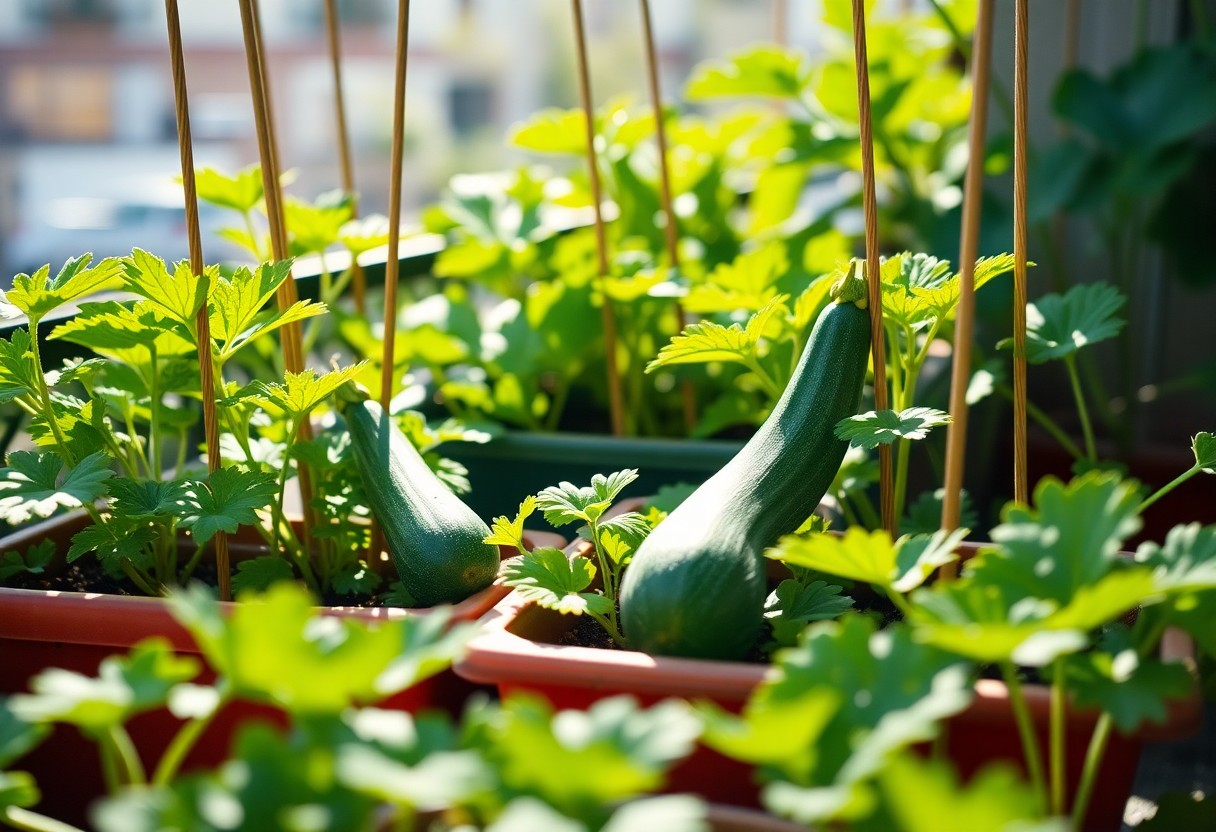
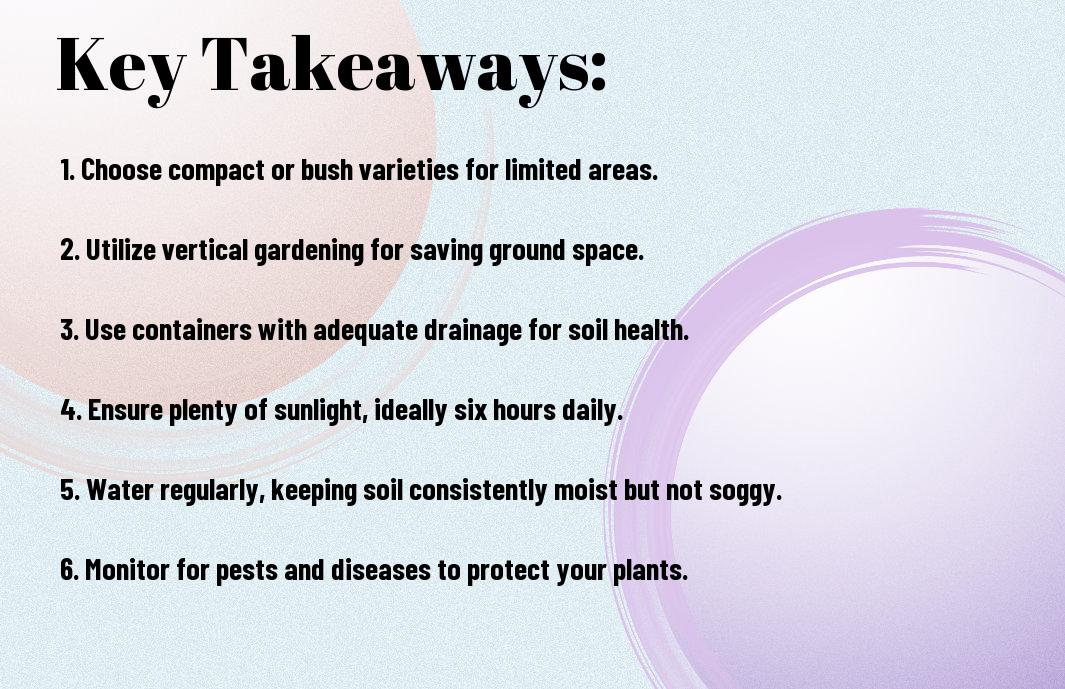
  • Choose a container that is at least 5-7 gallons to provide enough room for the zucchini roots to grow, and make sure it has drainage holes to prevent waterlogged soil.
  • Provide your zucchini plants with full sun and warm temperatures to promote healthy growth and fruit production, aiming for at least 6 hours of direct sunlight per day.
  • Use a trellis or cage to support the zucchini plants as they grow, keeping them upright and maximizing space, while also making it easier to harvest the fruit when it’s ready.

Choosing the Right Variety

A key factor in growing zucchini in small spaces is selecting a variety that thrives in tight conditions. You’ll want to look for varieties that are compact, produce smaller fruits, and have a bushy growth habit.

Selecting compact varieties

By opting for compact varieties, you can make the most of your limited space. You’ll find that these varieties are bred specifically for small gardens and containers, allowing you to grow delicious zucchini without sacrificing too much space.

Considering bush-type zucchinis

Bushtype zucchinis are an excellent choice for small spaces, as they spread less than traditional vining varieties. You can train them to grow upright or use a trellis to maximize space.

Hence, when considering bush-type zucchinis, you should also think about the specific growing conditions they require. You’ll want to provide your zucchinis with well-draining soil, full sun, and adequate water to ensure a bountiful harvest, and with the right care, you can enjoy a plentiful crop of delicious zucchinis even in the smallest of spaces.

Preparing the Soil

Now that you’re ready to grow zucchini in your small space, it’s time to focus on preparing the soil. You’ll want to ensure it’s well-draining and rich in nutrients to support healthy plant growth.

Testing soil pH levels

Alike other plants, zucchini prefers a slightly acidic to neutral soil pH, so you’ll want to test your soil to determine its pH level, adjusting it if necessary to create an optimal growing environment for your zucchini.

Adding organic matter

Along with testing your soil, you’ll also want to add organic matter such as compost or well-rotted manure to improve its structure and fertility, which will help your zucchini plants thrive in your small space.

It is vital to incorporate a 2-3 inch layer of organic matter into your soil, as this will not only improve its drainage but also provide your zucchini plants with the necessary nutrients for healthy growth and development, allowing you to enjoy a bountiful harvest from your small space.

Creating a Suitable Environment

All you need to do is provide your zucchini plants with the right conditions to thrive. Check out How to Grow Zucchini: You’ve Been Doing It All Wrong for more tips on creating an ideal environment.

Providing adequate sunlight

Suitable lighting is crucial for zucchini growth, and you should ensure your plants receive at least 6 hours of direct sunlight daily.

Ensuring good air circulation

Ensuring adequate space between plants is vital for healthy growth, as it allows for good air circulation and helps prevent disease.

This is especially important in small spaces, as poor air circulation can lead to fungal diseases that can quickly spread and damage your zucchini plants, so make sure to leave enough space between each plant to allow for good airflow, and consider using fans or other ventilation methods to improve circulation if necessary.

Container Gardening

For growing zucchini in small spaces, container gardening is an excellent option. You can use large pots or containers with good drainage to plant your zucchini seeds.

Selecting the right containers

Right from the start, you’ll want to choose containers that are at least 12-14 inches deep to accommodate your zucchini plant’s root system. Your container should also have drainage holes to prevent waterlogged soil.

Using trellises for support

On top of providing enough space, you’ll need to consider support for your zucchini plants as they grow. You can use trellises or cages to keep them upright and organized.

Selecting the right trellis for your zucchini plant is important, as it will help keep the plant upright and encourage vertical growth. You can use a tomato cage or a teepee trellis, and place it in the container when you plant your zucchini seeds, so the plant can grow up the trellis as it matures, making the most of your small space.

Watering and Maintenance

To grow healthy zucchini in small spaces, you need to focus on proper watering and maintenance techniques. This includes providing your plants with adequate water and nutrients, while also taking steps to prevent common issues like pests and diseases.

Watering deeply but infrequently

Maintenance of your zucchini plants’ watering schedule is key, as you want to water them deeply but infrequently to encourage deep root growth and make them more drought-resistant, allowing you to enjoy a bountiful harvest.

Mulching to retain moisture

Mulching around your zucchini plants helps to retain moisture in the soil, reducing the need for frequent watering and keeping your plants happy and healthy, as you work to create an ideal growing environment.

It is vital to use a layer of organic mulch, such as straw or wood chips, to retain moisture and suppress weeds, allowing you to direct your attention to other aspects of your zucchini’s care, like providing support and pruning, as you strive to get the most out of your small space garden.
Common Challenges

After starting to grow zucchini in small spaces, you may encounter some difficulties. For more information, you can visit Growing Zucchini in Small Spaces – Clever, Crafty, Cookin’ Mama to learn more about overcoming them.

Dealing with pests and diseases

Beneath the surface of your zucchini plants, pests and diseases can be lurking, so you need to be vigilant and take action quickly if you notice any issues.

Managing harvest and storage

Across the board, managing your zucchini harvest and storage effectively is key to enjoying your crop, so consider how you will use and preserve your zucchini to get the most out of your plants.

With a little planning, you can efficiently manage your zucchini harvest and storage, allowing you to make the most of your crop and enjoy it for a longer period, you can start by checking your plants daily for ripe zucchini and harvest them when they are at their peak freshness.
Conclusion

On the whole, you can successfully grow zucchini in small spaces by implementing a few key strategies. You will be able to enjoy a bountiful harvest by selecting compact varieties, utilizing vertical space, and providing your plants with sufficient light and care. With these tips, you can maximize your yield and make the most of your limited space, allowing you to enjoy your homegrown zucchini all season long.

FAQ

Q: What are the best containers to use for growing zucchini in small spaces?

A: When growing zucchini in small spaces, it’s best to use large containers that are at least 12-18 inches deep and have good drainage holes. Containers such as wooden planters, plastic pots, or even grow bags can be used, as long as they provide enough room for the zucchini plant’s roots to grow. Make sure to choose a container that is also wide enough to accommodate the plant’s sprawling habit, at least 2-3 feet in diameter.

Q: How much sunlight does zucchini need to grow in small spaces?

A: Zucchini plants require full sun to produce well, so choose a location that receives direct sunlight for at least 6 hours a day. If you’re growing zucchini in a small space with limited sunlight, consider using mirrors or reflective surfaces to reflect sunlight onto the plants. You can also use grow lights to supplement the natural light, especially during the winter months or in areas with limited sunlight.

Q: What is the best way to support zucchini plants in small spaces?

A: Zucchini plants can spread out quite a bit, so providing support is necessary to keep them upright and organized in small spaces. You can use tomato cages, trellises, or even a simple stake to provide support for the plants. Another option is to use a teepee or a pyramid trellis, which can help to keep the plants upright and make the most of the available space.

Q: How often should I water zucchini plants in small spaces?

A: Zucchini plants need consistent moisture, especially when they’re producing fruit. Water the plants when the top 1-2 inches of soil feels dry to the touch, and avoid overwatering, which can lead to root rot and other problems. Check the soil daily, and water every 2-3 days during hot weather, and every 4-5 days during cooler weather. Make sure to also fertilize the plants regularly, using a balanced fertilizer that is high in phosphorus to promote fruit production.

Q: How can I prevent pests and diseases from affecting my zucchini plants in small spaces?

A: To prevent pests and diseases from affecting your zucchini plants in small spaces, make sure to keep the area clean and well-ventilated. Remove any weeds or debris that can attract pests, and avoid overcrowding the plants, which can lead to disease. Use organic pest control methods whenever possible, such as neem oil or insecticidal soap, and treat fungal diseases promptly with a fungicide. Regularly inspect the plants for signs of pests or diseases, and take action quickly to prevent the problem from spreading.
How to Incorporate Water-Saving Techniques in Gardening

As you strive to maintain a lush and thriving garden, you can take steps to reduce your water usage. You can start by implementing efficient irrigation systems and choosing drought-tolerant plants. For more insights, you can explore 10 Tips for Water Conservation in Vegetable Gardens to optimize your garden’s water consumption, helping your garden flourish while conserving this precious resource.

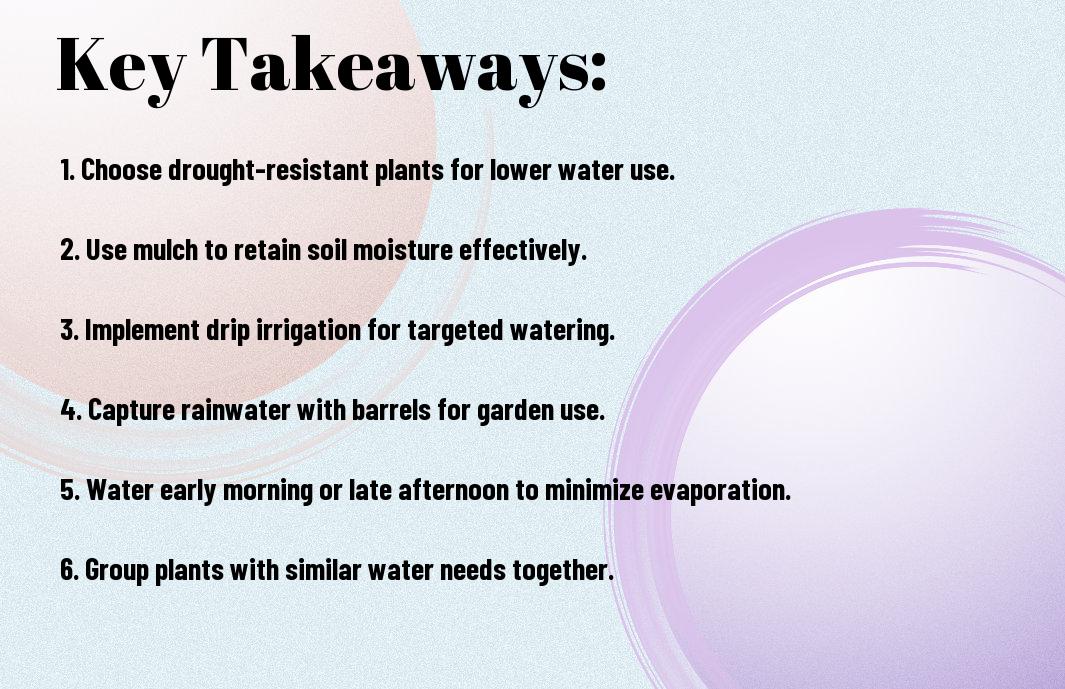
Key Takeaways:

To achieve water efficiency in gardening, consider the following techniques:

  • Use drip irrigation systems, which deliver water directly to the roots of plants, reducing evaporation and runoff.
  • Implement mulching practices, which help retain moisture in the soil, suppress weeds, and regulate soil temperature.
  • Choose drought-resistant plants and group them according to their watering needs, minimizing water waste and ensuring that each plant receives the right amount of moisture.

Planning a Water-Efficient Garden

The first step in creating a water-efficient garden is to assess your current water usage and identify areas for improvement. You will need to consider your climate, soil type, and the types of plants you want to grow. By doing so, you can create a garden that is not only beautiful but also sustainable.

Assessing Water Usage

Along with evaluating your garden’s specific needs, you should consider the amount of rainfall your area receives and the efficiency of your irrigation system. You will be able to make informed decisions about how to optimize your water usage.

Choosing Drought-Tolerant Plants

After selecting the perfect location for your garden, you can start choosing plants that are adapted to thrive in conditions with minimal water. You will find a wide variety of drought-tolerant plants to choose from, each with its unique characteristics and benefits.

Understanding the specific needs of drought-tolerant plants will help you make the most of your water-efficient garden. You can group plants with similar water requirements together, and use mulch and other techniques to retain moisture in the soil, allowing you to reduce your water consumption while still enjoying a lush and vibrant garden.

Soil Conservation Methods

Some effective soil conservation methods can help you reduce water waste in your garden. You can learn more about water-saving techniques by visiting 10 Easy Ways to Save Water in Your Yard and Garden for tips on efficient gardening.

Mulching Techniques

Conversely, using mulch helps retain soil moisture, reducing the need for frequent watering, allowing you to conserve water in your garden.

Composting for Healthy Soil

By adopting composting practices, you can create a nutrient-rich soil that supports healthy plant growth, reducing your reliance on synthetic fertilizers and minimizing water consumption.

And as you start composting, you’ll notice improvements in your soil’s structure and water-holding capacity, enabling your plants to thrive with less water, making your garden more sustainable and environmentally friendly.

Watering Strategies

All gardeners can benefit from implementing efficient watering strategies to reduce their water consumption. You can start by assessing your garden’s specific needs and adjusting your watering schedule accordingly. This will help you minimize waste and ensure your plants receive the right amount of moisture.

Drip Irrigation Systems

Around the world, drip irrigation systems have proven to be an effective way to deliver water directly to the roots of your plants, reducing evaporation and runoff. You can install a drip irrigation system in your garden to target specific areas and reduce water waste.

Rainwater Harvesting

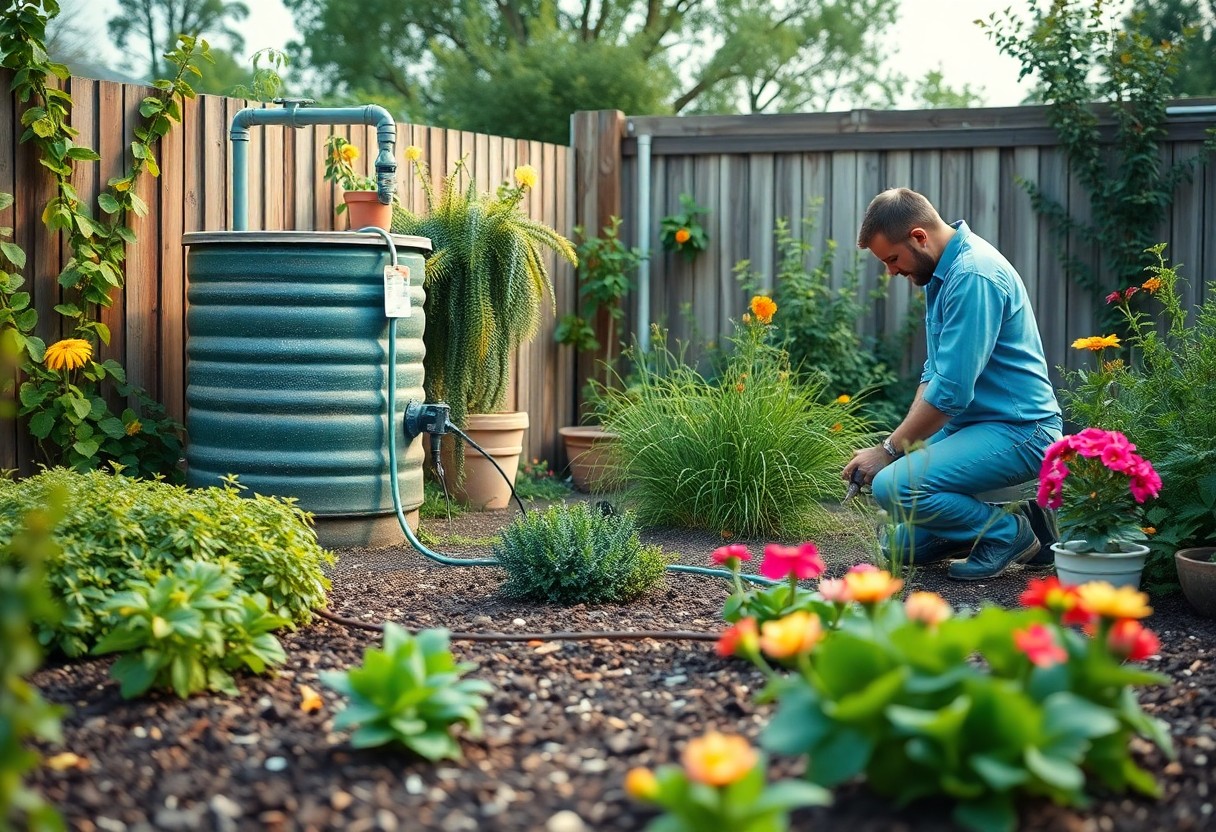
Beneath the surface of your garden, rainwater harvesting can be a valuable resource. You can collect and store rainwater in barrels or tanks to use for watering your plants, reducing your reliance on municipal water supplies.

This method not only conserves water but also reduces stormwater runoff and decreases the amount of pollutants entering local waterways. You can use the collected rainwater for irrigation, and also for other non-potable purposes such as washing garden tools or cleaning outdoor furniture, making it a valuable addition to your water-saving toolkit.

Selecting Water-Saving Tools

To incorporate water-saving techniques in your gardening, you need to select the right tools. You can start by choosing tools that help reduce water waste and optimize water usage.

Water-Efficient Hoses and Nozzles

Beneath the surface of traditional gardening tools, you’ll find water-efficient hoses and nozzles that can help you save water. You can opt for hoses with built-in timers and nozzles with low-flow settings to minimize water waste.

Moisture Sensors and Meters

Among the various tools available, you’ll find moisture sensors and meters that help you monitor your garden’s water levels. You can use these tools to determine when your plants need water, ensuring you don’t overwater or underwater.

And by using moisture sensors and meters, you can tailor your watering schedule to your garden’s specific needs, taking into account factors like soil type, climate, and plant species. This allows you to make informed decisions about your watering practices, optimizing water usage and promoting healthy plant growth in your garden.

Maintaining a Water-Smart Garden

Not only will a water-smart garden help you save water, but it will also ensure your plants thrive. You can learn more about Effective Water Conservation Techniques to optimize your garden’s water usage.

Regular Monitoring and Adjustments

Beneath the surface of a successful water-smart garden lies regular maintenance, which you can achieve by monitoring your garden’s condition and adjusting your techniques as needed to ensure optimal water usage.

Seasonal Watering Schedules

With the changing seasons, your watering schedule should also adapt to ensure your garden receives the right amount of moisture, and you can achieve this by understanding the specific needs of your plants during each season.

Understanding the seasonal watering needs of your garden will help you create an effective watering schedule, allowing you to make the most of your water conservation efforts, and as you continue to tend to your garden, you will find that your water usage decreases while your garden’s health and beauty increase, leading to a thriving and sustainable outdoor space that you can enjoy for years to come.

Creative Water Conservation Ideas

Despite the challenges of water scarcity, you can still maintain a beautiful garden by implementing creative water-saving techniques. You can use drought-tolerant plants, collect rainwater, and utilize efficient irrigation systems to minimize water waste.

Grey Water Systems

Across your garden, you can implement grey water systems that reuse water from sinks, washing machines, and showers for irrigation purposes, reducing your water consumption and lowering your water bills.

Xeriscaping and Desert Gardening

With water conservation in mind, you can adopt xeriscaping and desert gardening techniques that use low-water plants and efficient irrigation systems, allowing you to create a stunning garden that thrives in dry conditions.

Understanding the principles of xeriscaping and desert gardening, you can design a garden that not only saves water but also provides a unique and beautiful landscape. You can choose from a variety of plants that are adapted to dry conditions, such as cacti and succulents, and use mulch and gravel to retain moisture and suppress weeds, creating a sustainable and low-maintenance garden that you can enjoy for years to come.

To wrap up

Following this guide, you can effectively incorporate water-saving techniques in your gardening practices. You will be able to create a beautiful and sustainable garden while conserving water. By implementing these methods, you can reduce your water consumption and protect your local environment. As you continue to nurture your garden, you will see the positive impact of your water-saving efforts on your plants and your community, making your gardening experience even more fulfilling.

FAQ

Q: What are some effective ways to conserve water in my garden?

A: There are several ways to conserve water in your garden, including the use of drip irrigation systems, which deliver water directly to the roots of plants, reducing evaporation and runoff. Additionally, using mulch can help retain soil moisture, reducing the need for frequent watering. You can also use rain barrels to collect and store rainwater for later use. Furthermore, choosing drought-tolerant plants can help reduce water consumption, and implementing a schedule for watering can help ensure that your plants are receiving the right amount of moisture.

Q: How can I determine the right amount of water for my plants?

A: To determine the right amount of water for your plants, you need to consider the type of plant, soil type, and climate. Check the soil moisture by inserting your finger into the soil up to the knuckle, if the soil feels dry, it’s time to water. You can also use a soil moisture meter to get a more accurate reading. Water your plants deeply but infrequently to encourage deep root growth, and avoid overwatering, which can lead to root rot and other problems. It’s also a good idea to water your plants in the early morning or evening to minimize evaporation.

Q: What are some water-saving techniques for lawn care?

A: For lawn care, you can implement several water-saving techniques. Raise your mower blade to 3 inches to promote deeper root growth, which requires less water. You can also use drought-tolerant grass species, which require less watering. Additionally, consider using a rain sensor on your sprinkler system, which can detect when it’s raining and turn off the system. Aerating your lawn once a year can also help improve water penetration and reduce runoff. Finally, consider using a broom or leaf blower to remove debris instead of watering your lawn to wash it away.

Q: Can I use greywater in my garden, and if so, how?

A: Yes, you can use greywater in your garden, but it’s imperative to take some precautions. Greywater is wastewater generated from sinks, showers, and washing machines, and it can be used to water plants, but it’s not suitable for all plants. You can use a greywater system to collect and treat the water, and then use it to irrigate your garden. However, it’s imperative to check with your local authorities to see if greywater use is allowed in your area, and to follow proper treatment and safety guidelines to avoid contamination. Greywater should not be used on edible plants or plants that produce fruit or seeds that will be eaten.

Q: How can I maintain my garden’s soil to reduce water consumption?

A: To maintain your garden’s soil and reduce water consumption, add organic matter like compost or well-rotted manure to improve soil structure and increase its water-holding capacity. Use cover crops to protect the soil from erosion and retain moisture. You can also use alayer of mulch to retain soil moisture and suppress weeds that compete with your plants for water. Additionally, avoid over-tilling, which can damage soil structure and reduce its ability to hold water. By maintaining healthy soil, you can reduce the need for frequent watering and create a more resilient and water-efficient garden.

How to Create a Decorative Garden Border

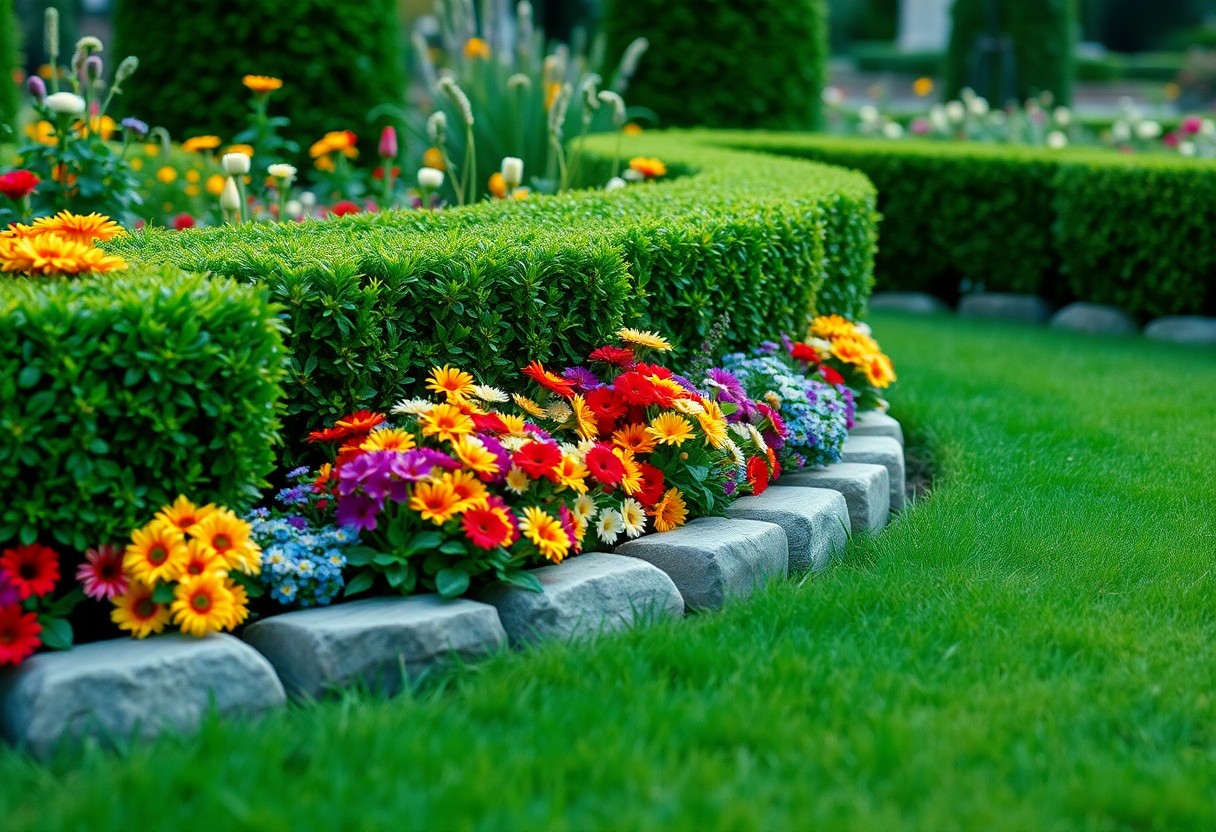
As you step into your outdoor space, you want to be surrounded by beauty and serenity. Your garden border is the perfect place to start, and with a few simple steps, you can transform it into a stunning focal point. You can use a variety of materials and plants to create a unique and elegant look that reflects your personal style, adding texture, color, and depth to your garden, making it a haven that you’ll enjoy for years to come.

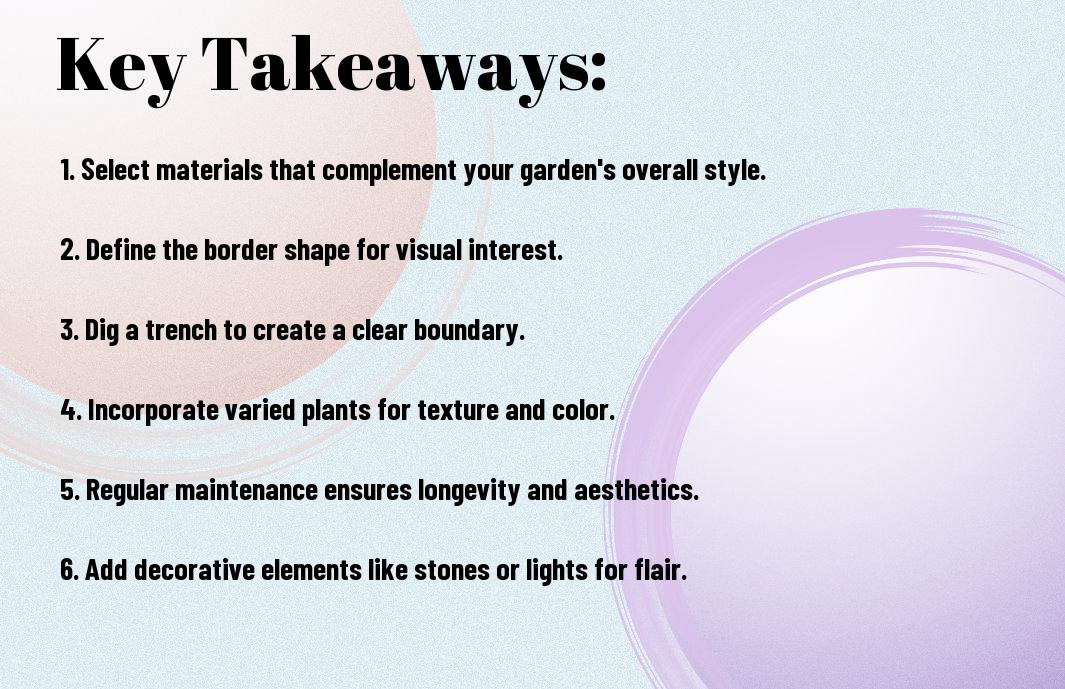
Key Takeaways:

To create a beautiful and functional decorative garden border, consider the following points:

  • Choose a theme that fits your personal style and the overall aesthetic of your garden, such as a formal or cottage style, to guide your plant and material selections.
  • Select a variety of plants with different textures, colors, and heights to add depth and visual interest to your border, and consider factors like sunlight and soil type when making your choices.
  • Use hardscaping materials like stones, bricks, or wood to define the edge of your border and add a decorative element, and consider adding ornamental features like statues or birdbaths to enhance the overall ambiance of your garden.

Planning Your Garden Border

Your garden border is an opportunity to add a personal touch to your outdoor space. You can create a beautiful and functional border with a little planning and creativity. Consider the style and theme you want to achieve, as well as the plants and materials you will use.

Assessing Your Space

Against the backdrop of your existing landscape, evaluate the area where you want to create your garden border. Consider the amount of sunlight, soil type, and drainage in the area, as these factors will influence your plant choices.

Choosing a Theme

Assessing your personal style and preferences, you can select a theme that reflects your taste and complements your home’s architecture. You may opt for a modern, traditional, or whimsical theme, depending on your desired aesthetic.

In fact, choosing a theme is an exciting part of the process, as it allows you to express your creativity and vision. You can draw inspiration from various sources, such as nature, art, or architecture, to create a unique and beautiful garden border that reflects your personality and style, and enhances your outdoor space, making it a lovely retreat for you to enjoy.

Selecting Border Materials

Some of the most beautiful garden borders start with the right materials, and you can find inspiration online, such as on 37 Garden Edging Ideas To Dress Up Your Landscape Designs, to help you choose the perfect elements for your outdoor space.

Plants and Flowers

Besides the physical borders, you will want to select plants and flowers that complement your garden’s style and your personal taste, considering factors like color, texture, and growth habits to create a stunning display.

Decorative Elements

Bordering your garden with decorative elements can add a touch of elegance, and you can choose from a variety of items like stones, bricks, or wooden ornaments to enhance your garden’s beauty.

Understanding how to balance decorative elements with plants and other features is key to creating a harmonious and inviting garden border, and as you consider your options, think about how you want your garden to feel and look, and select elements that reflect your personal style and complement your outdoor space, allowing you to enjoy your beautiful garden border for years to come.

Designing Your Border

For a beautiful garden border, you’ll want to consider the overall aesthetic you’re aiming to achieve. Think about the style of your garden and the surrounding landscape to ensure your border complements its surroundings.

Creating a Focal Point

Developing a focal point in your border will draw the eye and create visual interest. You can achieve this by using a statement piece, such as a large statue or a vibrant plant, to anchor your design.

Balancing Texture and Color

Only by considering the textures and colors you use in your border can you create a harmonious and visually appealing space. You’ll want to balance smooth leaves with prickly stems and bright flowers with muted foliage to keep your border interesting.

Plus, to add depth and visual interest to your border, you can combine plants with different growing habits, such as upright and trailing varieties, and incorporate decorative elements like stones or bricks to enhance the overall design, ensuring your border is a beautiful frame for your garden.

Preparing the Site

Keep your garden border in mind as you prepare the site, considering the overall aesthetic you want to achieve. For a beautiful and unique edge, consider learning How to Create Natural Edging to add a personal touch to your garden.

Clearing and Cleaning

Beside the area where you plan to create your garden border, clear the space of any debris, weeds, or obstructions to give you a clean slate to work with, allowing you to envision your design more easily.

Edging and Marking

The first step in creating your decorative garden border is to define its boundaries, which will help guide your planting and design decisions, giving your garden a polished look.

Preparing your garden border’s edges and markings is an imperative part of the process, as it will help you establish a clear plan for your garden’s layout, allowing you to make the most of your space and create a beautiful, cohesive design that you will enjoy for years to come, and as you work on your edging and marking, you will start to see your garden vision take shape, helping you to make any necessary adjustments before planting.

Planting and Arranging

Now that you have prepared your garden border, it’s time to think about the fun part – planting and arranging your flowers, shrubs, and other decorative elements. You will want to consider the mature size of each plant, as well as their growing conditions and maintenance needs.

Plant Selection and Placement

One of the most important decisions you will make is selecting the right plants for your garden border. You should choose plants that fit your lifestyle and the specific conditions of your garden, such as sunlight and soil type, and place them in a way that creates a visually appealing arrangement.

Adding Decorative Features

Between the plants, you can add decorative features like stones, shells, or other ornaments to give your garden border a personal touch. You can use these features to create a cohesive look or add a pop of color and texture to your garden.

Features such as sundials, bird baths, or sculpture can add an extra layer of beauty and interest to your garden border. You can place them in a prominent spot, like a corner or a focal point, to draw the eye and create a sense of drama, making your garden border a unique and inviting space that reflects your personal style.

Maintenance and Upkeep

Despite the beauty of your decorative garden border, it will require some attention to keep it looking its best. You’ll need to stay on top of tasks to ensure your garden remains vibrant and healthy.

Watering and Pruning

Maintenance of your garden border involves regular watering and pruning to promote growth and prevent overgrowth. You should water your plants deeply but infrequently to encourage deep root growth, and prune them regularly to maintain shape and size.

Seasonal Refreshers

Beneath the surface of your garden border, there are opportunities to refresh and renew your design with each changing season. You can update your border with seasonal flowers, foliage, and decorations to keep it looking fresh and exciting.

And as you consider seasonal refreshers, think about how you can incorporate holiday-themed decorations, such as pumpkins in the fall or poinsettias in the winter, to add a personal touch to your garden border. You can also divide and replant perennials, and add new plants to keep your garden border looking vibrant and dynamic throughout the year.

To wrap up

With these considerations, you can create a decorative garden border that enhances your outdoor space. You will have a beautiful and thriving garden that showcases your personal style. By following these steps, you will be able to enjoy your lovely garden border for years to come, and your yard will be the envy of your friends and family. Your hard work will pay off, and you will have a stunning garden to enjoy.

FAQ

Q: What is the first step in creating a decorative garden border?

A: The first step in creating a decorative garden border is to plan and design the border. This involves deciding on the theme, style, and size of the border, as well as selecting the plants, materials, and features that will be included. It’s a good idea to sketch out a rough design and make a list of the materials and plants you’ll need before you start.

Q: What types of materials can be used to create a decorative garden border?

A: There are many different types of materials that can be used to create a decorative garden border, including brick, stone, wood, metal, and plastic. The choice of material will depend on the style and theme of the border, as well as the budget and personal preference. Some popular options include brick edging, stone walls, and wooden planters.

Q: How do I choose the right plants for my decorative garden border?

A: Choosing the right plants for your decorative garden border involves considering a number of factors, including the climate, soil type, and amount of sunlight the border will receive. You’ll also want to think about the color, texture, and size of the plants, and how they will work together to create a cohesive look. Some popular plants for garden borders include flowering shrubs, grasses, and perennials.

Q: Can I use recycled materials to create a decorative garden border?

A: Yes, recycled materials can be a great option for creating a decorative garden border. Old brick, stone, and wood can be reclaimed and reused to create a unique and eco-friendly border. Other recycled materials, such as plastic bottles and old CDs, can also be used to create decorative features like planters and wind chimes.

Q: How do I maintain my decorative garden border once it’s been created?

A: Maintaining a decorative garden border involves regular watering, weeding, and pruning to keep the plants healthy and looking their best. You’ll also want to check the border regularly for any damage or wear and tear, and make repairs as needed. Additionally, you may want to consider adding a layer of mulch or compost to the border to help retain moisture and suppress weeds.

The Best Ways to Use Pebbles in Garden Design

As you contemplate the aesthetics of your outdoor space, you may find yourself drawn to the simple, understated beauty of pebbles. You can use them to create meandering pathways, or as a decorative accent to complement your garden’s existing features. With a little creativity, you can transform your garden into a serene oasis, where the subtle charm of pebbles adds depth and visual interest to your carefully crafted landscape, inviting you to linger and appreciate the beauty of nature.

Key Takeaways:

To create a stunning garden design, incorporating pebbles can add texture, color, and functionality. Here are the main points to consider:

  • Using pebbles as mulch can help retain moisture, suppress weeds, and regulate soil temperature, making it an ideal choice for garden beds and pathways.
  • Incorporating pebble mosaics or patterns can add visual interest and create a unique focal point in the garden, making it a great way to personalize your outdoor space.
  • Choosing the right color and size of pebbles is crucial to complement the overall garden design, as it can enhance the beauty of plants, flowers, and other landscape features, and create a harmonious atmosphere.

Choosing the Right Pebbles

Before selecting pebbles for your garden, consider the overall aesthetic you wish to achieve. You will want to choose pebbles that complement your garden’s style and blend seamlessly with the surrounding landscape, creating a harmonious and balanced atmosphere.

Color and Texture Considerations

Following your initial assessment, you will find that the color and texture of the pebbles play a significant role in enhancing your garden’s beauty. You can opt for pebbles in soothing shades of grey, beige, or white, or introduce a pop of color with vibrant hues to add visual interest to your outdoor space.

Sizes and Shapes to Suit Your Design

Among the numerous options available, you will discover that pebbles come in a variety of sizes and shapes, allowing you to tailor your selection to suit your unique garden design. You can choose from small, rounded pebbles or larger, more irregularly shaped ones, depending on the desired effect.

Design is all about experimentation and creativity, and when it comes to selecting the right pebble size and shape for your garden, you have the freedom to mix and match different types to create a unique and captivating visual display. You can use smaller pebbles to create a sense of fluidity and movement, while larger pebbles can add a sense of stability and structure to your garden, allowing you to create a captivating outdoor space that reflects your personal style.

Pebble Pathways and Walkways

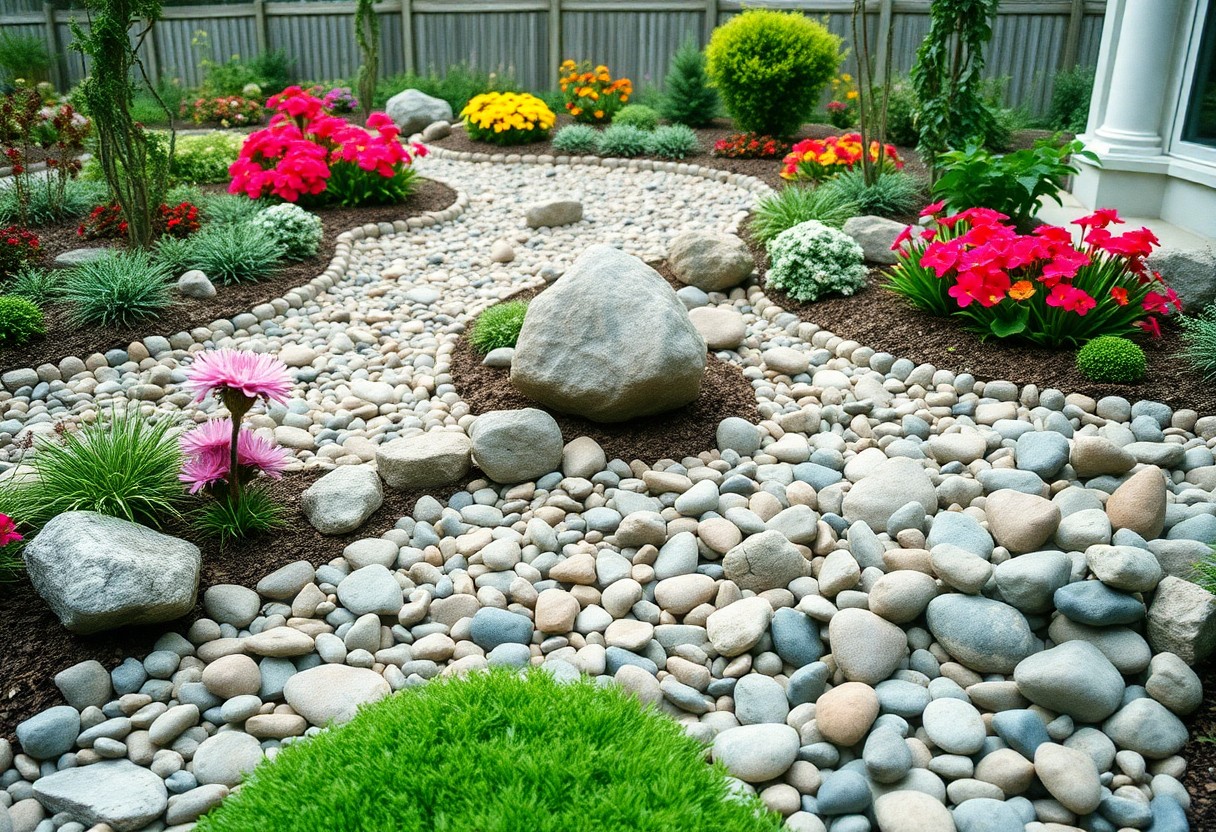
It is in the gentle curves and soft hues of pebble pathways that your garden’s unique character begins to unfold. As you consider incorporating pebbles into your garden design, envision the serene ambiance they can create, inviting you to meander through your outdoor space with ease and tranquility.

Creating Meandering Paths

For a truly enchanting effect, you can use pebbles to craft winding paths that guide you through your garden, pausing at carefully placed benches or beneath a blooming arbor. This thoughtful design element encourages you to slow your pace, allowing the beauty of your surroundings to unfold.

Using Pebbles to Define Gardens Spaces

To add depth and visual interest to your garden, you can use pebbles to demarcate distinct areas, such as a tranquil seating nook or a vibrant flowerbed, drawing your eye to the unique features of each space and creating a sense of harmony throughout your outdoor oasis.

Another delightful aspect of using pebbles to define garden spaces is the ability to create a sense of continuity and flow, as the soft, rounded stones seem to connect each area, inviting you to explore and discover the secrets of your beautifully designed garden, where every step reveals a new delight, and every glance yields a fresh perspective on the beauty that surrounds you.

Decorative Accents

All garden designers know that pebbles can add a touch of elegance to your outdoor space, and when used as decorative accents, they can elevate your garden design to a whole new level, bringing a sense of sophistication and beauty to your surroundings.

Embedding Pebbles in Concrete

Beneath the surface of a well-designed garden, pebbles embedded in concrete can create a stunning visual effect, adding texture and interest to your pathways and patios, allowing you to create a unique and personalized look that reflects your style.

Creating Mosaics and Patterns

Following the placement of pebbles in your garden, you can use them to create intricate mosaics and patterns, adding a decorative element to your outdoor space, and with a little creativity, you can design a beautiful and eye-catching display that showcases your personal taste.

The process of creating mosaics and patterns with pebbles can be a fun and rewarding experience, as you experiment with different colors, shapes, and designs, allowing you to express your creativity and bring your garden to life, and as you work, you can step back and admire the beauty of your handiwork, enjoying the satisfaction of having created something truly unique and special in your garden.

Water Features and Fountains

Unlike other garden design elements, pebbles can add a unique touch to your water features, creating a soothing and serene atmosphere. You can use pebbles to enhance the beauty of your fountains, ponds, and streams, making them a focal point in your garden.

Using Pebbles to Line Ponds and Streams

To create a natural and elegant look, you can use pebbles to line the edges of your ponds and streams, adding a touch of sophistication to your water features. You can choose pebbles in various colors and shapes to complement your garden’s style.

Creating Pebble-Faced Waterfalls

Among the many ways to use pebbles in your garden, creating a pebble-faced waterfall is a stunning option. You can use pebbles to face the waterfall, creating a beautiful and unique feature that will add visual interest to your garden.

But as you initiate on creating a pebble-faced waterfall, you will discover the numerous possibilities it offers. You can experiment with different pebble colors and patterns, and combine them with other natural elements, such as plants and rocks, to create a truly breathtaking feature that will become the centerpiece of your garden, inviting you to sit and contemplate the gentle sound of the water flowing over the pebbles.

Ground Cover and Mulch

Once again, you can elevate your garden design by incorporating pebbles as a ground cover or mulch, and for inspiration, you can watch a video on Landscaping Pebbles Ideas, to explore the possibilities.

Using Pebbles as a Low-Maintenance Ground Cover

LowMaintenance solutions are often the most appealing, and using pebbles as a ground cover is an excellent way to achieve this, as it suppresses weeds and retains moisture, making your garden look effortlessly elegant.

Mixing Pebbles with Other Mulch Materials

Mulch materials can be combined to create a unique look, and mixing pebbles with other elements can add texture and visual interest to your garden, allowing you to personalize your outdoor space.

To create a stunning and functional ground cover, you can combine pebbles with organic materials like bark or leaves, which will not only enhance the aesthetic of your garden but also provide a natural and eco-friendly solution for retaining moisture and suppressing weeds, allowing you to enjoy your beautifully designed garden with minimal upkeep, as you desire.

Creative Ideas and Inspiration

After exploring the various textures and colors of pebbles, you can unlock a world of creative possibilities in your garden design, allowing you to express your unique style and flair, as you envision a space that is both beautiful and serene.

Incorporating Pebbles into Sculptures and Ornaments

For a touch of elegance, you can incorporate pebbles into your garden sculptures and ornaments, adding a sense of sophistication and refinement to your outdoor space, as you carefully select each pebble to complement your design.

Using Pebbles to Create a Sense of Movement and Flow

After considering the layout of your garden, you can use pebbles to create a sense of movement and flow, guiding the eye through your beautifully designed space, as you arrange the pebbles in a pattern that invites exploration and discovery.

In addition, as you work with pebbles to create a sense of movement and flow, you will find that your garden becomes a dynamic and engaging space, with the pebbles drawing your eye to different areas, and encouraging you to meander along the winding paths, taking in the beauty of your surroundings, and savoring the tranquility of your outdoor oasis, as you enjoy the fruits of your labor.

Conclusion

On the whole, you have discovered the elegance pebbles can bring to your garden design. As you plan your outdoor space, consider the ways pebbles can enhance your landscape. For more inspiration, visit 330 Best Pebble garden ideas in 2024 to spark your creativity, and your garden will flourish with the beauty of pebbles, reflecting your unique style and flair.

FAQ

Q: What are the benefits of using pebbles in garden design?

A: Using pebbles in garden design offers several benefits, including improved drainage, weed suppression, and aesthetic appeal. Pebbles can help to prevent waterlogged soil, reduce the need for frequent watering, and create a visually appealing contrast to plants and other garden features. Additionally, pebbles come in a variety of colors and textures, allowing homeowners to choose the perfect style to complement their garden’s unique theme and design.

Q: How can I use pebbles to create a beautiful and functional garden path?

A: To create a beautiful and functional garden path using pebbles, start by clearing the area of any debris and vegetation. Then, lay down a layer of landscaping fabric to prevent weeds from growing up through the pebbles. Next, spread a layer of pebbles over the fabric, using a rake to create a smooth and even surface. You can also use pebbles in combination with other materials, such as brick or stone, to create a unique and visually appealing path. Finally, add some solar-powered lights or lanterns to illuminate the path and create a warm ambiance in the evening.

Q: Can I use pebbles as a mulch alternative in my garden beds?

A: Yes, pebbles can be used as a mulch alternative in garden beds. Unlike organic mulches, such as wood chips or bark, pebbles do not decompose over time and can help to suppress weeds and retain moisture in the soil. Additionally, pebbles can help to regulate soil temperature, keeping it cooler in the summer and warmer in the winter. However, it’s worth noting that pebbles can be more expensive than traditional mulches and may not provide the same level of nutrients to the soil.

Q: How can I incorporate pebbles into my garden’s water feature design?

A: Pebbles can be a beautiful and functional addition to a garden’s water feature design. They can be used to create a decorative border around a pond or fountain, or as a base material for a small stream or waterfall. To incorporate pebbles into your water feature design, start by choosing a color and texture that complements the surrounding landscape. Then, use a combination of large and small pebbles to create a visually appealing pattern or design. Finally, add some aquatic plants or flowers to the water feature to create a natural and soothing oasis.

Q: Are there any special considerations I should keep in mind when using pebbles in my garden design?

A: Yes, there are several special considerations to keep in mind when using pebbles in your garden design. For example, pebbles can be slippery when wet, so it’s a good idea to use them in combination with other materials, such as brick or stone, to create a non-slip surface. Additionally, pebbles can be displaced by heavy foot traffic or weather events, so it’s a good idea to use a landscaping fabric or other stabilizing material to keep them in place. Finally, pebbles can be prone to weed growth, so it’s a good idea to use a pre-emergent herbicide or other weed control method to prevent weeds from growing up through the pebbles.

How to Build a DIY Outdoor Storage Bench

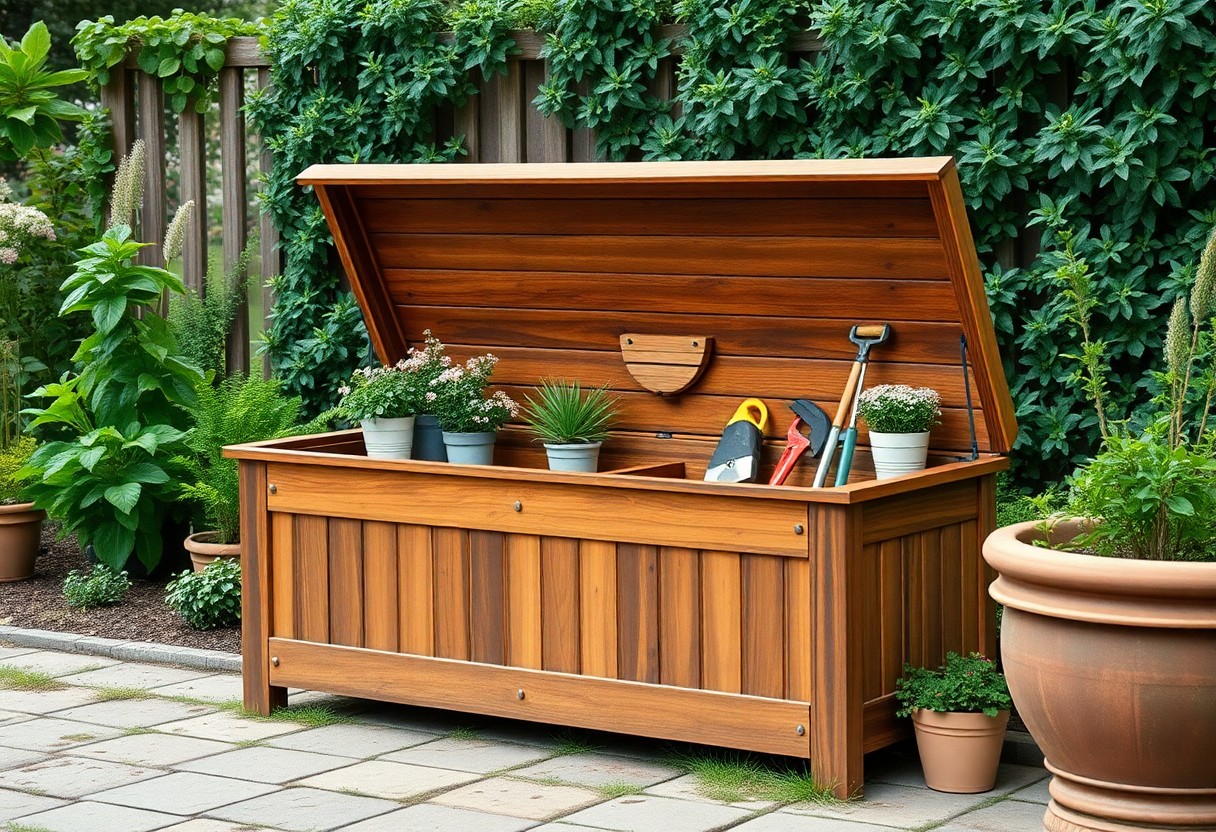
You’re fixin’ to build yourself a storage bench, and I’m here to guide you through it. With your trusty tools and a bit of elbow grease, you’ll be sittin’ pretty on your new bench in no time. Your backyard is about to get a whole lot more organized, and your neighbors will be green with envy. So, grab your hammer and let’s get started on this DIY adventure, where you’ll learn to build a sturdy outdoor storage bench that’s perfect for stashing your gear.

Key Takeaways:

To build a DIY outdoor storage bench, consider the following points:

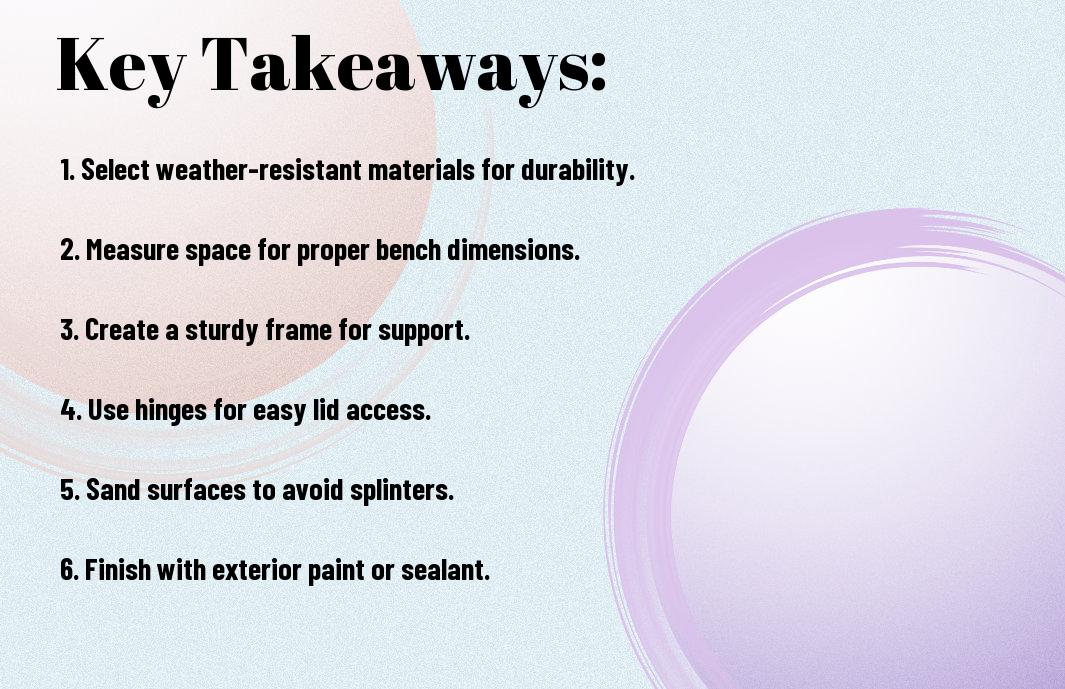
  • Choose the right materials, such as weather-resistant wood or composite materials, to ensure the bench can withstand various weather conditions.
  • Consider the design and size of the bench to fit your outdoor space and storage needs, taking into account the style and functionality you want to achieve.
  • Follow a step-by-step guide or plan to ensure a successful build, and don’t hesitate to add personal touches, such as cushions or decorations, to make the bench more comfortable and inviting.

Planning and Design

While planning your DIY outdoor storage bench, you’ll want to get some inspiration from the pros, so head on over to How to Build an Outdoor Storage Bench for some sweet ideas. This will help you get a sense of what you like and what will work for your space.

Measuring Your Space

To determine the perfect size for your bench, take stock of the area where it’ll live, considering the length, width, and any obstructions.

Choosing Materials

An imperative part of the process is selecting the right materials for your project, so consider what will withstand the elements and fit your style.

In fact, you’ll have a plethora of options to choose from, including cedar, reclaimed wood, and composite materials, each with its own unique characteristics and benefits, so take your time and pick the one that’s right for you and your outdoor storage bench vision.

Building the Frame

It seems like a daunting task, but building the frame of your outdoor storage bench is a straightforward process, and with the right tools, you’ll be done in no time, crafting a sturdy foundation for your bench.

Cutting the Lumber

Around this stage, you’ll start to see your project come together, and with your measurements in hand, you’ll begin cutting the lumber into the required pieces, making sure to follow your plan closely, as you set the stage for a solid frame.

Assembling the Structure

Against the backdrop of a well-cut set of lumber pieces, you’ll start assembling the structure, using your trusty drill and screws to bring the frame together, carefully ensuring that all corners are square and the entire thing is level, a feat that requires some patience, but yields great results.

Due to the simplicity of this design, you’ll find that assembling the structure is a breeze, and as you tighten the last screw, you’ll feel a sense of pride and accomplishment, knowing that your outdoor storage bench is starting to take shape, and with a few more steps, you’ll be enjoying your new creation, complete with a sturdy frame that will withstand the elements and provide ample storage for your outdoor gear, all thanks to your hard work and attention to detail.

Adding the Seat and Back

All the pieces are coming together, and now it’s time to add the seat and back to your outdoor storage bench. You’ll be attaching the seat slats and backrest, which will provide a comfortable place to sit and a sturdy back support.

Installing the Seat Slats

Across the frame, you’ll be placing the seat slats, spacing them evenly apart to create a sturdy and comfortable surface. You’ll use screws to secure them in place, making sure they’re level and evenly aligned.

Attaching the Backrest

By this point, you’re getting close to finishing your bench, and attaching the backrest is a significant step. You’ll be using screws to secure the backrest to the frame, making sure it’s at a comfortable angle and evenly aligned with the seat.

Plus, when attaching the backrest, you’ll want to make sure it’s sturdy enough to support your weight, so don’t be shy with the screws. You’ll also want to consider adding some extra support, like a horizontal slat or two, to give it some extra stability and ensure it can withstand the elements and frequent use. As you’re building this, you’re probably thinking about all the times you’ll be sitting on this bench, enjoying the outdoors, and you want to make sure it’s built to last. So, take your time, and get it just right, you’ll be glad you did.

Installing Storage

Your outdoor storage bench is starting to take shape, and now it’s time to add the storage component, because let’s face it, you’ve got some stuff to stow.

Building the Storage Compartment

After constructing the frame, you’ll need to build the storage compartment. Here’s a breakdown of the materials you’ll need:

Material Quantity
Lumber 2-3 pieces
Hinges 2-3 sets

Adding a Lid or Door

With the compartment built, you can now add a lid or door to keep your stored items secure and out of the elements. You’ll want to choose a design that fits your needs, whether it’s a simple lid or a more complex door system.

Indeed, adding a lid or door is where you can get creative and add some personality to your storage bench. You can choose from a variety of materials, such as wood or metal, and add decorative hardware to give it a unique look. As you’re building, you’ll be thinking about how you’ll use this bench, and what kind of items you’ll be storing, so choose a design that fits your lifestyle, and don’t be afraid to add your own personal touch.

Finishing Touches

Keep in mind that the final steps are just as important as the initial build, and you can find more information on How to Build a Simple and Beautiful Outdoor Storage Bench at this detailed guide. Now, let’s get to the fun part – making your bench look sharp!

Sanding and Staining

Behind the scenes of a beautiful finish lies a whole lot of sanding and staining, so get ready to put in some elbow grease, you’ll be happy with the outcome, trust me.

Adding Hardware and Decor

Any decorate details you add will give your bench some serious personality, so pick something that reflects your style, and have fun with it, you’re almost done!

Sanding down the wood to a smooth finish, you’ll be ready to add the hardware and decor that will make your outdoor storage bench truly shine, now it’s time to add a coat of polyurethane and attach the lid hinges, and any other decorative elements you like, you’ve earned it, your bench is looking great!

Safety Precautions

For your own well-being, take necessary precautions when building your DIY outdoor storage bench. You’ll be working with power tools and materials that can cause injury if not handled properly.

Protective Gear

Gearing up with the right equipment is vital, you’ll need safety glasses, a dust mask, and gloves to protect yourself from debris and splinters.

Electrical Safety

Avoiding electrical hazards is key, you should keep your work area clear of cords and wires, and never use power tools near water or in wet conditions.

It is also important to use ground fault circuit interrupter (GFCI) protected outlets when working with power tools, and to keep your tools well-maintained to prevent electrical shock, you don’t want to become a human lightning rod, so take your time and be mindful of your surroundings.

Summing up

Now that you’ve hammered your last nail, you’re left with a DIY outdoor storage bench that’s all your own. You’ve built something with your hands, and that’s something to be darn proud of. Your new bench is ready to hold all your outdoor goodies, and with a little maintenance, it’ll be serving you well for years to come. Pat yourself on the back, friend, you’ve earned it!

FAQ

Q: What materials do I need to build a DIY outdoor storage bench?

A: To build a DIY outdoor storage bench, you will need several materials, including 2×4 lumber for the frame, 3/4 inch plywood for the seat and shelf, exterior-grade wood screws, hinges, and a latch for the lid. You will also need weather-resistant wood glue, wood filler, and a waterproof sealant to protect the wood from the elements. Additionally, you may want to add a finish, such as paint or stain, to match the bench with your outdoor decor.

Q: What are the steps involved in building a DIY outdoor storage bench?

A: The steps involved in building a DIY outdoor storage bench include planning and designing the bench, cutting and assembling the frame, attaching the seat and shelf, installing the lid and hinges, and adding a finish. You will also need to add a back and armrests, if desired, and attach the lid with a latch or other closing mechanism. It’s also important to ensure that the bench is level and secure to prevent it from tipping over.

Q: How do I ensure that my DIY outdoor storage bench is waterproof and durable?

A: To ensure that your DIY outdoor storage bench is waterproof and durable, you should use exterior-grade materials and apply a waterproof sealant to all surfaces. You should also install a lid with a watertight seal and use hinges and a latch that are designed for outdoor use. Additionally, you can add a layer of protection by applying a finish, such as paint or stain, and regularly inspecting and maintaining the bench to prevent damage from the elements.

Q: Can I customize my DIY outdoor storage bench to fit my specific needs and decor?

A: Yes, you can customize your DIY outdoor storage bench to fit your specific needs and decor. You can choose the size, style, and materials to match your outdoor space and add features, such as cup holders, a storage compartment, or a planter. You can also add a cushion or pillows to make the bench more comfortable and inviting. Additionally, you can use different types of wood or finishes to match the bench with your existing outdoor furniture and decor.

Q: What safety considerations should I keep in mind when building and using a DIY outdoor storage bench?

A: When building and using a DIY outdoor storage bench, you should keep in mind several safety considerations, including ensuring that the bench is stable and level, using secure latches and hinges, and keeping the bench away from hazards, such as water and electrical sources. You should also use proper lifting techniques when moving the bench and avoid overloading it with heavy items. Additionally, you should regularly inspect the bench for damage and wear, and make repairs as needed to prevent accidents and injuries.

Skip to content