As you strive to maintain a lush and thriving garden, you can take steps to reduce your water usage. You can start by implementing efficient irrigation systems and choosing drought-tolerant plants. For more insights, you can explore 10 Tips for Water Conservation in Vegetable Gardens to optimize your garden’s water consumption, helping your garden flourish while conserving this precious resource.
Key Takeaways:
To achieve water efficiency in gardening, consider the following techniques:
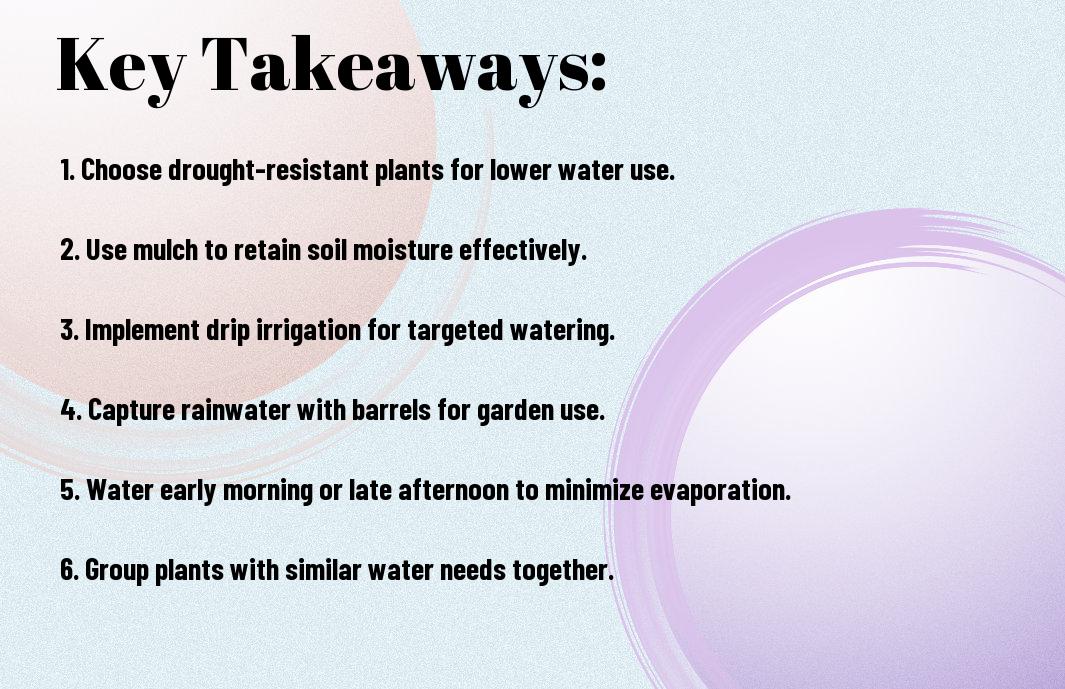
- Use drip irrigation systems, which deliver water directly to the roots of plants, reducing evaporation and runoff.
- Implement mulching practices, which help retain moisture in the soil, suppress weeds, and regulate soil temperature.
- Choose drought-resistant plants and group them according to their watering needs, minimizing water waste and ensuring that each plant receives the right amount of moisture.
Planning a Water-Efficient Garden
The first step in creating a water-efficient garden is to assess your current water usage and identify areas for improvement. You will need to consider your climate, soil type, and the types of plants you want to grow. By doing so, you can create a garden that is not only beautiful but also sustainable.
Assessing Water Usage
Along with evaluating your garden’s specific needs, you should consider the amount of rainfall your area receives and the efficiency of your irrigation system. You will be able to make informed decisions about how to optimize your water usage.
Choosing Drought-Tolerant Plants
After selecting the perfect location for your garden, you can start choosing plants that are adapted to thrive in conditions with minimal water. You will find a wide variety of drought-tolerant plants to choose from, each with its unique characteristics and benefits.
Understanding the specific needs of drought-tolerant plants will help you make the most of your water-efficient garden. You can group plants with similar water requirements together, and use mulch and other techniques to retain moisture in the soil, allowing you to reduce your water consumption while still enjoying a lush and vibrant garden.
Soil Conservation Methods
Some effective soil conservation methods can help you reduce water waste in your garden. You can learn more about water-saving techniques by visiting 10 Easy Ways to Save Water in Your Yard and Garden for tips on efficient gardening.
Mulching Techniques
Conversely, using mulch helps retain soil moisture, reducing the need for frequent watering, allowing you to conserve water in your garden.
Composting for Healthy Soil
By adopting composting practices, you can create a nutrient-rich soil that supports healthy plant growth, reducing your reliance on synthetic fertilizers and minimizing water consumption.
And as you start composting, you’ll notice improvements in your soil’s structure and water-holding capacity, enabling your plants to thrive with less water, making your garden more sustainable and environmentally friendly.
Watering Strategies
All gardeners can benefit from implementing efficient watering strategies to reduce their water consumption. You can start by assessing your garden’s specific needs and adjusting your watering schedule accordingly. This will help you minimize waste and ensure your plants receive the right amount of moisture.
Drip Irrigation Systems
Around the world, drip irrigation systems have proven to be an effective way to deliver water directly to the roots of your plants, reducing evaporation and runoff. You can install a drip irrigation system in your garden to target specific areas and reduce water waste.
Rainwater Harvesting
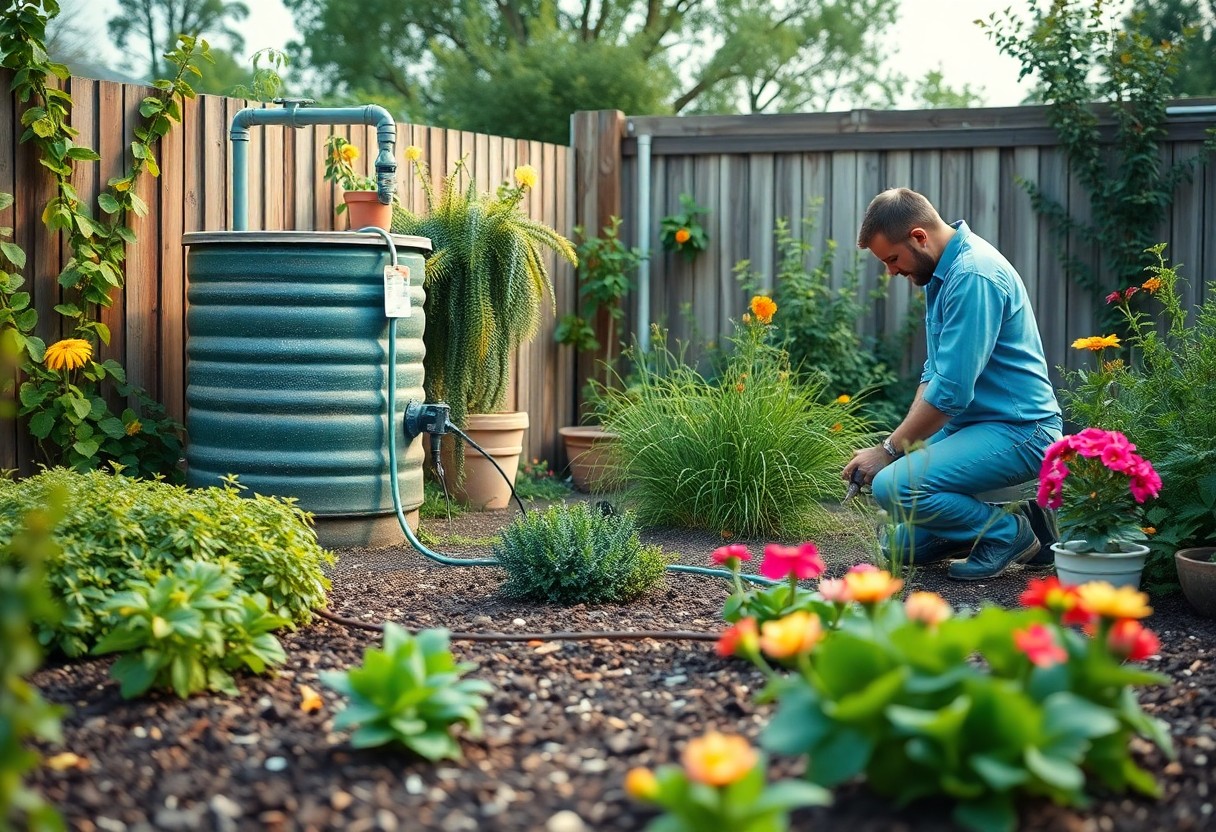
Beneath the surface of your garden, rainwater harvesting can be a valuable resource. You can collect and store rainwater in barrels or tanks to use for watering your plants, reducing your reliance on municipal water supplies.
This method not only conserves water but also reduces stormwater runoff and decreases the amount of pollutants entering local waterways. You can use the collected rainwater for irrigation, and also for other non-potable purposes such as washing garden tools or cleaning outdoor furniture, making it a valuable addition to your water-saving toolkit.
Selecting Water-Saving Tools
To incorporate water-saving techniques in your gardening, you need to select the right tools. You can start by choosing tools that help reduce water waste and optimize water usage.
Water-Efficient Hoses and Nozzles
Beneath the surface of traditional gardening tools, you’ll find water-efficient hoses and nozzles that can help you save water. You can opt for hoses with built-in timers and nozzles with low-flow settings to minimize water waste.
Moisture Sensors and Meters
Among the various tools available, you’ll find moisture sensors and meters that help you monitor your garden’s water levels. You can use these tools to determine when your plants need water, ensuring you don’t overwater or underwater.
And by using moisture sensors and meters, you can tailor your watering schedule to your garden’s specific needs, taking into account factors like soil type, climate, and plant species. This allows you to make informed decisions about your watering practices, optimizing water usage and promoting healthy plant growth in your garden.
Maintaining a Water-Smart Garden
Not only will a water-smart garden help you save water, but it will also ensure your plants thrive. You can learn more about Effective Water Conservation Techniques to optimize your garden’s water usage.
Regular Monitoring and Adjustments
Beneath the surface of a successful water-smart garden lies regular maintenance, which you can achieve by monitoring your garden’s condition and adjusting your techniques as needed to ensure optimal water usage.
Seasonal Watering Schedules
With the changing seasons, your watering schedule should also adapt to ensure your garden receives the right amount of moisture, and you can achieve this by understanding the specific needs of your plants during each season.
Understanding the seasonal watering needs of your garden will help you create an effective watering schedule, allowing you to make the most of your water conservation efforts, and as you continue to tend to your garden, you will find that your water usage decreases while your garden’s health and beauty increase, leading to a thriving and sustainable outdoor space that you can enjoy for years to come.
Creative Water Conservation Ideas
Despite the challenges of water scarcity, you can still maintain a beautiful garden by implementing creative water-saving techniques. You can use drought-tolerant plants, collect rainwater, and utilize efficient irrigation systems to minimize water waste.
Grey Water Systems
Across your garden, you can implement grey water systems that reuse water from sinks, washing machines, and showers for irrigation purposes, reducing your water consumption and lowering your water bills.
Xeriscaping and Desert Gardening
With water conservation in mind, you can adopt xeriscaping and desert gardening techniques that use low-water plants and efficient irrigation systems, allowing you to create a stunning garden that thrives in dry conditions.
Understanding the principles of xeriscaping and desert gardening, you can design a garden that not only saves water but also provides a unique and beautiful landscape. You can choose from a variety of plants that are adapted to dry conditions, such as cacti and succulents, and use mulch and gravel to retain moisture and suppress weeds, creating a sustainable and low-maintenance garden that you can enjoy for years to come.
To wrap up
Following this guide, you can effectively incorporate water-saving techniques in your gardening practices. You will be able to create a beautiful and sustainable garden while conserving water. By implementing these methods, you can reduce your water consumption and protect your local environment. As you continue to nurture your garden, you will see the positive impact of your water-saving efforts on your plants and your community, making your gardening experience even more fulfilling.
FAQ
Q: What are some effective ways to conserve water in my garden?
A: There are several ways to conserve water in your garden, including the use of drip irrigation systems, which deliver water directly to the roots of plants, reducing evaporation and runoff. Additionally, using mulch can help retain soil moisture, reducing the need for frequent watering. You can also use rain barrels to collect and store rainwater for later use. Furthermore, choosing drought-tolerant plants can help reduce water consumption, and implementing a schedule for watering can help ensure that your plants are receiving the right amount of moisture.
Q: How can I determine the right amount of water for my plants?
A: To determine the right amount of water for your plants, you need to consider the type of plant, soil type, and climate. Check the soil moisture by inserting your finger into the soil up to the knuckle, if the soil feels dry, it’s time to water. You can also use a soil moisture meter to get a more accurate reading. Water your plants deeply but infrequently to encourage deep root growth, and avoid overwatering, which can lead to root rot and other problems. It’s also a good idea to water your plants in the early morning or evening to minimize evaporation.
Q: What are some water-saving techniques for lawn care?
A: For lawn care, you can implement several water-saving techniques. Raise your mower blade to 3 inches to promote deeper root growth, which requires less water. You can also use drought-tolerant grass species, which require less watering. Additionally, consider using a rain sensor on your sprinkler system, which can detect when it’s raining and turn off the system. Aerating your lawn once a year can also help improve water penetration and reduce runoff. Finally, consider using a broom or leaf blower to remove debris instead of watering your lawn to wash it away.
Q: Can I use greywater in my garden, and if so, how?
A: Yes, you can use greywater in your garden, but it’s imperative to take some precautions. Greywater is wastewater generated from sinks, showers, and washing machines, and it can be used to water plants, but it’s not suitable for all plants. You can use a greywater system to collect and treat the water, and then use it to irrigate your garden. However, it’s imperative to check with your local authorities to see if greywater use is allowed in your area, and to follow proper treatment and safety guidelines to avoid contamination. Greywater should not be used on edible plants or plants that produce fruit or seeds that will be eaten.
Q: How can I maintain my garden’s soil to reduce water consumption?
A: To maintain your garden’s soil and reduce water consumption, add organic matter like compost or well-rotted manure to improve soil structure and increase its water-holding capacity. Use cover crops to protect the soil from erosion and retain moisture. You can also use alayer of mulch to retain soil moisture and suppress weeds that compete with your plants for water. Additionally, avoid over-tilling, which can damage soil structure and reduce its ability to hold water. By maintaining healthy soil, you can reduce the need for frequent watering and create a more resilient and water-efficient garden.
