You can beat the heat without breaking the bank. By designing your yard with smart landscaping, you can cool your home naturally. You’ll use less energy and save money on air conditioning bills. Your carefully chosen plants and outdoor features will work together to shade your home and reduce heat gain. You’ll enjoy a cooler, more comfortable living space, and a lower energy bill, all while increasing your home’s value.
Key Takeaways:
To keep your home cool with smart landscaping, consider the following points:
- Utilize shading techniques by planting trees or installing awnings to block direct sunlight from heating up your home.
- Implement evapotranspiration methods, such as planting gardens or lawns, which can help cool the air through the process of water evaporation.
- Design your landscape to promote air circulation by incorporating open spaces and wind-friendly features, allowing cool air to circulate and reduce the temperature around your home.
Landscaping for Cooling
While smart landscaping can significantly reduce your home’s cooling costs, it requires careful planning. You’ll need to consider your yard’s unique conditions to maximize its cooling potential.
Assessing Your Yard
At the outset, take stock of your yard’s layout, noting the location of trees, gardens, and other features that affect airflow and shade. You’ll use this information to inform your landscaping decisions.
Identifying Sun-Exposed Areas
With your yard’s layout in mind, identify areas that receive direct sunlight, as these will be the primary focus of your cooling efforts. You’ll want to prioritize these areas when selecting plants and designing your landscape.
Hence, you should observe your yard at different times of day to determine which areas receive the most direct sunlight. This will help you choose the right plants and strategies to keep your home cool, such as using trees or shrubs to block sunlight or planting groundcovers to reduce heat radiation.
Effective Landscaping Strategies
It is vital to consider the impact of landscaping on your home’s temperature. You can reduce heat gain and keep your home cool by implementing smart landscaping techniques.
Planting Shade Trees
Among the most effective ways to cool your home is by planting trees that provide shade. You can choose trees with broad leaves or dense foliage to block direct sunlight and reduce heat gain.
Using Awnings and Gazebos
Between the sun’s rays and your home, awnings and gazebos can serve as a barrier, providing shade and cooling your outdoor spaces. You can install them in areas where you spend most of your time.
Further, awnings and gazebos can be customized to fit your home’s style and design. You can choose from various materials, such as wood, metal, or fabric, and add features like retractable canopies or screens to enhance their functionality and provide additional shade and comfort.
Summer Cooling
Despite the scorching heat, your home can stay cool with smart landscaping. You can reduce your energy bills and create a refreshing outdoor space by choosing the right plants and design.
DIY Landscaping Projects
Behind your house, you can create a shade-providing canopy or a cooling breeze by planting trees or shrubs, and you can do it yourself with a few simple tools and some planning.
Low-Maintenance Ground Covers
Around your yard, you can use low-maintenance ground covers like succulents or grasses that absorb less water and provide natural cooling.
This type of ground cover is perfect for you if you have a busy schedule, as it requires less watering and mowing, allowing you to enjoy your outdoor space without the hassle of constant upkeep, and at the same time, you’ll be keeping your home cool and reducing your energy consumption.
Smart Landscaping Strategies
All you need to do is make a few simple changes to your outdoor space to keep your home cool. By incorporating smart landscaping techniques, you can reduce your energy consumption and create a more comfortable living environment.
Water Features for Cooling
Similarly, sectioning off areas of your yard with water features can help to cool your home. You can install a small pond or fountain to create a cooling effect, and you’ll be able to enjoy the soothing sounds of running water.
Misting Systems
After installing a misting system, you’ll notice a significant reduction in temperature. You can place misting nozzles in strategic locations around your yard to create a cool and refreshing atmosphere.
But what makes misting systems so effective is their ability to lower the temperature through evaporation. As the water mist evaporates, it absorbs heat from the surrounding air, cooling your home and yard in the process. You can adjust the misting system to suit your needs, and you’ll be able to enjoy your outdoor space even on the hottest days.
Smart Landscaping
Not only can smart landscaping improve your home’s curb appeal, but it can also help keep your home cool. You can learn more about this by visiting Cool Your House With Smart Landscaping to discover the benefits of smart landscaping.
Soil and Mulch Selection
To get started, you need to choose the right soil and mulch for your yard. You will want to select soil and mulch that retains moisture and suppresses weeds, helping to keep your yard cool.
Reducing Heat Islands
Against the heat of summer, you can take steps to reduce heat islands in your yard. You can use trees, plants, and other landscaping elements to provide shade and cool the air.
Consequently, as you work to reduce heat islands, you will find that your home becomes a cooler, more comfortable space. You can use a combination of strategies, including planting trees and gardens, to reduce the urban heat island effect and keep your home cool, which will also lower your energy bills and improve air quality, helping you to enjoy your outdoor space.
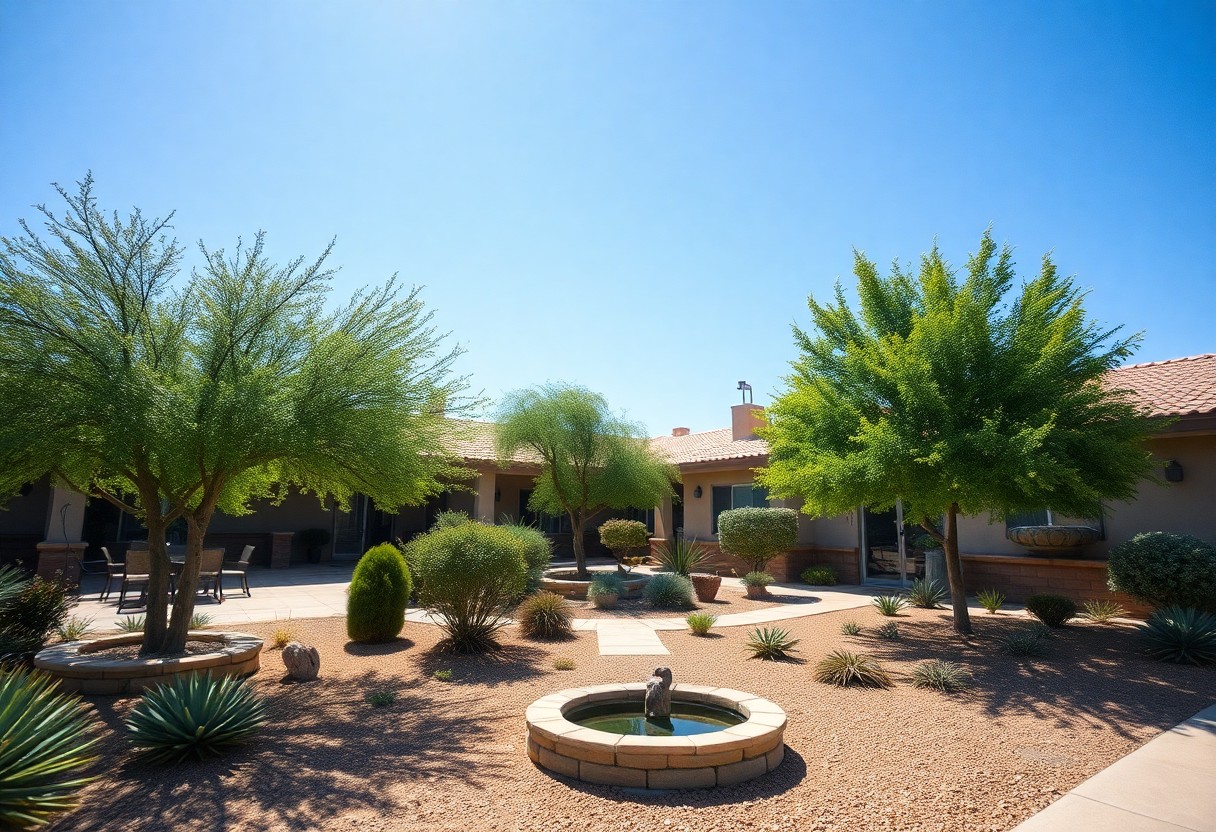
Landscaping Strategies
For an effective approach to cool your home, consider your yard’s landscape. You can start by selecting plants that provide shade and absorb heat.
Seasonal Landscaping Tips
For optimal results, start with:
- planting trees or shrubs
Assume that your yard will be more comfortable with these simple changes.
Energy-Efficient Outdoor Lighting
Around your yard, consider energy-efficient lighting to reduce heat emission. You can install solar-powered lights or LED bulbs to minimize energy consumption.
In addition, these lighting options can help you save money on your energy bills and contribute to a more sustainable environment, allowing you to enjoy your outdoor space while keeping your home cool and your energy costs low.
To wrap up
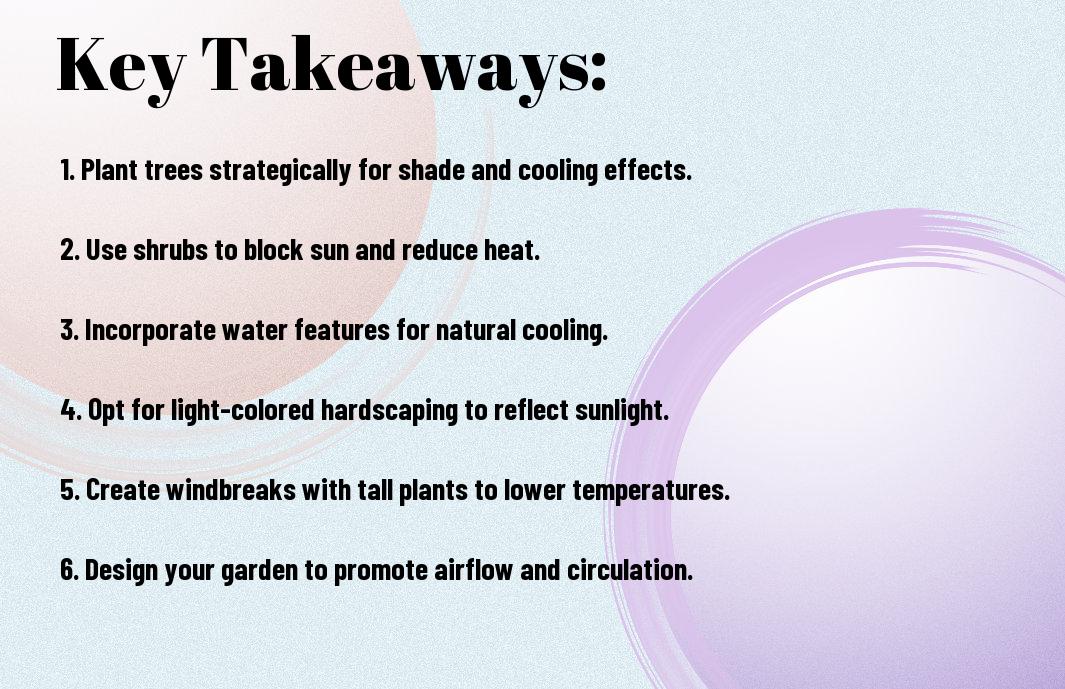
Drawing together the tips outlined, you now have a solid foundation to keep your home cool with smart landscaping. You can reduce heat gain and create a comfortable living space by planting trees, using light-colored paving, and incorporating water features. With these simple yet effective strategies, you can enjoy a cooler home while lowering your energy bills and enhancing your outdoor space. Your smart landscaping efforts will pay off, making your home a refreshing oasis.
FAQ
Q: What is smart landscaping and how can it help keep my home cool?
A: Smart landscaping refers to the strategic use of plants, trees, and other outdoor features to reduce the temperature around your home, lowering your energy bills and creating a more comfortable living space. By planting trees or shrubs in the right locations, you can provide shade, block winds, and cool the air through evapotranspiration, which can help reduce the need for air conditioning and keep your home cool.
Q: What types of plants are most effective for cooling my home through smart landscaping?
A: The most effective plants for cooling your home through smart landscaping are those with broad leaves or dense foliage, such as deciduous trees, shrubs, and vines. These plants provide excellent shade, absorb carbon dioxide, and release water vapor into the air, which can cool the surrounding temperature. Some examples of cooling plants include oak trees, maple trees, and flowering shrubs like azaleas and rhododendrons.
Q: How can I use smart landscaping to block heat from the sun and cool my home?
A: To block heat from the sun and cool your home using smart landscaping, plant trees or shrubs on the south and west sides of your home, where the sun’s rays are strongest. You can also use a trellis or arbor to train vines to grow, providing shade for windows and walls. Additionally, consider using a combination of plants with different growth habits, such as tall trees and low-growing shrubs, to create a layered effect that blocks heat and cools the air.
Q: Can smart landscaping help reduce the urban heat island effect and cool my home?
A: Yes, smart landscaping can help reduce the urban heat island effect, which occurs when built-up areas absorb and retain heat from the sun. By planting trees, shrubs, and other vegetation in urban areas, you can help to cool the air through evapotranspiration and shade, reducing the temperature and improving air quality. This can also help to cool your home by reducing the overall temperature of the surrounding area.
Q: How much can smart landscaping reduce my energy bills and help keep my home cool?
A: Smart landscaping can potentially reduce your energy bills by 20-30% by reducing the need for air conditioning and cooling. By providing shade, blocking winds, and cooling the air through evapotranspiration, smart landscaping can help keep your home cool and comfortable, even during the hottest summer months. Additionally, smart landscaping can also increase the value of your property and improve the overall aesthetic appeal of your outdoor space.
