Key Takeaways:
To create a shaded garden oasis, consider the following points:
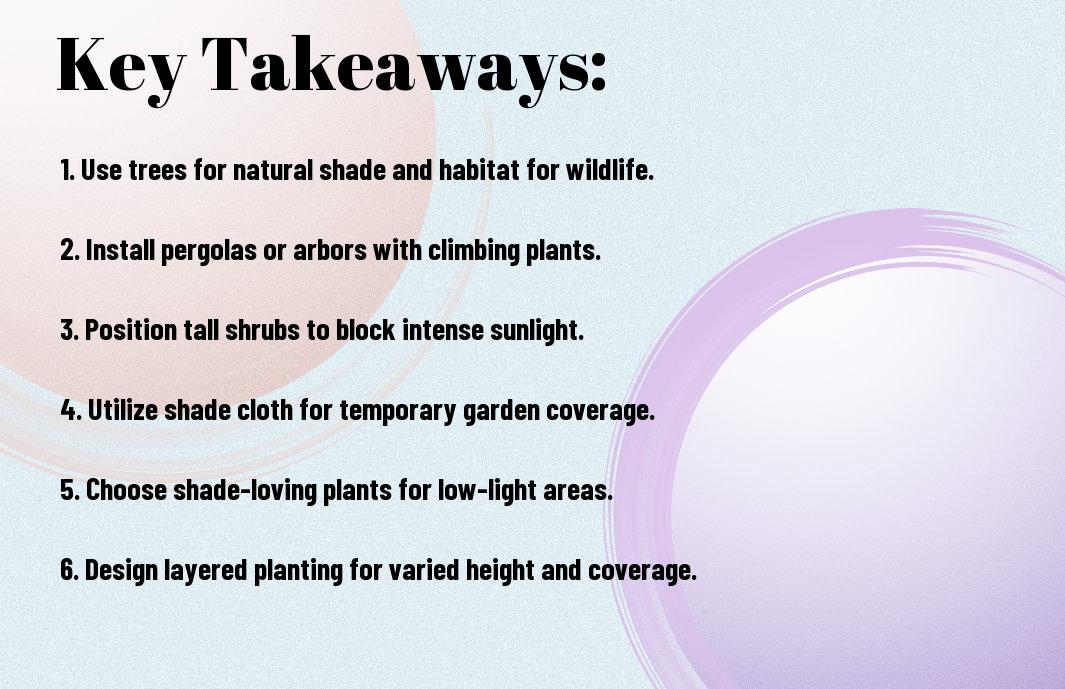
- Using natural elements like trees, especially those with a sprawling canopy, can provide shade and beauty to your garden. Deciduous trees shed their leaves in autumn, allowing sunlight to filter through during winter months.
- Incorporating arbors or pergolas with climbing plants like vines or flowering creepers can add shade while enhancing the aesthetic appeal of your garden.
- Strategically placing garden umbrellas or canopies made from natural materials can offer portable shade options, allowing you to control the amount of shade in different areas of your garden throughout the day.
Section
Before you commence on adding shade to your garden naturally, consider the beauty of embracing the simplicity of nature. You can create a serene oasis by working with the land, rather than against it. By doing so, you’ll not only reduce your environmental footprint but also cultivate a deeper connection with the natural world.
Identifying Shade Needs
Following your initial assessment, you’ll need to determine which areas of your garden require shade. You’ll want to consider the types of plants you’re growing and their specific needs, as well as your own desire for a cool, shaded space to relax.
Assessing Your Garden’s Sun Patterns
Along with considering your garden’s layout, you’ll need to observe the sun’s movement and how it affects your outdoor space. You’ll want to note the areas that receive direct sunlight and those that are naturally shaded, taking into account the time of day and season.
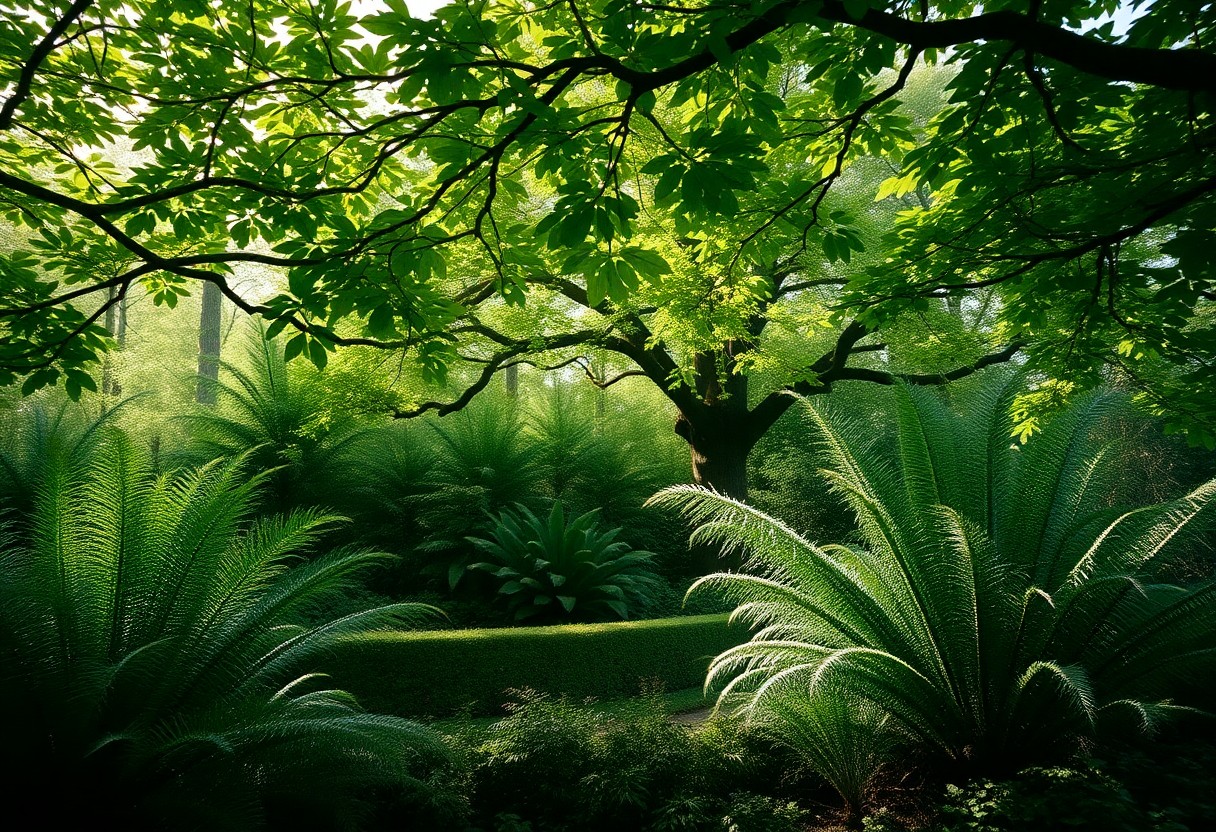
Indeed, as you take the time to observe your garden’s sun patterns, you’ll begin to appreciate the subtle nuances of nature. You’ll notice how the sunlight filters through the leaves of your trees, casting dappled shadows on the ground below, and how the shade shifts throughout the day, creating an ever-changing tapestry of light and shadow. By paying attention to these details, you’ll be able to create a shaded oasis that not only provides respite from the sun but also cultivates a sense of harmony with the natural world.
Section
It is necessary to consider the natural beauty of your garden when thinking about adding shade. You want to create a serene and peaceful atmosphere, where you can escape the hustle and bustle of daily life. Your garden should be a reflection of your connection with nature, and shade is an integral part of that.
Planting Trees for Shade
Following the initial planning stage, you’ll want to start planting trees that provide ample shade for your garden. You can choose from a variety of species, considering factors such as growth rate, size, and maintenance requirements. As you plant your trees, envision the canopy they will create, sheltering you from the sun’s intense rays.
Using Vines and Climbers for Coverage
Above all, using vines and climbers is an effective way to add shade to your garden. You can train them to grow up trellises, arbors, or even walls, creating a lush, shaded area. Your choice of vines and climbers will depend on your garden’s climate and the amount of sunlight it receives.
Understanding the growth habits of your chosen vines and climbers will help you make the most of their shading capabilities. You’ll want to consider how they will spread, how much maintenance they require, and how they will interact with other plants in your garden. As you watch your vines and climbers grow, you’ll notice the shade they provide, and the sense of tranquility it brings to your outdoor space, allowing you to unwind and connect with nature.
Section
For a serene and shaded garden, you’ll want to explore natural methods to filter the sun’s rays. You can achieve this by incorporating elements that not only provide shade but also complement your garden’s beauty.
Creating Shade with Gazebos and Pergolas
Among the many options, gazebos and pergolas stand out as charming solutions. You can train vines to climb up these structures, allowing foliage to act as a natural canopy, shielding you from the sun.
Installing Awnings and Canopies
Behind your outdoor seating area, a carefully placed awning or canopy can create a cozy, shaded spot. You can choose from various materials, such as fabric, wood, or metal, to match your garden’s aesthetic.
Also, when installing awnings and canopies, consider the direction of the sun and the surrounding landscape to ensure the shade falls where you need it most, allowing you to bask in the serenity of your garden, shaded from the harsh sunlight.
Section
To create a serene and shaded oasis in your garden, consider the natural surroundings and how you can work with them to achieve your goal. You can use various elements to add shade, from trees and plants to structures and accessories.
Utilizing Natural Shade Providers like Umbrellas
Across your garden, you’ll find opportunities to incorporate shade-providing elements, such as umbrellas or canopies, to shield you from the sun’s intense rays. You can place them strategically to create inviting areas for relaxation.
Incorporating Shade-Spreading Plants and Flowers
Behind the beauty of your garden lies the potential for lush foliage and flowering plants to spread shade and serenity. You can choose plants with large leaves or dense growth to create natural shade.
But as you explore the world of shade-spreading plants and flowers, you’ll discover the numerous benefits they bring to your garden, from attracting birds and bees to creating a cooling microclimate. You can select plants that fit your climate and soil type, and watch as they grow and thrive, providing you with a peaceful retreat from the sun.
Section
Keep in mind that adding shade to your garden naturally is a thoughtful process that requires consideration of your yard’s unique characteristics. You’ll want to observe the way sunlight filters through your trees and the layout of your outdoor space to determine the best approach.
Designing Shade-Friendly Garden Layouts
One of the most effective ways to create a shaded oasis is by designing your garden with shade in mind. You can arrange plants, trees, and other features to maximize shade and create a cool retreat from the sun.
Incorporating Water Features for Cooling Effect
Above all, incorporating water features can greatly enhance the cooling effect in your garden. You can add a small pond, fountain, or even a birdbath to create a soothing and shaded atmosphere.
For instance, the sound of gently flowing water can create a sense of calm, while the water itself can help to lower the temperature in your garden, making it an ideal spot to relax and unwind on a warm day. As you incorporate water features into your garden design, you’ll find that your outdoor space becomes a serene and inviting haven, perfect for escaping the heat of the sun.
Section
After considering the layout of your garden, you can explore natural ways to add shade. For inspiration, visit 6 Ways to Add Shade to Your Backyard to discover new ideas for your outdoor space.
Maintaining Your Shade-Providing Elements
Between pruning and watering, you’ll find that maintaining your shade-providing elements is a simple task that keeps your garden thriving, allowing you to enjoy the shade and beauty of your outdoor space.
Seasonal Adjustments for Optimal Shade
Beside the natural changes in sunlight, you’ll need to make adjustments to your garden to ensure optimal shade throughout the year, taking into account the position of the sun and the growth of your plants.
In fact, as you observe the changing seasons, you’ll find that your garden’s shade needs will shift, and by making subtle adjustments, such as pruning or relocating plants, you can create a haven that provides shade and tranquility, inviting you to slow down and connect with nature, just as you had envisioned when you first set out to add shade to your garden naturally.
To wrap up
To wrap up, you’ve learned how to add shade to your garden naturally, cultivating a serene oasis. As you tend to your garden, you can explore more innovative methods, such as Using DIY Shade Cloth in the Summer Square Foot Garden, to shield your plants from harsh sunlight, and bask in the tranquility of your shaded haven, surrounded by nature’s beauty.
FAQ
Q: What are the benefits of adding shade to my garden?
A: Adding shade to your garden can provide numerous benefits, including reducing soil temperature, preventing weed growth, and creating a comfortable outdoor living space. Shade can also help protect plants from intense sunlight, which can cause scorching and discoloration. Additionally, shaded areas can provide a haven for wildlife, such as birds and butterflies, and can even help reduce the urban heat island effect.
Q: What are some natural ways to add shade to my garden?
A: There are several natural ways to add shade to your garden, including planting trees, installing a pergola or arbor, and using outdoor umbrellas or canopies. You can also use natural materials like bamboo or reeds to create a shaded area. Another option is to use a trellis or lattice to support climbing plants like vines or flowering shrubs, which can provide shade and add beauty to your garden.
Q: What types of trees are best for providing shade in my garden?
A: The type of tree that is best for providing shade in your garden will depend on your climate, soil type, and personal preference. Some popular options for shade trees include oak, maple, and pine, which are known for their large canopies and ability to provide dense shade. Fruit trees like apple or citrus can also provide shade, as well as produce delicious fruit. If you have a small garden, consider using a smaller tree like a dogwood or redbud, which can provide shade without overtaking the space.
Q: How can I use outdoor structures to add shade to my garden?
A: Outdoor structures like pergolas, arbors, and gazebos can provide shade and add beauty to your garden. You can train vines or climbing plants to grow up the structure, or use a canopy or umbrella to provide additional shade. You can also use a sail shade or a shade sail to provide shade for a specific area, like a patio or seating area. Consider using a structure with a natural material like wood or stone to add warmth and texture to your garden.
Q: Can I use plants other than trees to add shade to my garden?
A: Yes, there are many plants that can provide shade in your garden beyond trees. Large shrubs like rhododendron or hydrangea can provide dense shade, as well as flowering plants like wisteria or clematis. You can also use grasses like bamboo or pampas grass to provide shade and add texture to your garden. Additionally, you can use a combination of plants to create a layered shade effect, with taller plants providing shade for shorter plants. Consider using native plants, which are adapted to your local climate and can thrive in shaded conditions.
