indoor

The Benefits of Adding a Green Wall Indoors

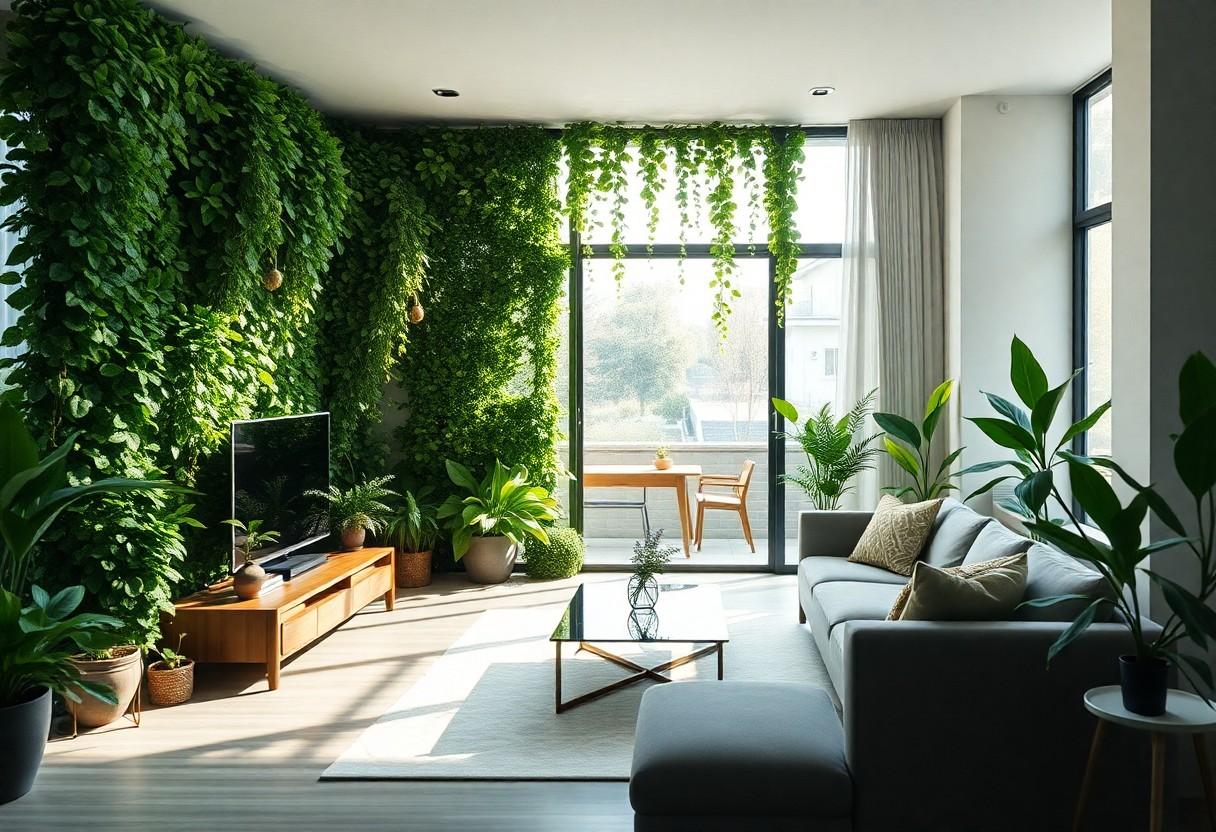
As you consider enhancing your indoor space, you may want to think about incorporating a green wall. Adding a green wall to your home or office can have a significant impact on your well-being and environment. You will notice improvements in air quality, reduced stress, and a boost in productivity. Your indoor space will not only look more aesthetically pleasing, but it will also become a healthier and more comfortable place to be.

Key Takeaways:

  • The addition of a green wall indoors can significantly improve the air quality by removing harmful pollutants and toxins, creating a healthier environment for occupants.
  • Stress reduction and productivity boost are among the benefits of having a green wall indoors, as the presence of plants has been shown to have a calming effect and improve focus.
  • Green walls can also help with temperature regulation and noise reduction, making them a great addition to indoor spaces where comfort and tranquility are valued, such as homes, offices, and public areas.

Benefits of Green Walls

For many people, adding a green wall to their indoor space can have a significant impact on their overall well-being. You can experience a range of benefits, from improved air quality to reduced stress levels, by incorporating a green wall into your home or office.

Air Quality Improvement

Between the constant exposure to pollutants and toxins, your indoor air quality can suffer greatly. You can breathe easier knowing that green walls help purify the air, making your space a healthier environment.

Stress Reduction

Beside the physical benefits, green walls also have a profound impact on your mental health. You will find that being surrounded by nature can calm your mind and promote a sense of well-being.

It is worth noting that the stress-reducing effects of green walls can be quite profound, and you may find that your overall mood and productivity improve significantly after installing one in your home or office. You will be able to focus better and feel more relaxed, thanks to the calming presence of the green wall.

Design and Installation

You can create a stunning green wall by considering your space and needs, and learning more about Increasing Energy Efficiency: Residential Green Walls to make an informed decision.

Choosing the Right Plants

Across various options, you’ll find plants that thrive in indoor conditions, such as low-light or high-humidity areas, to suit your green wall’s specific needs.

Wall Construction Options

An crucial consideration is the construction of your green wall, which can be tailored to fit your space and style, with options ranging from trellis systems to modular panels.

Options for wall construction include using a trellis system, modular panels, or a living wall planter, allowing you to choose the best fit for your indoor space and design aesthetic, ensuring your green wall is both functional and visually appealing.

Maintenance and Upkeep

To keep your green wall thriving, you’ll need to consider several factors, including watering, pruning, and pest control, all of which will ensure your wall remains healthy and beautiful.

Watering and Humidity

At the heart of maintaining a green wall is providing the right amount of water and humidity, and you should adjust these levels according to the specific needs of your plants to prevent overwatering or underwatering.

Pruning and Pest Control

Any issues with your green wall, such as overgrowth or infestations, can be addressed through regular pruning and pest control measures, allowing you to keep your wall looking its best.

The process of pruning and pest control for your green wall involves inspecting your plants regularly for signs of damage or disease, and taking action promptly to prevent problems from spreading, which will help you maintain a lush and vibrant green wall that enhances your indoor space, and you can do this by learning about the specific needs of your plants and taking a proactive approach to their care.

Aesthetic Appeal

Unlike other decorative elements, a green wall can instantly elevate the visual appeal of your indoor space, creating a unique and refreshing atmosphere that you will enjoy spending time in.

Visual Impact

Following the initial impression, a green wall’s visual impact becomes apparent, as you notice the way it brings a touch of nature indoors, softening the ambiance and creating a sense of calm in your surroundings.

Interior Design Integration

Against the backdrop of your existing decor, a green wall can be seamlessly integrated into your interior design, complementing your style and enhancing the overall aesthetic of your space, allowing you to create a cohesive look that reflects your personality.

It is worth noting that when you incorporate a green wall into your interior design, you can choose from a variety of plants, textures, and layouts to ensure that it blends with your furniture and decor, creating a harmonious and balanced atmosphere that you will love coming home to, and that will make your space feel truly unique and inviting to your guests.
Health and Wellbeing

After incorporating a green wall into your indoor space, you can expect to see improvements in your overall health and wellbeing.

Physical Health Benefits

Towards a healthier you, the addition of a green wall can help purify the air, reducing pollutants and toxins, and even alleviate symptoms of allergies and asthma, ultimately improving your physical health.

Mental Health Benefits

On a psychological level, being surrounded by nature has a profound impact on your mental state, reducing stress and anxiety, and promoting a sense of calm and tranquility, which in turn boosts your mood and overall mental wellbeing.

Even more notably, the presence of a green wall in your indoor space can have a long-lasting impact on your mental health, as the visual connection to nature helps to reduce symptoms of depression, and improves your cognitive function, allowing you to feel more focused and productive in your daily life.

Cost and Sustainability

All aspects of adding a green wall indoors should be considered, including the financial benefits, as you can learn more about the benefits of having an indoor plant wall and how it can impact your budget.

Initial Investment

Obviously, you will need to consider the initial investment required to install a green wall, including the cost of plants, materials, and labor, which can vary depending on the size and complexity of your project.

Long-term Savings

Once you have installed your green wall, you can start to enjoy the long-term savings, including reduced energy costs and improved air quality, which can lead to a range of benefits for your health and wellbeing.

In addition, as you maintain your green wall, you will find that the long-term savings extend beyond just financial benefits, as the improved air quality and aesthetic appeal of the wall can also boost your productivity and overall quality of life, making it a worthwhile investment for your indoor space.

Summing up

On the whole, you will find that adding a green wall indoors can greatly enhance your living or working space. You can enjoy improved air quality, reduced stress, and a boost to your overall well-being. By incorporating a green wall into your interior design, you can create a healthier and more aesthetically pleasing environment that benefits your mind and body, making your space a haven for you to thrive in.

FAQ

Q: What are the benefits of adding a green wall indoors for air quality?

A: Adding a green wall indoors can significantly improve the air quality by removing pollutants and toxins from the air. The plants in the green wall absorb carbon dioxide, release oxygen, and eliminate harmful chemicals, creating a healthier environment for occupants. This is especially beneficial in urban areas where air pollution is a major concern. By incorporating a green wall into your indoor space, you can enjoy fresher, cleaner air and a reduced risk of respiratory problems.

Q: How can a green wall indoors affect the aesthetic and ambiance of a room?

A: A green wall indoors can completely transform the aesthetic and ambiance of a room, making it feel more welcoming and natural. The lush foliage and vibrant colors of the plants add a touch of elegance and sophistication, creating a calming and peaceful atmosphere. The green wall can also serve as a natural work of art, adding visual interest and texture to the space. Additionally, the sound of gently trickling water and the scent of plants can create a multisensory experience, making the space feel more relaxing and inviting.

Q: Can a green wall indoors help to reduce noise pollution and improve acoustics?

A: Yes, a green wall indoors can help to reduce noise pollution and improve acoustics. The plants and soil in the green wall act as a natural sound barrier, absorbing and deflecting sound waves. This can be especially beneficial in noisy environments, such as open offices or public spaces, where background noise can be a distraction. By reducing echo and reverberation, a green wall can improve speech intelligibility and create a more peaceful environment, making it easier to concentrate and communicate.

Q: Are green walls indoors difficult to maintain and care for?

A: While green walls indoors do require some maintenance and care, they are relatively easy to manage. Most green walls are designed with automated irrigation systems, which ensure that the plants receive the right amount of water and nutrients. Additionally, many green walls are constructed with low-maintenance plants that are adapted to indoor conditions and can thrive in a variety of lighting conditions. With regular monitoring and maintenance, a green wall can continue to thrive and provide benefits for years to come.

Q: Can a green wall indoors help to improve mental health and productivity?

A: Yes, a green wall indoors can have a positive impact on mental health and productivity. Studies have shown that being around plants can reduce stress, anxiety, and fatigue, while improving mood and cognitive function. The natural beauty and tranquility of a green wall can create a sense of calm and well-being, making it easier to focus and concentrate. Additionally, the improved air quality and reduced noise pollution can also contribute to a healthier and more productive work environment, making a green wall a valuable addition to any indoor space.
The Best Indoor Plants for Low Light Spaces

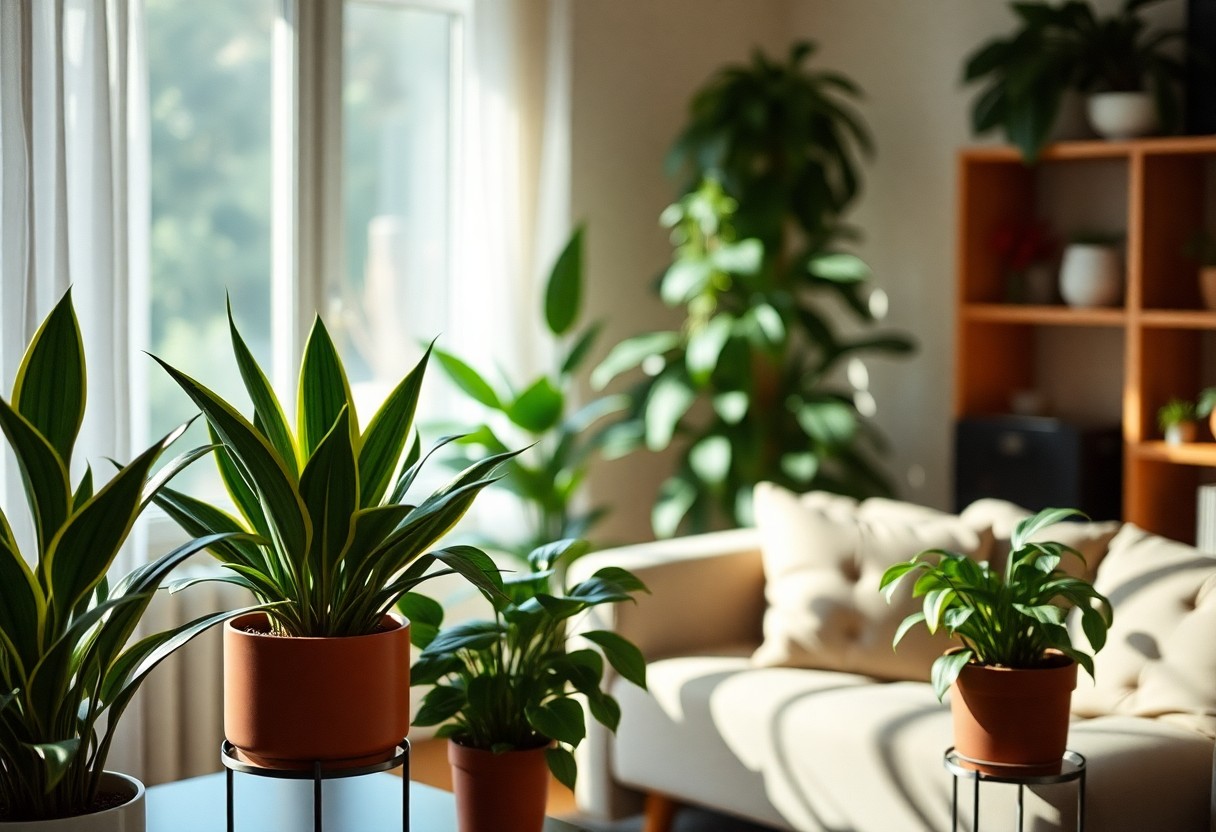
You find yourself in a space with limited natural light, but you still want to bring some greenery into your life. You’re in luck, as there are plenty of indoor plants that thrive in low light conditions. Your search for the perfect plants can start with a visit to 30 Best Low-Light Indoor Plants – Houseplants to explore options that fit your needs, and then discover how to care for them to keep your space lush and vibrant.

Key Takeaways:

To thrive in low-light spaces, it’s important to choose the right plants. Here are the key points to consider:

  • Chinese Evergreen and Pothos are excellent choices for indoor spaces with limited natural light, as they can tolerate low light conditions and require minimal maintenance.
  • Snake Plants and ZZ Plants are known for their ability to purify the air and thrive in low-light environments, making them perfect for bedrooms and offices.
  • When choosing low-light plants, consider factors such as watering needs, temperature, and humidity to ensure the health and longevity of your plants.

    Section

    Your home or office may have areas with limited natural light, but that doesn’t mean you can’t enjoy the benefits of plants. You can still find low-maintenance plants that thrive in these conditions.

    Low Light Spaces Defined

    Luminous spaces can be a challenge, but you can still find plants that fit your needs. You consider areas with east- or west-facing windows or those with limited direct sunlight as low-light spaces.

    Importance of Indoor Plants

    Along with their aesthetic appeal, indoor plants offer several benefits. You can improve air quality and create a calming atmosphere with the right plants.

    Indoor plants are a great way to purify the air and boost your mood. You can choose from a variety of plants that fit your lifestyle and decor, and they’ll help create a welcoming space for you to relax and unwind.

    Section

    Even if your space has limited natural light, you can still enjoy the benefits of indoor plants. Check out 31 Best Low-Light Indoor Plants to Brighten Up Your Home for inspiration.

    Top Plants for Low Light

    Around your home, you’ll find that plants like Chinese Evergreen and Pothos thrive in low-light conditions, making them perfect for your space.

    Factors to Consider

    Beside the type of plant, you should consider the following factors when choosing an indoor plant for your low-light space:

    • Lighting conditions
    • Temperature
    • Watering schedule
      Perceiving these factors will help you make an informed decision.

      Understanding your space and its limitations is key to selecting the right plant. You should consider the direction your windows face, the time of day, and the intensity of the light. Here are some factors to consider:

      • Humidity
      • Soil quality
      • Fertilization
        Perceiving these factors will help you create a thriving environment for your plant.

        Section

        All low-light spaces can benefit from the right plants. You can choose from a variety of species that thrive in dim conditions, adding some green to your life.

        Chinese Evergreen

        About the Chinese Evergreen, you’ll find it’s a great option for low-light spaces. You can place it in a corner, and it will still look great, with its beautiful leaves and ability to purify the air.

        Pothos

        An alternative to the Chinese Evergreen is the Pothos, a low-maintenance plant that you can train to climb or leave to cascade. You’ll appreciate its versatility and the fact that it’s easy to care for.

        Section

        Keep in mind that not all plants thrive in low light spaces, but you can find the best ones at Low Light Indoor Plants Best for House & Office, making your space greener and brighter.

        Snake Plant

        Betwixt the many options, you’ll find the snake plant, a low-maintenance choice that can survive in low light, making it perfect for your indoor space.

        Peace Lily

        Only a few plants can purify the air like the peace lily, which also blooms beautiful white flowers, making it a great addition to your home or office.

        This plant is not only aesthetically pleasing, but it’s also known for its air-purifying properties, making the air in your space cleaner and healthier for you to breathe, which is why you should consider adding it to your indoor garden.

        Section

        Not all plants thrive in low light spaces, but you can still find some that will bring life to your room. You’ll need to choose plants that can tolerate dim conditions, and there are several options to consider. Your low light space can still be a lush oasis with the right plants.

        Dracaena

        Beneath the surface of low light spaces, Dracaena plants can thrive. You can place them in a corner or against a wall, and they’ll still manage to purify the air and add some green to your decor. Your Dracaena will be a low-maintenance companion in your low light space.

        Philodendron

        On the list of low light tolerant plants, Philodendron is a popular choice. You can train it to climb up a wall or trellis, or let it trail down from a hanging basket. Your Philodendron will add a touch of tropical beauty to your space, even in the dimmest of conditions.

        In addition to its aesthetic appeal, Philodendron is also known for its air-purifying properties, making it a great choice for your low light space. You can water it sparingly, and it will still manage to thrive, bringing a touch of nature to your indoor space. Your Philodendron will be a hardy and dependable companion, tolerating the low light conditions with ease.

        Section

        To bring life to your low-light space, you’ll want to choose plants that thrive in shaded conditions. Look for plants with variegated leaves or those that have adapted to survive with minimal sunlight. Your options will include plants like Chinese Evergreen, Pothos, and Dracaena.

        Care and Maintenance

        After selecting your plants, you’ll need to consider their care. You’ll want to water them sparingly, allowing the soil to dry slightly between waterings. Your plants will also benefit from occasional fertilization to promote healthy growth.

        Common Challenges

        Alike many other plants, low-light plants can be finicky. You’ll need to monitor your plants’ condition, checking for signs of over-watering or under-watering, and adjust your care routine accordingly.

        Common problems you may encounter include root rot, pest infestations, and yellowing leaves. You can avoid these issues by maintaining good air circulation, inspecting your plants regularly, and taking action at the first sign of trouble. This will help you keep your plants thriving in your low-light space.

        Final Words

        Now you’ve got the lowdown on the best indoor plants for low light spaces. You can pick the ones that fit your style and your space. Your home will be brighter and cleaner with these plants. You’ll breathe easier and feel better. Choose a few and get started – your space will thank you.

        FAQ

        Q: What are the best indoor plants for low light spaces and how do I choose them?

        A: The best indoor plants for low light spaces include Chinese Evergreen, Pothos, and Snake Plant, among others. When choosing plants for low light spaces, consider the natural lighting conditions of the space and the specific needs of the plant. Look for plants that are known to thrive in low light conditions and have adapted to survive with limited sunlight. You can also consider factors like plant size, growth rate, and maintenance requirements to ensure you find the perfect plant for your space.

        Q: How much light do low light plants actually need, and can they survive without any direct sunlight?

        A: Low light plants can survive with as little as 50-75 foot-candles of light, which is equivalent to the light from a north-facing window. While they can tolerate low light, most plants still need some indirect sunlight to photosynthesize and thrive. East- or west-facing windows are ideal for low light plants, as they provide gentle, indirect sunlight. However, some plants like Chinese Evergreen and Pothos can survive without direct sunlight and can be placed in corners or areas with limited natural light.

        Q: What are some benefits of having indoor plants in low light spaces, and how do they improve air quality?

        A: Indoor plants in low light spaces can have numerous benefits, including purifying the air, improving mood, and reducing stress. Plants like Snake Plant and Spider Plant are known to remove toxins and pollutants from the air, improving indoor air quality. Additionally, plants can help regulate humidity, reduce noise levels, and create a calming atmosphere, making them a great addition to any low light space.

        Q: How often should I water and fertilize my low light plants, and what are some common mistakes to avoid?

        A: Low light plants typically require less water and fertilizer than plants in bright light spaces. Overwatering is a common mistake that can lead to root rot and other problems. Water your low light plants when the soil feels dry to the touch, and avoid getting water on the leaves to prevent fungal diseases. Fertilize your plants during the growing season (spring and summer) with a balanced, water-soluble fertilizer. Avoid fertilizing during the dormant season (fall and winter) when plants are not actively growing.

        Q: Can I propagate low light plants, and what are some tips for successful propagation?

        A: Yes, many low light plants can be propagated through division, cuttings, or leaf propagation. For example, Pothos and Snake Plant can be propagated by cutting stem sections and rooting them in water or soil. Chinese Evergreen can be propagated by dividing the rhizome or leaf cuttings. To increase the chances of successful propagation, make clean cuts, provide adequate moisture and humidity, and maintain a consistent temperature. You can also use a rooting hormone to stimulate root growth and increase the chances of successful propagation.

The Best Tips for Growing Basil Indoors

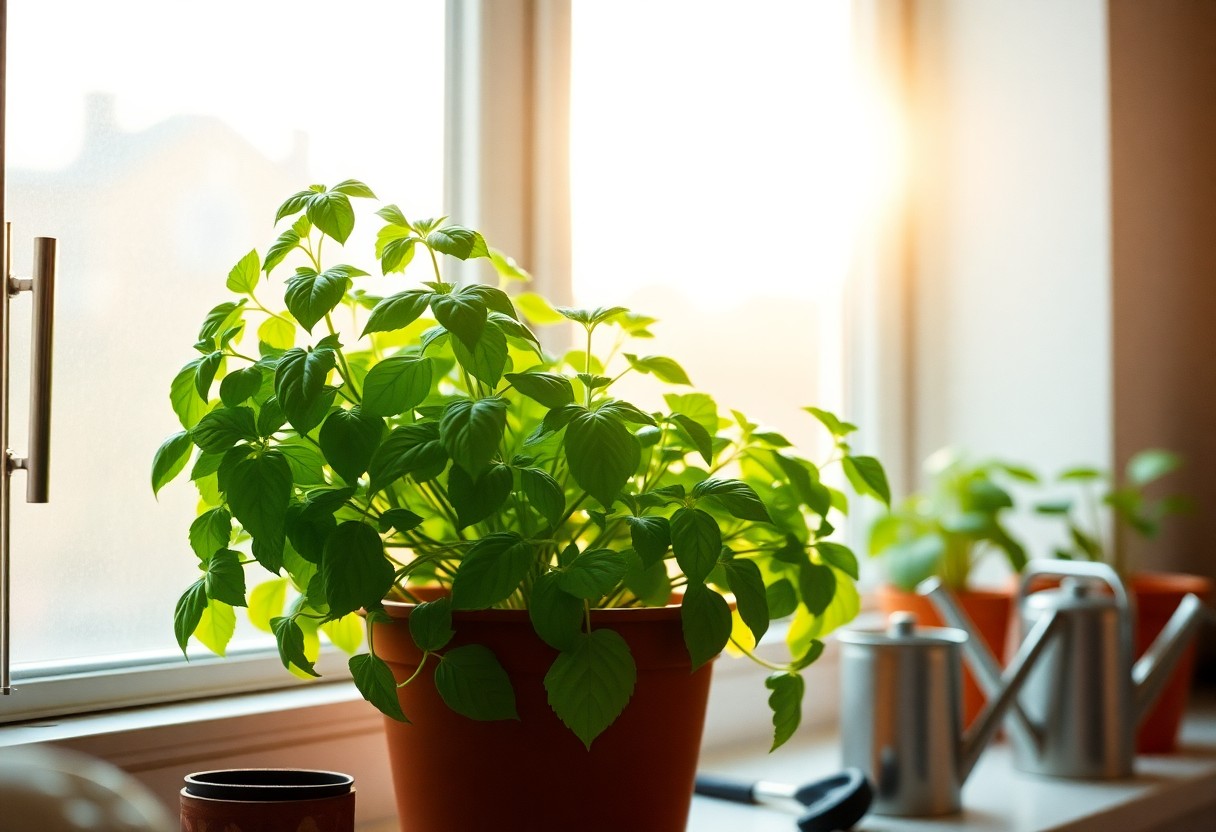
You’re about to uncover the secrets to cultivating a thriving basil plant in the comfort of your own home. Your indoor space can be a perfect spot to grow this fragrant herb, and with the right approach, you’ll be enjoying fresh basil in no time. You’ll learn how to provide your basil with the right conditions, from lighting to watering, and harvest it like a pro, bringing a touch of freshness to your cooking.

Key Takeaways:

To achieve success in growing basil indoors, consider the following points:

  • Provide adequate lighting for your basil plants, as they require a significant amount of light to photosynthesize and grow. Place them near a sunny window or use grow lights to supplement the natural light.
  • Ensure optimal temperature and humidity levels for your basil plants. They thrive in temperatures between 65-75°F (18-24°C) and a relatively high humidity, which can be achieved by placing the pot on a tray filled with water and pebbles.
  • Use well-draining soil and fertilize your basil plants regularly to promote healthy growth. A balanced fertilizer will provide the necessary nutrients for your basil to flourish, and a well-draining soil will prevent waterlogged soil and root rot.

Preparing the Environment

A well-prepared environment is vital for growing basil indoors. You will need to consider the container, location, and lighting to create an ideal space for your basil to thrive.

Choosing the Right Container

Along with the quality of the soil, a suitable container is vital for your basil’s growth. You should look for a container that is at least 6-8 inches deep and has good drainage holes to prevent waterlogged soil.

Selecting the Ideal Location

Similar to other plants, selecting the right location for your basil is key. You want to place your basil in a spot that gets plenty of sunlight, ideally 4-6 hours of direct sunlight per day.

Considering the amount of sunlight your space receives, you may need to supplement with grow lights to ensure your basil gets enough light to photosynthesize. You should also keep your basil away from drafts and extreme temperatures to promote healthy growth.

Soil and Nutrition

There’s no substitute for good soil when growing basil indoors. You can find valuable advice on caring for your basil plant by checking out threads like Any tips on how to take care of a basil plant inside a condo?

Using High-Quality Potting Soil

Anything less than the best potting soil can hinder your basil’s growth. You should opt for a well-draining mix specifically designed for indoor plants to give your basil the best chance to thrive.

Fertilizing for Optimal Growth

The key to a healthy basil plant is balanced fertilization. You will need to fertilize your plant regularly, using a fertilizer that is high in nutrients, to promote healthy growth and flavor.

Understanding how to fertilize your basil properly is vital to its success. You need to strike a balance, as over-fertilization can be just as harmful as under-fertilization, so you should follow the instructions on the fertilizer package carefully and monitor your plant’s response to the fertilizer, adjusting as necessary to ensure your basil receives the nutrients it needs to flourish.

Watering and Humidity

Once again, you’ll find that growing basil indoors requires attention to detail, and you can learn more about How to Grow and Care for Basil Indoors to master the technique.

Watering Techniques for Indoor Basil

Along with providing sufficient light, you need to water your basil plant carefully, making sure not to overwater or underwater, as this can lead to root rot or weak growth.

Maintaining the Right Humidity Level

The right humidity level is necessary for your basil plant to thrive, and you should aim to keep it between 40-60% to promote healthy growth.

Maintaining this level can be achieved by placing the pot on a tray filled with water and pebbles or using a humidifier, allowing you to create an ideal environment for your basil plant to flourish, and you can enjoy the benefits of fresh, fragrant basil all year round.

Lighting and Temperature

Now, you’ll want to consider the lighting and temperature for your indoor basil. The ideal conditions are outlined in the following table:

Condition Requirement
Light Bright, indirect light
Temperature 65-75°F (18-24°C)

Providing Adequate Light for Basil

To give your basil the best chance, place it near a sunny window or use grow lights. This will help it thrive and produce plenty of leaves.

Keeping the Temperature Just Right

Before you settle on a spot, check the temperature. The ideal range is outlined in the following table:

Temperature Effect
Below 60°F (15°C) Slow growth
Above 80°F (27°C) Wilting

Lighting and temperature are closely linked. You’ll find that the right light and temperature combination is key to healthy growth, as shown in the following table:

Lighting Temperature
Bright, indirect 65-75°F (18-24°C)
Low, indirect 55-65°F (13-18°C)

You can adjust your setup to find the perfect balance for your basil, and with a little practice, you’ll be harvesting fresh leaves in no time.

Pruning and Maintenance

Many indoor gardeners overlook the importance of pruning and maintenance when growing basil indoors. You will need to trim your basil plants regularly to promote healthy growth and prevent them from flowering.

Pruning Techniques for Healthy Growth

Around the time your basil plant reaches 6 inches tall, you should start pruning it to encourage bushy growth. You can pinch off the top leaves to direct the plant’s energy towards leaf production.

Regular Maintenance Tasks

Once you have pruned your basil, you will need to perform regular maintenance tasks to keep it thriving. You should check your plant daily to ensure it is getting enough water and light.

Indeed, checking your plant’s condition daily will help you identify any potential issues before they become major problems. You can then take action to adjust your care routine, such as increasing the frequency of watering or fertilizing your basil plant, to keep it healthy and productive. As you continue to care for your basil, you will develop a sense of what it needs to thrive, and you will be able to enjoy fresh, fragrant leaves all year round.

Common Challenges

Keep in mind that growing basil indoors comes with its own set of challenges. You’ll need to navigate issues like limited light, temperature fluctuations, and pests to keep your plants healthy.

Dealing with Pests and Diseases

About the time you notice your basil leaves turning yellow or developing black spots, you’ll know you have a problem. You’ll need to identify the issue and take action to prevent it from spreading to your other plants.

Overcoming Common Growing Issues

Overcoming the hurdles of indoor growing requires patience and attention to detail. You’ll need to monitor your plants closely, adjusting their care as needed to ensure they thrive in their indoor environment.

Common issues like root bound plants, nutrient deficiencies, and inadequate light can be solved by taking a closer look at your care routine. You can start by checking your plants’ roots, fertilizing them regularly, and making sure they’re getting enough light. By making a few simple adjustments, you can help your basil plants overcome these common growing issues and continue to produce fresh, fragrant leaves for your cooking needs.

Summing up

The key to growing basil indoors lies in your hands. You’ve learned the basics: provide your basil with sufficient light, water, and nutrients. You’ll harvest fresh leaves in no time. Keep your pots clean, prune your plants, and maintain a comfortable temperature. With these tips, you’ll enjoy your homegrown basil all year round, adding flavor to your favorite dishes with ease.

FAQ

Q: What are the best conditions for growing basil indoors?

A: To grow basil indoors, it’s best to provide it with plenty of sunlight, warm temperatures, and high humidity. Place your basil plant in a south-facing window or under grow lights, and maintain a consistent temperature between 65-75°F (18-24°C). You can also use a humidifier to maintain a humid environment, which will help your basil plant thrive.

Q: How often should I water my indoor basil plant?

A: Basil plants need consistent moisture to grow well indoors. Water your basil plant when the top inch of soil feels dry to the touch, usually every 1-2 days in the summer and less often in the winter. Make sure not to overwater, as this can lead to root rot and other problems. Check the soil daily, and adjust your watering schedule accordingly.

Q: What type of soil is best for growing basil indoors?

A: Basil plants prefer well-draining soil that is rich in organic matter. Use a high-quality potting mix that contains ingredients like peat moss, vermiculite, or perlite. Avoid using garden soil from your outdoor garden, as it can compact and prevent proper drainage. You can also add fertilizers or compost to the soil to provide your basil plant with necessary nutrients.

Q: How can I prevent pests from infesting my indoor basil plant?

A: Indoor basil plants can be susceptible to pests like aphids, whiteflies, and spider mites. To prevent infestations, inspect your plant regularly and isolate it from other plants. Use neem oil or insecticidal soap to control infestations, and make sure your plant has good air circulation. You can also introduce natural predators, like ladybugs or lacewings, to your plant to control pest populations.

Q: Can I grow basil indoors year-round, and how do I prune it to encourage new growth?

A: Yes, you can grow basil indoors year-round, as long as you provide it with the right conditions. To encourage new growth and prevent your basil plant from flowering, prune it regularly. Pinch off flower buds as soon as they form, and trim back leggy stems to encourage branching. You can also harvest individual leaves or stems to use in cooking, which will help your plant bush out and produce more foliage. Regular pruning will help you enjoy a continuous supply of fresh basil leaves throughout the year.

Opaye Skip to content