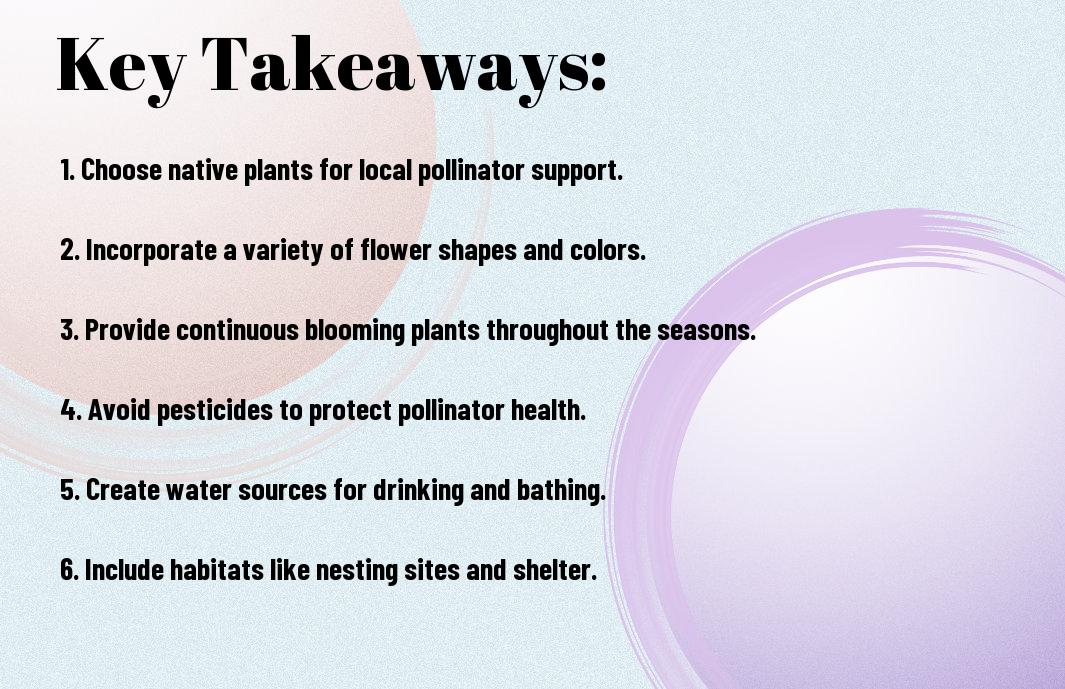
To create a sustainable and thriving garden that supports pollinators, consider the following points:
- Choose native plants that provide nectar and pollen for a variety of pollinators, including bees, butterflies, and hummingbirds.
- Incorporate a diversity of flowering plants that bloom at different times to provide a constant source of food and shelter for pollinators throughout the growing season.
- Opt for organic gardening methods and avoid using pesticides, which can harm or kill pollinators, and instead use natural methods to control pests and diseases in your garden.
Planning Your Garden
A well-designed garden starts with a plan, and you can get inspiration from resources like Planting a Pollinator Garden: A Quick Start Guide to create a beautiful and functional space.
Choosing the Right Plants
Against the backdrop of your garden’s unique conditions, you’ll want to select plants that attract pollinators and thrive in your local climate, considering factors like soil type and sunlight exposure.
Selecting a Location
One of the first decisions you’ll make is where to locate your pollinator garden, taking into account the amount of sunlight and wind protection your plants will need to flourish.
A key aspect of selecting a location is assessing your yard’s microclimate, considering factors like the slope, soil moisture, and existing vegetation, to determine the best spot for your pollinator garden, allowing you to create an optimal environment for your plants to grow and attract pollinators.
Preparing the Soil
There’s no denying that a pollinator-friendly garden starts with healthy soil. You’ll want to assess your soil’s condition and make any necessary adjustments to create a welcoming environment for your plants and pollinators. This involves testing the pH level and adding organic matter to ensure optimal growth and fertility.
Testing the pH Level
Along with assessing your soil’s structure, you’ll need to test its pH level to determine if it’s suitable for the plants you want to grow. You can purchase a soil testing kit or send a sample to a lab for analysis, which will help you determine if your soil is acidic, alkaline, or neutral.
Adding Organic Matter
Adding organic matter such as compost or well-rotted manure will help improve your soil’s fertility and structure. You can also incorporate other organic materials like leaf mold or green waste to create a nutrient-rich soil that will support healthy plant growth.
Further to adding organic matter, you’ll find that your soil’s biodiversity will increase, supporting a wide range of microorganisms and insects that are vital for a thriving pollinator-friendly garden. As you continue to add organic matter, you’ll notice improvements in your soil’s water-holding capacity and overall health, making it an ideal environment for your plants to flourish and attract pollinators.
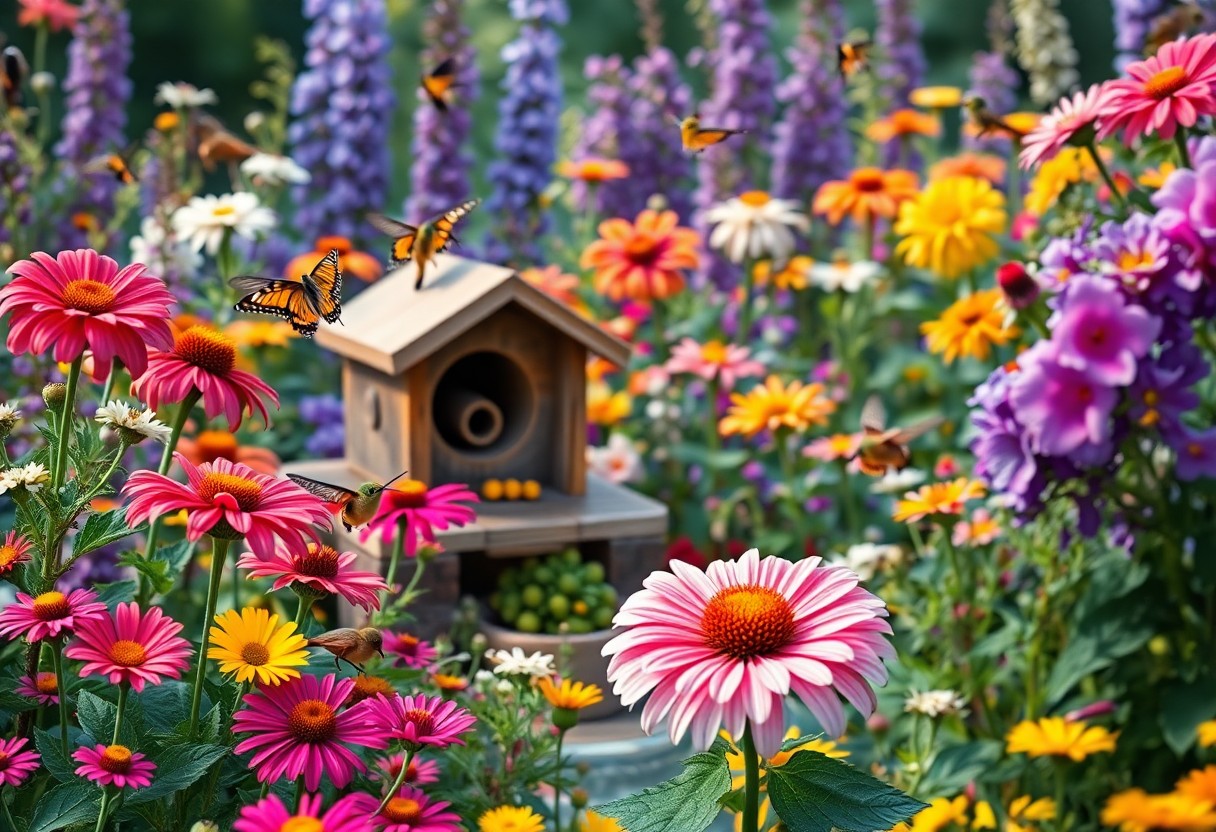
Creating a Pollinator-Friendly Environment
All gardens can become a haven for pollinators by following simple tips. You can learn more about designing your garden by visiting 10 Tips for Starting a Pollinator Garden to create a welcoming space for these beneficial insects.
Providing Water Sources
Ecologically, you will want to provide water sources for your pollinators, such as shallow dishes or birdbaths with fresh water, to ensure they have a place to drink and cool off.
Minimizing Pesticide Use
Across your garden, you should be mindful of the products you use, opting for natural methods to control pests and minimize harm to pollinators.
In fact, you can adopt integrated pest management techniques, such as introducing beneficial insects or using physical barriers, to protect your garden while preserving the health of pollinators, allowing you to enjoy the beauty and benefits of your pollinator-friendly garden.
Planting a Variety of Flowers
To create a pollinator-friendly garden, you’ll want to plant a diverse range of flowers that provide nectar and pollen for different types of pollinators. This will attract a variety of bees, butterflies, and other beneficial insects to your garden.
Native Plants and Their Benefits
Alongside other flowers, native plants offer numerous benefits, as they have co-evolved with local pollinators, providing the perfect source of food and shelter. You can choose native plants that are suitable for your region and climate, ensuring your garden is pollinator-friendly.
Incorporating Herbs and Vegetables
With a mix of herbs and vegetables, you can add more variety to your garden, providing a constant source of nectar and pollen for pollinators. You can plant herbs like lavender, rosemary, and thyme, which are rich in nectar, alongside vegetables like tomatoes and cucumbers.
In fact, incorporating herbs and vegetables into your pollinator-friendly garden can have a significant impact on the local ecosystem, as they provide a source of food for pollinators and attract beneficial insects that can help with pest control, making your garden more sustainable and thriving. You can experiment with different combinations of herbs and vegetables to find what works best for your garden and the pollinators that visit it.
Maintaining Your Garden
Your garden requires regular maintenance to ensure the health and happiness of your pollinator friends. This involves a range of tasks that will keep your garden thriving.
Mulching and Composting
To keep your soil healthy, you’ll need to add a layer of mulch and compost regularly, which will help retain moisture and suppress weeds, creating a favorable environment for your plants to grow.
Pruning and Deadheading
One of the most effective ways to encourage your plants to produce more flowers is by pruning and deadheading, which will help promote new growth and attract more pollinators to your garden.
In fact, as you prune and deadhead your plants, you’ll notice an increase in flower production, which will in turn attract a wider variety of pollinators, including bees, butterflies, and hummingbirds, making your garden a vibrant and thriving ecosystem that you can enjoy all season long.
Observing and Enjoying Your Garden
Unlike other types of gardens, a pollinator-friendly garden is a dynamic and ever-changing environment. You will find yourself observing the different species of pollinators that visit your garden, and enjoying the beauty and wonder of nature up close.
Identifying Pollinators
To take your garden to the next level, take time to identify the various pollinators that visit. You can use field guides or online resources to learn about the different species of bees, butterflies, and other pollinators that are common in your area.
Learning from Your Garden
Behind every successful garden is a willingness to learn and adapt. You will discover what plants are most attractive to pollinators, and how to create a welcoming environment for these important visitors.
Your garden will become a valuable resource for learning about pollinators and the importance of conservation. You will be able to observe the different life cycles of various pollinators, and learn about the role that your garden plays in supporting these vital species. As you continue to nurture and observe your garden, you will gain a deeper appreciation for the complex relationships between plants and pollinators.
To wrap up
Considering all points, you now have the knowledge to create a pollinator-friendly garden. You can attract these beneficial insects by selecting the right plants, providing a source of water, and minimizing pesticide use in your garden. By following these steps, you will be supporting your local ecosystem and contributing to the health of your environment, making your garden a haven for pollinators and a beautiful space for you to enjoy.
FAQ
Q: What is a pollinator-friendly garden and why is it important to create one?
A: A pollinator-friendly garden is a type of garden that is designed to attract and support pollinators such as bees, butterflies, and hummingbirds. Creating a pollinator-friendly garden is important because pollinators play a vital role in maintaining the health of our ecosystem and food supply. By planting a variety of flowers, herbs, and shrubs that provide nectar and pollen, you can help support the local pollinator population and contribute to the overall health of your community.
Q: What types of plants are best suited for a pollinator-friendly garden?
A: The best plants for a pollinator-friendly garden are those that are native to your region and provide a source of nectar and pollen. Some examples of pollinator-friendly plants include coneflowers, black-eyed susans, lavender, and mint. You should also consider planting a mix of annuals and perennials, as well as a variety of plants that bloom at different times of the year. This will provide a constant source of food for pollinators throughout the growing season.
Q: How can I design my pollinator-friendly garden to be most effective?
A: To design an effective pollinator-friendly garden, consider creating a diverse and layered garden with a variety of plants of different heights and growth habits. Incorporate a mix of flowers, shrubs, and trees, and consider using a meandering path or other features that will encourage pollinators to explore the garden. You should also consider the amount of sunlight and water that your garden receives, and choose plants that are well-suited to those conditions.
Q: Are there any special maintenance considerations for a pollinator-friendly garden?
A: Yes, there are several special maintenance considerations for a pollinator-friendly garden. For example, you should avoid using pesticides, which can harm or kill pollinators. Instead, consider using natural methods of pest control, such as introducing beneficial insects or using physical barriers to protect plants. You should also consider leaving some areas of the garden unmanicured, as pollinators often nest in undisturbed soil or vegetation.
Q: Can I create a pollinator-friendly garden in a small or urban space?
A: Yes, you can create a pollinator-friendly garden in a small or urban space. Even a small balcony or patio can be turned into a pollinator-friendly garden with the use of containers or a vertical garden. Consider using compact or dwarf varieties of plants, and choose plants that are well-suited to urban conditions, such as high temperatures and low soil quality. You can also consider incorporating a pollinator-friendly garden into a larger urban landscape, such as a community garden or green roof.
