As you plan your outdoor space, you’ll discover the versatility of rocks and gravel in enhancing your landscape’s aesthetic and functionality. You can use them to create beautiful pathways, retaining walls, and decorative borders that add texture and visual interest to your yard. By incorporating rocks and gravel into your design, you can also improve drainage, reduce maintenance, and create a unique look that reflects your personal style, making your outdoor space truly special and functional.
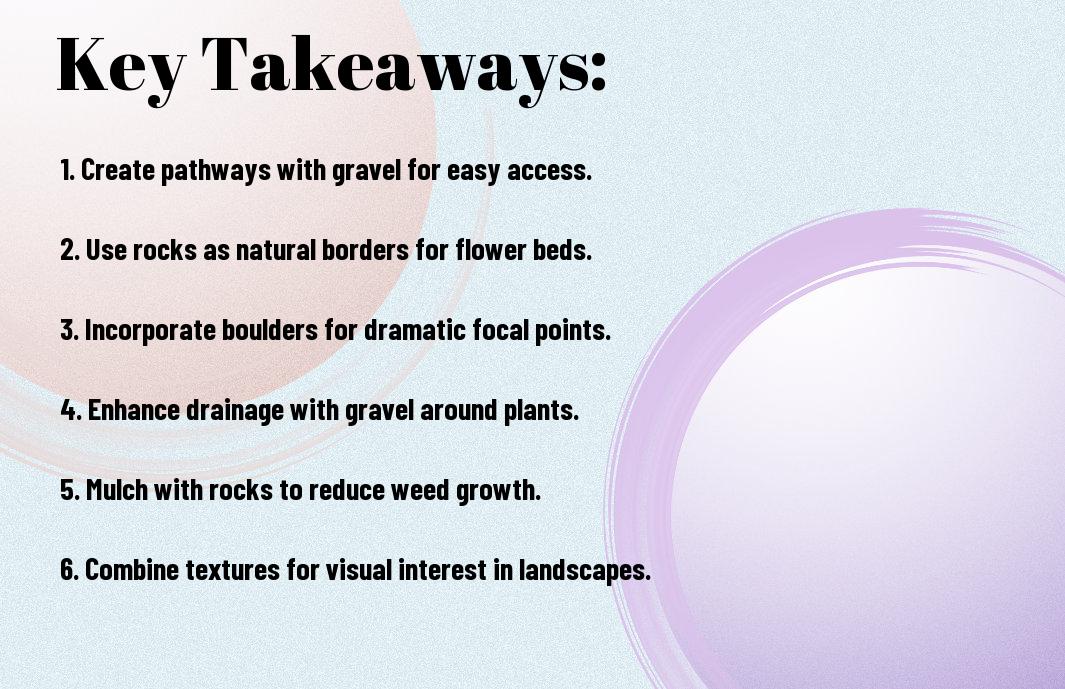
Key Takeaways:
To enhance your outdoor space, consider the following points when using rocks and gravel in landscaping:
- Using Decorative Rocks can add a touch of elegance to your garden or yard, and they come in a variety of colors and textures to suit different design themes.
- Installing Gravel Paths is an excellent way to create a beautiful and functional walkway that is also easy to maintain, as it allows for good drainage and suppresses weed growth.
- Combining Mulch and Gravel can help to create a balanced and visually appealing landscape, as the mulch retains moisture and regulates soil temperature, while the gravel provides a decorative border and prevents mulch from spreading.
Choosing the Right Rocks and Gravel
The selection of rocks and gravel for your landscaping project depends on several factors, including the desired appearance, drainage, and functionality of your outdoor space. You will need to consider various types of rocks and gravel to determine which ones best suit your needs. Your choice will significantly impact the overall look and feel of your landscape.
Considering Color and Texture
Against a backdrop of your existing landscape features, you’ll want to select rocks and gravel that complement or contrast with the colors and textures already present. You should consider the hues and finishes of your plants, hardscapes, and architectural elements to create a harmonious and visually appealing environment.
Thinking About Size and Shape
For a balanced and functional design, you must think about the size and shape of the rocks and gravel you choose. You will want to consider how different sizes and shapes will interact with each other and with other elements in your landscape, such as plants, pathways, and water features.
Choosing the right size and shape of rocks and gravel can make a significant difference in the overall aesthetic and functionality of your landscape. You should consider the scale of your outdoor space and the purpose of each area, selecting larger rocks and gravel for decorative accents and smaller ones for pathways and drainage. By doing so, you will create a well-designed and functional landscape that meets your needs and enhances your outdoor living experience.
Designing with Rocks and Gravel
It is imperative to consider the overall aesthetic you want to achieve when incorporating rocks and gravel into your landscape design. You can use them to add texture, color, and depth to your outdoor space, creating a unique and visually appealing atmosphere.
Creating Pathways and Walkways
Along with planning, you will find that rocks and gravel are perfect for creating pathways and walkways that lead to different areas of your yard, allowing you to guide visitors through your beautifully designed landscape.
Building Rock Gardens and Borders
With careful selection, you can build rock gardens and borders that complement your home’s architecture and surrounding environment, adding a touch of elegance to your outdoor space.
In addition, you can experiment with different rock sizes, shapes, and colors to create a unique and personalized rock garden or border that reflects your style and enhances your yard’s natural beauty, allowing you to enjoy a serene and inviting atmosphere.
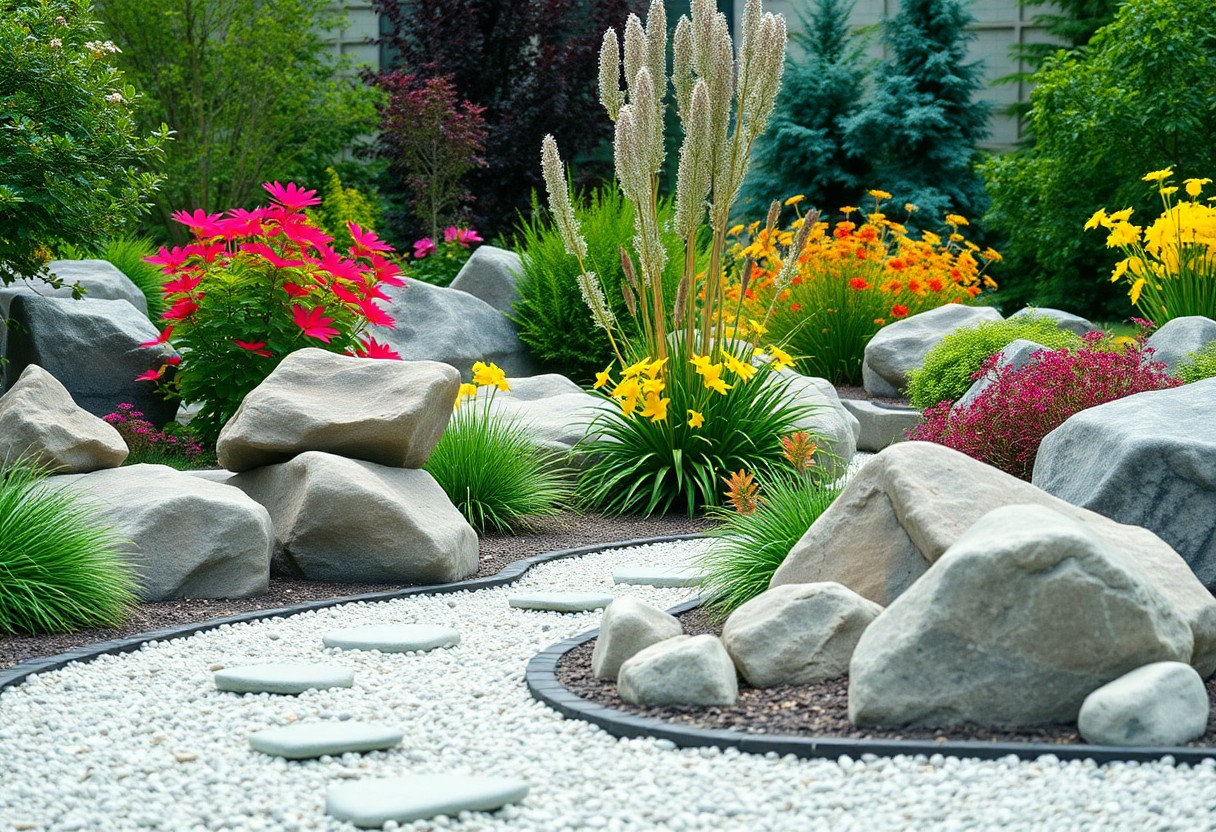
Using Rocks and Gravel for Drainage
Keep your landscape looking its best by using rocks and gravel to improve drainage. You can create a French drain or use gravel as a base layer to direct water away from your plants and prevent waterlogged soil.
Preventing Erosion and Runoff
Beneath the surface, rocks and gravel help prevent erosion and runoff by allowing water to percolate through the soil. You can use rocks to line your garden beds and gravel to fill in low-lying areas, keeping your soil in place.
Improving Soil Quality
Above all, rocks and gravel can improve your soil quality by increasing aeration and drainage. You can mix gravel into your soil to create a well-draining mix that supports healthy plant growth.
This improvement in soil quality can have a significant impact on your garden’s overall health, allowing you to grow a wider variety of plants and reducing the need for fertilizers and pesticides. As you incorporate rocks and gravel into your soil, you’ll notice an increase in beneficial microbial activity, which helps to break down organic matter and support plant growth.
Adding Decorative Touches
Now that you have a solid foundation for your landscape, you can start thinking about adding decorative touches with rocks and gravel to enhance your outdoor space.
Incorporating Rock Features and Fountains
To create a unique and visually appealing landscape, you can incorporate rock features, such as boulders or stone walls, and fountains to add a soothing sound and movement to your yard.
Mixing Gravel with Other Materials
Before selecting a specific type of gravel, consider mixing it with other materials, such as plants, mulch, or wood chips, to create a diverse and dynamic landscape that showcases your personal style.
Hence, by combining gravel with other elements, you can add texture, color, and interest to your outdoor space, making it more inviting and enjoyable for you and your guests to spend time in, and allowing you to fully utilize your yard’s potential.
Maintaining Your Rock and Gravel Landscape
Unlike other landscaping materials, rocks and gravel require minimal upkeep, but you can learn more about using rocks in your yard by visiting Rocks instead of mulch? : r/arborists. Your rock and gravel landscape will remain beautiful with regular maintenance.
Weeding and Cleaning
With a simple routine, you can keep your rock and gravel landscape looking its best, removing weeds and debris as needed to prevent accumulation.
Replacing and Refreshing
To keep your landscape vibrant, you will need to replace or refresh your rocks and gravel periodically, ensuring they continue to enhance your outdoor space.
In addition, when replacing or refreshing your rocks and gravel, you can take the opportunity to reassess your landscape design and make any desired changes, allowing you to update your yard’s look and feel to suit your evolving style and preferences, and you can also consider adding new plants or features to complement your rock and gravel landscape.
Creative Ideas and Inspirations
Despite the numerous options available, you can find inspiration for your landscaping project by exploring different resources, such as Types of Landscaping Rocks and How To Use Them, to help you get started.
Using Rocks and Gravel in Small Spaces
To maximize your small space, you can use rocks and gravel to create a beautiful and functional area, perfect for your outdoor haven, allowing you to enjoy your landscape with minimal maintenance.
Combining with Plants and Flowers
Against a backdrop of rocks and gravel, your plants and flowers will stand out, adding a pop of color and texture to your landscape, and you can experiment with different combinations to find the perfect look for your outdoor space.
At the heart of combining rocks and gravel with plants and flowers is the ability to create a unique and personalized landscape that reflects your style, and as you explore different designs, you’ll find that the possibilities are endless, allowing you to create a beautiful and inviting outdoor space that you’ll enjoy for years to come.
Summing up
Upon reflecting on the best ways to use rocks and gravel in landscaping, you can enhance your outdoor space by incorporating these elements. You will find that adding rocks and gravel can improve your landscape’s aesthetic and functionality. For more inspiration, visit How to Use Rocks in Your Landscape to explore various designs and ideas to elevate your yard, making your outdoor area unique and beautiful, tailored to your personal style and preferences.
FAQ
Q: What are the most popular types of rocks and gravel used in landscaping?
A: The most popular types of rocks and gravel used in landscaping include decomposed granite, pea gravel, river rocks, limestone, and marble chips. Each type has its unique characteristics, colors, and textures, allowing homeowners to choose the best option to suit their design and functional needs. For example, decomposed granite is ideal for pathways and walkways, while pea gravel is often used for drainage and decoration.
Q: How can I use rocks and gravel to improve drainage in my yard?
A: Rocks and gravel can be used to improve drainage in your yard by creating a French drain or a rock-lined swale. A French drain is a trench filled with gravel and rocks that directs water away from your home and yard, while a rock-lined swale is a shallow ditch filled with rocks and gravel that collects and filters rainwater. Both methods can help to prevent water accumulation and erosion in your yard.
Q: Can I use rocks and gravel as a substitute for mulch in my garden beds?
A: Yes, rocks and gravel can be used as a substitute for mulch in your garden beds. They help to suppress weeds, retain moisture, and regulate soil temperature. Additionally, rocks and gravel do not decompose like organic mulch, making them a low-maintenance option. However, it’s important to note that rocks and gravel can heat up in the sun, which may affect plant growth, so it’s best to use them in combination with other landscaping materials.
Q: How can I use rocks and gravel to create a decorative border in my yard?
A: Rocks and gravel can be used to create a decorative border in your yard by edging your garden beds, paths, or other features. For example, you can use small rocks or pebbles to create a border around your garden beds, or use larger rocks to create a statement piece. You can also mix different types and colors of rocks and gravel to create a unique and visually appealing design.
Q: What are some tips for installing rocks and gravel in my yard to ensure a professional-looking finish?
A: To ensure a professional-looking finish when installing rocks and gravel in your yard, it’s important to prepare the site properly, laying down a layer of landscape fabric to prevent weeds and soil from mixing with the rocks and gravel. You should also use a level to ensure the surface is even and compact the rocks and gravel to prevent settling. Additionally, consider using a border or edging to contain the rocks and gravel and create a clean, finished look.
