As you seek to cultivate a sense of serenity in your life, you may find yourself drawn to the tranquil beauty of a Zen garden. You can bring this peace to your own backyard by creating a space that reflects the simplicity and harmony of nature. Your journey begins with a willingness to slow down and connect with the natural world, allowing you to design a garden that nourishes both body and soul. You will begin on a path to create a haven of calm, inspired by the principles of Zen design.
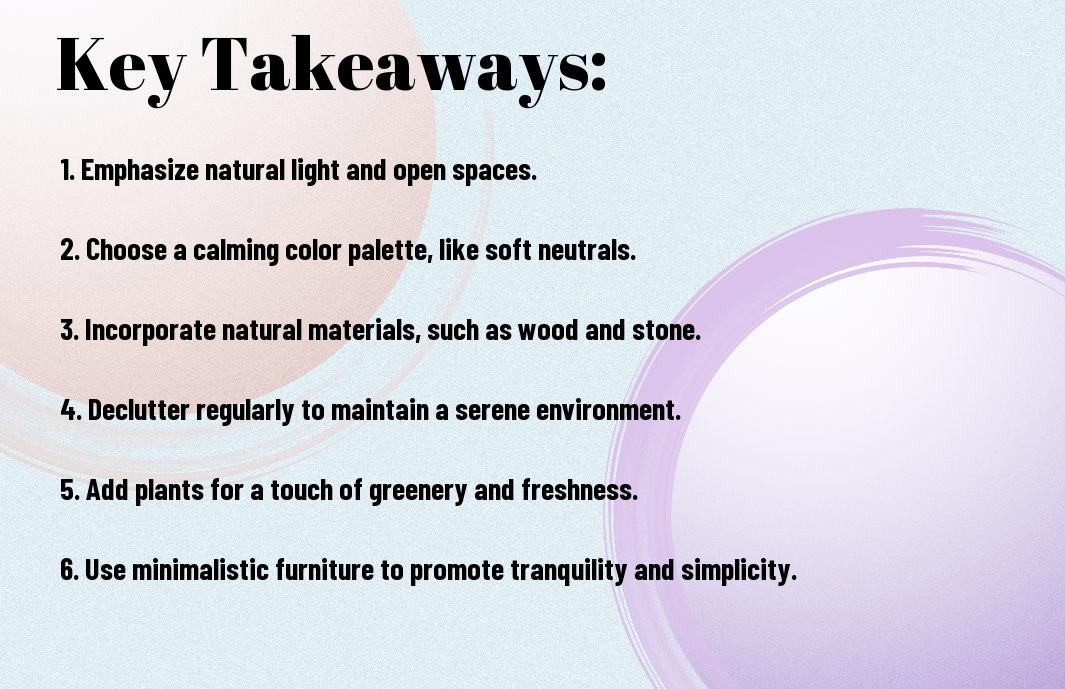
Key Takeaways:
To create a serene and peaceful outdoor space, consider the following points when designing your Zen Garden at home:
- Choose a location with a calm and quiet atmosphere, away from noisy areas, to maximize the meditative benefits of your garden.
- Select plants and decorations that promote a sense of serenity, such as bamboo, moss, and stone features, to create a harmonious and balanced environment.
- Incorporate a water feature, such as a small pond or fountain, to add a soothing sound element to your Zen Garden, enhancing the overall relaxing ambiance.
Planning
The first step in creating a Zen garden at home is to envision the space. You will be designing a serene oasis that reflects your inner peace, so take your time to consider the elements that will bring you tranquility.
Determining the Space
Across your property, you will find a spot that calls to you, a place where you can sit and unwind. You will look for a location that receives the right amount of sunlight and shade, and is secluded from noise and distractions.
Choosing the Theme
After considering your personal style and the natural surroundings, you will select a theme for your Zen garden. You will think about the types of plants, stones, and water features that will create a sense of harmony and balance in your outdoor space.
Theme selection is a personal and creative process, and you will have many options to choose from. You will consider the traditional Japanese styles, such as the tea garden or the dry garden, or you will create your own unique theme that reflects your personality and connection to nature. As you choose your theme, you will think about the colors, textures, and elements that will create a sense of calm and serenity in your Zen garden, and how you will use these elements to design a space that nurtures your mind, body, and spirit.
Design
There’s no need to be a master gardener to create a serene oasis. You can find guidance on designing your Zen garden at How to Create a Zen Garden: 7 Steps (with Pictures) to help you get started.
Selecting Plants and Features
Between the various elements, you’ll want to choose plants and features that promote a sense of calm, such as moss, stones, and small water features, to create a peaceful ambiance in your garden.
Creating a Balanced Layout
After selecting your plants and features, you’ll need to arrange them in a way that creates harmony and balance, allowing you to move freely and comfortably through your garden.
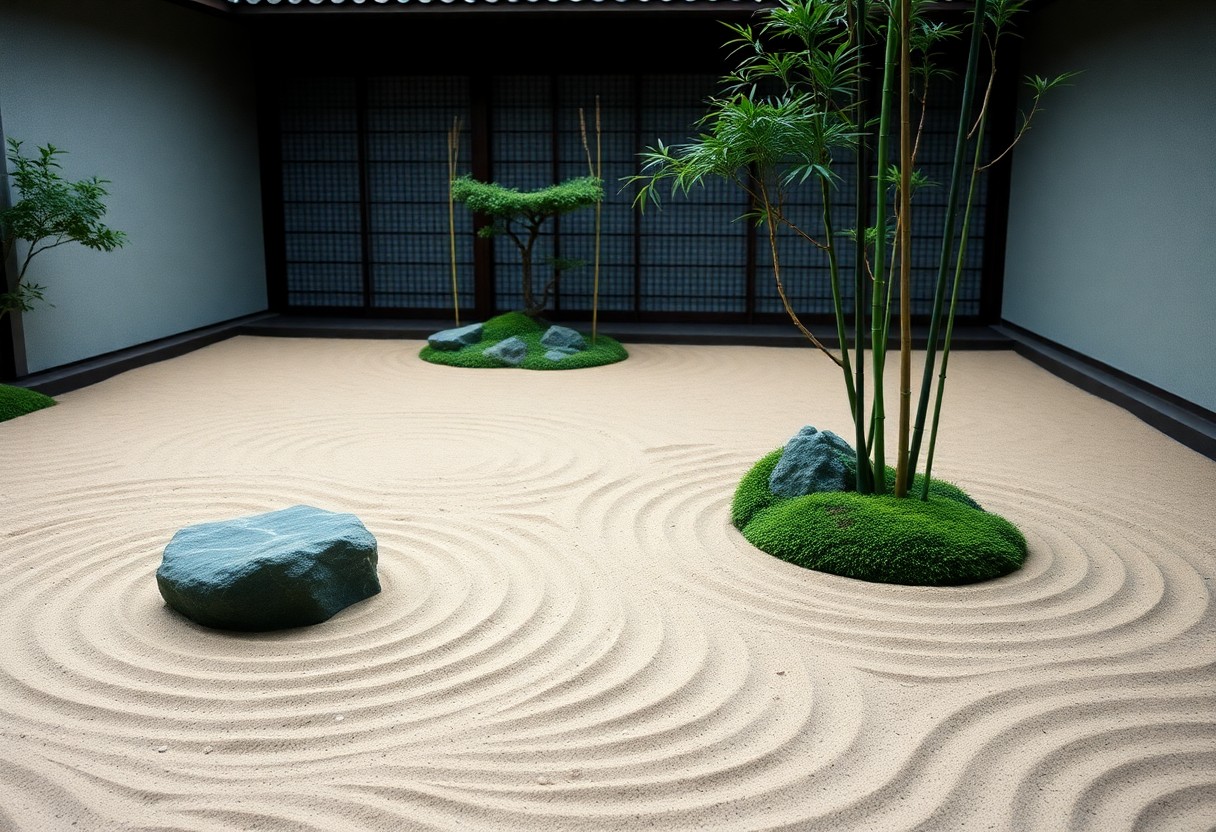
For instance, you might place larger elements, like stones or trees, in a way that guides your eye through the garden, while smaller elements, like moss or flowers, add texture and interest to the space, inviting you to slow down and appreciate the simple beauty of nature. As you design your Zen garden, consider how you can use these elements to create a sense of balance and tranquility, allowing you to cultivate a deeper connection with the natural world.
Preparation
For a serene and peaceful outdoor space, you’ll want to start by exploring ideas that inspire your vision, such as the 20 Zen Garden Ideas to Help You Unwind. This will guide your design and help you create a harmonious atmosphere.
Gathering Materials and Tools
Before you begin, gather the necessary materials and tools, considering the size and style of your garden, to ensure a smooth and enjoyable process as you bring your vision to life.
Preparing the Site
Below the surface of your yard, lies an opportunity to create a tranquil oasis, starting with a thoughtful preparation of the site, where you’ll shape the land and lay the foundation for your Zen garden.
Preparation of the site involves carefully clearing the area, considering the drainage and sunlight, and envisioning how you’ll use the space, allowing you to create a peaceful retreat that reflects your connection with nature, and as you work, you’ll find that the process itself becomes a meditative experience, inviting you to slow down and appreciate the simple beauty of the natural world around you.
Construction
Keep your design plans in mind as you begin building your Zen garden. Consider the space and materials you have available to create a serene atmosphere.
Building the Garden Structure
Besides the aesthetic appeal, the structure of your garden should be functional and simple, allowing you to move freely and focus on the present moment, as you carefully craft your outdoor sanctuary, you.
Installing the Features
Toward the end of your construction process, you will be installing the features that bring your Zen garden to life, such as a small pond or a bench, to create a sense of tranquility in your space.
Among the features you install, consider the sounds and textures that will enhance your experience, such as the gentle trickle of water or the softness of moss beneath your feet, as you sit in stillness, surrounded by the beauty of nature, you will find peace in your carefully crafted Zen garden, and your spirit will be nourished by the simplicity and serenity that surrounds you.
Maintenance
Once again, your Zen garden’s beauty relies on your attention to detail, as regular upkeep ensures its tranquility and harmony.
Caring for Plants and Water Features
Amidst the serene landscape, you’ll tend to your plants and water features, pruning and cleaning to maintain balance and prevent decay.
Ensuring a Peaceful Atmosphere
Afterwards, you’ll find that your garden’s ambiance is equally dependent on the sounds and scents surrounding it, so consider the role of wind chimes and fragrant flowers.
This thoughtful approach to your Zen garden’s atmosphere will allow you to cultivate a sense of calm, as you carefully select elements that promote stillness and quiet contemplation, inviting you to step into a world of serenity, where your spirit can unwind and connect with nature.
Enhancement
Despite the simplicity of a Zen garden, you can enhance its beauty with thoughtful additions. You’ll find that subtle embellishments can elevate your space, creating a deeper sense of tranquility and connection to nature.
Adding Decorative Elements
Above all, consider the overall aesthetic you wish to achieve, and select elements that complement your garden’s natural beauty. You might add a small stone lantern, a tranquil water feature, or a few carefully placed stones to create a sense of balance and harmony.
Incorporating Mindful Practices
Integrating mindful practices into your Zen garden experience will enrich your connection to the space. You can start by simply sitting in stillness, paying attention to your breath, and observing the surroundings without judgment, allowing yourself to fully immerse in the present moment.
It is in these moments of quiet contemplation that you’ll discover the true essence of your Zen garden, a space that invites you to slow down, let go of distractions, and cultivate a deeper sense of awareness and inner peace, as you tend to your garden and nurture your own growth, you’ll find that the boundaries between yourself and nature begin to dissolve, and a sense of unity and harmony emerges.
Conclusion
Conclusively, as you commence on creating your Zen garden, you will find solace in the simple, contemplative space you are crafting. You will shape your outdoor sanctuary, carefully selecting each element to evoke a sense of calm, allowing your spirit to unwind amidst the serene beauty of your creation, and in doing so, you will bring a touch of tranquility to your life.
FAQ
Q: What is the first step in creating a Zen garden at home?
A: The first step in creating a Zen garden at home is to choose a location that is quiet, peaceful, and ideally receives partial shade to full sun, depending on the types of plants you plan to use. Consider the size of your space and the style you want to achieve, whether it’s a small, intimate area or a larger, more expansive garden. Ensure that the area is level and clear of debris before starting your design.
Q: What types of plants are best suited for a Zen garden?
A: For a traditional Zen garden, it’s best to use plants that are native to Japan or have a similar aesthetic. Mosses, grasses, and groundcovers like thyme or sedum are excellent choices because they are low-maintenance and can thrive in a variety of conditions. Trees like bonsai, Japanese maple, or cherry blossom can add a striking focal point, while flowering plants like azaleas or rhododendrons can introduce bursts of color. Choose plants that fit your climate and the level of care you can provide.
Q: How do I incorporate decorative elements into my Zen garden?
A: Decorative elements can greatly enhance the tranquility and visual appeal of your Zen garden. Natural stone, gravel, or sand are commonly used as ground cover and can be raked into intricate patterns to add a sense of calm. Consider adding a water feature, such as a small pond or fountain, to introduce the soothing sound of water. Statues, lanterns, and stepping stones can also be used to create a serene and contemplative atmosphere. Keep the design simple and uncluttered to maintain the essence of a Zen garden.
Q: How should I maintain my Zen garden to keep it looking its best?
A: Maintenance of a Zen garden involves regular upkeep to preserve its serene beauty. This includes pruning plants to maintain shape and promote healthy growth, raking gravel or sand to maintain patterns and prevent weeds, and ensuring that water features are clean and functioning properly. Seasonal cleanup and occasional fertilization of plants can also be necessary, depending on the species and climate. The act of maintenance itself can be a meditative and fulfilling part of the Zen garden experience.
Q: Can I create a Zen garden in a small or indoor space?
A: Yes, you can create a Zen garden in a small or indoor space. For small outdoor spaces, consider using containers or a small section of your yard dedicated to your Zen garden. Choose compact or dwarf varieties of plants and keep the design simple. For indoor spaces, you can create a mini Zen garden using a shallow container filled with sand, small rocks, and a few carefully selected plants that thrive indoors, such as mosses or small succulents. This can be a wonderful way to bring a touch of serenity into your home or office, even in the smallest of spaces.