watering

How to Install a DIY Watering System

You’re looking to save time and water by installing a DIY watering system. You’ve come to the right place. Your garden will thrive with a well-planned irrigation system, and you can set it up yourself with a few simple steps. You’ll learn how to design and install a system that meets your garden’s unique needs, and you’ll be enjoying the benefits of a lush, healthy garden in no time. You’ll find the process easier than you think, and your plants will thank you.

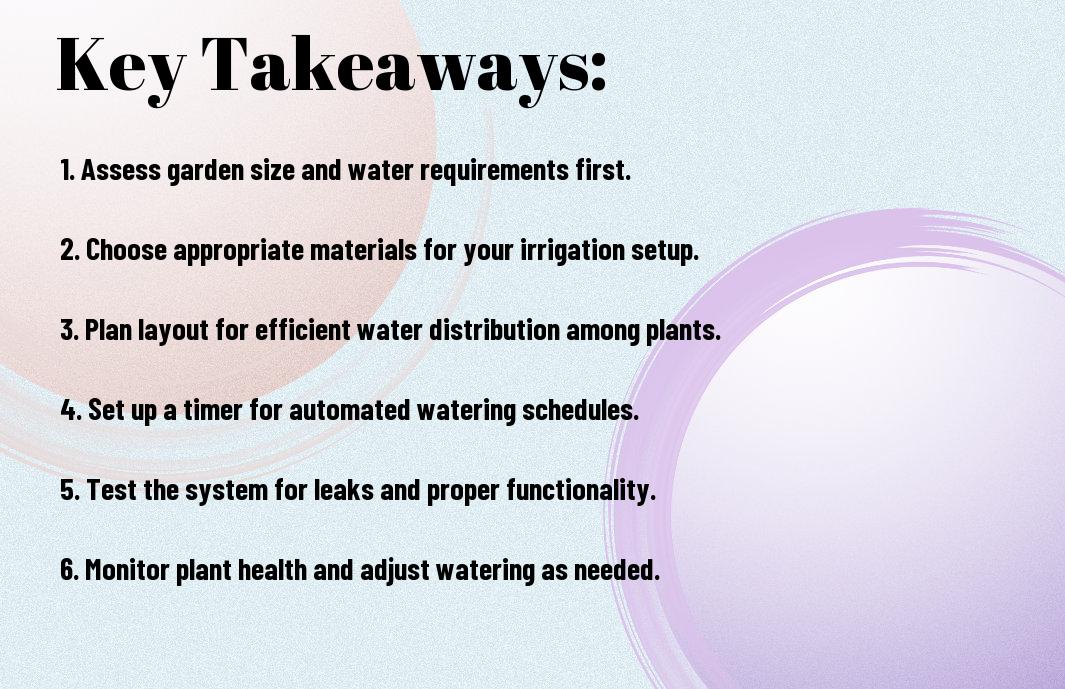
Key Takeaways:

To set up an efficient irrigation system for your garden or yard, consider the following points:

  • Start by planning the layout of your DIY watering system, taking into account the water source, pipe size, and valve placement to ensure adequate water pressure and distribution.
  • Choose the right irrigation components, including tubes, sprinklers, and drip irrigation systems, to suit your specific plant needs and climate conditions.
  • Test and maintain your DIY watering system regularly to prevent leaks, clogs, and other issues, and make adjustments as needed to optimize water efficiency and plant growth.

Planning Your System

The first step in installing a DIY watering system is to plan your system carefully. You will need to consider your garden’s size, layout, and watering needs to determine the best approach.

Assessing Your Garden Needs

Any gardener knows that understanding your garden’s specific requirements is key to creating an effective watering system. You should assess your garden’s soil type, climate, and plant species to determine the right amount of water and frequency of watering.

Choosing the Right Materials

Adept gardeners select materials that are durable and suitable for their garden’s conditions. You should choose pipes, fittings, and irrigation heads that are resistant to corrosion and can withstand your garden’s climate.

This selection process involves considering factors such as water pressure, flow rate, and UV resistance. You will need to evaluate your options and choose materials that meet your garden’s specific needs, ensuring a reliable and efficient watering system that will save you time and water.
Preparing the Site

Any homeowner can install a DIY watering system with ease, and you can start by checking out this guide on how to Create a DIY Sprinkler System for Watering Your Garden to get an idea of what you’ll need.

Clearing the Area

Beneath the surface of your yard, you’ll find the perfect spot to begin, so start by clearing the area of any debris or obstructions that could interfere with your system.

Laying Out the System

Preferably, you’ll want to lay out your system in a way that maximizes water distribution, so consider the size and shape of your yard as you plan.

To ensure your system is effective, you’ll need to map out the best route for your pipes and sprinklers, taking into account the water pressure and flow rate, and you can use a garden hose to test the layout before you start digging.

Installing Pipes and Fittings

Once again, you’ll need to gather your materials and tools before starting this step. You’ll be working with pipes, fittings, and valves to create a network that distributes water to your plants. Make sure you have a clear plan and layout to follow.

Cutting and Connecting Pipes

Across the board, cutting and connecting pipes requires precision and attention to detail. You’ll need to measure and cut your pipes to the right length, then connect them using fittings such as couplers and elbows.

Securing Fittings and Valves

Similarly, securing your fittings and valves is imperative to prevent leaks and ensure a smooth flow of water. You’ll need to tighten all connections firmly, but avoid over-tightening, which can damage the pipes or fittings.

Consequently, as you secure your fittings and valves, you’ll want to double-check your work to make sure everything is tightened properly. You can test your system by turning on the water supply and checking for leaks. This will help you identify any issues before you’ve completed the installation, saving you time and hassle in the long run. You’ll be able to enjoy the benefits of your DIY watering system, knowing that you’ve done the job correctly.

Setting Up the Water Source

Despite the variety of options, choosing the right water source is straightforward. You’ll need to select a water source, such as a hose or rainwater tank, to supply your DIY watering system.

Connecting to a Water Supply

Across your yard, you’ll find the perfect spot to connect your watering system to a water supply, ensuring it’s easily accessible and out of the way.

Installing a Pump or Timer

For your system to work efficiently, you’ll need to install a pump or timer, which will help regulate water flow and pressure, allowing you to customize your watering schedule.

Plus, when installing a pump or timer, you’ll want to consider factors such as water pressure, flow rate, and power source, ensuring your system operates smoothly and effectively, and you can enjoy the benefits of your new DIY watering system, with your plants thriving under your careful management.

Implementing Water Conservation Measures

All water conservation efforts start with a plan, and you can find valuable information on How To Install An Irrigation System to get started. This will help you make the most of your DIY watering system.

Using Rainwater Collection Systems

Around your home, you can implement rainwater collection systems to reduce your water bill and minimize waste.

Incorporating Drip Irrigation

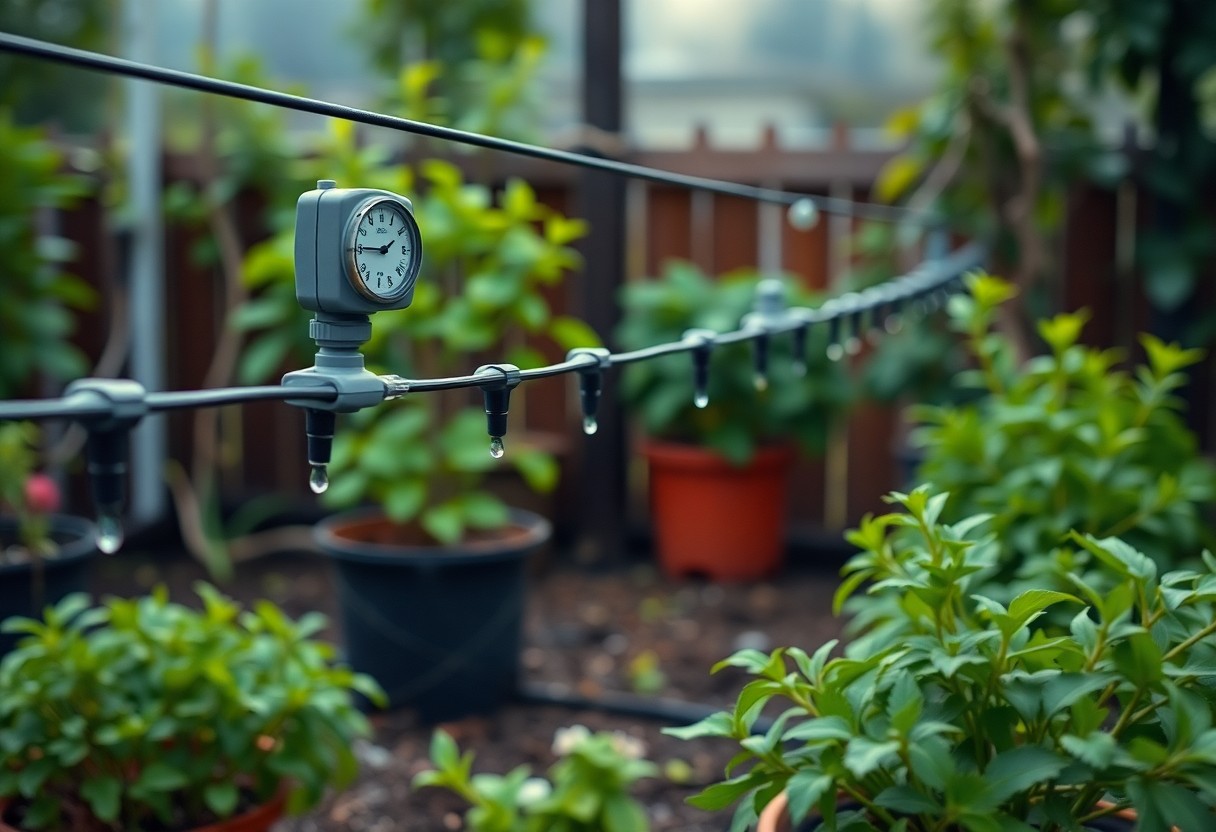
By installing drip irrigation, you will be able to deliver water directly to the roots of your plants, reducing evaporation and runoff.

Conservation of water is key when designing your DIY watering system, and incorporating drip irrigation is an effective way to achieve this, as you will be able to control the amount of water your plants receive, ensuring that they get exactly what they need to thrive, and you can make adjustments as you see fit to optimize your system for your specific plants and climate.

Testing and Maintenance

Many factors can affect your DIY watering system’s performance, so it’s vital to test and maintain it regularly. You’ll want to ensure your system is working correctly and make any necessary adjustments.

Initial System Test

Maintenance begins with an initial test to verify that your system is functioning as expected. You should check for leaks, proper water pressure, and that all components are working together seamlessly.

Regular Maintenance Tasks

Guarding against issues like clogs and wear on your system requires regular checks. You should inspect your DIY watering system periodically to ensure it continues to operate efficiently.

In fact, performing these regular maintenance tasks will help you identify and fix problems before they become major issues, saving you time and money in the long run. You’ll be able to enjoy the benefits of your DIY watering system, knowing that your plants are receiving the right amount of water, and that your system is running smoothly and effectively.
Final Words

Upon reflecting on your DIY watering system installation, you should feel accomplished knowing you’ve created a efficient way to care for your plants. You’ve successfully set up a system that will save you time and water, and your plants will thrive as a result. With your new system in place, you can now enjoy the benefits of a well-hydrated garden with minimal maintenance, and you can be proud of the work you’ve done to make it happen with your own hands.

FAQ

Q: What are the basic components of a DIY watering system and where can I find them?

A: A DIY watering system typically consists of a water source, tubing, fittings, emitters or sprinklers, and a timer or controller. You can find these components at most hardware stores, home improvement centers, or online retailers that specialize in gardening and irrigation supplies. Make sure to choose components that are compatible with each other and suitable for your specific watering needs.

Q: How do I determine the right size and type of tubing for my DIY watering system?

A: The size and type of tubing you need will depend on the size of your garden, the water pressure in your area, and the type of plants you are watering. Generally, 1/2″ or 1/4″ tubing is suitable for most residential gardens. Consider using tubing made from durable, UV-resistant materials such as PVC or polyethylene. You can also use online calculators or consult with a gardening expert to determine the optimal tubing size for your specific needs.

Q: How do I design a DIY watering system that ensures even water distribution and prevents overwatering?

A: To design an efficient DIY watering system, start by creating a map of your garden, including the location of plants, trees, and other features. Determine the water requirements of each plant species and group plants with similar watering needs together. Use emitters or sprinklers that are designed to deliver water at a consistent rate, and space them evenly to ensure uniform coverage. Consider using a drip irrigation system, which delivers water directly to the roots of the plants, reducing evaporation and runoff.

Q: Can I install a DIY watering system on a slope or uneven terrain, and if so, how?

A: Yes, you can install a DIY watering system on a slope or uneven terrain. To do so, use fittings and tubing that can accommodate the changing elevation and ensure a consistent water flow. You may need to use additional components such as risers, reducers, or elbow fittings to navigate the terrain. Consider using a pressure-compensating drip irrigation system, which can maintain a consistent water flow even on slopes or uneven terrain. It’s also important to ensure that the system is properly secured to the ground to prevent damage from wind or erosion.

Q: How often should I inspect and maintain my DIY watering system to ensure it continues to function efficiently?

A: Regular inspection and maintenance are important to ensure your DIY watering system continues to function efficiently and effectively. Check the system at least once a month for signs of wear, tears, or clogs, and inspect the emitters or sprinklers for mineral buildup or debris. Clean or replace clogged emitters or filters, and check the tubing for cracks or damage. Additionally, adjust the timer or controller as needed to account for changes in weather patterns or plant growth, and consider running the system for a few minutes after maintenance to ensure it’s working correctly.

How to Keep Your Lawn Lush Without Overwatering

As you stroll through your garden, you desire a lush, vibrant lawn that is the envy of your neighbors. You wish to nurture your grass with precision, avoiding the pitfalls of overwatering that can lead to unsightly brown patches and wasting precious resources. In this guide, you will discover the secrets to maintaining a thriving lawn, with just the right amount of moisture to keep your grass healthy and resilient, ensuring your outdoor space remains a haven of beauty and serenity throughout the year.

Key Takeaways:

To maintain a healthy and lush lawn without overwatering, consider the following points:

  • Use efficient irrigation systems that deliver water directly to the roots of the plants, reducing evaporation and runoff, and allowing you to conserve water while keeping your lawn healthy.
  • Implement smart watering schedules that take into account weather conditions, soil type, and the specific needs of your lawn, to avoid overwatering and prevent waste.
  • Monitor your lawn’s moisture levels regularly and adjust your watering habits accordingly, using techniques such as soil testing to determine the optimal amount of water for your lawn to thrive.

Preparing Your Lawn

While tending to your lawn, you must consider the foundational elements that contribute to its health and vitality. Your actions will have a significant impact on the overall appearance and resilience of your lawn.

Assessing Soil Type

Evaluating the composition of your soil is crucial, as it will inform your decisions regarding watering and fertilization, allowing you to tailor your approach to meet the specific needs of your lawn, thus ensuring its optimal condition.

Choosing the Right Grass

Analyzing the various types of grass available will help you select the most suitable variety for your climate and soil, enabling you to create a lush and vibrant landscape that thrives under your care.

At this stage, you will need to explore deeper into the characteristics of different grass species, considering factors such as drought tolerance, shade tolerance, and maintenance requirements, to make an informed decision that suits your lifestyle and the unique conditions of your lawn, ultimately leading to a beautiful and sustainable outdoor space that you can enjoy for years to come.

Watering Strategies

Some of the most effective methods for maintaining a lush lawn involve adopting a thoughtful approach to watering, whereby you carefully consider the needs of your grass and the environment in which it grows, adjusting your watering schedule accordingly to prevent overwatering.

Measuring Rainfall

Around the time of year when rainfall is plentiful, you will find that your lawn requires less supplemental watering, and by monitoring the amount of rainfall your lawn receives, you can adjust your watering schedule to ensure your lawn stays healthy and thriving.

Installing a Rain Sensor

Watering your lawn with precision can be achieved by installing a rain sensor, which will automatically adjust your irrigation system to account for rainfall, thereby preventing overwatering and ensuring your lawn receives just the right amount of moisture.

Sensor technology can be a valuable tool in your quest to maintain a lush, vibrant lawn, as it allows you to customize your watering schedule to meet the unique needs of your lawn, taking into account factors such as soil type, climate, and grass species, and with proper installation and maintenance, a rain sensor can help you achieve a beautiful, healthy lawn while also conserving water.

Maintaining Optimal Moisture

Your lawn’s moisture levels are vital to its health, and you must take great care to ensure it is not too dry or too wet, for this can lead to a multitude of problems, including disease and pests.

Mowing and Aeration

Akin to a gentle summer breeze, after the initial watering, you should consider mowing and aerating your lawn to promote healthy growth and prevent thatch buildup, allowing your lawn to breathe and absorb moisture more efficiently.

Controlling Weeds and Pests

Much like a meticulous gardener, mowing your lawn regularly will help prevent weeds from taking hold, and by using natural methods to control pests, you can maintain a balance that will keep your lawn lush and healthy, free from the ravages of unwanted invaders.

Understanding the types of weeds and pests that can afflict your lawn is key to controlling them, and you will find that by using a combination of physical barriers, organic pest control methods, and careful observation, you can keep these unwanted visitors at bay, allowing your lawn to flourish under your tender care.

Monitoring and Adjusting

Despite your best efforts, your lawn’s watering needs may change over time. You must be vigilant and adapt your strategy to ensure your lawn remains lush and healthy.

Tracking Weather Patterns

Beneath the surface of your daily routine, you should keep an eye on the weather forecast to anticipate and prepare for extreme weather conditions that may affect your lawn’s hydration needs.

Soil Moisture Testing

Alongside your regular lawn care routine, you will need to test the moisture levels in your soil to determine if your lawn is receiving the right amount of water, and you can do this by inserting a finger into the soil or using a soil moisture probe.

Another aspect of soil moisture testing involves observing your lawn’s appearance, as a healthy lawn will have a vibrant color and springy texture, while a lawn that is overwatered or underwatered will appear wilted and discolored, allowing you to adjust your watering schedule accordingly to achieve the perfect balance for your lawn’s optimal health.

Efficient Irrigation Systems

Once again, you find yourself pondering the secrets to a lush lawn, and efficient irrigation systems hold the key. You can discover more about maintaining a healthy lawn by visiting 7 Lawn Care Tips for A Lush Green Lawn, a treasure trove of advice for the discerning homeowner.

Drip Irrigation and Soaker Hoses

With the aid of drip irrigation and soaker hoses, you can deliver water directly to the roots of your plants, minimizing waste and ensuring your lawn receives the perfect amount of moisture.

Smart Watering Controllers

Among the innovative solutions available, smart watering controllers stand out as a viable option, allowing you to tailor your irrigation schedule to the unique needs of your lawn.

It is worth noting that these controllers can be programmed to adjust watering times based on weather conditions, soil moisture levels, and other factors, ensuring your lawn receives the right amount of water, every time, and helping you to maintain a lush, vibrant exterior that is the envy of all who lay eyes on it, as you work to keep your lawn healthy and thriving, with your careful attention to its needs.

Seasonal Considerations

All lawns require tailored care, and you can find tips on How to get a lush green lawn to achieve the desired look.

Summer and Drought Management

To maintain a lush lawn during summer, you should adjust your watering schedule to accommodate the increased heat, ensuring your lawn stays healthy and vibrant.

Winter and Freeze Protection

Before the first frost, you must take steps to protect your lawn from the harsh winter conditions, applying a suitable fertilizer to promote root growth during the dormant season.

It is especially important, as you prepare your lawn for the cold months ahead, to choose the right type of protection, considering factors such as temperature fluctuations and potential snowfall, to ensure your lawn remains lush and resilient when spring arrives, and you can once again enjoy its beauty.

Summing up

On the whole, you have now garnered the important knowledge to tend to your lawn with precision, thereby keeping it lush without overwatering. You will monitor your lawn’s moisture levels, adjust your watering schedule accordingly, and perhaps implement more efficient irrigation systems. By heeding these guidelines, you will be able to nurture a vibrant and thriving lawn, one that brings you joy and serenity, while also conserving this precious resource, water, for your own benefit and that of your surroundings. Your lawn will flourish under your diligent care.

FAQ

Q: What is the best way to determine if my lawn needs watering?

A: Check your lawn by walking on it – if the grass springs back up after you step on it, it’s likely fine. But if it stays flat, it’s time to water. You can also check the soil moisture by inserting a finger into the soil up to the knuckle. If the soil feels dry, it’s time to water. Additionally, consider using a rain sensor or smart watering controller to help you determine the optimal watering schedule for your lawn.

Q: How often should I water my lawn to keep it lush without overwatering?

A: The frequency of watering depends on the type of grass, climate, and soil type. As a general rule, most lawns need about 1-2 inches of water per week, either from rain or irrigation. It’s best to water deeply but infrequently to encourage deep root growth and make your lawn more drought-resistant. For example, watering your lawn once or twice a week for 20-30 minutes is better than watering it every day for 5-10 minutes.

Q: What are some signs of overwatering that I should look out for?

A: Some common signs of overwatering include: yellowing or browning of the grass, spongy or soft soil, shallow roots, and an increased risk of pests and diseases. If you notice any of these signs, it’s likely that you’re overwatering your lawn. To avoid overwatering, make sure to check the soil moisture before watering, and avoid watering during peak sun hours or when the soil is already saturated.

Q: Can I use drought-tolerant grass species to reduce watering needs?

A: Yes, using drought-tolerant grass species can significantly reduce watering needs. Some popular drought-tolerant grass species include buffalo grass, blue grama grass, and Bermuda grass. These grasses have deeper roots and are more efficient at using water, making them ideal for areas with low rainfall or water restrictions. Additionally, consider using a mix of grass species to create a more resilient and adaptable lawn.

Q: Are there any additional tips for keeping my lawn lush without overwatering?

A: Yes, here are a few additional tips: maintain your lawn mower at a height of 2.5-3 inches to promote deep root growth, leave grass clippings on the lawn to act as a natural fertilizer, and use organic fertilizers or compost to promote healthy soil biota. Additionally, consider aerating your lawn once a year to improve soil drainage and reduce soil compaction. By following these tips and being mindful of your watering schedule, you can keep your lawn lush and healthy without overwatering.

Opaye Skip to content