Vertical

How to Create a Stunning Vertical Garden

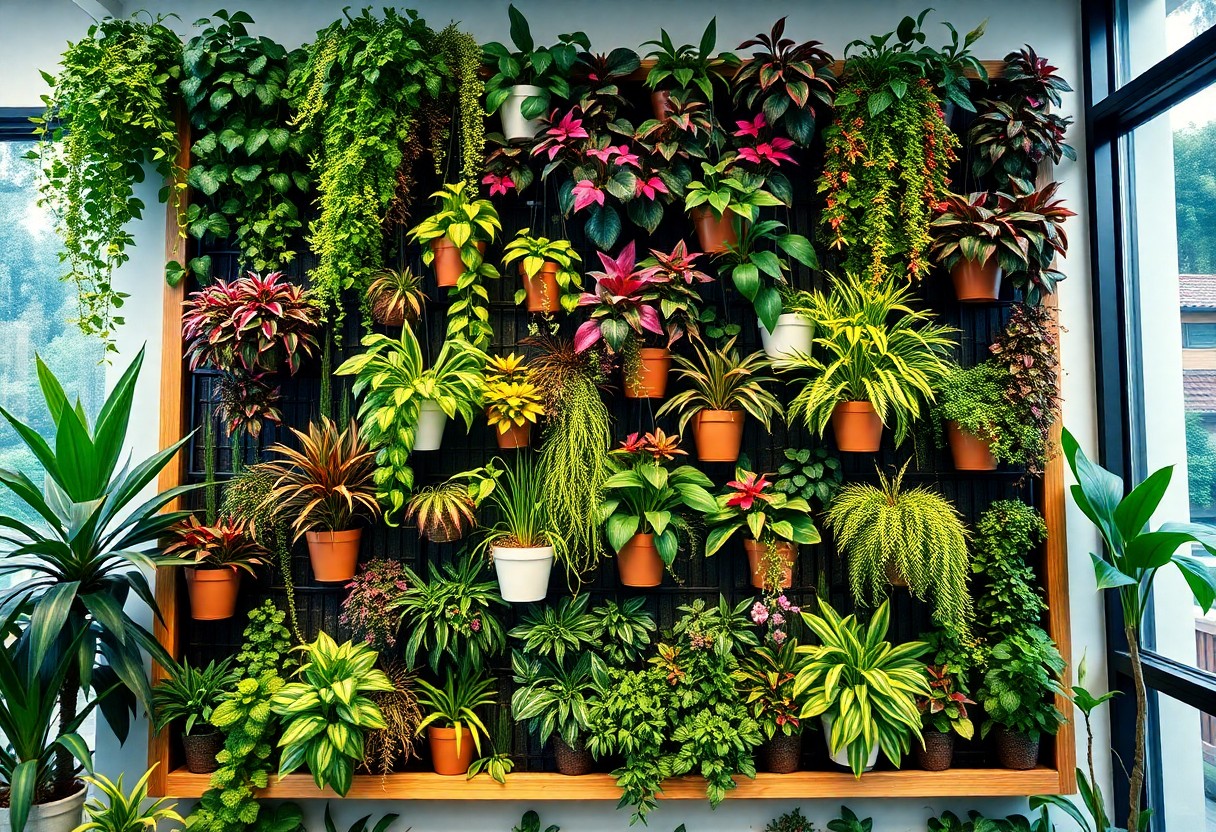
You want a garden, but space is tight. You look up, and there’s your answer. A vertical garden can thrive on any wall, given the right setup. You’ll need to choose your plants, select a suitable structure, and get your hands dirty. Your options are endless, from lush greens to vibrant blooms. You’ll learn how to bring your vision to life, step by step, and create a stunning vertical garden that showcases your style and adds life to any room.

Key Takeaways:

To create a stunning vertical garden, consider the following points:

  • Choose the right plants that are suitable for vertical gardening, such as succulents, ferns, and ivy, and ensure they receive the right amount of light and water.
  • Select a supporting structure that fits your space and style, such as a trellis, wall-mounted planter, or a living wall planter, and make sure it is sturdy enough to hold the weight of the plants.
  • Consider the maintenance requirements of your vertical garden, including irrigation and fertilization, and plan accordingly to keep your garden thriving and looking its best.

Planning

Your vertical garden’s success starts with a solid plan, considering space, sunlight, and maintenance.

Choosing the right location

After assessing your outdoor space, choose a wall that gets sufficient sunlight and is easily accessible for maintenance.

Selecting the perfect plants

To begin, pick plants that thrive in vertical conditions, such as succulents or ferns, and consider their growth habits and needs.

Hence, you’ll want to select plants that fit your climate, lighting conditions, and the amount of care you can provide, ensuring your vertical garden flourishes and brings you joy, and by choosing the right plants, you’ll be able to enjoy the benefits of a lush, thriving garden.

Designing

The key to a stunning vertical garden is in the design. You can find inspiration for your project by checking out 30 DIY Vertical Garden Ideas to Show off Your Green Thumb, which will help you get started.

Considering the theme and style

Among the first decisions you’ll make is the theme and style of your garden. You’ll want to choose a style that fits your space and personal taste, whether it’s modern, traditional, or rustic.

Creating a balanced composition

Considering the layout of your plants is imperative. You’ll want to balance the composition of your garden by mixing plants of different textures, colors, and sizes to create visual interest.

Understanding how to create a balanced composition is vital to the success of your vertical garden. You’ll need to think about the placement of each plant, taking into account its growth habits, and how it will interact with the other plants in your garden, to create a harmonious and visually appealing whole.

Building

Not everyone has a green thumb, but with the right guidance, you can create a stunning vertical garden. You’ll need to start by preparing your space and gathering materials.

Preparing the wall or structure

Constructing a strong foundation is key. You’ll be building on this, so make sure your wall or structure can support the weight of your garden.

Installing the necessary infrastructure

On the surface, it may seem like a daunting task, but you’ll be surprised at how simple it can be. You’ll need to install a trellis or framework to support your plants.

To get started with installing the necessary infrastructure, you’ll need to assess your space and determine the best type of system for your garden. You’ll need to consider factors such as drainage, irrigation, and accessibility, and choose materials that fit your needs and budget. By taking the time to plan and install a solid infrastructure, you’ll be setting your garden up for success.

Planting

After preparing your vertical garden, it’s time to add the plants. You’ll need to choose the right ones for your space and climate.

Selecting the right soil and nutrients

On the subject of soil, you’ll want to pick a mix that drains well and holds moisture. You’ll also need to consider the nutrient needs of your plants.

Planting and arranging the greenery

Around your garden, you’ll be placing plants with varying textures and colors. You’ll arrange them in a way that creates visual appeal and balance.

Soil quality will affect how your plants grow, so you’ll want to plant them in a way that allows for good root growth. You’ll place each plant in its spot, making sure the soil is firm around the roots, and then add more soil as needed, finishing with a layer of mulch to retain moisture and suppress weeds, allowing your garden to thrive under your care.
Maintaining

To keep your vertical garden thriving, you’ll need to establish a routine. This will ensure your plants get the care they need to grow and flourish.

Watering and irrigation systems

Afterwards, you’ll need to set up a system that delivers the right amount of water to your plants. You can use a drip irrigation system or soaker hose to minimize waste and keep your plants healthy.

Pruning and fertilizing techniques

Following fertilization, you’ll need to prune your plants to maintain shape and promote growth. This will help you achieve the desired look and keep your garden looking its best.

To master pruning and fertilizing techniques, you’ll need to observe your plants closely. You’ll learn to identify when they need a boost, and when they’re getting too much or too little of a good thing. By paying attention to your plants’ needs, you’ll be able to make adjustments and keep your vertical garden thriving.

Troubleshooting

Many issues can arise with your vertical garden, but most can be easily resolved with some troubleshooting. You’ll need to inspect your garden regularly to identify any problems early on. Check your plants for signs of stress, such as yellowing leaves or slow growth, and adjust your care routine as needed. This will help you catch any issues before they become major problems.

Common problems and solutions

Any issues you encounter can often be solved with simple adjustments to your care routine. You may need to adjust the amount of water or sunlight your plants are getting, or add more nutrients to the soil. By making a few small changes, you can get your garden back on track.

Pest control and disease management

Between pests and diseases, your vertical garden can be vulnerable to damage. You’ll need to keep an eye out for signs of trouble, such as holes in leaves or white powdery patches on stems. Take action quickly to prevent the problem from spreading.

To manage pests and diseases effectively, you’ll need to take a proactive approach. You should inspect your plants regularly, looking for any signs of trouble. If you do find a problem, take action right away – remove infected plants, treat with insecticidal soap, or apply fungicide as needed. By staying on top of pest and disease control, you can keep your vertical garden healthy and thriving. You’ll be able to enjoy the benefits of your garden, without the hassle of dealing with pesky problems.

Conclusion

Considering all points, you’ve got the basics to create a stunning vertical garden. You’ve learned to choose the right plants, build a solid structure, and maintain your garden. Now, it’s your turn to get your hands dirty and bring your vision to life. With patience and practice, your vertical garden will thrive, and you’ll enjoy the beauty and freshness it brings to your space. Your new garden will be a reflection of your hard work and dedication.

FAQ

Q: What is a vertical garden and how does it work?

A: A vertical garden, also known as a living wall or green wall, is a type of garden where plants are grown upwards using a trellis, wall, or other support system. This type of garden works by using a soilless growing medium, such as a felt or mat, that holds the plant’s roots in place, while a watering system provides the necessary nutrients and moisture for the plants to thrive. Vertical gardens can be used to add a touch of nature to any space, from small apartments to large commercial buildings.

Q: What type of plants are best suited for a vertical garden?

A: The type of plants that are best suited for a vertical garden depend on the amount of sunlight, temperature, and moisture the garden will receive. Some popular plants for vertical gardens include ferns, succulents, and flowering vines like ivy and clematis. Herb gardens and vegetable gardens can also be created vertically, using plants like basil, rosemary, and lettuce. When choosing plants, consider factors such as their mature size, growth rate, and watering requirements to ensure the best results.

Q: How do I choose the right materials for my vertical garden?

A: Choosing the right materials for your vertical garden is imperative for its success. Consider using a durable and weather-resistant frame, such as a wooden or PVC trellis, and a soilless growing medium that can hold the plant’s roots in place. A good irrigation system, such as a drip irrigation or misting system, is also necessary to provide the plants with the right amount of moisture. Additionally, consider using a waterproof backing, such as a plastic or fabric sheet, to prevent water from seeping behind the garden and causing damage.

Q: How much maintenance does a vertical garden require?

A: A vertical garden requires regular maintenance to keep it looking its best. This includes watering, fertilizing, and pruning the plants on a regular basis. The frequency of maintenance will depend on the type of plants, climate, and irrigation system used. As a general rule, vertical gardens should be watered at least once a week, and fertilized once a month. Pruning and training the plants will also be necessary to maintain their shape and promote healthy growth.

Q: Can I create a vertical garden indoors, and what are the benefits of doing so?

A: Yes, it is possible to create a vertical garden indoors, and there are many benefits to doing so. Indoor vertical gardens can help purify the air, improve the aesthetic of a room, and even boost mood and productivity. To create an indoor vertical garden, choose plants that thrive in low-light conditions, such as Chinese evergreen or peace lily, and use a hydroponic or aeroponic system to provide the plants with the necessary nutrients. Indoor vertical gardens can be placed in a living room, office, or even a kitchen, and can be a great way to bring a touch of nature indoors.
The Benefits of Vertical Gardening for Urban Homes

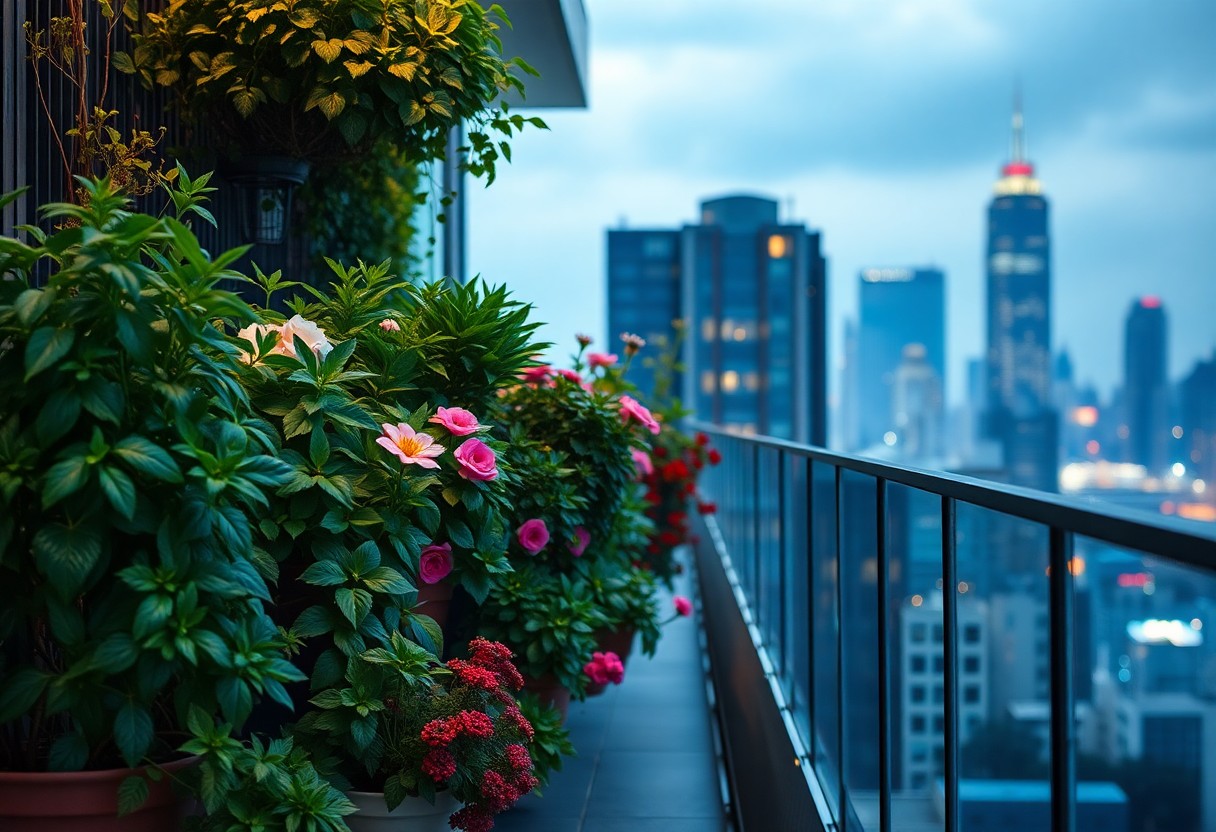
As you consideryour options for cultivating a garden in your urban home, you may find that vertical gardening is an appealing solution. With limited space, you can still enjoy the benefits of gardening by growing plants upwards. By exploring the 10 Benefits of Vertical Gardening, you will discover how this innovative approach can enhance your living space and provide a soothing oasis amidst the hustle and bustle of city life, allowing you to reap the rewards of your labor.

Key Takeaways:

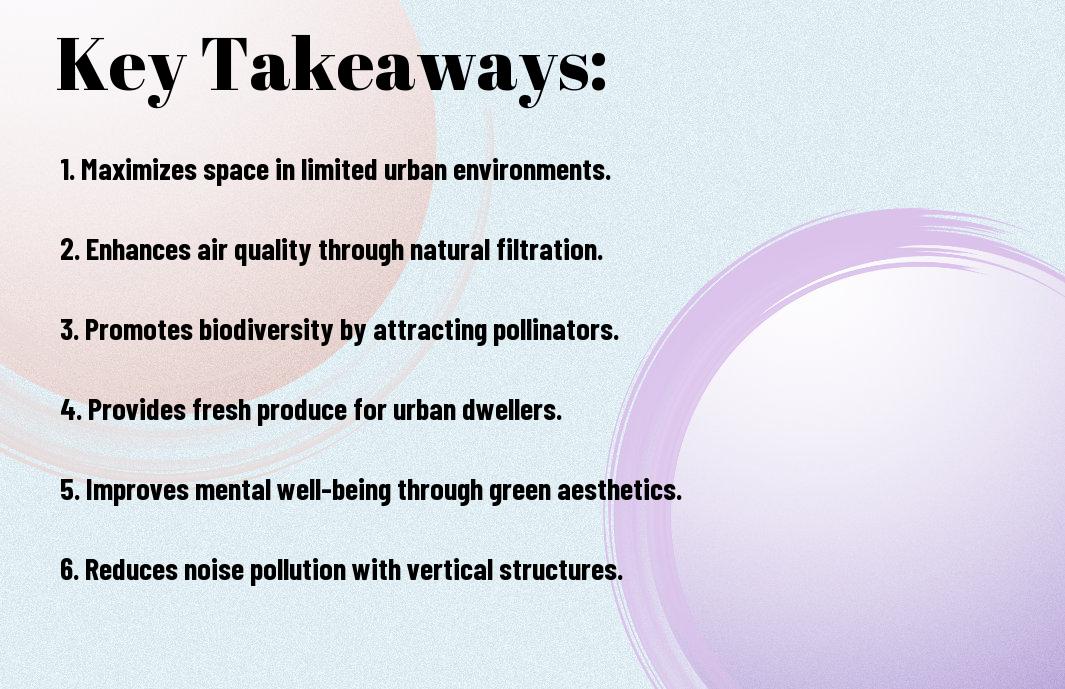
To maximize space and promote sustainable living in urban areas, consider the following advantages of vertical gardening:

  • Increased space efficiency: Vertical gardening allows homeowners to make the most of their limited outdoor space, providing an opportunity to grow a variety of plants and flowers in a small area.
  • Improved air quality: By incorporating greenery into urban homes, vertical gardens help to purify the air and reduce pollution, creating a healthier living environment.
  • Enhanced aesthetic appeal: Vertical gardens can be a beautiful addition to any home, providing a unique and visually striking display of plants and flowers that can boost the overall curb appeal of a property.

    Benefits of Vertical Gardening

    While indulging in the pleasures of urban living, you may find that your living space is limited, but this does not mean you must forgo the joys of gardening. Vertical gardening offers a most delightful solution, allowing you to cultivate a lush oasis amidst the hustle and bustle of city life.

    Space Efficiency

    One of the most significant advantages of vertical gardening is that it enables you to make the most of your available space, allowing you to grow a multitude of plants in a relatively small area, thereby maximizing your yard’s potential.

    Aesthetic Appeal

    For a touch of elegance and sophistication, vertical gardening is an excellent choice, as it adds a decorative element to your home’s exterior or interior, with the lush greenery and vibrant flowers creating a most pleasing visual display.

    Indeed, as you behold your vertical garden, you will be struck by the sheer beauty it brings to your surroundings, and you will find that the soothing presence of nature has a most calming effect on your mind and spirit, making it an invaluable addition to your urban home.

    Environmental Advantages

    Any urban homeowner can appreciate the numerous benefits of vertical gardening, as you will discover in this article, and as noted in Vertical gardens: Wellness oases in the urban jungle, which highlights the positive impact on your surroundings.

    Air Quality Improvement

    Around your urban home, the air quality can be significantly improved by implementing a vertical garden, as you breathe in the fresh air and enjoy the aesthetic appeal it brings to your living space.

    Water Conservation

    Quality of life is deeply connected to the conservation of water, and you will find that vertical gardening allows for a more efficient use of this precious resource, reducing your water waste and promoting a healthier environment.

    A key aspect of water conservation in vertical gardening is the use of a well-designed irrigation system, which you can tailor to your specific needs, ensuring that your plants receive the right amount of water, and minimizing excess water usage, thus contributing to a more sustainable urban lifestyle for you and your community.

    Increased Crop Yield

    Your urban home can reap the rewards of bountiful harvests with vertical gardening, as it allows for a greater variety of plants to be grown in a smaller space, thereby increasing your overall crop yield.

    Maximizing Space

    By utilizing walls and trellises, you can make the most of your available space, creating a lush oasis in even the smallest of areas, and enabling you to grow more plants than traditional gardening methods would allow.

    Optimized Growing Conditions

    After carefully selecting the ideal plants for your vertical garden, you will be able to provide them with the perfect balance of sunlight, water, and nutrients, resulting in healthier and more productive plants.

    At the heart of optimized growing conditions lies your ability to control the environment, allowing you to tailor the care of your plants to their specific needs, and thus, you will be delighted to observe your plants thriving in their carefully curated space, yielding a more abundant and diverse harvest for you to enjoy.

    Urban Gardening Challenges

    Unlike traditional gardening, urban gardening presents a unique set of obstacles that you must navigate to create a thriving garden in your home. Your urban space is likely to be limited, and you will need to find innovative ways to make the most of it.

    Limited Space

    Above all, the lack of available space is a significant hindrance to your urban gardening endeavors, forcing you to think creatively about how to utilize every inch of your property.

    Harsh Weather Conditions

    Beside the physical constraints, you must also contend with the often-unforgiving weather conditions that can beset your urban garden, from scorching heat to freezing cold.

    Challenges posed by harsh weather conditions can be particularly daunting, as you will need to find ways to protect your plants from extreme temperatures, pollution, and other environmental stressors that can threaten their very survival, and it is up to you to devise strategies to mitigate these effects and create a nurturing environment for your garden to flourish.

    Design and Implementation

    Once again, you find yourself pondering the particulars of vertical gardening, and how to bring this delightful concept to life in your urban home. As you consider the design, you must think about the space you have available, the amount of sunlight it receives, and the type of plants you wish to feature.

    Choosing the Right Plants

    Obviously, one of the most important aspects of vertical gardening is selecting the plants that will thrive in your unique environment. You will want to choose plants that are well-suited to the amount of sunlight and water your space provides, and that will flourish in a vertical setting.

    DIY Vertical Gardening Systems

    Beneath the surface of commercial vertical gardening systems lies a world of creative possibilities for you to explore. You can create your own DIY system using materials like wooden planks, trellises, or even repurposed pallets, allowing you to add a personal touch to your garden.

    Plus, as you research into the world of DIY vertical gardening systems, you will discover a myriad of benefits, including the ability to customize your garden to fit your specific needs and aesthetic preferences. You can experiment with different materials, designs, and plants to create a truly one-of-a-kind oasis in your urban home, showcasing your ingenuity and green thumb.

    Maintenance and Care

    For the urban gardener, maintaining a vertical garden is quite straightforward, requiring only a few minutes of your time each day to ensure your plants thrive. You will find that with a little attention, your garden will flourish, bringing joy and beauty to your home.

    Watering and Nutrient Management

    Fortunately, vertical gardens often have built-in watering systems, making it easy for you to provide your plants with the right amount of moisture and nutrients, thus simplifying your role as a caretaker of your little green oasis.

    Pruning and Pest Control

    Around the time your plants begin to grow, you will need to prune them to maintain their shape and encourage healthy growth, all while keeping a watchful eye out for any pests that might threaten the well-being of your garden.

    In addition, as you prune and inspect your plants, you will develop a deeper understanding of their needs, allowing you to tailor your care to the specific requirements of each species, and thus creating a truly thriving and beautiful vertical garden that brings you delight and satisfaction.

    To wrap up

    Summing up, you have discovered the numerous advantages of vertical gardening for your urban home. As you ponder the possibilities, you will find that this innovative approach not only saves space but also brings a touch of natural elegance to your residence, allowing you to bask in the beauty of your own making, and reap the rewards of your cleverness in cultivating a lush oasis amidst the hustle and bustle of city life, making your home a true haven.

    FAQ

    Q: What are the benefits of vertical gardening for urban homes in terms of space-saving?

    A: Vertical gardening is an excellent solution for urban homes with limited space. By utilizing walls, balconies, or even fences, you can create a lush garden without occupying valuable floor space. This method allows you to grow a variety of plants, from herbs and vegetables to flowers and succulents, making the most of your available space and enhancing the aesthetic appeal of your home.

    Q: How does vertical gardening improve air quality in urban homes?

    A: Vertical gardening plays a significant role in improving air quality in urban homes. Plants are natural air purifiers, absorbing pollutants and toxins from the air while releasing oxygen. By incorporating a vertical garden into your home, you can significantly reduce the levels of harmful substances in the air, creating a healthier environment for you and your family to breathe.

    Q: Can vertical gardening help reduce urban heat island effect?

    A: Yes, vertical gardening can help mitigate the urban heat island effect. The urban heat island effect occurs when built-up areas absorb and retain heat from the sun, making cities warmer than surrounding rural areas. By covering walls and roofs with plants, vertical gardening helps to insulate buildings, reducing the amount of heat that is absorbed and retained. This can lead to a decrease in energy consumption for cooling and a more comfortable living environment.

    Q: What are the water conservation benefits of vertical gardening in urban homes?

    A: Vertical gardening can be designed to be highly water-efficient. Many vertical gardening systems incorporate hydroponics or drip irrigation, which deliver water directly to the roots of the plants, minimizing evaporation and runoff. Additionally, using a trellis or a wall-mounted planter can help to collect and recycle rainwater, further reducing the demand on municipal water supplies. This makes vertical gardening an attractive option for urban homes looking to reduce their water footprint.

    Q: How does vertical gardening impact the mental health and well-being of urban residents?

    A: Vertical gardening has a profoundly positive impact on the mental health and well-being of urban residents. Being surrounded by nature, even in a small way, can reduce stress levels, improve mood, and provide a sense of tranquility. The act of gardening itself is also therapeutic, offering an opportunity for physical activity, social interaction (if done in a community setting), and a sense of accomplishment. In densely populated urban areas, vertical gardens can serve as oases, providing residents with a much-needed connection to nature.

What are some creative ways to use vertical gardening techniques in a small backyard space

With limited space but a desire to cultivate a flourishing garden, you may be wondering how to make the most of your small backyard. Embracing vertical gardening techniques is not only a practical solution but also a creative way to maximize your green space. In this blog post, we will explore innovative ideas and tips for utilizing vertical gardening in your small backyard, inspired by sustainable gardening practices and the beauty of nature.

Key Takeaways:

  • Utilize vertical structures: Incorporate trellises, wall-mounted planters, or hanging baskets to make use of vertical space effectively in a small backyard.
  • Create a living wall: Install a vertical garden system or plant pockets on a wall to create a lush and visually appealing living wall that can also act as a privacy screen.
  • Integrate vertical gardening with functional elements: Combine vertical gardening with other backyard elements like seating areas, pergolas, or fencing to not only maximize space but also enhance the overall aesthetic of the outdoor space.

Benefits of Vertical Gardening

A vertical garden offers several advantages that can significantly benefit your small backyard. By utilizing vertical space, you can maximize the area available for planting, create a visually appealing green space, and even improve air quality around your home.

Maximizing Space in Small Backyards

For those with limited yard space, vertical gardening is a game-changer. Instead of traditional horizontal gardening, where plants spread out and compete for ground space, vertical gardening allows you to grow upwards, making the most of your available room. You can hang planters on walls, fences, or even create a freestanding vertical garden structure to optimize every inch of your backyard.

Increased Crop Yield and Diversity

Benefits of vertical gardening go beyond just saving space. By growing plants vertically, you can increase your crop yield and diversity. This means you can grow more of your favorite herbs, flowers, or vegetables in the same area. Additionally, different plants require varying amounts of sunlight, and by arranging them vertically, you can ensure each gets the light they need for healthy growth.

This method also allows you to experiment with a wider range of plant species and varieties, enhancing the biodiversity in your garden. As you stack plants on top of each other, you create a microclimate that can support various types of plants, ultimately leading to a more productive and vibrant garden.

Choosing the Right Vertical Gardening Method

If you have a small backyard space and want to incorporate vertical gardening techniques, selecting the right method is crucial. Here are some creative ways to maximize your space and greenery.

Trellises and Arbors for Climbing Plants

To add dimension and visual interest to your small backyard, consider using trellises and arbors for climbing plants. These structures not only provide support for vines and creepers but also create a charming and rustic aesthetic. You can train plants like tomatoes, cucumbers, or flowering vines to climb the trellises, making the most of your vertical space.

Wall-Mounted Planters and Living Walls

Gardening vertically with wall-mounted planters and living walls is a stylish and practical way to introduce greenery to your small backyard. These systems allow you to grow a variety of plants, herbs, and even vegetables without taking up valuable ground space. By utilizing vertical surfaces, you can create a lush and vibrant oasis in a limited area.

Another benefit of wall-mounted planters and living walls is their versatility. You can customize the plant selection and arrangement to suit your taste and space requirements. Whether you opt for a symmetrical display of succulents or a riot of colorful flowers, the possibilities are endless when it comes to vertical gardening.

DIY Shelving and Stacking Systems

If you enjoy hands-on projects, DIY shelving and stacking systems are a wonderful way to showcase your gardening skills in a small backyard. By repurposing items like wooden crates, pallets, or even sturdy shelves, you can create multi-tiered planting areas that maximize vertical space. These systems not only add a decorative touch to your outdoor space but also allow for efficient organization of different plant varieties.

Arbors can serve as both a decorative element and a functional structure in your vertical gardening setup. You can use arbors to create a focal point in your backyard while also providing support for climbing plants or hanging baskets. With a bit of creativity and effort, you can transform an ordinary backyard into a green sanctuary using DIY shelving and stacking systems.

Selecting the Best Plants for Vertical Gardening

Despite the limited space in your small backyard, vertical gardening allows you to grow a variety of plants and maximize your growing area. Choosing the right plants is vital to ensure a successful vertical garden.

Vining Vegetables like Tomatoes and Peppers

Selecting vining vegetables like tomatoes and peppers for your vertical garden can be a great choice. These plants naturally grow upwards, making them ideal for vertical structures. They can be trained to climb trellises, stakes, or cages, saving space and keeping your garden organized. Additionally, harvesting becomes more accessible as the fruits hang down, ready for picking.

Flowering Plants like Clematis and Honeysuckle

Best suited for adding beauty and fragrance to your vertical garden, flowering plants like clematis and honeysuckle can enhance the aesthetics of your outdoor space. These climbing plants produce vibrant flowers that attract pollinators, such as bees and butterflies, contributing to a thriving ecosystem in your garden.

A variety of flowering plants like clematis and honeysuckle offer different colors, shapes, and scents, providing visual interest and sensory delight in your vertical garden.

Leafy Greens and Herbs for Year-Round Harvest

Like leafy greens and herbs, choosing plants that can be harvested continuously throughout the year ensures a fresh supply of homegrown produce. These plants are not only practical for culinary purposes but also add greenery and texture to your vertical garden. Varieties like lettuce, kale, basil, and mint are excellent choices for vertical gardening as they thrive in smaller spaces.

Herbs are incredibly versatile plants that can be used for cooking, herbal teas, and natural remedies. Having them readily available in your vertical garden allows you to infuse your dishes with fresh flavors and aromas while enjoying the benefits of homegrown, organic herbs.

Designing a Vertical Garden Layout

Creating a Focal Point with a Statement Piece

For an eye-catching vertical garden layout in your small backyard, consider creating a focal point with a statement piece. Whether it’s a unique plant, a colorful planter, or a decorative feature, choosing one element to stand out amongst the greenery can elevate the overall look of your vertical garden.

Point Balancing Height and Texture with Mixed Plantings

Point Balancing height and texture with mixed plantings is key to creating visual interest in your vertical garden. By combining plants of varying heights, colors, and textures, you can design a dynamic and engaging space that feels lush and full. Consider mixing trailing vines, compact bushes, and tall grasses to add depth and dimension to your vertical garden.

Vertical gardens offer a unique opportunity to play with the vertical space, allowing you to showcase a variety of plants in a compact area. By carefully selecting plants with different growth habits and textures, you can create a visually appealing and diverse vertical garden that will thrive in your small backyard.

Incorporating Pathways and Access Points

An important aspect of designing your vertical garden layout is incorporating pathways and access points. These pathways not only allow you to navigate your garden easily but also provide opportunities to showcase your vertical garden from different angles. Consider adding stepping stones, trellises, or small bridges to create a sense of movement and flow within your vertical garden.

Layout When planning your vertical garden, think about how you will move through the space and where you want to create focal points. By incorporating pathways and access points strategically, you can ensure that your vertical garden is not only aesthetically pleasing but also functional and easy to maintain.

Building and Installing a Vertical Garden

Unlike traditional horizontal gardens, vertical gardens allow you to maximize space by growing plants upwards on structures like trellises, walls, or towers. Building and installing a vertical garden in your small backyard can be a rewarding project that adds beauty and functionality to your outdoor space.

Materials and Tools Needed for Construction

For constructing a vertical garden, you will need basic tools such as a drill, screws, measuring tape, and a level. Depending on the design you choose, materials like cedar boards, metal mesh, hanging planters, and irrigation systems may be required. Make sure to select sturdy materials that can withstand the weight of the plants and soil when vertically mounted.

Tips for Securing Planters and Structures

  • Secure planters to structures using strong hooks or brackets to prevent them from falling.
  • Place heavier planters at the bottom of the vertical garden to ensure stability.

The key to a successful vertical garden lies in securing the planters and structures properly. Any instability can lead to plants becoming dislodged or structures collapsing, compromising the overall functionality and aesthetic appeal of your vertical garden.

Irrigation and Drainage Considerations

With vertical gardening, it’s important to consider irrigation and drainage to ensure your plants receive proper water and avoid waterlogging. Structures should allow excess water to drain efficiently without causing damage to your backyard. Additionally, installing a drip irrigation system can help you efficiently water your vertical garden while conserving water.

To maintain a healthy vertical garden, you must pay attention to its irrigation and drainage needs. Proper watering and drainage will not only promote plant growth but also prevent water-related issues such as root rot. Consider incorporating a reservoir system or self-watering planters to help maintain optimal moisture levels for your vertical garden.

Maintaining and Harvesting a Vertical Garden

Your vertical garden is a beautiful and efficient way to grow plants in a small backyard space. To ensure your vertical garden thrives, it’s necessary to keep up with regular maintenance and harvesting. For more tips and tricks on vertical gardening, check out Vertical Gardening: Innovative Ideas for Small Spaces.

Watering and Fertilizing Strategies

On watering and fertilizing your vertical garden, remember that these gardens can dry out quicker than traditional gardens due to their exposed nature. Consider installing a drip irrigation system to ensure each plant receives adequate water. Additionally, regular fertilization is crucial to keep your plants healthy and thriving. Opt for a slow-release fertilizer to provide nutrients consistently over time.

Pruning and Training Plants for Optimal Growth

The key to a flourishing vertical garden lies in proper pruning and training of your plants. Pruning helps maintain the shape of your garden, promotes air circulation, and prevents overcrowding. Training plants, such as vines, to grow vertically will maximize space and sunlight exposure, leading to better growth and yield.

To train plants effectively, use trellises, stakes, or netting to guide their growth upwards. Pruning should be done regularly to remove dead or damaged foliage and encourage new growth. By incorporating these practices into your routine, you’ll ensure a bountiful and visually appealing vertical garden.

Pest Management and Disease Prevention

Pest management and disease prevention are necessary parts of maintaining a healthy vertical garden. Regularly inspect your plants for signs of pests such as aphids or diseases like powdery mildew. Introduce beneficial insects like ladybugs to help control pest populations naturally. Additionally, practicing good garden hygiene, such as removing dead leaves and debris, can prevent the spread of diseases. By staying vigilant and taking proactive measures, you can keep your vertical garden thriving and pest-free.

Vertical gardening offers a creative and space-efficient way to cultivate a lush garden in a small backyard. By following these maintenance tips and harvesting practices, you can enjoy a flourishing vertical garden all season long.

To wrap up

With these considerations in mind, you can see that vertical gardening techniques can be incredibly versatile and efficient in maximizing space in a small backyard. By utilizing hanging baskets, trellises, and vertical planters, you can create a lush and visually appealing garden even in a limited area. Additionally, incorporating herbs, strawberries, and other edible plants in your vertical garden allows you to easily access fresh produce for cooking and snacking.

Overall, experimenting with different vertical gardening techniques not only adds a creative touch to your backyard space but also promotes sustainability by utilizing vertical space effectively. So why not get started on your own vertical garden today and enjoy the benefits of a thriving, space-saving garden right outside your door?

Q: What are some benefits of using vertical gardening techniques in a small backyard space?

A: Vertical gardening techniques in a small backyard space can help maximize limited space by utilizing vertical surfaces such as walls, fences, or trellises. This can allow for more plants to be grown in a smaller area, create visual interest, and make gardening more accessible for those with limited mobility.

Q: How can I incorporate vertical gardening into a small backyard space?

A: There are several creative ways to incorporate vertical gardening in a small backyard space, such as using hanging planters, installing a vertical garden wall, utilizing stacking planters or shelves, or creating a trellis for climbing plants. These techniques can help add greenery and beauty to your outdoor space without taking up valuable ground space.

Q: What are some plant options that work well in vertical gardens for small spaces?

A: Some plant options that work well in vertical gardens for small spaces include herbs, succulents, strawberries, ferns, trailing vines, and small flowering plants. These plants are well-suited for vertical gardening because they can thrive in small containers or pockets and don’t require a lot of soil depth. Additionally, incorporating a mix of plants can create a visually appealing and functional vertical garden in your small backyard space.

Skip to content