urban

How to Design a Sustainable Urban Garden

As you consider transforming your outdoor space into a thriving oasis, you’re likely thinking about how to create a sustainable urban garden that not only beautifies your surroundings but also benefits the environment. You want your garden to be a haven for local wildlife and a reflection of your eco-friendly values. With a few simple design principles and choices, you can create a sustainable urban garden that meets your needs and supports the well-being of your community, and this guide will show you how to get started.

Key Takeaways:

To create a sustainable urban garden, consider the following points:

  • Choose drought-tolerant plants that require less water and maintenance, reducing the need for frequent watering and minimizing water waste.
  • Implement rainwater harvesting systems to collect and store rainwater for irrigation purposes, reducing the demand on municipal water supplies and decreasing stormwater runoff.
  • Use organic and recycled materials for garden features, such as composting and mulching, to minimize waste and promote a healthy ecosystem in your urban garden.

Planning a Sustainable Garden

The first step in designing a sustainable urban garden is to consider your goals and the space you have available. You will need to think about the amount of sunlight and water your garden will receive, as well as the type of soil you have. This will help you determine what types of plants will thrive in your garden.

Assessing the Site

Plotting the lay of the land will help you identify potential challenges and opportunities for your garden. You will need to consider the slope, drainage, and existing vegetation to create a sustainable and thriving garden.

Setting Garden Goals

On the basis of your assessment, you can start setting specific objectives for your garden, such as growing your own food or creating a wildlife-friendly habitat. You should consider what you want to achieve with your garden and how you plan to maintain it.

And as you set your garden goals, you will also want to think about how you can make your garden sustainable in the long term. You can consider using rainwater harvesting systems, composting, and choosing drought-tolerant plants to minimize your garden’s impact on the environment and make it more resilient to climate change.

Choosing the Right Plants

Even in a small urban garden, you can create a thriving ecosystem by selecting plants that are well-suited to your climate and soil type. This will help reduce the need for pesticides, fertilizers, and water, making your garden more sustainable.

Native Species Selection

With a focus on native species, you can create a garden that requires less maintenance and supports local biodiversity. You will find that native plants are more resilient and can thrive in your local climate, making them an excellent choice for your urban garden.

Edible and Medicinal Plants

By incorporating edible and medicinal plants into your garden, you can create a sustainable and functional space that provides you with fresh produce and natural remedies. You can grow herbs, vegetables, and fruits that are rich in nutrients and can be used in a variety of dishes.

Due to the numerous benefits of edible and medicinal plants, you may want to consider dedicating a portion of your garden to these species. You can plant a mix of annuals and perennials, such as lettuce, tomatoes, and mint, to ensure a constant supply of fresh produce throughout the growing season, and enjoy the rewards of your sustainable urban garden.

Water Conservation

To create a sustainable urban garden, you need to prioritize water conservation. This involves reducing your water usage and implementing efficient systems to minimize waste.

Rainwater Harvesting

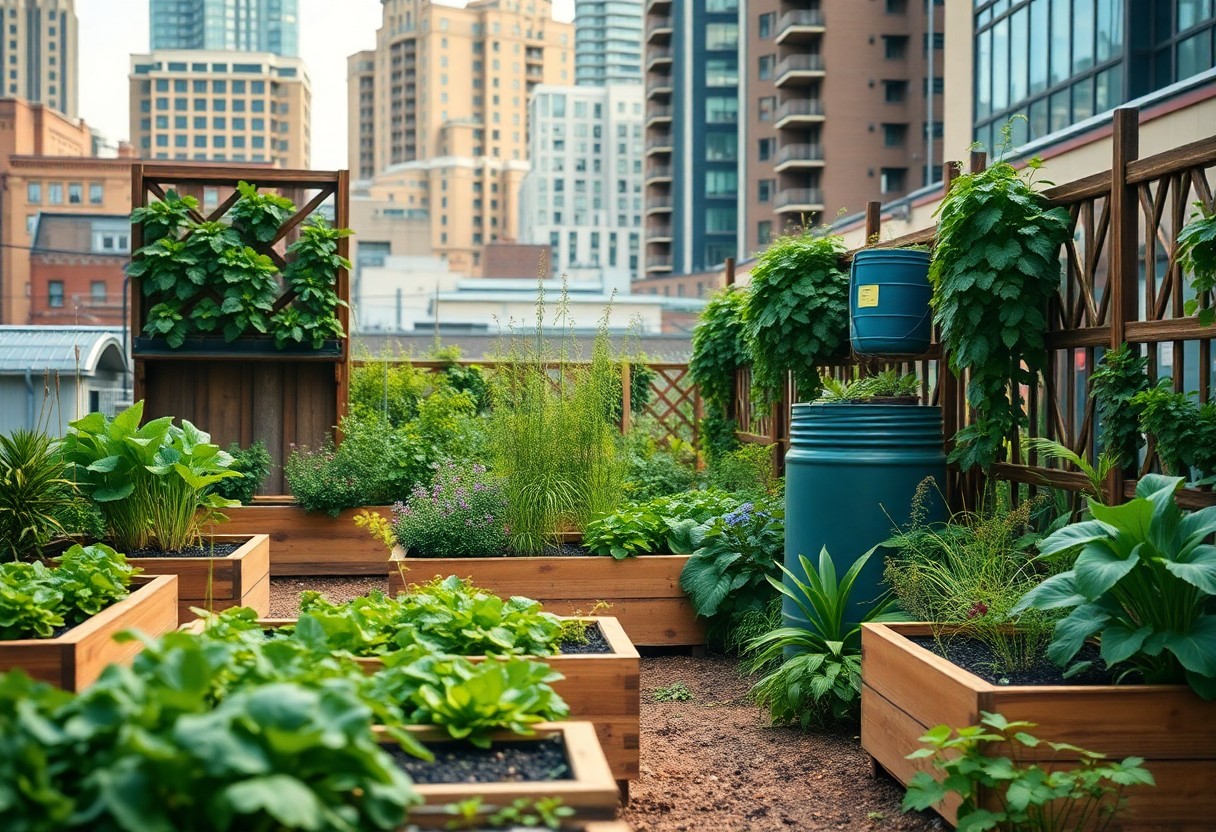
Conserving water through rainwater harvesting is an effective way to collect and store rainwater for your garden’s needs, reducing your reliance on municipal water supplies, and you can use it to water your plants, wash your tools, and even fill your pond or fountain.

Efficient Irrigation Systems

Among the most effective ways to conserve water in your garden is by installing efficient irrigation systems, which deliver water directly to the roots of your plants, reducing evaporation and runoff, and you can choose from a variety of systems, including drip irrigation and soaker hoses.

Harvesting the benefits of efficient irrigation systems, you can optimize your water usage by scheduling your irrigation sessions according to your plants’ specific needs, and you can also install sensors and timers to automate the process, ensuring your garden receives the right amount of water at the right time, and this will help you maintain a healthy and thriving garden while minimizing your water footprint.
Soil Health and Management

All urban gardeners should prioritize soil health to create a thriving ecosystem. You can find valuable advice on Sustainable Gardening Tips for Your Community Garden to help you get started.

Composting and Mulching

Among the simplest methods to improve soil health is adding compost and mulch, which you can make from your kitchen waste and yard trimmings, to enrich your soil and reduce waste.

Soil Testing and Amendment

Any urban garden requires regular soil testing to determine its pH level and nutrient content, allowing you to make informed decisions about amendments and fertilizers for your garden.

With soil testing, you can identify areas that need improvement and take corrective action, ensuring your soil is balanced and fertile, which will help your plants grow strong and healthy, and you can enjoy a bountiful harvest from your urban garden.

Garden Design and Layout

Many urban gardens have limited space, so it’s important to consider your garden’s design and layout carefully to maximize its potential. You’ll want to balance aesthetics with functionality, taking into account the sunlight, soil, and wind patterns in your area.

Creating a Functional Space

After assessing your garden’s conditions, you can start designing a functional space that meets your needs, whether it’s a peaceful retreat, a entertainment area, or a productive garden. You’ll want to consider the flow of traffic and the placement of different elements, such as seating, paths, and planting beds.

Incorporating Recycled Materials

Across your garden, you can incorporate recycled materials to reduce waste and create a unique, eco-friendly space. You can use recycled plastic, reclaimed wood, or repurposed brick to build planters, paths, and other features, adding character to your garden while minimizing its environmental impact.

The use of recycled materials in your garden design can also help to reduce your environmental footprint. You can get creative with recycled materials, using old pallets to build a compost bin or a trellis, or transforming plastic bottles into self-watering planters. As you design your garden, consider what materials you can reuse or recycle, and think about how you can incorporate them into your design to create a beautiful, sustainable space that reflects your values and style.

Maintenance and Upkeep

Once again, your sustainable urban garden requires attention to maintain its health and beauty. Regular watering, pruning, and mulching are vital tasks to keep your garden thriving.

Organic Pest Control

Across your garden, natural methods can be used to control pests, such as introducing beneficial insects or using neem oil to repel harmful ones, keeping your garden chemical-free and safe for you and the environment.

Seasonal Garden Care

On a seasonal basis, you’ll need to adjust your garden care routine to accommodate changing weather conditions and plant needs, ensuring your garden remains vibrant and resilient throughout the year.

It is vital to understand the specific needs of your plants during each season, as this will help you provide the necessary care and attention to maintain their health and promote optimal growth, allowing you to enjoy your sustainable urban garden to its fullest potential, and making the most of your outdoor space, while also contributing to a more sustainable future.

Final Words

With these considerations, you can create a thriving urban garden that not only beautifies your space but also supports the environment. You will be able to design a sustainable garden that conserves water, reduces waste, and attracts local wildlife. By following these guidelines, you can enjoy the benefits of your urban garden while contributing to a more sustainable future for your community, and you can take pride in your role as a steward of your local ecosystem. Your efforts will have a lasting impact.————-FAQ

Q: What are the key considerations when designing a sustainable urban garden?

A: When designing a sustainable urban garden, it’s vital to consider the climate, soil type, and available sunlight. Assessing these factors will help you choose the right plants, optimize water usage, and create a thriving ecosystem. Additionally, consider the space constraints and how you can maximize the use of vertical space through the use of walls, trellises, or green roofs.

Q: How can I choose the right plants for my sustainable urban garden?

A: To choose the right plants for your sustainable urban garden, select species that are native to your region or have similar growing conditions. These plants will be more resilient to local pests and diseases, require less maintenance, and thrive in the existing climate. Also, opt for a mix of plants that provide a variety of benefits, such as pollinator-friendly flowers, fruit-bearing trees, and herbs that can be used in cooking.

Q: What water conservation strategies can I implement in my urban garden?

A: Implementing efficient water conservation strategies is vital for a sustainable urban garden. Consider installing rainwater harvesting systems to collect and store rainwater for irrigation purposes. Additionally, use drought-tolerant plants, mulch to reduce soil moisture loss, and drip irrigation systems that deliver water directly to the roots of the plants, minimizing evaporation and runoff.

Q: How can I manage waste and create a closed-loop system in my urban garden?

A: Managing waste and creating a closed-loop system in your urban garden involves composting organic waste to create nutrient-rich soil amendments. You can compost food scraps, yard trimmings, and other organic materials to reduce waste and minimize the need for synthetic fertilizers. Furthermore, consider integrating worm composting or vermicomposting to break down organic matter and create a natural fertilizer for your plants.

Q: What are some innovative features I can incorporate into my sustainable urban garden design?

A: Some innovative features you can incorporate into your sustainable urban garden design include green walls, living roofs, and rain gardens. Green walls and living roofs provide additional growing space, improve air quality, and help regulate the urban microclimate. Rain gardens, on the other hand, are designed to capture and filter rainwater runoff, reducing stormwater pollution and creating habitats for wildlife. These features not only enhance the aesthetic appeal of your garden but also contribute to a more sustainable and resilient urban environment.
The Benefits of Vertical Gardening for Urban Homes

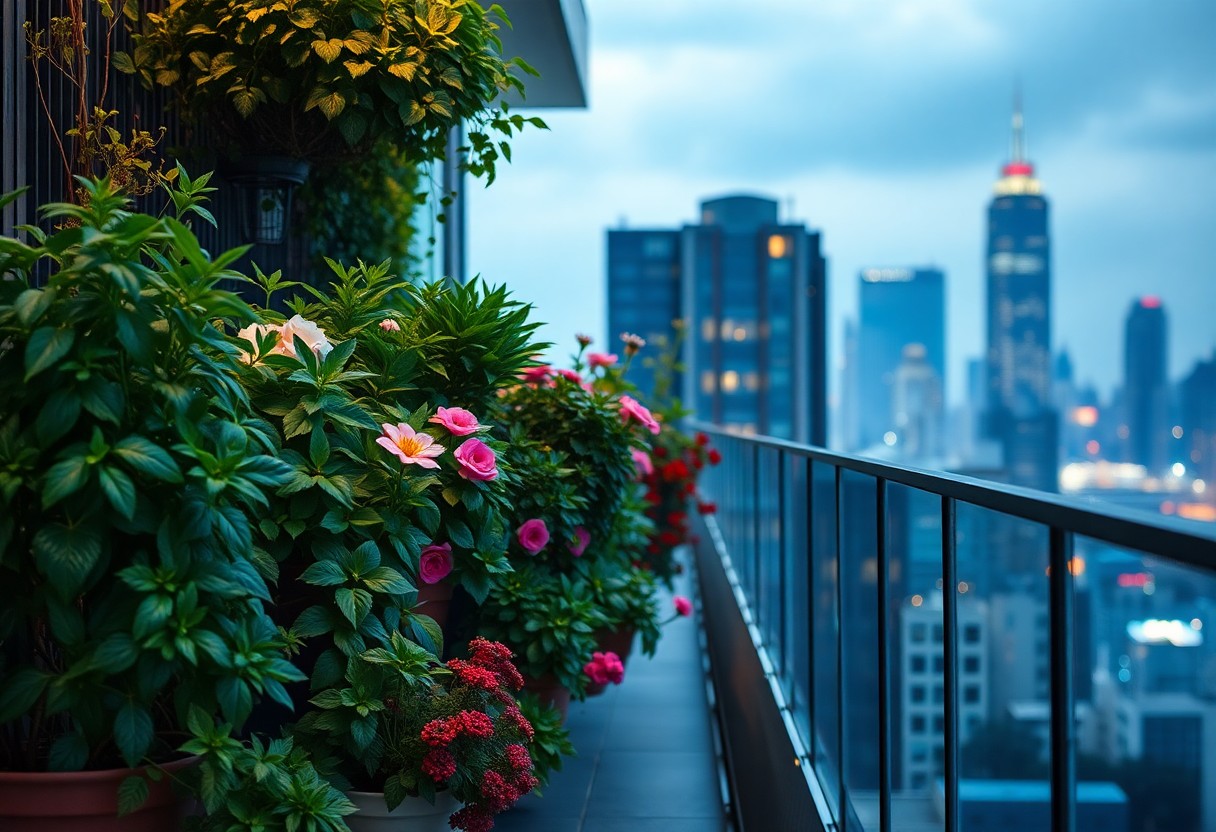
As you consideryour options for cultivating a garden in your urban home, you may find that vertical gardening is an appealing solution. With limited space, you can still enjoy the benefits of gardening by growing plants upwards. By exploring the 10 Benefits of Vertical Gardening, you will discover how this innovative approach can enhance your living space and provide a soothing oasis amidst the hustle and bustle of city life, allowing you to reap the rewards of your labor.

Key Takeaways:

To maximize space and promote sustainable living in urban areas, consider the following advantages of vertical gardening:

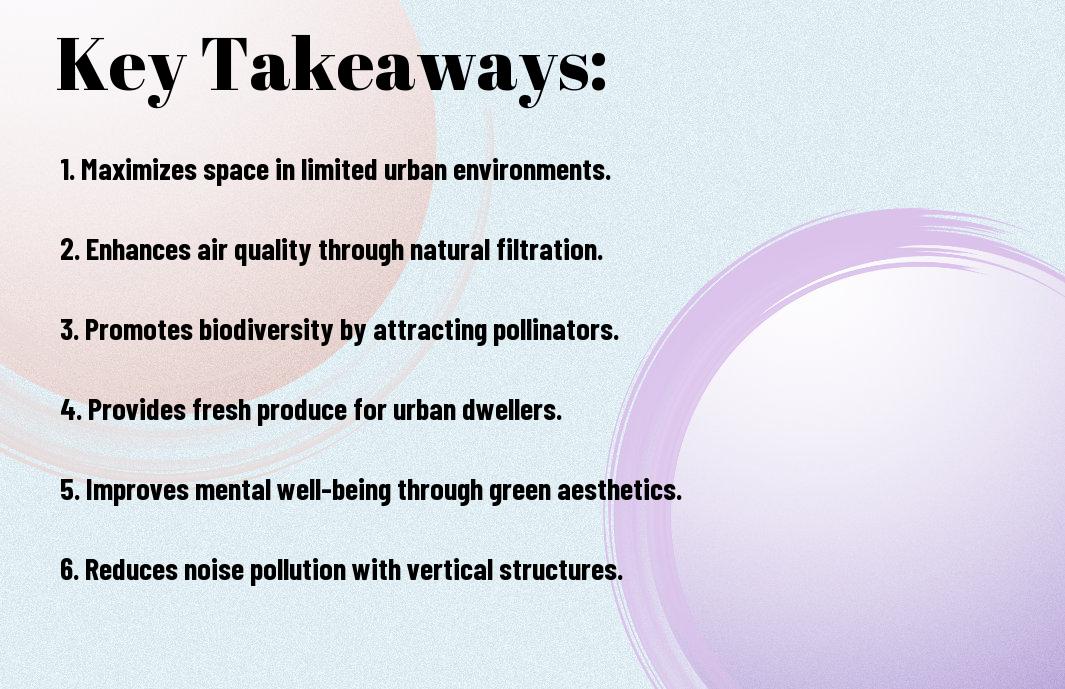
  • Increased space efficiency: Vertical gardening allows homeowners to make the most of their limited outdoor space, providing an opportunity to grow a variety of plants and flowers in a small area.
  • Improved air quality: By incorporating greenery into urban homes, vertical gardens help to purify the air and reduce pollution, creating a healthier living environment.
  • Enhanced aesthetic appeal: Vertical gardens can be a beautiful addition to any home, providing a unique and visually striking display of plants and flowers that can boost the overall curb appeal of a property.

    Benefits of Vertical Gardening

    While indulging in the pleasures of urban living, you may find that your living space is limited, but this does not mean you must forgo the joys of gardening. Vertical gardening offers a most delightful solution, allowing you to cultivate a lush oasis amidst the hustle and bustle of city life.

    Space Efficiency

    One of the most significant advantages of vertical gardening is that it enables you to make the most of your available space, allowing you to grow a multitude of plants in a relatively small area, thereby maximizing your yard’s potential.

    Aesthetic Appeal

    For a touch of elegance and sophistication, vertical gardening is an excellent choice, as it adds a decorative element to your home’s exterior or interior, with the lush greenery and vibrant flowers creating a most pleasing visual display.

    Indeed, as you behold your vertical garden, you will be struck by the sheer beauty it brings to your surroundings, and you will find that the soothing presence of nature has a most calming effect on your mind and spirit, making it an invaluable addition to your urban home.

    Environmental Advantages

    Any urban homeowner can appreciate the numerous benefits of vertical gardening, as you will discover in this article, and as noted in Vertical gardens: Wellness oases in the urban jungle, which highlights the positive impact on your surroundings.

    Air Quality Improvement

    Around your urban home, the air quality can be significantly improved by implementing a vertical garden, as you breathe in the fresh air and enjoy the aesthetic appeal it brings to your living space.

    Water Conservation

    Quality of life is deeply connected to the conservation of water, and you will find that vertical gardening allows for a more efficient use of this precious resource, reducing your water waste and promoting a healthier environment.

    A key aspect of water conservation in vertical gardening is the use of a well-designed irrigation system, which you can tailor to your specific needs, ensuring that your plants receive the right amount of water, and minimizing excess water usage, thus contributing to a more sustainable urban lifestyle for you and your community.

    Increased Crop Yield

    Your urban home can reap the rewards of bountiful harvests with vertical gardening, as it allows for a greater variety of plants to be grown in a smaller space, thereby increasing your overall crop yield.

    Maximizing Space

    By utilizing walls and trellises, you can make the most of your available space, creating a lush oasis in even the smallest of areas, and enabling you to grow more plants than traditional gardening methods would allow.

    Optimized Growing Conditions

    After carefully selecting the ideal plants for your vertical garden, you will be able to provide them with the perfect balance of sunlight, water, and nutrients, resulting in healthier and more productive plants.

    At the heart of optimized growing conditions lies your ability to control the environment, allowing you to tailor the care of your plants to their specific needs, and thus, you will be delighted to observe your plants thriving in their carefully curated space, yielding a more abundant and diverse harvest for you to enjoy.

    Urban Gardening Challenges

    Unlike traditional gardening, urban gardening presents a unique set of obstacles that you must navigate to create a thriving garden in your home. Your urban space is likely to be limited, and you will need to find innovative ways to make the most of it.

    Limited Space

    Above all, the lack of available space is a significant hindrance to your urban gardening endeavors, forcing you to think creatively about how to utilize every inch of your property.

    Harsh Weather Conditions

    Beside the physical constraints, you must also contend with the often-unforgiving weather conditions that can beset your urban garden, from scorching heat to freezing cold.

    Challenges posed by harsh weather conditions can be particularly daunting, as you will need to find ways to protect your plants from extreme temperatures, pollution, and other environmental stressors that can threaten their very survival, and it is up to you to devise strategies to mitigate these effects and create a nurturing environment for your garden to flourish.

    Design and Implementation

    Once again, you find yourself pondering the particulars of vertical gardening, and how to bring this delightful concept to life in your urban home. As you consider the design, you must think about the space you have available, the amount of sunlight it receives, and the type of plants you wish to feature.

    Choosing the Right Plants

    Obviously, one of the most important aspects of vertical gardening is selecting the plants that will thrive in your unique environment. You will want to choose plants that are well-suited to the amount of sunlight and water your space provides, and that will flourish in a vertical setting.

    DIY Vertical Gardening Systems

    Beneath the surface of commercial vertical gardening systems lies a world of creative possibilities for you to explore. You can create your own DIY system using materials like wooden planks, trellises, or even repurposed pallets, allowing you to add a personal touch to your garden.

    Plus, as you research into the world of DIY vertical gardening systems, you will discover a myriad of benefits, including the ability to customize your garden to fit your specific needs and aesthetic preferences. You can experiment with different materials, designs, and plants to create a truly one-of-a-kind oasis in your urban home, showcasing your ingenuity and green thumb.

    Maintenance and Care

    For the urban gardener, maintaining a vertical garden is quite straightforward, requiring only a few minutes of your time each day to ensure your plants thrive. You will find that with a little attention, your garden will flourish, bringing joy and beauty to your home.

    Watering and Nutrient Management

    Fortunately, vertical gardens often have built-in watering systems, making it easy for you to provide your plants with the right amount of moisture and nutrients, thus simplifying your role as a caretaker of your little green oasis.

    Pruning and Pest Control

    Around the time your plants begin to grow, you will need to prune them to maintain their shape and encourage healthy growth, all while keeping a watchful eye out for any pests that might threaten the well-being of your garden.

    In addition, as you prune and inspect your plants, you will develop a deeper understanding of their needs, allowing you to tailor your care to the specific requirements of each species, and thus creating a truly thriving and beautiful vertical garden that brings you delight and satisfaction.

    To wrap up

    Summing up, you have discovered the numerous advantages of vertical gardening for your urban home. As you ponder the possibilities, you will find that this innovative approach not only saves space but also brings a touch of natural elegance to your residence, allowing you to bask in the beauty of your own making, and reap the rewards of your cleverness in cultivating a lush oasis amidst the hustle and bustle of city life, making your home a true haven.

    FAQ

    Q: What are the benefits of vertical gardening for urban homes in terms of space-saving?

    A: Vertical gardening is an excellent solution for urban homes with limited space. By utilizing walls, balconies, or even fences, you can create a lush garden without occupying valuable floor space. This method allows you to grow a variety of plants, from herbs and vegetables to flowers and succulents, making the most of your available space and enhancing the aesthetic appeal of your home.

    Q: How does vertical gardening improve air quality in urban homes?

    A: Vertical gardening plays a significant role in improving air quality in urban homes. Plants are natural air purifiers, absorbing pollutants and toxins from the air while releasing oxygen. By incorporating a vertical garden into your home, you can significantly reduce the levels of harmful substances in the air, creating a healthier environment for you and your family to breathe.

    Q: Can vertical gardening help reduce urban heat island effect?

    A: Yes, vertical gardening can help mitigate the urban heat island effect. The urban heat island effect occurs when built-up areas absorb and retain heat from the sun, making cities warmer than surrounding rural areas. By covering walls and roofs with plants, vertical gardening helps to insulate buildings, reducing the amount of heat that is absorbed and retained. This can lead to a decrease in energy consumption for cooling and a more comfortable living environment.

    Q: What are the water conservation benefits of vertical gardening in urban homes?

    A: Vertical gardening can be designed to be highly water-efficient. Many vertical gardening systems incorporate hydroponics or drip irrigation, which deliver water directly to the roots of the plants, minimizing evaporation and runoff. Additionally, using a trellis or a wall-mounted planter can help to collect and recycle rainwater, further reducing the demand on municipal water supplies. This makes vertical gardening an attractive option for urban homes looking to reduce their water footprint.

    Q: How does vertical gardening impact the mental health and well-being of urban residents?

    A: Vertical gardening has a profoundly positive impact on the mental health and well-being of urban residents. Being surrounded by nature, even in a small way, can reduce stress levels, improve mood, and provide a sense of tranquility. The act of gardening itself is also therapeutic, offering an opportunity for physical activity, social interaction (if done in a community setting), and a sense of accomplishment. In densely populated urban areas, vertical gardens can serve as oases, providing residents with a much-needed connection to nature.

Opaye Skip to content