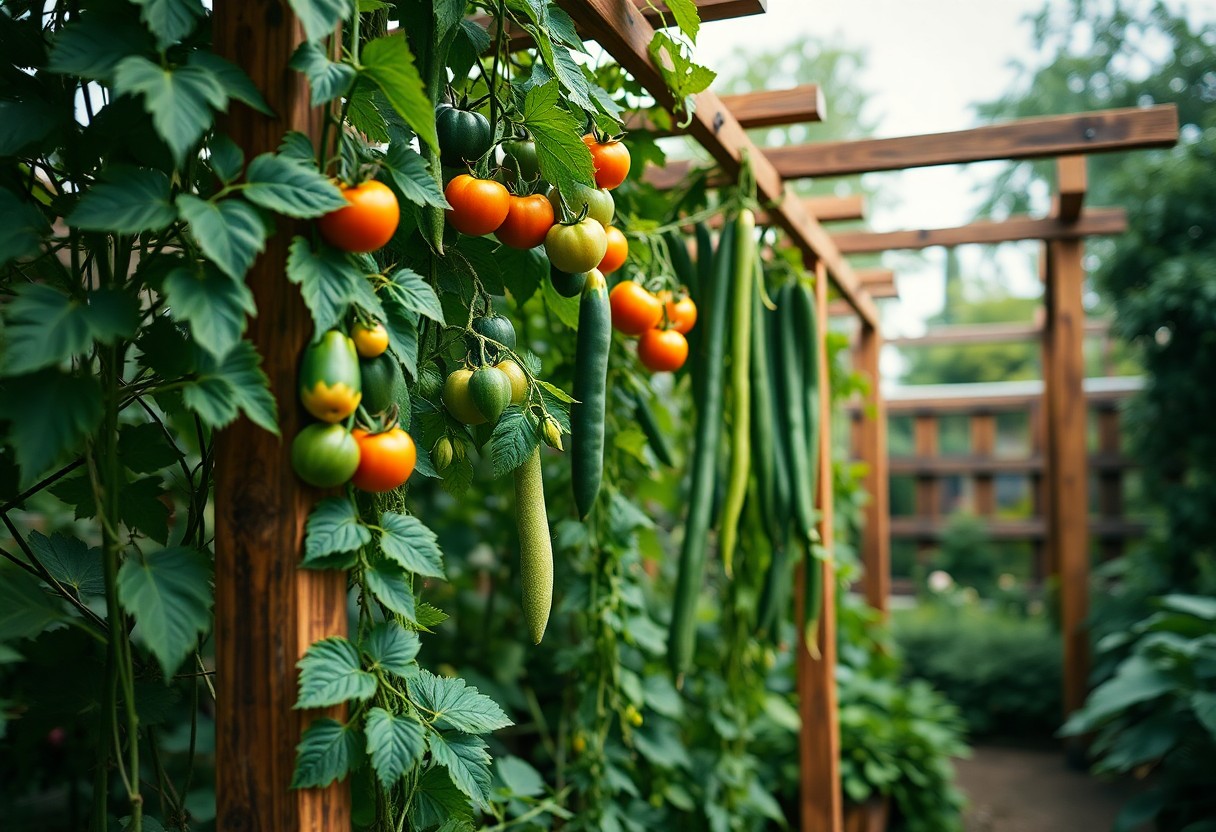
As you initiate on cultivating your own climbing vegetables, you’ll find that providing a supportive structure is vital for their growth. You’ll want to create a space where your plants can thrive, and a trellis is just the thing. With a few simple materials and some thoughtful planning, you can build a sturdy trellis that will allow your vegetables to climb and flourish, bringing joy and abundance to your garden. You’ll be guiding your plants towards the sun, and in turn, they’ll provide you with a bountiful harvest.
Key Takeaways:
To build an effective support system for your climbing vegetables, consider the following points:
- Choose the right materials, such as durable woods or metals, to ensure your trellis can support the weight of the plants and withstand various weather conditions.
- Consider the space and layout of your garden, selecting a spot that receives adequate sunlight and has enough room for the trellis and the plants to grow and expand.
- Use a sturdy design and secure attachments to guarantee the trellis remains stable and the plants are safely anchored, promoting healthy growth and maximizing yields.
Planning Your Trellis
While building a trellis for climbing vegetables, you’ll want to consider the space and layout of your garden. You’ll need to think about the type of vegetables you want to grow and the amount of space they’ll require.
Choosing the Right Materials
Planning ahead, you’ll need to select materials that are sturdy and suitable for your trellis. You’ll want to choose materials that will support the weight of your climbing vegetables and withstand the elements.
Determining the Best Location
Preparing your garden, you’ll need to determine the best location for your trellis. You’ll want to place it in an area that receives plenty of sunlight and has good air circulation.
But as you consider the location, you’ll also want to think about the accessibility of your trellis and the ease of maintaining your climbing vegetables. You’ll want to place it in a spot where you can easily water, prune, and harvest your vegetables, making the most of your garden’s potential.
Designing Your Trellis
Now that you’re ready to build a trellis for your climbing vegetables, consider your design options. You can find inspiration online, such as this guide on How to Build a Low Cost Vegetable Garden Trellis, to help you get started.
Considering the Type of Climbing Vegetable
Typically, the type of climbing vegetable you’re growing will influence your trellis design. You’ll want to choose a trellis that provides the right amount of support for your plants, whether it’s a pea vine or a cucumber plant.
Selecting a Trellis Style
Among the various trellis styles, you’ll find options ranging from simple wooden frames to intricate metal lattices. You’ll need to consider the space available and the style of your garden when selecting a trellis style that suits your needs.
Another aspect to consider when selecting a trellis style is the material and its durability. You’ll want to choose a material that can withstand the elements and support the weight of your climbing vegetables, such as a sturdy wooden or metal frame. As you design your trellis, you’ll also want to think about the aesthetic you want to achieve in your garden, and choose a style that complements your outdoor space.
Preparing the Site
Not every spot in your garden is suitable for a trellis, so choose wisely. Consider the amount of sunlight and space your climbing vegetables will need to thrive.
Clearing the Area
Before you begin, remove any debris, rocks, or weeds from the area where you plan to build your trellis, giving your vegetables a clean slate to grow.
Testing the Soil
With your area cleared, take a moment to test the soil, checking its pH level and nutrient content to ensure it’s suitable for your climbing vegetables.
Preparing your soil is an imperative step in creating a thriving environment for your climbing vegetables. You will want to check the soil’s drainage, aeration, and nutrient levels, and make any necessary adjustments to create a balanced and fertile ground for your vegetables to flourish, allowing you to build a sturdy trellis that will support their growth.
Building the Trellis
Keep your design simple and functional, as you begin constructing your trellis for climbing vegetables. You will need a few basic materials, such as wood, wire, and a hammer. Your trellis should be sturdy enough to support the weight of your plants.
Constructing the Frame
Beneath the surface of your garden, a well-built frame is necessary. You will start by creating a rectangular frame using your wooden posts and wire, making sure it is level and secure in the ground.
Adding Support and Stability
Only by adding additional support can you ensure your trellis will withstand the elements. You will attach horizontal wires or strings between the posts, providing a lattice for your plants to climb.
Support for your climbing vegetables is key to a successful harvest. As you add more support and stability to your trellis, you will notice your plants beginning to thrive, their tendrils wrapping around the wires and climbing upwards towards the sun. You can further secure your trellis by sinking the posts deeper into the ground or anchoring them with rocks, allowing you to train your plants to grow in a variety of patterns and shapes.
Training Your Climbing Vegetables
Once again, you’ll find that gently guiding your climbing vegetables onto the trellis is imperative for their growth and structure. As they grow, you’ll need to twine them around the frame, encouraging them to climb upward.
Planting and Pruning
With careful attention, you’ll plant your climbing vegetables near the base of the trellis, and prune them regularly to promote healthy growth and prevent overgrowth.
Providing Ongoing Care
Against the forces of nature, you’ll need to ensure your climbing vegetables receive adequate support and nourishment, securing them to the trellis as needed.
A key aspect of providing ongoing care for your climbing vegetables is monitoring their progress, adjusting the trellis as necessary to accommodate their growth, and keeping the surrounding area free from weeds and debris, allowing your plants to thrive in their newfound support system, and you to enjoy the fruits of your labor.
Maintenance and Repair
After your trellis is built, you’ll want to ensure it continues to support your climbing vegetables. For more information on building a trellis, visit How to Build a Vertical Trellis for guidance. Regular upkeep will keep your trellis in good condition.
Regular Inspections
Between watering and harvesting, take a moment to inspect your trellis for any signs of wear or damage. Check for loose screws, rotten wood, or tangled vines, and address these issues promptly to prevent further problems.
Making Adjustments and Repairs
About once a month, take a closer look at your trellis to identify any areas that need adjustment or repair. You may need to tighten loose screws or replace worn-out parts to keep your trellis stable and secure.
Adjustments to your trellis may be necessary as your plants grow and change throughout the season. You may need to add more supports or prune back overgrown vines to keep your trellis functioning properly. By staying on top of these adjustments, you’ll be able to enjoy a bountiful harvest and keep your trellis in good condition for years to come.
To wrap up
On the whole, you have now gained the knowledge to build a trellis for your climbing vegetables. With this simple structure, you can maximize your garden space and enjoy a bountiful harvest. For further guidance on nurturing your plants, visit Vegetable Garden Trellis: A Guide to Planting and Growing to discover the secrets to a thriving vegetable garden, and watch your your hard work flourish.
FAQ
Q: What materials do I need to build a trellis for climbing vegetables?
A: To build a trellis for climbing vegetables, you will need several materials, including wooden or metal stakes, a sturdy frame, wires or strings, and a gardening tool for digging. You can also use recycled materials like old wooden lattices, fencing, or PVC pipes to create a unique and eco-friendly trellis. The specific materials you choose will depend on the type of vegetables you are growing, the size of your garden, and your personal preference.
Q: What type of vegetables can be grown on a trellis?
A: A wide variety of climbing vegetables can be grown on a trellis, including peas, beans, cucumbers, squash, melons, and tomatoes. These plants have a natural tendency to climb and can thrive when given a structure to support their growth. Some vegetables, like peas and beans, have tendrils that can wrap around the trellis, while others, like cucumbers and squash, may need to be gently tied to the trellis as they grow.
Q: How tall should my trellis be for climbing vegetables?
A: The height of your trellis will depend on the type of vegetables you are growing and the amount of space you have available. For smaller vegetables like peas and beans, a trellis that is 3-5 feet tall may be sufficient. For larger vegetables like cucumbers and squash, a trellis that is 6-8 feet tall may be needed. It’s also important to consider the mature size of the plants and leave enough space for them to spread out and receive adequate sunlight and air circulation.
Q: How do I train my climbing vegetables to grow on the trellis?
A: Training your climbing vegetables to grow on the trellis is a simple process. Start by planting the seeds or seedlings at the base of the trellis. As the plants begin to grow, gently twine the stems around the trellis or tie them to the frame using soft ties or clips. You can also use a technique called “weaving” where you weave the stems in and out of the trellis as they grow. This will help the plants grow upwards and outwards, making the most of the space and maximizing their exposure to sunlight.
Q: How do I care for my trellis and climbing vegetables?
A: To keep your trellis and climbing vegetables healthy and thriving, make sure to provide them with adequate water, nutrients, and pruning. Water the plants regularly, but avoid overwatering, which can lead to mold and mildew. Fertilize the plants regularly, using a balanced fertilizer that is high in phosphorus to promote fruiting. Prune the plants regularly to encourage bushy growth and prevent them from becoming too leggy. Finally, keep an eye out for pests and diseases, and take action promptly if you notice any issues with your plants.


