Sustainable

How to Design a Sustainable Urban Garden

As you consider transforming your outdoor space into a thriving oasis, you’re likely thinking about how to create a sustainable urban garden that not only beautifies your surroundings but also benefits the environment. You want your garden to be a haven for local wildlife and a reflection of your eco-friendly values. With a few simple design principles and choices, you can create a sustainable urban garden that meets your needs and supports the well-being of your community, and this guide will show you how to get started.

Key Takeaways:

To create a sustainable urban garden, consider the following points:

  • Choose drought-tolerant plants that require less water and maintenance, reducing the need for frequent watering and minimizing water waste.
  • Implement rainwater harvesting systems to collect and store rainwater for irrigation purposes, reducing the demand on municipal water supplies and decreasing stormwater runoff.
  • Use organic and recycled materials for garden features, such as composting and mulching, to minimize waste and promote a healthy ecosystem in your urban garden.

Planning a Sustainable Garden

The first step in designing a sustainable urban garden is to consider your goals and the space you have available. You will need to think about the amount of sunlight and water your garden will receive, as well as the type of soil you have. This will help you determine what types of plants will thrive in your garden.

Assessing the Site

Plotting the lay of the land will help you identify potential challenges and opportunities for your garden. You will need to consider the slope, drainage, and existing vegetation to create a sustainable and thriving garden.

Setting Garden Goals

On the basis of your assessment, you can start setting specific objectives for your garden, such as growing your own food or creating a wildlife-friendly habitat. You should consider what you want to achieve with your garden and how you plan to maintain it.

And as you set your garden goals, you will also want to think about how you can make your garden sustainable in the long term. You can consider using rainwater harvesting systems, composting, and choosing drought-tolerant plants to minimize your garden’s impact on the environment and make it more resilient to climate change.

Choosing the Right Plants

Even in a small urban garden, you can create a thriving ecosystem by selecting plants that are well-suited to your climate and soil type. This will help reduce the need for pesticides, fertilizers, and water, making your garden more sustainable.

Native Species Selection

With a focus on native species, you can create a garden that requires less maintenance and supports local biodiversity. You will find that native plants are more resilient and can thrive in your local climate, making them an excellent choice for your urban garden.

Edible and Medicinal Plants

By incorporating edible and medicinal plants into your garden, you can create a sustainable and functional space that provides you with fresh produce and natural remedies. You can grow herbs, vegetables, and fruits that are rich in nutrients and can be used in a variety of dishes.

Due to the numerous benefits of edible and medicinal plants, you may want to consider dedicating a portion of your garden to these species. You can plant a mix of annuals and perennials, such as lettuce, tomatoes, and mint, to ensure a constant supply of fresh produce throughout the growing season, and enjoy the rewards of your sustainable urban garden.

Water Conservation

To create a sustainable urban garden, you need to prioritize water conservation. This involves reducing your water usage and implementing efficient systems to minimize waste.

Rainwater Harvesting

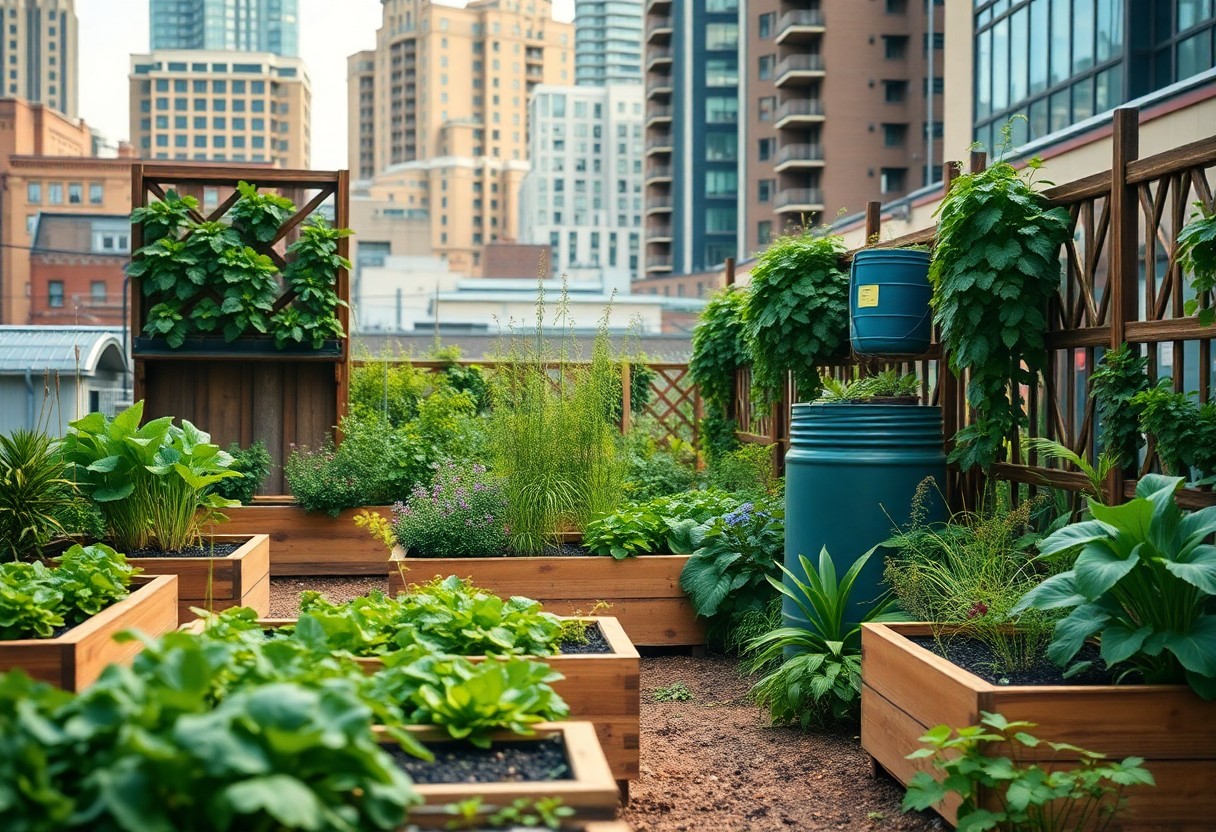
Conserving water through rainwater harvesting is an effective way to collect and store rainwater for your garden’s needs, reducing your reliance on municipal water supplies, and you can use it to water your plants, wash your tools, and even fill your pond or fountain.

Efficient Irrigation Systems

Among the most effective ways to conserve water in your garden is by installing efficient irrigation systems, which deliver water directly to the roots of your plants, reducing evaporation and runoff, and you can choose from a variety of systems, including drip irrigation and soaker hoses.

Harvesting the benefits of efficient irrigation systems, you can optimize your water usage by scheduling your irrigation sessions according to your plants’ specific needs, and you can also install sensors and timers to automate the process, ensuring your garden receives the right amount of water at the right time, and this will help you maintain a healthy and thriving garden while minimizing your water footprint.
Soil Health and Management

All urban gardeners should prioritize soil health to create a thriving ecosystem. You can find valuable advice on Sustainable Gardening Tips for Your Community Garden to help you get started.

Composting and Mulching

Among the simplest methods to improve soil health is adding compost and mulch, which you can make from your kitchen waste and yard trimmings, to enrich your soil and reduce waste.

Soil Testing and Amendment

Any urban garden requires regular soil testing to determine its pH level and nutrient content, allowing you to make informed decisions about amendments and fertilizers for your garden.

With soil testing, you can identify areas that need improvement and take corrective action, ensuring your soil is balanced and fertile, which will help your plants grow strong and healthy, and you can enjoy a bountiful harvest from your urban garden.

Garden Design and Layout

Many urban gardens have limited space, so it’s important to consider your garden’s design and layout carefully to maximize its potential. You’ll want to balance aesthetics with functionality, taking into account the sunlight, soil, and wind patterns in your area.

Creating a Functional Space

After assessing your garden’s conditions, you can start designing a functional space that meets your needs, whether it’s a peaceful retreat, a entertainment area, or a productive garden. You’ll want to consider the flow of traffic and the placement of different elements, such as seating, paths, and planting beds.

Incorporating Recycled Materials

Across your garden, you can incorporate recycled materials to reduce waste and create a unique, eco-friendly space. You can use recycled plastic, reclaimed wood, or repurposed brick to build planters, paths, and other features, adding character to your garden while minimizing its environmental impact.

The use of recycled materials in your garden design can also help to reduce your environmental footprint. You can get creative with recycled materials, using old pallets to build a compost bin or a trellis, or transforming plastic bottles into self-watering planters. As you design your garden, consider what materials you can reuse or recycle, and think about how you can incorporate them into your design to create a beautiful, sustainable space that reflects your values and style.

Maintenance and Upkeep

Once again, your sustainable urban garden requires attention to maintain its health and beauty. Regular watering, pruning, and mulching are vital tasks to keep your garden thriving.

Organic Pest Control

Across your garden, natural methods can be used to control pests, such as introducing beneficial insects or using neem oil to repel harmful ones, keeping your garden chemical-free and safe for you and the environment.

Seasonal Garden Care

On a seasonal basis, you’ll need to adjust your garden care routine to accommodate changing weather conditions and plant needs, ensuring your garden remains vibrant and resilient throughout the year.

It is vital to understand the specific needs of your plants during each season, as this will help you provide the necessary care and attention to maintain their health and promote optimal growth, allowing you to enjoy your sustainable urban garden to its fullest potential, and making the most of your outdoor space, while also contributing to a more sustainable future.

Final Words

With these considerations, you can create a thriving urban garden that not only beautifies your space but also supports the environment. You will be able to design a sustainable garden that conserves water, reduces waste, and attracts local wildlife. By following these guidelines, you can enjoy the benefits of your urban garden while contributing to a more sustainable future for your community, and you can take pride in your role as a steward of your local ecosystem. Your efforts will have a lasting impact.————-FAQ

Q: What are the key considerations when designing a sustainable urban garden?

A: When designing a sustainable urban garden, it’s vital to consider the climate, soil type, and available sunlight. Assessing these factors will help you choose the right plants, optimize water usage, and create a thriving ecosystem. Additionally, consider the space constraints and how you can maximize the use of vertical space through the use of walls, trellises, or green roofs.

Q: How can I choose the right plants for my sustainable urban garden?

A: To choose the right plants for your sustainable urban garden, select species that are native to your region or have similar growing conditions. These plants will be more resilient to local pests and diseases, require less maintenance, and thrive in the existing climate. Also, opt for a mix of plants that provide a variety of benefits, such as pollinator-friendly flowers, fruit-bearing trees, and herbs that can be used in cooking.

Q: What water conservation strategies can I implement in my urban garden?

A: Implementing efficient water conservation strategies is vital for a sustainable urban garden. Consider installing rainwater harvesting systems to collect and store rainwater for irrigation purposes. Additionally, use drought-tolerant plants, mulch to reduce soil moisture loss, and drip irrigation systems that deliver water directly to the roots of the plants, minimizing evaporation and runoff.

Q: How can I manage waste and create a closed-loop system in my urban garden?

A: Managing waste and creating a closed-loop system in your urban garden involves composting organic waste to create nutrient-rich soil amendments. You can compost food scraps, yard trimmings, and other organic materials to reduce waste and minimize the need for synthetic fertilizers. Furthermore, consider integrating worm composting or vermicomposting to break down organic matter and create a natural fertilizer for your plants.

Q: What are some innovative features I can incorporate into my sustainable urban garden design?

A: Some innovative features you can incorporate into your sustainable urban garden design include green walls, living roofs, and rain gardens. Green walls and living roofs provide additional growing space, improve air quality, and help regulate the urban microclimate. Rain gardens, on the other hand, are designed to capture and filter rainwater runoff, reducing stormwater pollution and creating habitats for wildlife. These features not only enhance the aesthetic appeal of your garden but also contribute to a more sustainable and resilient urban environment.

What are the essential elements needed to create a self-sufficient backyard

There’s a serene sense of fulfillment in cultivating a self-sufficient backyard, reminiscent of Henry David Thoreau’s ethos of living simply and in harmony with nature. To create your own self-sustaining oasis, you’ll need imperative elements like raised garden beds for efficient growth, a composting system to recycle waste into rich soil, rainwater harvesting mechanisms to meet irrigation needs, and a variety of plants that support each other in the ecosystem. By embracing these elements, you can transform your backyard into a thriving, self-sufficient haven that echoes the beauty of nature’s delicate balance.

Key Takeaways:

  • Planning: Proper planning is necessary to create a self-sufficient backyard.
  • Key Elements: Include a vegetable garden, fruit trees, composting area, rainwater harvesting system, and chicken coop for self-sufficiency.
  • Maintenance: Regular maintenance and care are necessary to ensure the success of a self-sufficient backyard.

Assessing Your Backyard

While commenceing on the journey to create a self-sufficient backyard, the first step is to assess your current outdoor space. This evaluation will help you determine the potential for growing your own food, raising animals, and harnessing renewable resources right in your own backyard.

Evaluating Climate and Soil Conditions

With a keen eye, observe the patterns of sunlight and shade in your backyard throughout the day. Consider the direction of prevailing winds and how they may affect plant growth. Additionally, test the quality of your soil to understand its pH level, nutrient content, and drainage properties. These factors will influence the types of crops you can grow and the strategies you can implement for sustainable gardening.

Identifying Available Space and Resources

Foraging Your backyard space will determine the scale and scope of your self-sufficient endeavors. Assess the size of your yard, taking note of any areas that receive optimal sunlight for gardening. Identify existing resources such as water sources, composting areas, and potential sites for setting up rainwater harvesting systems or installing solar panels. By understanding the layout of your backyard and the resources at your disposal, you can effectively plan for a self-sufficient oasis that is tailored to your specific needs and goals.

Water Collection and Conservation

You understand that water is a precious resource, especially in maintaining a self-sufficient backyard. By implementing water collection and conservation methods, you can ensure a sustainable water supply for your garden without relying heavily on external sources.

Rainwater Harvesting Systems

Any self-sufficient backyard should incorporate a rainwater harvesting system. By collecting rainwater from your roof into storage tanks, you can have a free and abundant supply of water for your garden. This harvested rainwater can then be used for watering plants, washing outdoor surfaces, or even for non-potable indoor uses if properly filtered.

Efficient Irrigation Methods

With efficient irrigation methods such as drip irrigation or soaker hoses, you can deliver water directly to the base of your plants, minimizing water waste through evaporation or runoff. These methods ensure that your plants receive water where they need it most, promoting healthier growth while conserving water.

Understanding the water needs of your specific plants is crucial in implementing efficient irrigation methods. By grouping plants with similar watering requirements together and adjusting your irrigation schedule based on weather conditions, you can optimize water usage in your self-sufficient backyard.

Grey Water Reuse

Systems that allow for grey water reuse can further enhance the sustainability of your backyard. Grey water, which is water from sinks, showers, and laundry, can be treated and reused for irrigation purposes. By diverting this water away from the sewer system, you can give your plants a nutrient-rich source of water while reducing your overall water consumption.

Plus, incorporating natural filtration systems like mulch basins or constructed wetlands can help purify grey water before it reaches your plants, ensuring that they receive clean and beneficial water for optimal growth.

Food Production

Not only does growing your own food provide you with fresh, organic produce, but it also contributes to your backyard’s self-sufficiency. By focusing on food production, you can ensure a sustainable source of nourishment right in your own backyard.

Choosing the Right Crops for Your Climate

The key to a thriving food production system is selecting crops that are well-suited to your local climate. The climate in your region will dictate which fruits and vegetables will grow successfully in your backyard. Research the growing conditions in your area to determine which crops are best suited for your backyard garden.

Building a Productive Vegetable Garden

On your journey to creating a self-sufficient backyard, building a productive vegetable garden is imperative. Start by selecting a sunny location with well-draining soil for your garden bed. Consider the layout of your garden to maximize sunlight exposure and space efficiency. By planting a variety of vegetables that complement each other, such as carrots and tomatoes or beans and corn, you can create a thriving ecosystem that supports healthy growth.

Production

Incorporating Fruit Trees and Berry Bushes

Crops like fruit trees and berry bushes add not only beauty but also food diversity to your backyard. When incorporating fruit trees and berry bushes, consider the space they require to grow and ensure proper sunlight exposure for optimal fruit production. Popular options like apple trees, blueberry bushes, and raspberry canes can provide you with a bounty of fresh fruits right at your doorstep. Remember to research the care and maintenance needs of each fruit variety to ensure a successful harvest.

Raising Backyard Chickens and Bees

Incorporating backyard chickens and bees into your self-sufficient backyard can further enhance your food production capabilities. Berry By raising your own chickens, you can have a constant supply of fresh eggs and poultry, reducing your dependence on store-bought products. Additionally, keeping bees can help with pollination in your garden and provide you with a sustainable source of honey. Ensure you have enough space and proper permits before introducing chickens and bees to your backyard.

Energy Generation and Efficiency

Unlike The Self Sufficient Backyard Reviews: Step-by-Step Guide…, where every step matters, creating a self-sufficient backyard requires a thoughtful approach to energy generation and efficiency. By harnessing renewable energy sources and implementing energy-saving measures, you can reduce your environmental impact and lower your energy bills.

Solar Power Options for Your Home

One of the most popular ways to generate energy for your self-sufficient backyard is through solar power. Whether you choose to install solar panels on your roof or invest in solar-powered lights and appliances, you can harness the power of the sun to meet your energy needs. Solar energy is clean, renewable, and can significantly reduce your reliance on traditional energy sources.

Wind Power Alternatives

An often overlooked but highly effective energy generation option for your backyard is wind power. By installing a small wind turbine on your property, you can harness the power of the wind to generate electricity. It may require a higher initial investment, but wind power can be a reliable source of energy, especially in areas with consistent wind patterns.

It is important to consider factors such as the location of your property, local zoning regulations, and wind speed when deciding whether wind power is a viable option for your self-sufficient backyard.

Energy-Saving Tips for Your Backyard

With simple adjustments and mindful practices, you can enhance the energy efficiency of your backyard. Here are some energy-saving tips to help you make the most of your self-sufficient oasis:

  • Upgrade to energy-efficient LED lighting for your outdoor spaces
  • Invest in a programmable thermostat to optimize energy usage in your backyard
  • Consider insulating your outdoor structures to regulate temperature and reduce energy consumption

Recognizing the importance of energy efficiency in your backyard not only benefits the environment but also contributes to a more sustainable and self-sufficient lifestyle.

Waste Management and Recycling

For a truly self-sufficient backyard, waste management and recycling are crucial elements to consider. By implementing sustainable practices, you can minimize your environmental impact and create a more harmonious ecosystem in your own outdoor space.

Composting and Vermicomposting

Composting is a natural process that turns organic waste into nutrient-rich soil. By recycling kitchen scraps, yard waste, and other biodegradable materials through composting, you can create a valuable resource for your garden. Vermicomposting, which involves using worms to break down organic matter, can further enhance the composting process and speed up decomposition. By incorporating these practices into your backyard routine, you can reduce the amount of waste sent to landfills and improve the health of your soil naturally.

Repurposing and Upcycling Materials

Management of materials in your backyard should involve repurposing and upcycling whenever possible. Instead of discarding old items, consider how they can be creatively reused in your outdoor space. Old containers can become planters, wooden pallets can be transformed into furniture, and glass jars can be used for storage. By giving new life to items that would otherwise end up in the trash, you not only reduce waste but also add a unique touch to your backyard aesthetic.

With a little creativity and resourcefulness, you can repurpose various materials in your backyard to serve multiple functions. From using old tires as raised garden beds to turning broken tools into garden decorations, the possibilities are endless. By thinking outside the box and looking at items with a fresh perspective, you can find innovative ways to reduce waste and make the most of what you already have.

Implementing a Zero-Waste Policy

Materials such as plastic containers, glass bottles, and metal cans can be reused or recycled to minimize waste in your backyard. Implementing a zero-waste policy involves consciously reducing, reusing, and recycling materials to avoid sending anything to the landfill whenever possible. By prioritizing sustainability in your backyard practices, you can significantly decrease your environmental footprint and contribute to a healthier planet.

Repurposing materials in your backyard is not only eco-friendly but also adds character and charm to your outdoor space. By incorporating salvaged items, reclaimed wood, and second-hand treasures into your garden design, you can create a unique and sustainable backyard retreat that reflects your values and commitment to living in harmony with nature.

Shelter and Storage

Now, let’s talk about the imperative elements needed for shelter and storage in your self-sufficient backyard. Having adequate shelter and storage space is crucial for creating a functional and organized outdoor oasis.

Building a Backyard Shed or Greenhouse

One of the key elements of a self-sufficient backyard is a well-built shed or greenhouse. A shed provides you with a space to store tools, equipment, and supplies, keeping them protected from the elements. On the other hand, a greenhouse allows you to extend your growing season and cultivate plants year-round. Consider the size and design of your shed or greenhouse based on your specific needs and available space in your backyard.

Creating a Functional Outdoor Kitchen

Shelter yourself from the elements while cooking up a storm in your outdoor kitchen. By setting up a functional outdoor kitchen, you can enjoy the convenience of preparing meals outdoors while soaking in the beauty of your self-sufficient backyard. Include a cooking area, storage for utensils and ingredients, and seating for dining al fresco. With a well-equipped outdoor kitchen, you can truly make the most of your outdoor living space.

On the other hand, creating a functional outdoor kitchen also adds value to your home by expanding your living space and providing a unique area for entertaining guests. Whether you’re grilling up some veggies or baking homemade pizzas in a wood-fired oven, an outdoor kitchen is a versatile and enjoyable addition to your backyard.

Storing Tools and Equipment Efficiently

With the right storage solutions, you can keep your tools and equipment organized and easily accessible in your self-sufficient backyard. Consider installing shelves, hooks, and racks in your shed or garage to maximize storage space and keep your tools in good condition. By storing your tools efficiently, you can save time and energy when working on projects in your backyard.

Creating designated storage areas for different types of tools and equipment can help you stay organized and maintain a clutter-free backyard. By grouping similar items together and labeling storage containers, you can easily find what you need when you need it.

Summing up

Creating a self-sufficient backyard requires careful planning and attention to detail. By incorporating elements such as a vegetable garden, fruit trees, composting system, rainwater harvesting, and renewable energy sources, you can reduce your environmental impact and live a more sustainable lifestyle. Remember to prioritize biodiversity, use organic gardening practices, and continually educate yourself on ways to improve your self-sufficient backyard. By taking these steps, you can create a harmonious and self-sustaining environment right in your own backyard.

FAQ

Q: What are the key elements needed to create a self-sufficient backyard?

A: To create a self-sufficient backyard, you need to incorporate important elements such as a vegetable garden, composting system, rainwater harvesting setup, and a diversified plant and animal ecosystem.

Q: How can I set up a vegetable garden in my backyard for self-sufficiency?

A: To set up a vegetable garden, choose a sunny spot, prepare the soil by adding compost, select a variety of vegetables that suit your climate, water regularly, and practice crop rotation to maintain soil fertility.

Q: Why is rainwater harvesting important for a self-sufficient backyard?

A: Rainwater harvesting allows you to collect and store rainwater for irrigation, reducing your reliance on municipal water supply. It helps conserve water, save money on utility bills, and ensures a sustainable source of water for your backyard garden.

Opaye Skip to content