Sustainability

The Best Ways to Use Recycled Materials in Gardening

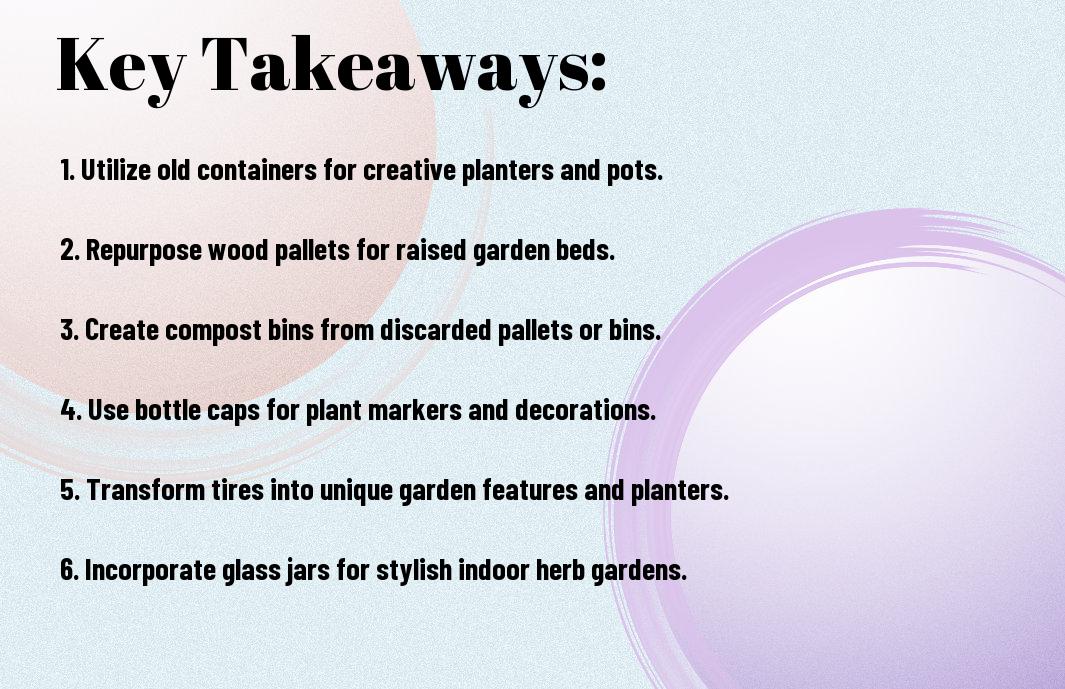
Key Takeaways:

To make the most of recycled materials in gardening, consider the following points:

  • Using compost made from food waste and yard trimmings can greatly improve soil fertility and overall plant health, reducing the need for synthetic fertilizers.
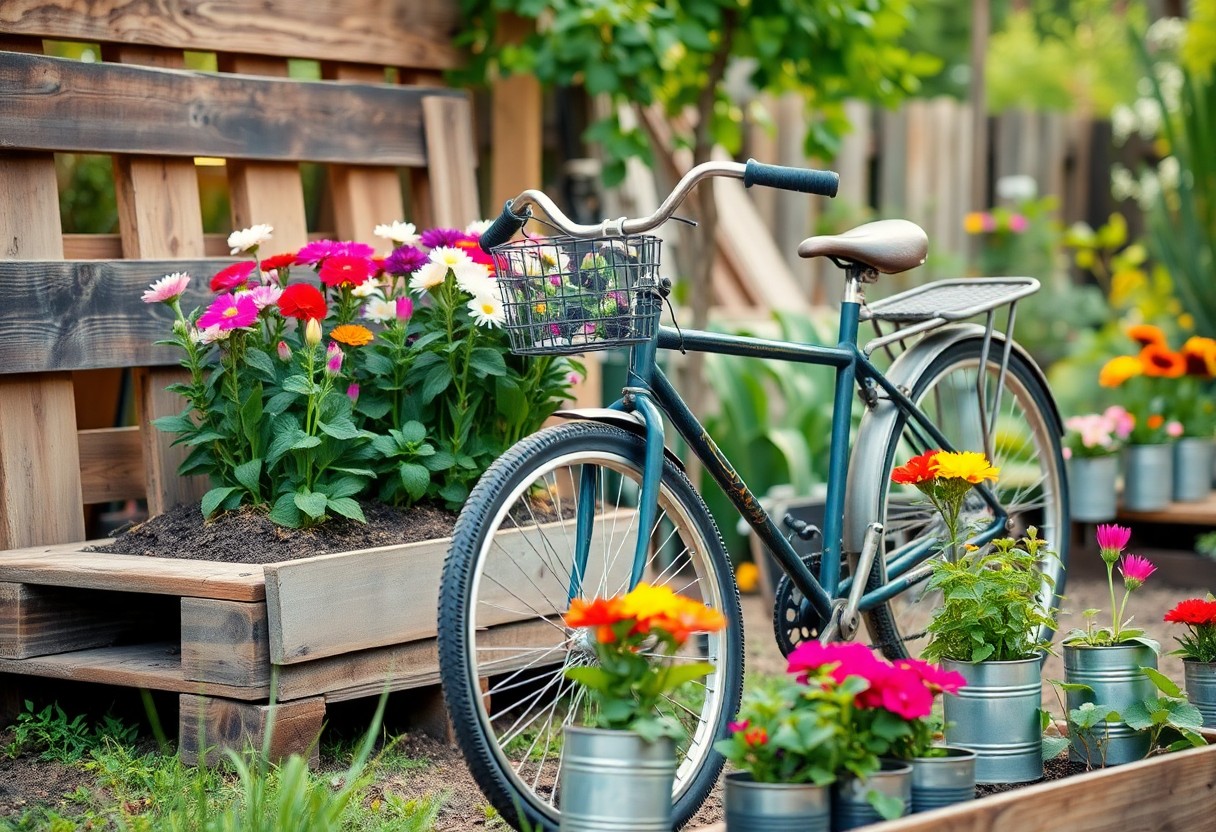
  • Repurposed containers, such as old plastic bottles and wooden pallets, can be transformed into planters and trellises, adding a creative touch to your garden while reducing waste.
  • Incorporating mulch made from recycled organic materials like cardboard and straw can help with weed suppression and soil erosion control, creating a more sustainable gardening practice.

Benefits of Using Recycled Materials

While cultivating your garden, you’ll find that using recycled materials has numerous advantages. It not only helps the environment, but also adds a touch of uniqueness to your outdoor space. By repurposing old items, you’ll create a one-of-a-kind garden that reflects your resourcefulness and creativity.

Reducing Waste

Benefits like these are undeniable: you’ll significantly decrease the amount of waste sent to landfills, conserving space and reducing pollution. Your garden will flourish, and so will the planet, as you give new life to discarded materials.

Saving Resources

Behind every recycled material lies an opportunity to conserve natural resources. You’ll be surprised at how many items can be repurposed in your garden, from old containers to broken tools, reducing the need for new, resource-intensive products.

Another advantage of saving resources is that it allows you to allocate them more efficiently. As you reuse and recycle, you’ll find that your garden becomes more self-sufficient, relying less on external inputs and more on your own ingenuity and creativity, ultimately leading to a more sustainable and thriving outdoor space, one that you can enjoy for years to come.

Creative Ways to Reuse Materials

Some of the most innovative gardening ideas come from reusing materials you might otherwise discard. You can breathe new life into old items, reducing waste and adding character to your garden.

Turning Old Pots into Planters

Akin to giving old things a fresh purpose, you can convert old pots into unique planters, adding a touch of personality to your garden with your thoughtful reuse of materials.

Transforming Wooden Crates into Garden Beds

Around your home, you may have wooden crates that can be repurposed as garden beds, providing a rustic and charming space for your plants to flourish, and allowing you to make the most of your available space.

With your wooden crates transformed into garden beds, you can create a beautiful and functional garden, showcasing your plants and flowers in a way that reflects your personal style, and you will be able to enjoy the fruits of your labor in a serene and peaceful environment that you have created yourself.

DIY Projects for Gardeners

Not only can you reduce waste, but you can also create unique and functional items for your garden by using recycled materials in your DIY projects, allowing you to express your creativity and connect with nature.

Building a Compost Bin from Recycled Wood

Around the garden, you can find many uses for recycled wood, and building a compost bin is an excellent way to repurpose old pallets or wooden crates, giving you a place to turn your kitchen scraps into fertile soil.

Creating a Self-Watering System from Plastic Bottles

Crafting a self-watering system from plastic bottles is a simple and efficient way to provide your plants with a constant supply of water, and you can make it by cutting the bottom off a plastic bottle and burying it in the soil next to your plants.

From this basic design, you can expand and create a more complex system that meets the specific needs of your garden, allowing you to customize the watering schedule and prevent overwatering, which can be detrimental to your plants’ health, and as you work on your self-watering system, you will find that it brings you a sense of satisfaction and connection to the natural world.

Soil and Compost Strategies

For a thriving garden, you can explore innovative methods to enhance your soil and compost. Check out Gardening Ideas Using Recycled Materials and Tips to discover new ways to create a more productive garden.

Using Kitchen Scraps to Enrich Soil

Across your kitchen, you likely have scraps that can be used to enrich your soil, such as eggshells, coffee grounds, and vegetable peels, which can add necessary nutrients to your garden.

Making Compost Tea from Food Waste

Utilizing food waste, you can make compost tea, a liquid solution that promotes healthy microbial growth in your soil, leading to a more balanced ecosystem in your garden.

Hence, as you investigate into making compost tea from food waste, you’ll find that it’s a simple process that involves steeping your compost in water, creating a nutrient-rich liquid that can be used as a fertilizer, helping your plants grow strong and resilient, much like the natural world that surrounds you.

Decorative Ideas for the Garden

All around your garden, you can find opportunities to get creative with recycled materials, and one great place to start is by exploring DIY Recycled Seedling Pots & Seed Starting Ideas to give your plants a unique touch.

Creating a Mosaic from Broken Tiles

Besides using recycled materials for functional purposes, you can also create beautiful decorative pieces, like a mosaic from broken tiles, to add a personal touch to your garden.

Hanging Wind Chimes from Recycled Metal

About the sounds that fill your garden, consider creating wind chimes from recycled metal to produce a soothing melody.

Tiles and other materials can be used to complement your wind chimes, but when it comes to hanging them, you’ll want to focus on the metal components, shaping and tuning them to produce the desired sounds, allowing you to enjoy the music of your garden.
Tips for Successful Recycling

Despite the challenges, you can recycle effectively by following a few simple tips:

  • choosing the right materials
  • preparing them properly

. Knowing these basics will help you get started on your recycling journey.

Sorting and Cleaning Materials

Besides proper preparation, you need to sort and clean your materials carefully to ensure they can be reused in your garden, which will help you create a sustainable and thriving environment for your plants.

Getting Creative with Repurposing

Materially speaking, you have endless possibilities when it comes to repurposing items in your garden, and with a little imagination, you can turn old items into functional and beautiful elements.

A good approach to getting creative with repurposing is to think about the original purpose of an item and how it can be adapted to serve a new function in your garden, allowing you to give old items a new life and reduce waste, which is a key aspect of maintaining a sustainable and environmentally friendly garden, and as you explore your creativity, you will find that your garden becomes a unique reflection of your personality and values.
To wrap up

With this in mind, you can now launch on your journey to create a more sustainable garden. You will find that using recycled materials not only reduces waste, but also adds character to your outdoor space. As you explore your creativity, your garden will flourish, and you will be living in harmony with nature, just as you intended. Your simple, yet thoughtful approach to gardening will yield a bountiful harvest, and a sense of fulfillment that comes from living a more rustic, self-sufficient lifestyle.

FAQ

Q: What are the benefits of using recycled materials in gardening?

A: Using recycled materials in gardening offers numerous benefits, including reducing waste, conserving natural resources, and creating a more sustainable and environmentally friendly garden. Recycled materials can also add unique textures and visual interest to your garden, making it more aesthetically pleasing. Additionally, using recycled materials can help to reduce the financial cost of gardening by repurposing items that would otherwise be discarded.

Q: What types of recycled materials can be used in gardening?

A: A wide variety of recycled materials can be used in gardening, including plastic containers, old bricks, broken ceramics, and wooden pallets. Other creative options include using old glass bottles as planters, transforming old fences into trellises, and utilizing cardboard tubes as seed starters. You can also reuse natural materials like leaves, branches, and pine needles to create compost or mulch for your garden.

Q: How can I use recycled materials to improve soil quality in my garden?

A: Recycled materials can be used to improve soil quality in several ways. For example, adding compost made from food waste and yard trimmings can enrich the soil with nutrients, while using recycled organic materials like straw or grass clippings as mulch can help to retain moisture and suppress weeds. You can also use recycled paper products like newspaper or cardboard to create a layer of compost that will break down and add nutrients to the soil over time.

Q: Can I use recycled materials to create garden features like paths and planters?

A: Yes, recycled materials can be used to create a variety of garden features, including paths, planters, and decorative accents. For example, you can use old bricks or stones to create a winding path, or transform an old wooden pallet into a planter box. You can also use recycled glass or plastic bottles to create a unique and colorful border for your garden beds. With a little creativity, the possibilities are endless.

Q: How can I get started with using recycled materials in my garden?

A: Getting started with using recycled materials in your garden is easy. Begin by taking stock of the materials you have available, such as old containers, cardboard tubes, and yard trimmings. Then, think creatively about how you can repurpose these items to create a more sustainable and environmentally friendly garden. You can also search online for inspiration and ideas, or visit local gardening stores and nurseries to see what types of recycled materials are available for use in gardening. Start small and have fun experimenting with different projects and ideas.

How to Incorporate Sustainable Practices in Home Design

You’re building or renovating your home, and you want it to be more than just a shelter – you want it to be eco-friendly. Your home’s design can significantly impact the environment, and making sustainable choices can have a lasting effect. You can start by considering your daily habits and how your home’s layout can support a greener lifestyle. By incorporating sustainable practices into your design, you can reduce your carbon footprint and create a healthier living space for yourself and your family.

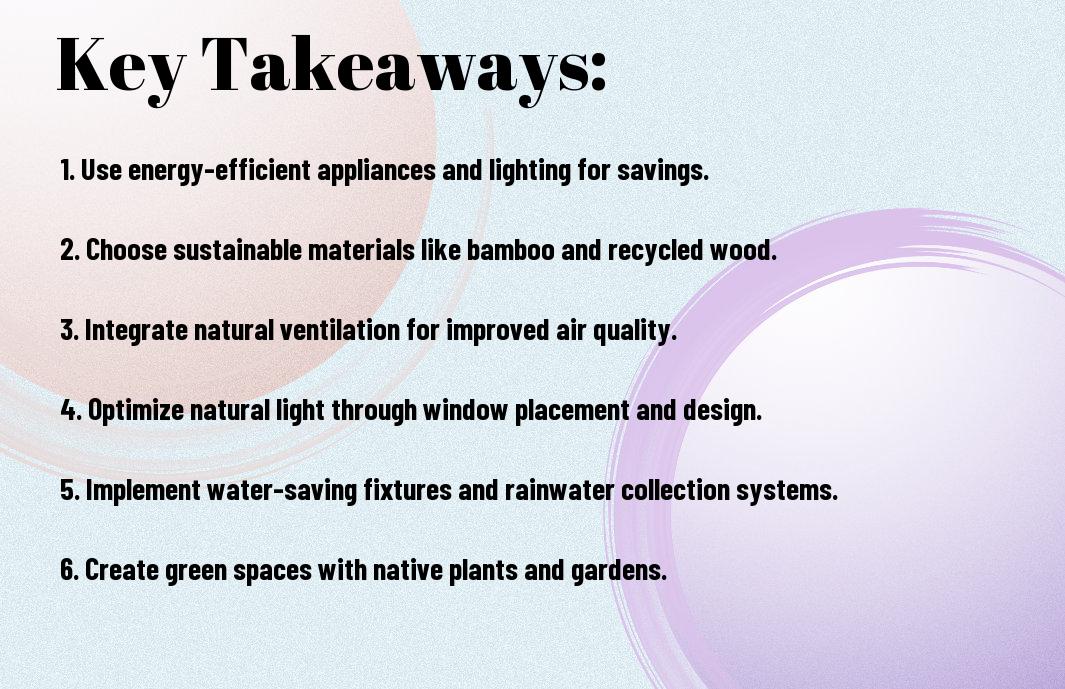
Key Takeaways:

To create an eco-friendly home, consider the following key points:

  • Use renewable materials in your design, such as bamboo or reclaimed wood, to reduce the environmental impact of your home construction.
  • Incorporate energy-efficient systems, including solar panels and rainwater harvesting, to reduce your reliance on non-renewable energy sources and lower your utility bills.
  • Implement sustainable design principles, such as natural ventilation and passive heating, to minimize your home’s carbon footprint and create a healthier living space.

    Principles

    Before you start designing your home, consider the principles of sustainable design. You’ll want to focus on reducing your environmental footprint, conserving resources, and creating a healthy living space. Your goal is to strike a balance between aesthetics and eco-friendliness.

    Embracing Eco-Friendly Materials

    With a thoughtful approach, you can choose materials that are gentle on the planet. You’ll look for materials that are sustainable, recycled, or locally sourced, reducing the demand on natural resources and minimizing waste.

    Optimizing Natural Light and Ventilation

    By designing your home to maximize natural light and ventilation, you can reduce your reliance on artificial lighting and heating and cooling systems. You’ll position windows and doors to capture natural light and breeze, creating a comfortable and healthy living space.

    Plus, when you optimize natural light and ventilation, you can also reduce your energy consumption and lower your utility bills. You’ll feel the benefits of a well-designed home, from the natural light pouring in to the fresh air circulating throughout, creating a sense of well-being and connection to the outdoors.

    Design

    It starts with your design, where you can find inspiration from resources like Eco-Friendly Living: Sustainable Home Design Tips and Ideas to create a space that is both functional and environmentally friendly.

    Sustainable Layout and Space Planning

    Sensibly, you’ll want to consider a layout that maximizes natural light and reduces waste, making the most of your space while minimizing your environmental footprint.

    Incorporating Recycled and Reclaimed Materials

    By incorporating eco-friendly materials, you can reduce your impact on the environment and create a unique, character-filled space that reflects your values.

    Plus, using recycled and reclaimed materials can add a touch of warmth and personality to your design, making your space feel truly one-of-a-kind, and you can explore various options, such as reclaimed wood, low-VOC paints, and sustainable flooring, to create a space that is both beautiful and eco-friendly.

    Energy Efficiency

    After considering your home’s design, you’ll want to focus on energy efficiency to minimize your environmental impact. You can achieve this by optimizing your home’s insulation, windows, and doors to reduce heat loss and gain.

    Renewable Energy Sources and Systems

    To effectively incorporate sustainable practices, you’ll need to explore renewable energy sources and systems, such as solar or wind power, to reduce your reliance on non-renewable energy sources.

    Energy-Saving Appliances and Lighting

    Renergizing your approach to home design, you’ll want to select energy-saving appliances and lighting to minimize your energy consumption, such as LED bulbs and energy-efficient refrigerators.

    It is important to choose appliances with high energy ratings and consider smart home devices to optimize your energy usage, allowing you to monitor and control your energy consumption, making your home more sustainable and environmentally friendly, which will help you to reduce your carbon footprint and save on your energy bills.

    Water Conservation

    Once again, you’ll find that incorporating sustainable practices into your home design has its benefits, and for more information on this, you can visit sustainable design resources. You’ll learn how to reduce your water consumption.

    Low-Flow Fixtures and Greywater Systems

    Any homeowner can install low-flow fixtures and greywater systems to reduce water waste, and you’re no exception. You can start by replacing old faucets and toilets with low-flow models.

    Rainwater Harvesting and Storage

    After assessing your water needs, you can consider installing a rainwater harvesting system. You’ll be able to collect and reuse rainwater for non-potable purposes.

    Storage is key when it comes to rainwater harvesting. You’ll need to invest in a suitable tank to store the collected water, and consider factors like size, material, and placement to ensure your system runs efficiently. You’ll be surprised at how much you can save on your water bill by implementing this simple yet effective system in your home.

    Indoor Air Quality

    Keep your home’s air clean by incorporating sustainable practices into your design. This includes using natural ventilation, air purification systems, and non-toxic materials.

    Natural Ventilation and Air Purification

    Naturally, a well-ventilated home is necessary for good air quality. You can achieve this by installing windows, vents, and fans that promote air circulation and bring in fresh air from outside.

    Non-Toxic and Low-VOC Materials

    To ensure your home’s air stays clean, you should choose materials with low VOCs (volatile organic compounds). You can look for products labeled as non-toxic and eco-friendly.

    This approach will help you create a healthier indoor environment. You can opt for natural materials like wood, bamboo, and wool, which are known for their low VOC emissions. By making these choices, you’ll be able to breathe easier in your own home.

    Maintenance and Upkeep

    Your home’s sustainability depends on regular maintenance, learn more about The Key Elements of a Sustainable House Design to ensure your space remains eco-friendly.

    Sustainable Cleaning and Maintenance Practices

    Any measures you take to maintain your home’s sustainability will pay off in the long run, using eco-friendly cleaning products and repurposing materials will reduce waste and minimize your environmental footprint.

    Regular Inspections and Repairs

    Against all odds, your sustainable home will thrive with regular inspections, checking for leaks, and repairing damaged systems to prevent further issues.

    Another key aspect of regular inspections is identifying areas where you can improve energy efficiency, such as sealing air leaks or upgrading to energy-efficient appliances, allowing you to make adjustments and maintain your home’s sustainability over time.

    Conclusion

    Ultimately, you can make a significant impact on the environment by incorporating sustainable practices in your home design. You’ll reduce your carbon footprint and create a healthier living space by using eco-friendly materials, minimizing waste, and optimizing energy efficiency. Your efforts will benefit both your well-being and the planet, making your home a haven for years to come.

    FAQ

    Q: What are the benefits of incorporating sustainable practices in home design?

    A: Incorporating sustainable practices in home design offers numerous benefits, including reduced energy consumption, lower utility bills, and a minimized carbon footprint. Sustainable design can also improve indoor air quality, enhance natural lighting, and create a healthier living environment. Additionally, sustainable homes can increase property value and appeal to environmentally conscious buyers if you decide to sell in the future.

    Q: How can I reduce energy consumption through sustainable home design?

    A: To reduce energy consumption, consider incorporating features such as solar panels, energy-efficient windows, and insulation into your home design. You can also optimize natural lighting by strategically placing windows and skylights, reducing the need for artificial lighting. Furthermore, installing energy-efficient appliances and lighting fixtures, such as LED bulbs, can significantly decrease energy consumption. Smart home technology can also help monitor and control energy usage, allowing you to make data-driven decisions to minimize waste.

    Q: What materials should I use for sustainable home construction?

    A: Concerning sustainable home construction, it’s important to choose materials that are environmentally friendly, durable, and require minimal maintenance. Consider using reclaimed or recycled materials, such as reclaimed wood, bamboo, or low-VOC (volatile organic compound) paints. Sustainable materials like low-carbon concrete, sustainably sourced wood, and recycled glass can also reduce the environmental impact of your home. Additionally, look for materials with certifications like FSC (Forest Stewardship Council) or Greenguard Gold, which ensure that the materials meet rigorous sustainability standards.

    Q: How can I incorporate water conservation into my home design?

    A: To incorporate water conservation into your home design, consider installing low-flow fixtures, such as faucets, showerheads, and toilets. You can also implement a rainwater harvesting system to collect and reuse rainwater for irrigation, toilet flushing, or washing machines. Greywater systems, which reuse wastewater from sinks, showers, and washing machines, can also significantly reduce water consumption. Furthermore, choosing drought-resistant plants and implementing efficient irrigation systems can minimize outdoor water usage.

    Q: Are there any government incentives for incorporating sustainable practices in home design?

    A: Yes, there are various government incentives for incorporating sustainable practices in home design. Many governments offer tax credits, rebates, or grants for homeowners who invest in energy-efficient appliances, solar panels, or other sustainable features. Additionally, some governments have programs that provide low-interest loans or financing options for sustainable home upgrades. It’s important to research and explore the specific incentives available in your area, as they can help offset the costs of sustainable design and construction. Be sure to consult with a tax professional or sustainable design expert to ensure you’re taking advantage of all the incentives available to you.

How can you incorporate rainwater harvesting systems into your backyard

With a desire to live closer to nature and reduce your environmental impact, you may be wondering how you can easily incorporate rainwater harvesting systems into your backyard. By following some simple steps, you can transform your outdoor space into a sustainable oasis that collects and stores rainwater for various uses, such as watering your garden or washing your car. Let’s explore the practical and eco-friendly ways you can bring this ancient technique into your modern lifestyle.

Key Takeaways:

  • Consider your needs: Assess your water usage and needs to determine the size and type of rainwater harvesting system that is best suited for your backyard.
  • Design and placement: Plan the design and placement of your rainwater harvesting system to maximize collection efficiency, considering factors such as roof size, slope, and potential obstructions.
  • Maintenance is key: Regularly maintain your rainwater harvesting system by cleaning gutters, removing debris, and inspecting for leaks to ensure optimal performance and water quality.

Benefits of Rainwater Harvesting

Environmental Benefits

While the concept of rainwater harvesting might seem simple, its environmental benefits are significant. Rainwater harvesting helps to reduce flooding by decreasing the amount of runoff into storm drains. This process also aids in preventing erosion and contamination of water bodies by reducing the flow of pollutants into rivers and streams.

Economic Benefits

Rainwater harvesting offers various economic advantages for your household. By collecting rainwater, you can lower your water bill and reduce the demand on your local water supply. Additionally, using harvested rainwater for activities such as watering your garden or washing your car can lead to savings on utility bills.

For instance, investing in a rainwater harvesting system can have long-term financial benefits. While there might be initial costs associated with installing a system, the savings on your water bill over time can outweigh these expenses.

Increased Water Independence

Harvesting rainwater provides you with increased water independence. Depending on the size of your system, you can potentially meet a significant portion of your water needs from harvested rainwater. This independence becomes particularly valuable during periods of water restrictions or drought when traditional water sources may be limited.

Benefits such as reducing reliance on municipal water sources and creating a more sustainable water supply for your household are some of the key advantages of incorporating rainwater harvesting into your backyard.

Assessing Your Backyard

Some important factors to consider when incorporating a rainwater harvesting system into your backyard include evaluating your roof size and material, identifying potential collection areas, and considering local regulations and climate.

Evaluating Your Roof Size and Material

Your roof size will determine how much rainwater you can collect, so it’s necessary to know the square footage of your roof. Additionally, the material of your roof plays a significant role in rainwater quality. While metal, tile, or asphalt roofs are suitable for collecting rainwater, you should avoid roofs made of hazardous materials like asbestos.

Identifying Potential Collection Areas

The location of potential collection areas in your backyard is crucial for an effective rainwater harvesting system. Look for areas where water naturally accumulates, such as downspouts, gutters, or low-lying areas. These spots can serve as ideal locations for placing rain barrels or storage tanks.

The slope of your yard should also be considered when identifying potential collection areas. Areas with a slight incline towards your storage tanks can help gravity do the work of moving water efficiently.

Considering Local Regulations and Climate

To ensure compliance with local regulations and make the most of your rainwater harvesting system, you should familiarize yourself with any laws or restrictions in your area. Some regions have specific guidelines on the use of rainwater, so it’s necessary to check with local authorities before installing a system.

Your local climate will also impact the effectiveness of your rainwater harvesting system. Understanding the typical rainfall patterns in your area will help you determine the size of storage tanks needed to capture and store enough water for drier periods.

Choosing the Right Rainwater Harvesting System

Many factors come into play when choosing the right rainwater harvesting system for your backyard. The first step is to decide between active and passive systems.

Types of Systems: Active and Passive

  • Passive systems rely on gravity to direct rainwater into storage tanks.
  • Active systems use pumps to collect and distribute rainwater to different areas of your property.

The choice between active and passive systems will depend on your budget, space availability, and the amount of rainfall in your area.

Selecting the Right Tank Size and Material

Any rainwater harvesting system is only as good as the tank that stores the collected water. When dicking out the right tank size and material, consider the amount of rainfall in your area, the size of your roof, and your water needs.

With various tank materials available, such as plastic, concrete, or stainless steel, it’s important to choose one that is durable and suits your budget. Additionally, the size of the tank will depend on how much rainwater you can capture and how you plan to use it throughout the year.

Considering Additional Features: Filtration and Pumping

Size matters when it comes to choosing the right filtration and pumping system for your rainwater harvesting setup.

Filtration systems are important to ensure that the water collected is safe for use in your garden or home. You can opt for simple mesh filters or more advanced systems based on your water quality needs. Pumping systems, on the other hand, are crucial if you plan to use the harvested rainwater for irrigation or household purposes.

Material selection is also important when it comes to filtration and pumping systems to ensure longevity and efficiency. Choose materials that are corrosion-resistant and suitable for the type of water you will be collecting.

Designing Your Rainwater Harvesting System

All you need to do is pay attention to the design details when incorporating a rainwater harvesting system into your backyard. By ensuring that the layout is optimized, integrates seamlessly with existing features, and is visually appealing, you can create a sustainable water source that enhances the beauty of your outdoor space.

Determining the Optimal Collection and Storage Layout

To make the most of your rainwater harvesting system, start by determining the optimal layout for collecting and storing water. Consider the roof area available for collection, the storage capacity you require, and the placement of the storage tanks in a convenient and hidden location. By carefully planning the layout, you can ensure efficient water capture and storage.

Integrating with Existing Water Features: Ponds and Gardens

With a thoughtful approach, you can seamlessly integrate your rainwater harvesting system with existing water features like ponds and gardens. By connecting the system to irrigation systems in your garden or refilling your pond with harvested rainwater, you can create a harmonious water cycle that supports the health of your plants and aquatic life.

Storage tanks can be strategically placed near your garden or pond to allow easy access to stored rainwater for watering plants or topping off your pond. This integration not only conserves water but also adds a touch of natural elegance to your backyard oasis.

Incorporating Aesthetically Pleasing Design Elements

Pleasing design elements, such as decorative rain chains, visually appealing downspouts, or creative ways to conceal storage tanks, can elevate the aesthetic appeal of your rainwater harvesting system. By incorporating these elements, you can seamlessly blend sustainability with beauty in your backyard environment.

Harvesting rainwater in a way that is visually pleasing not only enhances the overall look of your backyard but also serves as a conversation piece for visitors, inspiring them to consider their own sustainable practices.

Installation and Maintenance

Keep How to incorporate Rainwater Harvesting Systems into your Backyard in mind as you prepare your site for the installation of a rainwater harvesting system. Before you begin, ensure your site has adequate space for the tank and is clear of any debris that could potentially contaminate the collected rainwater. It’s vital to choose a location that receives ample rainfall and where the runoff can easily flow into the collection area.

Preparing Your Site for Installation

Any excavation work required for the installation should be done carefully to avoid damaging underground utilities. Remember to check local regulations regarding the installation of rainwater harvesting systems to ensure compliance with any permits that may be necessary. Once the site is prepared, you can proceed with installing the system components.

Installing the System: Tank, Pipes, and Fittings

An important aspect of installing the system is ensuring that the tank is positioned on a stable, level foundation to prevent shifting or tipping. Properly connecting the pipes and fittings is crucial to ensure efficient water flow and prevent leaks. It’s recommended to use a filtration system to keep debris out of the tank and maintain the quality of the collected rainwater.

The installation process will vary depending on the type of system you choose, whether above or below ground. It’s vital to follow the manufacturer’s instructions carefully to ensure a successful installation that will effectively harvest rainwater for your backyard needs.

Regular Maintenance Tasks: Cleaning and Inspection

An important aspect of owning a rainwater harvesting system is conducting regular maintenance to ensure its optimal performance. Periodically clean the gutters and inlet filters to prevent clogging and enable proper water flow into the tank. Inspect the system for any leaks or damage, addressing any issues promptly to avoid water loss or contamination.

Your rainwater harvesting system may also benefit from seasonal maintenance tasks, such as checking the system after heavy storms for any debris buildup or damage. By staying proactive in maintaining your system, you can ensure a sustainable source of harvested rainwater for your backyard needs for years to come.

Using Harvested Rainwater Effectively

Once again, incorporating a rainwater harvesting system into your backyard can have multiple benefits. Utilizing harvested rainwater effectively is crucial to make the most of this sustainable resource. Let’s explore some practical ways to use harvested rainwater in your daily life.

Irrigation and Gardening Applications

For irrigation and gardening purposes, using harvested rainwater can be a game-changer. Instead of relying on municipal water sources, you can water your plants, vegetables, and lawn using this collected rainwater. Not only does it reduce your water bill, but rainwater is also free of the chemicals often found in tap water, making it a healthier option for your plants.

Toilet Flushing and Washing Machine Use

Applications

This alternative water source can also be used for toilet flushing and in your washing machine. By diverting harvested rainwater to these purposes, you can significantly decrease your household’s water consumption. This not only benefits the environment but also contributes to lower water bills over time. Additionally, using rainwater in these ways helps reduce the strain on municipal water systems.

Other Creative Uses: Washing Cars and Filling Pools

One

Another creative way to utilize harvested rainwater is for washing your cars and filling pools. Instead of using treated water for these tasks, you can opt for rainwater, which is naturally soft and free of the chemicals present in tap water. This not only conserves water but also minimizes the environmental impact of using treated water for these non-potable purposes.

Flushing

Final Words

Hence, by incorporating rainwater harvesting systems into your backyard, you are not only benefiting your own household but also contributing to water conservation and environmental sustainability. Embracing this simple yet impactful practice allows you to be more self-sufficient and in tune with the natural rhythms of your surroundings, echoing Thoreau’s sentiment of living deliberately and harmoniously with nature.

FAQ

Q: What are the benefits of incorporating rainwater harvesting systems into your backyard?

A: Rainwater harvesting systems can help you save money on water bills, reduce dependence on mains water supply, and contribute to water conservation efforts. Additionally, rainwater is free from chemicals used in water treatment processes, making it ideal for irrigation and other non-potable uses in your backyard.

Q: How can I incorporate a rainwater harvesting system into my backyard?

A: To incorporate a rainwater harvesting system into your backyard, you can install rain barrels, rain gardens, or more advanced systems such as underground tanks or cisterns. Connect the system to your gutter downspouts to collect rainwater efficiently and use it for watering your plants, washing outdoor surfaces, or other non-potable uses.

Q: Are there any specific considerations to keep in mind when setting up a rainwater harvesting system in my backyard?

A: When setting up a rainwater harvesting system in your backyard, consider the size of your roof and the average amount of rainfall in your area to determine the storage capacity you need. Ensure proper filtration and maintenance of the system to prevent debris buildup, algae growth, and mosquito breeding. Check local regulations regarding rainwater harvesting and obtain any necessary permits before installing the system.

What are the benefits of using composting techniques in a self-sufficient backyard

Just imagine the satisfaction of nurturing your garden with nutrient-rich soil created right in your backyard. By incorporating composting techniques into your self-sufficient lifestyle, you can not only reduce waste but also improve the health of your plants, conserve water, and even save money on fertilizers. This age-old method of recycling organic materials not only benefits your garden but also allows you to reconnect with the natural cycle of life, fostering a deeper appreciation for the earth’s resources and promoting sustainable living practices.

Key Takeaways:

  • Reduces Waste: Composting allows you to divert organic waste from landfills, helping to reduce the environmental impact of waste disposal.
  • Enriches Soil: Compost is a natural fertilizer that enriches the soil with important nutrients, improving its quality and fertility for plant growth.
  • Promotes Sustainability: By using composting techniques in a self-sufficient backyard, you can create a closed-loop system that promotes sustainable gardening practices and reduces reliance on external resources.

Environmental Benefits

Reduces Greenhouse Gas Emissions

To reduce your environmental impact and lessen greenhouse gas emissions, composting is a vital practice in your self-sufficient backyard. By composting organic matter such as food scraps and yard waste, you prevent these materials from ending up in landfills where they would generate harmful methane gas.

Conserves Water

On top of reducing greenhouse gas emissions, composting also plays a crucial role in conserving water in your backyard. Compost acts as a sponge, retaining moisture in the soil and reducing the need for frequent watering. This not only helps your plants thrive but also ensures that water is used efficiently in your self-sufficient ecosystem.

In addition to moisture retention, compost improves soil structure, allowing it to hold more water for plant roots to access gradually. This means you can save on water usage by watering less frequently while still providing your plants with the hydration they need to flourish.

Decreases Waste Sent to Landfills

To further enhance the environmental benefits of your self-sufficient backyard, decreasing the amount of waste sent to landfills through composting is key. When organic materials break down in landfills without oxygen, they produce methane, a potent greenhouse gas. By composting these materials instead, you not only prevent methane emissions but also create nutrient-rich soil amendment for your garden.

Plus, by diverting organic waste from landfills, you contribute to reducing the strain on waste management systems and help lower overall greenhouse gas emissions in your community. Your composting efforts not only benefit your backyard but also have a positive ripple effect on the environment around you.

Soil Health Advantages

Improves Soil Structure and Fertility

Little by little, as you incorporate composting techniques in your backyard, you’ll notice a remarkable improvement in your soil structure and fertility. Compost acts as a natural soil conditioner, helping to loosen compacted soils and improve drainage. The organic matter in compost provides crucial nutrients for soil microbes, earthworms, and other beneficial organisms that contribute to soil health.

Increases Crop Yields

Increases in crop yields are another significant benefit of using compost in your backyard. By enriching the soil with compost, you are giving your plants the necessary nutrients they need to thrive. Compost helps to retain moisture in the soil, reducing the need for frequent watering. This, in turn, leads to healthier and more productive plants that can produce higher yields of fruits and vegetables.

Advantages of using compost for increasing crop yields include improved plant growth, stronger resistance to pests and diseases, and better overall plant health. This leads to a bountiful harvest of high-quality produce from your backyard garden.

Supports Biodiversity

Increases in biodiversity within your backyard ecosystem is yet another advantage of implementing composting techniques. Compost creates a thriving environment for a variety of beneficial microorganisms, insects, and other organisms that contribute to the overall health of your garden. This diverse ecosystem helps to naturally control pests and diseases, creating a more balanced and sustainable environment for your plants.

Another important benefit of supporting biodiversity through composting is the promotion of pollinators such as bees and butterflies. These pollinators play a crucial role in the reproduction of many plants, ultimately leading to better crop pollination and increased yields in your garden.

Financial Incentives

Saves Money on Fertilizers and Irrigation

For a self-sufficient backyard, composting provides a cost-effective way to enrich your soil and reduce the need for store-bought fertilizers. By using compost made from kitchen scraps and yard waste, you can create nutrient-rich soil that promotes healthy plant growth without the need for expensive chemical fertilizers.

Increases Property Value

Incentives for using composting techniques extend beyond the immediate savings on fertilizers and irrigation. By maintaining a self-sufficient backyard through composting, you are enhancing the overall appeal and value of your property. A well-maintained garden that thrives on nutrient-dense soil can boost curb appeal and attract potential buyers, increasing the resale value of your home.

Reduces Waste Disposal Costs

Disposal of organic waste can be costly and detrimental to the environment. When you implement composting techniques in your self-sufficient backyard, you significantly reduce the amount of waste that needs to be disposed of through traditional methods. By diverting organic materials from landfills, you not only save on disposal costs but also contribute to a more sustainable environment.

For instance, instead of paying for yard waste collection services, you can repurpose these materials into compost that enriches your soil and reduces your carbon footprint. By embracing composting in your self-sufficient backyard, you not only save money but also play a part in creating a greener and more sustainable living space.

Food Security and Quality

Grows Healthier and More Nutritious Crops

Many benefits come from using composting techniques in your self-sufficient backyard, especially when it comes to growing healthier and more nutritious crops. By enriching your soil with nutrient-rich compost, you provide your plants with necessary vitamins and minerals they need to thrive. This results in stronger plants that are more resistant to pests and diseases, ultimately leading to a bountiful harvest of high-quality produce.

Increases Food Availability

More than just improving the quality of your crops, composting also increases the overall availability of food in your backyard. By recycling kitchen scraps and yard waste into compost, you create a sustainable cycle of nutrient replenishment for your soil. This means you can grow more food in the same amount of space, leading to a greater abundance of fresh fruits, vegetables, and herbs for you and your family to enjoy.

The surplus food you produce can also be shared with neighbors, friends, or local food banks, contributing to a stronger, more resilient community food system.

Supports Local Food Systems

The practice of composting in your self-sufficient backyard goes beyond just benefiting your own food supply. It also plays a crucial role in supporting local food systems. By reducing the need for chemical fertilizers and pesticides, you help promote environmentally friendly farming practices that prioritize the health of both people and the planet. Additionally, by growing your own food and sharing the surplus with others, you contribute to the local economy and foster a sense of community self-reliance.

To truly create a sustainable and resilient food system, it is necessary to focus on the quality and integrity of the food we grow and consume. By incorporating composting techniques into your backyard gardening routine, you not only improve the nutritional value of your crops but also help build a more interconnected and sustainable local food network.

Water Conservation Methods

Once again, if you’re looking to research deeper into the benefits of composting in your self-sufficient backyard, you might find it interesting to explore the personal reasons why people compost. You can check out What are everyone’s personal reasons for composting? to gain insight and motivation to incorporate composting techniques into your daily routine.

Reduces Irrigation Needs

Methods like using compost in your soil can help retain moisture better, thus reducing the frequency and amount of water needed for irrigation. When you enrich your soil with compost, it acts like a sponge, holding onto water and releasing it slowly to the plants’ roots, ensuring they stay hydrated for longer periods.

Harvests Rainwater

Rainwater harvesting is another effective way to conserve water in your self-sufficient backyard. By setting up rain barrels or a rainwater collection system, you can collect and store rainwater to use for watering your garden. This not only helps in reducing your reliance on municipal water sources but also ensures that you have a free and natural source of irrigation for your plants.

Irrigation through harvested rainwater can be a sustainable way to ensure your plants receive water even during dry spells. By utilizing this method, you can make the most out of nature’s gift and reduce your overall water consumption.

Decreases Stormwater Runoff

With proper composting techniques in place, you can help decrease stormwater runoff in your backyard. When soil is rich in organic matter from compost, it becomes more absorbent and less compacted, allowing it to soak up rainwater instead of letting it run off into drains and streams. This not only benefits your plants by providing a steady water supply but also helps prevent soil erosion and protects water bodies from pollution.

Understanding how composting contributes to decreasing stormwater runoff can inspire you to take active steps towards sustainable water management in your backyard. By incorporating composting methods, you can play a part in preserving the water cycle and maintaining a healthy ecosystem in your self-sufficient space.

Space Efficiency and Design

Maximizes Garden Space

Efficiency in your backyard is key when it comes to maximizing the space for your gardening endeavors. By incorporating composting techniques, you not only enrich the soil but also make the most of the limited space you have. Composting allows you to recycle kitchen scraps and yard waste, turning them into nutrient-rich soil that promotes the growth of healthy plants in a compact area.

Incorporates Composting into Landscape Design

With a well-thought-out design, you can seamlessly integrate composting into your backyard landscape. Compost bins can be strategically placed to not only serve their practical purpose but also add to the visual appeal of your surroundings. By blending composting into your landscape design, you create a harmonious and sustainable environment that is both functional and beautiful.

Space efficiency is further enhanced when composting systems are integrated into the overall layout of your backyard. For example, using vertical composting bins or incorporating composting trenches around trees and shrubs can save space while providing valuable nutrients to your plants.

Creates Habitat for Wildlife

Efficiency in your backyard goes beyond just maximizing space for your garden. By utilizing composting techniques, you create a habitat that attracts beneficial wildlife such as earthworms, insects, and birds. These creatures play a vital role in maintaining a healthy ecosystem by aiding in soil aeration, nutrient cycling, and pest control.

Landscape diversity is key to promoting biodiversity in your backyard. By incorporating composting areas alongside diverse plantings, you create a balanced ecosystem that supports a variety of wildlife. This not only adds to the beauty of your backyard but also fosters a sustainable and thriving environment for all inhabitants, big and small.

To wrap up

Drawing together all the benefits of incorporating composting techniques in your self-sufficient backyard, you can see how it creates a sustainable cycle that feeds your garden, reduces waste, and minimizes your environmental impact. By composting organic materials, you are enriching your soil with vital nutrients, promoting healthy plant growth, and ultimately yielding a bountiful harvest of fruits and vegetables.

Additionally, utilizing composting techniques in your backyard helps to reduce landfill waste, decrease greenhouse gas emissions, and saves you money on fertilizers and soil conditioners. Embracing composting in your self-sufficient lifestyle not only nurtures your garden but also contributes to a greener, more sustainable future for you and your community. So why wait? Start composting today and reap the benefits of a flourishing garden and a cleaner environment.

Q: What are the benefits of using composting techniques in a self-sufficient backyard?

A: Composting in a self-sufficient backyard offers numerous benefits such as reducing kitchen and yard waste, creating nutrient-rich soil for gardening, and promoting sustainable practices.

Q: How does composting help in reducing kitchen and yard waste?

A: Composting allows you to divert organic waste, such as fruit and vegetable scraps, coffee grounds, and yard clippings, from ending up in landfills. This helps reduce methane emissions and minimizes the amount of waste that needs to be transported and processed elsewhere.

Q: What are the advantages of using compost to improve soil quality for gardening?

A: Compost is a natural soil conditioner that helps improve soil structure, enhances moisture retention, promotes beneficial microbial activity, and provides important nutrients for plant growth. By using compost in your garden, you can create healthier plants and produce higher yields without the need for synthetic fertilizers.

Opaye Skip to content