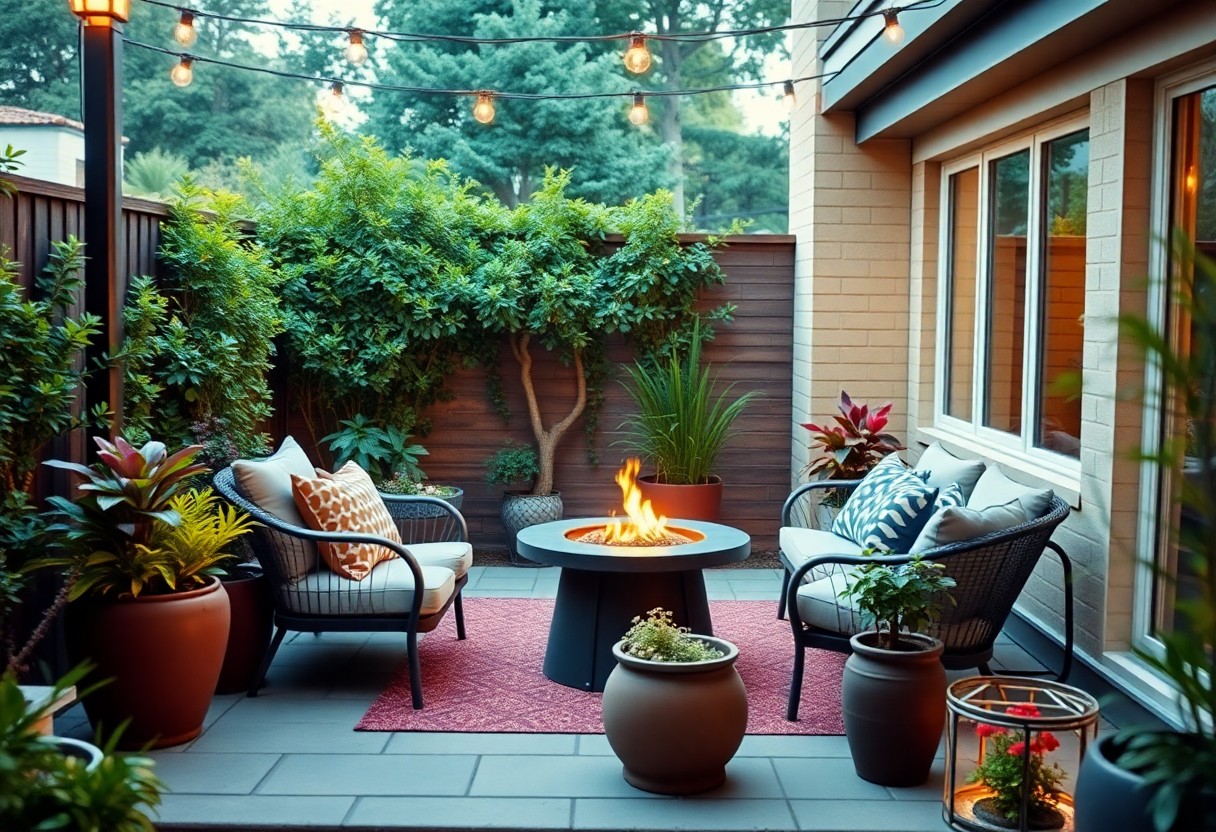
space

How to Choose Furniture for Your Outdoor Space

As you plan to enhance your outdoor area, you’ll need to select furniture that suits your lifestyle and complements your space. You’ll want to consider the size of your outdoor space, as well as your personal style and the activities you’ll be doing there. Your furniture choice will greatly impact the functionality and ambiance of your outdoor area, so it’s important to make informed decisions. You can create a inviting and functional space by choosing the right furniture, and this guide will help you do just that.

Key Takeaways:

To create an inviting and functional outdoor space, consider the following points when choosing furniture:

  • Consider the Climate and Weather conditions in your area, as they can affect the durability and maintenance of your outdoor furniture. Choose materials that can withstand the elements, such as Waterproof fabrics and Rust-Resistant frames.
  • Think about the Purpose of your outdoor space and the type of activities you will be doing there. If you plan to dine outdoors, look for Durable and Easy-to-Clean furniture, such as a Polymer or Recycled Plastic table and chairs.
  • Choose furniture with Comfort and Style in mind. Consider the Ergonomic design of the furniture, as well as the Color and Texture that will complement your outdoor decor and create a inviting atmosphere.
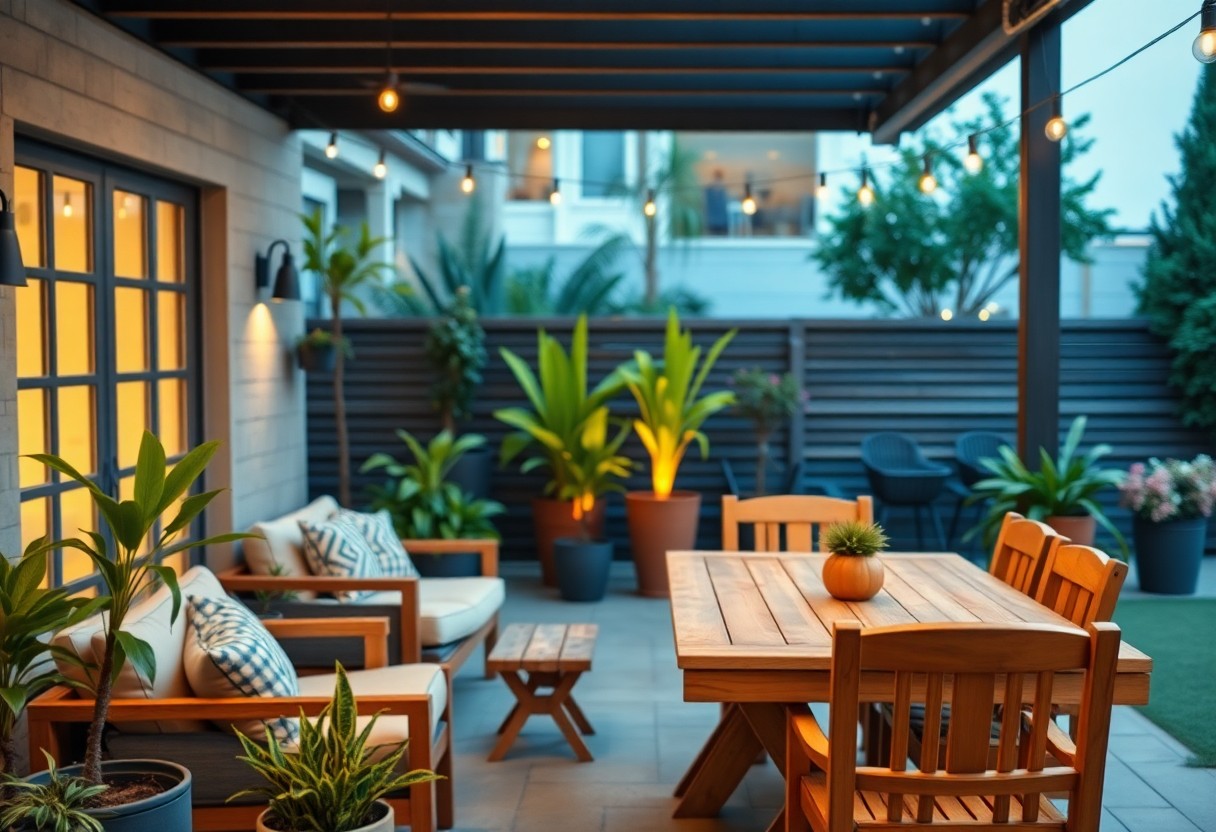
Assessing Your Space

Before selecting furniture for your outdoor space, you need to evaluate the area where you plan to place it. This involves considering the layout, size, and overall aesthetic you want to achieve. You should think about how you intend to use the space and what type of furniture will best suit your needs.

Measuring the Area

Behind every successful outdoor setup is a thorough measurement of the space. You will need to take precise measurements of your patio, deck, or yard to determine the ideal furniture size and layout. This will help you choose pieces that fit comfortably and allow for easy movement.

Considering the Climate

Beside the physical space, you should also think about the climate and weather conditions in your area. You need to consider how different weather elements will affect your furniture and choose pieces that can withstand them. This includes considering factors such as sunlight, rainfall, and extreme temperatures.

In fact, your outdoor furniture’s durability and longevity depend on its ability to withstand the elements. You should look for furniture made from weather-resistant materials, such as waterproof fabrics, rust-proof metals, and durable woods. Additionally, you may want to consider furniture with features like UV protection, water drainage, and stain resistance to ensure your pieces remain in good condition throughout the year.

Choosing the Right Materials

Clearly, selecting the right materials for your outdoor furniture is vital. You can find helpful guidance on this topic by visiting 10 Tips to Select Outdoor Furniture to make an informed decision.

Durable Options

Along with considering your personal style, you should think about durable materials that can withstand the elements, ensuring your furniture lasts for years to come.

Sustainable Choices

With the growing concern for the environment, you may want to opt for eco-friendly materials, such as recycled plastic or sustainably sourced wood, for your outdoor furniture.

Another factor to consider is the longevity of your furniture, as sustainable choices often require less maintenance and replacement, ultimately saving you time and money in the long run, and you can enjoy your outdoor space while also doing your part for the environment.

Selecting Furniture Pieces

Many factors come into play when choosing outdoor furniture, including your personal style, the size of your space, and the intended use of the area. You should consider the flow of traffic and the placement of doors and windows to ensure a functional and comfortable layout. This will help you create an inviting atmosphere in your outdoor space.

Essential Items

Before selecting any furniture, you need to identify the crucial items that will serve as the foundation of your outdoor space, such as a seating set, a dining table, or a lounge chair. You should assess your needs and priorities to determine which pieces are must-haves for your space.

Decorative Elements

Pieces like planters, lanterns, and decorative screens can add visual interest and personality to your outdoor space. You can use these elements to enhance the ambiance and create a unique atmosphere that reflects your personal taste and style.

Even if you have a small outdoor space, you can still make a big impact with decorative elements. You can choose items that are proportionate to the size of your space and arrange them in a way that creates a sense of balance and harmony. By adding these decorative touches, you can turn your outdoor space into a beautiful and inviting area that you will enjoy spending time in.

Color and Texture

Despite the numerous options available, selecting the right color and texture for your outdoor furniture can be challenging. You want your furniture to complement your surroundings and reflect your personal style. Consider your outdoor space’s natural features and the style of your home when making your decision.

Harmonizing with Nature

For a cohesive look, choose colors and textures that blend with the natural surroundings of your outdoor space. You can select furniture with earthy tones or natural materials like wood or wicker to create a seamless transition between your space and the environment.

Adding Contrast

An effective way to add visual interest to your outdoor space is by introducing contrasting colors and textures. You can choose furniture with bold, bright colors or unique textures to create a striking contrast with the natural surroundings.

Understanding how to balance contrasting elements is key to creating a visually appealing outdoor space. You can start by selecting a statement piece, such as a colorful sofa or a patterned rug, and then balance it with neutral-colored furniture and decor to avoid overwhelming the space. By doing so, you can add depth and visual interest to your outdoor space, making it more inviting and enjoyable for you and your guests.

Lighting and Ambiance

Unlike indoor spaces, outdoor areas have unique lighting needs. You’ll want to consider both natural and artificial light sources to create a welcoming atmosphere in your outdoor space.

Natural Light

Across different times of day, you’ll notice how natural light affects your outdoor space. You can position your furniture to maximize the sunlight or shade, depending on your preferences.

Artificial Lighting

Similarly, one of the most effective ways to enhance your outdoor ambiance is with artificial lighting. You can use string lights, lanterns, or spotlights to create a warm and inviting glow in your outdoor space.

And as you explore your artificial lighting options, you’ll find that there are many styles and designs to choose from, allowing you to tailor the lighting to your specific needs and decor. You can also consider solar-powered lights or LED lights, which are energy-efficient and eco-friendly, making them a great choice for your outdoor space.

Budget and Maintenance

Now that you have an idea of the type of furniture you want, it’s time to consider your budget and how you’ll maintain your outdoor space. You’ll want to balance your spending with the quality and durability of the pieces you choose.

Setting a Budget

Beneath the surface of your design plans, a budget will help guide your decisions. You’ll need to consider the cost of the furniture, as well as any additional features you want, such as lighting or decorative elements, to ensure your outdoor space fits within your means.

Caring for Your Furniture

Behind the beauty of your outdoor furniture is the need for regular maintenance. You’ll want to clean and protect your pieces from the elements to ensure they last for years to come. This will help maintain their appearance and extend their lifespan.

Further, to keep your outdoor furniture in good condition, you’ll need to consider the materials and finishes you choose. For example, you may want to select furniture with waterproof or water-resistant finishes, or use covers to protect your pieces from harsh weather conditions. By taking these steps, you can enjoy your outdoor space with minimal upkeep and maintenance.

Final Words

With this in mind, you can now confidently select the perfect furniture for your outdoor space. You’ll consider factors like durability, style, and functionality to create an inviting atmosphere. For more guidance, visit How to Choose the Right Outdoor Furniture to ensure your choices reflect your personal taste and complement your outdoor area, making it your favorite spot to relax and entertain your guests.

FAQ

Q: What type of furniture is best suited for my outdoor space?

A: The type of furniture best suited for your outdoor space depends on the climate, size, and style of your area. For example, if you live in a sunny and rainy climate, you may want to choose furniture made from durable, water-resistant materials such as wicker, rattan, or recycled plastic. If you have a small outdoor space, consider compact and multifunctional furniture pieces like a storage bench or a folding table. For a larger space, you can opt for more substantial pieces like a sectional sofa or a dining set.

Q: How do I determine the right size of furniture for my outdoor space?

A: To determine the right size of furniture for your outdoor space, start by measuring the length, width, and any obstacles in the area, such as doors, windows, or stairs. Consider the flow of traffic and leave enough space between furniture pieces for comfortable movement. You can also use online tools or consult with a designer to create a scaled layout of your space and test different furniture arrangements. Lastly, consider the number of people you plan to entertain and choose furniture that can accommodate your guests comfortably.

Q: What materials should I look for when choosing outdoor furniture?

A: When choosing outdoor furniture, look for materials that are durable, weather-resistant, and low-maintenance. Some popular options include teak, eucalyptus, and cedar wood, which are naturally resistant to rot and insect damage. Metal furniture made from aluminum, steel, or wrought iron can also be a good choice, as they are strong and can withstand harsh weather conditions. Additionally, consider furniture with UV-resistant cushions and upholstery to prevent fading and discoloration.

Q: Can I leave my outdoor furniture outside all year round?

A: It’s generally not recommended to leave your outdoor furniture outside all year round, especially in areas with extreme weather conditions. Harsh winters, heavy rainfall, and intense sunlight can cause damage to the furniture, reducing its lifespan. If possible, store your furniture in a dry, covered area during the off-season or use furniture covers to protect it from the elements. Regular cleaning and maintenance can also help extend the life of your outdoor furniture.

Q: How can I add style and personality to my outdoor space with furniture?

A: You can add style and personality to your outdoor space with furniture by choosing pieces that reflect your personal taste and complement the existing decor. Consider adding decorative elements like throw pillows, rugs, and planters to add color and texture to the area. You can also mix and match different furniture styles, such as modern and traditional, to create a unique and eclectic look. Additionally, incorporate lighting, like string lights or lanterns, to create a warm and inviting ambiance in the evening. By choosing furniture that reflects your style and personality, you can create an outdoor space that is both functional and beautiful.
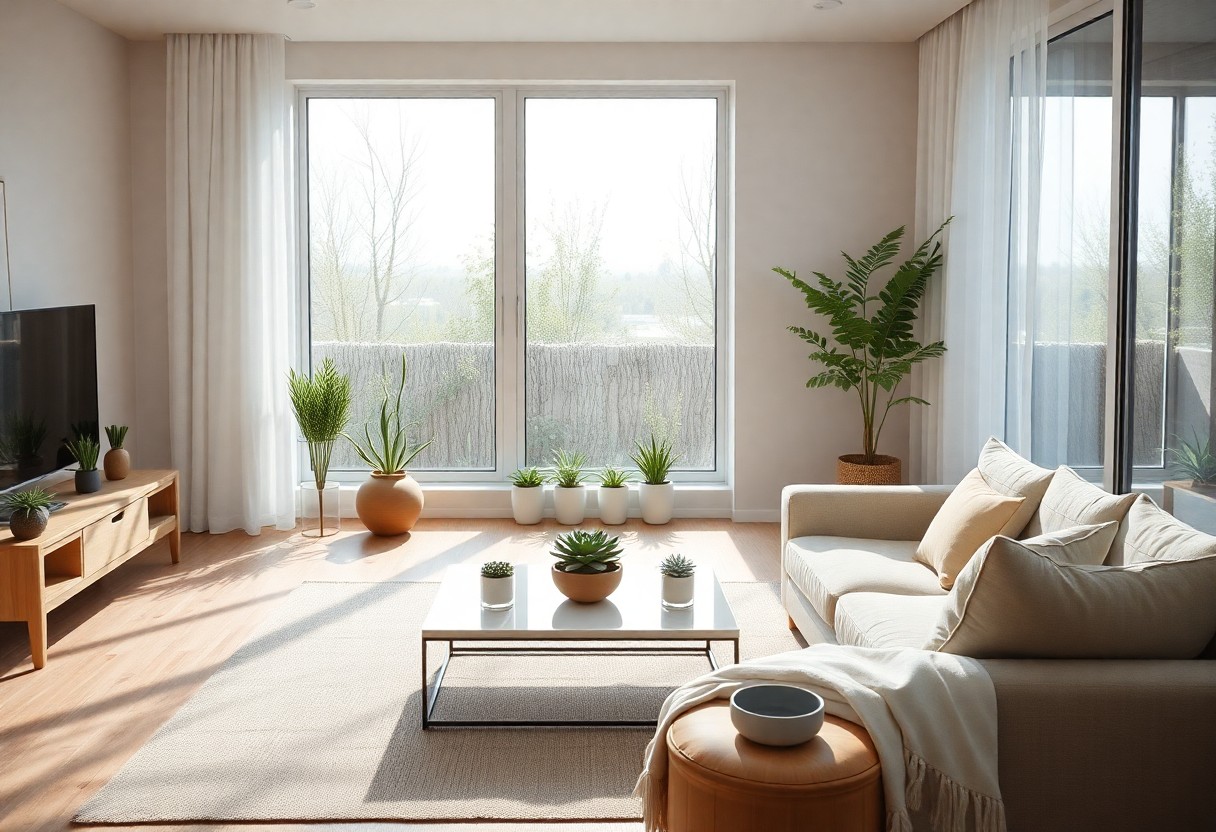
How to Create a Zen-Inspired Living Space

You’re looking to transform your home into a peaceful oasis, and a Zen-inspired living space is your goal. You want to create an atmosphere that promotes relaxation and calmness. Your journey begins with simplicity and clarity. You will learn how to declutter, select minimal decor, and incorporate natural elements to bring serenity into your life. By following these steps, you will be able to design a space that reflects your inner peace and tranquility.

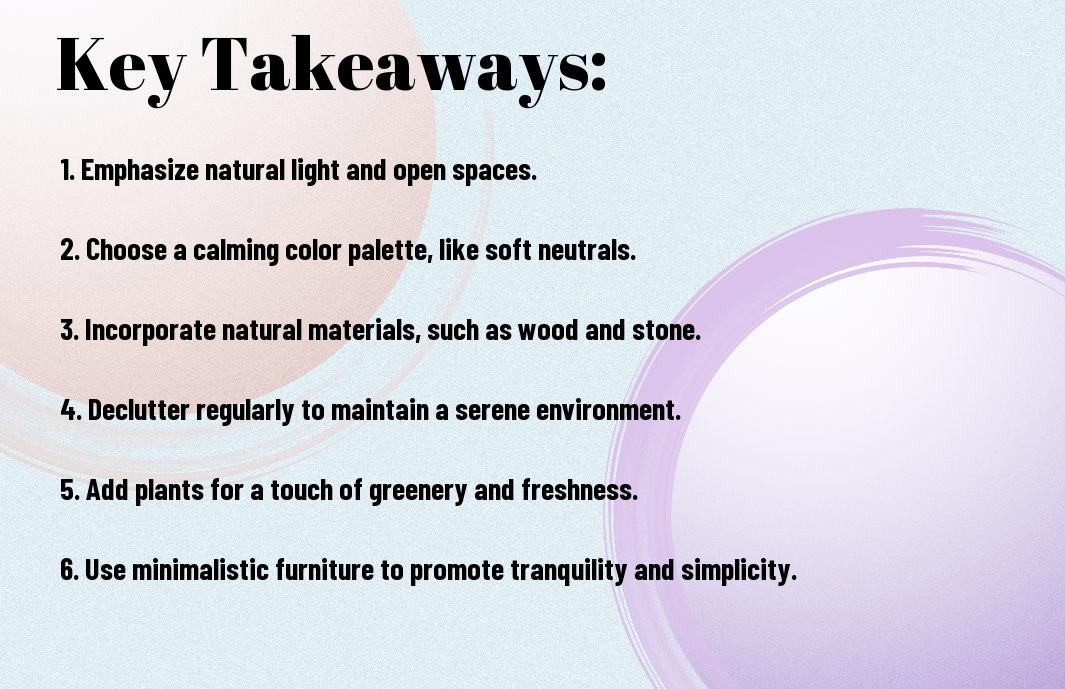
Key Takeaways:

To create a serene and peaceful living space, consider the following points:

  • Emphasize Natural Light and Minimalism by using sheer curtains, decluttering, and opting for a limited color palette to create a sense of calmness and clarity.
  • Incorporate Nature into your space by adding plants, a water feature, or a Zen garden to bring in a sense of balance and harmony.
  • Focus on Textiles and Colors that promote relaxation, such as soft fabrics, neutral tones, and Earth Tones, to create a cozy and inviting atmosphere.

Defining Zen Style

A well-designed Zen-inspired living space can bring a sense of calm and tranquility to your home. You can achieve this by incorporating simple and natural elements into your decor.

Origins and Principles

Any introduction to Zen style must consider its origins in Japanese culture, where it emphasizes simplicity and mindfulness. You will find that Zen principles focus on creating a sense of balance and harmony in your living space.

Key Elements

For a Zen-inspired living space, you will want to focus on natural materials, such as wood and stone, and minimal decor. You can use these elements to create a sense of calm and simplicity in your home.

Principles of Zen style guide your selection of key elements, helping you choose items that promote a sense of serenity and peace. You will find that applying these principles helps you create a living space that is both beautiful and functional, allowing you to relax and unwind in your home.

Color Schemes and Lighting

Even the most minimalistic spaces can benefit from thoughtful color schemes and lighting. You can create a calming atmosphere by choosing soothing colors and optimizing natural light. Your goal is to design a space that promotes relaxation and serenity.

Calming Colors

Color selection is key to creating a zen-inspired living space. You will want to focus on muted, natural hues such as beige, gray, and blue, which can help you unwind and feel more at ease in your environment.

Natural Light

One of the most effective ways to enhance your space is by utilizing natural light. You can achieve this by keeping windows unobstructed and using sheer curtains to filter the light, creating a sense of calm and tranquility.

In fact, natural light can have a profound impact on your mood and overall well-being. You can amplify its effects by positioning mirrors strategically to reflect the light, making your space feel brighter and more expansive, and helping you connect with the outdoors from the comfort of your own home.

Furniture and Decor

Not everything needs to be brand new when creating a zen-inspired living space. You can repurpose or upcycle existing items to add character to your space.

Minimalism

Around your living space, adopt a mindset that values simplicity and clarity, allowing you to focus on what’s truly important. You’ll find that your space feels more serene and peaceful.

Natural Materials

Beside the benefits of sustainability, natural materials like wood and bamboo bring warmth and texture to your space, creating a cozy and inviting atmosphere. You can incorporate these elements through furniture, flooring, or decorative accents.

Another way to emphasize natural materials is by bringing the outdoors in, using elements like plants, stones, or water features to create a sense of balance and harmony in your space. You can place a small herb garden on your windowsill or a vase with branches on your coffee table to add a touch of nature to your decor.

Textures and Patterns

Unlike other design elements, textures and patterns in a Zen-inspired space should be simple and understated. You can find inspiration for creating a peaceful atmosphere in your home by visiting 1 To Zen – 10 Easy Steps To Creating A Zen Home Interior guide.

Incorporating Nature

About bringing the outdoors in, you can add plants, natural fibers, and elements like wood or stone to create a sense of calm in your space.

Balance and Harmony

After selecting your textures and patterns, you will need to balance them to achieve harmony in your Zen-inspired space, which you can do by limiting your choices and using them thoughtfully.

Achieving balance and harmony is key to creating a Zen-inspired living space. You can do this by considering the visual weight of each element and arranging them in a way that feels peaceful and calming to you. By doing so, you will create a space that promotes relaxation and serenity.

Organizing Your Space

To create a zen-inspired living space, you need to start by organizing your belongings and surroundings. This involves decluttering and rearranging your space to promote a sense of calm and serenity.

Decluttering

Along with simplifying your life, getting rid of unnecessary items will help you focus on what’s truly important. You’ll be able to see what you have and make the most of your space.

Functional Layout

Above all, your space should be easy to navigate and functional. You want to be able to move effortlessly from one area to another without feeling overwhelmed or distracted.

Your functional layout should also take into account your daily routines and habits. Consider the path you take through your home and how you can arrange your furniture to make it more efficient. By doing so, you’ll be able to create a sense of flow and harmony in your living space, making it feel more peaceful and zen-inspired.

Bringing in Nature

Many ways to create a zen-inspired living space involve connecting with nature. You can find inspiration for your design by visiting Zen Decorating Ideas to get started.

Plants and Greenery

Around this time, you’ll want to consider adding plants to your space, as they help purify the air and create a calming atmosphere, making your living space feel more serene.

Outdoor Elements

Any outdoor elements you bring into your home, such as a water feature or natural textures, can enhance the zen ambiance and make your space feel more connected to nature.

Hence, you can incorporate outdoor elements, like stones or reclaimed wood, into your design to add warmth and coziness to your space, making it feel more inviting and peaceful, allowing you to unwind and relax in your zen-inspired living space.

Summing up

To wrap up, you have now learned the necessarys of creating a Zen-inspired living space. You can simplify your life by applying these principles to your home, making it a calm and serene oasis. Your newfound knowledge will help you design a space that promotes relaxation and clarity, allowing you to unwind and reconnect with your inner self in your own tranquil atmosphere.

FAQ

Q: What is the first step in creating a Zen-inspired living space?

A: To create a Zen-inspired living space, the first step is to declutter and minimalize your surroundings. This involves getting rid of any unnecessary items, reducing clutter, and organizing your belongings in a way that promotes a sense of calm and serenity. By doing so, you will be able to create a blank canvas that allows you to design a space that is truly reflective of the Zen philosophy, which emphasizes the importance of simplicity and clarity.

Q: How can I incorporate natural elements into my Zen-inspired living space?

A: Incorporating natural elements is an vital part of creating a Zen-inspired living space. You can do this by adding plants, using natural materials such as wood and stone, and bringing in elements of nature like water features or a bowl of river rocks. Additionally, consider using natural textiles like bamboo, hemp, or cotton to add warmth and texture to your space. By bringing the outdoors in, you can create a sense of harmony and balance that is characteristic of Zen design.

Q: What colors are typically used in a Zen-inspired living space?

A: The color palette used in a Zen-inspired living space is typically muted and calming, with a focus on neutral tones such as beige, gray, and white. These colors help to create a sense of calmness and serenity, and can be used on walls, furniture, and accessories. You can also incorporate earthy tones like brown and green to add depth and warmth to your space. Avoid using bold or bright colors, as they can disrupt the peaceful atmosphere that is characteristic of a Zen-inspired living space.

Q: How can I use lighting to create a Zen-inspired atmosphere in my living space?

A: Lighting can play a significant role in creating a Zen-inspired atmosphere in your living space. Consider using soft, warm lighting like candles, lanterns, or floor lamps to create a sense of warmth and coziness. Avoid using harsh overhead lighting, as it can create a sense of tension and stress. Instead, use table lamps or floor lamps to create pools of light that can help to define different areas of your space and create a sense of intimacy. You can also use natural light to your advantage by placing furniture and decor near windows to maximize the amount of natural light in your space.

Q: What types of furniture and decor are typically used in a Zen-inspired living space?

A: The furniture and decor used in a Zen-inspired living space are typically simple, clean-lined, and functional. Consider using low-profile furniture with straight lines and minimal ornamentation, such as a low-slung sofa or a simple wooden coffee table. You can also incorporate decorative elements like woven baskets, natural fiber rugs, and simple artwork to add texture and visual interest to your space. Avoid using cluttered or overly ornate decorations, as they can disrupt the sense of calmness and serenity that is characteristic of a Zen-inspired living space. Instead, opt for simple, understated pieces that promote a sense of peace and tranquility.

How to Maximize Your Patio Space

You can turn your patio into an oasis, regardless of its size. To get the most out of your outdoor space, you’ll need to think creatively. You can find inspiration and guidance on Maximizing Small Outdoor Spaces: Creative Solutions for Limited Areas, and then apply practical tips to optimize your patio’s layout and decor, making it perfect for relaxation and entertainment.

Key Takeaways:

To make the most out of your outdoor area, consider the following points:

  • Optimize your layout by selecting furniture that fits the shape and size of your patio, ensuring a functional and aesthetic appeal.
  • Utilize vertical space by incorporating wall-mounted planters, shelves, or decorative elements to add depth and visual interest to your patio.
  • Incorporate multi-functional elements, such as a storage bench or a dining table with built-in planters, to maximize your patio’s usability and create a cozy atmosphere.

Assessing Your Patio

Before you start maximizing your patio space, take a step back and evaluate the area. Consider the layout, size, and condition of your patio to determine its full potential.

Evaluating the Space

One of the first steps is to assess the available space, taking note of any obstacles, such as pipes or electrical outlets, that may impact your design.

Considering the Climate

Evaluating your local climate will help you decide on the type of furniture and decorations to use, as well as the overall design of your patio.

Understanding how the climate affects your patio is imperative to creating a functional and enjoyable outdoor space. You’ll want to consider factors such as sunlight, wind, and precipitation to ensure your patio is comfortable and usable year-round, and make informed decisions about the materials and features you’ll include in your design, allowing you to create a space that is tailored to your needs and your local environment.

Setting Priorities

Clearly, to maximize your patio space, you need to start by setting priorities. You can find inspiration on How to Make the Most of a Small Patio Space and learn how to create a functional and beautiful outdoor area.

Identifying Needs

Against the backdrop of your lifestyle, you should consider what you want to achieve with your patio space, and identify your specific needs, whether it’s dining, lounging, or entertainment.

Creating a Budget

Creating a budget is imperative to help you make informed decisions about your patio design and ensure that your project stays on track financially, as you plan your ideal outdoor space.

Considering your budget, you will be able to allocate funds to the most important elements of your patio design, such as furniture, lighting, and landscaping, and make adjustments as needed to stay within your means, ensuring that your patio renovation is a success and fits your financial situation.

Designing the Layout

Your patio’s layout is imperative to maximizing its space, and you should consider the flow of traffic and the placement of different elements, such as seating areas and plants, to create a functional and inviting space.

Choosing a Theme

Beneath the surface of your patio’s design, a theme can help guide your decisions and create a cohesive look, and you should consider your personal style and the style of your home when selecting a theme for your patio.

Selecting Furniture

Across the board, the right furniture can make or break your patio’s ambiance, and you should choose pieces that are both functional and aesthetically pleasing, considering factors such as durability and comfort.

Consequently, as you select furniture for your patio, you will want to think about how you plan to use the space and what types of activities you will be doing there, whether it’s dining, lounging, or entertaining, and choose furniture that supports those activities, such as a dining table and chairs or a sectional sofa.

Utilizing Vertical Space

Now that you’re looking to maximize your patio space, consider utilizing vertical space to create a more functional area. This can be achieved by installing shelves, planters, or other decorative elements that draw the eye upwards, making your patio feel larger.

Installing Shelves

Behind your patio furniture, you can install shelves to store outdoor items such as pillows, planters, and gardening tools, keeping them organized and out of the way.

Adding Plants

Adding some greenery to your patio can enhance its ambiance, and using vertical planters or a trellis can help maximize space while adding visual interest to your outdoor area.

A well-placed planter or trellis can also provide a natural screen, creating a sense of seclusion and intimacy on your patio, allowing you to enjoy your outdoor space in peace, and making the most of your vertical space by choosing plants that grow upwards, such as vines or climbing flowers, which will thrive in your newly optimized patio.

Optimizing Lighting

Not only does lighting set the ambiance, but it also expands your patio’s usability. You can create a warm and inviting atmosphere by balancing natural and artificial light sources.

Natural Light

Along with the sun’s position, you’ll want to consider the trees and other obstructions that may block natural light from reaching your patio, and arrange your furniture accordingly to maximize the sunlight you do get.

Artificial Lighting

Alongside natural light, artificial lighting can greatly enhance your patio’s ambiance, and you can choose from a variety of options, including string lights, lanterns, and table lamps, to create the perfect atmosphere for your outdoor space.

Optimizing your artificial lighting means considering the color temperature and brightness that suits your needs, and you can experiment with different combinations to find the perfect balance that makes your patio feel welcoming and relaxing, allowing you to enjoy it even after dark, and making the most of your outdoor space.

Adding Decor and Texture

Unlike other areas of your home, your patio is a blank canvas waiting for your personal touch. You can add decor and texture through outdoor furniture, rugs, and statement pieces that reflect your style and create a welcoming atmosphere.

Incorporating Colors

Amediately after selecting your decor, consider incorporating colors that complement your outdoor space. You can choose vibrant hues or soft pastels to add visual interest and create a cozy ambiance that invites you to relax and unwind.

Mixing Materials

Prior to finalizing your patio design, think about mixing materials to add depth and visual appeal. You can combine wood, metal, and wicker to create a unique and eclectic look that showcases your personality and style.

Also, when mixing materials, you can experiment with different textures and patterns to create a layered and engaging outdoor space. You can pair smooth stone with rough-hewn wood or combine woven fibers with sleek metal, allowing you to create a patio that is truly one-of-a-kind and reflects your individual taste.

Summing up

Following this guide, you can now maximize your patio space effectively. You will be able to create a functional and beautiful outdoor area that suits your needs. For more inspiration, visit 18 Small Patio Ideas to Maximize Your Outdoor Space to explore various design options and transform your patio into a cozy retreat that you will enjoy for years to come, making the most of your outdoor space.

FAQ

Q: What are the first steps to maximize my patio space?

A: To maximize your patio space, start by assessing the area and identifying its strengths and weaknesses. Consider the size, shape, and location of your patio, as well as the surrounding landscape and architecture. Make a list of your needs and priorities, such as seating, dining, and entertainment. Measuring your patio and creating a scale drawing or diagram can also help you visualize the space and plan your design. This will give you a solid foundation to make the most of your patio space.

Q: How can I optimize the layout of my patio to create more space?

A: Optimizing the layout of your patio involves creating a functional and aesthetically pleasing design. Consider using multi-functional furniture, such as a storage bench or a table with built-in planters, to reduce clutter and increase usability. Define different areas of the patio, such as a seating area, dining area, and entertainment area, to create a sense of separation and functionality. Using vertical elements, like trellises or arbors, can also help to create the illusion of more space and add visual interest.

Q: What types of furniture and decor are best suited for small patios?

A: For small patios, it’s best to use furniture and decor that is compact, lightweight, and versatile. Consider using folding chairs, nesting tables, and wall-mounted planters to save space. Choose furniture with clean lines, minimal bulk, and a small footprint to create a sense of openness and airflow. Adding decorative elements, such as string lights, lanterns, or a statement piece of art, can also help to create a welcoming and inviting atmosphere without overwhelming the space.

Q: How can I use lighting to enhance my patio space?

A: Lighting can greatly enhance the ambiance and functionality of your patio space. Use a combination of overhead lighting, table lamps, and string lights to create a warm and inviting glow. Solar-powered lights are a great option for patios, as they are energy-efficient and require minimal installation. Consider using lights with a warm color temperature, such as halogen or LED bulbs, to create a cozy and relaxing atmosphere. You can also use lighting to highlight specific features, such as a water feature or a statement piece of art, to add visual interest and depth to the space.

Q: What are some creative ways to add shade and shelter to my patio?

A: Adding shade and shelter to your patio can make it more comfortable and usable, especially during hot summer months. Consider using a variety of elements, such as umbrellas, canopies, and gazebos, to create shade and shelter. You can also use natural elements, such as trees, vines, or a trellis, to create a sense of shade and seclusion. Installing a pergola or a patio cover can also provide shade and shelter, while adding a sense of style and sophistication to the space. Choose materials and designs that complement the existing architecture and landscape, and don’t forget to consider factors like wind direction and sunlight patterns when selecting a shade solution.

How to Create a Themed Garden Space

As you commence on designing your outdoor oasis, you’re likely considering a themed garden space that reflects your personality and style. You want your garden to be an extension of your home, a place where you can relax and express your creativity. By choosing a theme, you can create a cohesive and inviting atmosphere that showcases your unique taste and flair, making your outdoor space truly special and enjoyable for you and your loved ones to spend time in.

Key Takeaways:

To create a themed garden space, consider the following points:

  • Define your Theme: Choose a specific Style, such as Japanese, Mediterranean, or English cottage, to guide your design decisions and create a cohesive look.
  • Select Plants and Features that fit your theme, such as bamboo and stone for a Japanese garden or olive trees and terracotta pots for a Mediterranean garden.
  • Consider the Layout and Hardscaping elements, such as paths, walls, and water features, to enhance the overall Ambiance of your themed garden space.

    Planning Your Themed Garden Space

    To create a themed garden space, you need to start with a solid plan. This involves defining your theme, assessing your yard, and determining the elements that will bring your vision to life.

    Defining Your Theme

    At this stage, you are considering the style and atmosphere you want to achieve in your garden. You think about the colors, textures, and features that will evoke the desired mood and emotion.

    Assessing Your Yard

    Between the existing landscape and the desired theme, you need to evaluate your yard’s conditions, including sunlight, soil, and slope. This will help you determine the best placement of plants and features.

    Your yard’s unique characteristics will influence the design and layout of your themed garden space. You should consider the amount of sunlight and shade, soil type, and drainage, as these factors will affect the types of plants you can use and the overall maintenance of your garden. This assessment will also help you identify potential challenges and opportunities to incorporate existing features into your design.

    Choosing the Right Plants

    The selection of plants is a key aspect of creating a themed garden space, as it sets the tone and atmosphere of your outdoor area. You will want to choose plants that fit your theme, are easy to maintain, and thrive in your local climate.

    Selecting Plants that Fit Your Theme

    Along with considering the aesthetic appeal of your plants, you should also think about how they will contribute to the overall ambiance of your garden. You can choose plants with fragrances, textures, and colors that evoke the mood and feeling you want to create.

    Considering Climate and Soil Conditions

    Around your garden, you will find that climate and soil conditions play a significant role in the health and survival of your plants. You should assess your garden’s specific conditions and choose plants that are well-suited to your area, ensuring they receive the right amount of sunlight, water, and nutrients.

    That being said, you will need to research the specific needs of each plant you want to include in your garden, taking into account factors such as temperature, humidity, and soil pH. By doing so, you can create a thriving and visually stunning themed garden space that reflects your personal style and complements your outdoor area, allowing you to enjoy your garden to the fullest.

    Designing the Layout

    All great themed gardens start with a well-designed layout. You will want to consider the overall aesthetic you are trying to achieve and plan your space accordingly. This will involve thinking about the placement of plants, furniture, and other decorative elements.

    Creating a Coherent Design

    Around every corner, you want your garden to feel like a cohesive whole. You can achieve this by choosing a few unifying elements, such as a specific color scheme or style of decoration, and carrying them throughout your garden.

    Incorporating Hardscaping Elements

    Like a framework, your hardscaping elements will provide the structure for your garden. You will want to think about how you can use features like pathways, walls, and patios to create a beautiful and functional outdoor space.

    Creating a beautiful hardscape can make or break your themed garden. You can use a variety of materials, such as brick, stone, or wood, to create the look you want. As you plan your hardscaping elements, consider how they will interact with the other elements of your garden, and make sure they fit with your overall theme and design.

    Adding Decorative Features

    Now that you have the basics of your themed garden space in place, it’s time to add some decorative features to bring it to life. You can consider adding various elements such as ornaments, lighting, and water features to enhance the overall ambiance of your garden.

    Selecting Garden Ornaments and Accessories

    Accompanying your themed garden with the right ornaments and accessories will help tie the whole space together. You can choose items that fit your theme, such as statues, birdhouses, or sundials, to add visual interest and personality to your garden.

    Incorporating Lighting and Water Features

    Beneath the beautiful scenery of your garden, you can add lighting and water features to create a soothing atmosphere. You can install solar-powered lights or string lights to illuminate your garden, and add a small fountain or pond to create a calming sound.

    And as you explore the possibilities of incorporating lighting and water features, you’ll find that they can greatly enhance the overall experience of your garden. You can place lights to highlight specific features, such as a statue or a water feature, and choose a water feature that fits your space and theme, such as a small pond or a self-contained fountain, to create a unique and inviting atmosphere in your garden.

    Maintenance and Upkeep

    For a themed garden to thrive, you need to establish a regular maintenance routine, ensuring your outdoor space continues to look its best throughout the year.

    Caring for Your Plants

    Maintaining healthy plants is necessary to the overall aesthetic of your garden, and you should prioritize tasks such as watering, pruning, and fertilizing to keep your plants vibrant and thriving.

    Troubleshooting Common Problems

    Above all, being able to identify and address common issues, such as pest infestations or diseased plants, will help you keep your garden looking its best, and you should stay vigilant for any signs of trouble.

    Problems such as weeds, pests, and diseases can quickly take over your garden if left unchecked, and you will need to take action to solve these issues, using techniques such as organic pest control or targeted pruning to get your garden back on track, and by doing so, you will ensure your themed garden space continues to flourish.

    Personalizing Your Space

    After deciding on a theme, you can start thinking about how to make your garden space truly unique. You can find inspiration on how to create a garden design by visiting How to Start a Garden Part 2: Creating a Garden Design to get started.

    Adding Unique Touches

    One way to add character to your garden is by incorporating personal items, such as sculptures or murals, that reflect your personality and style.

    Making the Space Your Own

    After selecting the elements that fit your theme, you can begin to arrange them in a way that feels authentic to you, considering your lifestyle and preferences.

    But as you work on making the space your own, you’ll find that it’s the small, personal details that will truly bring your garden to life, allowing you to relax and enjoy the fruits of your labor in a space that is uniquely yours.

    Summing up

    With these considerations, you can create a themed garden space that reflects your personality and style. You will be able to design a unique outdoor area that showcases your favorite elements, from plants to decor. By following these tips, you can transform your garden into a beautiful and functional space that you will enjoy for years to come, making your outdoor area a perfect extension of your home and your style.

    FAQ

    Q: What is the first step in creating a themed garden space?

    A: The first step in creating a themed garden space is to choose a theme that reflects your personality and style. This could be a Japanese garden, a medieval garden, or a whimsical fairy garden, among others. Consider the style of your home, the climate and soil conditions of your area, and the amount of space you have available. Research different themes and gather inspiration from books, magazines, and online resources to help you decide on a theme that suits your taste and preferences.

    Q: How do I select the right plants for my themed garden space?

    A: Selecting the right plants for your themed garden space involves considering the theme, climate, and soil conditions of your area. For example, a tropical theme would require plants such as palms, ferns, and hibiscus, while a desert theme would require cacti and succulents. Choose plants that are suitable for your region and that fit with your theme. Consider the mature size of the plants, their growth habits, and their maintenance requirements to ensure that they will thrive in your garden. You can also consult with a local nursery or gardening expert for advice on plant selection.

    Q: What role does lighting play in creating a themed garden space?

    A: Lighting plays a significant role in creating a themed garden space, as it can greatly enhance the ambiance and mood of the garden. Different lighting effects can be used to create a variety of moods, such as warm and inviting, cool and calming, or dramatic and mysterious. Consider using solar-powered lights, string lights, or lanterns to add ambiance to your garden. You can also use lighting to highlight specific features, such as water features, sculptures, or plants, and to create a sense of depth and dimensionality in the garden.

    Q: How can I incorporate decorative elements into my themed garden space?

    A: Incorporating decorative elements into your themed garden space can help to bring the theme to life and create a cohesive look. Consider using decorative elements such as statues, sculptures, fountains, and other ornaments that fit with your theme. For example, a Japanese garden might feature a Buddha statue, a lantern, and a stone bench, while a fairy garden might feature tiny furniture, miniature plants, and a small bridge. You can also use decorative elements to create a sense of whimsy and playfulness in the garden, such as a mosaic stepping stone or a sundial.

    Q: How do I maintain my themed garden space to keep it looking its best?

    A: Maintaining your themed garden space involves regular upkeep and maintenance to keep it looking its best. This includes tasks such as watering, pruning, and fertilizing plants, as well as cleaning and maintaining decorative elements. Consider creating a maintenance schedule to help you stay on track, and make adjustments as needed based on weather conditions and the needs of your plants. You should also consider incorporating low-maintenance plants and decorative elements into your garden to make upkeep easier and less time-consuming. With regular maintenance, your themed garden space can remain a beautiful and inviting oasis for years to come.

Opaye Skip to content