Soil

The Benefits of Mulching for Soil Health

As you tend to your garden, you begin to appreciate the simple yet profound impact of mulching on your soil’s well-being. You notice how this effortless act can transform your outdoor space, fostering a thriving ecosystem. By embracing mulching, you invite a cascade of benefits that will enrich your soil, conserve water, and support the delicate balance of nature that surrounds you, allowing your garden to flourish in harmony with the environment.

Key Takeaways:

  • The application of organic mulch helps to improve soil structure by increasing the water infiltration rate, reducing soil erosion, and creating a more stable soil environment.
  • Mulching promotes healthy microbial activity in the soil, which enhances the decomposition process of organic matter, releasing important nutrients for plant growth and development.
  • By retaining moisture in the soil and regulating soil temperature, mulching reduces the need for frequent watering and minimizes the risk of soil-borne diseases, ultimately leading to improved crop yields and a more sustainable ecosystem.

Benefits for Soil Fertility

While improving soil fertility, mulching helps you create a thriving ecosystem. You’ll notice your soil becoming richer in nutrients, supporting healthier plant growth.

Improved Nutrient Cycling

Betwixt the layers of mulch and soil, nutrients are exchanged, and your soil benefits from this natural process, promoting a balanced ecosystem.

Enhanced Microbial Activity

Above the soil surface, mulch fosters an environment where microbes thrive, aiding in decomposition and nutrient release, which in turn benefits your garden’s health.

Activity of microorganisms in your soil is vital for breaking down organic matter, and as you mulch, you provide them with the ideal environment to flourish, leading to a more resilient and productive soil ecosystem, where your plants can grow strong and healthy.

Water Conservation

Assuming you want to reduce your water consumption, mulching is an effective way to conserve water in your garden. By retaining moisture in the soil, you can minimize the need for frequent watering, which is especially beneficial during dry spells.

Reduced Evaporation

Among the benefits of mulching, one notable advantage is that it reduces evaporation from the soil surface, allowing your soil to retain more water. This means you can enjoy a lush garden without wasting water.

Increased Water Retention

Increased moisture in the soil is another significant advantage of mulching, as it enables your soil to act like a sponge, absorbing and holding water for your plants to use as needed. This helps to reduce the frequency of watering.

In fact, as you continue to mulch your soil, you’ll notice that it becomes more proficient at retaining water, allowing you to reduce your watering schedule even further, and giving you more time to enjoy the beauty of nature around you.

Weed Suppression

All gardeners know that weeds can be a major nuisance, competing with your plants for water and nutrients. Mulching can help to suppress these unwanted growths, making your garden a more pleasant and productive space.

Physical Barriers

At the most basic level, mulch acts as a physical barrier, preventing weeds from growing by blocking light and preventing seed germination. As you apply a thick layer of mulch, you’ll notice a significant decrease in weed growth.

Competitive Exclusion

By depriving weeds of the resources they need to grow, mulch helps to exclude them from your garden ecosystem. You’ll find that your desired plants thrive as the weeds are suppressed.

Exclusion of weeds through mulching allows your plants to flourish, as the mulch retains moisture, suppresses pests and diseases, and regulates soil temperature, creating an ideal environment for your plants to grow. As you tend to your garden, you’ll notice the positive impact of mulching on the overall health and biodiversity of your soil.
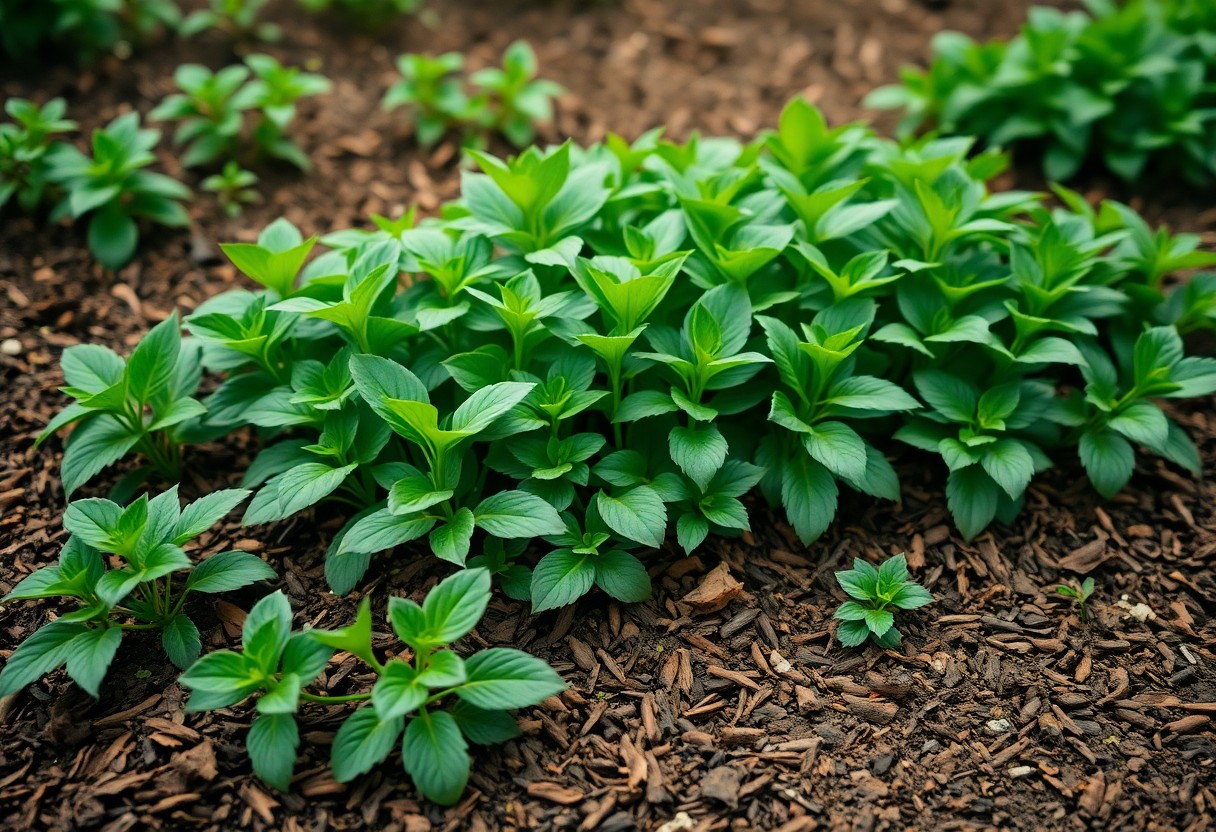
Soil Erosion Prevention

Your soil is protected from erosion when you use mulch, as it acts as a barrier against wind and rain. You can learn more about the benefits of mulch in sustainable agriculture by visiting Mulch in Sustainable Agriculture: Strategies for Soil Health and Crop Production to improve your soil health.

Reduced Runoff

By applying a layer of mulch, you decrease the amount of runoff from your soil, allowing it to retain more water and nutrients, which helps to support healthy plant growth.

Increased Soil Stability

Among the benefits of mulching, you’ll find that it enhances the stability of your soil, preventing it from being washed or blown away, and maintaining its structure.

Runoff can be significantly reduced when you have a stable soil foundation, and this, in turn, helps to prevent erosion, allowing your soil to thrive and support the growth of your plants, bringing you closer to a more natural and balanced ecosystem.

Climate Regulation

Once again, you will find that mulching plays a significant role in maintaining a balanced ecosystem, and this is particularly evident when it comes to climate regulation, as it helps to moderate the temperature and retain carbon in the soil.

Temperature Moderation

On a larger scale, you can observe the effects of mulching on temperature moderation, as shown in the following table:

Season Mulching Effects
Summer Cools the soil
Winter Insulates the soil

Carbon Sequestration

With the help of mulching, you can effectively store carbon in the soil, which in turn reduces the amount of greenhouse gases in the atmosphere, contributing to a healthier climate.

Hence, as you adopt mulching practices, you will notice the positive impact on your soil’s ability to sequester carbon, leading to a more sustainable and environmentally friendly garden or farm, and this is something you can achieve with simple yet effective methods, allowing you to contribute to the well-being of the planet.

Biodiversity Support

Unlike other soil health methods, mulching provides a unique benefit by fostering a diverse ecosystem. As you mulch, you create an environment that supports a wide range of microorganisms, insects, and small animals, enriching your soil’s biodiversity.

Habitat Creation

Betwixt the layers of mulch, a complex habitat is formed, where beneficial organisms thrive. You’ll notice an increase in the number of earthworms, insects, and microorganisms, all working together to break down the mulch and nourish your soil.

Food Source Provision

Against the backdrop of a barren soil landscape, mulching provides a rich food source for the organisms living in and around your soil. As you add mulch, you’re giving these organisms the nutrients they need to survive and thrive.

Plus, as the mulch breaks down, it releases a steady supply of nutrients into the soil, providing a constant food source for the microorganisms and insects that call your soil home. You’ll find that your soil becomes more resilient and better equipped to support the plants growing in it, all thanks to the simple act of mulching.

Conclusion

Presently, you can enhance your soil’s health by adopting mulching practices. As you nurture your soil, you’ll find that it becomes more fertile and thriving. To learn more about the advantages of mulching, visit The 4 Main Benefits of Mulch to discover how you can improve your soil’s condition and support the environment, allowing your outdoor space to flourish under your care.

FAQ

Q: What is mulching and how does it benefit soil health?

A: Mulching is the process of applying a layer of organic material, such as wood chips, leaves, or straw, to the surface of the soil. This simple technique offers numerous benefits for soil health, including improved moisture retention, reduced soil erosion, and increased nutrient availability. By retaining moisture, mulch helps to reduce the need for frequent watering, minimizing soil compaction and allowing roots to grow deeper. Additionally, as mulch breaks down, it adds organic matter to the soil, supporting the growth of beneficial microorganisms and enhancing soil fertility.

Q: How does mulching help to suppress weeds and reduce the need for pesticides?

A: Mulching is an effective method for suppressing weeds, as it blocks light from reaching the soil surface, preventing weed seeds from germinating. A thick layer of mulch can also prevent existing weeds from growing by depriving them of light, water, and nutrients. By reducing weed growth, mulching decreases the need for herbicides and other pesticides, creating a healthier environment for plants to thrive. Furthermore, as mulch breaks down, it can help to improve soil structure, making it more difficult for weeds to grow and reducing the need for chemical weed control.

Q: Can mulching help to regulate soil temperature and improve plant growth?

A: Yes, mulching can play a significant role in regulating soil temperature, which is imperative for optimal plant growth. In warm weather, mulch acts as an insulator, keeping the soil cooler and preventing it from overheating. This is particularly beneficial for plants that prefer cooler soil temperatures. In cold weather, mulch helps to retain heat in the soil, protecting roots from freezing temperatures and allowing plants to continue growing throughout the year. By regulating soil temperature, mulching can extend the growing season, improve plant health, and increase crop yields.

Q: How often should I apply mulch to my soil, and what is the recommended depth?

A: The frequency of mulch application depends on the type of mulch used and the specific needs of your soil. Generally, it is recommended to apply a 2-3 inch layer of mulch to the soil surface, keeping it a few inches away from plant stems to prevent rot and disease. As mulch breaks down, it may need to be replenished every 6-12 months to maintain its benefits. It is imperative to monitor the mulch layer and adjust its depth and frequency of application according to climate, soil type, and plant requirements.

Q: Are there any potential drawbacks or considerations to keep in mind when using mulch for soil health?

A: While mulching offers numerous benefits for soil health, there are some potential drawbacks to consider. For example, if the mulch layer is too thick, it can prevent water and air from reaching the roots, leading to waterlogged soil and root rot. Additionally, some types of mulch, such as wood chips, can be high in carbon and low in nitrogen, potentially causing an imbalanced nutrient profile in the soil. To avoid these issues, it is imperative to choose the right type of mulch for your specific needs, apply it at the recommended depth, and monitor its effects on soil health over time.

How can you create and maintain a healthy soil ecosystem in your backyard

Most soil health enthusiasts and conservationists agree that cultivating a thriving soil ecosystem in your backyard is important for supporting plant growth and fostering biodiversity. By incorporating simple practices like composting, mulching, and avoiding chemical fertilizers, you can nurture a diverse community of beneficial organisms underground. Follow these tips to mimic nature’s wisdom and create a sustainable environment where soil teems with life and productivity in your very own backyard.

Key Takeaways:

  • Compost is key: Adding compost to your soil provides crucial nutrients and improves soil structure, helping to support a healthy soil ecosystem.
  • Encourage biodiversity: Plant a variety of crops and flowers to attract beneficial insects and microbes that contribute to a balanced soil ecosystem.
  • Avoid chemical fertilizers: Chemical fertilizers can disrupt the natural balance of the soil ecosystem, so opt for organic fertilizers and natural soil amendments instead.

Building a Healthy Soil Foundation

The Importance of Soil Structure

Building a healthy soil foundation in your backyard starts with understanding the importance of soil structure. Healthy soil structure is vital for plant growth as it provides a strong foundation for roots to penetrate, access water and nutrients, and maintain stability. A well-structured soil also allows for proper water infiltration and drainage, reducing the risk of waterlogging and erosion.

Choosing the Right Soil Amendments

The key to enhancing your soil structure lies in choosing the right soil amendments. By adding organic matter such as compost, manure, or leaf mulch, you can improve soil structure, increase nutrient content, and promote beneficial microbial activity. These amendments also help retain moisture, reduce compaction, and suppress diseases, ensuring a thriving soil ecosystem in your backyard.

To further improve your soil health, consider conducting a soil test to determine any deficiencies or imbalances in nutrients. This information will help you select the most suitable soil amendments to address specific needs and create a well-balanced soil environment for your plants to flourish.

Creating a Balanced Ecosystem

Introducing Beneficial Microorganisms

While creating a healthy soil ecosystem in your backyard, it is crucial to introduce beneficial microorganisms. These tiny organisms play a vital role in breaking down organic matter and cycling nutrients, helping to improve soil structure and fertility.

Encouraging Soil Macrofauna

Ecosystem balance in your backyard can be achieved by introducing soil macrofauna such as earthworms, beetles, and ants. These larger soil organisms help in aerating the soil, breaking down organic matter, and improving drainage, leading to a more balanced and fertile soil ecosystem.

This diverse community of soil macrofauna also contributes to the decomposition process, further enriching the soil with organic matter and nutrients important for plant growth. By encouraging the presence of these beneficial creatures, you are fostering a more resilient and sustainable ecosystem in your backyard.

Planting Soil-Enriching Crops

Balanced soil ecosystems are cultivated by growing soil-enriching crops such as legumes, cover crops, and deep-rooted plants. These plants help in fixing nitrogen, improving soil structure, and increasing organic matter content, fostering a healthy and vibrant soil environment.

By planting a variety of soil-enriching crops throughout the year, you can enhance soil fertility, suppress weeds, and reduce the need for chemical inputs. This practice not only benefits your crops but also supports the overall health of the soil ecosystem in your backyard.

Managing Soil Moisture

Irrigation Techniques for Healthy Soil

All life depends on water, and your soil ecosystem is no exception. Techniques for maintaining proper soil moisture levels include drip irrigation, soaker hoses, and rain barrels. Drip irrigation delivers water directly to the base of plants, minimizing water waste through evaporation. Soaker hoses provide gentle, consistent watering along the soil surface, promoting deep root growth. Rain barrels collect rainwater for later use, reducing the strain on water resources and providing a natural source of hydration for your soil ecosystem.

Mulching for Soil Conservation

Techniques for mulching involve covering the soil with organic materials like shredded leaves, straw, or grass clippings. Mulch acts as a protective barrier, regulating soil temperature, retaining moisture, and suppressing weed growth. Additionally, as mulch breaks down, it enriches the soil with crucial nutrients, fostering a vibrant soil ecosystem.

It is crucial to replenish mulch periodically to maintain its benefits. Mulching not only conserves soil moisture but also improves soil structure and fertility over time, supporting healthy plant growth in your backyard.

Controlling Soil Erosion

Controlling soil erosion is crucial for preserving the integrity of your soil ecosystem. Techniques such as planting cover crops, installing retaining walls, and creating contour plowing can help prevent erosion. Cover crops like clover or rye protect the soil from wind and water erosion while adding organic matter when they decompose. Retaining walls help hold soil in place on slopes, preventing runoff and erosion. Contour plowing involves plowing across the slope contour instead of up and down, reducing water flow and soil displacement.

With proper techniques in place, you can effectively maintain healthy soil moisture levels, conserve soil, and prevent erosion in your backyard. By implementing these practices, you contribute to the sustainability and resilience of your soil ecosystem, creating a thriving environment for plants and beneficial microorganisms.

Maintaining Soil Fertility

Many factors contribute to the fertility of your soil. To learn more about building and maintaining healthy soil, check out How to build Healthy Soil – Eco-logically.

Natural Fertilizers for Soil Health

Soil fertility is crucial for the health of your plants, and using natural fertilizers can be an eco-friendly way to enrich your soil. Materials like compost, manure, bone meal, and seaweed extracts are excellent sources of nutrients that promote soil fertility. These natural fertilizers not only nourish your plants but also enhance the soil structure, improve water retention, and foster beneficial microbial activity.

Composting for Soil Enrichment

An effective way to enrich your soil is through composting. By collecting organic waste such as fruit and vegetable scraps, leaves, and grass clippings, you can create nutrient-rich compost that will boost the health of your soil. Composting not only reduces waste but also helps to maintain a good balance of organic matter in your soil, supporting a diverse soil ecosystem.

Natural decomposition processes break down organic matter in compost, releasing vital nutrients that are slowly absorbed by plants. Composting is a sustainable practice that not only benefits your garden but also contributes to reducing greenhouse gas emissions by diverting organic waste from landfills.

Crop Rotation for Soil Balance

Fertility in the soil can be maintained through crop rotation. By alternating the types of crops you plant in specific areas of your backyard, you can prevent nutrient depletion and enhance soil health. Different plants have varying nutrient needs and requirements, so rotating crops helps to maintain a balanced nutrient profile in the soil. Additionally, rotating crops can help break pest and disease cycles, reducing the need for chemical interventions and promoting a more sustainable gardening approach.

Soil that undergoes crop rotation benefits from improved soil structure, increased microbial diversity, and reduced soil erosion. By practicing crop rotation, you can create a resilient and fertile soil ecosystem that supports healthy plant growth year after year.

Monitoring Soil Health

Now, monitoring the health of your soil is imperative to ensuring a thriving ecosystem in your backyard. By regularly checking the soil quality, you can identify any issues early on and take necessary steps to maintain a healthy environment for your plants.

Soil Testing for Nutrient Levels

To determine the nutrient levels in your soil, you can conduct soil tests either with DIY kits or by sending samples to a lab for analysis. Testing for imperative nutrients like nitrogen, phosphorus, and potassium can help you understand if your soil needs any amendments. Based on the results, you can then adjust your fertilization practices accordingly to ensure optimal plant growth.

Observing Soil Signs of Health

With a keen eye, you can observe various signs that indicate the health of your soil. Look for earthworms, which are great indicators of soil health, as they help in breaking down organic matter and aerating the soil. Additionally, the presence of a diverse range of microorganisms like fungi and bacteria can also signify a healthy soil ecosystem.

Monitoring the texture and structure of your soil can give you valuable insights into its health. Healthy soil should be crumbly, well-aerated, and have a pleasant earthy smell. Compacted or waterlogged soil may indicate poor drainage and a lack of imperative air spaces for plant roots to thrive.

Identifying Common Soil Pests

On your monitoring journey, be sure to keep an eye out for common soil pests that can wreak havoc on your plants. Some of the most common soil pests include nematodes, cutworms, and grubs. These pests can damage plant roots, leading to stunted growth and poor overall health.

Regularly inspecting the soil for pest activity such as chewed leaves, tunnels, or damaged roots can help you identify and address pest issues promptly. Implementing integrated pest management strategies and natural predators can help control soil pest populations without the need for harsh chemicals.

Overcoming Common Soil Challenges

Dealing with Soil Compaction

For a healthy soil ecosystem in your backyard, overcoming common challenges like soil compaction is crucial. Soil compaction occurs when the soil particles are pressed together, reducing pore space. This limits the infiltration of water, air circulation, and root growth, hindering plant development. To overcome soil compaction, you can aerate the soil using a garden fork or aerator to loosen compacted areas. Adding organic matter like compost can also improve soil structure and reduce compaction over time.

Managing Soil Salinity

An imperative aspect of maintaining a healthy soil ecosystem is managing soil salinity. Soil salinity can occur due to excessive use of fertilizers, poor irrigation practices, or natural causes. High salt levels in the soil can inhibit plant growth by affecting water uptake and causing toxicity. To manage soil salinity in your backyard, you can plant salt-tolerant species, improve drainage, and leach the soil with excess water to flush out salts.

Salinity in the soil can be detrimental to plant growth and overall soil health. It is important to regularly test your soil for salinity levels and take appropriate actions to maintain a balanced and healthy soil ecosystem in your backyard.

Recovering from Soil Pollution

To create and maintain a healthy soil ecosystem in your backyard, you may encounter the challenge of soil pollution. Soil pollution can result from the accumulation of harmful chemicals and toxins from sources like pesticides, industrial waste, or improper disposal of household products. To recover from soil pollution, you can promote soil microbial activity by adding compost, plant cover crops to absorb pollutants, and remediate contaminated areas with natural amendments like activated charcoal or biochar.

Soil pollution poses a threat to the biodiversity and fertility of your backyard soil. By taking proactive measures to recover from soil pollution, you can restore the health and vitality of your soil ecosystem, benefiting both your plants and the environment.

To wrap up

From above, you can see that creating and maintaining a healthy soil ecosystem in your backyard is vital for the overall health of your garden and the environment. By incorporating organic matter, practicing crop rotation, avoiding chemical fertilizers and pesticides, and supporting beneficial organisms, you can ensure that your soil is teeming with life and nutrients for your plants. Be mindful of, healthy soil leads to healthy plants, which in turn leads to a healthier planet.

By following these practices, you are not only taking care of your immediate surroundings but also contributing to the larger ecosystem. As Aldo Leopold famously said, “To keep every cog and wheel is the first precaution of intelligent tinkering.” So, take care of your soil, nurture it, and let it thrive, and you will reap the benefits for years to come.

Q: Why is it important to create and maintain a healthy soil ecosystem in your backyard?

A: A healthy soil ecosystem is important for the overall well-being of your plants. It provides nutrients, water, and support for roots, promotes beneficial soil organisms, helps control pests and diseases, and improves overall plant growth and productivity.

Q: How can you create a healthy soil ecosystem in your backyard?

A: You can create a healthy soil ecosystem by adding organic matter such as compost, mulch, or aged manure to improve soil structure and fertility. Avoid using chemical fertilizers and pesticides that can harm beneficial soil organisms. Practice crop rotation and cover cropping to promote biodiversity in the soil.

Q: How can you maintain a healthy soil ecosystem in your backyard?

A: To maintain a healthy soil ecosystem, regularly test your soil to monitor nutrient levels and pH. Avoid compacting the soil by minimizing foot traffic and using raised beds or pathways. Mulch your garden beds to retain moisture, suppress weeds, and provide organic matter to the soil. Avoid over-tilling, as it can disrupt soil structure and microorganisms.

Opaye Skip to content