As you tend to your garden, you have the power to create a haven for pollinators. By choosing the right vegetables, you can attract these vital creatures and support the health of your local ecosystem. Your garden can become a thriving oasis, teeming with life and color, as you cultivate a variety of pollinator-friendly vegetables. You will learn how to make informed choices to create a welcoming space for these important visitors, and in doing so, you will be contributing to a larger movement to protect the environment.
Key Takeaways:
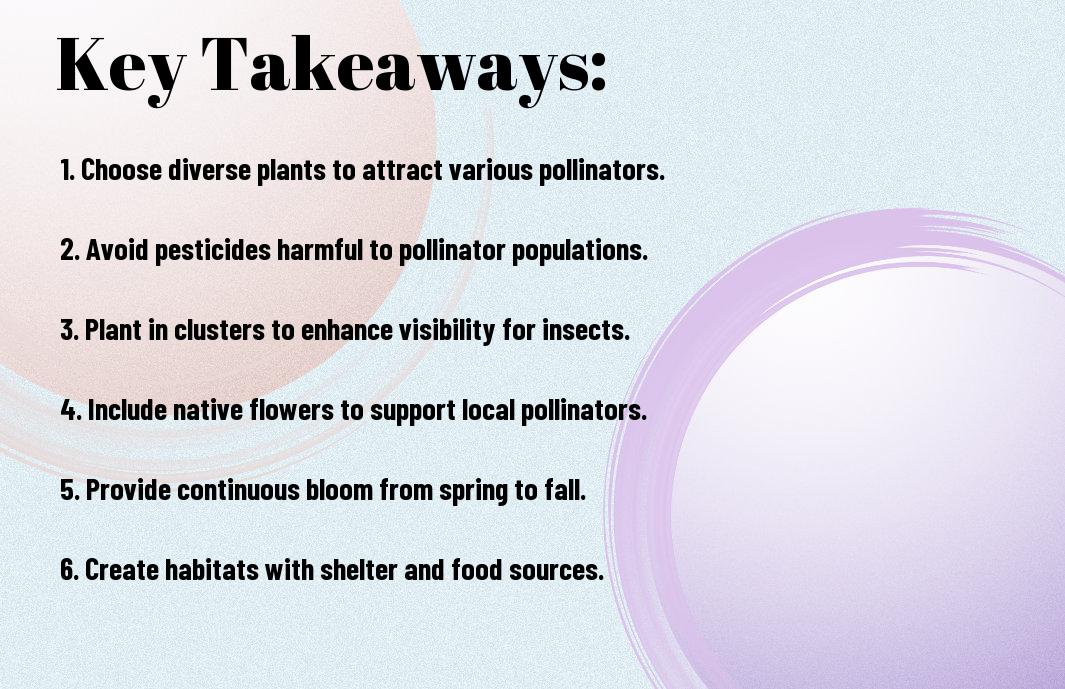
To grow pollinator-friendly vegetables, consider the following points:
- Choose varieties of vegetables that are rich in nectar and pollen, such as squash, cucumbers, and carrots, which attract a wide range of pollinators like bees and butterflies.
- Plant a diverse selection of vegetables that bloom at different times to provide a constant source of food for pollinators throughout the growing season.
- Use organic and sustainable gardening practices, such as avoiding pesticides and herbicides, and incorporating compost and mulch to create a healthy and thriving garden ecosystem that supports pollinator health.
Choosing Pollinator-Friendly Vegetables
While planning your garden, consider the types of vegetables that will attract pollinators. You can find a list of Bee Friendly Fruit And Vegetables: Flowering Food Plants For Bees to guide your selection.
Selecting Vegetable Varieties
To create a pollinator-friendly garden, you should choose vegetable varieties that produce flowers, as these will attract bees and other pollinators to your garden, supporting the health of your vegetables.
Native Vegetables for Local Pollinators
At the heart of a thriving pollinator garden are native vegetables that provide a source of food for local pollinators, and you can choose varieties that are well-suited to your region.
It is especially beneficial to select native vegetables that are naturally attractive to local pollinators, as these will help support the local ecosystem and provide a bounty of produce for you to enjoy, and by choosing these varieties, you are contributing to the preservation of biodiversity in your area.
Preparing the Soil
The foundation of a thriving pollinator-friendly vegetable garden begins with the soil. You’ll want to assess your soil type and consider its potential to support the complex relationships between plants, pollinators, and microorganisms.
Soil Composition for Healthy Vegetables
Along with understanding your soil’s pH level, you should also consider its composition, as this will affect the availability of nutrients for your vegetables. You can test your soil to determine its makeup and make adjustments as needed to create a balanced environment.
Adding Organic Matter for Pollinator Health
The addition of organic matter, such as compost or well-rotted manure, will help to support the health of your soil and the pollinators that visit your garden. You can incorporate these materials into your soil to create a welcoming environment for beneficial microorganisms and insects.
But as you add organic matter to your soil, you’ll also be supporting the broader ecosystem that relies on your garden. By creating a rich, diverse soil environment, you’ll be providing a foundation for a thriving web of life, from the tiniest microbe to the busiest bee, and ultimately, to the health and productivity of your pollinator-friendly vegetables.
Planting and Maintenance
For a thriving pollinator-friendly vegetable garden, you’ll want to focus on creating an environment that attracts and supports these beneficial insects. This involves selecting the right plants, planting them at the optimal time, and maintaining your garden with their needs in mind.
Planting Techniques for Maximum Pollination
Any gardener knows that the way you plant your vegetables can impact their ability to attract pollinators. You can maximize pollination by planting a diverse range of vegetables that bloom at different times, ensuring a constant source of nectar and pollen for your pollinator friends.
Watering and Mulching for Healthy Growth
Any effective garden maintenance plan includes proper watering and mulching techniques. You can help your pollinator-friendly vegetables thrive by watering them deeply but infrequently, and adding a layer of organic mulch to retain moisture and suppress weeds.
Further attention to the specifics of watering and mulching will help you refine your approach. As you water your garden, you’ll want to avoid getting the foliage wet, instead opting for soaker hoses or gentle irrigation methods that deliver water directly to the roots. Additionally, your choice of mulch can have a significant impact, with options like straw, bark chips, or leaves providing a nutrient-rich habitat for your pollinators as they break down over time.
Creating a Pollinator-Friendly Garden
All gardening efforts begin with a well-designed plan, and creating a pollinator-friendly garden is no exception. You will want to consider the specific needs of the vegetables you plan to grow and the pollinators you aim to attract.
Designing a Garden for Maximum Pollination
For maximum pollination, you should design your garden to be diverse and welcoming to a variety of pollinators, including bees, butterflies, and hummingbirds. You can achieve this by incorporating a mix of vegetables, herbs, and flowers that provide nectar and pollen.
Incorporating Native Plants and Flowers
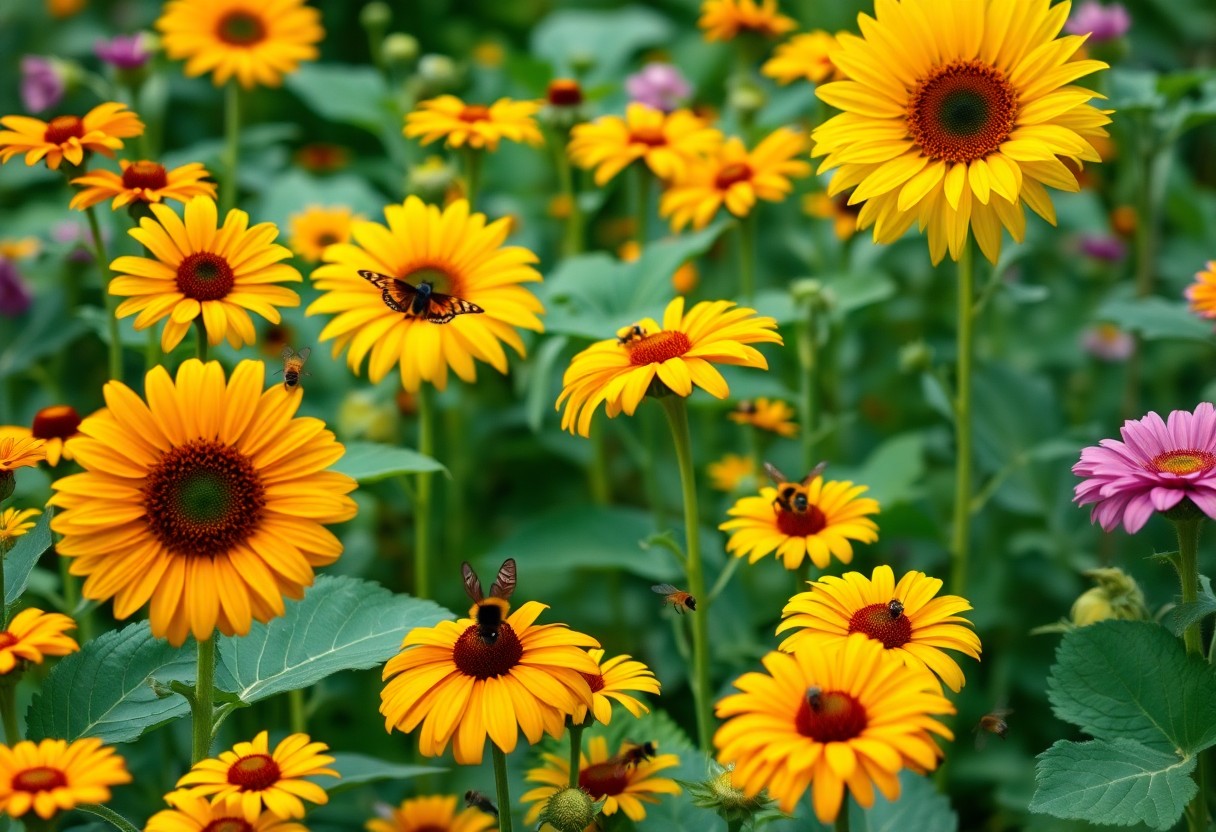
By choosing native plants and flowers, you can create a garden that is tailored to the specific needs of local pollinators. You will be providing them with the food and shelter they need to thrive, and in return, they will help pollinate your vegetables.
Plus, native plants and flowers are often low-maintenance and drought-tolerant, making them a great choice for your garden. As you select native species, you will be supporting the local ecosystem and creating a haven for pollinators, which will in turn help your vegetables grow and flourish, allowing you to enjoy a bountiful harvest.
Managing Pests and Diseases
Once again, you’ll want to prioritize methods that promote a balanced ecosystem, rather than relying on chemical pesticides that can harm pollinators. By creating a diverse and thriving garden, you can reduce the likelihood of pest and disease issues arising in the first place.
Organic Pest Control Methods
Among the most effective approaches to managing pests is to introduce natural predators or parasites that target specific pests, allowing you to maintain a balanced ecosystem in your garden. You can also use physical barriers, crop rotation, and other organic methods to control pest populations.
Preventing Disease in Pollinator-Friendly Vegetables
About the best way to prevent disease in your pollinator-friendly vegetables is to focus on creating healthy soil and providing optimal growing conditions. You can achieve this by using compost, mulch, and other natural amendments to promote soil fertility and structure.
Managing disease in your pollinator-friendly vegetables requires a holistic approach, taking into account the entire garden ecosystem. You should monitor your plants regularly for signs of disease, and take action promptly if you notice any issues. This might involve removing infected plants, improving air circulation, or using organic fungicides to prevent the spread of disease. By taking a proactive and sustainable approach, you can help keep your pollinator-friendly vegetables healthy and thriving.
Supporting Local Pollinators
To create a thriving pollinator-friendly vegetable garden, you can learn about Pollinator-Friendly Companion Plants For Vegetables to enhance your garden’s biodiversity.
Providing Shelter and Food for Pollinators
Pollinators like bees and butterflies need your help to survive, and by planting a variety of flowers and herbs, you can provide them with the shelter and food they need to thrive in your garden.
Creating a Pollinator-Friendly Community
On your journey to creating a pollinator-friendly garden, you will be contributing to a larger effort to protect these vital creatures and preserve the health of your local ecosystem.
Creating a pollinator-friendly community starts with your own garden, where you can make a significant impact by choosing plants that attract and support pollinators, and by sharing your knowledge with others, you can inspire a collective effort to protect these vital creatures and preserve the health of your local ecosystem, and as you do so, you will be joining a growing movement of people who are working together to ensure the long-term health of our planet.
Summing up
Ultimately, as you launch on growing pollinator-friendly vegetables, you will be contributing to a healthier ecosystem. By choosing the right varieties and creating a welcoming environment, you can attract these vital creatures to your garden. Your efforts will not only boost your harvest, but also support the well-being of your local pollinators, fostering a balanced and thriving environment for years to come.
FAQ
Q: What vegetables are best for attracting pollinators to my garden?
A: To create a pollinator-friendly garden, focus on planting a variety of vegetables that are rich in nectar and pollen, such as tomatoes, peppers, cucumbers, squash, and beans. These vegetables are not only delicious but also attract a range of pollinators, including bees, butterflies, and hummingbirds. Consider incorporating a mix of annuals and perennials, and choose open-pollinated or heirloom varieties whenever possible to support genetic diversity.
Q: How can I design my garden to support pollinators?
A: To design a pollinator-friendly garden, consider creating a diverse and dynamic landscape that includes a mix of vegetables, herbs, and flowers. Plant a variety of vegetables that bloom at different times to provide a constant source of nectar and pollen throughout the growing season. Incorporate native plants, shrubs, and trees that provide habitat and food for pollinators, and consider adding a source of water, such as a shallow dish or birdbath, to support pollinators’ hydration needs.
Q: What role do native plants play in supporting pollinators in my vegetable garden?
A: Native plants play a vital role in supporting pollinators in your vegetable garden. These plants have co-evolved with local pollinators over time, providing a source of nectar, pollen, and host plants for caterpillars. Incorporating native plants, such as coneflower, black-eyed susan, or milkweed, into your garden can help support a range of pollinators, from bees and butterflies to hummingbirds and moths. Consider adding native plants to your garden’s borders or interspersing them among your vegetables to create a pollinator-friendly landscape.
Q: How can I minimize pesticide use in my pollinator-friendly garden?
A: To minimize pesticide use in your pollinator-friendly garden, adopt a range of integrated pest management (IPM) strategies. Start by using physical barriers, such as row covers, to prevent pests from reaching your plants. Encourage beneficial insects, such as lady beetles and lacewings, by providing food and habitat. Use organic pest control methods, such as neem oil or diatomaceous earth, and consider introducing beneficial nematodes to control soil-borne pests. If you must use pesticides, choose targeted, pollinator-safe options and apply them at times when pollinators are least active.
Q: Can I still grow pollinator-friendly vegetables in a small or urban garden?
A: Yes, you can still grow pollinator-friendly vegetables in a small or urban garden. Consider using containers or verticle gardens to make the most of limited space, and choose compact or dwarf varieties of vegetables that are well-suited to small gardens. Incorporate a range of pollinator-friendly herbs, such as basil, mint, or oregano, which can thrive in small spaces and provide a source of nectar and pollen for pollinators. Even a small garden or a few pots on a balcony can provide a haven for pollinators and support the local ecosystem.