Organic

The Best Tips for Keeping Your Garden Organic

As you tend to your garden, you nurture a delicate balance between nature and nurture. To cultivate a thriving, chemical-free oasis, you’ll want to adopt practices that prioritize the health of your soil, plants, and the environment. For inspiration, you can explore 11 Organic Gardening Tips to Grow an Incredible Garden, and discover simple, effective methods to create a lush, organic haven that flourishes under your care, reflecting the beauty and wonder of the natural world.

Key Takeaways:

To maintain a healthy and thriving organic garden, consider the following tips:

  • Use natural pest control methods, such as introducing beneficial insects or using homemade pest repellents, to avoid harming the environment and your plants.
  • Incorporate composting into your gardening routine, as it provides crucial nutrients for your plants and helps reduce waste.
  • Choose heirloom seeds or non-GMO varieties to promote biodiversity and ensure your garden remains free from genetically modified organisms.

Planning Your Organic Garden

A well-designed garden begins with careful planning, considering the space, climate, and your needs. As you start, consider visiting what are some organic gardening tips to keep in mind for beginners to guide your decisions.

Choosing the Right Plants

Below the surface of garden planning lies the selection of plants that will thrive in your environment, and you will want to choose those that are suitable for your climate and soil type.

Preparing the Soil

On the path to creating a thriving garden, you must first prepare the soil, nurturing it with organic matter and ensuring its pH balance is suitable for your chosen plants.

Indeed, as you investigate deeper into preparing your soil, you will find that adding compost and well-rotted manure will enrich it, allowing your plants to grow strong and healthy, and your garden to flourish under your care.

Natural Pest Control

While cultivating your garden, you may encounter pests that threaten to destroy your hard work. To maintain an organic approach, consider alternatives to chemical pesticides. You can use natural methods to control pests and keep your garden healthy.

Using Companion Planting

Pests can be deterred by certain plants, so you can use companion planting to your advantage. By placing specific plants alongside your crops, you can naturally repel unwanted insects and maintain a balanced ecosystem in your garden.

Encouraging Beneficial Insects

Companion insects, such as bees and butterflies, can be beneficial to your garden. You can attract these helpful creatures by incorporating plants that provide them with food and shelter, creating a welcoming environment for them to thrive.

In fact, as you encourage beneficial insects to visit your garden, you will notice a decrease in the number of harmful pests. This is because these beneficial insects will help to pollinate your plants and prey on the pests that threaten your garden, creating a natural balance that allows your garden to flourish. By working with nature, you can maintain a healthy and thriving organic garden.

Organic Fertilizers

All gardens benefit from organic fertilizers, which promote healthy growth and sustainability. You can create your own fertilizers using natural materials, reducing your reliance on synthetic products and cultivating a more balanced ecosystem in your garden.

Composting at Home

Beneath the surface of your daily life, you can turn kitchen scraps and yard waste into a valuable resource. You can compost at home, transforming would-be waste into nutrient-rich soil that will nourish your plants and enhance the overall health of your garden.

Using Natural Mulch

Homeward bound, your garden’s beauty and fertility can be enhanced by using natural mulch. You can collect leaves, straw, or wood chips to spread around your plants, retaining moisture and suppressing weeds in a simple, effective way.

Mulch becomes a protective blanket for your soil, shielding it from extreme temperatures and erosion. As you spread it around your garden, you’re not only beautifying the space, but also creating an environment where your plants can thrive, their roots digging deeper into the earth, and their leaves reaching for the sun.

Water Conservation

Keep your garden organic by reducing water waste, a simple yet effective way to promote sustainability. You can achieve this by adopting efficient practices that conserve this precious resource.

Efficient Irrigation Systems

Besides traditional methods, consider installing drip irrigation systems or soaker hoses, which deliver water directly to the roots of your plants, minimizing evaporation and runoff, allowing you to make the most of your water supply.

Collecting Rainwater

Between the rainfall and your garden, lies an opportunity to harvest and store rainwater for later use, reducing your reliance on municipal water supplies and lowering your water bill, as you make use of this free and abundant resource.

With a rainwater collection system in place, you can redirect rainwater from your roof into a storage tank or barrel, providing your garden with a natural and chemical-free source of water, and you can use this stored water for irrigation, reducing the demand on your well or municipal water supply, and helping to maintain your garden’s natural balance.

Maintaining Your Garden

Your garden is a reflection of your dedication to the natural world, and with gentle care, it will flourish. You nurture the soil, and it will nurture you in return. As you tend to your garden, you begin to understand the intricate balance of nature.

Regular Weeding and Pruning

Between the blooms and the harvest, you must attend to the quiet tasks that keep your garden thriving. You will find that regular weeding and pruning allow your plants to grow strong and healthy, their beauty unfolding like a tapestry.

Monitoring for Pests and Diseases

About the time you notice a change in your garden’s harmony, you should inspect your plants for signs of trouble. You look for the subtle signals that something is amiss, and take action to restore balance.

Hence, as you monitor your garden for pests and diseases, you develop a deeper understanding of the interconnectedness of all living things. You learn to observe the subtle signs of distress, and take gentle, effective action to protect your plants, using natural methods that work in harmony with the environment, allowing your garden to become a vibrant, thriving ecosystem that nourishes both body and soul.
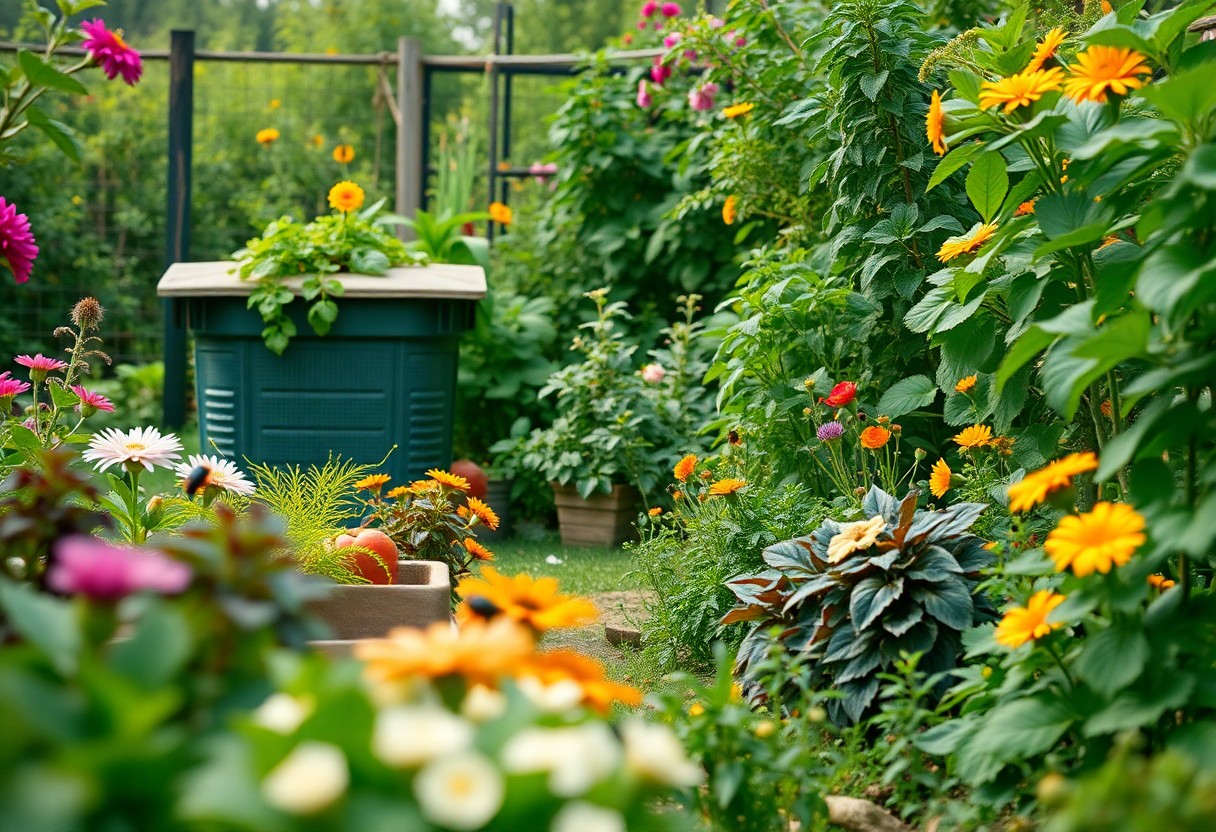
Tips for a Thriving Garden

For a resilient garden, consider the following:

  • using compost
  • conserving water

Thou shalt find that your garden flourishes with these simple practices.

Crop Rotation and Diversity

Towards a balanced garden, you’ll want to plant a variety of crops, rotating them seasonally to maintain soil health and prevent pests.

Using Natural Supports

Tricks for supporting your plants include using twine, sticks, and rocks to create a natural trellis.

Crop production can be maximized by using your own natural resources, such as branches and stones, to support plants as they grow, allowing you to tend to your garden with minimal waste and environmental impact, and fostering a deeper connection with the land you cultivate.
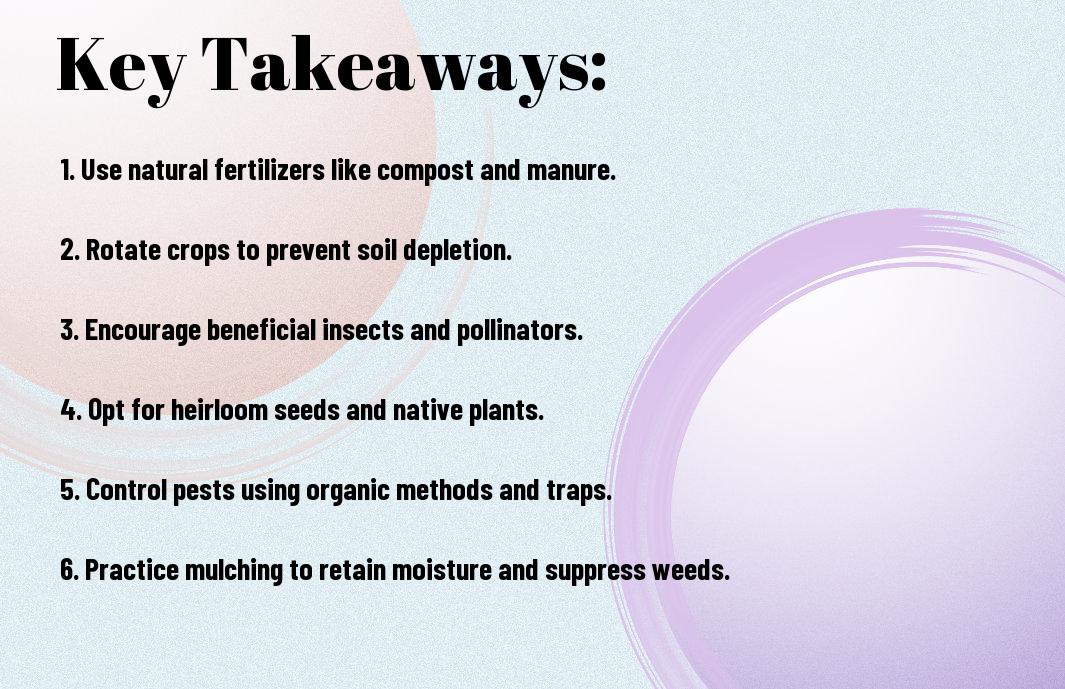
Summing up

The path to an organic garden is one you’ve commenceed upon with intention and care. As you tend to your land, you’ve learned to nurture the soil, choosing natural methods to cultivate life. You’ve discovered the harmony that exists between your garden and the world around it, and by embracing this simplicity, your outdoor space has become a thriving oasis, reflecting the beauty of nature and the tranquility of your own spirit.

FAQ

Q: What are the benefits of keeping my garden organic?

A: Keeping your garden organic has numerous benefits, including reducing your exposure to harmful chemicals, creating a healthier environment for your family and pets, and promoting biodiversity. Organic gardening also helps to improve soil quality, conserve water, and support local ecosystems. By choosing organic methods, you can enjoy a more sustainable and environmentally friendly gardening experience.

Q: How do I start an organic garden from scratch?

A: To start an organic garden from scratch, begin by testing your soil to determine its pH level and nutrient content. Next, choose a location that receives plenty of sunlight and has good drainage. Select organic seeds or seedlings that are suitable for your climate and soil type. Prepare your soil by adding compost or well-rotted manure, and then plant your seeds or seedlings. Be sure to water them regularly and maintain a consistent gardening routine. As you begin your organic gardening journey, consider keeping a gardening journal to track your progress and note any challenges you encounter.

Q: What are some effective natural pest control methods for my organic garden?

A: There are several effective natural pest control methods you can use in your organic garden. One approach is to introduce beneficial insects, such as ladybugs or lacewings, which prey on common garden pests. You can also use physical barriers, like fine mesh or fine-netting, to keep pests away from your plants. Additionally, consider spraying your plants with homemade pest control solutions, such as garlic or soap solution, to deter pests. Another option is to use companion planting, where you plant certain species together to deter pests. For example, planting marigolds with tomatoes can help to repel nematodes.

Q: How can I make my own organic fertilizer for my garden?

A: Making your own organic fertilizer is a simple and cost-effective way to provide your plants with imperative nutrients. One method is to create a compost pile using kitchen scraps, leaves, and grass clippings. As the materials break down, they will form a nutrient-rich fertilizer that you can add to your soil. You can also make a liquid fertilizer by steeping comfrey leaves or manure tea in water. Another option is to use worm casting, which is a nutrient-rich fertilizer produced by worms as they break down organic matter. By making your own organic fertilizer, you can reduce your reliance on synthetic fertilizers and create a more sustainable gardening practice.

Q: What are some tips for maintaining soil health in my organic garden?

A: Maintaining soil health is imperative for a thriving organic garden. One tip is to add organic matter, such as compost or well-rotted manure, to your soil regularly. This will help to improve soil structure, increase nutrient availability, and support beneficial microorganisms. Another approach is to use crop rotation, which involves rotating different plants or plant families to avoid depleting the soil of specific nutrients. You should also avoid over-tilling, as this can damage soil structure and disrupt beneficial microorganisms. Finally, consider using mulch to retain moisture, suppress weeds, and regulate soil temperature. By following these tips, you can create a healthy and balanced soil ecosystem that supports the overall health and productivity of your organic garden.

What are some effective methods for natural pest control in an organic backyard garden

It’s important to maintain the balance of your organic backyard garden by using natural pest control methods. When facing pesky intruders, consider inviting beneficial insects like ladybugs and praying mantises to help manage pests like aphids and caterpillars. Additionally, planting pest-repelling herbs such as mint, basil, and chives can deter unwanted visitors. Implementing physical barriers like row covers and handpicking pests can also be effective in maintaining a healthy, pesticide-free garden. By incorporating these natural techniques, you can protect your garden while promoting a thriving ecosystem.

Key Takeaways:

  • Attract beneficial insects: Encouraging ladybugs, lacewings, and other helpful insects to your garden can help control pests naturally.
  • Planting companion plants: Certain plants, like marigolds, basil, and mint, can help repel pests when planted alongside vegetables and fruits.
  • Natural sprays and barriers: Utilizing neem oil, garlic spray, or physical barriers like row covers can deter pests without the use of harmful chemicals.

The Importance of Natural Pest Control

Harmful Effects of Chemical Pesticides

For centuries, humans have been using chemical pesticides to control pests in agricultural practices. However, these chemicals not only harm the pests but also have detrimental effects on the environment, your health, and the overall ecosystem. One major concern is the impact of chemical pesticides on non-target organisms, such as birds, bees, and beneficial insects, which are crucial for pollination and maintaining ecological balance in your garden.

Benefits of Organic Gardening

Importance

One of the core benefits of organic gardening is that it promotes a healthy and sustainable environment in your backyard. By using natural pest control methods, you are not only protecting your plants but also safeguarding the ecosystem as a whole. Embracing organic gardening practices can help reduce soil and water contamination, preserve biodiversity, and create a harmonious environment where plants, insects, and wildlife can thrive together.

Benefits

One significant benefit of opting for natural pest control methods in your organic backyard garden is the long-term sustainability it offers. Unlike chemical pesticides that may provide short-term solutions but harm the environment in the process, natural pest control methods work in harmony with nature, ensuring that your garden remains healthy and productive for years to come. By welcoming beneficial insects, planting companion plants, and maintaining a balanced ecosystem, you can enjoy a flourishing garden while contributing to the conservation of the environment.

Physical Barriers and Traps

Row Covers and Fine Mesh

Any effective organic gardener knows that keeping pests away from your precious plants is crucial. With row covers and fine mesh, you can create a physical barrier to protect your garden from flying insects like aphids, cabbage worms, and beetles. These covers allow sunlight, air, and water to reach your plants while keeping pests at bay.

Sticky Traps and Pitfall Traps

On your quest for a pest-free garden, consider using sticky traps and pitfall traps. Sticky traps, coated with a non-toxic adhesive, attract flying insects like whiteflies and gnats. Pitfall traps, on the other hand, are containers buried in the soil to trap slugs, snails, and other ground-dwelling pests.

To enhance the effectiveness of sticky traps and pitfall traps in your organic garden, make sure to regularly check and replace them as needed. These traps can be a valuable tool in controlling pest populations without the use of harmful chemicals.

Copper Barriers for Slugs and Snails

Pitfall, literally! Copper barriers can be a game-changer in protecting your plants from slugs and snails. These slimy pests are repelled by the electric charge that copper produces when it comes in contact with their mucous membranes. By encircling your raised beds or individual plants with copper tape or barriers, you can effectively deter these destructive pests.

For instance, you can create a barrier by placing strips of copper tape around the base of pots or raised beds. This simple yet effective method can help safeguard your plants from the relentless munching of slugs and snails.

Biological Control Methods

Many organic gardeners opt for natural pest control methods to keep their garden healthy and thriving without the use of harmful chemicals. By implementing biological control methods, you can effectively manage pests in your garden while promoting a balanced ecosystem. If you want to learn more about how to use natural pest control in the organic garden, check out this helpful guide on How to Use Natural Pest Control in the Organic Garden.

Encouraging Beneficial Insects

One effective method of natural pest control in your organic garden is to encourage beneficial insects to take up residence. These helpful bugs, such as ladybugs, lacewings, and predatory beetles, feed on common garden pests like aphids, caterpillars, and mites. You can attract these beneficial insects by planting a diverse range of flowers, herbs, and other plants that provide them with nectar, pollen, and shelter.

Introducing Predatory Insects

With the growing awareness of the importance of biological pest control, many garden centers now offer predatory insects for sale. These beneficial insects, like praying mantises and nematodes, can be introduced into your garden to help control pest populations naturally. Before releasing predatory insects, make sure that the conditions in your garden are suitable for them to thrive and that there are enough pests present to sustain them.

Control

Using Parasitic Wasps and Flies

With the help of parasitic wasps and flies, you can effectively control pest populations in your organic garden. These tiny insects lay their eggs inside the bodies of garden pests, such as caterpillars and aphids, which eventually kills the host. By attracting and providing habitat for these parasitic insects, you can keep pest numbers in check without resorting to chemical interventions.

Insects play a crucial role in maintaining the balance of your garden ecosystem. By utilizing biological control methods such as encouraging beneficial insects, introducing predatory insects, and using parasitic wasps and flies, you can effectively manage pests in your organic backyard garden while promoting a healthy and sustainable environment for your plants to thrive.

Cultural Controls

Crop Rotation and Planning

On your organic backyard garden, implementing crop rotation and thoughtful planning can be powerful tools in pest control. By rotating your crops each season, you can help disrupt the life cycles of pests that target specific plants. This practice also helps improve soil health by preventing depletion of nutrients and reducing the build-up of pests and diseases in the soil.

Sanitation and Weed Management

Controls such as proper sanitation and effective weed management are crucial in maintaining a pest-free organic garden. Remove plant debris, fallen fruits, and weeds regularly as they can harbor pests and provide hiding spots for them to thrive. By keeping your garden clean and tidy, you can significantly reduce the likelihood of pest infestations and diseases spreading.

This practice also involves keeping your garden tools clean and sterilized to prevent the transfer of pests from one plant to another. By practicing good sanitation habits, you create an inhospitable environment for pests and promote a healthy ecosystem in your garden.

Pruning and Training Plants

To maintain a healthy and pest-resistant garden, you can employ pruning and training techniques. By pruning off infected or damaged plant parts, you can prevent the spread of diseases and remove hiding spots for pests. Additionally, training plants to grow in specific shapes or patterns can improve air circulation and sunlight exposure, reducing the risk of fungal diseases and pest infestations.

Pruning and training plants not only help in pest control but also promote the overall health and productivity of your garden. By shaping your plants and maintaining them properly, you can create a more organized and manageable garden space while keeping pests at bay.

Organic Pesticides and Repellents

Not all pests can be controlled by handpicking or attracting beneficial insects. In such cases, organic pesticides and repellents can be effective in managing pest populations in your organic backyard garden.

Neem Oil and Pyrethrin Sprays

One option for organic pest control is to use neem oil or pyrethrin sprays. Neem oil is derived from the seeds of the neem tree and acts as a natural insecticide and repellent. Pyrethrin, on the other hand, is a botanical insecticide derived from chrysanthemum flowers. Both neem oil and pyrethrin sprays are effective against a wide range of garden pests, including aphids, caterpillars, and beetles.

Garlic and Hot Pepper Sprays

The use of garlic and hot pepper sprays is another natural method to control pests in your garden. The strong odors and flavors of garlic and hot pepper can repel insects such as aphids, spider mites, and whiteflies. These sprays can be easily made at home by blending garlic cloves, hot peppers, and water, then straining the mixture and spraying it on your plants.

The pungent smell of garlic and hot pepper sprays not only deters pests but also adds a layer of protection to your plants, acting as a natural barrier against potential infestations.

Soap-Based Insecticides

Organic pesticides that are soap-based can also be an effective solution for managing insect pests in your garden. These insecticidal soaps work by suffocating soft-bodied insects like aphids, whiteflies, and spider mites upon contact. They are safe to use around beneficial insects, pets, and children, making them a preferred choice for organic gardening.

With their low environmental impact and effectiveness in controlling pests, soap-based insecticides are a valuable tool in maintaining a healthy and thriving organic garden.

Companion Planting for Pest Control

Planting Marigolds and Nasturtiums

Keep pests at bay by incorporating companion plants like marigolds and nasturtiums in your organic garden. These colorful flowers not only add beauty but also act as natural pest repellents. Marigolds emit a scent that deters pests like aphids, mosquitoes, and even rabbits. Nasturtiums, with their peppery foliage and vibrant flowers, can attract aphids away from your other plants.

Using Basil and Mint as Repellents

To naturally repel pests in your garden, consider planting basil and mint alongside your vegetables and herbs. These aromatic plants emit strong scents that deter pests like flies, mosquitoes, and ants. You can also use them in your kitchen or as cut flowers to keep pests away indoors.

Pests often dislike the fragrance of basil and mint, making them excellent choices for companion planting. By strategically placing these herbs throughout your garden, you can create a natural barrier that protects your plants from pest infestations.

Planting Radishes and Chives to Deter Pests

Companion planting radishes and chives can help deter pests in your organic garden. Radishes are known to repel cucumber beetles, squash bugs, and other common garden pests. Chives, with their strong onion scent, can deter aphids, Japanese beetles, and carrot rust flies.

Chives also attract beneficial insects like hoverflies and predatory wasps, which feed on garden pests. By interplanting radishes and chives throughout your garden, you can create a natural and diverse ecosystem that keeps destructive pests in check.

Conclusion

So, when it comes to maintaining an organic backyard garden, employing effective methods for natural pest control is crucial. By focusing on techniques such as companion planting, using biological sprays and traps, and encouraging beneficial insects, you can protect your garden without resorting to harmful chemicals.

Recall, a healthy garden ecosystem is a balanced one, where pests and beneficial insects can coexist. By implementing these natural pest control methods, you can support biodiversity in your garden while minimizing the impact on the environment. So, why not give these techniques a try in your own organic backyard garden and see the positive difference they can make?

Q: What are some effective methods for natural pest control in an organic backyard garden?

A: One effective method for natural pest control in an organic backyard garden is companion planting. This involves planting certain combinations of plants together to deter pests. For example, planting marigolds alongside tomatoes can help deter aphids and other pests. Additionally, using physical barriers such as row covers can help protect plants from insect pests.

Q: How can I attract beneficial insects to help control pests in my organic backyard garden?

A: To attract beneficial insects to your organic garden, you can plant a variety of flowers that provide nectar and pollen for these insects. Some examples of beneficial insects include ladybugs, lacewings, and parasitic wasps, which help control pests naturally. Creating a diverse and insect-friendly garden habitat can help attract these helpful insects.

What are some natural substances I can use to control pests in my organic backyard garden?

A: There are several natural substances that can be used for pest control in an organic backyard garden. Neem oil, for example, is a popular organic insecticide that can help control pests like aphids, mites, and whiteflies. Additionally, diatomaceous earth can be effective against beetles, slugs, and other pests with exoskeletons. Using garlic or chili pepper sprays can also help deter pests from your garden plants.

Opaye Skip to content