Mulching

The Benefits of Mulching for Soil Health

As you tend to your garden, you begin to appreciate the simple yet profound impact of mulching on your soil’s well-being. You notice how this effortless act can transform your outdoor space, fostering a thriving ecosystem. By embracing mulching, you invite a cascade of benefits that will enrich your soil, conserve water, and support the delicate balance of nature that surrounds you, allowing your garden to flourish in harmony with the environment.

Key Takeaways:

  • The application of organic mulch helps to improve soil structure by increasing the water infiltration rate, reducing soil erosion, and creating a more stable soil environment.
  • Mulching promotes healthy microbial activity in the soil, which enhances the decomposition process of organic matter, releasing important nutrients for plant growth and development.
  • By retaining moisture in the soil and regulating soil temperature, mulching reduces the need for frequent watering and minimizes the risk of soil-borne diseases, ultimately leading to improved crop yields and a more sustainable ecosystem.

Benefits for Soil Fertility

While improving soil fertility, mulching helps you create a thriving ecosystem. You’ll notice your soil becoming richer in nutrients, supporting healthier plant growth.

Improved Nutrient Cycling

Betwixt the layers of mulch and soil, nutrients are exchanged, and your soil benefits from this natural process, promoting a balanced ecosystem.

Enhanced Microbial Activity

Above the soil surface, mulch fosters an environment where microbes thrive, aiding in decomposition and nutrient release, which in turn benefits your garden’s health.

Activity of microorganisms in your soil is vital for breaking down organic matter, and as you mulch, you provide them with the ideal environment to flourish, leading to a more resilient and productive soil ecosystem, where your plants can grow strong and healthy.

Water Conservation

Assuming you want to reduce your water consumption, mulching is an effective way to conserve water in your garden. By retaining moisture in the soil, you can minimize the need for frequent watering, which is especially beneficial during dry spells.

Reduced Evaporation

Among the benefits of mulching, one notable advantage is that it reduces evaporation from the soil surface, allowing your soil to retain more water. This means you can enjoy a lush garden without wasting water.

Increased Water Retention

Increased moisture in the soil is another significant advantage of mulching, as it enables your soil to act like a sponge, absorbing and holding water for your plants to use as needed. This helps to reduce the frequency of watering.

In fact, as you continue to mulch your soil, you’ll notice that it becomes more proficient at retaining water, allowing you to reduce your watering schedule even further, and giving you more time to enjoy the beauty of nature around you.

Weed Suppression

All gardeners know that weeds can be a major nuisance, competing with your plants for water and nutrients. Mulching can help to suppress these unwanted growths, making your garden a more pleasant and productive space.

Physical Barriers

At the most basic level, mulch acts as a physical barrier, preventing weeds from growing by blocking light and preventing seed germination. As you apply a thick layer of mulch, you’ll notice a significant decrease in weed growth.

Competitive Exclusion

By depriving weeds of the resources they need to grow, mulch helps to exclude them from your garden ecosystem. You’ll find that your desired plants thrive as the weeds are suppressed.

Exclusion of weeds through mulching allows your plants to flourish, as the mulch retains moisture, suppresses pests and diseases, and regulates soil temperature, creating an ideal environment for your plants to grow. As you tend to your garden, you’ll notice the positive impact of mulching on the overall health and biodiversity of your soil.
Soil Erosion Prevention

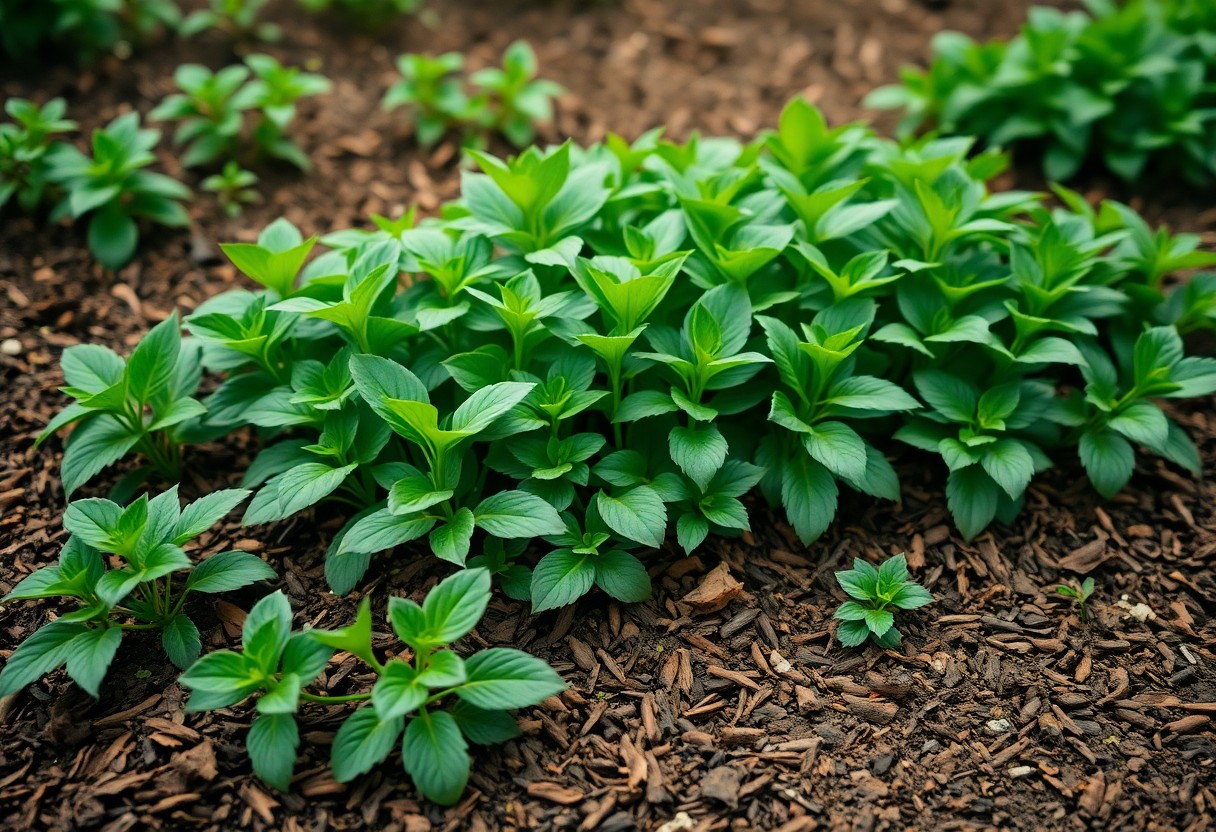
Your soil is protected from erosion when you use mulch, as it acts as a barrier against wind and rain. You can learn more about the benefits of mulch in sustainable agriculture by visiting Mulch in Sustainable Agriculture: Strategies for Soil Health and Crop Production to improve your soil health.

Reduced Runoff

By applying a layer of mulch, you decrease the amount of runoff from your soil, allowing it to retain more water and nutrients, which helps to support healthy plant growth.

Increased Soil Stability

Among the benefits of mulching, you’ll find that it enhances the stability of your soil, preventing it from being washed or blown away, and maintaining its structure.

Runoff can be significantly reduced when you have a stable soil foundation, and this, in turn, helps to prevent erosion, allowing your soil to thrive and support the growth of your plants, bringing you closer to a more natural and balanced ecosystem.

Climate Regulation

Once again, you will find that mulching plays a significant role in maintaining a balanced ecosystem, and this is particularly evident when it comes to climate regulation, as it helps to moderate the temperature and retain carbon in the soil.

Temperature Moderation

On a larger scale, you can observe the effects of mulching on temperature moderation, as shown in the following table:

Season Mulching Effects
Summer Cools the soil
Winter Insulates the soil

Carbon Sequestration

With the help of mulching, you can effectively store carbon in the soil, which in turn reduces the amount of greenhouse gases in the atmosphere, contributing to a healthier climate.

Hence, as you adopt mulching practices, you will notice the positive impact on your soil’s ability to sequester carbon, leading to a more sustainable and environmentally friendly garden or farm, and this is something you can achieve with simple yet effective methods, allowing you to contribute to the well-being of the planet.

Biodiversity Support

Unlike other soil health methods, mulching provides a unique benefit by fostering a diverse ecosystem. As you mulch, you create an environment that supports a wide range of microorganisms, insects, and small animals, enriching your soil’s biodiversity.

Habitat Creation

Betwixt the layers of mulch, a complex habitat is formed, where beneficial organisms thrive. You’ll notice an increase in the number of earthworms, insects, and microorganisms, all working together to break down the mulch and nourish your soil.

Food Source Provision

Against the backdrop of a barren soil landscape, mulching provides a rich food source for the organisms living in and around your soil. As you add mulch, you’re giving these organisms the nutrients they need to survive and thrive.

Plus, as the mulch breaks down, it releases a steady supply of nutrients into the soil, providing a constant food source for the microorganisms and insects that call your soil home. You’ll find that your soil becomes more resilient and better equipped to support the plants growing in it, all thanks to the simple act of mulching.

Conclusion

Presently, you can enhance your soil’s health by adopting mulching practices. As you nurture your soil, you’ll find that it becomes more fertile and thriving. To learn more about the advantages of mulching, visit The 4 Main Benefits of Mulch to discover how you can improve your soil’s condition and support the environment, allowing your outdoor space to flourish under your care.

FAQ

Q: What is mulching and how does it benefit soil health?

A: Mulching is the process of applying a layer of organic material, such as wood chips, leaves, or straw, to the surface of the soil. This simple technique offers numerous benefits for soil health, including improved moisture retention, reduced soil erosion, and increased nutrient availability. By retaining moisture, mulch helps to reduce the need for frequent watering, minimizing soil compaction and allowing roots to grow deeper. Additionally, as mulch breaks down, it adds organic matter to the soil, supporting the growth of beneficial microorganisms and enhancing soil fertility.

Q: How does mulching help to suppress weeds and reduce the need for pesticides?

A: Mulching is an effective method for suppressing weeds, as it blocks light from reaching the soil surface, preventing weed seeds from germinating. A thick layer of mulch can also prevent existing weeds from growing by depriving them of light, water, and nutrients. By reducing weed growth, mulching decreases the need for herbicides and other pesticides, creating a healthier environment for plants to thrive. Furthermore, as mulch breaks down, it can help to improve soil structure, making it more difficult for weeds to grow and reducing the need for chemical weed control.

Q: Can mulching help to regulate soil temperature and improve plant growth?

A: Yes, mulching can play a significant role in regulating soil temperature, which is imperative for optimal plant growth. In warm weather, mulch acts as an insulator, keeping the soil cooler and preventing it from overheating. This is particularly beneficial for plants that prefer cooler soil temperatures. In cold weather, mulch helps to retain heat in the soil, protecting roots from freezing temperatures and allowing plants to continue growing throughout the year. By regulating soil temperature, mulching can extend the growing season, improve plant health, and increase crop yields.

Q: How often should I apply mulch to my soil, and what is the recommended depth?

A: The frequency of mulch application depends on the type of mulch used and the specific needs of your soil. Generally, it is recommended to apply a 2-3 inch layer of mulch to the soil surface, keeping it a few inches away from plant stems to prevent rot and disease. As mulch breaks down, it may need to be replenished every 6-12 months to maintain its benefits. It is imperative to monitor the mulch layer and adjust its depth and frequency of application according to climate, soil type, and plant requirements.

Q: Are there any potential drawbacks or considerations to keep in mind when using mulch for soil health?

A: While mulching offers numerous benefits for soil health, there are some potential drawbacks to consider. For example, if the mulch layer is too thick, it can prevent water and air from reaching the roots, leading to waterlogged soil and root rot. Additionally, some types of mulch, such as wood chips, can be high in carbon and low in nitrogen, potentially causing an imbalanced nutrient profile in the soil. To avoid these issues, it is imperative to choose the right type of mulch for your specific needs, apply it at the recommended depth, and monitor its effects on soil health over time.

The Best Mulching Techniques for Vegetable Gardens

As you tend to your vegetable garden, you seek ways to nourish the soil and promote healthy growth. Your goal is to create a thriving ecosystem, where your plants flourish with minimal effort. Mulching is a simple yet effective technique to achieve this, and by adopting the right approach, you can retain moisture, suppress weeds, and regulate soil temperature, ultimately leading to a bountiful harvest from your garden.

Key Takeaways:

To achieve a thriving vegetable garden, applying the right mulching techniques is necessary. Here are the main points to consider:

  • Using organic mulch such as straw, bark chips, or grass clippings can help suppress weeds, retain moisture, and regulate soil temperature, creating a favorable environment for vegetable growth.
  • Applying a layer of inorganic mulch like plastic or landscape fabric can effectively block light and prevent weeds from germinating, while also helping to conserve water and reduce erosion.
  • Implementing a layered mulching approach, which combines different types of mulch materials, can provide long-term benefits such as improved soil health, increased fertility, and enhanced biodiversity in the vegetable garden ecosystem.

Benefits of Mulching

While mulching your vegetable garden, you will notice a significant improvement in its overall health and productivity. Mulching helps to retain moisture, suppress weeds, and regulate soil temperature, creating a favorable environment for your plants to thrive.

Soil Conservation

Similarly, soil erosion is greatly reduced when you use mulch, as it acts as a protective barrier that prevents soil particles from being washed or blown away, preserving the soil’s structure and fertility for your future harvests.

Weed Suppression

Behind every successful garden, there is an effective weed management strategy, and mulching is a simple yet efficient way to achieve this, as it prevents weeds from germinating and competing with your vegetables for water and nutrients.

With a thick layer of mulch covering your soil, you will find that weeds are less likely to grow, and if they do, they are easily removed, allowing you to spend more time tending to your vegetables and enjoying the fruits of your labor, as you watch your garden flourish under your care.

Types of Mulch

Even as you consider mulching your vegetable garden, you’ll find various options to choose from. Some common types of mulch include:

  • Organic mulch
  • Inorganic mulch

You can learn more about Choosing the Right Mulch for Vegetable Gardens.

Mulch Type Description
Organic Natural materials
Inorganic Man-made materials
Straw Dry plant material
Plastic Man-made sheeting
Newspaper Recycled paper

Recognizing the benefits of each type will help you make an informed decision for your garden.

Organic Mulch

Types of organic mulch, such as straw and wood chips, are readily available and easy to apply, making them a great choice for your vegetable garden.

Inorganic Mulch

For instance, inorganic mulch like plastic sheeting can effectively suppress weeds and retain moisture in your garden.

With inorganic mulch, you’ll need to consider the potential drawbacks, such as its impact on soil health and the environment, to ensure you’re making the best choice for your vegetable garden. As you weigh your options, consider the long-term effects of inorganic mulch on your soil’s ecosystem and the potential need for replacement over time.

Preparing the Garden

Unlike other gardening tasks, preparing your vegetable garden for mulching requires careful consideration. You’ll need to assess your garden’s specific needs and create a plan to optimize its potential.

Clearing the Area

Gardening begins with a clean slate, and you’ll want to start by clearing the area of any debris, weeds, or old plants. You’ll be able to see the layout of your garden and determine the best approach for mulching.

Soil Preparation

Among the most important steps in preparing your garden is soil preparation. You’ll want to loosen the soil to a depth of about 8-10 inches to allow for proper drainage and root growth.

A key aspect of soil preparation is testing its pH level and nutrient content. As you prepare your soil, you’ll be able to determine what amendments are needed to create a fertile ground for your vegetables to thrive, and you can add organic matter such as compost to enrich the soil and support healthy plant growth.

Applying Mulch

Once again, you find yourself in the garden, ready to apply mulch to your vegetable beds. You’ve chosen the perfect type, now it’s time to put it to use. Spread the mulch evenly, keeping it a few inches away from your plants to prevent rot and disease.

Layering Mulch

Much like the layers of soil, you’ll want to apply mulch in a thoughtful manner. Start with a thin layer, about 2-3 inches thick, and add more as needed. This will help your soil breathe and allow water to penetrate.

Mulch Depth and Coverage

Deeply consider the amount of mulch you’re applying, as too much can be overwhelming. You want to aim for a depth that allows your plants to grow freely, without competing with the mulch for water and nutrients.

Considering your mulch depth and coverage, you’ll want to ensure that your entire garden bed is evenly coated. This will not only retain moisture, but also suppress weeds and regulate soil temperature, creating an ideal environment for your vegetables to thrive. As you work, observe your garden’s unique needs, and adjust your mulching technique accordingly, allowing your vegetables to grow strong and healthy.

Maintaining the Mulch

Despite the initial effort of applying mulch, your work is not done. You must regularly inspect and maintain the mulch to ensure it continues to benefit your vegetable garden.

Keeping it Moist

Altogether, maintaining the right moisture level is crucial for effective mulching. You should water your mulch regularly, especially during hot and dry weather, to keep it from drying out and losing its insulating properties.

Replenishing Mulch

Much like the cycles of nature, your mulch will eventually break down and need to be replenished. You can add new mulch on top of the old, or mix it into the soil to create a nutrient-rich compost.

Replenishing your mulch is a simple process that you can do periodically to maintain the health and fertility of your soil. You can collect leaves, grass clippings, or straw to add to your mulch, and mix it in with the existing layer to create a rich and vibrant soil ecosystem that will support the growth of your vegetables.

Common Mistakes to Avoid

Now that you have started mulching your vegetable garden, it’s vital to be aware of the common pitfalls that can hinder your progress. You will want to avoid mistakes that can negatively impact your garden’s health and productivity.

Over-Mulching

Similarly, over-mulching is a mistake you should avoid, as it can lead to waterlogged soil and root rot, ultimately harming your plants. You need to strike a balance and apply the right amount of mulch to your garden.

Using the Wrong Type of Mulch

Utilizing the wrong type of mulch can be detrimental to your garden’s ecosystem. You should choose a mulch that is suitable for your climate and soil type, and that will not introduce weeds or pests into your garden.

Even when you select a mulch that seems appropriate, you may still encounter problems if it is not properly aged or processed. You will want to look for mulch that is free of contaminants and has been treated to prevent the spread of diseases, ensuring your garden remains healthy and thriving.

Summing up

With these considerations, you can now tend to your vegetable garden with ease, using the best mulching techniques to nourish your soil and promote healthy growth. You will find that your garden thrives as you apply these simple, yet effective methods, and your harvest will be all the more bountiful for it. By following these guidelines, you will be well on your way to creating a lush and productive garden that brings you joy and sustenance.

FAQ

Q: What are the benefits of mulching in vegetable gardens?

A: Mulching in vegetable gardens offers numerous benefits, including retaining soil moisture, suppressing weeds, and regulating soil temperature. It also helps to prevent soil erosion, reduce the need for frequent watering, and create a favorable environment for beneficial microorganisms. By applying a layer of organic mulch, such as straw, wood chips, or grass clippings, gardeners can improve the overall health and productivity of their vegetable garden.

Q: What types of mulch are suitable for vegetable gardens?

A: There are several types of mulch suitable for vegetable gardens, including organic options like straw, wood chips, grass clippings, and leaf mold. Other options include plastic mulch, which can help to warm the soil and suppress weeds, and living mulch, such as clover or creeping thyme, which can add nutrients to the soil and attract beneficial insects. It’s crucial to choose a mulch that is free from weeds, pests, and diseases to avoid contamination.

Q: How deep should the mulch layer be in a vegetable garden?

A: The ideal depth of the mulch layer in a vegetable garden depends on the type of mulch used and the specific needs of the plants. Generally, a layer of 2-3 inches of organic mulch is sufficient to retain moisture, suppress weeds, and regulate soil temperature. However, a thicker layer may be needed for pathways and areas with high foot traffic. It’s also important to keep the mulch layer thin around seedlings and young plants to avoid smothering them.

Q: Can mulch be used around all types of vegetables, or are there some that don’t benefit from it?

A: While mulch can benefit most vegetables, there are some that may not benefit from it or may even be hindered by its use. For example, root vegetables like carrots and beets may be difficult to harvest if they are mulched too heavily, while vegetables like potatoes and sweet potatoes may be susceptible to rot if the mulch is too wet. It’s best to mulch around vegetables like tomatoes, peppers, and eggplants, which benefit from the soil warming and moisture retention properties of mulch.

Q: How often should the mulch be replenished in a vegetable garden?

A: The frequency of mulch replenishment in a vegetable garden depends on the type of mulch used and the rate of decomposition. Organic mulch like straw and wood chips may need to be replenished every 2-3 months, as they break down quickly and lose their effectiveness. Other types of mulch, like plastic or living mulch, may last longer and require less frequent replenishment. It’s crucial to monitor the mulch layer and replenish it as needed to maintain its benefits and prevent it from becoming too thin or worn out.

Opaye Skip to content