As you step into your outdoor space, you envision a seamless blend of natural beauty and contemporary style. You want your garden to be an extension of your home, reflecting your personal taste and flair. With a few thoughtful touches, you can transform your garden into a modern oasis that showcases your unique aesthetic, incorporating sleek lines, innovative materials, and clever design elements that enhance your outdoor living experience.
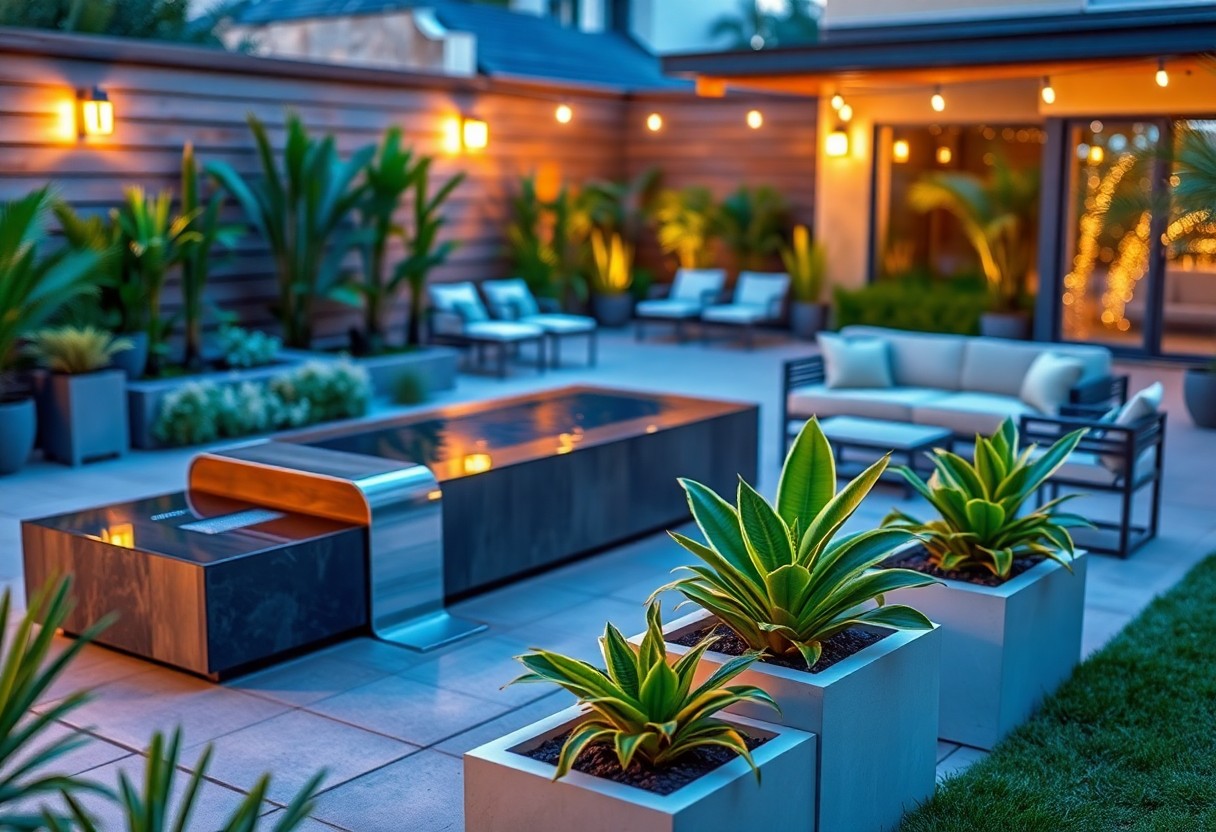
Key Takeaways:
To give your garden a fresh look, consider the following tips:
- Incorporate Contemporary Materials such as metal, glass, or recycled plastic to add a modern touch to your garden’s design, including Planters, PATHWAYS, and decorative features.
- Use Sustainable Practices like rainwater harvesting, drought-tolerant plants, and energy-efficient lighting to create an eco-friendly and modern garden that not only looks good but also does good for the environment.
- Emphasize Clean Lines and Minimalist Design by using simple shapes, limited color palettes, and plenty of negative space to create a modern and sleek aesthetic in your garden, making it perfect for relaxation and entertainment.
Assessing Your Garden
Before you begin adding modern elements to your garden, take a step back and evaluate the space you have. Consider the layout, soil quality, and existing features to determine the best approach for your garden redesign.
Evaluating Your Outdoor Space
To start, take a walk around your garden and note the areas that receive sunlight and shade, as well as any existing landscaping features such as trees, plants, or water elements.
Identifying Your Personal Style
According to your tastes and preferences, your garden should reflect your unique personality and aesthetic. Think about the styles and elements that appeal to you, such as modern, traditional, or eclectic.
In fact, identifying your personal style is vital to creating a garden that you will truly enjoy spending time in. You can gather inspiration from various sources, such as gardening books, magazines, or online resources, to help you define your style and make informed decisions about the modern elements you want to incorporate into your garden.
Choosing Modern Elements
There’s a wide range of modern elements you can incorporate into your garden, from sleek furniture to cutting-edge technology. You can choose items that reflect your personal style and complement your outdoor space. Consider the overall aesthetic you want to achieve and select elements that fit with your vision.
Selecting Furniture and Decor
Along with considering the style of your home, you should also think about the function of each piece of furniture and decor you choose. You want your outdoor space to be inviting and comfortable, so select items that are both beautiful and functional.
Incorporating Lighting and Technology
Behind every beautiful garden is a thoughtful plan, and incorporating lighting and technology can elevate your space. You can install solar-powered lights, speakers, or even a smart irrigation system to make your garden more enjoyable and efficient.
A key aspect of incorporating lighting and technology into your garden is to consider how you will use the space. You may want to install pathway lights to highlight your favorite plants or a smart thermostat to control the temperature of your outdoor heater. By thinking about your needs and desires, you can create a garden that is both modern and functional, allowing you to enjoy your outdoor space to the fullest.
Adding Contemporary Landscaping
Many homeowners are looking to update their outdoor spaces with modern elements. You can achieve this by incorporating clean lines, simple shapes, and a limited color palette into your garden design. This will create a sleek and sophisticated look that complements your home’s architecture.
Creating a Modern Layout
Layout is key to a modern garden. You can start by dividing your garden into different zones, each with its own unique character and purpose. This will help you create a sense of flow and visual interest in your outdoor space.
Incorporating Sustainable Features
The emphasis on sustainability is a hallmark of modern garden design. You can incorporate eco-friendly features such as rain gardens, solar-powered lighting, and drought-resistant plants into your landscape to reduce your environmental impact.
Creating a sustainable garden not only helps the environment, but also adds a touch of modern elegance to your outdoor space. You can start by assessing your garden’s conditions and choosing plants that are well-suited to your climate and soil type. From there, you can explore other sustainable features that fit your style and budget, such as a rain barrel or a compost bin, to create a beautiful and eco-friendly garden that you can enjoy for years to come.
Incorporating Art and Accessories
To add a touch of modernity to your garden, consider visiting Designing a Contemporary Garden with Warmth for inspiration. This will help you create a unique and inviting outdoor space that reflects your personal style.
Adding Sculptures and Statues
Upon entering your garden, you’ll notice the impact of strategically placed sculptures and statues, which can elevate the entire ambiance and create a sense of sophistication.
Incorporating Textiles and Patterns
Beyond the traditional garden decor, you can add an extra layer of depth by incorporating textiles and patterns, such as outdoor rugs, throw pillows, and statement planters, to create a cozy and inviting atmosphere.
Sculptures and textiles aside, when it comes to incorporating textiles and patterns, you can experiment with various colors, textures, and designs to find the perfect fit for your garden. You can choose from a wide range of materials, such as weather-resistant fabrics, natural fibers, and recycled materials, to add a personalized touch to your outdoor space, making it truly reflective of your taste and style.
Implementing Smart Gardening Systems
Unlike traditional gardening methods, smart gardening systems offer a more efficient and effective way to manage your outdoor space. You can automate tasks, such as watering and pruning, to create a low-maintenance yet thriving garden.
Installing Irrigation and Lighting Systems
Between the various options available, you can choose from drip irrigation systems, sprinkler systems, and solar-powered lighting to enhance your garden’s ambiance and functionality. You can install these systems yourself or hire a professional to ensure a seamless integration.
Using Technology to Monitor and Maintain
Beside the numerous benefits of smart gardening, you can utilize sensors and apps to monitor your garden’s conditions, such as soil moisture and temperature, to make informed decisions about its care. You can adjust your gardening strategies accordingly to optimize your garden’s growth.
Another advantage of using technology to monitor and maintain your garden is that you can receive alerts and notifications when your plants need attention, allowing you to take prompt action to prevent damage or disease. You can also access a wealth of gardening expertise and advice through online resources and communities, helping you to refine your gardening skills and create a truly exceptional outdoor space that reflects your personal style and flair.
Balancing Modern and Traditional Elements
Keep your garden’s unique character by blending modern and traditional elements, creating a unique harmony that reflects your personal style and taste.
Combining Old and New Features
By thoughtfully incorporating old and new features, you can add depth and visual interest to your garden, making it a captivating outdoor space that showcases your creativity.
Creating a Cohesive Look
Achieving a cohesive look in your garden is about selecting elements that work together in harmony, allowing you to create a beautiful and inviting space that you will enjoy spending time in.
Modern garden design is all about finding a balance between sleek, contemporary pieces and timeless, traditional elements, and as you work on creating a cohesive look, you will find that your garden begins to reflect your personality and style, making it a true extension of your home, where you can relax and unwind amidst the beauty of nature, surrounded by the things that bring you joy and serenity, and that you have carefully selected to enhance your outdoor space.
To wrap up
On the whole, you have now gained insight into adding modern elements to your garden. You can further enhance your knowledge by visiting Top 10 Tips for creating a Modern Garden to discover more innovative ideas, allowing you to transform your outdoor space into a beautiful oasis that reflects your personal style and flair.
FAQ
Q: What are some modern elements I can add to my garden to give it a contemporary look?
A: You can add a variety of modern elements to your garden, such as outdoor lighting, water features, sculptures, and statement furniture pieces. Consider incorporating materials like steel, glass, and recycled plastic to give your garden a sleek and modern aesthetic. Additionally, adding some green walls or a living roof can bring a touch of modernity to your outdoor space.
Q: How can I incorporate technology into my garden to make it more modern and functional?
A: There are several ways to incorporate technology into your garden, including installing smart irrigation systems, outdoor speakers, and Wi-Fi enabled lighting. You can also consider adding a outdoor heating or cooling system to extend the use of your garden into different seasons. Furthermore, you can use mobile apps to control and monitor your garden’s systems, making it easier to maintain and enjoy your outdoor space.
Q: What types of plants and flowers are best suited for a modern garden design?
A: For a modern garden design, consider using plants and flowers with clean lines, bold textures, and vibrant colors. Some popular options include succulents, grasses, and flowering shrubs like hydrangeas and boxwoods. You can also incorporate native plants and flowers to add a touch of natural beauty to your garden. Additionally, consider using plants with interesting foliage, like coleus or heuchera, to add depth and visual interest to your garden.
Q: How can I use outdoor furniture to create a modern and inviting garden space?
A: To create a modern and inviting garden space, choose outdoor furniture with clean lines, minimalist designs, and durable materials like steel, wood, or recycled plastic. Consider using sectionals, daybeds, and lounge chairs to create cozy conversation areas. Add some decorative pillows and throws in bold colors and patterns to add texture and visual interest to your space. You can also incorporate outdoor rugs and planters to define different areas of your garden and add a touch of warmth and personality.
Q: Are there any eco-friendly options I can consider when adding modern elements to my garden?
A: Yes, there are many eco-friendly options you can consider when adding modern elements to your garden. For example, you can use solar-powered lights, rain barrels, and drought-tolerant plants to reduce your garden’s environmental impact. You can also incorporate recycled materials, like reclaimed wood or repurposed containers, into your garden design. Additionally, consider using organic gardening practices, like composting and natural pest control, to maintain a healthy and sustainable garden ecosystem.

