Greenhouse

How to Build a DIY Greenhouse on a Budget

As you consider building a greenhouse, you’re likely aware of the high costs associated with traditional kits. However, with some planning and creativity, you can create your own DIY greenhouse without breaking the bank. Before you start, you can check out this video on DIY Greenhouse | Don’t Buy a Kit Until You See This to get inspired and learn valuable tips. You’ll be able to grow your own plants year-round, and your DIY greenhouse will be a valuable addition to your backyard.

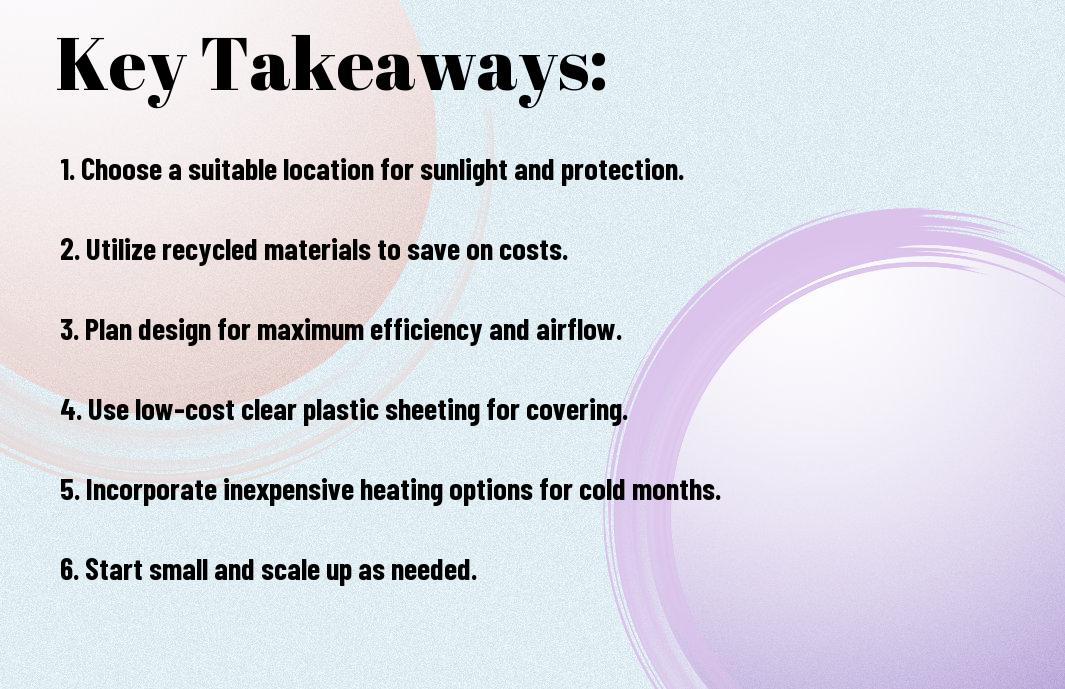
Key Takeaways:

To build a DIY greenhouse on a budget, consider the following points:

  • Use recycled materials such as old windows, doors, and lumber to minimize costs and reduce waste. This approach can help you save money on initial construction expenses.
  • Opt for a simple design that is easy to build and maintain, such as a hoop house or a cold frame. This will not only reduce construction costs but also make it easier to manage and repair your greenhouse.
  • Utilize natural lighting and ventilation to regulate the temperature and atmosphere inside the greenhouse, reducing the need for artificial lighting and heating/cooling systems. This will help you save money on energy costs and create a healthier environment for your plants.
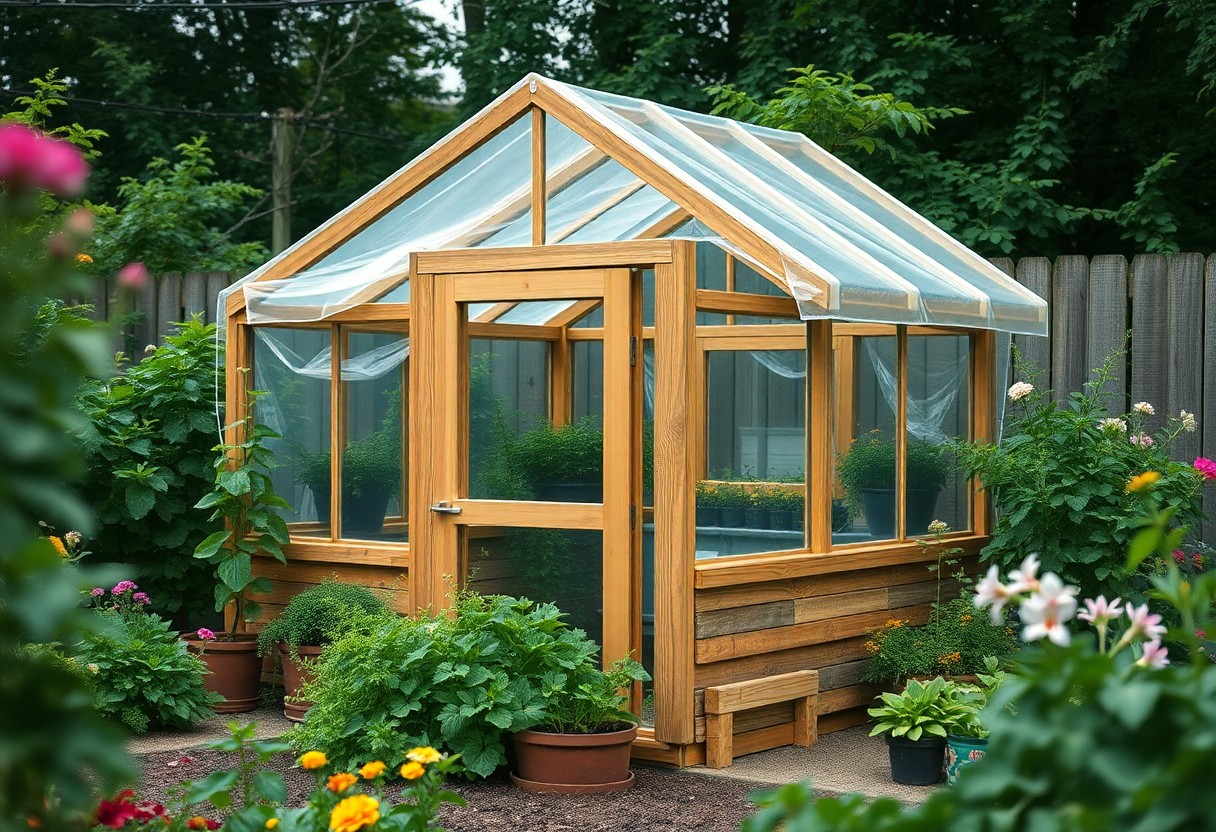
Planning Your DIY Greenhouse

A well-planned DIY greenhouse is necessary for a successful project. You need to consider your space, resources, and budget to build a functional and efficient greenhouse.

Assessing Your Space and Resources

Your available space and resources will determine the size and type of greenhouse you can build. You should evaluate your yard, considering factors like sunlight, wind direction, and accessibility.

Setting a Budget and Timeline

By establishing a clear budget and timeline, you can ensure your project stays on track. You should set realistic goals and priorities to achieve your desired outcome.

It is necessary to break down your budget into components like materials, tools, and labor to get a clear picture of your expenses. You can then allocate your resources effectively, making adjustments as needed to stay within your budget and complete your greenhouse on time, allowing you to enjoy your new space sooner.

Choosing the Right Materials

If you’re looking to build a DIY greenhouse on a budget, selecting the right materials is vital. You’ll want to consider the durability, sustainability, and cost of the materials you choose, as they will impact the overall structure and functionality of your greenhouse.

Selecting Frames and Coverings

One of the most important decisions you’ll make is choosing the frames and coverings for your greenhouse. You’ll need to decide on a frame material, such as wood or metal, and a covering, such as glass or plastic, that fits your budget and meets your needs.

Considering Insulation and Ventilation Options

Covering the basics of insulation and ventilation is vital to creating a stable environment for your plants. You’ll want to explore different options, such as shading materials and venting systems, to ensure your greenhouse maintains a healthy temperature and humidity level.

Options for insulation and ventilation will depend on your climate and the specific needs of your plants. You’ll need to consider factors such as heat retention, air circulation, and moisture control when selecting your insulation and ventilation materials, and you can choose from a range of products, including foam board, straw bales, and automatic vent openers, to create a well-regulated environment for your plants to thrive.

Building the Greenhouse Structure

Once again, you’ll need to plan carefully to ensure your greenhouse structure is sturdy and well-built. You’ll be using your DIY skills to create a functional and comfortable space for your plants to thrive.

Constructing the Frame

Prior to starting, you should gather all the necessary materials, such as wooden beams and screws, to construct the frame of your greenhouse. You will need to ensure that it is square and level to provide a solid foundation.

Installing Roofing and Walls

Anyway, you will need to install roofing and walls to enclose your greenhouse, using materials like polycarbonate panels or glass. You should follow the manufacturer’s instructions to ensure a secure and watertight seal.

But as you install the roofing and walls, you should consider factors like ventilation, insulation, and drainage to create an optimal growing environment for your plants. You will need to balance these factors to ensure your greenhouse functions effectively and provides the best conditions for your plants to grow and thrive.

Installing Essential Systems

Unlike other projects, building a DIY greenhouse requires careful planning of its systems. You can find inspiration and guidance on how to Build a DIY Greenhouse with One of These Easy Kits to ensure your project is a success.

Heating and Cooling Systems

Before installing any systems, consider your greenhouse’s heating and cooling needs to maintain a stable temperature for your plants.

Irrigation and Lighting Systems

At this stage, you’ll need to plan your irrigation and lighting systems to provide your plants with the necessary water and light.

Another important aspect of irrigation and lighting systems is automating them to ensure your plants receive the right amount of water and light, even when you’re not around to monitor them, allowing you to optimize your greenhouse’s conditions for optimal growth.

Adding Finishing Touches

After completing the structure of your DIY greenhouse, you can now focus on the final details. For inspiration, you can visit Build a Simple, Inexpensive Greenhouse to get ideas on how to enhance your greenhouse.

Shelving and Bedding

On the inside of your greenhouse, you will need to install shelving and bedding to accommodate your plants. You can use recycled materials or purchase affordable options to fit your budget.

Decorative Elements and Features

Any additional features you add will enhance the overall aesthetic of your greenhouse. Consider adding a trellis or a small seating area to make your space more inviting.

With your shelving and bedding in place, you can now think about the decorative elements that will make your greenhouse unique. You can add personal touches such as wind chimes, statues, or a sundial to create a peaceful atmosphere, making your DIY greenhouse a haven for you to relax and tend to your plants.

Maintenance and Upkeep

Despite the initial effort of building your DIY greenhouse, you’ll need to perform regular tasks to ensure its longevity and optimal performance. You’ll be checking for damage, cleaning, and making adjustments as needed to maintain a healthy environment for your plants.

Regular Cleaning and Inspection

Upkeeping your greenhouse involves regularly cleaning and inspecting the structure, removing debris and dirt that can accumulate and obstruct sunlight and ventilation, allowing you to identify potential issues before they become major problems and affect your plants.

Seasonal Preparations and Repairs

Maintenance of your greenhouse varies by season, with tasks such as insulating for winter, ventilating for summer, and preparing for extreme weather conditions, you’ll be able to adapt your greenhouse to the changing seasons and protect your plants from harsh weather.

Hence, as you prepare your greenhouse for each season, you’ll be taking proactive steps to prevent damage and ensure your plants thrive, by doing so, you’ll be able to enjoy a healthy and productive greenhouse all year round, and make any necessary repairs to extend the life of your greenhouse, saving you time and money in the long run.
Summing up

On the whole, you now have the knowledge to build a DIY greenhouse on a budget. You can construct your own mini indoor garden using recycled materials and basic tools. By following the steps and tips provided, you can create a functional and cost-effective greenhouse that suits your needs, allowing you to grow your favorite plants year-round and enjoying the benefits of your own DIY project in your backyard.

FAQ

Q: What materials do I need to build a DIY greenhouse on a budget?

A: To build a DIY greenhouse on a budget, you will need a variety of materials, including a frame made of PVC pipes or wooden beams, transparent plastic sheeting or polycarbonate panels for the walls and roof, a door and windows for ventilation, and a foundation such as concrete or gravel. You may also want to consider using recycled or repurposed materials, such as old windows or a plastic bottle wall, to save money and make your greenhouse more sustainable. Additionally, you will need tools such as a drill, saw, and hammer to assemble the structure.

Q: What is the best location for a DIY greenhouse on a budget?

A: The best location for a DIY greenhouse on a budget is a spot that receives plenty of sunlight, is level, and is well-drained. It’s also important to consider the direction of the sun and the prevailing winds in your area, as this can affect the temperature and ventilation inside the greenhouse. A south-facing location is ideal, as it will receive the most sunlight throughout the day. You should also consider the accessibility of the location, as you will need to be able to easily get to the greenhouse to tend to your plants.

Q: How do I construct the frame of a DIY greenhouse on a budget?

A: Constructing the frame of a DIY greenhouse on a budget can be done using a variety of materials, including PVC pipes, wooden beams, or metal framing. The frame should be sturdy and able to support the weight of the plastic sheeting or polycarbonate panels, as well as any snow or wind loads. You can use a simple hoop house design or a more complex gable or Gothic arch style, depending on your needs and skill level. It’s a good idea to use a pre-made frame kit or consult with a professional if you are not experienced with building or construction.

Q: How do I provide ventilation and climate control in a DIY greenhouse on a budget?

A: Providing ventilation and climate control in a DIY greenhouse on a budget is important to prevent overheating and maintain a healthy environment for your plants. You can use a variety of methods, including automatic vents, manual windows, and shading materials such as shade cloth or louvers. You can also use fans or solar-powered ventilation systems to circulate the air and cool the greenhouse. Additionally, you can use thermal mass materials such as concrete or brick to absorb and release heat, helping to regulate the temperature inside the greenhouse.

Q: How much does it cost to build a DIY greenhouse on a budget, and what are some ways to save money?

A: The cost of building a DIY greenhouse on a budget can vary widely, depending on the size, materials, and complexity of the design. On average, a small DIY greenhouse can cost anywhere from $100 to $1,000 or more, depending on the materials and features. To save money, you can use recycled or repurposed materials, shop for second-hand or discounted materials, and keep the design simple. You can also consider building a mini or micro greenhouse, or using a pre-made kit or plan to simplify the construction process and reduce costs. Additionally, you can consider enlisting the help of friends or family members to share the labor and costs.

How can you build and maintain a backyard greenhouse for year-round food production

It’s time to bring the farm to your backyard! In this guide, you will learn how to construct and care for a backyard greenhouse that will provide you with fresh produce all year long. From selecting the right materials to maintaining the ideal growing conditions, we will walk you through each step of creating your own sustainable food source. Embrace the joy of growing your own food right outside your door, with a backyard greenhouse that will nurture both you and the environment.

Key Takeaways:

  • Choose the right location: Place your greenhouse in a spot that receives maximum sunlight throughout the day and is protected from strong winds.
  • Proper insulation is crucial: Insulate your greenhouse well to retain heat during colder months and regulate temperature fluctuations.
  • Stay on top of maintenance: Regularly clean your greenhouse, monitor for pests, check the heating system, and ensure proper ventilation to keep your plants healthy year-round.

Assessing Your Yard and Climate

Before you launch on setting up a backyard greenhouse for year-round food production, it’s vital to evaluate your yard’s suitability and understand your local climate. Start by checking out resources such as What is possible to grow in a greenhouse all year round? to get an idea of what crops thrive in greenhouse environments.

Evaluating Your Yard’s Sunlight and Wind Patterns

Sunlight is crucial for the success of your greenhouse. Observe how the sun moves across your yard throughout the day. Ideally, you want your greenhouse to receive at least 6-8 hours of direct sunlight daily for optimal plant growth. Take note of any obstacles that may cast shadows, such as trees or buildings. Additionally, consider the direction and strength of prevailing winds to protect your greenhouse from potential damage.

Determining Your Local Climate and Its Effects on Plant Growth

Any successful greenhouse operation hinges on understanding your local climate. Research the average temperatures, frost dates, and humidity levels in your area to choose plants that can thrive under these conditions. Consider investing in a thermometer to monitor internal temperatures within your greenhouse and make any necessary adjustments to create a conducive environment for your plants.

Choosing the Right Greenhouse Design

Assuming you are considering building a backyard greenhouse for year-round food production, it is imperative to choose the right design that suits your space, needs, and budget. Different greenhouse designs offer various advantages and considerations to keep in mind.

Types of Greenhouses: Hoop Houses, A-Frame, and Geodesic Domes

Pertaining to choosing the type of greenhouse for your backyard, there are several popular options to consider. Hoop houses, A-frame structures, and geodesic domes all have their unique features and benefits. Here is a comparison:

Houses Considerations
Hoop Houses – Affordable option
– Easy to assemble and disassemble
– Good for limited space
A-Frame – Aesthetically pleasing
– Good for shedding snow
– Provides more headroom
Geodesic Domes – Strong and durable structure
– Efficient air circulation
– Suitable for extreme weather conditions

Any of these greenhouse styles can be a great choice for year-round food production. Consider your climate, available space, and budget before making a decision.

Considerations for Size, Material, and Budget

Domes should be your ideal choice, considering their strength and durability. Geodesic domes are known for being stable in harsh weather conditions and providing efficient air circulation, which is beneficial for plant growth. Ensure the dome size fits your available space, choose high-quality materials for longevity, and consider your budget for construction and maintenance costs.

Building Your Greenhouse

Preparing the Site and Laying the Foundation

Not every spot in your backyard is ideal for a greenhouse. You’ll want to choose a location that receives plenty of sunlight throughout the day and is sheltered from strong winds. Once you’ve selected the perfect spot, it’s time to prepare the site. Clear the area of any debris, level the ground, and consider laying a sturdy foundation to ensure the stability and longevity of your greenhouse.

Framing and Installing the Roof and Walls

Installing the frame of your greenhouse is a crucial step in the construction process. Choose a durable material such as cedar or treated lumber for the frame to withstand the elements. As you assemble the frame, ensure it is level and square to provide a sturdy structure. Once the frame is in place, carefully install the roof and walls, making sure to secure them properly to withstand harsh weather conditions.

Roofing materials such as polycarbonate panels or glass can provide ample sunlight for your plants while insulating the greenhouse. Proper insulation will help regulate the temperature inside, creating a suitable environment for year-round food production.

Adding Doors, Vents, and Irrigation Systems

Building doors and vents into your greenhouse allow for proper airflow and temperature control. Consider adding a ventilation system with adjustable openings to regulate the internal climate. Additionally, installing an irrigation system will ensure your plants receive the water they need consistently. Drip irrigation systems are efficient and can be easily integrated into your greenhouse to keep your plants thriving.

Irrigation systems are important for maintaining a steady supply of water to your plants, especially during hot summer months or if you live in a region with erratic rainfall. By setting up a reliable watering system, you can ensure that your crops receive adequate hydration for healthy growth and abundant harvests.

Selecting the Right Crops for Year-Round Production

Cool-Season Crops for Winter and Early Spring

For year-round food production in your backyard greenhouse, it’s important to choose crops that thrive in cooler temperatures during the winter and early spring months. Any vegetable varieties such as kale, spinach, lettuce, arugula, carrots, and radishes are excellent choices for cool-season crops. These plants can withstand lower temperatures and shorter daylight hours, providing you with a bountiful harvest even in the colder months.

Warm-Season Crops for Summer and Late Spring

With the arrival of summer and late spring, you can transition to warm-season crops that thrive in higher temperatures and longer daylight hours. Any crops like tomatoes, cucumbers, peppers, eggplants, and basil are ideal for this time of year. These plants require warmer conditions to grow and produce, making them perfect for maximizing your greenhouse’s productivity during the summer months.

The key to successfully growing warm-season crops in your greenhouse is to ensure adequate ventilation and temperature control. Proper air circulation and shading will help prevent overheating and ensure optimal growing conditions for your plants.

Using Succession Planting for Continuous Harvests

The key to maximizing your greenhouse’s productivity and ensuring a continuous harvest throughout the year is to implement succession planting strategies. Cool-season crops can be followed by warm-season crops to make the most of your growing space and extend the harvest season. CoolSeason By staggering plantings and utilizing different varieties with varying maturation times, you can enjoy a steady supply of fresh produce from your greenhouse.

Another benefit of succession planting is that it helps prevent a glut of one type of crop while ensuring a diverse and balanced harvest. By planning your plantings strategically and rotating crops, you can optimize your greenhouse for year-round food production and enjoy a variety of fruits and vegetables throughout the seasons.

Soil Preparation and Management

Testing and Amending Your Soil for Optimal Health

To ensure successful year-round food production in your backyard greenhouse, it’s necessary to start with healthy soil. An important first step is to test your soil to understand its nutrient composition and pH levels. You can send a sample to a local agricultural extension office or use at-home soil testing kits. Once you have test results, amend your soil as needed by adding organic matter such as compost, aged manure, or other soil conditioners to improve its structure and fertility.

Using Compost and Mulch to Conserve Moisture and Suppress Weeds

The use of compost and mulch is key to maintaining moisture in your greenhouse soil, reducing water usage, and suppressing weed growth. Compost enriches the soil with necessary nutrients and microorganisms, promoting healthy plant growth. Mulch, such as straw, leaves, or wood chips, acts as a protective layer that retains moisture, regulates soil temperature, and helps control weed growth. By regularly adding compost and mulch to your greenhouse soil, you create a sustainable environment that supports the continuous production of fresh, healthy crops.

More about Using Compost and Mulch to Conserve Moisture and Suppress Weeds

It is important to apply a thick layer of compost and mulch around your plants to reap the full benefits of moisture conservation and weed suppression. Additionally, using organic mulch materials ensures that as the mulch decomposes, it adds organic matter to the soil, further enhancing its fertility and structure. Regular replenishment of compost and mulch throughout the year will help maintain a balanced ecosystem in your backyard greenhouse, supporting a bountiful harvest of fresh produce.

Managing Temperature, Humidity, and Light

Unlike outdoor gardening, managing temperature, humidity, and light in a backyard greenhouse requires more attention to detail and possibly the use of additional tools or systems. These factors play a crucial role in the success of your year-round food production.

Heating and Cooling Strategies for Extreme Weather Maintaining Optimal Humidity and Light Levels for Plant Growth

Cooling: Heating and Cooling Strategies for Extreme Weather

During hot summer days, your greenhouse can quickly turn into a sweltering sauna. To combat this, consider installing shade cloths to reduce the amount of direct sunlight and heat entering the greenhouse. Additionally, good ventilation is key to allowing hot air to escape. Automatic vents or fans can help regulate the temperature inside the greenhouse.

One: Maintaining Optimal Humidity and Light Levels for Plant Growth

One of the challenges in greenhouse gardening is maintaining the right balance of humidity and light for your plants. Too much or too little of either can hinder their growth. To ensure optimal conditions, monitor the humidity levels regularly using a hygrometer and adjust as needed by watering your plants strategically and using a dehumidifier if necessary. Similarly, make sure your plants are receiving adequate light by positioning them correctly in the greenhouse and considering supplemental grow lights for darker days.

Managing temperature, humidity, and light in your backyard greenhouse is a continuous process that requires observation and adjustment. By staying attentive to these factors and implementing the right strategies, you can create an ideal environment for your plants to thrive year-round.

Pest and Disease Management

All successful greenhouse gardeners know that pest and disease management is crucial for maintaining a healthy and productive growing environment. Fortunately, there are several natural methods you can implement to control pests and diseases in your backyard greenhouse.

Natural Methods for Controlling Pests and Diseases

Controlling pests and diseases in your greenhouse can be effectively achieved through natural methods such as companion planting, using physical barriers like row covers, practicing good sanitation by removing diseased plants promptly, and maintaining proper air circulation to reduce humidity levels that can promote fungal growth.

Furthermore, you can make your own organic pesticides and fungicides using ingredients like neem oil, garlic, or soap solutions to deter common greenhouse pests without harming beneficial insects or affecting the quality of your produce.

Integrating Beneficial Insects and Microorganisms into Your Ecosystem

Pest control in your greenhouse can also be enhanced by integrating beneficial insects like ladybugs, lacewings, and predatory mites, which naturally feed on pests like aphids, mites, and whiteflies. Additionally, introducing beneficial microorganisms such as mycorrhizal fungi and beneficial bacteria into your soil can help improve nutrient uptake and plant immune systems, reducing the likelihood of disease outbreaks.

Understanding the delicate balance of your greenhouse ecosystem and incorporating beneficial insects and microorganisms can create a harmonious environment where pests are kept in check naturally, minimizing the need for harsh chemicals and promoting sustainable gardening practices.

Summing up

On the whole, building and maintaining a backyard greenhouse for year-round food production can be a rewarding and sustainable endeavor. By following the steps outlined in this article and dedicating time and effort to care for your plants, you can enjoy a bountiful harvest throughout the year. Remember to consider factors such as location, ventilation, heating, and watering to ensure the success of your greenhouse. With proper planning and commitment, you can create a thriving ecosystem that provides fresh produce for you and your family all year long.

FAQ

Q: What materials are needed to build a backyard greenhouse for year-round food production?

A: To build a backyard greenhouse, you will need materials such as PVC pipes or metal tubing for the frame, plastic sheeting or greenhouse panels for covering, a door or entryway, ventilation system, shelving or tables for plants, and various tools such as screws, drills, and hammers to assemble the structure.

Q: How can I maintain a backyard greenhouse for year-round food production?

A: To maintain a backyard greenhouse for year-round food production, it is important to regularly monitor and control the temperature, humidity, and ventilation inside the greenhouse. You will also need to water and fertilize your plants as needed, ensure proper air circulation, and regularly inspect for pests and diseases. Additionally, pruning, trellising, and rotating crops can help optimize space and maximize production.

Q: What are some tips for maximizing year-round food production in a backyard greenhouse?

A: To maximize year-round food production in a backyard greenhouse, consider using raised beds or containers for planting, utilizing vertical space with hanging baskets or trellises, incorporating companion planting to enhance growth and deter pests, and experimenting with different varieties of crops that thrive in greenhouse conditions. Additionally, maintaining a planting schedule and researching optimal growing conditions for each crop can help ensure a bountiful harvest throughout the year.

Opaye Skip to content