Garden

How to Design a Mediterranean-Inspired Garden

As you step into your outdoor space, you want to be transported to a sunny Mediterranean oasis. You envision a garden filled with vibrant colours, enticing scents, and a sense of effortless elegance. With a few simple steps, you can bring the essence of the Mediterranean to your backyard, creating a haven that’s perfect for relaxing and entertaining. Your journey to designing a stunning Mediterranean-inspired garden starts here, and by following these tips, you’ll be well on your way to creating a beautiful and inviting outdoor space.

Key Takeaways:

To create a beautiful and inviting Mediterranean-inspired garden, consider the following points:

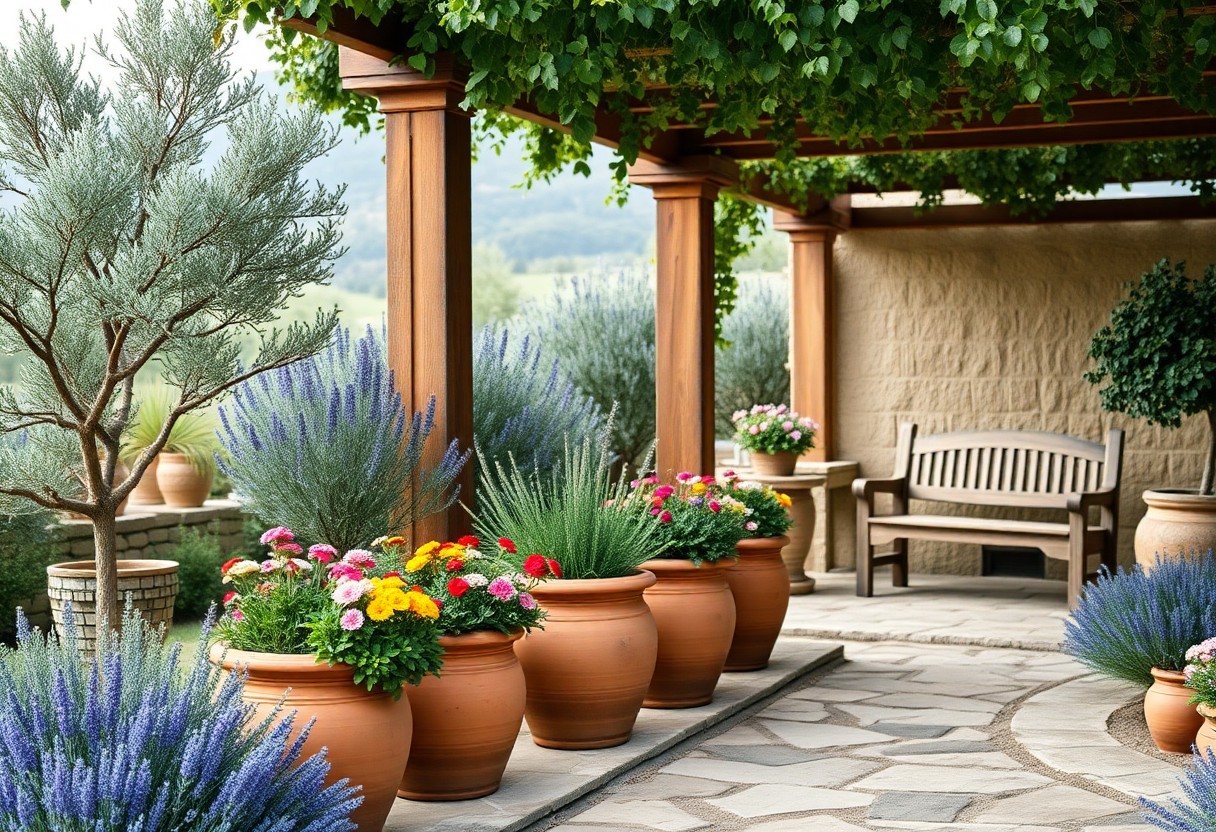
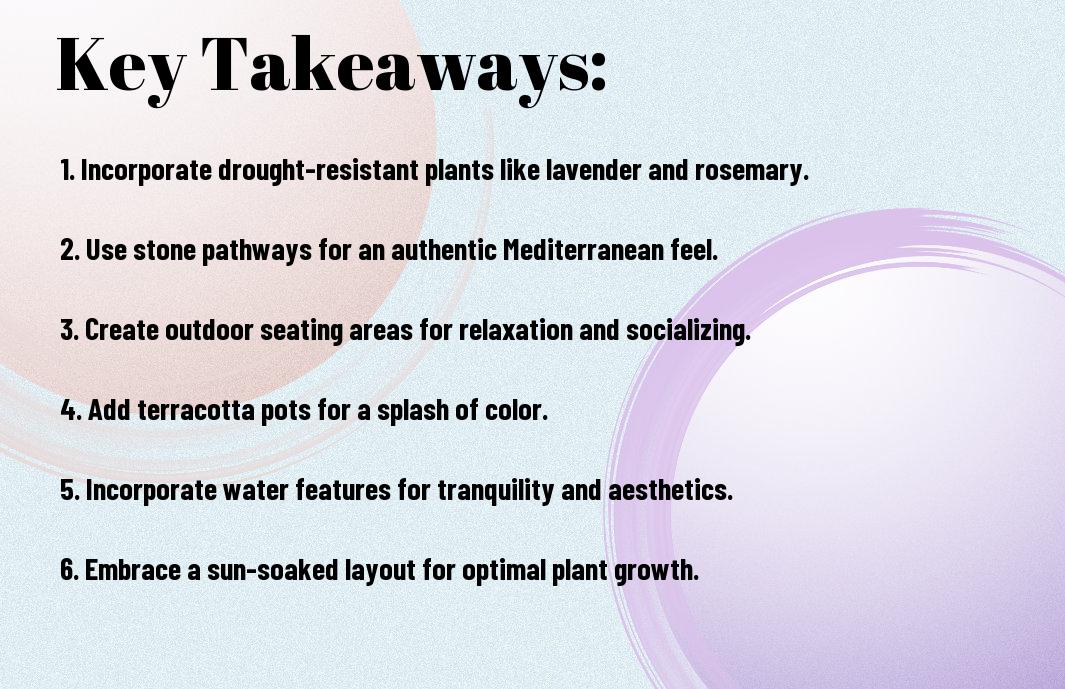
  • Choose drought-tolerant plants that are native to the Mediterranean region, such as lavender, rosemary, and olive trees, to minimize watering needs and maintenance.
  • Incorporate natural stone elements, like flagstones, gravel, or brick, to add warmth and texture to the garden, and to create a sense of authenticity.
  • Emphasize simple and clean lines in your garden design, using terracotta pots, weathered wood, and other traditional Mediterranean materials to create a sense of timeless elegance.

Planning Your Garden

The first step in designing a Mediterranean-inspired garden is to plan carefully. You’ll need to consider the unique conditions of your outdoor space and how you want to use it. Take time to think about the style and atmosphere you want to create, and make a note of any existing features that you want to incorporate or change.

Assessing Your Climate and Soil

Your yard’s specific climate and soil type will play a significant role in determining the types of plants you can grow. You’ll need to evaluate the amount of sunlight and rainfall your garden receives, as well as the type of soil you have, to choose plants that will thrive in those conditions.

Choosing a Color Scheme and Theme

Color is a key element in a Mediterranean-inspired garden, and you’ll want to choose a palette that evokes the warm, sunny feel of the region. You can draw inspiration from the colors of the Mediterranean landscape, such as terracotta, turquoise, and olive green.

Understanding the importance of a cohesive color scheme and theme will help you create a beautiful and harmonious Mediterranean-inspired garden. You can choose a theme, such as a Spanish courtyard or a Greek villa, to guide your design decisions and help you select plants, furniture, and decorative elements that fit with your vision. As you consider your color scheme and theme, think about the overall mood and atmosphere you want to create in your garden, and let that guide your choices.

Selecting Plants

Now that you have a sense of the overall aesthetic you want to achieve, it’s time to think about the plants that will bring your Mediterranean-inspired garden to life. You’ll want to choose plants that thrive in warm, sunny conditions and can tolerate dry spells.

Native Mediterranean Plants to Consider

One of the best ways to create an authentic Mediterranean feel is to incorporate plants native to the region, such as olive trees, rosemary, and lavender, into your garden design.

By opting for drought-tolerant plants like succulents and cacti, you can create a beautiful and low-maintenance garden that requires minimal watering and care.

But as you consider your drought-tolerant options, think about the specific conditions in your garden and choose plants that will thrive in your local climate. You can also combine drought-tolerant plants with other Mediterranean natives to create a unique and resilient garden that reflects your personal style and meets your needs.

Garden Layout and Design

Your Mediterranean-inspired garden should reflect the classic, timeless style of the region, with a focus on simplicity, elegance, and a connection to nature.

Creating a Sense of Intimacy and Seclusion

Seclusion is key to a Mediterranean-inspired garden, and you can achieve this by using lush greenery, tall trees, and meandering paths to create cozy nooks and secluded areas.

Incorporating Water Features and Hardscapes

Above all, a Mediterranean-inspired garden is about balancing natural beauty with structured elements, and you can achieve this by incorporating water features, such as fountains or pools, alongside hardscapes like terracotta tiles and stone walls.

For instance, you can create a stunning water feature by installing a small fountain or pond, surrounded by lush greenery and colorful flowers, and complement it with a meandering path made of natural stone, leading to a secluded seating area, perfect for relaxation and contemplation.
Hardscaping and Decor

All the elements in your Mediterranean-inspired garden should work together in harmony, and you can find great inspiration on How to create a Mediterranean garden: design inspiration.

Choosing Materials and Textures

For a authentic look, you will want to choose materials and textures that evoke the feeling of the Mediterranean, such as terracotta pots and weathered stone.

Adding Lighting and Other Decorative Elements

To complete your garden, consider adding softly glowing lanterns and decorative elements like fretwork and mosaics.

Plus, as you add these decorative elements, you will start to see your Mediterranean-inspired garden come to life, and you can enjoy the warm and inviting atmosphere you have created, perfect for relaxing and entertaining in your own outdoor oasis, with you making the final touches to reflect your personal style.

Maintenance and Upkeep

Unlike other garden styles, a Mediterranean-inspired garden is relatively low-maintenance, but you can learn more about it in How To Design a Mediterranean Garden Your Clients Will Love.

Tips for Watering and Pruning

The key to keeping your garden thriving is proper care. You should:

, Thou shalt also monitor your garden’s condition.

Managing Pests and Diseases in Your Garden

Maintenance of your garden’s health involves checking for pests and diseases.

And by taking preventative measures, you can minimize the risk of infection, ensuring your Mediterranean-inspired garden remains a haven of beauty and tranquility, where you can relax and enjoy the fruits of your labor.

Incorporating Lifestyle Elements

After designing the basic layout of your Mediterranean-inspired garden, consider incorporating lifestyle elements that will make it a true oasis. You can find plenty of Mediterranean Garden Ideas and Inspiration on Mediterranean Garden Ideas and Inspiration to help you get started.

Designing Outdoor Living Spaces

On a warm summer evening, you’ll want to spend time outdoors, so think about designing a space that invites relaxation and entertainment. You can create a shaded seating area or a sunny spot for lounging, depending on your preferences.

Adding Fire Pits and Outdoor Kitchens

Behind every great Mediterranean-inspired garden is a functional outdoor space that allows you to enjoy the fresh air and company of loved ones. Consider adding a fire pit or outdoor kitchen to create a cozy atmosphere.

Outdoor living is a big part of the Mediterranean lifestyle, and adding fire pits and outdoor kitchens can help you achieve this. You can use these features to cook delicious meals, gather with friends and family, or simply enjoy a quiet evening under the stars. As you design your outdoor space, think about how you want to use it and what features will make it most enjoyable for you.
Conclusion

Taking this into account, you should now be able to create your own serene Mediterranean-inspired garden. With your careful planning and attention to detail, your outdoor space will evoke the warmth and beauty of the Mediterranean region. As you sit amidst your lush greenery and vibrant flowers, you’ll feel transported to a tranquil oasis, enjoying the fruits of your labor in your very own Mediterranean haven, surrounded by the sights, scents, and sounds of your carefully designed garden.

FAQ

Q: What are the key elements of a Mediterranean-inspired garden?

A: A Mediterranean-inspired garden typically features a combination of elements such as terracotta pots, olive trees, rosemary, and lavender. The color palette often includes warm, sun-baked hues like terracotta, sienna, and golden yellow. Incorporating natural stone, such as limestone or fieldstone, and using drought-resistant plants are also characteristic of this style. To create an authentic look, consider adding decorative elements like vintage doors, windows, or mosaic tiles.

Q: How do I choose the right plants for a Mediterranean-inspired garden?

A: Selecting plants that are native to the Mediterranean region or have similar growing conditions is necessary. Consider plants like bougainvillea, jasmine, and citrus trees, which thrive in warm, sunny climates. Succulents and cacti are also excellent choices, as they are drought-tolerant and add interesting textures to the garden. Don’t forget to incorporate fragrant herbs like thyme, oregano, and rosemary, which are not only beautiful but also edible.

Q: What type of paving and flooring is suitable for a Mediterranean-inspired garden?

A: Natural stone paving, such as limestone, travertine, or flagstone, is a popular choice for Mediterranean-inspired gardens. These materials are durable, timeless, and blend seamlessly with the surrounding landscape. If you prefer a more rustic look, consider using gravel or decomposed granite as an alternative. For a more polished appearance, terracotta or brick pavers can add a touch of elegance to the garden.

Q: How can I incorporate water features into my Mediterranean-inspired garden?

A: Water features are a staple of Mediterranean-inspired gardens, and can range from small, self-contained fountains to large, Infinity-edge pools. Consider adding a small fountain or birdbath to create a soothing, melodic sound. If you have the space, a larger pool or spa can be a stunning focal point, especially when surrounded by lush greenery and colorful flowers. Don’t forget to incorporate a few strategically placed water features, like a small rill or bubbling pot, to add visual interest and create a sense of movement.

Q: What kind of outdoor lighting is best suited for a Mediterranean-inspired garden?

A: Warm, soft lighting is necessary for creating a cozy and inviting ambiance in a Mediterranean-inspired garden. Consider using string lights, lanterns, or tabletop torches to add a warm glow to the space. Solar-powered lights are also a great option, as they are energy-efficient and can be placed throughout the garden without the need for wiring. For a more dramatic effect, use uplighting to highlight specific plants or features, such as a statement tree or a decorative wall.
How to Design a Sustainable Urban Garden

As you consider transforming your outdoor space into a thriving oasis, you’re likely thinking about how to create a sustainable urban garden that not only beautifies your surroundings but also benefits the environment. You want your garden to be a haven for local wildlife and a reflection of your eco-friendly values. With a few simple design principles and choices, you can create a sustainable urban garden that meets your needs and supports the well-being of your community, and this guide will show you how to get started.

Key Takeaways:

To create a sustainable urban garden, consider the following points:

  • Choose drought-tolerant plants that require less water and maintenance, reducing the need for frequent watering and minimizing water waste.
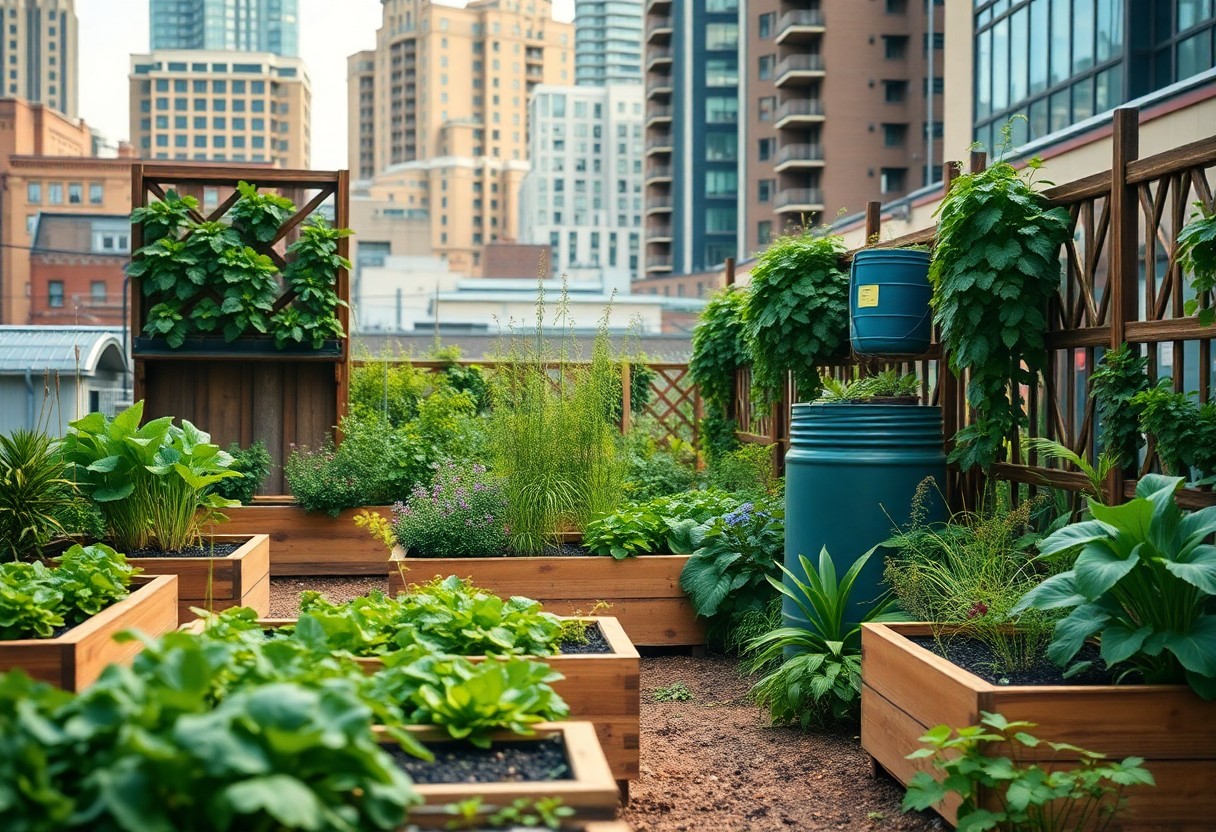
  • Implement rainwater harvesting systems to collect and store rainwater for irrigation purposes, reducing the demand on municipal water supplies and decreasing stormwater runoff.
  • Use organic and recycled materials for garden features, such as composting and mulching, to minimize waste and promote a healthy ecosystem in your urban garden.

Planning a Sustainable Garden

The first step in designing a sustainable urban garden is to consider your goals and the space you have available. You will need to think about the amount of sunlight and water your garden will receive, as well as the type of soil you have. This will help you determine what types of plants will thrive in your garden.

Assessing the Site

Plotting the lay of the land will help you identify potential challenges and opportunities for your garden. You will need to consider the slope, drainage, and existing vegetation to create a sustainable and thriving garden.

Setting Garden Goals

On the basis of your assessment, you can start setting specific objectives for your garden, such as growing your own food or creating a wildlife-friendly habitat. You should consider what you want to achieve with your garden and how you plan to maintain it.

And as you set your garden goals, you will also want to think about how you can make your garden sustainable in the long term. You can consider using rainwater harvesting systems, composting, and choosing drought-tolerant plants to minimize your garden’s impact on the environment and make it more resilient to climate change.

Choosing the Right Plants

Even in a small urban garden, you can create a thriving ecosystem by selecting plants that are well-suited to your climate and soil type. This will help reduce the need for pesticides, fertilizers, and water, making your garden more sustainable.

Native Species Selection

With a focus on native species, you can create a garden that requires less maintenance and supports local biodiversity. You will find that native plants are more resilient and can thrive in your local climate, making them an excellent choice for your urban garden.

Edible and Medicinal Plants

By incorporating edible and medicinal plants into your garden, you can create a sustainable and functional space that provides you with fresh produce and natural remedies. You can grow herbs, vegetables, and fruits that are rich in nutrients and can be used in a variety of dishes.

Due to the numerous benefits of edible and medicinal plants, you may want to consider dedicating a portion of your garden to these species. You can plant a mix of annuals and perennials, such as lettuce, tomatoes, and mint, to ensure a constant supply of fresh produce throughout the growing season, and enjoy the rewards of your sustainable urban garden.

Water Conservation

To create a sustainable urban garden, you need to prioritize water conservation. This involves reducing your water usage and implementing efficient systems to minimize waste.

Rainwater Harvesting

Conserving water through rainwater harvesting is an effective way to collect and store rainwater for your garden’s needs, reducing your reliance on municipal water supplies, and you can use it to water your plants, wash your tools, and even fill your pond or fountain.

Efficient Irrigation Systems

Among the most effective ways to conserve water in your garden is by installing efficient irrigation systems, which deliver water directly to the roots of your plants, reducing evaporation and runoff, and you can choose from a variety of systems, including drip irrigation and soaker hoses.

Harvesting the benefits of efficient irrigation systems, you can optimize your water usage by scheduling your irrigation sessions according to your plants’ specific needs, and you can also install sensors and timers to automate the process, ensuring your garden receives the right amount of water at the right time, and this will help you maintain a healthy and thriving garden while minimizing your water footprint.

Soil Health and Management

All urban gardeners should prioritize soil health to create a thriving ecosystem. You can find valuable advice on Sustainable Gardening Tips for Your Community Garden to help you get started.

Composting and Mulching

Among the simplest methods to improve soil health is adding compost and mulch, which you can make from your kitchen waste and yard trimmings, to enrich your soil and reduce waste.

Soil Testing and Amendment

Any urban garden requires regular soil testing to determine its pH level and nutrient content, allowing you to make informed decisions about amendments and fertilizers for your garden.

With soil testing, you can identify areas that need improvement and take corrective action, ensuring your soil is balanced and fertile, which will help your plants grow strong and healthy, and you can enjoy a bountiful harvest from your urban garden.

Garden Design and Layout

Many urban gardens have limited space, so it’s important to consider your garden’s design and layout carefully to maximize its potential. You’ll want to balance aesthetics with functionality, taking into account the sunlight, soil, and wind patterns in your area.

Creating a Functional Space

After assessing your garden’s conditions, you can start designing a functional space that meets your needs, whether it’s a peaceful retreat, a entertainment area, or a productive garden. You’ll want to consider the flow of traffic and the placement of different elements, such as seating, paths, and planting beds.

Incorporating Recycled Materials

Across your garden, you can incorporate recycled materials to reduce waste and create a unique, eco-friendly space. You can use recycled plastic, reclaimed wood, or repurposed brick to build planters, paths, and other features, adding character to your garden while minimizing its environmental impact.

The use of recycled materials in your garden design can also help to reduce your environmental footprint. You can get creative with recycled materials, using old pallets to build a compost bin or a trellis, or transforming plastic bottles into self-watering planters. As you design your garden, consider what materials you can reuse or recycle, and think about how you can incorporate them into your design to create a beautiful, sustainable space that reflects your values and style.

Maintenance and Upkeep

Once again, your sustainable urban garden requires attention to maintain its health and beauty. Regular watering, pruning, and mulching are vital tasks to keep your garden thriving.

Organic Pest Control

Across your garden, natural methods can be used to control pests, such as introducing beneficial insects or using neem oil to repel harmful ones, keeping your garden chemical-free and safe for you and the environment.

Seasonal Garden Care

On a seasonal basis, you’ll need to adjust your garden care routine to accommodate changing weather conditions and plant needs, ensuring your garden remains vibrant and resilient throughout the year.

It is vital to understand the specific needs of your plants during each season, as this will help you provide the necessary care and attention to maintain their health and promote optimal growth, allowing you to enjoy your sustainable urban garden to its fullest potential, and making the most of your outdoor space, while also contributing to a more sustainable future.

Final Words

With these considerations, you can create a thriving urban garden that not only beautifies your space but also supports the environment. You will be able to design a sustainable garden that conserves water, reduces waste, and attracts local wildlife. By following these guidelines, you can enjoy the benefits of your urban garden while contributing to a more sustainable future for your community, and you can take pride in your role as a steward of your local ecosystem. Your efforts will have a lasting impact.————-FAQ

Q: What are the key considerations when designing a sustainable urban garden?

A: When designing a sustainable urban garden, it’s vital to consider the climate, soil type, and available sunlight. Assessing these factors will help you choose the right plants, optimize water usage, and create a thriving ecosystem. Additionally, consider the space constraints and how you can maximize the use of vertical space through the use of walls, trellises, or green roofs.

Q: How can I choose the right plants for my sustainable urban garden?

A: To choose the right plants for your sustainable urban garden, select species that are native to your region or have similar growing conditions. These plants will be more resilient to local pests and diseases, require less maintenance, and thrive in the existing climate. Also, opt for a mix of plants that provide a variety of benefits, such as pollinator-friendly flowers, fruit-bearing trees, and herbs that can be used in cooking.

Q: What water conservation strategies can I implement in my urban garden?

A: Implementing efficient water conservation strategies is vital for a sustainable urban garden. Consider installing rainwater harvesting systems to collect and store rainwater for irrigation purposes. Additionally, use drought-tolerant plants, mulch to reduce soil moisture loss, and drip irrigation systems that deliver water directly to the roots of the plants, minimizing evaporation and runoff.

Q: How can I manage waste and create a closed-loop system in my urban garden?

A: Managing waste and creating a closed-loop system in your urban garden involves composting organic waste to create nutrient-rich soil amendments. You can compost food scraps, yard trimmings, and other organic materials to reduce waste and minimize the need for synthetic fertilizers. Furthermore, consider integrating worm composting or vermicomposting to break down organic matter and create a natural fertilizer for your plants.

Q: What are some innovative features I can incorporate into my sustainable urban garden design?

A: Some innovative features you can incorporate into your sustainable urban garden design include green walls, living roofs, and rain gardens. Green walls and living roofs provide additional growing space, improve air quality, and help regulate the urban microclimate. Rain gardens, on the other hand, are designed to capture and filter rainwater runoff, reducing stormwater pollution and creating habitats for wildlife. These features not only enhance the aesthetic appeal of your garden but also contribute to a more sustainable and resilient urban environment.

How to Create a Stunning Vertical Garden

You want a garden, but space is tight. You look up, and there’s your answer. A vertical garden can thrive on any wall, given the right setup. You’ll need to choose your plants, select a suitable structure, and get your hands dirty. Your options are endless, from lush greens to vibrant blooms. You’ll learn how to bring your vision to life, step by step, and create a stunning vertical garden that showcases your style and adds life to any room.

Key Takeaways:

To create a stunning vertical garden, consider the following points:

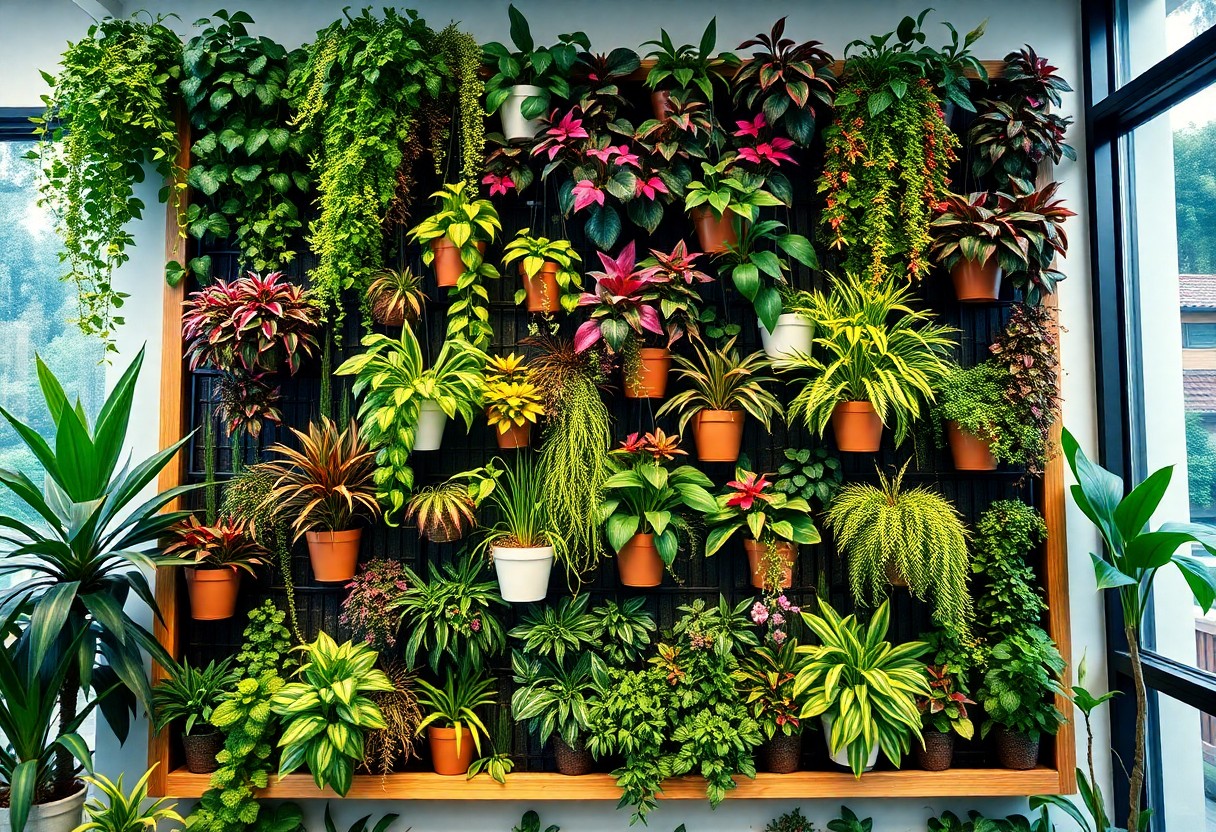
  • Choose the right plants that are suitable for vertical gardening, such as succulents, ferns, and ivy, and ensure they receive the right amount of light and water.
  • Select a supporting structure that fits your space and style, such as a trellis, wall-mounted planter, or a living wall planter, and make sure it is sturdy enough to hold the weight of the plants.
  • Consider the maintenance requirements of your vertical garden, including irrigation and fertilization, and plan accordingly to keep your garden thriving and looking its best.

Planning

Your vertical garden’s success starts with a solid plan, considering space, sunlight, and maintenance.

Choosing the right location

After assessing your outdoor space, choose a wall that gets sufficient sunlight and is easily accessible for maintenance.

Selecting the perfect plants

To begin, pick plants that thrive in vertical conditions, such as succulents or ferns, and consider their growth habits and needs.

Hence, you’ll want to select plants that fit your climate, lighting conditions, and the amount of care you can provide, ensuring your vertical garden flourishes and brings you joy, and by choosing the right plants, you’ll be able to enjoy the benefits of a lush, thriving garden.

Designing

The key to a stunning vertical garden is in the design. You can find inspiration for your project by checking out 30 DIY Vertical Garden Ideas to Show off Your Green Thumb, which will help you get started.

Considering the theme and style

Among the first decisions you’ll make is the theme and style of your garden. You’ll want to choose a style that fits your space and personal taste, whether it’s modern, traditional, or rustic.

Creating a balanced composition

Considering the layout of your plants is imperative. You’ll want to balance the composition of your garden by mixing plants of different textures, colors, and sizes to create visual interest.

Understanding how to create a balanced composition is vital to the success of your vertical garden. You’ll need to think about the placement of each plant, taking into account its growth habits, and how it will interact with the other plants in your garden, to create a harmonious and visually appealing whole.

Building

Not everyone has a green thumb, but with the right guidance, you can create a stunning vertical garden. You’ll need to start by preparing your space and gathering materials.

Preparing the wall or structure

Constructing a strong foundation is key. You’ll be building on this, so make sure your wall or structure can support the weight of your garden.

Installing the necessary infrastructure

On the surface, it may seem like a daunting task, but you’ll be surprised at how simple it can be. You’ll need to install a trellis or framework to support your plants.

To get started with installing the necessary infrastructure, you’ll need to assess your space and determine the best type of system for your garden. You’ll need to consider factors such as drainage, irrigation, and accessibility, and choose materials that fit your needs and budget. By taking the time to plan and install a solid infrastructure, you’ll be setting your garden up for success.

Planting

After preparing your vertical garden, it’s time to add the plants. You’ll need to choose the right ones for your space and climate.

Selecting the right soil and nutrients

On the subject of soil, you’ll want to pick a mix that drains well and holds moisture. You’ll also need to consider the nutrient needs of your plants.

Planting and arranging the greenery

Around your garden, you’ll be placing plants with varying textures and colors. You’ll arrange them in a way that creates visual appeal and balance.

Soil quality will affect how your plants grow, so you’ll want to plant them in a way that allows for good root growth. You’ll place each plant in its spot, making sure the soil is firm around the roots, and then add more soil as needed, finishing with a layer of mulch to retain moisture and suppress weeds, allowing your garden to thrive under your care.

Maintaining

To keep your vertical garden thriving, you’ll need to establish a routine. This will ensure your plants get the care they need to grow and flourish.

Watering and irrigation systems

Afterwards, you’ll need to set up a system that delivers the right amount of water to your plants. You can use a drip irrigation system or soaker hose to minimize waste and keep your plants healthy.

Pruning and fertilizing techniques

Following fertilization, you’ll need to prune your plants to maintain shape and promote growth. This will help you achieve the desired look and keep your garden looking its best.

To master pruning and fertilizing techniques, you’ll need to observe your plants closely. You’ll learn to identify when they need a boost, and when they’re getting too much or too little of a good thing. By paying attention to your plants’ needs, you’ll be able to make adjustments and keep your vertical garden thriving.

Troubleshooting

Many issues can arise with your vertical garden, but most can be easily resolved with some troubleshooting. You’ll need to inspect your garden regularly to identify any problems early on. Check your plants for signs of stress, such as yellowing leaves or slow growth, and adjust your care routine as needed. This will help you catch any issues before they become major problems.

Common problems and solutions

Any issues you encounter can often be solved with simple adjustments to your care routine. You may need to adjust the amount of water or sunlight your plants are getting, or add more nutrients to the soil. By making a few small changes, you can get your garden back on track.

Pest control and disease management

Between pests and diseases, your vertical garden can be vulnerable to damage. You’ll need to keep an eye out for signs of trouble, such as holes in leaves or white powdery patches on stems. Take action quickly to prevent the problem from spreading.

To manage pests and diseases effectively, you’ll need to take a proactive approach. You should inspect your plants regularly, looking for any signs of trouble. If you do find a problem, take action right away – remove infected plants, treat with insecticidal soap, or apply fungicide as needed. By staying on top of pest and disease control, you can keep your vertical garden healthy and thriving. You’ll be able to enjoy the benefits of your garden, without the hassle of dealing with pesky problems.

Conclusion

Considering all points, you’ve got the basics to create a stunning vertical garden. You’ve learned to choose the right plants, build a solid structure, and maintain your garden. Now, it’s your turn to get your hands dirty and bring your vision to life. With patience and practice, your vertical garden will thrive, and you’ll enjoy the beauty and freshness it brings to your space. Your new garden will be a reflection of your hard work and dedication.

FAQ

Q: What is a vertical garden and how does it work?

A: A vertical garden, also known as a living wall or green wall, is a type of garden where plants are grown upwards using a trellis, wall, or other support system. This type of garden works by using a soilless growing medium, such as a felt or mat, that holds the plant’s roots in place, while a watering system provides the necessary nutrients and moisture for the plants to thrive. Vertical gardens can be used to add a touch of nature to any space, from small apartments to large commercial buildings.

Q: What type of plants are best suited for a vertical garden?

A: The type of plants that are best suited for a vertical garden depend on the amount of sunlight, temperature, and moisture the garden will receive. Some popular plants for vertical gardens include ferns, succulents, and flowering vines like ivy and clematis. Herb gardens and vegetable gardens can also be created vertically, using plants like basil, rosemary, and lettuce. When choosing plants, consider factors such as their mature size, growth rate, and watering requirements to ensure the best results.

Q: How do I choose the right materials for my vertical garden?

A: Choosing the right materials for your vertical garden is imperative for its success. Consider using a durable and weather-resistant frame, such as a wooden or PVC trellis, and a soilless growing medium that can hold the plant’s roots in place. A good irrigation system, such as a drip irrigation or misting system, is also necessary to provide the plants with the right amount of moisture. Additionally, consider using a waterproof backing, such as a plastic or fabric sheet, to prevent water from seeping behind the garden and causing damage.

Q: How much maintenance does a vertical garden require?

A: A vertical garden requires regular maintenance to keep it looking its best. This includes watering, fertilizing, and pruning the plants on a regular basis. The frequency of maintenance will depend on the type of plants, climate, and irrigation system used. As a general rule, vertical gardens should be watered at least once a week, and fertilized once a month. Pruning and training the plants will also be necessary to maintain their shape and promote healthy growth.

Q: Can I create a vertical garden indoors, and what are the benefits of doing so?

A: Yes, it is possible to create a vertical garden indoors, and there are many benefits to doing so. Indoor vertical gardens can help purify the air, improve the aesthetic of a room, and even boost mood and productivity. To create an indoor vertical garden, choose plants that thrive in low-light conditions, such as Chinese evergreen or peace lily, and use a hydroponic or aeroponic system to provide the plants with the necessary nutrients. Indoor vertical gardens can be placed in a living room, office, or even a kitchen, and can be a great way to bring a touch of nature indoors.

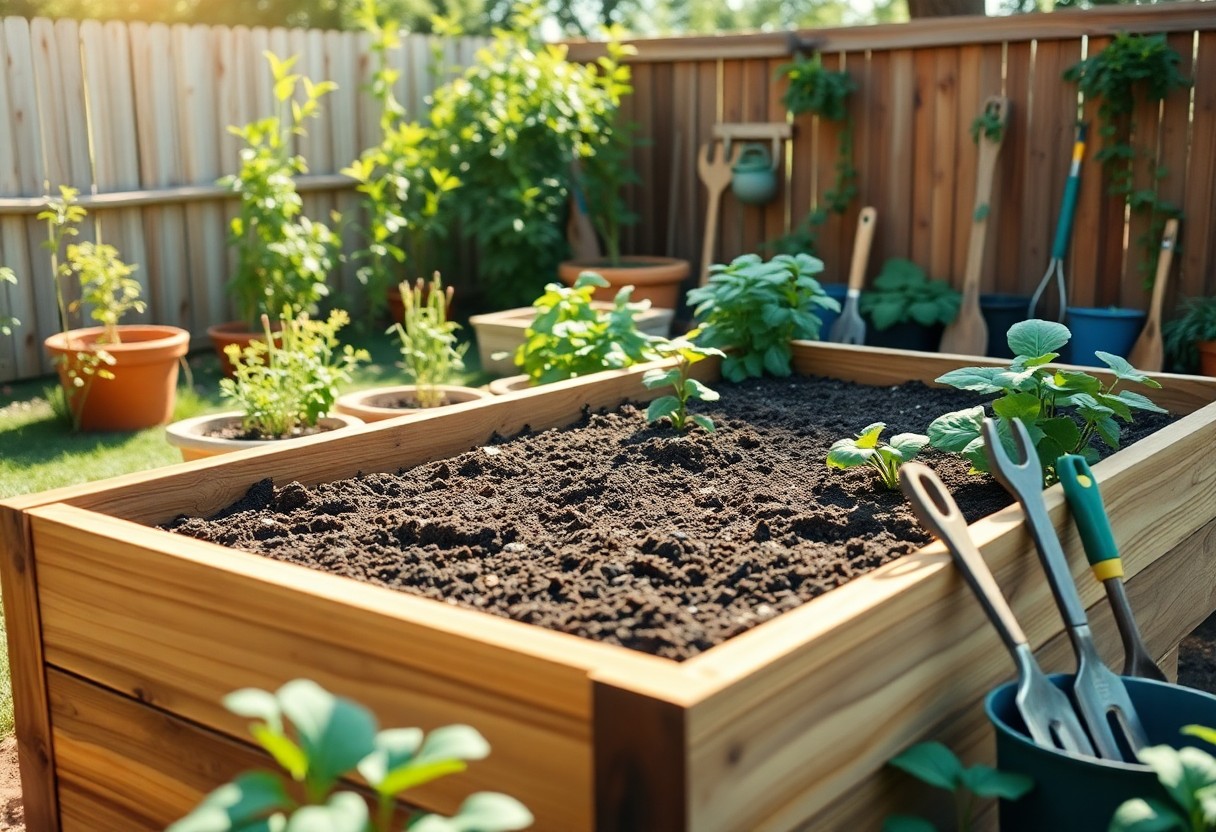
How to Build a Raised Garden Bed

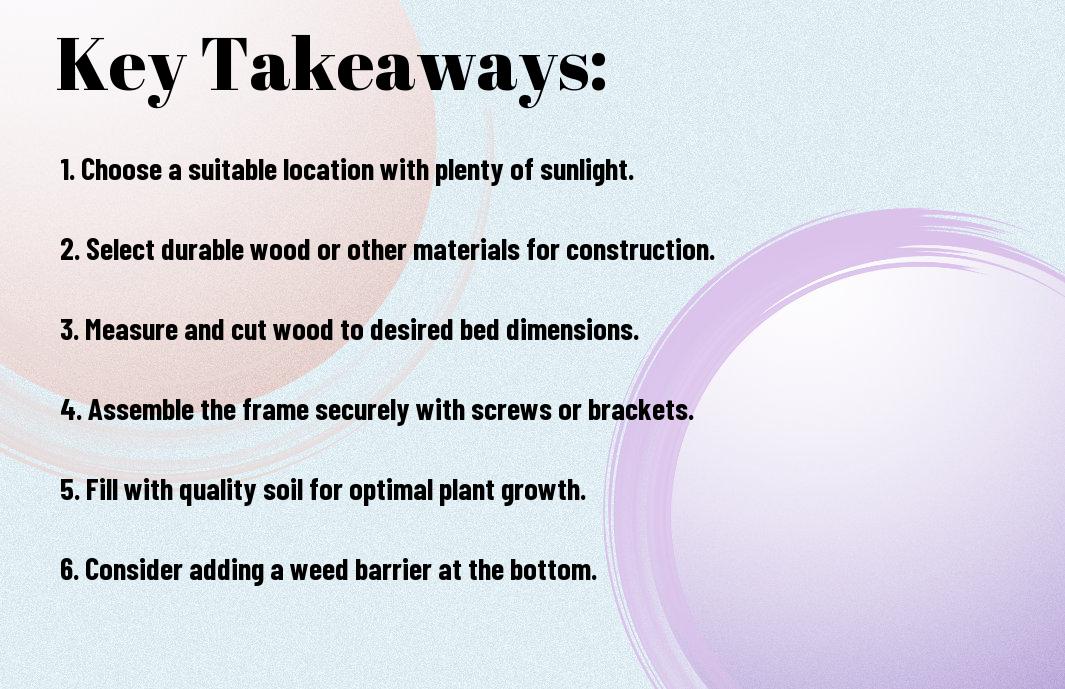
Key Takeaways:

To build a successful raised garden bed, consider the following points:

  • Choose the right materials, such as wood or composite, that are durable and can withstand various weather conditions.
  • Consider the drainage system to ensure that excess water can escape and prevent waterlogged soil, which can harm plants.
  • Plan the layout and size of the bed according to the space available and the type of plants you want to grow, taking into account their growth habits and spacing needs.

Planning Your Garden

Your garden’s success begins with careful planning, considering the space, sunlight, and purpose of your raised bed, allowing you to create a thriving oasis that brings you joy and fulfillment.

Choosing the Right Location

Gently survey your yard, taking note of the areas that receive the right amount of sunlight and are level, ensuring your raised bed will be situated in a spot that nurtures growth and serenity.

Selecting the Perfect Size and Shape

Amidst the excitement of planning, consider the space available and the style of your garden, allowing you to choose a size and shape that complements your outdoor space and meets your needs.

To determine the ideal size and shape, consider the types of plants you want to grow, the amount of time you have to maintain your garden, and the aesthetic you desire, guiding you to create a raised bed that is both functional and beautiful, reflecting your connection to nature.

Materials and Tools

There’s a list of necessary items you’ll need to build a raised garden bed, and it’s important to gather them before you start your project. You’ll need lumber, soil, and gardening tools to create a thriving garden.

Lumber and Soil Options

Among the many options for lumber, you’ll find that cedar and recycled plastic are popular choices for raised garden beds, as they are durable and resistant to rot. You’ll also need to select a type of soil that suits your plants’ needs, considering factors like drainage and nutrient content.

Essential Gardening Tools

One of the most important aspects of gardening is having the right tools, and for a raised garden bed, you’ll need a shovel, trowel, and rake to prepare and maintain the soil. These tools will help you create a beautiful and productive garden.

Soil preparation is just the beginning, and with your necessary gardening tools, you’ll be able to tend to your garden with ease, watering, weeding, and harvesting your crops as they grow, allowing you to connect with nature and enjoy the fruits of your labor, as you nurture your raised garden bed into a thriving oasis.

Building the Frame

Keep in mind that a sturdy frame is necessary for your raised garden bed. You can find inspiration and guidance on How to Build a Raised Garden Bed for Under $50 to help you get started.

Assembling the Frame

About to begin assembling the frame, you will need to gather all the necessary materials and tools, and lay out your design to ensure a seamless process.

Securing the Corners

After assembling the frame, you will need to secure the corners to provide stability and prevent the frame from shifting over time.

Due to the importance of a stable frame, you should take your time when securing the corners, making sure they are tight and even, allowing your raised garden bed to thrive in its new home, surrounded by nature’s beauty.

Filling and Planting

Now that your raised garden bed is built, you can start filling and planting it, just like you learned in our guide on How to Build Raised Garden Beds. You’re one step closer to enjoying your own homegrown produce.

Adding Soil and Compost

By following the basics of soil composition, you’ll be able to create a thriving environment for your plants, with a mix of topsoil, compost, and other nutrients to support healthy growth.

Planting Your Favorite Vegetables or Flowers

Below the surface of your carefully prepared soil, your seeds or seedlings will take root, and with proper care, will flourish into a vibrant and diverse garden, full of your favorite vegetables or flowers.

And as you plant, consider the unique needs of each variety, taking care to space them appropriately and provide the right amount of sunlight and water, allowing you to tend to your garden with the gentle touch of a nurturing spirit, coaxing life and beauty from the earth.

Maintenance and Care

All raised garden beds require regular maintenance to ensure optimal growth and health. You will need to check your bed regularly to ensure it is well-watered and free of debris.

Watering and Mulching

Along with proper drainage, watering and mulching are imperative for maintaining a healthy raised garden bed. You should water your plants when the soil feels dry to the touch, and add a layer of mulch to retain moisture and suppress weeds.

Managing Pests and Diseases

At the first sign of trouble, take action to manage pests and diseases in your raised garden bed. You should inspect your plants regularly for signs of damage or infection, and take steps to address any issues promptly.

Pests and diseases can quickly spread and damage your plants if left unchecked. You should consider using natural methods to control pests, such as introducing beneficial insects or using homemade pest sprays, and take steps to prevent the spread of disease, such as removing infected plants and improving air circulation around your bed.

Tips and Variations

Not all raised garden beds are created equal, and you can tailor yours to your needs. Consider the following:

  • using recycled materials
  • incorporating a self-watering system

. After you’ve built your bed, you can start planting and enjoying your harvest.

Adding Decorative Elements

With a few simple additions, you can turn your raised garden bed into a beautiful outdoor space. You can add a bench, a small fountain, or some solar-powered lights to create a welcoming ambiance.

Creating a Trellis or Arbor

By adding a trellis or arbor, you can provide support for climbing plants and add visual interest to your garden. You can use wooden or metal frames, and train your plants to grow up or across them.

Decorative elements like a trellis or arbor can enhance the beauty of your raised garden bed. As you build your trellis or arbor, consider the type of plants you want to grow, and choose a design that will complement their growth habits. You can also add other decorative elements, like a small gate or a decorative stone path, to create a unique and inviting space that reflects your personal style.

Final Words

On the whole, you have now learned to build a raised garden bed, cultivating your own slice of nature. As you tend to your garden, you will find solace in the simple act of nurturing your plants. Your hands will touch the earth, and your spirit will connect with the land. You will harvest not only fresh produce, but also a deeper appreciation for the beauty of simplicity and the joy of growing your own food.

FAQ

Q: What materials do I need to build a raised garden bed?

A: To build a raised garden bed, you will need several materials, including lumber for the frame, soil, compost, and a liner to prevent weeds and retain moisture. The type of lumber you choose will depend on your budget and personal preferences, but popular options include cedar, recycled plastic, and composite materials. You will also need a variety of tools, such as a saw, drill, and hammer, to assemble the frame and prepare the soil.

Q: What is the ideal size for a raised garden bed?

A: The ideal size for a raised garden bed will depend on the space available and the type of plants you plan to grow. Generally, a bed that is 4-6 feet wide and 8-12 feet long is a good size, as it allows for easy access and can accommodate a variety of plants. However, you can build a raised bed to fit any size or shape you need, from a small herb garden to a large vegetable garden. Consider the mature size of the plants you want to grow and leave enough space for proper air circulation and growth.

Q: How high should my raised garden bed be?

A: The height of your raised garden bed will depend on your personal preferences and the type of plants you plan to grow. A height of 6-8 inches is a good starting point, as it provides enough depth for roots to grow and makes it easy to access the bed. However, if you plan to grow deep-rooted plants, such as carrots or potatoes, you may want to build a taller bed, up to 12 inches high. Consider the mobility and accessibility needs of the gardeners who will be using the bed, as well.

Q: What type of soil should I use in my raised garden bed?

A: The type of soil you use in your raised garden bed will depend on the type of plants you plan to grow and the climate you are in. A well-draining mix of topsoil, compost, and perlite or vermiculite is a good starting point, as it provides a balance of nutrients and water-holding capacity. You can also add organic matter, such as manure or peat moss, to improve the soil’s structure and fertility. Consider getting a soil test to determine the pH and nutrient levels of your soil and adjust accordingly.

Q: How do I maintain my raised garden bed over time?

A: To maintain your raised garden bed over time, make sure to water and fertilize your plants regularly, and add organic matter to the soil as needed. You should also mulch around the plants to retain moisture and suppress weeds, and consider using a trellis or other support system for climbing plants. Additionally, check the bed regularly for signs of pests or diseases, and take action promptly if you notice any problems. By following these tips, you can keep your raised garden bed healthy and productive for years to come.

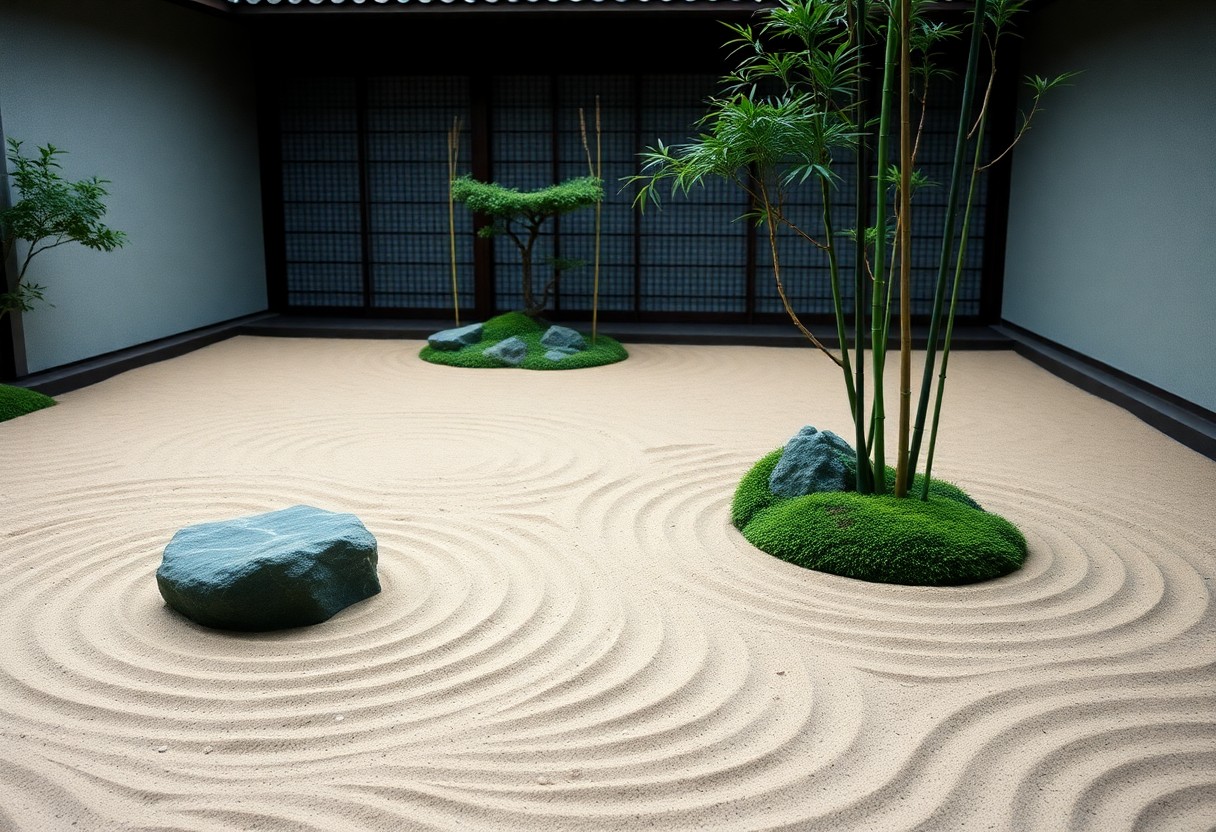
How to Create a Zen Garden at Home

As you seek to cultivate a sense of serenity in your life, you may find yourself drawn to the tranquil beauty of a Zen garden. You can bring this peace to your own backyard by creating a space that reflects the simplicity and harmony of nature. Your journey begins with a willingness to slow down and connect with the natural world, allowing you to design a garden that nourishes both body and soul. You will begin on a path to create a haven of calm, inspired by the principles of Zen design.

Key Takeaways:

To create a serene and peaceful outdoor space, consider the following points when designing your Zen Garden at home:

  • Choose a location with a calm and quiet atmosphere, away from noisy areas, to maximize the meditative benefits of your garden.
  • Select plants and decorations that promote a sense of serenity, such as bamboo, moss, and stone features, to create a harmonious and balanced environment.
  • Incorporate a water feature, such as a small pond or fountain, to add a soothing sound element to your Zen Garden, enhancing the overall relaxing ambiance.

    Planning

    The first step in creating a Zen garden at home is to envision the space. You will be designing a serene oasis that reflects your inner peace, so take your time to consider the elements that will bring you tranquility.

    Determining the Space

    Across your property, you will find a spot that calls to you, a place where you can sit and unwind. You will look for a location that receives the right amount of sunlight and shade, and is secluded from noise and distractions.

    Choosing the Theme

    After considering your personal style and the natural surroundings, you will select a theme for your Zen garden. You will think about the types of plants, stones, and water features that will create a sense of harmony and balance in your outdoor space.

    Theme selection is a personal and creative process, and you will have many options to choose from. You will consider the traditional Japanese styles, such as the tea garden or the dry garden, or you will create your own unique theme that reflects your personality and connection to nature. As you choose your theme, you will think about the colors, textures, and elements that will create a sense of calm and serenity in your Zen garden, and how you will use these elements to design a space that nurtures your mind, body, and spirit.

    Design

    There’s no need to be a master gardener to create a serene oasis. You can find guidance on designing your Zen garden at How to Create a Zen Garden: 7 Steps (with Pictures) to help you get started.

    Selecting Plants and Features

    Between the various elements, you’ll want to choose plants and features that promote a sense of calm, such as moss, stones, and small water features, to create a peaceful ambiance in your garden.

    Creating a Balanced Layout

    After selecting your plants and features, you’ll need to arrange them in a way that creates harmony and balance, allowing you to move freely and comfortably through your garden.

    For instance, you might place larger elements, like stones or trees, in a way that guides your eye through the garden, while smaller elements, like moss or flowers, add texture and interest to the space, inviting you to slow down and appreciate the simple beauty of nature. As you design your Zen garden, consider how you can use these elements to create a sense of balance and tranquility, allowing you to cultivate a deeper connection with the natural world.

    Preparation

    For a serene and peaceful outdoor space, you’ll want to start by exploring ideas that inspire your vision, such as the 20 Zen Garden Ideas to Help You Unwind. This will guide your design and help you create a harmonious atmosphere.

    Gathering Materials and Tools

    Before you begin, gather the necessary materials and tools, considering the size and style of your garden, to ensure a smooth and enjoyable process as you bring your vision to life.

    Preparing the Site

    Below the surface of your yard, lies an opportunity to create a tranquil oasis, starting with a thoughtful preparation of the site, where you’ll shape the land and lay the foundation for your Zen garden.

    Preparation of the site involves carefully clearing the area, considering the drainage and sunlight, and envisioning how you’ll use the space, allowing you to create a peaceful retreat that reflects your connection with nature, and as you work, you’ll find that the process itself becomes a meditative experience, inviting you to slow down and appreciate the simple beauty of the natural world around you.

    Construction

    Keep your design plans in mind as you begin building your Zen garden. Consider the space and materials you have available to create a serene atmosphere.

    Building the Garden Structure

    Besides the aesthetic appeal, the structure of your garden should be functional and simple, allowing you to move freely and focus on the present moment, as you carefully craft your outdoor sanctuary, you.

    Installing the Features

    Toward the end of your construction process, you will be installing the features that bring your Zen garden to life, such as a small pond or a bench, to create a sense of tranquility in your space.

    Among the features you install, consider the sounds and textures that will enhance your experience, such as the gentle trickle of water or the softness of moss beneath your feet, as you sit in stillness, surrounded by the beauty of nature, you will find peace in your carefully crafted Zen garden, and your spirit will be nourished by the simplicity and serenity that surrounds you.

    Maintenance

    Once again, your Zen garden’s beauty relies on your attention to detail, as regular upkeep ensures its tranquility and harmony.

    Caring for Plants and Water Features

    Amidst the serene landscape, you’ll tend to your plants and water features, pruning and cleaning to maintain balance and prevent decay.

    Ensuring a Peaceful Atmosphere

    Afterwards, you’ll find that your garden’s ambiance is equally dependent on the sounds and scents surrounding it, so consider the role of wind chimes and fragrant flowers.

    This thoughtful approach to your Zen garden’s atmosphere will allow you to cultivate a sense of calm, as you carefully select elements that promote stillness and quiet contemplation, inviting you to step into a world of serenity, where your spirit can unwind and connect with nature.

    Enhancement

    Despite the simplicity of a Zen garden, you can enhance its beauty with thoughtful additions. You’ll find that subtle embellishments can elevate your space, creating a deeper sense of tranquility and connection to nature.

    Adding Decorative Elements

    Above all, consider the overall aesthetic you wish to achieve, and select elements that complement your garden’s natural beauty. You might add a small stone lantern, a tranquil water feature, or a few carefully placed stones to create a sense of balance and harmony.

    Incorporating Mindful Practices

    Integrating mindful practices into your Zen garden experience will enrich your connection to the space. You can start by simply sitting in stillness, paying attention to your breath, and observing the surroundings without judgment, allowing yourself to fully immerse in the present moment.

    It is in these moments of quiet contemplation that you’ll discover the true essence of your Zen garden, a space that invites you to slow down, let go of distractions, and cultivate a deeper sense of awareness and inner peace, as you tend to your garden and nurture your own growth, you’ll find that the boundaries between yourself and nature begin to dissolve, and a sense of unity and harmony emerges.

    Conclusion

    Conclusively, as you commence on creating your Zen garden, you will find solace in the simple, contemplative space you are crafting. You will shape your outdoor sanctuary, carefully selecting each element to evoke a sense of calm, allowing your spirit to unwind amidst the serene beauty of your creation, and in doing so, you will bring a touch of tranquility to your life.

    FAQ

    Q: What is the first step in creating a Zen garden at home?

    A: The first step in creating a Zen garden at home is to choose a location that is quiet, peaceful, and ideally receives partial shade to full sun, depending on the types of plants you plan to use. Consider the size of your space and the style you want to achieve, whether it’s a small, intimate area or a larger, more expansive garden. Ensure that the area is level and clear of debris before starting your design.

    Q: What types of plants are best suited for a Zen garden?

    A: For a traditional Zen garden, it’s best to use plants that are native to Japan or have a similar aesthetic. Mosses, grasses, and groundcovers like thyme or sedum are excellent choices because they are low-maintenance and can thrive in a variety of conditions. Trees like bonsai, Japanese maple, or cherry blossom can add a striking focal point, while flowering plants like azaleas or rhododendrons can introduce bursts of color. Choose plants that fit your climate and the level of care you can provide.

    Q: How do I incorporate decorative elements into my Zen garden?

    A: Decorative elements can greatly enhance the tranquility and visual appeal of your Zen garden. Natural stone, gravel, or sand are commonly used as ground cover and can be raked into intricate patterns to add a sense of calm. Consider adding a water feature, such as a small pond or fountain, to introduce the soothing sound of water. Statues, lanterns, and stepping stones can also be used to create a serene and contemplative atmosphere. Keep the design simple and uncluttered to maintain the essence of a Zen garden.

    Q: How should I maintain my Zen garden to keep it looking its best?

    A: Maintenance of a Zen garden involves regular upkeep to preserve its serene beauty. This includes pruning plants to maintain shape and promote healthy growth, raking gravel or sand to maintain patterns and prevent weeds, and ensuring that water features are clean and functioning properly. Seasonal cleanup and occasional fertilization of plants can also be necessary, depending on the species and climate. The act of maintenance itself can be a meditative and fulfilling part of the Zen garden experience.

    Q: Can I create a Zen garden in a small or indoor space?

    A: Yes, you can create a Zen garden in a small or indoor space. For small outdoor spaces, consider using containers or a small section of your yard dedicated to your Zen garden. Choose compact or dwarf varieties of plants and keep the design simple. For indoor spaces, you can create a mini Zen garden using a shallow container filled with sand, small rocks, and a few carefully selected plants that thrive indoors, such as mosses or small succulents. This can be a wonderful way to bring a touch of serenity into your home or office, even in the smallest of spaces.

Opaye Skip to content