You stand in your yard, gazing at the plain fence that surrounds it. You want to add some life to this barren space. With a few simple steps, you can transform your fence into a lush oasis. You’ll learn how to choose the right plants, train them to climb, and maintain their beauty. Your fence will soon be a vibrant backdrop for your outdoor living space, inviting you to relax and enjoy nature’s splendor.
Key Takeaways:
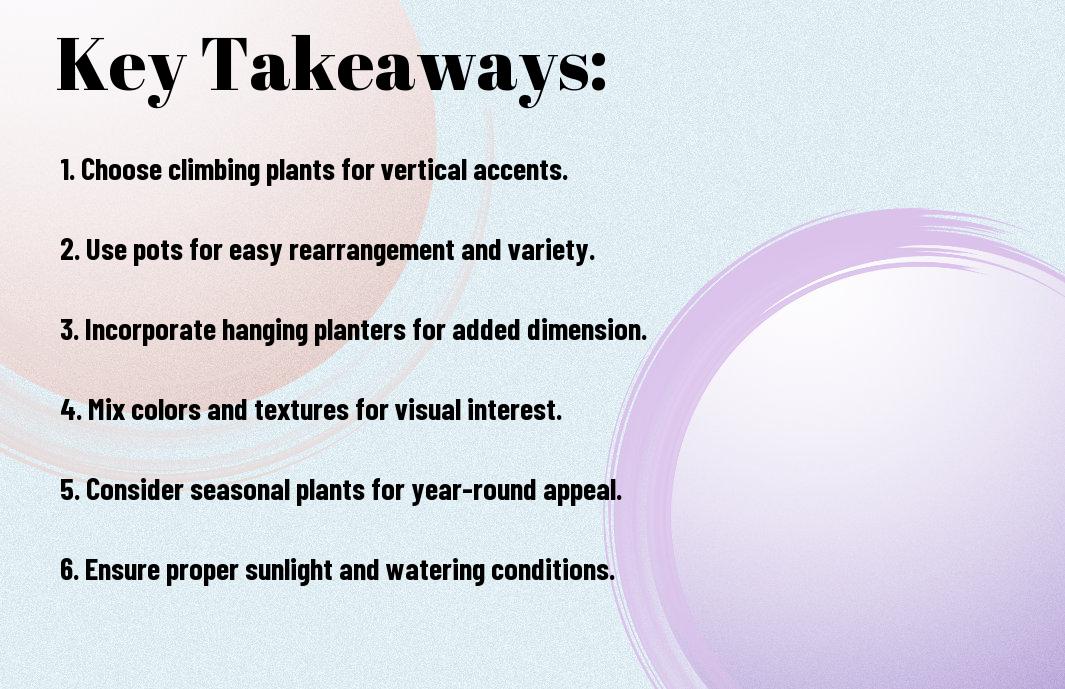
To enhance the beauty of your outdoor space, consider the following points when decorating your fence with plants:
- Choose climbing plants like ivy or clematis to cover your fence, adding a touch of nature and beauty to your yard.
- Select flowering plants or shrubs that match your desired color scheme and climate to create a visually appealing display.
- Use hanging baskets or planters to add dimension and variety to your fence, allowing you to showcase your favorite plants and create a unique outdoor landscape.
Choosing the Right Plants
Before you start decorating your fence, consider the climate and soil type in your area. You’ll want to choose plants that thrive in your local conditions, ensuring they’ll grow and flourish with minimal maintenance. This will help you narrow down your options and select the perfect plants for your fence.
Selecting Climbing Plants
Almost any climbing plant can be used to decorate your fence, such as roses, clematis, or ivy. You can train these plants to grow up your fence, adding a touch of elegance and beauty to your outdoor space.
Selecting Ground Cover Plants
Across the base of your fence, you can plant creeping thyme, sedum, or vinca minor. You can use these plants to create a lush, verdant carpet that spills out from beneath your fence, softening its edges and adding visual interest.
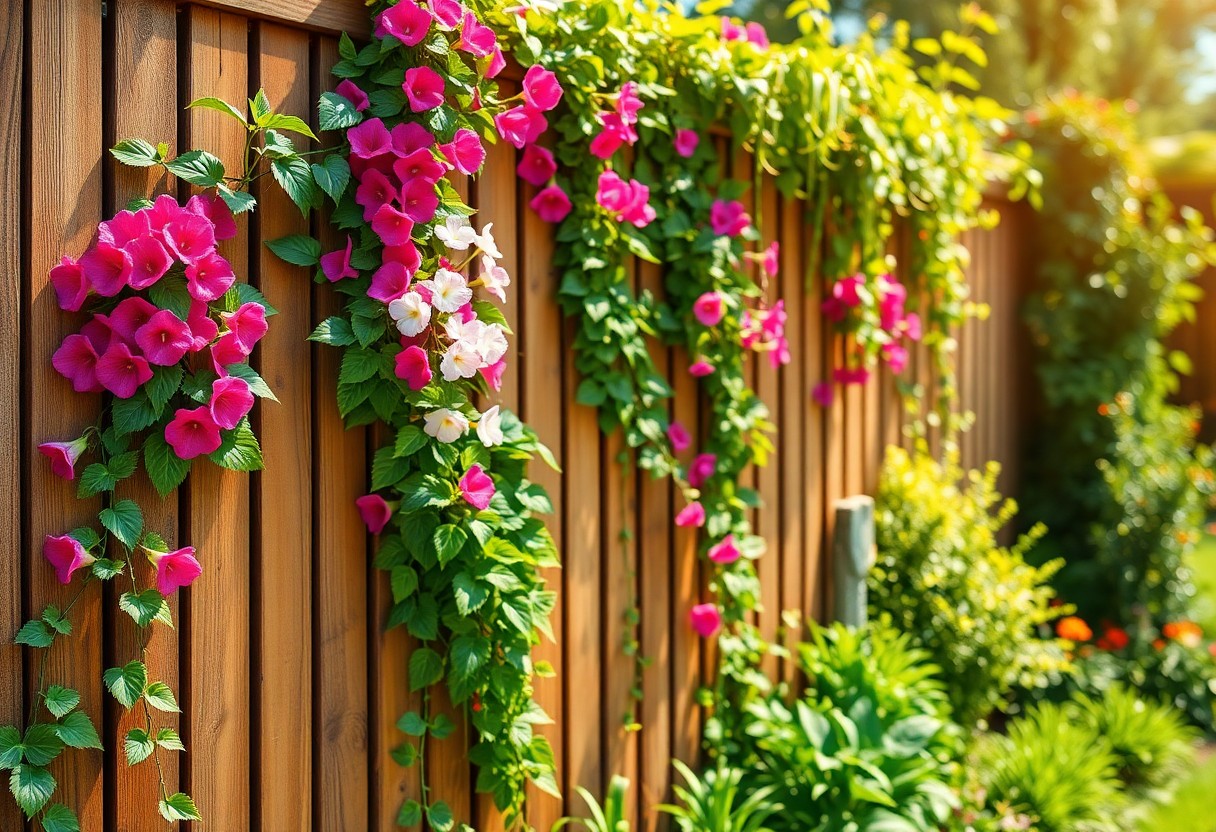
Climbing up your fence or spreading out at its base, your chosen plants will bring a new dimension to your outdoor space. You’ll find that with the right plants, your fence becomes a beautiful garden feature, rather than just a boundary marker. As you tend to your plants, you’ll appreciate the way they enhance your fence, and your entire yard.
Preparing Your Fence
One of the first steps in decorating your fence with plants is to assess its current state. Take a look at your fence and consider its material, height, and condition. For inspiration, check out 32 garden fence ideas for privacy and style to get an idea of what you can achieve. This will help you determine the best approach to decorating it.
Cleaning the Fence
Beneath the surface, your fence may be hiding dirt and grime. Start by giving it a good clean to create a solid foundation for your plants. Use a pressure washer or a scrub brush to remove any dirt or debris that may be accumulated on the fence.
Adding Support Structures
Preparing your fence for plants may also involve adding support structures such as trellises or arbors. You’ll need to attach these to your fence to provide a framework for your plants to grow on.
Your support structures will play a key role in the overall look and feel of your fence. You can choose from a variety of materials, such as wood or metal, and styles to match your fence and the plants you’ve selected. Make sure to securely attach the structures to your fence to ensure they can support the weight of the plants and any additional decorations you may add.
Planting and Arranging
Despite the variety of plants you can use, choosing the right ones for your fence is key. You’ll want to select plants that thrive in your climate and fit your desired aesthetic.
Planting Vines and Climbers
Above all, you’ll need to provide support for your vines and climbers as you plant them. You’ll be training them to grow up your fence, so make sure it’s sturdy enough to hold their weight.
Arranging Containers and Planters
The next step is to arrange your containers and planters in a way that complements your fence. You’ll want to balance size, color, and texture to create a visually appealing display.
Hence, as you arrange your containers and planters, consider the overall look you want to achieve. You’ll want to create a cohesive design that ties in with your fence and the rest of your outdoor space, so take your time and experiment with different layouts until you find one that works for you.
Maintaining Your Living Fence
Once again, you’ll need to put in some work to keep your living fence looking its best. You’ll want to establish a routine to ensure your plants stay healthy and thrive.
Watering and Irrigation
The key to a lush living fence is proper hydration. You should water your plants regularly, taking care not to overwater, which can lead to root rot and other problems.
Pruning and Grooming
Maintaining a neat and tidy appearance requires regular pruning and grooming. You’ll need to trim back overgrown branches and remove any dead or diseased plants to keep your fence looking its best.
Irrigation systems can be a big help, but you’ll still need to keep an eye on your plants. You’ll want to prune your plants at the right time, usually during the dormant season, to promote healthy growth and prevent damage to your fence.
Adding Decorative Elements
Keep your fence decor simple, yet effective. Add a few statement pieces to elevate your outdoor space. You can use planters, trellises, or other decorative elements to create a unique look.
Using Outdoor Decorations
Across the top of your fence, you can hang outdoor decorations like wind chimes or sculptures to add visual interest. You can also place decorative planters or vases along the fence line to create a beautiful display.
Incorporating Lighting
Above the foliage, string lights or lanterns can be placed to highlight your plants and create ambiance. You can wrap lights around the fence posts or along the top of the fence to create a warm glow.
It is easy to install solar-powered lights, which are a great option for your fence. You can place them along the fence line, and they will charge during the day, providing a soft light at night, making your fence a beautiful focal point in your yard.
Troubleshooting Common Issues
Now that you’ve decorated your fence with plants, you may encounter some problems. You’ll need to identify and fix them to keep your fence looking its best.
Dealing with Pests and Diseases
Along with the beauty of plants comes the risk of pests and diseases. You’ll need to inspect your plants regularly and take action if you notice any issues.
Solving Structural Problems
Issues with your fence’s structure can affect the health of your plants. You’ll need to check your fence for any damage or weaknesses and make repairs as needed.
Due to the weight and moisture of plants, your fence may be more prone to damage. You should regularly inspect your fence posts, boards, and supports to ensure they are secure and sturdy, making any necessary repairs to prevent further damage and keep your plants thriving.
Final Words
Drawing together the threads of this guide, you’ve learned how to decorate your fence with plants. You can now enhance your outdoor space with a touch of green. For more inspiration, visit 30 Decorative Garden Fence Ideas to discover new ways to beautify your fence and make your yard shine, making your outdoor area a reflection of your personal style, with your unique touch.
FAQ
Q: What types of plants are best for decorating a fence?
A: When considering decorating your fence with plants, the options are vast. Climbing plants such as ivy, clematis, and roses are popular choices as they can grow up the fence, covering it beautifully. For a more vibrant look, consider flowering plants like morning glories or sweet peas. If you prefer something less maintenance, succulents and shrubs can add a touch of greenery without requiring frequent watering or pruning.
Q: How do I prepare my fence for planting?
A: Preparing your fence for planting involves a few simple steps. First, ensure your fence is sturdy enough to support the weight of the plants and any additional decorative elements. Next, clean the fence to remove any dirt or debris that might interfere with plant growth. If your fence is made of a material that doesn’t support plant growth directly, such as metal or vinyl, consider attaching a trellis or a planter box to it. Finally, check the fence’s condition and make any necessary repairs before proceeding with the decoration.
Q: What is the best way to attach plants to a fence?
A: Attaching plants to a fence can be done in several ways, depending on the type of plant and fence you have. For climbing plants, you can use a trellis or a mesh screen attached to the fence for them to climb on. For potted plants, hanging baskets or planter boxes can be screwed or nailed into the fence. Make sure the method you choose does not damage the fence and provides adequate support for the plant as it grows.
Q: How often should I water and maintain the plants on my fence?
A: The watering and maintenance schedule for your fence plants depends on the type of plants you’ve chosen. Generally, plants on a fence need regular watering, especially during hot summer months. Check the soil moisture by inserting your finger into the soil up to the first knuckle; if the soil feels dry, it’s time to water. Additionally, fertilize your plants periodically to ensure they receive the necessary nutrients for healthy growth. Pruning is also important to keep the plants looking their best and to encourage new growth.
Q: Can I decorate my fence with plants in shady areas?
A: Yes, you can definitely decorate your fence with plants even in shady areas. Choose plants that thrive in shade, such as ferns, hostas, or astilbe. These plants come in a variety of textures and colors and can add depth and beauty to your fence line. Consider the amount of shade your fence receives and select plants accordingly. Some plants tolerate partial shade, while others prefer full shade. Proper maintenance, including watering and fertilizing, will help keep your shade-loving plants healthy and flourishing.