design

How to Add Texture to Your Outdoor Space

You step out into your yard, and the space feels flat, like a canvas waiting for brushstrokes of depth. Your outdoor area yearns for dimension, for tactile elements that invite touch and exploration. As you look around, you consider the possibilities: rough-hewn wood, soft grasses, and vibrant flowers. You envision a space that’s richly layered, where your senses come alive with every step, and every glance. Now, you’re ready to add texture, to transform your outdoor space into a sensory haven.

Key Takeaways:

To enhance your outdoor space, consider the following points:

  • Adding planters and greenery can introduce different textures and dimensions to your outdoor area, creating a visually appealing atmosphere.
  • Incorporating hardscapes such as stone or brick can add depth and contrast to your outdoor space, making it more inviting and interesting.
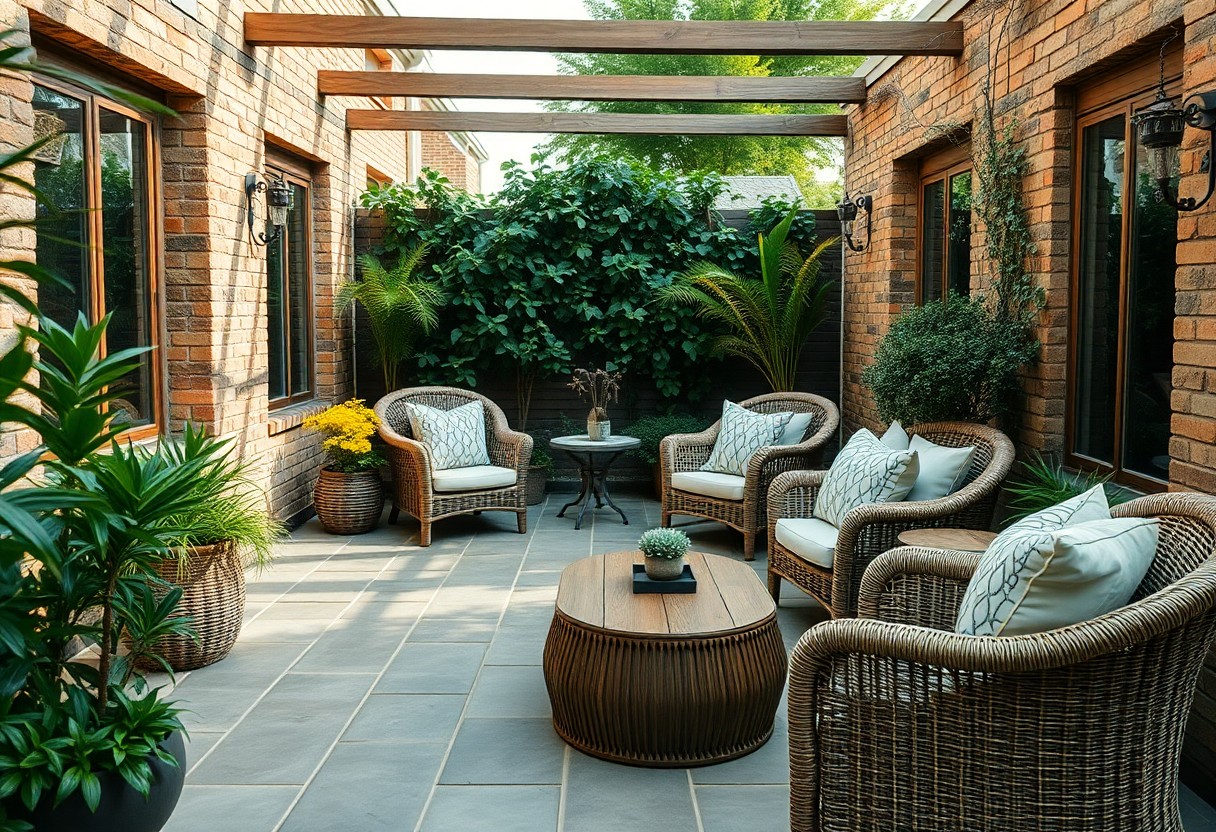
  • Using outdoor furniture with varying materials and patterns, such as wicker or rattan, can bring warmth and character to your outdoor space, making it feel more cozy and inviting.

    Adding Texture with Plants

    The addition of plants to your outdoor space can greatly enhance its texture. You can mix different species to create a unique blend of colors and textures, making your space more inviting.

    Native Plants and Grasses

    Around your yard, native plants and grasses can be used to add texture, providing a natural look that blends with the surroundings, allowing you to create a seamless transition between your outdoor space and the environment.

    Ornamental Plants and Flowers

    Beneath the sun, ornamental plants and flowers can add a pop of color and texture to your outdoor space, giving you the opportunity to express your personal style and create a unique ambiance.

    Grasses and other foliage can be combined with ornamental plants and flowers to create a layered, dimensional look, allowing you to experiment with different textures and colors, making your outdoor space a true reflection of your taste and personality.

    Incorporating Hardscapes

    Clearly, adding texture to your outdoor space can be achieved by incorporating hardscapes, which provide a solid foundation for your design. You can use various materials to create a unique and inviting atmosphere, enhancing your overall outdoor experience.

    Pavers and Stone

    Around every corner, you’ll find opportunities to incorporate pavers and stone, adding depth and visual interest to your outdoor space. You can use them to create pathways, patios, or retaining walls, bringing texture and variation to your landscape.

    Bricks and Concrete

    Behind your design choices, bricks and concrete can provide a solid backbone, offering a range of textures and colors to choose from. You can use them to create a cohesive look or mix and match for a more eclectic feel, adding character to your outdoor space.

    Concrete, in particular, can be molded and textured to fit your design, allowing you to create unique patterns and designs. You can stamp, stain, or etch concrete to add visual interest, making it a versatile choice for your hardscape needs, and allowing you to personalize your outdoor space to fit your style.

    Creating Contrast with Furniture

    Many outdoor spaces lack depth due to uniform furniture. You can add texture by mixing materials, as seen in 13 Ways to Use Color and Texture in Your Landscape Design. This approach creates visual interest and invites conversation.

    Wicker and Rattan

    The natural beauty of wicker and rattan furniture brings warmth to your outdoor space, adding a cozy texture that complements plants and flowers.

    Metal and Wood

    Woven metal and wood furniture offers a sleek, modern contrast, blending industrial and natural elements to create a unique atmosphere in your outdoor space.

    Consequently, as you explore metal and wood combinations, you’ll find that the key to success lies in balancing opposing textures. You can pair rough-hewn wood with smooth metal, or combine reclaimed wood with metallic accents, to create a space that reflects your personal style and invites you to linger.

    Utilizing Outdoor Rugs

    After selecting the perfect outdoor furniture, you can add warmth and texture to your space with outdoor rugs. They define different areas and bring a sense of comfort to your patio or deck.

    Natural Fiber Rugs

    Along with their unique textures, natural fiber rugs like sisal or jute add a touch of earthy charm to your outdoor space, blending seamlessly with the surrounding environment.

    Synthetic Rugs

    For a more durable and low-maintenance option, you can choose synthetic rugs that mimic the look of natural fibers, offering a wide range of styles and colors to complement your outdoor decor.

    And as you explore synthetic rugs, you’ll find they’re often made from recycled materials, resistant to fading, and easy to clean, making them a practical choice for your outdoor space, allowing you to enjoy your area without worrying about upkeep.
    Enhancing with Lighting

    Unlike other design elements, lighting can make or break your outdoor space’s ambiance. You can learn more about enhancing your space by checking out How To Integrate Texture, Color, And Dimension Into Your Outdoor Living Space to create a cohesive look.

    String Lights

    Lights that are strung up around your patio or deck can add a warm glow to your outdoor space, making it feel more inviting and cozy, allowing you to enjoy your evenings outdoors.

    Lanterns and Sconces

    Strings of lanterns or sconces can add a touch of elegance to your outdoor space, providing soft, warm lighting that highlights your textures and colors.

    Plus, lanterns and sconces come in a variety of styles and materials, allowing you to choose the perfect fit for your space, and with the right placement, you can create a warm and welcoming atmosphere that you’ll enjoy spending time in.

    Combining Elements

    Keep your outdoor space engaging by mixing different elements. You’ll create a unique atmosphere that invites relaxation and conversation.

    Mixing Materials

    Any combination of natural and synthetic materials will add depth to your space. You can pair wood with metal or stone with fabric to create a layered look.

    Balancing Texture and Color

    For a cohesive look, balance your textures with a thoughtful color palette. You’ll want to select colors that complement your textures, creating a visually appealing outdoor space.

    Considering the interplay between texture and color, you’ll find that certain textures pop against specific hues. You can use bold colors to accentuate smooth textures or mute bright colors with rougher textures, allowing you to experiment and find the perfect balance for your outdoor space.

    Summing up

    Considering all points, you’ve learned how to add texture to your outdoor space. You can now enhance your area with different elements. For more information, visit Adding Texture and Color to Outdoor Spaces to create a unique ambiance in your yard, making it your own haven. Your outdoor space will become a reflection of your style, inviting you to relax and enjoy nature.

    FAQ

    Q: What are the benefits of adding texture to my outdoor space?

    A: Adding texture to your outdoor space can enhance the aesthetic appeal and create a more inviting atmosphere. Texture can add depth, visual interest, and tactile experience to your outdoor area, making it more engaging and comfortable for relaxation and entertainment. By incorporating different textures, you can create a unique and personalized outdoor space that reflects your style and personality.

    Q: What are some ways to add texture to my outdoor space?

    A: There are several ways to add texture to your outdoor space, including incorporating natural elements like stone, brick, or wood, using outdoor rugs and mats, adding plants and greenery with varying foliage, and installing water features or fire pits. You can also use decorative elements like throw pillows, blankets, and wall hangings to add texture and visual interest to your outdoor furniture and decor.

    Q: How can I choose the right textures for my outdoor space?

    A: To choose the right textures for your outdoor space, consider the style and theme you want to achieve, as well as the climate and surroundings. For example, if you live in a coastal area, you may want to incorporate natural textures like driftwood or sea grass, while a desert landscape might call for more rustic textures like terra cotta or sandstone. You should also think about the functionality and durability of the textures you choose, as well as how they will withstand the elements.

    Q: Can I add texture to my outdoor space on a budget?

    A: Yes, you can add texture to your outdoor space without breaking the bank. Consider repurposing or upcycling items you already have, like old pallets or containers, to create unique textured elements. You can also shop for second-hand or discounted outdoor decor, or DIY your own textured elements using natural materials like pinecones, branches, or stones. Additionally, start small and focus on one area or element at a time to make the project more manageable and affordable.

    Q: How can I maintain and protect the textures in my outdoor space?

    A: To maintain and protect the textures in your outdoor space, make sure to clean and inspect them regularly, especially after harsh weather conditions. Use protective sealants or coatings to shield natural elements like wood or stone from the elements, and apply fabric protectants to outdoor textiles like rugs and upholstery. You should also consider storing fragile or sensitive textured elements during extreme weather conditions, like heavy rain or intense sunlight, to prevent damage and extend their lifespan.
How to Design a Garden With Fragrant Plants

As you step into your garden, you’re enveloped in a sensory experience, and fragrance plays a significant role in this delight. You can create a haven that tantalizes your senses with sweet scents and aromas. Your garden can be a masterpiece of fragrance, with plants that bloom at different times, filling the air with perfume. You’ll learn how to select and arrange fragrant plants to craft a beautiful, scent-filled oasis that invites you to linger and savor its beauty.

Key Takeaways:

To create a beautiful and aromatic outdoor space, consider the following points when designing a garden with fragrant plants:

  • Choose fragrant flowers and herbs that bloom at different times to ensure a constant stream of pleasant scents throughout the growing season.
  • Select plants with strong fragrances that are suitable for your climate and soil type to ensure they thrive and produce the desired aroma.
  • Consider the layout and placement of fragrant plants in your garden, placing them in areas where you will appreciate their scent the most, such as near seating areas or walkways.

Choosing Fragrant Plants

Your garden’s fragrance is a sensory delight, and selecting the right plants is key. For inspiration, visit Building a Fragrance-Focused Garden to discover the perfect blooms for your space.

Selecting Plants for Different Seasons

To create a garden that delights your senses year-round, choose plants that bloom at different times, ensuring a constant fragrance in your garden, and consider your personal preferences when selecting plants.

Considering Climate and Soil Conditions

Above all, think about the conditions in your garden, including the amount of sunlight and type of soil, when selecting fragrant plants, as this will affect their growth and fragrance.

Another important aspect to consider is the specific climate and soil conditions of your region, as some fragrant plants may thrive in your area while others may not, and you can choose plants that are native to your region or have similar conditions, and this will help you create a lush and fragrant garden that you will enjoy for years to come.

Garden Design Principles

While designing a garden with fragrant plants, you’ll want to consider the overall aesthetic you’re trying to achieve. Your garden should be a reflection of your personal style, and the principles of good design will help guide your decisions. Think about the shape and size of your garden, as well as the amount of sunlight and shade it receives.

Balancing Scent and Visual Appeal

For a beautiful and functional garden, you’ll need to balance the scent of your fragrant plants with their visual appeal. You can achieve this by selecting plants with attractive foliage, flowers, or textures that complement their fragrance, creating a multisensory experience for you and your guests.

Creating a Harmonious Color Scheme

An integral part of designing a garden with fragrant plants is creating a harmonious color scheme. You can select plants with blossoms or foliage in colors that complement each other, such as soft pastels, vibrant hues, or soothing greens, to create a visually appealing atmosphere in your garden.

Even as you focus on the fragrance of your plants, you’ll find that a well-designed color scheme can enhance your overall gardening experience. You can group plants by color, creating a gradient of hues that guide the eye through your garden, or choose a limited palette to create a sense of calm and serenity, allowing you to fully appreciate the scents and sounds of nature in your outdoor space.

Fragrant Plant Combinations

Despite the vast array of fragrant plants available, combining them thoughtfully can elevate your garden’s sensory experience. You can create a harmonious balance of scents by selecting plants that bloom at different times, ensuring a constant fragrance in your garden. This approach will allow you to appreciate the unique fragrance of each plant, while also discovering how they complement one another.

Pairing Plants for Maximum Fragrance

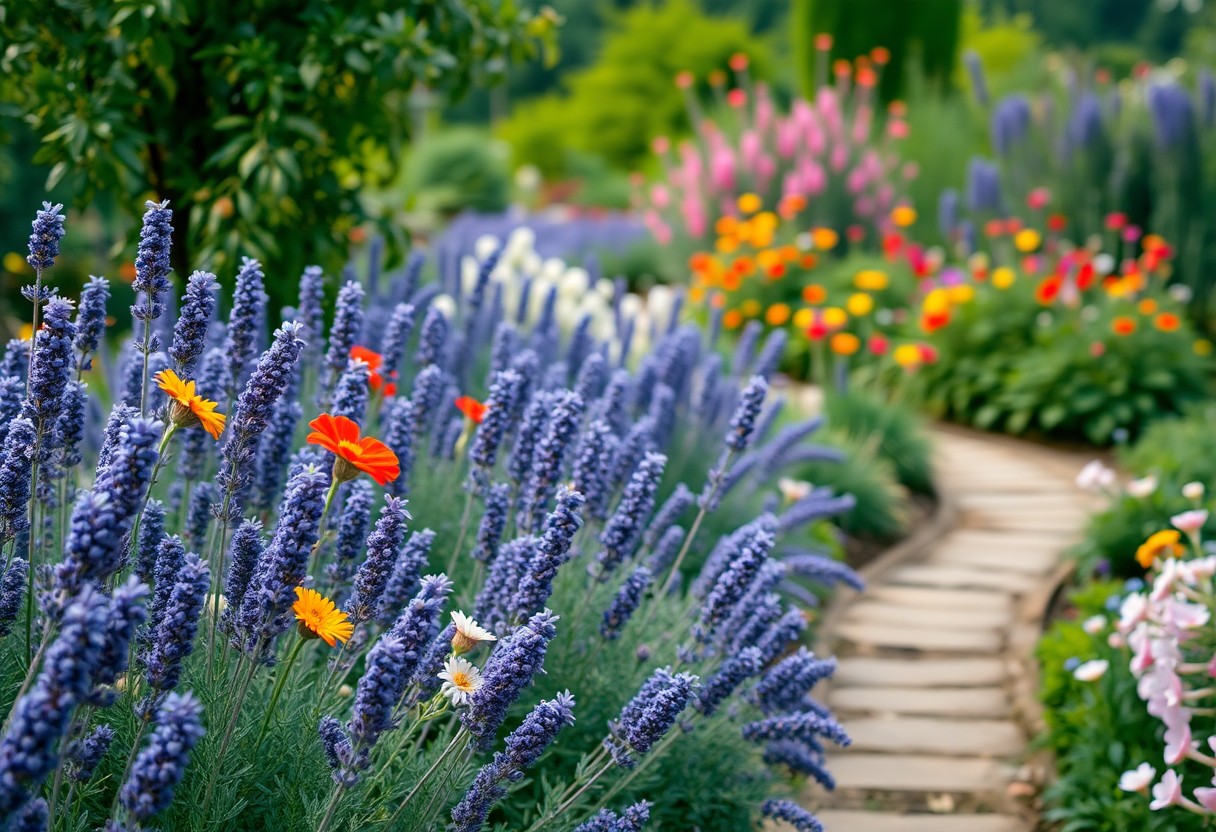
Around the garden, you’ll find opportunities to pair plants that enhance each other’s fragrance, such as roses and lavender, or jasmine and gardenias. You can place them in close proximity to create a beautiful, fragrant display that delights your senses.

Using Herbs and Flowers for Added Depth

Between the variety of herbs and flowers, you’ll discover a wealth of options to add depth and complexity to your fragrant garden. You can combine rosemary and thyme, or marjoram and chamomile, to create a unique and inviting scent that reflects your personal taste.

Combinations of herbs and flowers can be used to create a layered fragrance experience in your garden, with different scents emerging throughout the day. As you wander through your garden, you’ll discover the sweet fragrance of blooming flowers, followed by the pungency of herbs, creating a rich and dynamic sensory experience that you’ll cherish and enjoy.

Garden Layout and Structure

After considering the types of fragrant plants you wish to include, think about the overall layout and structure of your garden. You’ll want to create a harmonious balance between different elements, taking into account the mature size of your plants and the paths that will guide visitors through the space.

Designing Paths and Borders

To create a beautiful and functional garden, consider the shape and material of your paths and borders. You can use a variety of materials, such as brick, stone, or gravel, to define different areas and lead the eye through the garden, highlighting your fragrant plants along the way.

Incorporating Water Features and Seating Areas

At the heart of your garden, consider incorporating water features, such as a small pond or fountain, and seating areas where you can sit and enjoy the sights and scents of your fragrant plants. This will create a peaceful and inviting atmosphere, allowing you to fully appreciate the beauty of your garden.

Areas of rest and contemplation are necessary in a fragrant garden, as they allow you to pause and take in the heady aromas that surround you. As you sit by the water’s edge or on a bench, you can breathe in the perfume of your flowers and herbs, and let the stresses of everyday life drift away, surrounded by the serene beauty of nature.

Plant Care and Maintenance

Once again, your garden’s beauty and fragrance depend on proper care. To keep your fragrant plants thriving, you’ll need to consider pruning and deadheading, as well as managing pests and diseases.

Tips for Pruning and Deadheading

Plant your fragrant flowers with care, and when pruning, consider the following tips:

  • Prune in the morning
  • Use sharp tools

Any well-maintained garden will be a haven for you and your family.

Managing Pests and Diseases

Deadheading will keep your garden looking its best, but disposing of infected plants is also vital. You should inspect your plants regularly to prevent the spread of disease.

In addition, you will want to use organic methods to manage pests, such as introducing beneficial insects or using neem oil, to keep your garden healthy and thriving, allowing you to enjoy the beauty and fragrance of your plants for months to come, surrounded by the soothing scents and vibrant colors you have carefully cultivated.

Special Considerations

Not all fragrant plants are suitable for every garden, so you’ll need to consider factors like climate, soil type, and maintenance when selecting plants for your garden.

Incorporating Fragrant Plants into Small Gardens

The key to incorporating fragrant plants into small gardens is to choose compact varieties that won’t overwhelm the space, allowing you to enjoy their fragrance without sacrificing aesthetics in your garden.

Using Fragrant Plants for Wildlife Support

After selecting fragrant plants that attract pollinators and other wildlife, you can create a welcoming habitat in your garden, providing a haven for beneficial insects and animals that will thrive in your beautiful outdoor space.

This approach not only enhances the beauty of your garden but also supports the local ecosystem, as fragrant plants like lavender and rosemary provide a source of food and shelter for various species, allowing you to enjoy the sights and scents of nature while also contributing to the well-being of your environment, and you can take pride in your garden’s role in supporting the local wildlife.

Conclusion

On the whole, designing a garden with fragrant plants can be a delightful experience, and with these tips, you can create a sensory paradise in your own backyard. As you begin on this journey, you will find that your garden becomes a haven, filled with sweet scents and vibrant colors. For more inspiration, visit How to Create a Fragrant Garden to discover new ways to make your garden a fragrant oasis, tailored to your unique taste and style, and enjoy the beauty and tranquility it brings to your life.

FAQ

Q: What types of fragrant plants are suitable for a garden design?

A: When designing a garden with fragrant plants, consider including a variety of flowers, herbs, and shrubs that emit pleasant aromas. Some popular options include roses, lavender, jasmine, gardenias, and herbs like mint, basil, and rosemary. These plants can be selected based on their growth habits, bloom times, and fragrance intensity to create a dynamic and smellscape-rich garden experience.

Q: How do I choose the right fragrant plants for my garden’s climate and soil type?

A: To select fragrant plants that thrive in your garden, consider the specific climate, soil type, and amount of sunlight your garden receives. For example, plants like jasmine and gardenias prefer warmer temperatures and well-draining soil, while lavender and rosemary are more tolerant of dry conditions and can thrive in cooler climates. Research the specific needs of each plant to ensure they will flourish in your garden’s conditions.

Q: What is the best way to design a fragrant garden to maximize the scent experience?

A: To maximize the scent experience in your garden, consider designing a layered and diverse planting scheme. Plant fragrant flowers, herbs, and shrubs in close proximity to walking paths and seating areas, allowing the fragrances to waft up and envelop visitors. Incorporate a mix of plants with different bloom times and fragrance intensities to create a dynamic and engaging sensory experience throughout the growing season.

Q: Can I incorporate fragrant plants into an existing garden design, or do I need to start from scratch?

A: You can easily incorporate fragrant plants into an existing garden design by selecting plants that complement your current garden’s style and conditions. Consider adding a few fragrant herbs or flowers to containers or beds, or replacing non-fragrant plants with fragrant alternatives. This will allow you to enhance your garden’s sensory experience without completely overhauling the design.

Q: How do I maintain and care for fragrant plants in my garden to ensure they continue to thrive and emit fragrance?

A: To keep your fragrant plants thriving and emitting their signature scents, provide them with regular maintenance and care. This includes watering, fertilizing, and pruning as needed, as well as protecting them from extreme weather conditions and pests. Some fragrant plants, like herbs, may need to be harvested or pruned regularly to encourage new growth and prevent them from becoming leggy or losing their fragrance.

How to Add a Pop of Color to Your Garden

As you plan your garden’s design, you’re likely considering ways to make it visually appealing. You can achieve this by adding a pop of color, which can elevate your outdoor space and make it more inviting. For inspiration, you can visit the Design School: Using Color in the Garden to learn expert tips and tricks for incorporating vibrant hues into your garden’s landscape, helping you create a beautiful and unique space that reflects your personal style.

Key Takeaways:

To enhance your outdoor space with vibrant hues, consider the following points:

  • Adding a statement flower or a brightly colored plant can instantly elevate the visual appeal of your garden, creating a beautiful contrast with the surroundings.
  • Incorporating colorful decorations, such as painted planters or vibrant garden furniture, can add a pop of color and create a unique ambiance in your outdoor space.
  • Using multi-colored garden stones or colored Pebbles as a ground cover or decorative element can introduce subtle yet effective color accents to your garden, adding depth and visual interest.

Choosing the Right Color

While selecting a color scheme for your garden, you can find inspiration on websites such as How to Create a Colorful Garden, which offers a variety of ideas to get you started. You’ll want to consider the style and theme of your garden, as well as your personal preferences.

Selecting a Color Scheme

Scheming a color plan for your garden involves thinking about the overall aesthetic you want to achieve, and choosing colors that complement each other and your outdoor space. You can choose a monochromatic scheme, or mix and match different colors to create a unique look.

Considering the 60-30-10 Rule

Below the surface of a beautiful garden lies a well-planned color scheme, and the 60-30-10 rule can be a helpful guide. You can use this rule to balance your colors and create a harmonious palette, with 60% of your garden featuring a dominant color, 30% a secondary color, and 10% an accent color.

At this stage, you’ll need to think about how the different colors will work together, and how they’ll interact with the various elements of your garden, such as plants, accessories, and hardscaping. You can use the 60-30-10 rule as a starting point, and then adjust the proportions to suit your personal taste and the specific needs of your garden.

Adding Color with Flowers

The simplest way to add a pop of color to your garden is by planting a variety of colorful flowers. You can choose from a wide range of species, each with its unique bloom time and color palette, to create a vibrant display in your garden.

Annuals vs. Perennials

Behind the choice of flowers lies the decision between annuals and perennials, and you should consider which type suits your needs and preferences. You can opt for annuals that complete their life cycle in a year or perennials that come back year after year, offering a different displays of color.

Planting for Seasonal Interest

By planning your flowerbeds to bloom at different times, you can create a dynamic display of color that changes with the seasons. You can select flowers that thrive in spring, summer, or fall, ensuring your garden remains vibrant and interesting throughout the year.

It is also important to consider the specific growing conditions and maintenance needs of the flowers you choose, as this will affect their performance and your enjoyment of your garden. You can mix and match different species to create a unique and stunning display of color that reflects your personal style and complements your outdoor space.

Incorporating Colored Foliage

To add a pop of color to your garden, consider incorporating plants with vibrant foliage. This can be a great way to introduce color to your garden without relying solely on flowers.

Using Shrubs and Trees

For instant impact, choose shrubs and trees with brightly colored leaves, such as purple or golden varieties, to add depth and interest to your garden.

Adding Grasses and Groundcovers

About the right plants, you can select from a variety of grasses and groundcovers that offer colorful foliage, such as blue or red-toned options, to add texture and hue to your garden.

With these plants, you can create a layered and dynamic look in your garden, as they can be used to fill gaps, spill over edges, or create a lush carpet underfoot, allowing you to enjoy your garden’s vibrant colors from multiple angles and perspectives.

Creating a Colorful Hardscape

Keep your garden’s hardscape in mind when adding a pop of color, as it can greatly impact the overall aesthetic. You can add color through various elements, including pavers, stones, and painted or stained features, to create a vibrant and inviting atmosphere in your outdoor space.

Painting and Staining

Hardscaping elements like benches, fences, and planters can be revitalized with a fresh coat of paint or stain, allowing you to introduce your desired colors and create a unique look that reflects your personality and style.

Using Colored Pavers and Stones

By incorporating colored pavers and stones into your garden’s design, you can add visual interest and create a beautiful, one-of-a-kind hardscape that enhances your outdoor space and provides a pop of color.

Stones and pavers come in a wide range of colors and textures, giving you the freedom to choose the perfect combination to complement your garden’s existing features and add a touch of personality to your outdoor space, allowing you to create a unique and inviting atmosphere that you will enjoy for years to come.

Adding Decorative Elements

Despite the beauty of your garden’s natural elements, you can enhance its appeal by incorporating decorative elements that add a pop of color. This can be achieved through various methods, allowing you to personalize your outdoor space and make it more inviting.

Garden Ornaments and Statues

Across your garden, you can place vibrant ornaments and statues to create a unique visual experience. These decorative pieces can be made from various materials and come in different shapes, sizes, and colors, enabling you to choose the ones that best fit your garden’s style and theme.

Outdoor Furniture and Accessories

Between the plants and flowers, you can add outdoor furniture and accessories that introduce bold colors and textures to your garden. By selecting items like colorful cushions, rugs, and planters, you can create a cohesive look that reflects your personal taste and adds a pop of color to your outdoor space.

Decorative outdoor furniture and accessories can completely transform the ambiance of your garden, allowing you to enjoy your outdoor space even more. You can choose from a wide range of styles, materials, and colors to find the perfect pieces that complement your garden’s natural beauty and add the desired pop of color, making your garden a unique and inviting oasis that you will love spending time in.

Maintaining Your Colorful Garden

Not only is adding a pop of color to your garden important, but maintaining it is also vital to its overall appearance. You will need to perform regular tasks to keep your garden looking its best.

Deadheading and Pruning

Around the time your flowers start to fade, you should consider deadheading and pruning to promote new growth and keep your garden looking neat. You can use this opportunity to inspect your plants for any signs of disease or pests.

Fertilizing and Mulching

Feeding your plants with the right nutrients is crucial to their health and longevity. You can fertilize your plants regularly to give them a boost, and mulch around the plants to retain moisture and suppress weeds.

Deadheading your flowers and pruning your plants is just the beginning, fertilizing and mulching will take your garden to the next level. You will notice a significant difference in the health and appearance of your plants when you provide them with the right nutrients and care. Your garden will thrive, and the colors will be more vibrant than ever.

Conclusion

On the whole, you can easily add a pop of color to your garden by incorporating vibrant flowers, accessories, and furniture. You can choose colors that complement your garden’s style and your personal taste. By doing so, you will create a beautiful and inviting outdoor space that reflects your personality and adds curb appeal to your home. You will enjoy spending time in your garden, surrounded by the colors you love.

FAQ

Q: What is the best way to add a pop of color to my garden without overpowering the existing landscape?

A: To add a pop of color to your garden without overpowering the existing landscape, start by choosing a few statement pieces, such as a brightly colored planter or a vibrant bouquet of flowers. Consider the color palette of your existing plants, hardscaping, and outdoor decor, and select colors that complement or contrast with them in a harmonious way. You can also add colorful garden ornaments, such as sculptures or bird baths, to create a focal point in your garden.

Q: What types of plants are best for adding a pop of color to my garden, and how do I care for them?

A: Some of the best plants for adding a pop of color to your garden include annuals like petunias, marigolds, and zinnias, as well as perennials like hydrangeas, daylilies, and coneflowers. When caring for these plants, make sure to provide them with the right amount of sunlight, water, and nutrients. Check the specific care requirements for each plant, and deadhead or prune them regularly to encourage blooming and prevent overgrowth.

Q: How can I incorporate colorful outdoor furniture and decor into my garden design?

A: Adding colorful outdoor furniture and decor can be a great way to add a pop of color to your garden. Consider adding brightly colored cushions, pillows, or throws to your outdoor furniture, or incorporating colorful planters, vases, or sculptures into your garden design. You can also use colorful outdoor rugs, lanterns, or string lights to create a festive and inviting atmosphere in your garden.

Q: Can I use colorful garden accents, such as mulch or gravel, to add a pop of color to my garden?

A: Yes, using colorful garden accents like mulch or gravel can be a great way to add a pop of color to your garden. Colored mulch, such as red or black, can add a bold and dramatic touch to your garden beds, while decorative gravel or stone can add a pop of color and texture to your pathways and borders. Consider using a combination of different materials and colors to create a unique and visually interesting effect.

Q: How often should I update or change the colors in my garden to keep it looking fresh and exciting?

A: The frequency with which you update or change the colors in your garden will depend on your personal preferences and the specific needs of your plants. In general, it’s a good idea to update your garden seasonally, adding new plants, flowers, or decor to reflect the current season. You can also consider updating your garden more frequently, such as monthly or bi-monthly, to keep it looking fresh and exciting. Consider keeping a garden journal or taking photos of your garden to track its progress and plan for future updates.

The Best Ways to Use Bamboo in Landscaping

As you step into your garden, you’re met with a canvas of possibilities. You consider the gentle sway of grasses, the vibrant hues of flowers, and the soft rustle of leaves. Amidst this serene backdrop, you may find yourself drawn to the elegant, versatile bamboo. Your outdoor space can be transformed by this remarkable plant, and as you explore its uses, you’ll discover the unique charm it brings to your landscape, inviting you to weave its natural beauty into your own little slice of paradise.

Key Takeaways:

To effectively incorporate bamboo into your landscaping, consider the following points:

  • Using sustainable and durable bamboo for landscaping can add a unique touch to your outdoor space, while also providing environmental benefits such as soil erosion prevention and noise reduction.
  • Implementing ornamental bamboo species can enhance the aesthetic appeal of your landscape, offering a variety of colors and textures to choose from, and can be used as a privacy screen or windbreak.
  • Combining bamboo with other native plants and water features can create a low-maintenance and ecologically friendly landscape design that requires minimal care and upkeep, while still providing a beautiful and serene atmosphere.

Benefits of Bamboo in Landscaping

The incorporation of bamboo into your landscaping design can have a significant impact on the overall aesthetic and ecological balance of your outdoor space. You will find that bamboo offers a unique combination of durability, sustainability, and visual appeal.

Environmental Benefits

Eco-friendly and sustainable, bamboo is an excellent choice for landscaping, as it helps to maintain soil quality, prevent erosion, and support local wildlife, allowing you to create a thriving ecosystem in your own backyard.

Aesthetic Appeal

About the visual appeal of bamboo, you will discover that it adds a touch of natural elegance to your landscape, with its slender stems and delicate foliage creating a soothing atmosphere that invites relaxation and contemplation.

And as you explore the aesthetic potential of bamboo, you will find that it can be used to create a variety of striking features, from privacy screens and hedges to ornamental plantings and water features, allowing you to personalize your outdoor space and reflect your unique sense of style.

Types of Bamboo for Landscaping

If you’re considering bamboo for your landscape, you have several options to choose from. Some popular types include:

  • Clumping bamboo
  • Running bamboo
Type Description
Clumping Non-invasive
Running Invasive
Black Ornamental
Yellow Timber
Moso Shoots edible

Recognizing your climate and needs will help you choose the right type.

Clumping Bamboo

Befitting your landscape goals, clumping bamboo grows in tight clusters, making it a great choice for smaller spaces, and you can use it to create a natural screen or hedge.

Running Bamboo

Besides its beauty, running bamboo can be invasive, so you’ll need to take steps to contain it, such as planting it in a container or using a rhizome barrier to prevent its spread.

The running bamboo variety is one that you should approach with caution, as it can quickly take over your landscape if not properly managed, but with the right care, it can also provide a stunning display of feathery plumes and a soothing rustling sound in the breeze, making it a worthwhile addition to your outdoor space.

Bamboo Landscaping Ideas

After exploring the benefits of bamboo, you’ll want to incorporate it into your outdoor space, and there are many creative ways to do so, from hedges to water features, allowing you to experiment and find the perfect fit for your landscape.

Bamboo Gardens

Bountiful bamboo can be used to create a serene and natural oasis in your backyard, offering you a peaceful retreat from the hustle and bustle of daily life, where you can unwind and connect with nature.

Bamboo Screens

The tranquil ambiance of bamboo screens can add a touch of elegance to your outdoor space, allowing you to define different areas and create a sense of seclusion, perfect for relaxation or entertainment.

Understanding how to strategically place bamboo screens in your landscape is key to maximizing their potential, as you can use them to block unwanted views, reduce noise, or simply create a sense of intimacy, and by doing so, you’ll be able to enjoy your outdoor space even more, surrounded by the gentle rustle of bamboo.

Maintenance and Care

Once again, your bamboo landscaping requires attention to flourish, much like the gentle rainfall that nourishes the earth, sustaining the natural balance of your outdoor haven.

Watering and Irrigation

Among the crucial elements for your bamboo’s well-being is adequate hydration, as it thrives in moist environments, similar to its native habitats, where you can observe its resilience and vitality.

Pruning and Pest Control

Pest issues can arise if your bamboo is not properly maintained, so you must be vigilant in monitoring your plants, taking care to prevent infestations that might compromise their health, much like the delicate balance of nature.

For instance, as you inspect your bamboo, you notice the shoots that have grown intertwined, and with a gentle touch, you prune them, allowing the healthy stalks to breathe and receive the nourishing sunlight, while also keeping a watchful eye out for any signs of pests or disease that might threaten the well-being of your bamboo, much like a guardian of the natural world.

Bamboo in Different Climates

Not all climates are suitable for bamboo, but with the right variety, you can enjoy its benefits. For more information, visit Growing and Using Bamboo on the Homestead to learn about the best practices.

Tropical Climates

Bountiful bamboo grows rapidly in tropical climates, making it a great choice for your landscaping needs, as you can harvest it frequently.

Temperate Climates

After selecting a suitable variety, you can successfully grow bamboo in temperate climates, where it will thrive with proper care and maintenance, allowing you to enjoy its beauty.

Creative Uses for Bamboo

For a unique landscaping experience, you can explore various ways to incorporate bamboo into your design, as seen in the article How to Use Bamboo in Your Landscaping Project, which offers valuable insights to get you started.

Bamboo Furniture

Alongside your lush greenery, you can place handmade bamboo furniture, adding a touch of simplicity and elegance to your outdoor space, allowing you to sit amidst nature and unwind.

should be

Bamboo Lighting

Around your bamboo plants, you can creatively arrange soft lighting to highlight their beauty, creating a serene ambiance in your garden as the sun sets.

Bamboo lighting can be a fantastic way to enhance the beauty of your outdoor space, as you weave bamboo into lanterns or use it to create unique lamp shades, allowing you to enjoy your garden in the evenings, surrounded by the gentle glow of your bamboo lighting, which will undoubtedly bring a sense of tranquility to your landscape, as you sit in your bamboo-made chair, basking in the soft light.

Conclusion

Hence, as you begin on your landscaping journey, you will find that incorporating bamboo into your outdoor space can be a highly rewarding experience. You can use it to create natural screens, ornamental features, or even erosion control measures, allowing you to harmonize with nature and enhance your surroundings. By doing so, you will not only beautify your landscape but also contribute to a more sustainable environment, fostering a deeper connection with the natural world that surrounds you.

FAQ

Q: What are the benefits of using bamboo in landscaping?

A: Bamboo is a highly versatile and sustainable material that can add a unique touch to any landscape. It is durable, low-maintenance, and environmentally friendly, making it an excellent choice for landscaping. Bamboo can be used for a variety of purposes, including privacy screening, soil erosion control, and adding a decorative element to gardens and outdoor spaces.

Q: How can I use bamboo to create a natural screen or fence in my landscape?

A: Bamboo can be used to create a natural and attractive screen or fence by planting bamboo stalks closely together or by using bamboo panels. This can help to block unwanted views, reduce noise pollution, and add a touch of tropical charm to your outdoor space. You can also use bamboo fencing to create a unique and sustainable boundary for your property.

Q: Can I use bamboo to prevent soil erosion in my landscape?

A: Yes, bamboo is an excellent choice for preventing soil erosion due to its extensive root system. Bamboo roots help to hold the soil in place, preventing it from being washed or blown away. This makes bamboo an ideal choice for landscaping areas with steep slopes or heavy rainfall. By planting bamboo in these areas, you can help to stabilize the soil and prevent erosion.

Q: How do I incorporate bamboo into my garden design to add a decorative element?

A: Bamboo can be incorporated into your garden design in a variety of ways to add a decorative element. You can use bamboo stakes to support climbing plants, create a bamboo trellis or arbor, or use bamboo planters to add a touch of natural beauty to your garden. You can also use bamboo to create a unique water feature, such as a bamboo fountain or a bamboo-lined pond.

Q: How do I care for and maintain bamboo in my landscape?

A: Bamboo is relatively low-maintenance, but it does require some care to keep it looking its best. Make sure to plant bamboo in well-draining soil and full sun to partial shade. Water bamboo regularly, but avoid overwatering, which can lead to root rot. You should also fertilize your bamboo regularly and prune it annually to maintain its shape and promote healthy growth. With proper care and maintenance, bamboo can be a beautiful and sustainable addition to your landscape for years to come.

Skip to content