decorative

How to Create a Decorative Garden Border

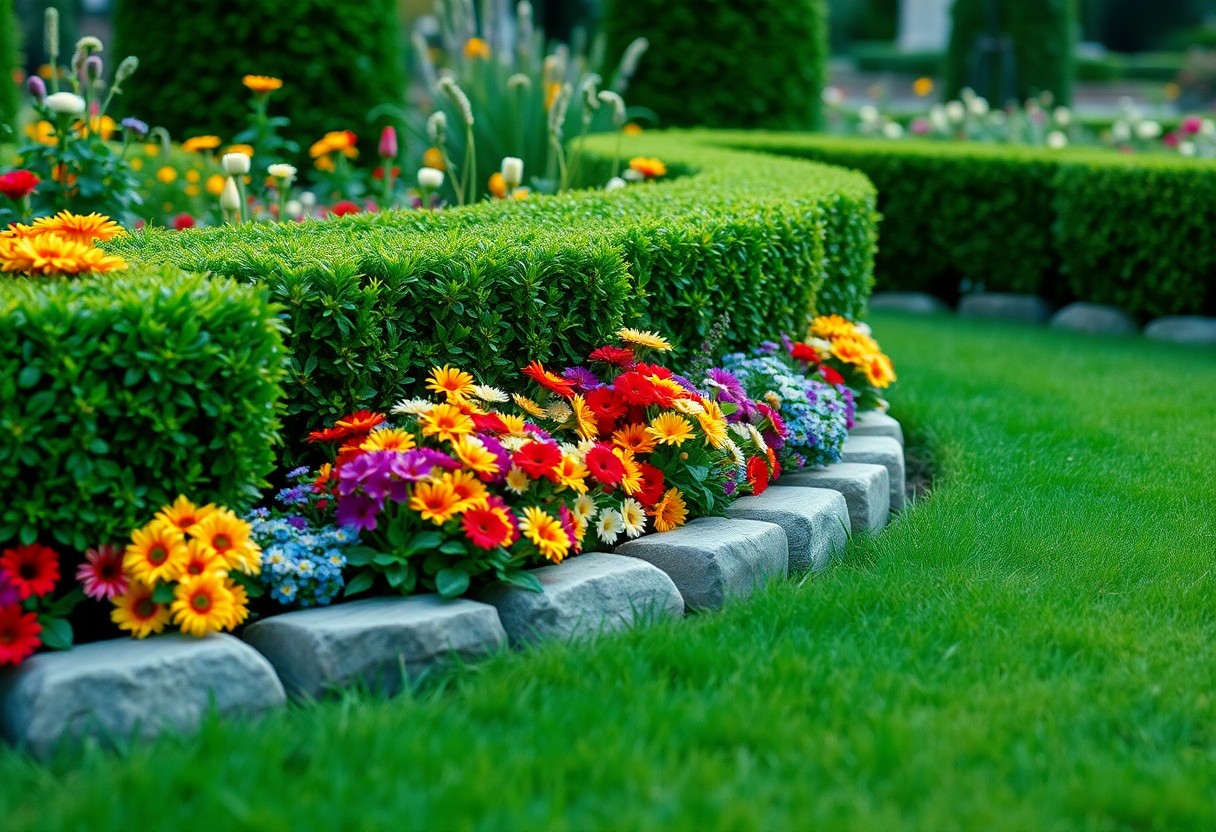
As you step into your outdoor space, you want to be surrounded by beauty and serenity. Your garden border is the perfect place to start, and with a few simple steps, you can transform it into a stunning focal point. You can use a variety of materials and plants to create a unique and elegant look that reflects your personal style, adding texture, color, and depth to your garden, making it a haven that you’ll enjoy for years to come.

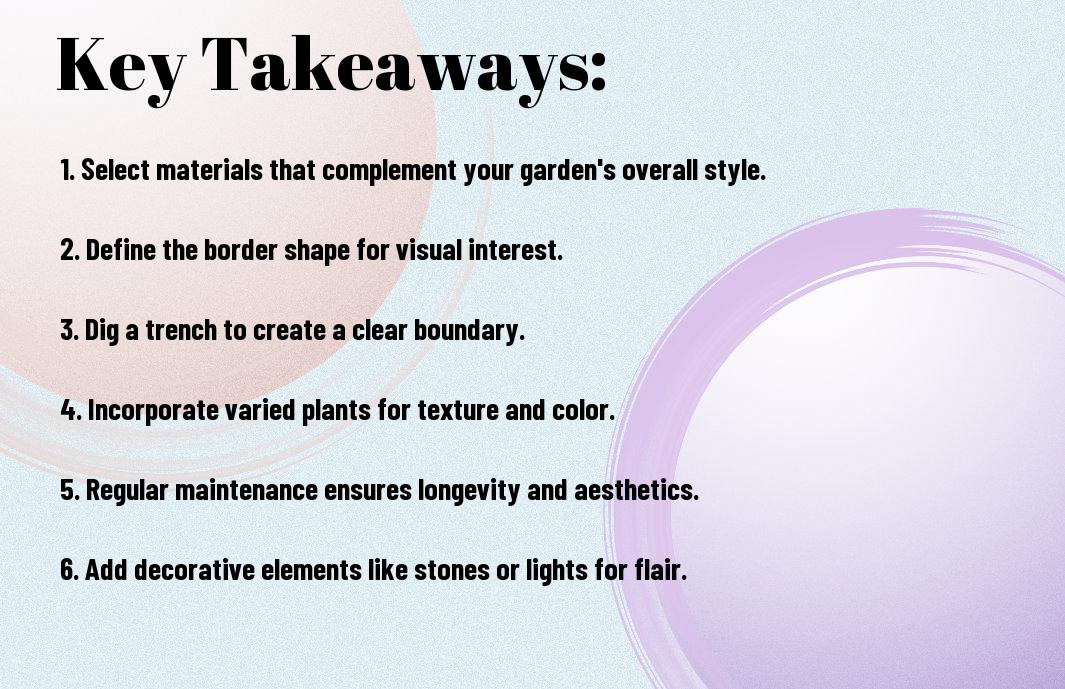
Key Takeaways:

To create a beautiful and functional decorative garden border, consider the following points:

  • Choose a theme that fits your personal style and the overall aesthetic of your garden, such as a formal or cottage style, to guide your plant and material selections.
  • Select a variety of plants with different textures, colors, and heights to add depth and visual interest to your border, and consider factors like sunlight and soil type when making your choices.
  • Use hardscaping materials like stones, bricks, or wood to define the edge of your border and add a decorative element, and consider adding ornamental features like statues or birdbaths to enhance the overall ambiance of your garden.

Planning Your Garden Border

Your garden border is an opportunity to add a personal touch to your outdoor space. You can create a beautiful and functional border with a little planning and creativity. Consider the style and theme you want to achieve, as well as the plants and materials you will use.

Assessing Your Space

Against the backdrop of your existing landscape, evaluate the area where you want to create your garden border. Consider the amount of sunlight, soil type, and drainage in the area, as these factors will influence your plant choices.

Choosing a Theme

Assessing your personal style and preferences, you can select a theme that reflects your taste and complements your home’s architecture. You may opt for a modern, traditional, or whimsical theme, depending on your desired aesthetic.

In fact, choosing a theme is an exciting part of the process, as it allows you to express your creativity and vision. You can draw inspiration from various sources, such as nature, art, or architecture, to create a unique and beautiful garden border that reflects your personality and style, and enhances your outdoor space, making it a lovely retreat for you to enjoy.

Selecting Border Materials

Some of the most beautiful garden borders start with the right materials, and you can find inspiration online, such as on 37 Garden Edging Ideas To Dress Up Your Landscape Designs, to help you choose the perfect elements for your outdoor space.

Plants and Flowers

Besides the physical borders, you will want to select plants and flowers that complement your garden’s style and your personal taste, considering factors like color, texture, and growth habits to create a stunning display.

Decorative Elements

Bordering your garden with decorative elements can add a touch of elegance, and you can choose from a variety of items like stones, bricks, or wooden ornaments to enhance your garden’s beauty.

Understanding how to balance decorative elements with plants and other features is key to creating a harmonious and inviting garden border, and as you consider your options, think about how you want your garden to feel and look, and select elements that reflect your personal style and complement your outdoor space, allowing you to enjoy your beautiful garden border for years to come.

Designing Your Border

For a beautiful garden border, you’ll want to consider the overall aesthetic you’re aiming to achieve. Think about the style of your garden and the surrounding landscape to ensure your border complements its surroundings.

Creating a Focal Point

Developing a focal point in your border will draw the eye and create visual interest. You can achieve this by using a statement piece, such as a large statue or a vibrant plant, to anchor your design.

Balancing Texture and Color

Only by considering the textures and colors you use in your border can you create a harmonious and visually appealing space. You’ll want to balance smooth leaves with prickly stems and bright flowers with muted foliage to keep your border interesting.

Plus, to add depth and visual interest to your border, you can combine plants with different growing habits, such as upright and trailing varieties, and incorporate decorative elements like stones or bricks to enhance the overall design, ensuring your border is a beautiful frame for your garden.

Preparing the Site

Keep your garden border in mind as you prepare the site, considering the overall aesthetic you want to achieve. For a beautiful and unique edge, consider learning How to Create Natural Edging to add a personal touch to your garden.

Clearing and Cleaning

Beside the area where you plan to create your garden border, clear the space of any debris, weeds, or obstructions to give you a clean slate to work with, allowing you to envision your design more easily.

Edging and Marking

The first step in creating your decorative garden border is to define its boundaries, which will help guide your planting and design decisions, giving your garden a polished look.

Preparing your garden border’s edges and markings is an imperative part of the process, as it will help you establish a clear plan for your garden’s layout, allowing you to make the most of your space and create a beautiful, cohesive design that you will enjoy for years to come, and as you work on your edging and marking, you will start to see your garden vision take shape, helping you to make any necessary adjustments before planting.

Planting and Arranging

Now that you have prepared your garden border, it’s time to think about the fun part – planting and arranging your flowers, shrubs, and other decorative elements. You will want to consider the mature size of each plant, as well as their growing conditions and maintenance needs.

Plant Selection and Placement

One of the most important decisions you will make is selecting the right plants for your garden border. You should choose plants that fit your lifestyle and the specific conditions of your garden, such as sunlight and soil type, and place them in a way that creates a visually appealing arrangement.

Adding Decorative Features

Between the plants, you can add decorative features like stones, shells, or other ornaments to give your garden border a personal touch. You can use these features to create a cohesive look or add a pop of color and texture to your garden.

Features such as sundials, bird baths, or sculpture can add an extra layer of beauty and interest to your garden border. You can place them in a prominent spot, like a corner or a focal point, to draw the eye and create a sense of drama, making your garden border a unique and inviting space that reflects your personal style.
Maintenance and Upkeep

Despite the beauty of your decorative garden border, it will require some attention to keep it looking its best. You’ll need to stay on top of tasks to ensure your garden remains vibrant and healthy.

Watering and Pruning

Maintenance of your garden border involves regular watering and pruning to promote growth and prevent overgrowth. You should water your plants deeply but infrequently to encourage deep root growth, and prune them regularly to maintain shape and size.

Seasonal Refreshers

Beneath the surface of your garden border, there are opportunities to refresh and renew your design with each changing season. You can update your border with seasonal flowers, foliage, and decorations to keep it looking fresh and exciting.

And as you consider seasonal refreshers, think about how you can incorporate holiday-themed decorations, such as pumpkins in the fall or poinsettias in the winter, to add a personal touch to your garden border. You can also divide and replant perennials, and add new plants to keep your garden border looking vibrant and dynamic throughout the year.
To wrap up

With these considerations, you can create a decorative garden border that enhances your outdoor space. You will have a beautiful and thriving garden that showcases your personal style. By following these steps, you will be able to enjoy your lovely garden border for years to come, and your yard will be the envy of your friends and family. Your hard work will pay off, and you will have a stunning garden to enjoy.

FAQ

Q: What is the first step in creating a decorative garden border?

A: The first step in creating a decorative garden border is to plan and design the border. This involves deciding on the theme, style, and size of the border, as well as selecting the plants, materials, and features that will be included. It’s a good idea to sketch out a rough design and make a list of the materials and plants you’ll need before you start.

Q: What types of materials can be used to create a decorative garden border?

A: There are many different types of materials that can be used to create a decorative garden border, including brick, stone, wood, metal, and plastic. The choice of material will depend on the style and theme of the border, as well as the budget and personal preference. Some popular options include brick edging, stone walls, and wooden planters.

Q: How do I choose the right plants for my decorative garden border?

A: Choosing the right plants for your decorative garden border involves considering a number of factors, including the climate, soil type, and amount of sunlight the border will receive. You’ll also want to think about the color, texture, and size of the plants, and how they will work together to create a cohesive look. Some popular plants for garden borders include flowering shrubs, grasses, and perennials.

Q: Can I use recycled materials to create a decorative garden border?

A: Yes, recycled materials can be a great option for creating a decorative garden border. Old brick, stone, and wood can be reclaimed and reused to create a unique and eco-friendly border. Other recycled materials, such as plastic bottles and old CDs, can also be used to create decorative features like planters and wind chimes.

Q: How do I maintain my decorative garden border once it’s been created?

A: Maintaining a decorative garden border involves regular watering, weeding, and pruning to keep the plants healthy and looking their best. You’ll also want to check the border regularly for any damage or wear and tear, and make repairs as needed. Additionally, you may want to consider adding a layer of mulch or compost to the border to help retain moisture and suppress weeds.
How to Add Decorative Pots to Elevate Garden Aesthetics

:

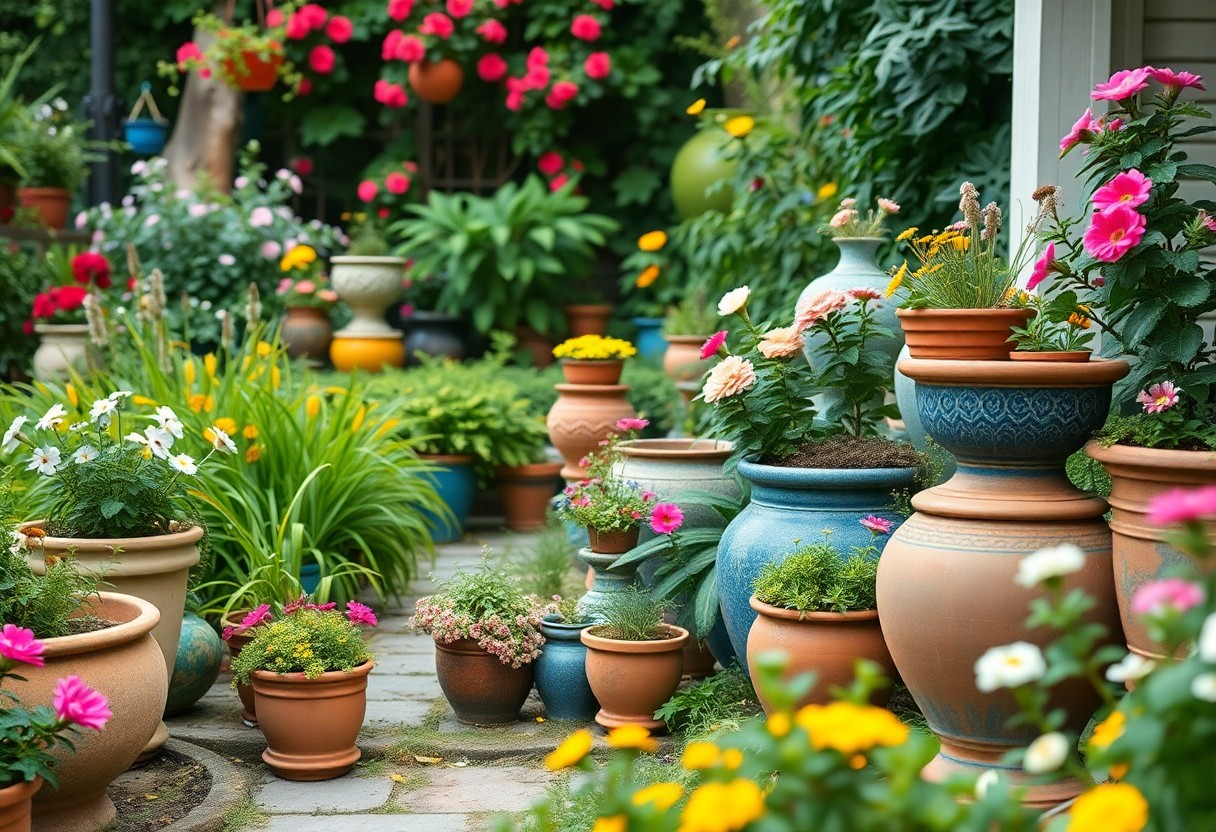
As you step into your garden, you want to be surrounded by beauty and serenity. Your outdoor space is an extension of your home, and with a few simple additions, you can turn it into a stunning oasis. By incorporating decorative pots into your garden design, you can add a touch of personality and style, creating a unique and inviting atmosphere that reflects your taste and flair.

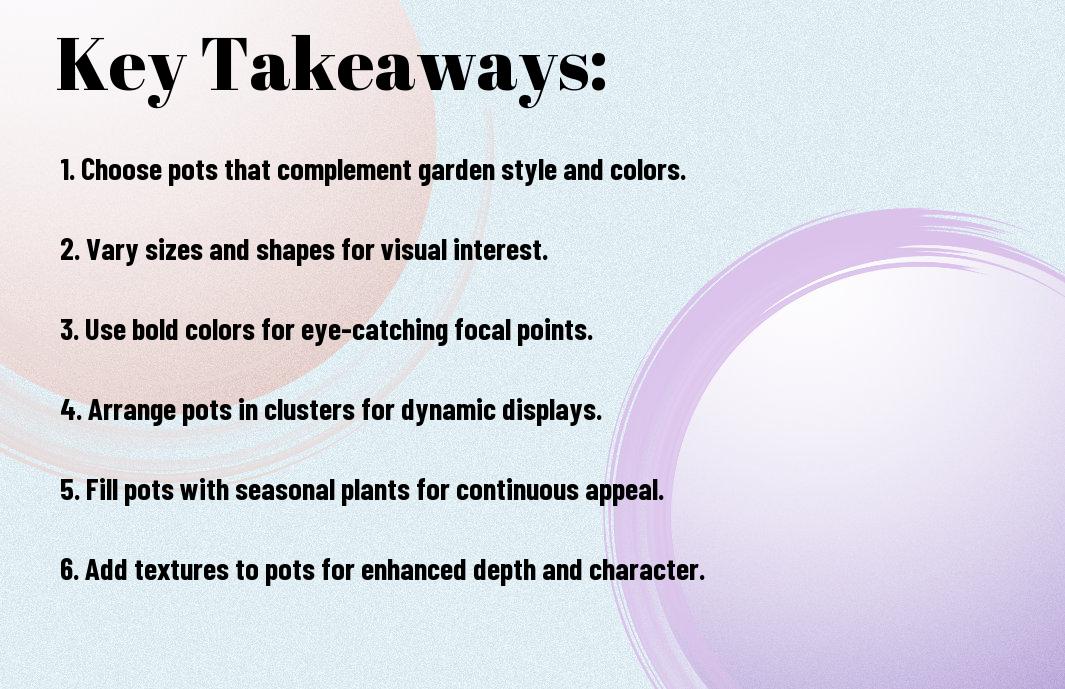
Key Takeaways:

To enhance your garden’s visual appeal, consider the following points when adding decorative pots:

  • Choose pots that complement the color scheme and style of your garden to create a harmonious atmosphere, ensuring that the pots blend in with the surrounding environment.
  • Select pots made from durable materials that can withstand various weather conditions, such as ceramic, terra cotta, or concrete, to ensure they last throughout the seasons.
  • Consider the scale and placement of the pots in relation to the plants and other garden features, balancing large pots with smaller ones and placing them in a way that creates a visually appealing symmetry or asymmetry.

Choosing the Right Decorative Pots

For a beautiful garden, selecting the right decorative pots is important. You want pots that complement your garden’s style and theme, and add a personal touch to your outdoor space.

Consider the Style and Theme of Your Garden

With your garden’s unique character in mind, choose pots that enhance its charm. Consider the colors, textures, and shapes that already exist in your garden to create a harmonious look.

Selecting the Perfect Material and Size

One of the key factors in choosing decorative pots is the material and size. You should select pots that fit your garden’s scale and are made from a material that suits your climate and style.

To make the right choice, consider the durability and maintenance requirements of different materials, such as terracotta, ceramic, or wood. Think about the size of the plants you want to put in the pots and the space where they will be placed, ensuring they are proportional and balanced. This will help you create a beautiful and inviting garden that reflects your personal style.

Preparing the Garden for Decorative Pots

Now that you’ve decided to add decorative pots to your garden, it’s time to get started. You’ll want to assess your outdoor space to determine the best spots for your pots and ensure your garden is ready for its new additions.

Assessing the Soil and Lighting Conditions

By taking a closer look at your garden’s soil and lighting conditions, you can decide which types of plants will thrive in each area and choose pots that complement their surroundings. Consider the amount of sunlight and shade your garden receives, as well as the soil type and moisture levels.

Creating a Plan for Pot Placement

At this stage, you should think about the overall aesthetic you want to achieve with your decorative pots. Consider the style and color of your pots, as well as the size and shape of your plants. You’ll want to create a cohesive look that enhances your garden’s natural beauty.

Due to the variety of factors involved, creating a plan for pot placement can be a fun and creative process. You can sketch out a rough design for your garden, taking into account the mature size of your plants, the color palette you want to achieve, and the texture and style of your pots. As you plan, think about how you can use your decorative pots to create a sense of balance and harmony in your garden, and don’t be afraid to experiment and try out different arrangements until you find a look that feels right for you.

Selecting the Perfect Plants

Your garden’s aesthetic can be greatly enhanced by choosing the right plants to put in your decorative pots, and learning about 10 Creative Ways to Use Pots and Planters for Home Décor will give you a good starting point.

Choosing Plants that Thrive in Containers

Around the garden, you’ll find a variety of plants that are perfect for container gardening, so take some time to explore and find the ones that suit your style.

Considering Color and Texture Combinations

Between the different colors and textures of plants and pots, you can create a unique and beautiful display that reflects your personal taste.

To create a visually appealing arrangement, consider combining plants with different heights, textures, and colors, and don’t be afraid to experiment until you find the perfect balance for your garden, and as you do this, you’ll find that your outdoor space becomes a true reflection of your personality and style, making it a wonderful place to relax and enjoy nature.

Adding Decorative Elements

Many gardeners turn to decorative pots to add a personal touch to their outdoor space. You can find inspiration on how to use unique planters to elevate your home aesthetics by visiting How to Elevate Your Home aesthetics with Unique Planters and exploring various design ideas.

Using Mulch and Gravel for Aesthetics

Beside the pots, you can use mulch and gravel to add texture and color to your garden, creating a beautiful and harmonious atmosphere that complements your decorative pots.

Incorporating Other Decorative Features

Across your garden, you can incorporate other decorative features, such as sculptures, bird baths, or benches, to create a unique and inviting space that reflects your personality and style.

This incorporation of various decorative elements will allow you to create a cohesive and visually appealing garden design, where your decorative pots are enhanced by the surrounding features, and you can enjoy the fruits of your labor in a beautiful and peaceful outdoor space, tailored to your taste and preferences, where you can relax and unwind surrounded by nature.

Caring for Your Decorative Pots

After adding decorative pots to your garden, you’ll want to ensure they continue to thrive. For inspiration on arranging your pots, visit How to Stage a Container Plant Display for expert advice.

Watering and Feeding Your Plants

Afterwards, you’ll need to focus on watering and feeding your plants regularly to keep them healthy and vibrant, adjusting your care routine according to the specific needs of each plant.

Protecting Your Pots from the Elements

With the arrival of changing seasons, you’ll need to think about protecting your pots from harsh weather conditions, such as freezing temperatures and intense sunlight.

Protecting your decorative pots from the elements is an important part of their upkeep, and you can do this by applying a waterproof sealant, moving them to a sheltered location during extreme weather, or using pot feet to improve drainage and prevent waterlogging, ensuring your pots and plants continue to flourish.

Arranging and Rearranging

Keep in mind that arranging decorative pots is an art that requires patience and creativity. You can start by placing your favorite pots in a corner or against a wall, and then experiment with different combinations to find the perfect balance.

Creating a Visually Appealing Display

Beneath the beauty of a well-designed garden lies a thoughtful arrangement of decorative pots. You can group pots of varying sizes and textures to create a visually appealing display that reflects your personal style and complements your garden’s unique character.

Experimenting with Different Layouts

Only by trying out different layouts will you discover what works best for your garden. You can place pots along a path, around a fountain, or in a cozy corner to create inviting spaces that draw you in and make you want to linger.

This process of experimentation is where the real fun begins, as you get to see your garden transform into a beautiful and unique outdoor space. You can try placing tall pots at the back and shorter ones at the front, or group similar pots together to create a sense of harmony, and as you experiment, you’ll find the perfect arrangement that reflects your taste and style, and enhances the overall ambiance of your garden.

To wrap up

Considering all points, you’ve now grasped the basics of adding decorative pots to elevate your garden aesthetics. By choosing the right pots, plants, and placement, you can create a beautiful outdoor space that reflects your personal style. With a little experimentation, you’ll find the perfect combination to enhance your garden’s charm, making it a tranquil haven you’ll enjoy for years to come, and your carefully selected decorative pots will be the perfect finishing touch to your lovely garden.

FAQ

Q: What are the benefits of adding decorative pots to my garden?

A: Adding decorative pots to your garden can greatly enhance its aesthetic appeal. Decorative pots can add a pop of color, texture, and personality to your outdoor space, making it more inviting and visually interesting. They can also help to create a sense of cohesion and harmony in your garden, tying together different elements such as plants, flowers, and hardscapes. Additionally, decorative pots can be used to add a touch of personality and style to your garden, reflecting your personal taste and flair.

Q: How do I choose the right decorative pots for my garden?

A: Choosing the right decorative pots for your garden depends on several factors, including the style and theme of your garden, the type of plants you want to feature, and the overall aesthetic you want to achieve. Consider the color, material, and texture of the pots, as well as their size and shape. You should also think about the level of maintenance you are willing to commit to, as some pots may require more care than others. For example, terra cotta pots are a popular choice for gardens with a rustic or natural theme, while ceramic pots are often used in more modern and contemporary gardens.

Q: What types of plants are best suited for decorative pots?

A: A wide variety of plants can thrive in decorative pots, depending on the size, material, and drainage of the pot. Some popular choices include flowering plants such as petunias, geraniums, and begonias, as well as foliage plants like succulents, ferns, and ivy. Herbs such as basil, rosemary, and thyme are also well-suited for decorative pots and can add a fragrant and edible element to your garden. When choosing plants for your decorative pots, be sure to select varieties that are compatible with the pot’s size, material, and drainage, and that will thrive in the amount of sunlight and water they will receive.

Q: How can I use decorative pots to create a cohesive look in my garden?

A: To create a cohesive look in your garden using decorative pots, try grouping pots of similar style, color, and texture together. You can also use pots of varying sizes and shapes to add visual interest and depth to your garden. Consider creating a focal point in your garden using a large, statement-making pot, and then using smaller pots to create a sense of balance and harmony around it. Additionally, you can use decorative pots to create a sense of continuity and flow in your garden by placing them along a path or walkway, or by using them to frame a entrance or seating area.

Q: How do I care for and maintain my decorative pots and plants?

A: To keep your decorative pots and plants looking their best, be sure to water them regularly, but avoid overwatering, which can lead to root rot and other problems. Fertilize your plants regularly, using a balanced fertilizer that is suitable for the type of plants you are growing. Also, make sure to clean your decorative pots regularly to prevent the buildup of dirt and debris, and to protect them from extreme temperatures and weather conditions. Finally, consider bringing your decorative pots and plants indoors during the winter months or extreme weather conditions to protect them from damage and ensure they continue to thrive.

Skip to content