create

How to Create a Pollinator-Friendly Garden

Key Takeaways:

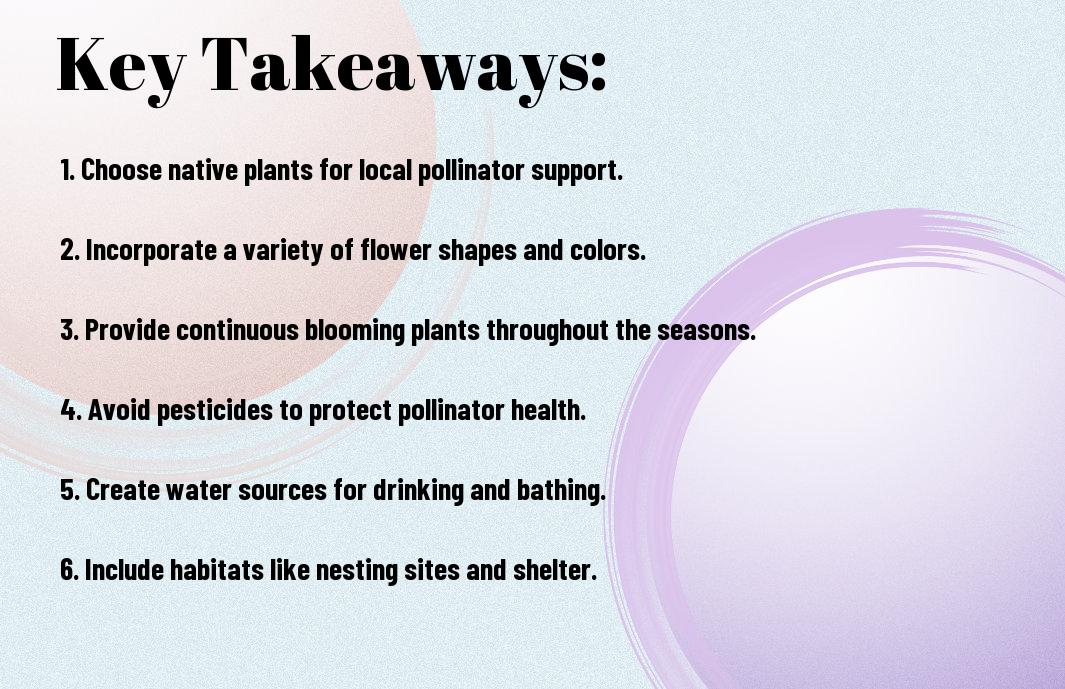
To create a sustainable and thriving garden that supports pollinators, consider the following points:

  • Choose native plants that provide nectar and pollen for a variety of pollinators, including bees, butterflies, and hummingbirds.
  • Incorporate a diversity of flowering plants that bloom at different times to provide a constant source of food and shelter for pollinators throughout the growing season.
  • Opt for organic gardening methods and avoid using pesticides, which can harm or kill pollinators, and instead use natural methods to control pests and diseases in your garden.

Planning Your Garden

A well-designed garden starts with a plan, and you can get inspiration from resources like Planting a Pollinator Garden: A Quick Start Guide to create a beautiful and functional space.

Choosing the Right Plants

Against the backdrop of your garden’s unique conditions, you’ll want to select plants that attract pollinators and thrive in your local climate, considering factors like soil type and sunlight exposure.

Selecting a Location

One of the first decisions you’ll make is where to locate your pollinator garden, taking into account the amount of sunlight and wind protection your plants will need to flourish.

A key aspect of selecting a location is assessing your yard’s microclimate, considering factors like the slope, soil moisture, and existing vegetation, to determine the best spot for your pollinator garden, allowing you to create an optimal environment for your plants to grow and attract pollinators.

Preparing the Soil

There’s no denying that a pollinator-friendly garden starts with healthy soil. You’ll want to assess your soil’s condition and make any necessary adjustments to create a welcoming environment for your plants and pollinators. This involves testing the pH level and adding organic matter to ensure optimal growth and fertility.

Testing the pH Level

Along with assessing your soil’s structure, you’ll need to test its pH level to determine if it’s suitable for the plants you want to grow. You can purchase a soil testing kit or send a sample to a lab for analysis, which will help you determine if your soil is acidic, alkaline, or neutral.

Adding Organic Matter

Adding organic matter such as compost or well-rotted manure will help improve your soil’s fertility and structure. You can also incorporate other organic materials like leaf mold or green waste to create a nutrient-rich soil that will support healthy plant growth.

Further to adding organic matter, you’ll find that your soil’s biodiversity will increase, supporting a wide range of microorganisms and insects that are vital for a thriving pollinator-friendly garden. As you continue to add organic matter, you’ll notice improvements in your soil’s water-holding capacity and overall health, making it an ideal environment for your plants to flourish and attract pollinators.
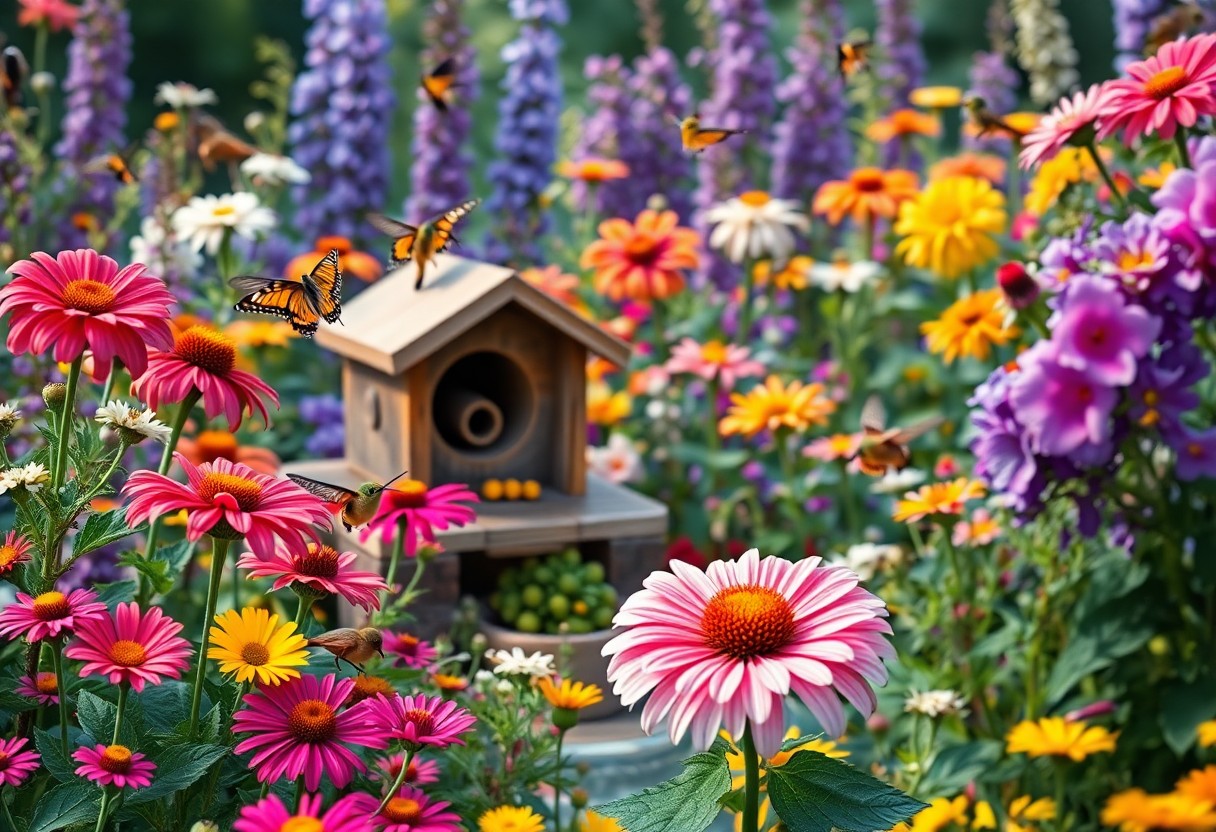
Creating a Pollinator-Friendly Environment

All gardens can become a haven for pollinators by following simple tips. You can learn more about designing your garden by visiting 10 Tips for Starting a Pollinator Garden to create a welcoming space for these beneficial insects.

Providing Water Sources

Ecologically, you will want to provide water sources for your pollinators, such as shallow dishes or birdbaths with fresh water, to ensure they have a place to drink and cool off.

Minimizing Pesticide Use

Across your garden, you should be mindful of the products you use, opting for natural methods to control pests and minimize harm to pollinators.

In fact, you can adopt integrated pest management techniques, such as introducing beneficial insects or using physical barriers, to protect your garden while preserving the health of pollinators, allowing you to enjoy the beauty and benefits of your pollinator-friendly garden.

Planting a Variety of Flowers

To create a pollinator-friendly garden, you’ll want to plant a diverse range of flowers that provide nectar and pollen for different types of pollinators. This will attract a variety of bees, butterflies, and other beneficial insects to your garden.

Native Plants and Their Benefits

Alongside other flowers, native plants offer numerous benefits, as they have co-evolved with local pollinators, providing the perfect source of food and shelter. You can choose native plants that are suitable for your region and climate, ensuring your garden is pollinator-friendly.

Incorporating Herbs and Vegetables

With a mix of herbs and vegetables, you can add more variety to your garden, providing a constant source of nectar and pollen for pollinators. You can plant herbs like lavender, rosemary, and thyme, which are rich in nectar, alongside vegetables like tomatoes and cucumbers.

In fact, incorporating herbs and vegetables into your pollinator-friendly garden can have a significant impact on the local ecosystem, as they provide a source of food for pollinators and attract beneficial insects that can help with pest control, making your garden more sustainable and thriving. You can experiment with different combinations of herbs and vegetables to find what works best for your garden and the pollinators that visit it.

Maintaining Your Garden

Your garden requires regular maintenance to ensure the health and happiness of your pollinator friends. This involves a range of tasks that will keep your garden thriving.

Mulching and Composting

To keep your soil healthy, you’ll need to add a layer of mulch and compost regularly, which will help retain moisture and suppress weeds, creating a favorable environment for your plants to grow.

Pruning and Deadheading

One of the most effective ways to encourage your plants to produce more flowers is by pruning and deadheading, which will help promote new growth and attract more pollinators to your garden.

In fact, as you prune and deadhead your plants, you’ll notice an increase in flower production, which will in turn attract a wider variety of pollinators, including bees, butterflies, and hummingbirds, making your garden a vibrant and thriving ecosystem that you can enjoy all season long.

Observing and Enjoying Your Garden

Unlike other types of gardens, a pollinator-friendly garden is a dynamic and ever-changing environment. You will find yourself observing the different species of pollinators that visit your garden, and enjoying the beauty and wonder of nature up close.

Identifying Pollinators

To take your garden to the next level, take time to identify the various pollinators that visit. You can use field guides or online resources to learn about the different species of bees, butterflies, and other pollinators that are common in your area.

Learning from Your Garden

Behind every successful garden is a willingness to learn and adapt. You will discover what plants are most attractive to pollinators, and how to create a welcoming environment for these important visitors.

Your garden will become a valuable resource for learning about pollinators and the importance of conservation. You will be able to observe the different life cycles of various pollinators, and learn about the role that your garden plays in supporting these vital species. As you continue to nurture and observe your garden, you will gain a deeper appreciation for the complex relationships between plants and pollinators.
To wrap up

Considering all points, you now have the knowledge to create a pollinator-friendly garden. You can attract these beneficial insects by selecting the right plants, providing a source of water, and minimizing pesticide use in your garden. By following these steps, you will be supporting your local ecosystem and contributing to the health of your environment, making your garden a haven for pollinators and a beautiful space for you to enjoy.

FAQ

Q: What is a pollinator-friendly garden and why is it important to create one?

A: A pollinator-friendly garden is a type of garden that is designed to attract and support pollinators such as bees, butterflies, and hummingbirds. Creating a pollinator-friendly garden is important because pollinators play a vital role in maintaining the health of our ecosystem and food supply. By planting a variety of flowers, herbs, and shrubs that provide nectar and pollen, you can help support the local pollinator population and contribute to the overall health of your community.

Q: What types of plants are best suited for a pollinator-friendly garden?

A: The best plants for a pollinator-friendly garden are those that are native to your region and provide a source of nectar and pollen. Some examples of pollinator-friendly plants include coneflowers, black-eyed susans, lavender, and mint. You should also consider planting a mix of annuals and perennials, as well as a variety of plants that bloom at different times of the year. This will provide a constant source of food for pollinators throughout the growing season.

Q: How can I design my pollinator-friendly garden to be most effective?

A: To design an effective pollinator-friendly garden, consider creating a diverse and layered garden with a variety of plants of different heights and growth habits. Incorporate a mix of flowers, shrubs, and trees, and consider using a meandering path or other features that will encourage pollinators to explore the garden. You should also consider the amount of sunlight and water that your garden receives, and choose plants that are well-suited to those conditions.

Q: Are there any special maintenance considerations for a pollinator-friendly garden?

A: Yes, there are several special maintenance considerations for a pollinator-friendly garden. For example, you should avoid using pesticides, which can harm or kill pollinators. Instead, consider using natural methods of pest control, such as introducing beneficial insects or using physical barriers to protect plants. You should also consider leaving some areas of the garden unmanicured, as pollinators often nest in undisturbed soil or vegetation.

Q: Can I create a pollinator-friendly garden in a small or urban space?

A: Yes, you can create a pollinator-friendly garden in a small or urban space. Even a small balcony or patio can be turned into a pollinator-friendly garden with the use of containers or a vertical garden. Consider using compact or dwarf varieties of plants, and choose plants that are well-suited to urban conditions, such as high temperatures and low soil quality. You can also consider incorporating a pollinator-friendly garden into a larger urban landscape, such as a community garden or green roof.
How to Create a Fire-Resistant Garden

You can protect your home and outdoor space from wildfires by designing a fire-resistant garden. Your garden’s layout and plant selection play a significant role in preventing the spread of fires. By choosing fire-resistant plants and maintaining your garden regularly, you can reduce the risk of fire damage. You will learn how to create a beautiful and safe garden that will help safeguard your property from wildfires.

Key Takeaways:

To create a fire-resistant garden, consider the following points:

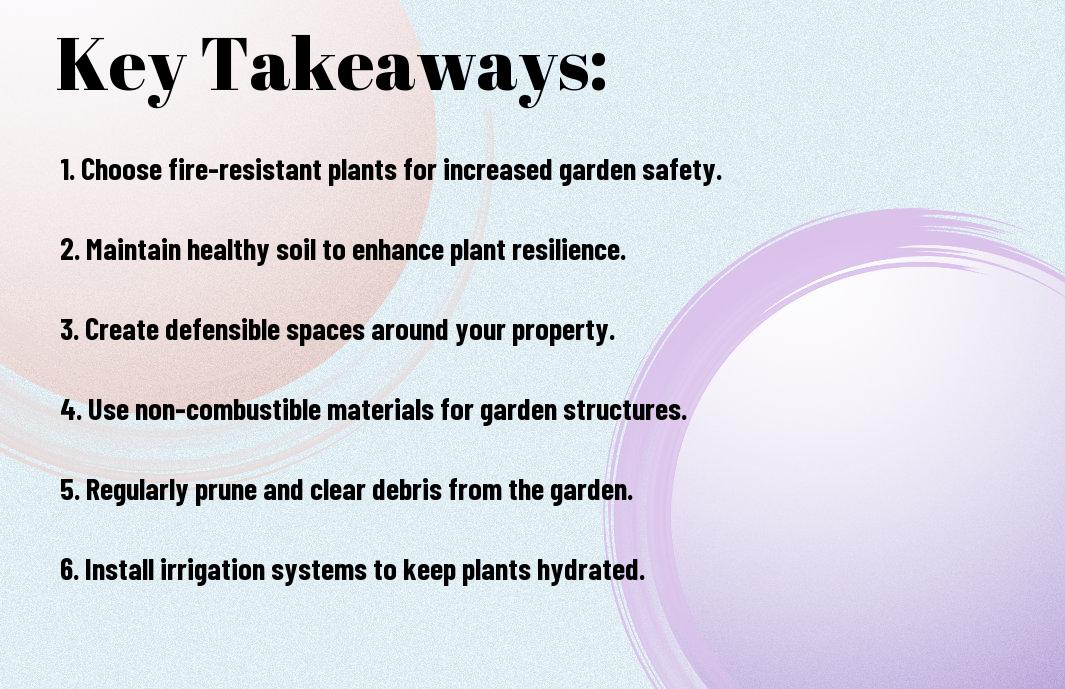
  • Use drought-tolerant plants that are less likely to catch fire and spread flames, and choose plants with low-growing habits to reduce fuel loads.
  • Employ defensible space techniques, such as clearing leaves and debris, to prevent fires from spreading to your home or other structures.
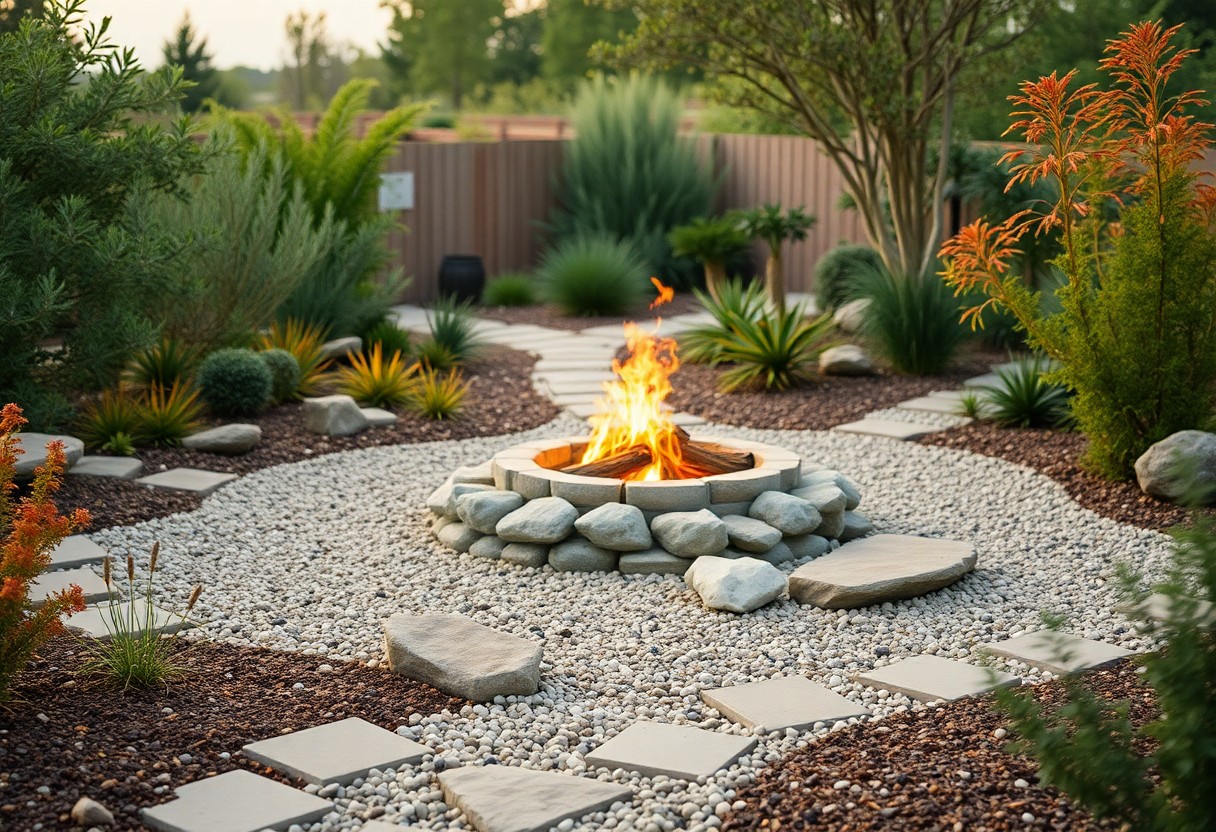
  • Incorporate fire-resistant materials into your garden design, such as gravel or decomposed granite, to help contain or slow the spread of fires.

Section

To create a fire-resistant garden, you can start by learning from existing resources, such as the guide on How to Create Fire-Resistant Landscaping, which provides valuable insights on designing and maintaining a safe outdoor space.

subsection: Land Preparation

Toward preparing your land for a fire-resistant garden, you’ll need to clear away any flammable materials and debris, creating a safe zone around your plants and home.

subsection: Soil Selection

Between the various types of soil, you’ll want to choose one that retains moisture well, as it will help your plants thrive and be more resistant to fires.

With the right soil in place, you can then focus on selecting plants that are naturally fire-resistant, and designing your garden in a way that minimizes the risk of fires spreading, allowing you to enjoy your outdoor space with peace of mind, knowing you’ve taken steps to protect your home and the environment.

Section

Some effective strategies for creating a fire-resistant garden can be found by visiting the Fire-Resistant Landscaping – 6.303 – CSU Extension website, where you can learn more about protecting your property from wildfires.

subsection: Fire-Resistant Plants

Besides choosing the right plants, you should also consider their maintenance needs, as you will want to select plants that are easy to care for and can thrive in your local climate, making your garden more fire-resistant.

subsection: Garden Layout

Below the surface, a well-designed garden layout can help prevent the spread of fires, and as you plan your garden, you should consider the placement of plants, paths, and other features to create a fire-resistant landscape.

FireResistant gardens require careful planning, and as you design your garden layout, you should consider the use of fire-resistant materials, such as gravel or decomposed granite, for paths and groundcover, and keep your garden well-maintained, with regular pruning and watering, to prevent fires from spreading, and by doing so, you can create a beautiful and safe outdoor space.

Section

Your garden’s design and layout play a significant role in creating a fire-resistant garden. You should consider the types of plants, their placement, and the materials used for landscaping to minimize the risk of fire spreading.

subsection: Mulch and Ground Cover

Along with choosing fire-resistant plants, you should also select appropriate mulch and ground cover. You can opt for materials like gravel, decomposed granite, or sand, which are less combustible than organic materials like wood chips or bark.

subsection: Irrigation Systems

The installation of a well-designed irrigation system can help reduce the risk of fire in your garden. You can install sprinklers or drip irrigation systems to keep your plants hydrated and reduce the risk of dry undergrowth.

To further enhance your irrigation system, you can consider installing a smart controller that can adjust the watering schedule based on weather conditions and soil moisture levels. This will help you maintain a healthy and hydrated garden, reducing the risk of fire and ensuring your plants thrive.

Section

Keep your garden fire-resistant by using fire-resistant plants, mulch, and other materials. You can choose plants that are naturally resistant to fire, such as succulents and rocks. Your garden’s design and maintenance also play a significant role in preventing fires.

subsection: Regular Maintenance

On a regular basis, you should clear your garden of debris and dead vegetation. You can also prevent fires by keeping your garden well-watered, especially during hot and dry seasons. Your efforts will help prevent fires from starting and spreading.

subsection: Pruning and Trimming

By pruning and trimming your plants regularly, you can help prevent fires from spreading. You should remove dead or dying branches and leaves, as these can easily catch fire. Your plants will also be healthier and more resilient to fires.

At the start of each season, you should inspect your plants and remove any dead or damaged growth. You can use pruning shears or loppers to trim back overgrown branches and shape your plants to maintain their natural shape. Your regular pruning and trimming efforts will help keep your garden fire-resistant and beautiful.

Section

Despite the challenges, creating a fire-resistant garden is achievable with careful planning and maintenance. You can reduce the risk of fire spreading by using fire-resistant plants, managing debris, and maintaining a safe distance between flammable materials.

subsection: Firebreaks and Barriers

Among the most effective ways to prevent fire spread is by creating firebreaks and barriers. You can use non-combustible materials, such as gravel or stone, to create a barrier between your garden and surrounding wildlands.

subsection: Access and Escape Routes

Routes to and from your garden should be clear of flammable vegetation and debris. You should ensure that your access and escape routes are well-maintained and easily accessible in case of an emergency.

Escape routes are necessary in case of a fire emergency. You should identify at least two escape routes from your garden and ensure that they are clear of obstacles and flammable materials, allowing you to quickly and safely evacuate the area if needed. You can also consider creating a safe zone, such as a patio or a lawn, where you can seek refuge in case of a fire.

Section

Now that you’re planning to create a fire-resistant garden, consider the overall aesthetic and functionality you want to achieve. You’ll want to choose plants and materials that not only resist fires but also complement your outdoor space. Your goal is to create a beautiful and safe garden that you can enjoy for years to come.

subsection: Local Regulations and Guidelines

Before you start designing your fire-resistant garden, check with your local government for any regulations or guidelines you need to follow. You’ll want to ensure that your garden meets all the necessary standards and codes to minimize the risk of fires and ensure your safety.

subsection: Community Resources

Similarly, you’ll find that your community may offer resources to help you create a fire-resistant garden. You can reach out to local nurseries, gardening clubs, or fire departments for guidance and support. Your community may also provide workshops or seminars on fire-resistant gardening, which can be a great way to learn from experts and get started on your project.

Plus, you can also leverage online resources and social media groups to connect with other gardeners who have experience with fire-resistant gardening. You can learn from their experiences, share your own knowledge, and get tips on the best plants and materials to use in your garden. By taking advantage of these resources, you can create a beautiful and safe fire-resistant garden that you’ll enjoy for years to come.

Final Words

With these considerations, you can create a fire-resistant garden that protects your property and the environment. You will be able to enjoy your outdoor space while minimizing the risk of wildfires. By choosing fire-resistant plants and maintaining your garden regularly, you can have peace of mind and a beautiful landscape. Your efforts will pay off, and your garden will be a safe haven for years to come.

FAQ

Q: What are the benefits of creating a fire-resistant garden?

A: Creating a fire-resistant garden can help protect your home and surrounding landscape from wildfires by reducing the amount of flammable vegetation and materials in the area. This type of garden can also provide a safe zone for firefighters to work in and create a defensible space around your property. Additionally, fire-resistant gardens can be beautiful and low-maintenance, featuring plants that are native to your region and adapted to the local climate.

Q: What types of plants are best suited for a fire-resistant garden?

A: The best plants for a fire-resistant garden are those that are naturally resistant to ignition and have a low fuel load. These include plants with high moisture content, such as succulents and cacti, as well as plants with fire-resistant bark, like oak and maple trees. It’s also important to choose plants that are native to your region, as they will be better adapted to the local climate and soil conditions. Some examples of fire-resistant plants include California lilac, Icelandic poppy, and yarrow.

Q: How can I design my garden to be fire-resistant?

A: To design a fire-resistant garden, start by creating a defensible space around your home, keeping the area within 30 feet of your house clear of flammable vegetation and materials. Use hardscaping features like gravel, stone, or pavers to create a firebreak, and choose plants that are spaced far enough apart to prevent fire from spreading easily. Consider using a landscape designer or gardener who has experience with fire-resistant landscaping to help you create a beautiful and safe garden.

Q: What maintenance is required to keep my fire-resistant garden safe and healthy?

A: To keep your fire-resistant garden safe and healthy, it’s important to perform regular maintenance tasks. This includes watering plants regularly, but avoiding overwatering, which can create a fire hazard. Keep your garden free of debris, dead plants, and other flammable materials, and trim back plants to maintain a safe distance from your home and other structures. Also, consider installing a drip irrigation system to deliver water directly to the roots of your plants, reducing evaporation and runoff.

Q: Can I still have a beautiful and functional garden if I create a fire-resistant garden?

A: Yes, you can still have a beautiful and functional garden even if you create a fire-resistant garden. Fire-resistant plants come in a wide range of colors, textures, and shapes, and can be used to create a variety of garden styles, from modern and sleek to natural and rustic. Consider incorporating outdoor living spaces, such as patios and walkways, and using decorative features like planters and sculptures to add visual interest to your garden. With careful planning and design, you can create a fire-resistant garden that is both safe and beautiful.

How to Create a Garden That Requires Minimal Maintenance

You want a garden that’s easy to care for, with plenty of time to enjoy its beauty. Your outdoor space should be a haven, not a burden. You’ll learn how to design and plant a low-maintenance garden, with tips on choosing the right plants and minimizing upkeep. With a few simple steps, you can create a thriving garden that fits your lifestyle, allowing you to sit back and appreciate your surroundings.

Key Takeaways:

To create a garden that requires minimal maintenance, consider the following points:

  • Choose drought-tolerant plants that can thrive with infrequent watering, reducing the need for constant attention and care.
  • Opt for low-growing ground covers or succulents that require less pruning and grooming, making them perfect for busy gardeners.
  • Use mulch or decomposed granite to suppress weeds and retain moisture, reducing the need for frequent watering and weeding.

Planning

While creating a garden that requires minimal maintenance, you’ll want to start by researching tips and techniques. Visit Low-Maintenance Gardening Tips for a Beautiful Yard to get started.

Choosing Low-Maintenance Plants

Against the backdrop of your garden’s unique conditions, you’ll select plants that thrive with minimal care. Choose plants that fit your climate and soil type.

Assessing Your Yard’s Conditions

Before designing your garden, you’ll need to assess your yard’s conditions, including sunlight, soil, and drainage. This will help you make informed decisions.

A thorough assessment of your yard’s conditions will help you identify areas that require special attention, allowing you to create a beautiful and low-maintenance garden that you’ll enjoy for years to come. You’ll consider factors like slope, wind direction, and existing vegetation to ensure your garden thrives.

Design

There’s no need to overcomplicate your garden design. Keep it simple and functional to minimize maintenance. You can achieve this by avoiding intricate patterns and excessive ornamentation, allowing you to focus on the important elements of your garden.

Simple Garden Layouts

By adopting a straightforward approach, you can create a garden that is easy to navigate and maintain. You’ll want to consider a layout that allows for good airflow and sunlight penetration, making it easier to care for your plants.

Selecting Drought-Tolerant Ground Covers

With a little planning, you can choose ground covers that thrive in dry conditions, reducing your watering chores. You’ll find that succulents and creeping thyme are excellent options, as they can survive with minimal watering and care.

Another benefit of selecting drought-tolerant ground covers is that they often require less pruning and grooming, saving you time and effort in the long run. You can also consider using mulch or gravel to suppress weeds and retain moisture, making your garden even more low-maintenance. As you make these choices, you’ll be creating a garden that is not only beautiful but also easy to care for, allowing you to enjoy it without the hassle.

Soil Preparation

Your garden’s soil is the foundation of a low-maintenance garden. You need to prepare it to support the growth of your plants.

Testing Your Soil Type

Between the various types of soil, you will find that some drain better than others. You can test your soil type by digging a small hole and filling it with water to see how quickly it drains.

Adding Organic Matter for Fertility

Against the depleted soil, you can add organic matter to improve its fertility. You can use compost or well-rotted manure to enrich your soil.

Another benefit of adding organic matter is that it helps to support the soil’s ecosystem, providing a habitat for beneficial insects and microorganisms that will help to break down the organic matter and make nutrients available to your plants. You can add a layer of compost or manure to your soil and mix it in before planting.

Plant Selection

Unlike other aspects of gardening, choosing the right plants can make all the difference in creating a low-maintenance garden. You will want to select plants that are resilient and can thrive with minimal care.

Succulents and Cacti for Easy Care

Akin to a laid-back approach to gardening, succulents and cacti are perfect for easy care, as they can survive with infrequent watering and pruning, making them ideal for your low-maintenance garden.

Native Plants for Reduced Maintenance

Beside the obvious benefits of using native plants, they also provide a sense of authenticity to your garden, and since they are adapted to the local climate, you will find that they require less upkeep and care.

Maintenance is significantly reduced when you use native plants, as they have evolved to thrive in the local conditions, and you will find that they are more resistant to pests and diseases, allowing you to enjoy your garden with less hassle, and you can focus on other aspects of your outdoor space, like relaxation and entertainment.

Watering and Drainage

Many gardens require significant watering, but you can minimize this by adopting efficient methods. Choose plants that thrive in your climate, and group them according to their water needs. This approach will help you conserve water and reduce maintenance.

Installing Rain Barrels for Water Conservation

Among the simplest ways to conserve water is to install rain barrels. You can collect rainwater and use it to water your plants, reducing your reliance on municipal water supplies.

Creating a Drainage System for Excess Water

Any effective garden design includes a plan for excess water. You can create a drainage system using slopes, channels, and absorbent materials to direct water away from your plants.

Excess water can be a major problem in your garden, but you can manage it with a well-designed drainage system. You’ll need to assess your yard’s slope and soil type to determine the best approach. Consider installing French drains or swales to direct water away from your plants and prevent waterlogged soil. By doing so, you’ll protect your plants from root rot and other problems associated with excess water.

Maintenance Tips

Keep your garden looking its best with minimal effort. Consider the following:

  • Water wisely
  • Remove weeds

. Thou shalt enjoy a beautiful garden with minimal work.

Mulching for Weed Suppression

Overhead, a thick layer of mulch prevents weeds from growing. You can use organic materials like wood chips or straw to suppress weed growth in your garden.

Pruning for Shape and Health

Healthy plants require regular pruning to maintain shape and promote growth. You’ll need to trim dead or damaged branches to keep your plants looking their best.

This pruning process helps your plants direct energy towards healthy growth, making them more resilient to disease and pests. You’ll be able to enjoy a thriving garden with minimal maintenance, as pruning also encourages blooming and fruiting, giving you a bountiful harvest from your plants.

Conclusion

As a reminder, you’ve learned the basics to create a garden that requires minimal maintenance. You’ve chosen the right plants, set up an efficient irrigation system, and planned for automatic pruning. Your garden will now thrive with less effort from you. With these simple steps, you can enjoy your outdoor space without the hassle of constant upkeep, allowing you to sit back and appreciate your handiwork.

FAQ

Q: What are the basic steps to create a low-maintenance garden?

A: To create a garden that requires minimal maintenance, start by selecting plants that are drought-tolerant and pest-resistant. Choose a mix of groundcovers, shrubs, and trees that are native to your region, as they will be more adapted to the local climate and soil conditions. Next, apply a thick layer of mulch to suppress weeds and retain moisture. Finally, consider installing a drip irrigation system to deliver water directly to the roots of the plants, reducing evaporation and runoff.

Q: How can I minimize the need for frequent watering in my garden?

A: To minimize the need for frequent watering, focus on using plants with low water requirements, such as succulents or sedums. Additionally, incorporate organic matter like compost into your soil to improve its water-holding capacity. Use a rain barrel or cistern to collect and store rainwater for irrigation, reducing your reliance on municipal water supplies. It’s also crucial to group plants with similar watering needs together, making it easier to manage irrigation.

Q: What types of plants are best suited for a low-maintenance garden?

A: For a low-maintenance garden, opt for plants that are naturally resilient and adapted to your local climate. Consider using native grasses, shrubs, and perennials that are resistant to diseases and pests. Some examples of low-maintenance plants include coneflowers, black-eyed susans, and boxwood shrubs. These plants often have deep roots, making them more drought-tolerant, and they tend to grow slowly, reducing the need for frequent pruning.

Q: How can I reduce the amount of time spent on lawn maintenance?

A: To reduce lawn maintenance, consider replacing traditional grass with low-maintenance alternatives like clover or creeping thyme. These options are more drought-tolerant and require less mowing, watering, and fertilization. If you still want to keep a traditional lawn, use a mulching mower to leave grass clippings on the lawn, reducing the need for fertilizers. Additionally, consider using a lawn aerator to improve soil drainage and reduce soil compaction, making your lawn healthier and more resistant to pests and diseases.

Q: Are there any specific garden designs that can help reduce maintenance needs?

A: Yes, certain garden designs can help minimize maintenance needs. Consider using a formal, structured design with clean lines and simple shapes, which can create a sense of order and make it easier to manage vegetation. Incorporate hardscaping elements like patios, walkways, and retaining walls to reduce the amount of lawn area that needs to be maintained. Also, consider creating a layered garden with groundcovers, shrubs, and trees, which can help suppress weeds and reduce the need for frequent pruning and grooming.

Opaye Skip to content