Budget

How to Add Curb Appeal on a Budget

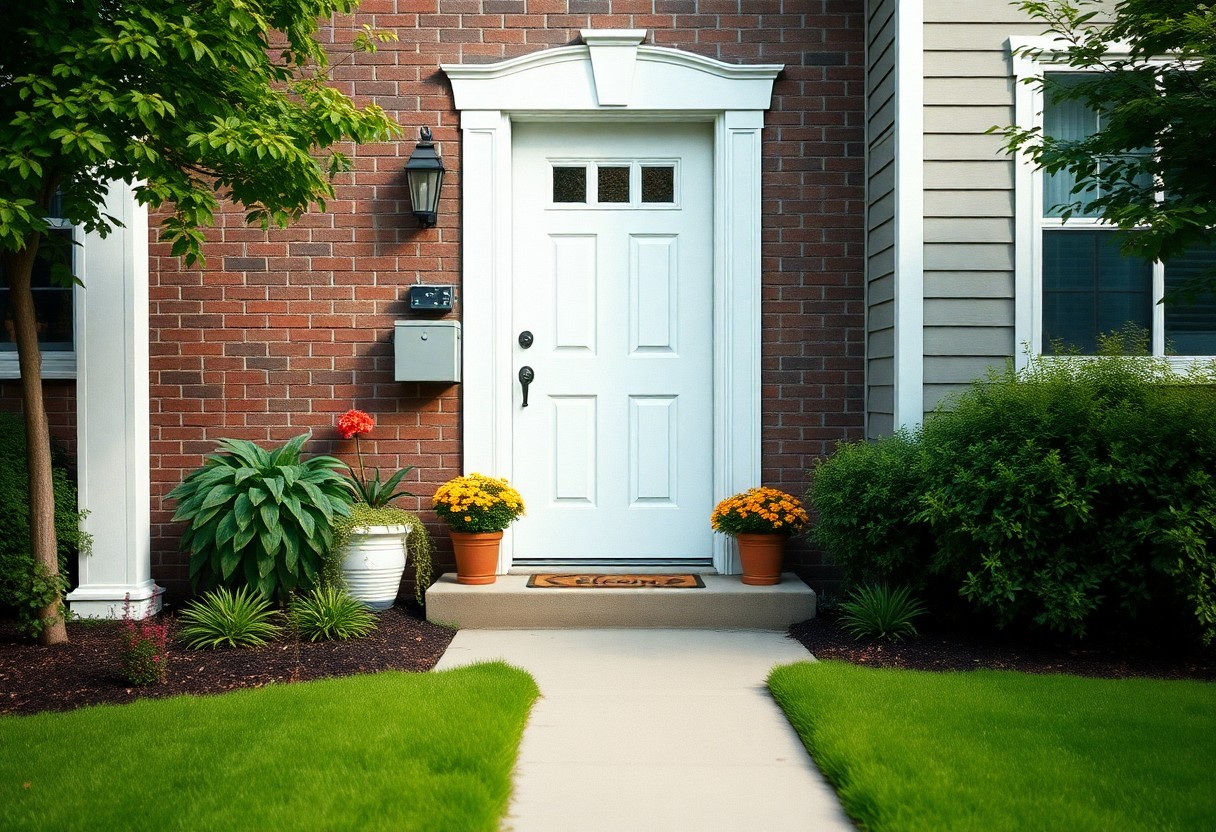
You want to boost your home’s exterior without breaking the bank. Your home’s curb appeal is the first impression visitors get, and you can enhance it on a budget. You can make a significant impact with small, affordable changes to your landscaping, exterior paint, and decor. By following a few simple tips, you can increase your home’s value and attractiveness, making it stand out in your neighborhood.

Key Takeaways:

To enhance the exterior of your home without breaking the bank, consider the following points:

  • Start with a fresh coat of paint on the front door and any other exterior features to instantly boost your home’s curb appeal.
  • Focus on landscaping by adding some colorful flowers and greenery to create a welcoming atmosphere, which can greatly impact the overall appearance of your home.
  • Update your home’s exterior lighting with solar-powered options to add ambiance and visibility to your home’s exterior, making it more attractive to potential buyers or visitors.

Assessing Your Home’s Exterior

The first step in adding curb appeal on a budget is to evaluate your home’s exterior. Take a step back and look at your home from the street, noting its strengths and weaknesses.

Identifying Areas for Improvement

With a fresh perspective, walk around your home and identify areas that need attention, such as overgrown gardens or faded paint.

Setting a Budget

After assessing your home, set a realistic budget for your curb appeal project, considering your goals and priorities.

Even with a limited budget, you can make significant improvements by allocating your funds wisely, focusing on high-impact projects that enhance your home’s appearance, such as repainting the front door or adding outdoor lighting, and you can then decide where to invest your money to achieve the best results for your home.

Landscaping on a Shoestring

There’s no need to break the bank when it comes to landscaping. You can achieve a beautiful outdoor space without overspending.

DIY Gardening Tips

Between planning and planting, you’ll find ways to save. Consider the following tips:

  • Start small
  • Choose low-maintenance plants

. Perceiving the potential of your outdoor space will help you create a beautiful landscape on a budget.

Affordable Plant Options

Affordably, you can enhance your outdoor space with budget-friendly plants. You’ll find that succulents and herbs are great options.

And once you’ve selected your plants, you can further enhance your outdoor space by grouping them in decorative pots or planters. You can also propagate your own plants from cuttings or divide existing plants to get more for your money, allowing you to create a beautiful and thriving landscape that reflects your personal style and complements your home’s exterior.
Painting and Color Schemes

Now, let’s explore how a fresh coat of paint can enhance your home’s exterior. You can find inspiration for your project on 39 Budget Curb Appeal Ideas That Will Totally Change Your Home, which offers a variety of budget-friendly ideas to boost your home’s appeal.

Choosing the Right Colors

The key to a successful painting project is selecting colors that complement your home’s style and surroundings, and you can achieve this by considering the color of your roof, trim, and neighborhood homes.

Painting Techniques for Beginners

Across the board, a well-painted exterior can make a significant difference in your home’s appearance, and you can achieve professional-looking results with the right techniques and tools.

In addition, to get started with painting, you’ll need to prepare your surface by cleaning and repairing any damaged areas, then apply a primer and paint with a high-quality brush or roller, and don’t forget to work from top to bottom to avoid drips and streaks, and you’ll be on your way to a beautifully painted exterior that enhances your home’s curb appeal.

Outdoor Decor and Accessories

Keep your outdoor decor and accessories simple and tasteful to add curb appeal without breaking the bank. You can start by selecting a few statement pieces that reflect your personal style and complement your home’s exterior.

Repurposing Old Items

Behind every successful outdoor decor is a creative use of old items, you can turn old planters, baskets, and other containers into unique decorative elements that add character to your outdoor space.

Affordable Decorative Elements

Affordably, you can find outdoor decorative elements that fit your budget, from solar-powered lights to DIY planters, and use them to enhance your home’s curb appeal without overspending.

Items such as lanterns, watering cans, and decorative stones can be used to create a beautiful and inviting outdoor space, and you can find them at a relatively low cost, allowing you to stay within your budget while still achieving the look you want for your home’s exterior.

Lighting Up the Exterior

Despite the constraints of a limited budget, you can still enhance your home’s exterior with attractive lighting. You can install new fixtures or update existing ones to boost your home’s curb appeal.

Solar-Powered Options

To save energy and money, you can opt for solar-powered lights that are affordable and easy to install, making them a great choice for your exterior lighting needs.

String Lights and Lanterns

At a relatively low cost, you can add ambiance and warmth to your home’s exterior with string lights and lanterns, which come in a variety of styles and designs to suit your taste.

Plus, string lights and lanterns can be easily placed along walkways, around trees, or on your porch, allowing you to create a welcoming atmosphere that highlights your home’s best features, making it more attractive to potential buyers or visitors, and increasing your home’s overall curb appeal.

DIY Projects for Curb Appeal

All it takes is a little creativity to enhance your home’s exterior without breaking the bank. You can start by tackling simple DIY projects that make a big impact, such as building planter boxes or creating a welcoming entrance.

Building a Planter Box

Against the backdrop of a dull exterior, a beautifully crafted planter box can add a pop of color and texture. You can use reclaimed wood or affordable materials to build a planter box that complements your home’s style.

Creating a Welcoming Entrance

By adding a few decorative elements, you can transform your entrance into a warm and inviting space. You can start by adding a statement piece, such as a colorful wreath or a potted plant, to draw attention to your front door.

Consequently, as you focus on creating a welcoming entrance, you’ll want to consider the overall aesthetic you want to achieve. You can add a few solar-powered lights to illuminate the walkway, or invest in a new welcome mat to add a touch of personality to your entrance. By doing so, you’ll be able to create a beautiful and inviting space that sets the tone for your entire home.

Conclusion

Following this guide, you can enhance your home’s exterior without breaking the bank. You can boost your home’s curb appeal on a budget by making a few simple changes. For more ideas, visit 16 Ways to Add Curb Appeal for Less Than $50 to discover affordable ways to improve your home’s exterior and increase your property’s value, so you can enjoy your beautifully updated home.

FAQ

Q: What are some affordable ways to add curb appeal to my home’s exterior?

A: Adding curb appeal to your home’s exterior doesn’t have to break the bank. Start by keeping your lawn well-manicured, which can include mowing, trimming, and edging. Planting colorful flowers or shrubs can also make a significant impact. Additionally, consider repainting or replacing your front door, as well as updating your house numbers and mailbox to give your home a fresh new look. These small changes can make a big difference in the appearance of your home without spending a lot of money.

Q: How can I improve the appearance of my home’s exterior on a limited budget?

A: One of the most effective ways to improve the appearance of your home’s exterior on a limited budget is to focus on the details. Power washing the siding and driveway can help to remove dirt and grime, making your home look cleaner and more inviting. You can also add some outdoor lighting to highlight your home’s features and create a warm ambiance in the evening. Furthermore, consider painting or staining your porch or deck to give it a fresh new look. These small projects can be completed with minimal expense and can make a significant impact on your home’s curb appeal.

Q: What are some DIY projects that can help add curb appeal to my home?

A: There are several DIY projects that can help add curb appeal to your home. One idea is to create a beautiful garden or flower bed in your front yard. You can choose plants and flowers that are easy to maintain and that will thrive in your local climate. Another idea is to build a decorative planter or bench for your front porch. You can use reclaimed wood or other materials to create a unique and charming piece that adds to your home’s curb appeal. Additionally, consider making your own outdoor decorations, such as a wreath for your front door or a garland for your porch railing.

Q: How can I choose the right colors to add curb appeal to my home’s exterior?

A: Choosing the right colors to add curb appeal to your home’s exterior can make a big difference in its appearance. Consider the color of your home’s siding, as well as the colors of the surrounding homes and landscaping. You want to choose colors that complement these existing colors and create a cohesive look. For example, if your home has a bold or bright color, you may want to choose more neutral colors for your trim and accents. On the other hand, if your home has a more subdued color, you can use brighter colors to add some visual interest. You can also look for inspiration online or consult with a professional to help you choose the right colors for your home.

Q: Are there any seasonal tips for adding curb appeal to my home’s exterior?

A: Yes, there are several seasonal tips for adding curb appeal to your home’s exterior. In the spring, consider adding some colorful flowers or plants to your front yard, such as tulips or daffodils. In the summer, you can add some outdoor decorations, such as a wreath made from seasonal flowers or a patriotic flag. In the fall, you can decorate your porch with pumpkins, leaves, or other seasonal decorations. And in the winter, you can add some festive lights or decorations, such as a holiday wreath or garland. By changing up your decorations with the seasons, you can keep your home’s exterior looking fresh and inviting all year round.
How to Build a DIY Greenhouse on a Budget

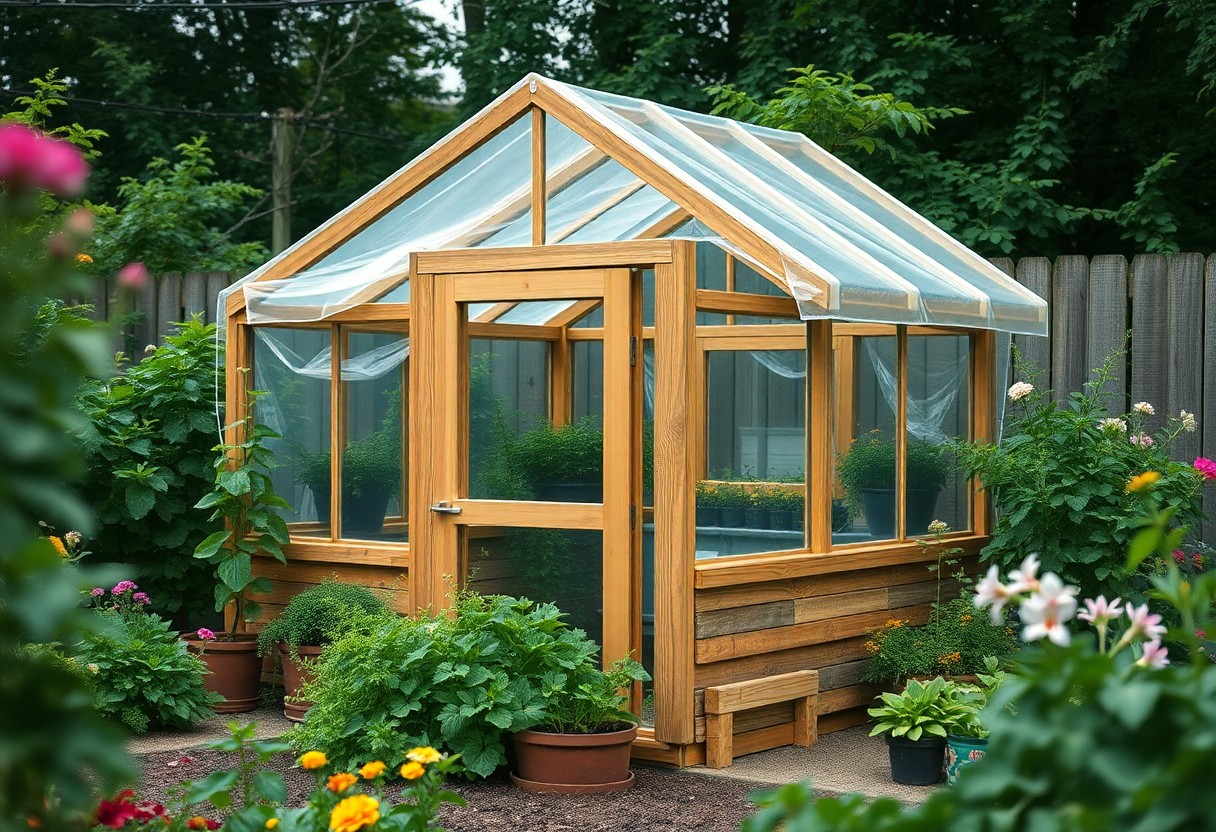
As you consider building a greenhouse, you’re likely aware of the high costs associated with traditional kits. However, with some planning and creativity, you can create your own DIY greenhouse without breaking the bank. Before you start, you can check out this video on DIY Greenhouse | Don’t Buy a Kit Until You See This to get inspired and learn valuable tips. You’ll be able to grow your own plants year-round, and your DIY greenhouse will be a valuable addition to your backyard.

Key Takeaways:

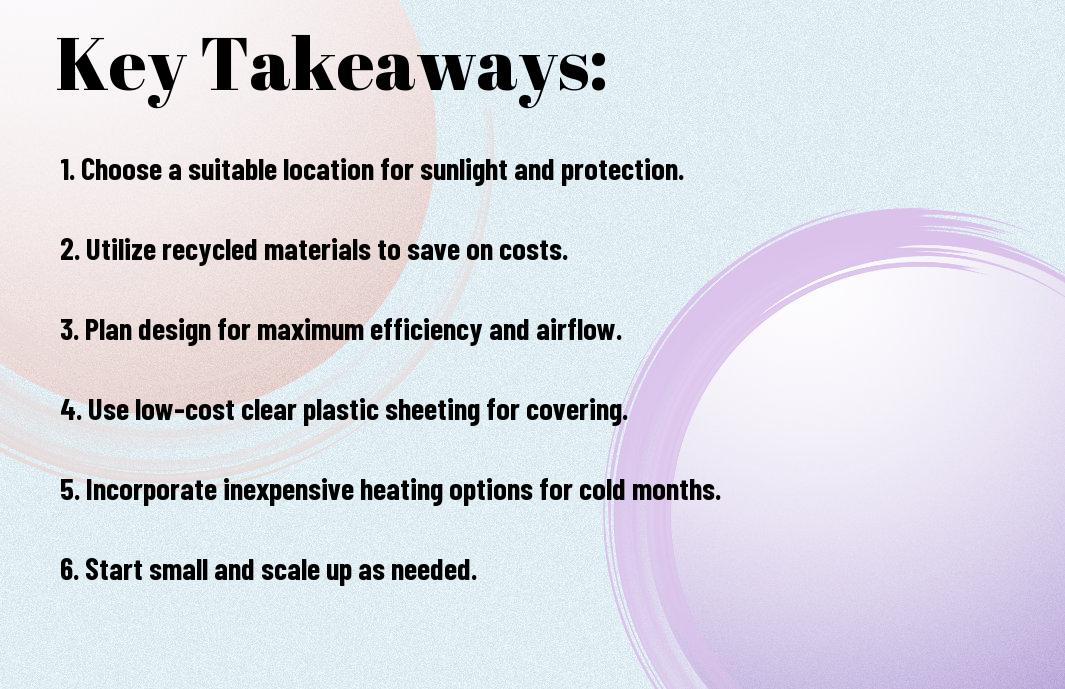
To build a DIY greenhouse on a budget, consider the following points:

  • Use recycled materials such as old windows, doors, and lumber to minimize costs and reduce waste. This approach can help you save money on initial construction expenses.
  • Opt for a simple design that is easy to build and maintain, such as a hoop house or a cold frame. This will not only reduce construction costs but also make it easier to manage and repair your greenhouse.
  • Utilize natural lighting and ventilation to regulate the temperature and atmosphere inside the greenhouse, reducing the need for artificial lighting and heating/cooling systems. This will help you save money on energy costs and create a healthier environment for your plants.

Planning Your DIY Greenhouse

A well-planned DIY greenhouse is necessary for a successful project. You need to consider your space, resources, and budget to build a functional and efficient greenhouse.

Assessing Your Space and Resources

Your available space and resources will determine the size and type of greenhouse you can build. You should evaluate your yard, considering factors like sunlight, wind direction, and accessibility.

Setting a Budget and Timeline

By establishing a clear budget and timeline, you can ensure your project stays on track. You should set realistic goals and priorities to achieve your desired outcome.

It is necessary to break down your budget into components like materials, tools, and labor to get a clear picture of your expenses. You can then allocate your resources effectively, making adjustments as needed to stay within your budget and complete your greenhouse on time, allowing you to enjoy your new space sooner.

Choosing the Right Materials

If you’re looking to build a DIY greenhouse on a budget, selecting the right materials is vital. You’ll want to consider the durability, sustainability, and cost of the materials you choose, as they will impact the overall structure and functionality of your greenhouse.

Selecting Frames and Coverings

One of the most important decisions you’ll make is choosing the frames and coverings for your greenhouse. You’ll need to decide on a frame material, such as wood or metal, and a covering, such as glass or plastic, that fits your budget and meets your needs.

Considering Insulation and Ventilation Options

Covering the basics of insulation and ventilation is vital to creating a stable environment for your plants. You’ll want to explore different options, such as shading materials and venting systems, to ensure your greenhouse maintains a healthy temperature and humidity level.

Options for insulation and ventilation will depend on your climate and the specific needs of your plants. You’ll need to consider factors such as heat retention, air circulation, and moisture control when selecting your insulation and ventilation materials, and you can choose from a range of products, including foam board, straw bales, and automatic vent openers, to create a well-regulated environment for your plants to thrive.

Building the Greenhouse Structure

Once again, you’ll need to plan carefully to ensure your greenhouse structure is sturdy and well-built. You’ll be using your DIY skills to create a functional and comfortable space for your plants to thrive.

Constructing the Frame

Prior to starting, you should gather all the necessary materials, such as wooden beams and screws, to construct the frame of your greenhouse. You will need to ensure that it is square and level to provide a solid foundation.

Installing Roofing and Walls

Anyway, you will need to install roofing and walls to enclose your greenhouse, using materials like polycarbonate panels or glass. You should follow the manufacturer’s instructions to ensure a secure and watertight seal.

But as you install the roofing and walls, you should consider factors like ventilation, insulation, and drainage to create an optimal growing environment for your plants. You will need to balance these factors to ensure your greenhouse functions effectively and provides the best conditions for your plants to grow and thrive.

Installing Essential Systems

Unlike other projects, building a DIY greenhouse requires careful planning of its systems. You can find inspiration and guidance on how to Build a DIY Greenhouse with One of These Easy Kits to ensure your project is a success.

Heating and Cooling Systems

Before installing any systems, consider your greenhouse’s heating and cooling needs to maintain a stable temperature for your plants.

Irrigation and Lighting Systems

At this stage, you’ll need to plan your irrigation and lighting systems to provide your plants with the necessary water and light.

Another important aspect of irrigation and lighting systems is automating them to ensure your plants receive the right amount of water and light, even when you’re not around to monitor them, allowing you to optimize your greenhouse’s conditions for optimal growth.

Adding Finishing Touches

After completing the structure of your DIY greenhouse, you can now focus on the final details. For inspiration, you can visit Build a Simple, Inexpensive Greenhouse to get ideas on how to enhance your greenhouse.

Shelving and Bedding

On the inside of your greenhouse, you will need to install shelving and bedding to accommodate your plants. You can use recycled materials or purchase affordable options to fit your budget.

Decorative Elements and Features

Any additional features you add will enhance the overall aesthetic of your greenhouse. Consider adding a trellis or a small seating area to make your space more inviting.

With your shelving and bedding in place, you can now think about the decorative elements that will make your greenhouse unique. You can add personal touches such as wind chimes, statues, or a sundial to create a peaceful atmosphere, making your DIY greenhouse a haven for you to relax and tend to your plants.

Maintenance and Upkeep

Despite the initial effort of building your DIY greenhouse, you’ll need to perform regular tasks to ensure its longevity and optimal performance. You’ll be checking for damage, cleaning, and making adjustments as needed to maintain a healthy environment for your plants.

Regular Cleaning and Inspection

Upkeeping your greenhouse involves regularly cleaning and inspecting the structure, removing debris and dirt that can accumulate and obstruct sunlight and ventilation, allowing you to identify potential issues before they become major problems and affect your plants.

Seasonal Preparations and Repairs

Maintenance of your greenhouse varies by season, with tasks such as insulating for winter, ventilating for summer, and preparing for extreme weather conditions, you’ll be able to adapt your greenhouse to the changing seasons and protect your plants from harsh weather.

Hence, as you prepare your greenhouse for each season, you’ll be taking proactive steps to prevent damage and ensure your plants thrive, by doing so, you’ll be able to enjoy a healthy and productive greenhouse all year round, and make any necessary repairs to extend the life of your greenhouse, saving you time and money in the long run.

Summing up

On the whole, you now have the knowledge to build a DIY greenhouse on a budget. You can construct your own mini indoor garden using recycled materials and basic tools. By following the steps and tips provided, you can create a functional and cost-effective greenhouse that suits your needs, allowing you to grow your favorite plants year-round and enjoying the benefits of your own DIY project in your backyard.

FAQ

Q: What materials do I need to build a DIY greenhouse on a budget?

A: To build a DIY greenhouse on a budget, you will need a variety of materials, including a frame made of PVC pipes or wooden beams, transparent plastic sheeting or polycarbonate panels for the walls and roof, a door and windows for ventilation, and a foundation such as concrete or gravel. You may also want to consider using recycled or repurposed materials, such as old windows or a plastic bottle wall, to save money and make your greenhouse more sustainable. Additionally, you will need tools such as a drill, saw, and hammer to assemble the structure.

Q: What is the best location for a DIY greenhouse on a budget?

A: The best location for a DIY greenhouse on a budget is a spot that receives plenty of sunlight, is level, and is well-drained. It’s also important to consider the direction of the sun and the prevailing winds in your area, as this can affect the temperature and ventilation inside the greenhouse. A south-facing location is ideal, as it will receive the most sunlight throughout the day. You should also consider the accessibility of the location, as you will need to be able to easily get to the greenhouse to tend to your plants.

Q: How do I construct the frame of a DIY greenhouse on a budget?

A: Constructing the frame of a DIY greenhouse on a budget can be done using a variety of materials, including PVC pipes, wooden beams, or metal framing. The frame should be sturdy and able to support the weight of the plastic sheeting or polycarbonate panels, as well as any snow or wind loads. You can use a simple hoop house design or a more complex gable or Gothic arch style, depending on your needs and skill level. It’s a good idea to use a pre-made frame kit or consult with a professional if you are not experienced with building or construction.

Q: How do I provide ventilation and climate control in a DIY greenhouse on a budget?

A: Providing ventilation and climate control in a DIY greenhouse on a budget is important to prevent overheating and maintain a healthy environment for your plants. You can use a variety of methods, including automatic vents, manual windows, and shading materials such as shade cloth or louvers. You can also use fans or solar-powered ventilation systems to circulate the air and cool the greenhouse. Additionally, you can use thermal mass materials such as concrete or brick to absorb and release heat, helping to regulate the temperature inside the greenhouse.

Q: How much does it cost to build a DIY greenhouse on a budget, and what are some ways to save money?

A: The cost of building a DIY greenhouse on a budget can vary widely, depending on the size, materials, and complexity of the design. On average, a small DIY greenhouse can cost anywhere from $100 to $1,000 or more, depending on the materials and features. To save money, you can use recycled or repurposed materials, shop for second-hand or discounted materials, and keep the design simple. You can also consider building a mini or micro greenhouse, or using a pre-made kit or plan to simplify the construction process and reduce costs. Additionally, you can consider enlisting the help of friends or family members to share the labor and costs.

How to Build a Water Feature on a Budget

Key Takeaways:

To create a beautiful water feature without breaking the bank, consider the following points:

  • Start by planning and designing your water feature carefully, taking into account the space available, the type of feature you want, and the materials you will need to keep costs down.
  • Choose affordable materials, such as recycled or reclaimed stone, and consider DIY options for building and installing your water feature to save on labour costs.
  • Keep your water feature simple and low-maintenance by opting for a small, self-contained system that is easy to install and care for, reducing the need for expensive pumps and filtration systems.

Selecting the Right Materials

While building a water feature, you’ll want to choose materials that fit your budget and vision. Consider the size, style, and desired ambiance of your water feature to select the right materials for your project.

Affordable Options for Ponds and Fountains

For a budget-friendly water feature, look for affordable options like plastic or fiberglass ponds and fountains, which can be just as visually appealing as more expensive alternatives.

Repurposed and Recycled Materials

Around your home, you may find materials that can be repurposed for your water feature, such as old containers or natural stone, which can add a unique touch to your project.

Further, using repurposed and recycled materials can not only save you money but also give your water feature a distinct character, as you incorporate elements that already hold meaning and history, allowing you to create a truly one-of-a-kind oasis that reflects your personal style and connection to nature, as you bring new life to these discarded materials, and make them a part of your serene and peaceful water feature.

Designing Your Water Feature

You can create a beautiful water feature that suits your taste and budget by considering the space and style you want to achieve. Think about the size, shape, and location of your water feature, and how it will fit with your existing landscape.

Small Space Solutions

Along with careful planning, you can incorporate a water feature into even the smallest of spaces, such as a balcony or patio, by choosing a compact design that suits your needs.

Natural and Harmonious Designs

Akin to the serenity of nature, you can design your water feature to blend seamlessly with its surroundings, using natural materials and elements that complement your outdoor space.

In addition to using natural materials, you can also incorporate plants and flowers around your water feature to create a harmonious and peaceful atmosphere, allowing you to connect with nature and enjoy the soothing sounds of water in your own backyard.

Building the Water Feature

Not surprisingly, creating a water feature can be a fulfilling experience, and you can find inspiration from various sources, such as 21 DIY Water Fountain Ideas for Your Outdoor Haven to guide your project.

Pond Construction and Liner Installation

At this stage, you will begin constructing your pond, ensuring it is level and secure, before installing a durable liner to prevent leaks and maintain your water feature’s integrity.

Fountain and Pump Setup

Liner in place, you can now focus on setting up your fountain and pump, selecting a suitable pump size and type to achieve the desired water flow and sound.

Another aspect to consider is the fountain’s aesthetic appeal, as you choose a design that complements your surroundings, and you place it in a way that creates a soothing, natural ambiance, allowing you to unwind and appreciate your handiwork, as the gentle sound of water enhances your outdoor space.

Adding Decorative Elements

Despite the simplicity of your water feature, you can still add decorative elements to enhance its beauty. Consider adding stones, pebbles, or moss to create a natural look.

Plant Selection for a Natural Look

Delicately, you can choose plants that will complement your water feature, such as water lilies or cattails, to create a serene atmosphere.

Lighting and Other Embellishments

By thoughtfully selecting lighting, you can highlight the beauty of your water feature, creating a tranquil ambiance in the evening.

Look to solar-powered lights or low-voltage lighting to add a warm glow to your water feature without breaking your budget. You can place them around the perimeter or submerged in the water to create a sense of depth and visual interest. As you sit by your water feature, you’ll appreciate the soothing sound of the water and the gentle light dancing across the surrounding area.

Maintenance and Upkeep

Now that your water feature is built, you’ll want to ensure it continues to thrive with minimal effort, consider learning How to Build a Water Feature That’s Low Maintenance to minimize your workload.

Water Quality and Filtration

To maintain a healthy ecosystem, you’ll need to monitor your water feature’s quality and filtration system, making adjustments as necessary to keep your water clean and clear.

Regular Cleaning and Repair

Upkeep of your water feature involves checking for damage and performing repairs to prevent leaks and other issues, keeping your investment in good condition.

In addition, you’ll find that periodic cleaning of your water feature’s pump, filter, and surrounding area will help prevent the buildup of debris and algae, allowing you to enjoy your serene oasis for years to come, as you tend to your creation with care and attention, much like a gardener nurtures their garden.

Enhancing the Ambiance

All aspects of your water feature, from the sound of gently flowing water to the surrounding landscape, contribute to its overall ambiance. You can create a serene atmosphere that invites relaxation and contemplation.

Surrounding Landscaping and Hardscaping

To complement your water feature, you’ll want to consider the surrounding landscaping and hardscaping, selecting plants and materials that blend harmoniously with the natural setting, creating a sense of balance and tranquility that you can enjoy.

Sound and Movement Features

The gentle lapping of water against the shore or the soft babble of a brook can be mesmerizing, and you can incorporate these features into your water feature to create a soothing melody that calms your mind and transports you to a peaceful world.

This sound and movement can be achieved by adding a small fountain or pump to your water feature, or by creating a small stream or cascade that flows gently into the main body of water, allowing you to sit back and appreciate the beauty of your creation, as the water’s song fills the air, and you find yourself becoming one with nature.

Final Words

The simplicity of a water feature can bring serenity to your outdoor space, and by following these steps, you have created your own oasis without breaking the bank. You have transformed your backyard into a peaceful retreat, where the gentle sound of water soothes your soul. As you sit by your new water feature, you will appreciate the beauty of nature and the joy of creating something with your own hands, enhancing your connection to the natural world and your sense of accomplishment.

FAQ

Q: What are the first steps to building a water feature on a budget?

A: When building a water feature on a budget, the first steps involve planning and design. Start by determining the purpose of your water feature, whether it’s for aesthetic appeal, to create a peaceful ambiance, or to attract wildlife. Consider the space you have available, the style of your garden or yard, and the type of water feature you want to build, such as a pond, fountain, or waterfall. Make a list of the materials you’ll need and set a realistic budget to ensure your project stays on track.

Q: What materials can I use to build a water feature on a budget?

A: To build a water feature on a budget, consider using affordable and readily available materials. For a pond, you can use a pre-formed liner or a flexible liner, which are often less expensive than concrete. For a fountain or waterfall, look for recycled or repurposed materials, such as old pots, containers, or stones. You can also use natural materials like rocks, gravel, and plants to create a beautiful and unique water feature without breaking the bank. Additionally, shop during sales or visit second-hand stores to find discounted materials.

Q: How can I save money on equipment and pumps for my water feature?

A: To save money on equipment and pumps for your water feature, consider the size and type of pump you need. A smaller pump may be sufficient for a small water feature, and it will be more energy-efficient and cost-effective. Look for energy-efficient pumps and equipment, which may be more expensive upfront but will save you money in the long run. You can also consider purchasing a used or refurbished pump, or shopping during sales or discounts. Furthermore, make sure to follow the manufacturer’s instructions for installation and maintenance to ensure the longevity of your equipment.

Q: What are some creative ways to add visual interest to my water feature on a budget?

A: Adding visual interest to your water feature doesn’t have to break the bank. Consider using solar-powered lights, which are energy-efficient and affordable, to create a beautiful nighttime display. You can also add plants, such as water lilies or cattails, which are low-maintenance and can thrive in a variety of conditions. Use rocks, gravel, and pebbles to create a unique and textured landscape, and consider adding a few decorative elements, such as a statue or a birdhouse, to create visual interest. Additionally, take advantage of natural elements, like branches or driftwood, to add character to your water feature.

Q: How can I maintain my water feature to ensure it stays clean and safe on a budget?

A: Maintaining your water feature on a budget involves regular cleaning and upkeep. Start by testing the water regularly to ensure it’s safe and healthy for plants and wildlife. Use natural methods to control algae growth, such as introducing beneficial bacteria or using barley straw, which are often less expensive than chemical treatments. Clean your pump and equipment regularly to prevent clogs and damage, and consider using a skimmer or net to remove debris from the surface of the water. By following these simple and affordable maintenance tips, you can keep your water feature clean, safe, and beautiful for years to come.

Opaye Skip to content