The Benefits of Vertical Gardening for Urban Homes

As you consideryour options for cultivating a garden in your urban home, you may find that vertical gardening is an appealing solution. With limited space, you can still enjoy the benefits of gardening by growing plants upwards. By exploring the 10 Benefits of Vertical Gardening, you will discover how this innovative approach can enhance your living space and provide a soothing oasis amidst the hustle and bustle of city life, allowing you to reap the rewards of your labor.

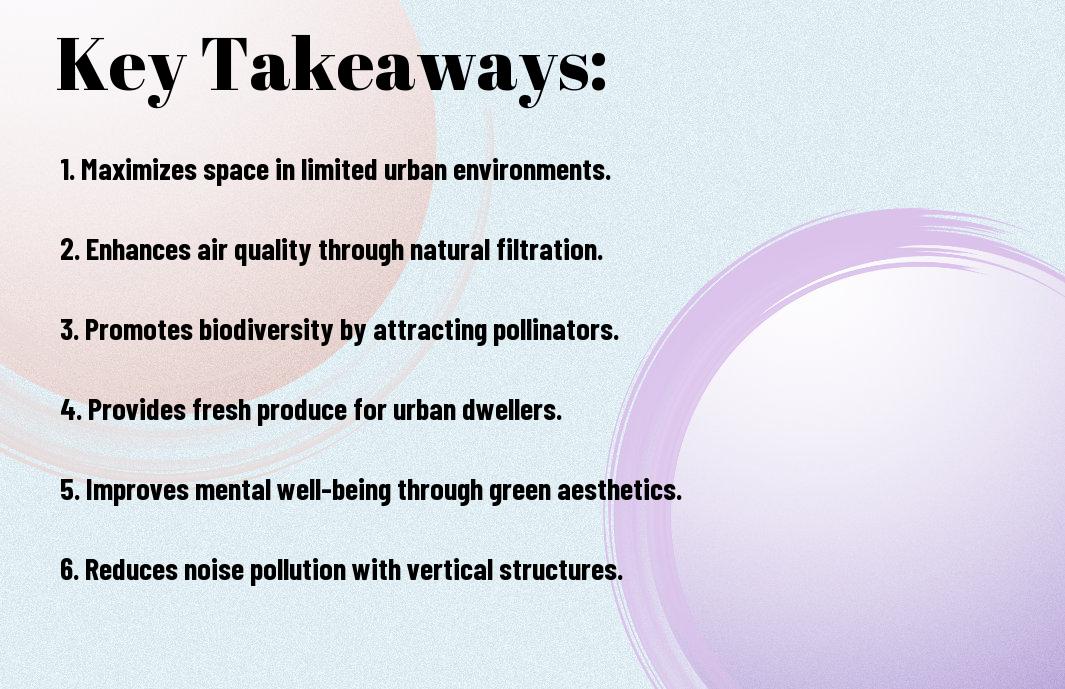
Key Takeaways:

To maximize space and promote sustainable living in urban areas, consider the following advantages of vertical gardening:

  • Increased space efficiency: Vertical gardening allows homeowners to make the most of their limited outdoor space, providing an opportunity to grow a variety of plants and flowers in a small area.
  • Improved air quality: By incorporating greenery into urban homes, vertical gardens help to purify the air and reduce pollution, creating a healthier living environment.
  • Enhanced aesthetic appeal: Vertical gardens can be a beautiful addition to any home, providing a unique and visually striking display of plants and flowers that can boost the overall curb appeal of a property.
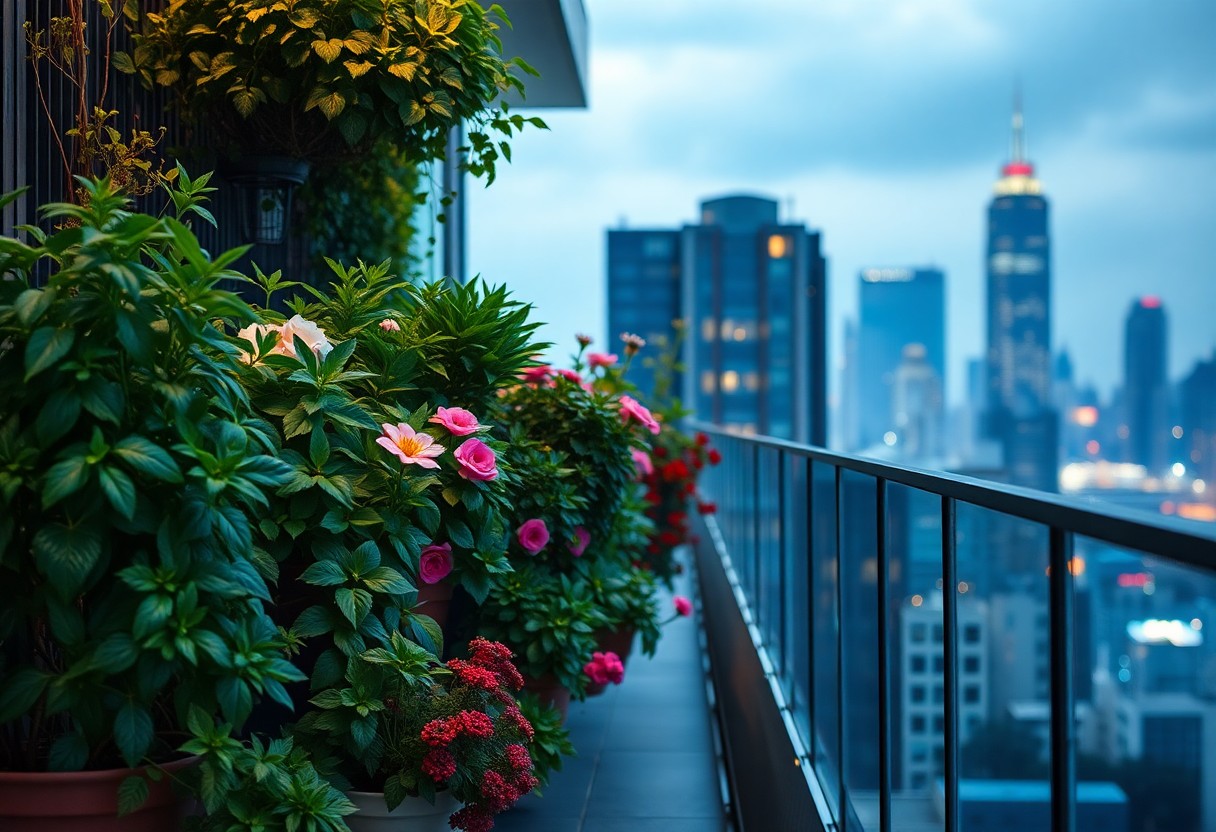
    Benefits of Vertical Gardening

    While indulging in the pleasures of urban living, you may find that your living space is limited, but this does not mean you must forgo the joys of gardening. Vertical gardening offers a most delightful solution, allowing you to cultivate a lush oasis amidst the hustle and bustle of city life.

    Space Efficiency

    One of the most significant advantages of vertical gardening is that it enables you to make the most of your available space, allowing you to grow a multitude of plants in a relatively small area, thereby maximizing your yard’s potential.

    Aesthetic Appeal

    For a touch of elegance and sophistication, vertical gardening is an excellent choice, as it adds a decorative element to your home’s exterior or interior, with the lush greenery and vibrant flowers creating a most pleasing visual display.

    Indeed, as you behold your vertical garden, you will be struck by the sheer beauty it brings to your surroundings, and you will find that the soothing presence of nature has a most calming effect on your mind and spirit, making it an invaluable addition to your urban home.

    Environmental Advantages

    Any urban homeowner can appreciate the numerous benefits of vertical gardening, as you will discover in this article, and as noted in Vertical gardens: Wellness oases in the urban jungle, which highlights the positive impact on your surroundings.

    Air Quality Improvement

    Around your urban home, the air quality can be significantly improved by implementing a vertical garden, as you breathe in the fresh air and enjoy the aesthetic appeal it brings to your living space.

    Water Conservation

    Quality of life is deeply connected to the conservation of water, and you will find that vertical gardening allows for a more efficient use of this precious resource, reducing your water waste and promoting a healthier environment.

    A key aspect of water conservation in vertical gardening is the use of a well-designed irrigation system, which you can tailor to your specific needs, ensuring that your plants receive the right amount of water, and minimizing excess water usage, thus contributing to a more sustainable urban lifestyle for you and your community.

    Increased Crop Yield

    Your urban home can reap the rewards of bountiful harvests with vertical gardening, as it allows for a greater variety of plants to be grown in a smaller space, thereby increasing your overall crop yield.

    Maximizing Space

    By utilizing walls and trellises, you can make the most of your available space, creating a lush oasis in even the smallest of areas, and enabling you to grow more plants than traditional gardening methods would allow.

    Optimized Growing Conditions

    After carefully selecting the ideal plants for your vertical garden, you will be able to provide them with the perfect balance of sunlight, water, and nutrients, resulting in healthier and more productive plants.

    At the heart of optimized growing conditions lies your ability to control the environment, allowing you to tailor the care of your plants to their specific needs, and thus, you will be delighted to observe your plants thriving in their carefully curated space, yielding a more abundant and diverse harvest for you to enjoy.

    Urban Gardening Challenges

    Unlike traditional gardening, urban gardening presents a unique set of obstacles that you must navigate to create a thriving garden in your home. Your urban space is likely to be limited, and you will need to find innovative ways to make the most of it.

    Limited Space

    Above all, the lack of available space is a significant hindrance to your urban gardening endeavors, forcing you to think creatively about how to utilize every inch of your property.

    Harsh Weather Conditions

    Beside the physical constraints, you must also contend with the often-unforgiving weather conditions that can beset your urban garden, from scorching heat to freezing cold.

    Challenges posed by harsh weather conditions can be particularly daunting, as you will need to find ways to protect your plants from extreme temperatures, pollution, and other environmental stressors that can threaten their very survival, and it is up to you to devise strategies to mitigate these effects and create a nurturing environment for your garden to flourish.

    Design and Implementation

    Once again, you find yourself pondering the particulars of vertical gardening, and how to bring this delightful concept to life in your urban home. As you consider the design, you must think about the space you have available, the amount of sunlight it receives, and the type of plants you wish to feature.

    Choosing the Right Plants

    Obviously, one of the most important aspects of vertical gardening is selecting the plants that will thrive in your unique environment. You will want to choose plants that are well-suited to the amount of sunlight and water your space provides, and that will flourish in a vertical setting.

    DIY Vertical Gardening Systems

    Beneath the surface of commercial vertical gardening systems lies a world of creative possibilities for you to explore. You can create your own DIY system using materials like wooden planks, trellises, or even repurposed pallets, allowing you to add a personal touch to your garden.

    Plus, as you research into the world of DIY vertical gardening systems, you will discover a myriad of benefits, including the ability to customize your garden to fit your specific needs and aesthetic preferences. You can experiment with different materials, designs, and plants to create a truly one-of-a-kind oasis in your urban home, showcasing your ingenuity and green thumb.

    Maintenance and Care

    For the urban gardener, maintaining a vertical garden is quite straightforward, requiring only a few minutes of your time each day to ensure your plants thrive. You will find that with a little attention, your garden will flourish, bringing joy and beauty to your home.

    Watering and Nutrient Management

    Fortunately, vertical gardens often have built-in watering systems, making it easy for you to provide your plants with the right amount of moisture and nutrients, thus simplifying your role as a caretaker of your little green oasis.

    Pruning and Pest Control

    Around the time your plants begin to grow, you will need to prune them to maintain their shape and encourage healthy growth, all while keeping a watchful eye out for any pests that might threaten the well-being of your garden.

    In addition, as you prune and inspect your plants, you will develop a deeper understanding of their needs, allowing you to tailor your care to the specific requirements of each species, and thus creating a truly thriving and beautiful vertical garden that brings you delight and satisfaction.
    To wrap up

    Summing up, you have discovered the numerous advantages of vertical gardening for your urban home. As you ponder the possibilities, you will find that this innovative approach not only saves space but also brings a touch of natural elegance to your residence, allowing you to bask in the beauty of your own making, and reap the rewards of your cleverness in cultivating a lush oasis amidst the hustle and bustle of city life, making your home a true haven.

    FAQ

    Q: What are the benefits of vertical gardening for urban homes in terms of space-saving?

    A: Vertical gardening is an excellent solution for urban homes with limited space. By utilizing walls, balconies, or even fences, you can create a lush garden without occupying valuable floor space. This method allows you to grow a variety of plants, from herbs and vegetables to flowers and succulents, making the most of your available space and enhancing the aesthetic appeal of your home.

    Q: How does vertical gardening improve air quality in urban homes?

    A: Vertical gardening plays a significant role in improving air quality in urban homes. Plants are natural air purifiers, absorbing pollutants and toxins from the air while releasing oxygen. By incorporating a vertical garden into your home, you can significantly reduce the levels of harmful substances in the air, creating a healthier environment for you and your family to breathe.

    Q: Can vertical gardening help reduce urban heat island effect?

    A: Yes, vertical gardening can help mitigate the urban heat island effect. The urban heat island effect occurs when built-up areas absorb and retain heat from the sun, making cities warmer than surrounding rural areas. By covering walls and roofs with plants, vertical gardening helps to insulate buildings, reducing the amount of heat that is absorbed and retained. This can lead to a decrease in energy consumption for cooling and a more comfortable living environment.

    Q: What are the water conservation benefits of vertical gardening in urban homes?

    A: Vertical gardening can be designed to be highly water-efficient. Many vertical gardening systems incorporate hydroponics or drip irrigation, which deliver water directly to the roots of the plants, minimizing evaporation and runoff. Additionally, using a trellis or a wall-mounted planter can help to collect and recycle rainwater, further reducing the demand on municipal water supplies. This makes vertical gardening an attractive option for urban homes looking to reduce their water footprint.

    Q: How does vertical gardening impact the mental health and well-being of urban residents?

    A: Vertical gardening has a profoundly positive impact on the mental health and well-being of urban residents. Being surrounded by nature, even in a small way, can reduce stress levels, improve mood, and provide a sense of tranquility. The act of gardening itself is also therapeutic, offering an opportunity for physical activity, social interaction (if done in a community setting), and a sense of accomplishment. In densely populated urban areas, vertical gardens can serve as oases, providing residents with a much-needed connection to nature.

How to Design a Garden Pathway With Style

As you consider enhancing your outdoor space, designing a garden pathway is an excellent way to add visual appeal and functionality to your yard. You can create a beautiful and inviting walkway that reflects your personal style. For inspiration and guidance, you can check out expert advice on how to design a garden path – tips for a stunning outdoor space to help you get started on your project, making your garden a serene oasis that you will enjoy for years to come.

Key Takeaways:

To create a beautiful and functional garden pathway, consider the following points:

  • Choose a material that complements your garden’s style, such as stone, brick, or gravel, and select a color that blends with the surroundings.
  • Consider the layout of your pathway, taking into account the traffic flow and the purpose of the path, whether it’s for walking, accessibility, or aesthetics.
  • Add decorative elements, such as plants, lighting, or ornaments, to enhance the visual appeal of your garden pathway and create a unique and inviting atmosphere.

Planning Your Garden Pathway

While designing a garden pathway, you’ll want to consider your overall vision and goals. For inspiration and guidance, you can visit How to Design Garden Paths to get started.

Defining the Purpose and Style

With a clear idea of your garden’s purpose, you can define the style and functionality of your pathway, considering factors like accessibility and aesthetics.

Assessing Your Yard’s Layout and Conditions

After identifying your garden’s unique features, you’ll need to assess your yard’s layout and conditions, taking note of slopes, drainage, and existing landscape elements.

But as you evaluate your yard, you’ll need to consider factors like sunlight, soil type, and existing plantings, which can impact your pathway’s design and material choices, ensuring a harmonious and functional integration with your garden’s ecosystem, and ultimately, enhancing your outdoor space.

Choosing the Right Materials

Some of the most popular materials for garden pathways include stone, gravel, and wood. When dicking out materials, consider your personal style, budget, and the overall aesthetic you want to achieve.

Exploring Different Types of Stones and Gravel

You can choose from:

  • Slate
  • Bluestone
  • Pea gravel

Perceiving the variety of options, you’ll find the perfect fit for your garden.

Material Characteristics
Stone Durable, low maintenance
Gravel Permeable, affordable
Wood Natural, rustic
Brick Classic, versatile
Concrete Modern, customizable

Considering Wood, Brick, and Other Options

Choosing the right material depends on your garden’s unique conditions and your personal preferences. You should consider factors like durability, maintenance, and style when making your decision.

Indeed, wood and brick are popular alternatives to stone and gravel, offering a distinct look and feel to your garden pathway. You can use wood to create a cozy, natural atmosphere, while brick can add a touch of elegance and sophistication. By considering these options, you can create a beautiful and functional garden pathway that reflects your personal style.

Designing the Pathway

Many elements come together to create a beautiful garden pathway, and as you begin designing yours, consider the overall aesthetic you want to achieve, taking into account the style of your garden and the surrounding landscape.

Creating a Focal Point and Visual Interest

One key aspect of designing a stunning garden pathway is creating a focal point that draws the eye and adds visual interest, which you can achieve by incorporating decorative elements such as statues, water features, or ornate planters along your path.

Balancing Straight and Curved Lines

Lines and curves are crucial components of a visually appealing pathway, and as you design yours, you’ll want to balance straight lines with curved ones to create a sense of movement and flow, allowing you to guide visitors through your garden with ease.

At the heart of balancing straight and curved lines is the idea of creating a sense of tension and harmony, and you can achieve this by using straight lines to create a sense of structure and curved lines to add a touch of whimsy, allowing you to create a unique and inviting pathway that reflects your personal style and complements your garden’s natural beauty.

Adding Decorative Elements

Your garden pathway can be elevated with decorative elements, such as planters, benches, and sculptures. You can find inspiration for your design on 160 Best Pathway Ideas to create a unique and inviting atmosphere.

Incorporating Plants and Flowers

Following the selection of decorative elements, you can incorporate plants and flowers to add color and texture to your garden pathway, making it more visually appealing and welcoming.

Using Lighting and Other Ornamental Features

Ornamental features such as lanterns, bird baths, and statues can add a touch of personality to your garden pathway, creating a beautiful and functional space.

Indeed, using lighting and other ornamental features effectively can enhance the ambiance of your garden pathway, allowing you to enjoy it during both day and night, and making it a perfect spot to relax and unwind in your own backyard.

Building and Installing the Pathway

Once again, attention to detail is key when building and installing your garden pathway. You’ll need to ensure that your design is brought to life with precision and care, taking into account the materials and techniques you’ve chosen.

Preparing the Site and Laying the Base

Beneath the surface, a solid foundation is vital. You’ll need to clear the area, level the ground, and lay a suitable base material to provide a stable surface for your pathway.

Installing the Pathway Materials and Finishing Touches

Onto the final stages, you’ll start installing your chosen pathway materials, whether it’s stone, brick, or gravel. You’ll need to follow the manufacturer’s instructions and take your time to ensure a professional finish.

In fact, installing the pathway materials and finishing touches can be the most rewarding part of the process, as you see your design come together. You’ll have the opportunity to add personal touches, such as decorative edging or lighting, to enhance the overall look and feel of your garden pathway, making it a unique reflection of your style and personality.

Maintenance and Upkeep

To keep your garden pathway looking its best, regular maintenance is necessary. You’ll need to perform tasks such as weeding, pruning, and inspecting for damage.

Regular Cleaning and Repair

With a regular cleaning schedule, you can prevent debris from building up on your pathway. You should sweep or blow leaves off your pathway regularly and make repairs as needed to prevent damage.

Seasonal Decorating and Refreshing

Beside the regular maintenance tasks, you can also enhance your garden pathway with seasonal decorations. You can add plants, flowers, or other decorative elements that match the current season to give your pathway a fresh look.

Indeed, seasonal decorating can completely transform the appearance of your garden pathway. You can choose decorations that complement the colors and themes of the season, such as vibrant flowers in the spring or warm lighting in the winter, to create a unique and inviting atmosphere that reflects your personal style and complements your outdoor space.

Final Words

Upon reflecting on your garden pathway design, you will find that your choices have transformed your outdoor space. You have successfully combined style and functionality, creating a beautiful and inviting atmosphere. With your newfound knowledge, you can maintain and enhance your garden pathway, ensuring it continues to be a stunning feature of your landscape, and you can enjoy the fruits of your labor for years to come, in your uniquely designed garden.

FAQ

Q: What are the initial steps to consider when designing a garden pathway with style?

A: When designing a garden pathway with style, the initial steps include assessing the garden’s layout, determining the pathway’s purpose, and considering the overall aesthetic you want to achieve. This involves evaluating the existing landscape, including the location of plants, trees, and other features, to decide the most functional and visually appealing route for your pathway. Additionally, think about the materials and colors you want to use to ensure they complement the surrounding environment and match your desired style, whether modern, traditional, or a mix.

Q: How do I choose the right material for my garden pathway?

A: Choosing the right material for your garden pathway depends on several factors, including durability, maintenance requirements, cost, and the style you’re aiming for. Popular options include brick, stone, gravel, and wood, each with its own unique characteristics and advantages. For example, brick and stone pathways are durable and can add a classic, elegant look to your garden, while gravel paths are easier to install and can be more budget-friendly. Wooden pathways, on the other hand, can add a warm, natural aesthetic but may require more maintenance over time.

Q: What role does lighting play in designing a stylish garden pathway?

A: Lighting plays a significant role in designing a stylish garden pathway, as it can dramatically enhance the pathway’s appearance and safety, especially during the evening hours. Solar-powered lights, string lights, or embedded lights along the path can not only illuminate the way but also highlight the pathway’s design and the surrounding garden features. Consider the color temperature and brightness of the lights to ensure they complement the ambiance you want to create, whether it’s warm and inviting or cool and modern.

Q: How can I incorporate plants and flowers into my garden pathway design?

A: Incorporating plants and flowers into your garden pathway design can add color, texture, and depth to your outdoor space. Consider planting flowers, shrubs, or groundcover along the edges of the pathway or in gaps between paving stones. Choose plants that are suitable for the amount of sunlight and foot traffic your pathway receives. Additionally, using planters or pots along the pathway can add a decorative element and allow for more flexibility in changing your plant arrangements seasonally. This integration of hard and soft landscaping elements can create a more dynamic and engaging garden space.

Q: Are there any specific design principles I should follow to ensure my garden pathway is both functional and stylish?

A: To ensure your garden pathway is both functional and stylish, consider following principles such as simplicity, harmony, and balance. A straightforward, easy-to-follow path can guide visitors through the garden, while too many turns or abrupt changes in direction can be confusing. Harmonize your pathway with the garden’s existing features and the style of your home. Balance is also key, as it involves creating a visual equilibrium between different elements like pathway materials, plantings, and decorative features. Finally, consider the scale of your pathway in relation to the garden and the surrounding architecture to ensure everything feels proportionate and inviting.

How to Create a Cozy Reading Nook in Your Backyard

You want a space to escape into your favorite book. Your backyard can be the perfect spot. You can create a cozy reading nook with a few simple steps. Start by choosing a quiet corner of your yard. For inspiration, visit How to Create the Perfect Cozy Reading Nook — Blog to get ideas on designing your perfect retreat. You’ll be reading in no time, surrounded by nature and comfort.

Key Takeaways:

To create a perfect outdoor reading space, consider the following points:

  • Choose a shaded area in your backyard to set up your reading nook, which can be under a tree, a gazebo, or a canopy to protect you from direct sunlight.
  • Select comfortable outdoor furniture such as a hammock, a plush armchair, or a sofa that can withstand various weather conditions and provide a cozy seating experience.
  • Add some ambient lighting, such as string lights or lanterns, and incorporate natural elements like plants and flowers to create a peaceful and inviting atmosphere in your backyard reading nook.

Setting the Scene

While creating a cozy reading nook, you’ll want to think about the ambiance you’re trying to achieve. Your backyard should be an extension of your personal space, a place where you can unwind and escape into a good book.

Choosing the Perfect Location

Before selecting a spot, consider the layout of your yard and how you plan to use the space. You’ll want to choose a location that’s quiet, comfortable, and shaded from the sun.

Assessing the Space

Assessing your yard’s conditions is key to creating a cozy reading nook. You’ll need to think about the terrain, the amount of sunlight it gets, and the surrounding noise level.

In addition, you should take note of any existing features, such as gardens, trees, or water elements, that can enhance or detract from your reading experience, and plan your nook accordingly, taking into account your personal preferences and needs to create a space that’s tailored to your reading habits.

Essential Elements

There’s no reading nook without the right elements. You’ll need to consider what makes your space comfortable and inviting.

Comfortable Seating Options

Cozy seating is key to a good reading nook. You’ll want to choose furniture that fits your style and allows you to settle in with a good book.

Soft Lighting and Texture

Elegant elements like soft lighting and texture can make your reading nook feel like a retreat. You’ll want to balance these elements to create a space that’s both calming and engaging.

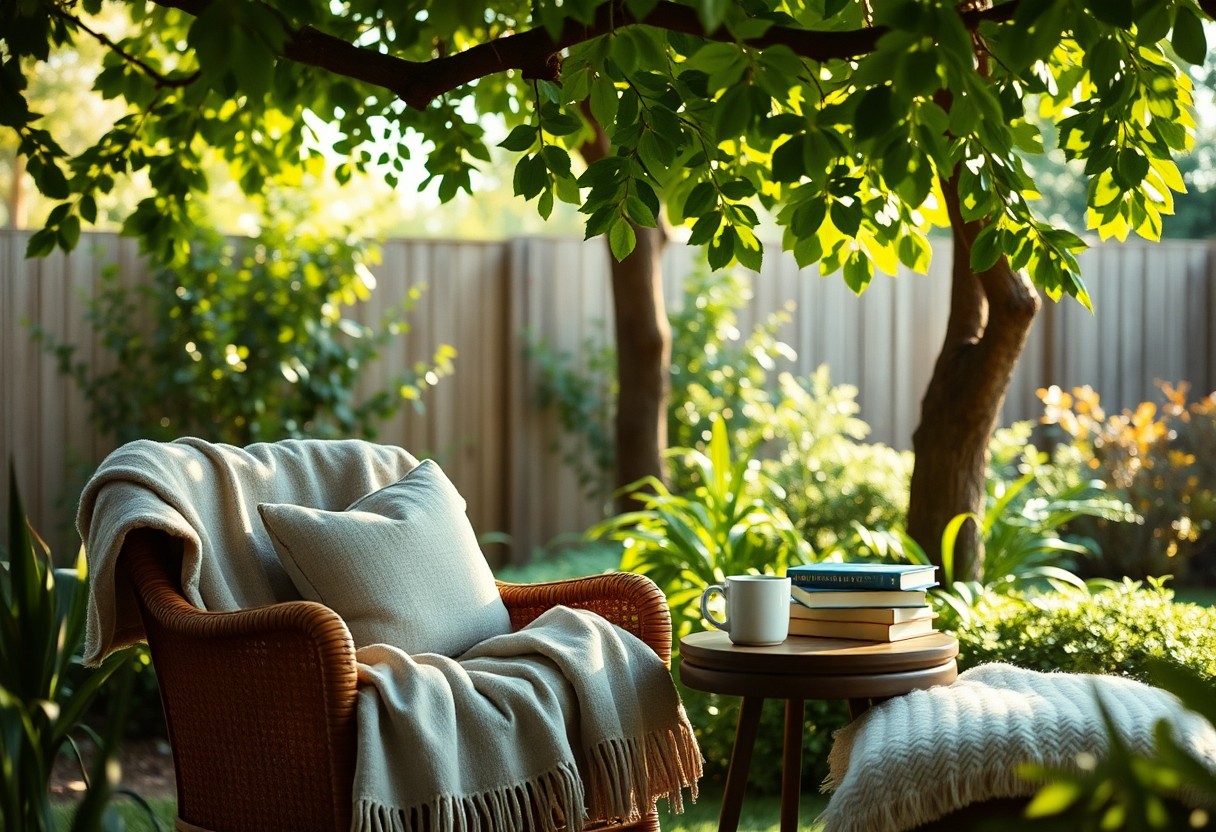
For instance, you can add throw blankets, pillows, and a side table to create a cozy atmosphere, and use string lights or lanterns to provide soft, warm lighting that makes your space feel inviting, allowing you to get lost in your book.

Creating Ambiance

Once again, you’ll want to focus on setting the mood for your reading nook. You can achieve this by adjusting the lighting and using comfortable seating, allowing you to unwind and get lost in your book.

Adding Plants and Greenery

Foliage brings life to your outdoor space, and you can use it to create a natural ambiance around your reading nook. You choose plants that fit your climate and style, and place them strategically to create a cozy atmosphere.

Incorporating Warmth and Sound

Crafting a warm and inviting atmosphere is key to a cozy reading nook. You can add a fire pit or a heating lamp to keep you warm on chilly evenings, and a water feature or wind chimes to create soothing sounds.

Ambiance is what makes your reading nook feel like a retreat. As you incorporate warmth and sound, you’ll find that your space becomes more inviting, and you’ll want to spend more time there, getting lost in the pages of your favorite book, surrounded by the soothing sounds and warmth you’ve created.

Personalizing Your Nook

Not every reading nook is the same, and yours should reflect your personality. You can achieve this by adding your favorite elements, making your space truly unique.

Selecting Cozy Colors and Patterns

Around your reading nook, choose colors and patterns that evoke a sense of calm and serenity, allowing you to unwind and fully immerse yourself in your reading.

Displaying Personal Treasures

Among the books and pillows, you can display personal treasures that bring you joy, making your reading nook feel like a true retreat.

This aspect of personalizing your reading nook is where you can let your personality shine, as you select items that hold sentimental value or inspire your love of reading, placing them in a way that creates a cozy and inviting atmosphere, making you feel comfortable and at ease in your outdoor retreat.

Functional Considerations

Despite the cozy ambiance, your reading nook needs to be functional. You’ll want to consider the layout, seating, and other elements that will make your space comfortable and inviting.

Storage and Organization

Besides the seating, you’ll need to think about storage for your books and other reading materials. You can use a small bookshelf or a storage bench to keep your belongings organized.

Power and Lighting Solutions

Beneath the shade of a tree or a pergola, you’ll need to consider power and lighting solutions. You can install solar-powered lights or string lights to create a warm ambiance.

Also, you can add a small table or a floor lamp to provide sufficient lighting for your reading. You can choose from a variety of outdoor lighting options, such as lanterns or candles, to create a cozy and intimate atmosphere in your reading nook. You’ll be able to sit back, relax, and enjoy your favorite book in the comfort of your own backyard.

Final Touches

To complete your cozy reading nook, consider the details that will make it truly inviting. You’ll want to add some personal touches to make the space feel like your own.

Adding Decorative Accents

Besides the core elements, you can add decorative accents like pillows, throws, and plants to create a warm atmosphere. You can choose items that reflect your personal style and complement the natural surroundings.

Making it Tech-Friendly

Once you have the basics set up, you can make your reading nook tech-friendly. You can install outdoor outlets, string lights, or a solar-powered charger to keep your devices powered up.

Another aspect to consider is investing in a waterproof Bluetooth speaker, so you can listen to music or podcasts while you read. You can also add a small table or stool to hold your drinks and devices, making it easy to access everything you need while you’re enjoying your outdoor reading nook.

Conclusion

Drawing together the elements of comfort and nature, you can create a serene oasis in your backyard. To make your reading nook a haven, consider visiting Creating Your Dream Patio Reading Nook: A Cozy Haven for Relaxation for more inspiration. With a few simple steps, you’ll be settling into your cozy reading nook, surrounded by your backyard’s natural beauty, and letting the world slow down.

FAQ

Q: What are the necessary elements to consider when creating a cozy reading nook in my backyard?

A: When creating a cozy reading nook in your backyard, consider the location, seating, lighting, and ambiance. Choose a spot that is quiet, shaded, and protected from the elements. Select comfortable and durable outdoor furniture, such as a hammock, daybed, or Adirondack chairs. Add warm and soft lighting, like string lights or lanterns, to create a soothing atmosphere. Finally, incorporate natural elements, such as plants, flowers, or a water feature, to enhance the ambiance and make your reading nook feel like a serene retreat.

Q: How can I provide shade and protection from the elements in my outdoor reading nook?

A: There are several ways to provide shade and protection from the elements in your outdoor reading nook. You can install a pergola, gazebo, or canopy to create a shaded area. Alternatively, you can use a large umbrella or a sail shade to block out the sun and rain. Consider using outdoor curtains or screens to enclose your reading nook and protect it from wind and insects. You can also add a roof or a trellis with vines to create a sense of seclusion and shelter.

Q: What type of lighting is best suited for a cozy reading nook in the backyard?

A: For a cozy reading nook in the backyard, you’ll want to use lighting that is warm, soft, and soothing. String lights, lanterns, or tabletop torches are great options, as they provide a gentle glow that is easy on the eyes. Solar-powered lights are also a good choice, as they are energy-efficient and environmentally friendly. Avoid using harsh or bright lights, as they can be overwhelming and disrupt the cozy ambiance. Consider using lights with a warm color temperature, such as soft whites or warm LEDs, to create a relaxing atmosphere.

Q: How can I make my outdoor reading nook feel more intimate and secluded?

A: To make your outdoor reading nook feel more intimate and secluded, consider using plants, flowers, or trees to create a sense of enclosure. You can also use outdoor screens, curtains, or trellises to block out the surrounding area and create a sense of seclusion. Add some comfortable and plush textiles, such as throw blankets, pillows, or a rug, to make your reading nook feel cozier. Finally, incorporate some personal touches, such as family photos, artwork, or decorative objects, to make your reading nook feel like a personal retreat.

Q: What are some ways to incorporate technology into my outdoor reading nook without disrupting the cozy ambiance?

A: There are several ways to incorporate technology into your outdoor reading nook without disrupting the cozy ambiance. Consider using a waterproof and portable Bluetooth speaker to listen to music or audiobooks. You can also use a tablet or e-reader with a warm and cozy reading light to reduce eye strain. If you want to stay connected, use a smartphone with a solar-powered charger to ensure you don’t run out of battery. Finally, consider using smart outdoor lighting that can be controlled remotely to adjust the ambiance and lighting levels to your liking, creating a seamless and convenient reading experience.

The Best Shrubs for Attracting Birds to Your Yard

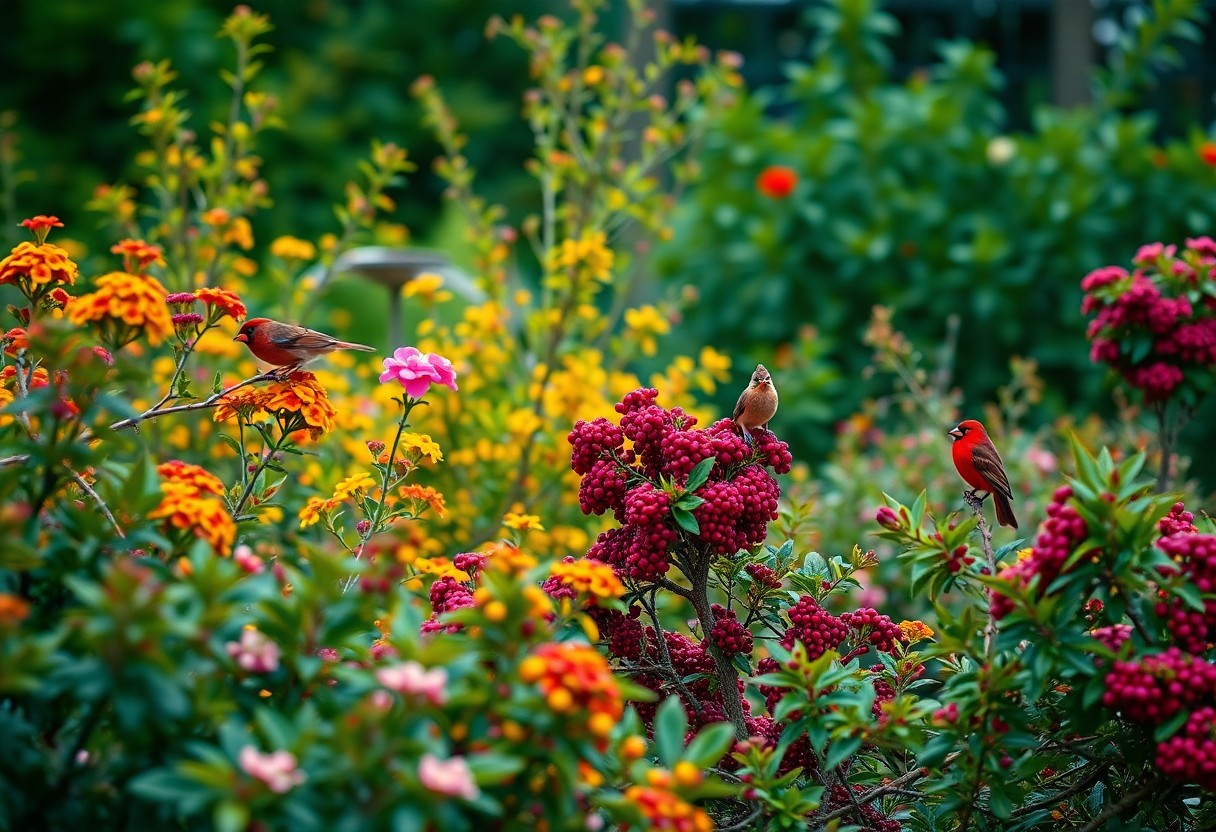
As you strive to create a bird-friendly habitat, you’re likely looking for ways to attract a variety of species to your yard. You can start by selecting the right shrubs, which provide food, shelter, and nesting sites for birds. By choosing the right shrubs, you can transform your outdoor space into a haven for birds, enhancing your viewing experience and supporting local wildlife. You’ll learn which shrubs are best suited for your yard and how they can help attract birds.

Key Takeaways:

To create a bird-friendly yard, consider the following points when selecting shrubs:

  • Plant native shrubs that produce berries or seeds to attract a variety of bird species, as these provide a natural source of food and shelter.
  • Incorporate evergreen shrubs to offer year-round habitat and protection for birds, especially during harsh weather conditions.
  • Choose flowering shrubs that attract insects, which serve as a food source for birds, and consider shrubs with dense foliage to provide nesting sites.

    Choosing the Right Shrubs

    The type of shrub you choose will depend on the climate and region you live in, as well as the type of birds you want to attract. You should consider factors such as the shrub’s growth habits, soil requirements, and the types of food it provides.

    Native Species

    Between the various options available, native species are often the best choice, as they will be most attractive to local bird populations. You can consult with a local nursery or landscaper to determine which native shrubs are best suited to your area.

    Berry-Producing Shrubs

    Above all, berry-producing shrubs are a great option, as they provide a source of food for birds during the winter months. You can choose from a variety of shrubs, such as holly or dogwood, to attract birds to your yard.

    Species such as blueberries, raspberries, and blackberries are excellent choices, as they produce abundant berries that attract a wide range of bird species. You can plant these shrubs in a location that receives full sun to partial shade, and provides well-draining soil, to ensure optimal growth and berry production, and in turn, attract a variety of birds to your yard.

    Shrubs for Different Seasons

    It is crucial to choose shrubs that attract birds throughout the year, as different species visit your yard during various seasons, and you can select shrubs that cater to these seasonal visitors.

    Spring-Blooming Shrubs

    By adding spring-blooming shrubs to your yard, you can provide a source of nectar and insects for birds, such as azaleas and rhododendrons, which are perfect for attracting birds like hummingbirds and orioles.

    Summer-Fruiting Shrubs

    With summer-fruiting shrubs, you can offer juicy fruits for birds, such as dogwoods and hawthorns, which are ideal for attracting birds like robins and blue jays.

    It is worth noting that summer-fruiting shrubs, like dogwoods and hawthorns, provide a perfect source of nutrition for birds during the summer months when they need energy to raise their young, and by incorporating these shrubs into your yard, you can create a bird-friendly habitat that supports their needs.

    Creating a Bird-Friendly Habitat

    Your yard can become a haven for birds by incorporating the right shrubs and plants, providing them with food, shelter, and water, making it an ideal spot for them to thrive.

    Planting Tips

    Along with choosing the right shrubs, you should consider the following:

    • Native plants
    • Diverse foliage

    Thou shalt see an increase in bird activity as you create a welcoming environment.

    Maintenance Advice

    Alongside regular watering and pruning, consider the types of birds you want to attract and tailor your maintenance accordingly, you will be able to enjoy the beauty of nature in your yard.

    Creating a low-maintenance habitat is key to attracting birds, by choosing disease-resistant and hardy shrubs, you will be able to minimize your upkeep while still providing a haven for your feathered friends, allowing you to sit back and enjoy the sights and sounds of nature in your own backyard.

    Popular Shrubs for Bird Attraction

    All bird enthusiasts know that choosing the right shrubs can make a big difference in attracting birds to your yard. You can find a variety of shrubs that can attract birds by visiting Shrubs to Attract Birds and selecting the ones that fit your needs.

    Dogwood and Holly

    Between the various options, Dogwood and Holly are popular choices for attracting birds to your yard, as they provide berries that serve as a food source for many bird species, making your yard a welcoming place for them.

    Viburnum and Juniper

    The selection of Viburnum and Juniper shrubs can also enhance your yard’s attractiveness to birds, offering a mix of berries, seeds, and shelter that cater to different bird species, allowing you to enjoy their beauty and songs.

    Another advantage of Viburnum and Juniper is their low maintenance and adaptability to different environments, making them suitable for your yard regardless of its conditions, and ensuring that you can enjoy the company of birds throughout the year.

    Regional Considerations

    Now, when selecting shrubs to attract birds to your yard, you should consider the specific climate and region you live in. You can find more information on The Best Trees, Vines, and Shrubs to Plant for Birds to help you make informed decisions.

    Shrubs for Cool Climates

    Besides considering the type of birds you want to attract, you should also think about the types of shrubs that thrive in cool climates, such as dogwood or hawthorn, which can provide food and shelter for birds in your area.

    Shrubs for Warm Climates

    Regionally, you will find that different shrubs are more suitable for warm climates, such as Texas sage or lantana, which can attract birds like hummingbirds and orioles to your yard.

    This type of shrub is particularly well-suited for warm climates because it is drought-tolerant and can provide a constant source of nectar for birds, making your yard a welcoming haven for these beautiful creatures, and with the right selection, you can create a bird-friendly habitat that will attract a variety of species to your yard.

    Additional Tips and Tricks

    Despite having the right shrubs, you can further enhance your yard’s appeal to birds. Consider the following:

    • Planting a variety of shrubs
    • Providing nesting boxes

    Recognizing the unique needs of different bird species will help you create a welcoming environment.

    Water Sources and Feeders

    Tactfully, you can attract more birds by installing water sources and feeders, which will provide them with the necessary resources to thrive in your yard.

    Pest Control and Disease Prevention

    Additionally, you should take steps to protect your shrubs and birds from pests and diseases, ensuring a healthy and balanced ecosystem in your yard.

    In addition, you can prevent the spread of disease by keeping your yard clean, removing dead plants, and using organic pest control methods, which will help you maintain a safe haven for your feathered friends, and you will be able to enjoy their beautiful songs and colorful presence in your yard.

    Summing up

    The selection of shrubs you choose can greatly impact the number of birds visiting your yard. By incorporating the best shrubs, you can create a welcoming habitat for various bird species. You will attract a diverse range of birds to your yard, providing them with food and shelter, and enhancing your outdoor experience. With the right shrubs, you can enjoy the beauty and song of birds in your own backyard.

    FAQ

    Q: What types of shrubs are best for attracting birds to my yard?

    A: The best shrubs for attracting birds to your yard are those that provide food, shelter, and nesting sites. Consider planting native shrubs like dogwood, hawthorn, or cedar, which produce berries that birds love to eat. Other options include shrubs with nectar-rich flowers, such as butterfly bush or honeysuckle, which attract birds like hummingbirds and orioles.

    Q: How can I choose the right shrubs for the climate and soil in my area?

    A: To choose the right shrubs for your area, consider the local climate, soil type, and moisture levels. For example, if you live in a dry area, choose drought-tolerant shrubs like juniper or yew. If you have wet soil, consider shrubs like bayberry or elderberry that thrive in moist conditions. Consult with a local nursery or gardening expert to determine the best shrubs for your specific region and soil type.

    Q: What is the best time to plant shrubs to attract birds?

    A: The best time to plant shrubs to attract birds depends on your location and climate. In general, spring and fall are the best times to plant shrubs, as the weather is mild and rainfall is more consistent. Avoid planting in the middle of summer or winter, when extreme temperatures and weather conditions can stress the plants. Additionally, consider planting shrubs that provide year-round interest, such as evergreen shrubs or those with winter berries, to attract birds during different seasons.

    Q: How can I maintain my shrubs to ensure they continue to attract birds?

    A: To maintain your shrubs and keep them attractive to birds, make sure to water them regularly, fertilize them annually, and prune them as needed. Avoid using pesticides, which can harm birds and other wildlife, and instead adopt integrated pest management techniques. Also, consider creating a layered landscape with a mix of shrubs, trees, and perennials, which can provide a diverse range of habitats for birds and other wildlife.

    Q: Can I attract specific types of birds to my yard by planting certain shrubs?

    A: Yes, you can attract specific types of birds to your yard by planting shrubs that provide their preferred food sources or habitats. For example, planting shrubs with blue or black berries, such as blueberries or blackberries, can attract birds like bluebirds and thrushes. Planting shrubs with dense foliage, such as hawthorn or pyracantha, can attract birds like sparrows and finches that need shelter and nesting sites. Research the specific needs and preferences of the bird species you want to attract and choose shrubs accordingly.

How to Grow Plants That Thrive in Shade

Key Takeaways:

To successfully grow plants in shade, consider the following points:

  • Choose plants that are natured to thrive in low-light conditions, such as ferns and hostas, which can add texture and interest to shady areas.
  • Soil quality is vital for shade plants, as it needs to be rich in organic matter to support healthy root growth and Retention of moisture.
  • Provide the right amount of water and nutrients to your shade plants, as overwatering can be detrimental to their health, and a balanced fertilizer can promote healthy growth and development.

    Choosing the Right Shade Plants

    Your shade garden will flourish with the right plants, and you can find inspiration at Five Tips for Planting in Shade. This will guide you in selecting plants that thrive in low-light conditions.

    Native Plants for Shade

    The native plants in your area are often the best choice for shade gardens, as they have adapted to the local climate and soil conditions, making them easier to care for and more likely to thrive.

    Exotic Plants for Shade

    For a unique and interesting shade garden, consider exotic plants that add a touch of the unusual to your outdoor space, with their striking foliage and vibrant colors.

    To create a stunning exotic shade garden, you will want to select plants that not only tolerate shade but also add texture and interest to your garden, such as ferns, peace lilies, or bromeliads, and with the right care, these plants will bring beauty and life to your shade garden, allowing you to enjoy the serenity and tranquility of nature.

    Preparing the Soil

    Now that you’ve chosen the perfect shade-loving plants, it’s time to prepare the soil that will nurture their growth. You’ll want to assess the soil’s condition to create an ideal environment for your plants to thrive.

    Testing the Soil Type

    Soil composition varies greatly, and understanding your soil’s makeup is important. You can test your soil type by observing its texture, or by using a DIY testing kit to determine its pH level and nutrient content.

    Amending the Soil

    Around your plants, the soil may need adjustments to support healthy growth. You can add organic matter like compost or well-rotted manure to enhance its fertility and structure.

    Plus, as you amend your soil, consider the specific needs of your shade-loving plants. You may need to add more acidic or alkaline components, depending on the plants you’ve chosen, and you can also incorporate materials like leaf mold or peat moss to retain moisture and regulate soil temperature, allowing your plants to flourish in their shady habitat.

    Planting and Care

    Once again, you find yourself in the midst of nurturing your shade-loving plants, and it’s time to focus on the necessary steps that will make them flourish. You’ll want to create an environment that mimics their natural habitat, with careful attention to planting techniques, watering, and mulching.

    Planting Techniques

    Across the spectrum of shade-tolerant plants, you’ll discover that each variety has its unique needs, and you’ll need to adapt your planting approach accordingly, taking into account factors like soil type, moisture levels, and sunlight exposure.

    Watering and Mulching

    Between the delicate balance of hydration and drainage, you’ll need to find the perfect harmony for your shade plants, using mulch to retain moisture and regulate soil temperature, allowing your plants to thrive in their shaded surroundings.

    Among the many benefits of proper watering and mulching, you’ll notice that your plants will develop stronger roots, healthier leaves, and a more vibrant appearance, as the soil remains cool and moist, and weeds are suppressed, giving your shade-loving plants the best chance to flourish, and inviting you to bask in the serenity of your thriving shade garden.

    Lighting Considerations

    Many plants thrive in shade, and you can grow a variety of species in low-light conditions.

    Types of Shade

    You’ll encounter different types of shade, including:

    • Dappled shade
    • Partial shade
    • Full shade

    After considering your options, you can choose the best shade for your plants.

    Shade Type Description
    Dappled Shade Filtered sunlight through trees
    Partial Shade 4-6 hours of direct sunlight
    Full Shade
    Deep Shade No direct sunlight

    Supplemental Lighting

    Beneath the shade, you can provide supplemental lighting to enhance plant growth. You can use grow lights to supplement natural light, extending the growing season and increasing yields.

    Even if you have a shaded area, you can still provide your plants with the light they need to thrive. You can place grow lights near your plants, adjusting the duration and intensity of the light to meet their specific needs, and watch your plants flourish in the shade, bringing joy and beauty to your outdoor space, as you nurture and care for them.

    Common Shade Plant Problems

    All gardeners face challenges when growing plants in shade, and you are no exception. As you explore the world of shade gardening, you can find a helpful guide to fruits and vegetables that grow in shade to inform your choices.

    Pest Control

    Toward preventing pest issues, you’ll want to inspect your plants regularly, taking note of any signs of trouble, and address them promptly to keep your shade garden thriving.

    Disease Prevention

    Shade itself can be a factor in disease prevention, as some diseases thrive in moist, shady conditions, so you’ll need to take steps to ensure good air circulation and avoid overwatering your plants.

    Due to the unique conditions of shade gardens, you’ll find that disease prevention requires a thoughtful approach, considering the specific needs of your plants and the environment in which they grow, and by being mindful of these factors, you can create a healthy and thriving shade garden that brings you joy and satisfaction.

    Creative Shade Garden Designs

    Unlike traditional gardens, shade gardens offer a unique opportunity to experiment with creative designs. You can transform your shaded areas into enchanting oases, teeming with life and beauty. By selecting the right plants and incorporating natural elements, you can craft a serene atmosphere that invites contemplation and connection with nature.

    Vertical Gardens

    Gardening in vertical spaces can be a great way to maximize your shade garden’s potential. You can train vines and climbing plants to ascend trellises or walls, adding depth and texture to your garden. This approach also helps to make the most of limited space, allowing you to grow more plants than you thought possible.

    Container Gardens

    About the time you start planning your container garden, you’ll discover the vast array of possibilities. You can choose containers that complement your garden’s style and select plants that thrive in shaded conditions. This flexible approach enables you to rearrange your garden as you see fit, creating a dynamic and ever-changing display.

    Even as you experiment with different container arrangements, you’ll find that your shade garden becomes a reflection of your personality and creativity. You can move containers to capture the perfect amount of shade, ensuring your plants receive the ideal amount of light. As you tend to your container garden, you’ll develop a deeper connection with the natural world and cultivate a sense of serenity in your outdoor space.

    To wrap up

    With this in mind, you can now initiate on cultivating a thriving shade garden, where your plants will flourish under the gentle canopy above. As you tend to your shade-loving flora, you’ll find solace in the serene atmosphere they create, and your connection to nature will deepen. Your efforts will be rewarded with a lush oasis, teeming with life and beauty, where you can retreat from the world and find peace.

    FAQ

    Q: What types of plants are best suited for shade gardens?

    A: Pertaining to growing plants in shade, it’s important to choose varieties that naturally thrive in low-light conditions. Some popular options include ferns, hostas, and impatiens. These plants have adapted to survive and even flourish in shady spots, making them perfect for areas with limited sunlight. Additionally, consider plants like astilbe, coleus, and creeping thyme, which add texture, color, and interest to shade gardens.

    Q: How much shade is too much shade for plants to grow?

    A: The amount of shade that’s too much for plants to grow varies depending on the specific variety. Some plants, like Chinese evergreen and pothos, can tolerate deep shade with as little as 1-2 hours of indirect sunlight per day. Others, like hydrangeas and azaleas, prefer partial shade with 4-6 hours of dappled sunlight. It’s necessary to research the specific shade requirements for each plant to ensure you’re providing the right conditions for optimal growth.

    Q: What soil conditions are necessary for shade plants to thrive?

    A: Shade plants often prefer soil that’s rich in organic matter and has good drainage. Adding compost or well-rotted manure can help improve soil structure and fertility, while also supporting the growth of beneficial microorganisms. It’s also important to maintain a consistent moisture level, as shade plants can be susceptible to root rot if the soil is too wet. A mix of peat moss, perlite, and vermiculite can help create a well-draining and fertile soil environment for shade plants.

    Q: How often should I water plants in shady areas?

    A: Plants in shady areas often require less water than those in full sun, as they’re exposed to less evaporation. However, it’s still necessary to water them regularly to keep the soil consistently moist. Check the soil daily, and water only when the top 1-2 inches of soil feels dry to the touch. Avoid getting water on the leaves to prevent fungal diseases, and instead, water at the base of the plant. During hot summer months, you may need to water more frequently, while during cooler months, you can reduce watering to once a week.

    Q: Can I use fertilizers to promote healthy growth in shade plants?

    A: Yes, fertilizers can be beneficial for shade plants, but it’s necessary to choose the right type and apply it at the right time. Use a balanced, water-soluble fertilizer (10-10-10) at half the recommended strength to avoid burning the roots. Apply fertilizer during the growing season (spring and summer) when the plants are producing new growth. Avoid fertilizing in the fall or winter, as this can promote new growth that may not have time to harden off before frost. Additionally, consider using organic fertilizers like fish emulsion or compost tea, which release nutrients slowly and promote healthy microbial activity in the soil.

Skip to content